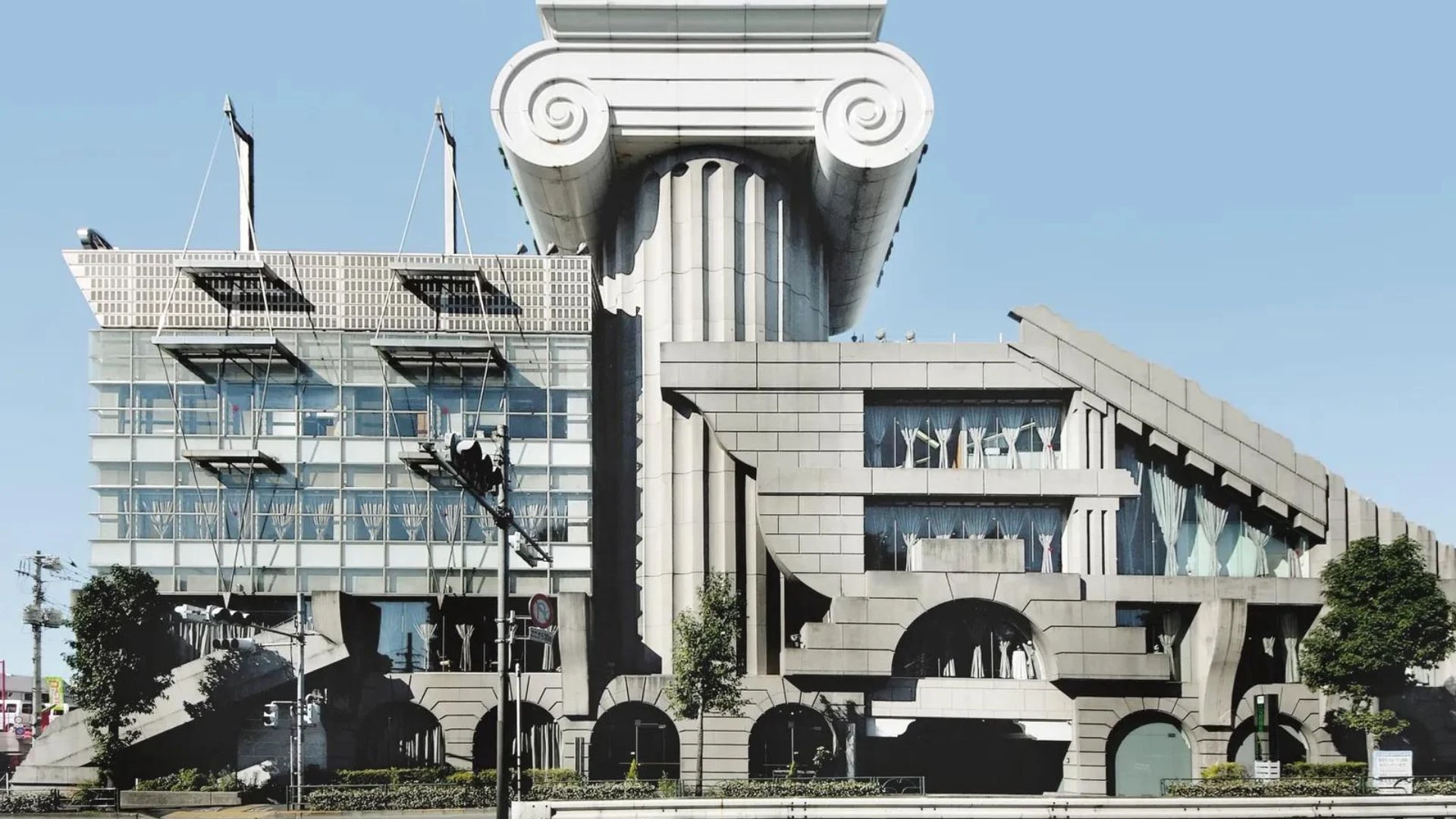
In the design community, the word “Postmodern” was a bad word for a long time. It was the “awkward teenager” phase of the 1980s, when many critics anticipated that the Chippendale buildings, bright neon-lit plazas, and mismatched geometry would fade away with time. But as we get deeper into the 21st century, things have changed. You can see it in London, Rotterdam, or Melbourne today: a “Mo-Po” (New Postmodern) movement that is louder, smarter, and more fun than ever.
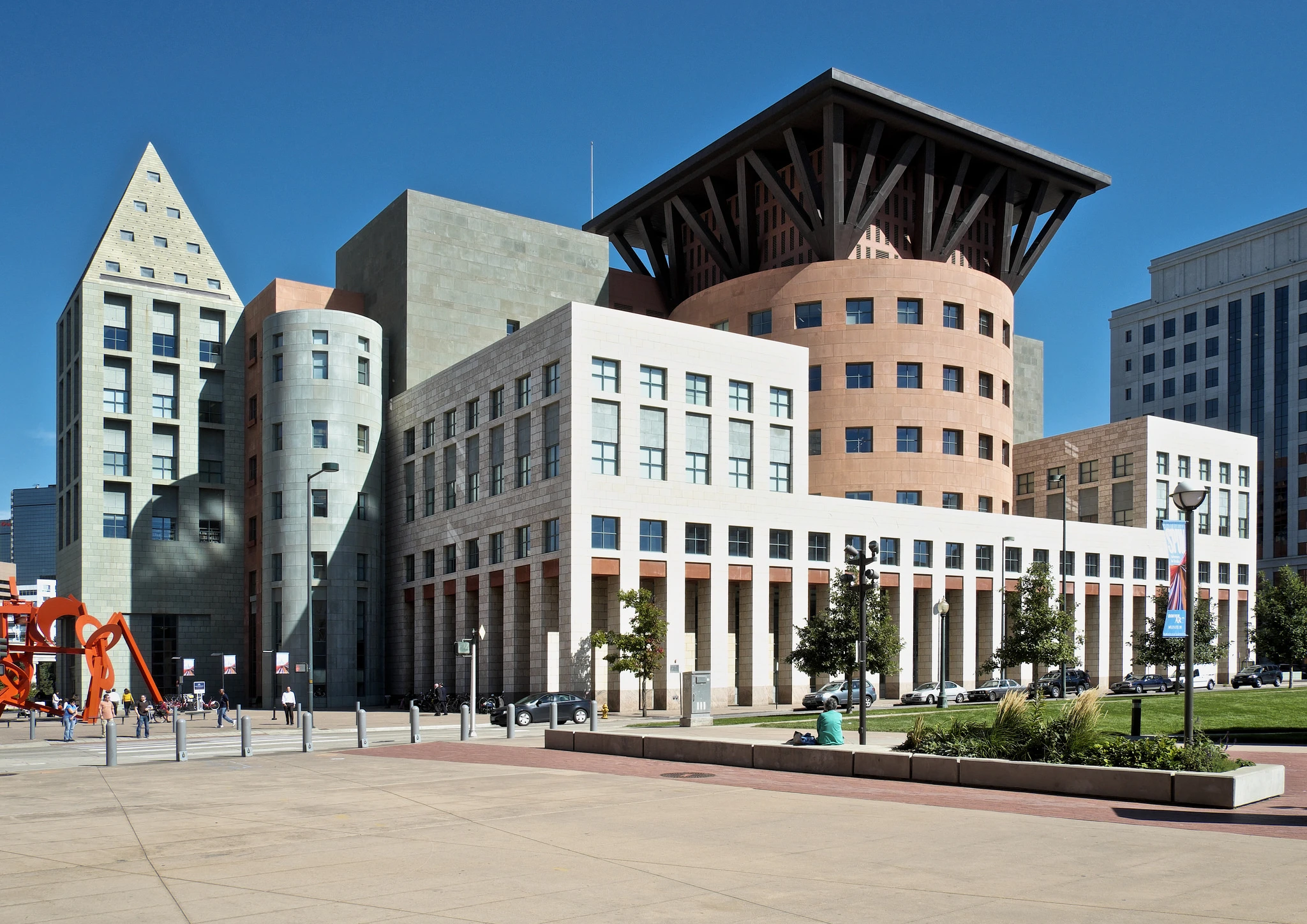
The Death of “Less is More” and the Rise of “Less is a Bore”
To comprehend our obsession with this resurrection, we must examine what we are fleeing from. The famous saying of Ludwig Mies van der Rohe, “Less is more,” sums up the 20th century. Modernism gave us cities that are utilitarian, clean, and efficient, but it also gave us a landscape of glass boxes that look the same everywhere and have no personality.
The globe reached a breaking point with “Millennial Minimalism” by the middle of the 2020s. This style made every coffee shop from New York to Tokyo appear the same, with lots of beige, gray, and glass from floor to ceiling.
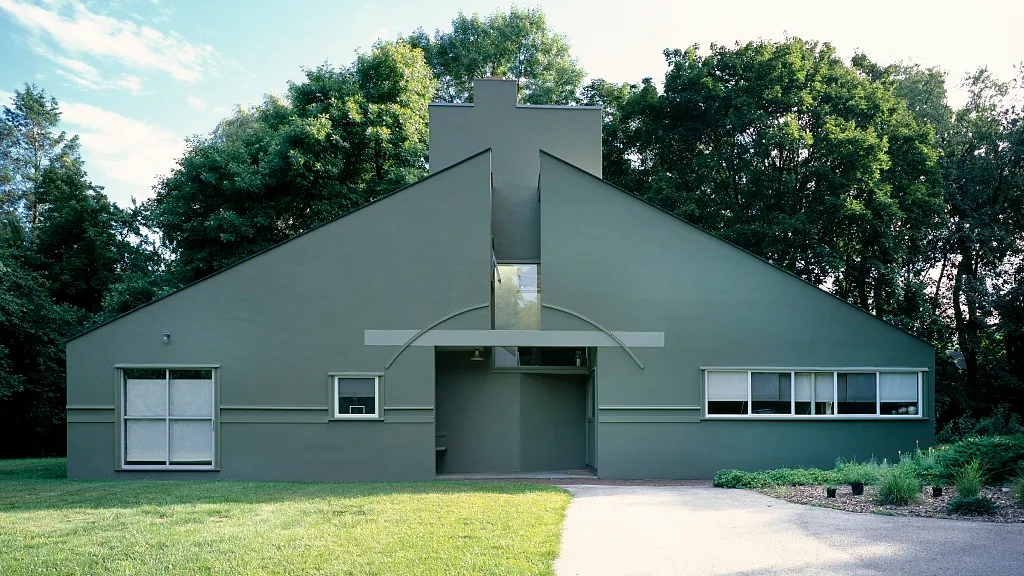
Robert Venturi, the father of Postmodernism, famously said:
“Less is a bore.”
Architects are finally agreeing today. We are living in a time when buildings can have a personality, a sense of humor, and even a little bit of “bizarre” style.
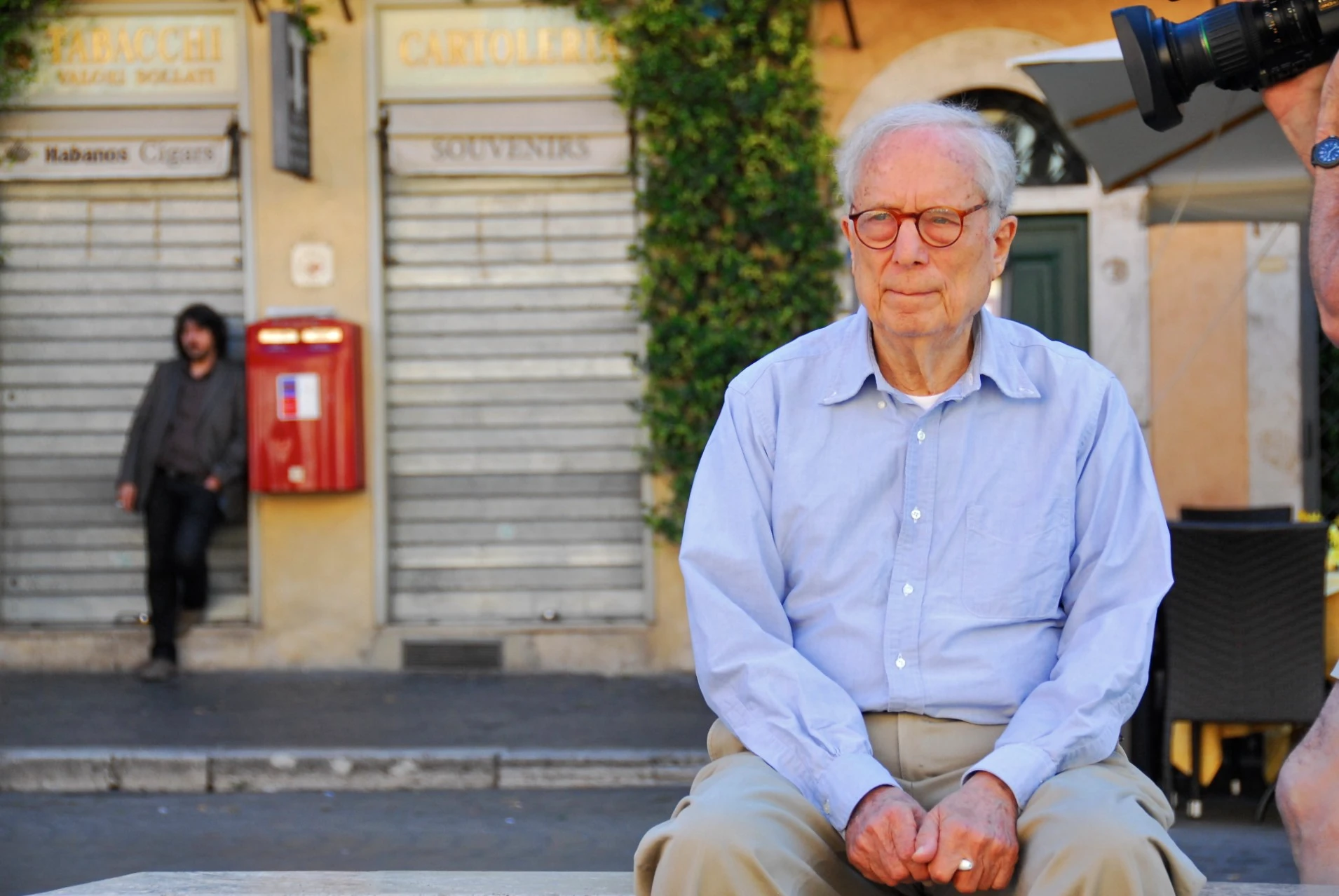
Robert Venturi
We’re Crazy About It: The Digital and Emotional Drivers
The “Instagram” Look and Feel and Brand Image
In a world when everything is digital, architecture needs to do more than just keep people safe; it needs to give them a “moment.” Modernist structures look sleek, yet they typically blend in with the background of a photo. With its bright colors and broken patterns, postmodern structures are made to be seen through a lens.
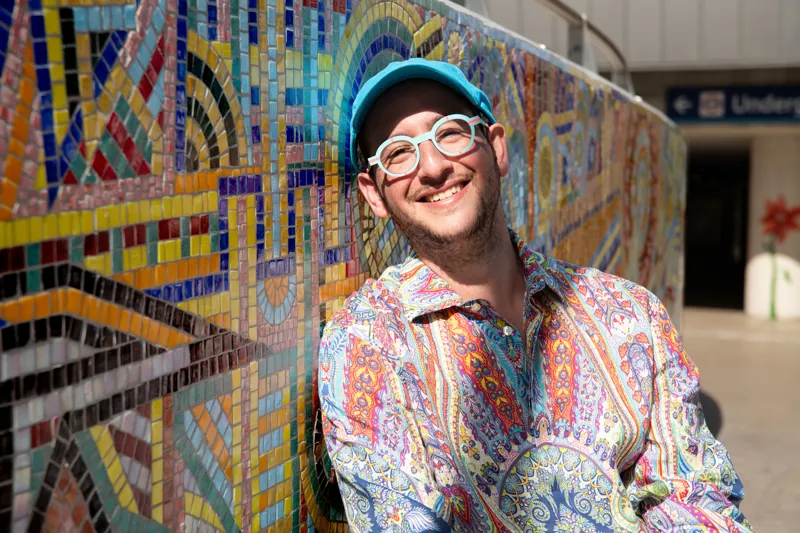
Architects like Adam Nathaniel Furman are at the forefront of this movement, adopting bright, candy-colored color schemes that stand out on social media. This isn’t just for show; it’s about building a space. We spend so much time in digital areas that we want physical spaces that are different, memorable, and easy to share.
The Comfort of “New Nostalgia”
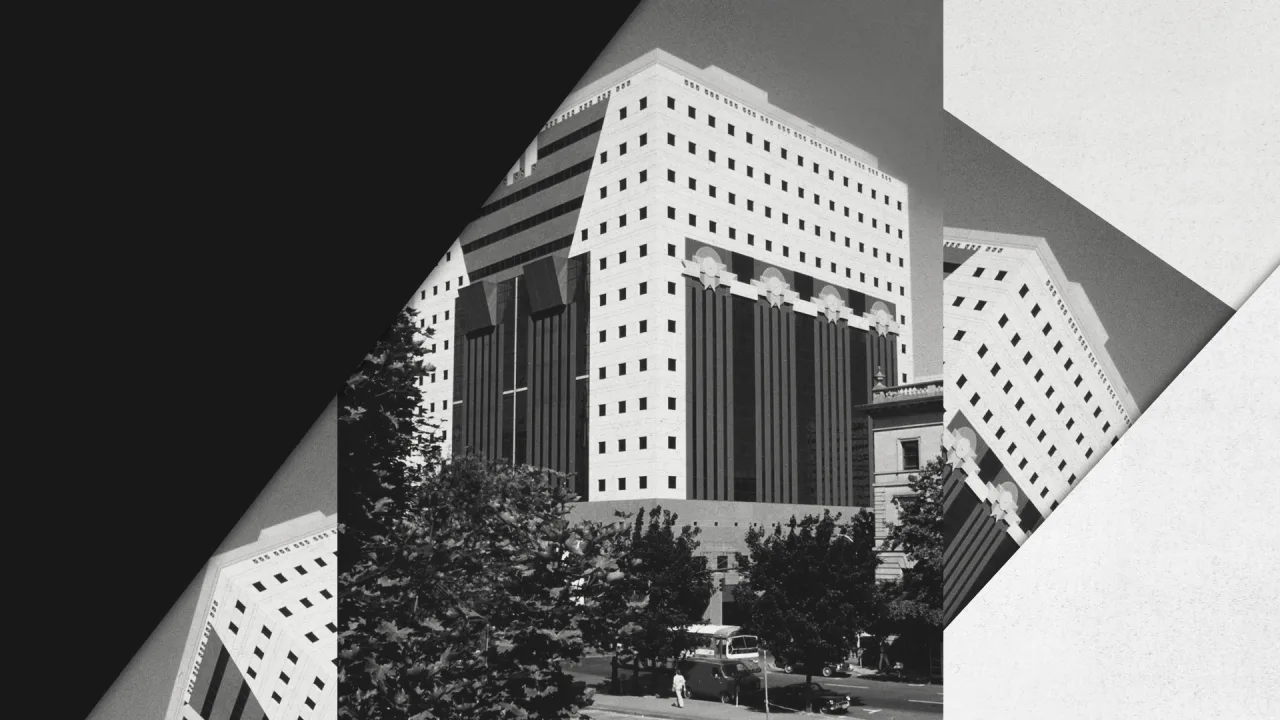
“Double-coding” is what postmodernism has always been about. This means integrating modern building methods with historical allusions. In the 21st century, which is becoming more and more unpredictable, there is a strong emotional pull toward the familiar.
When we see a 30-story building with a Greek-style pediment or a funny arch, it reminds us of the past. A frigid glass curtain wall can’t give you the same sense of cultural continuity that this does. This “New Nostalgia” isn’t about going back in time; it’s about bringing the best parts of the past into the future with technology.
The Fight Against Corporate Sterility
For many years, “professional” architecture meant architecture that you couldn’t see. The goal was to not be noticed. The Postmodern renaissance changes the story. It uses irony to connect high art and pop culture.
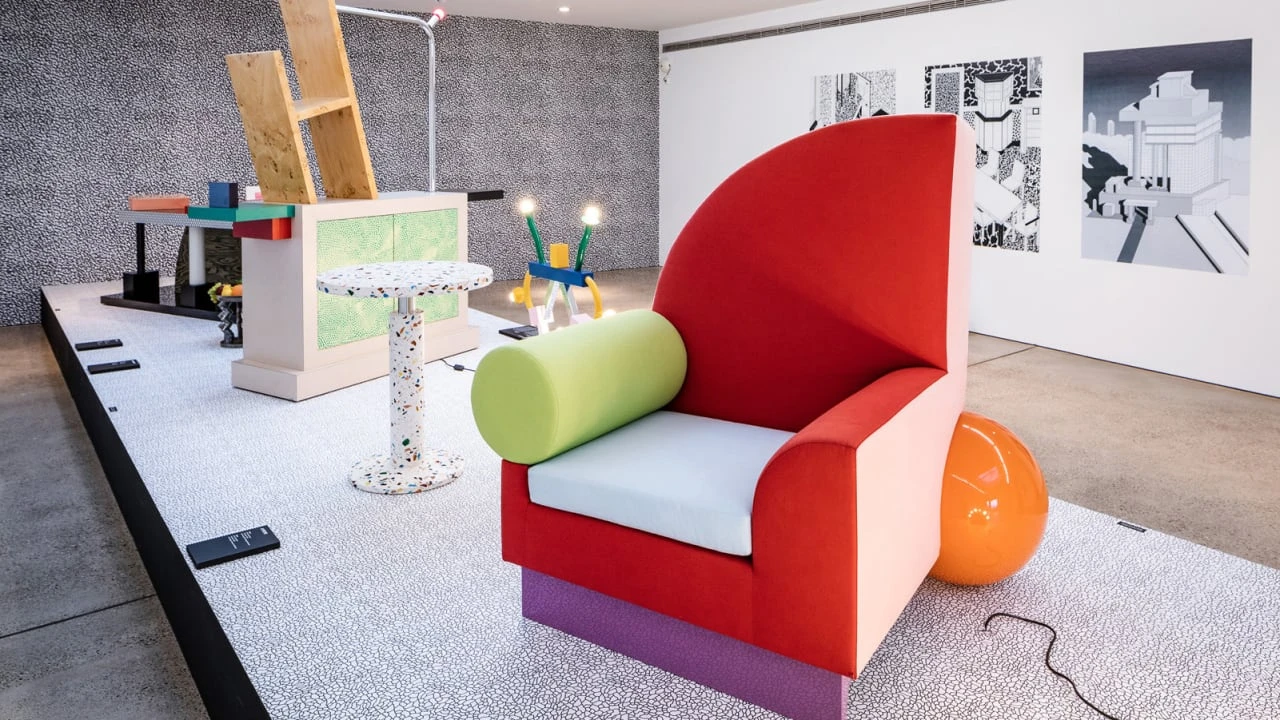
Modern architects are utilizing patterns that don’t match and shapes that are “bizarre” to show that they don’t take themselves too seriously. This is similar to the Memphis Group, a design group from the 1980s who made furniture that looked like toys. This speaks to a generation that values being real and having fun over strict, top-down business rules.
Modern Icons: Postmodernism Reinterpreted
The 21st-century resurgence isn’t just a duplicate of the 1980s; it’s a high-tech remake that uses 3D printing, eco-friendly materials, and cutting-edge structural engineering.
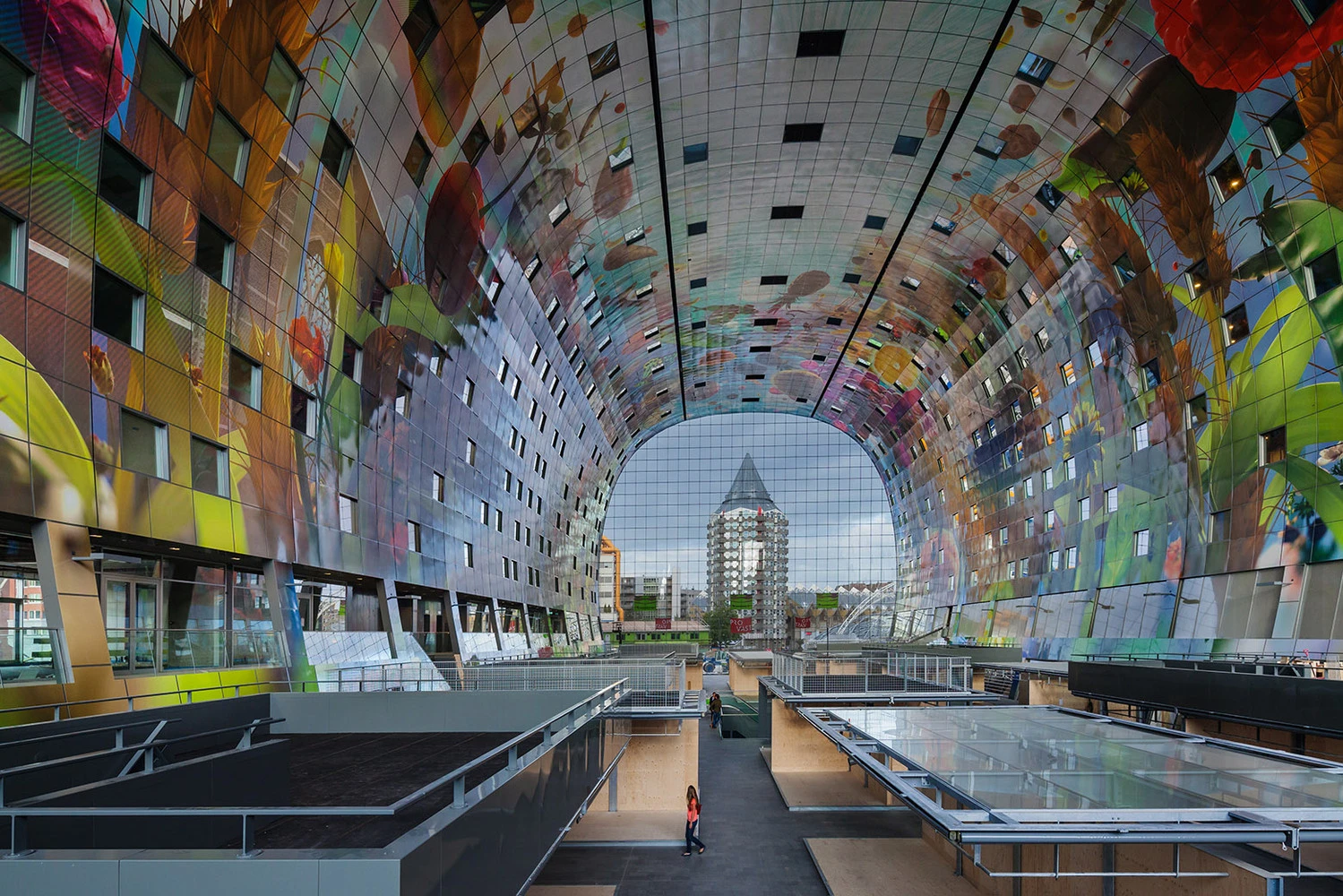
Markthal Rotterdam (MVRDV)
This huge building in the shape of a horseshoe in the Netherlands is a great example of the “decorated shed” hypothesis of Postmodernism.
It has a public market hall and high-end apartments that make it feel like a huge living room in the city. The inside is decorated in a painting of huge fruits and flowers that is 11,000 square meters big. This makes a useful room into a surrealist cathedral of consuming.
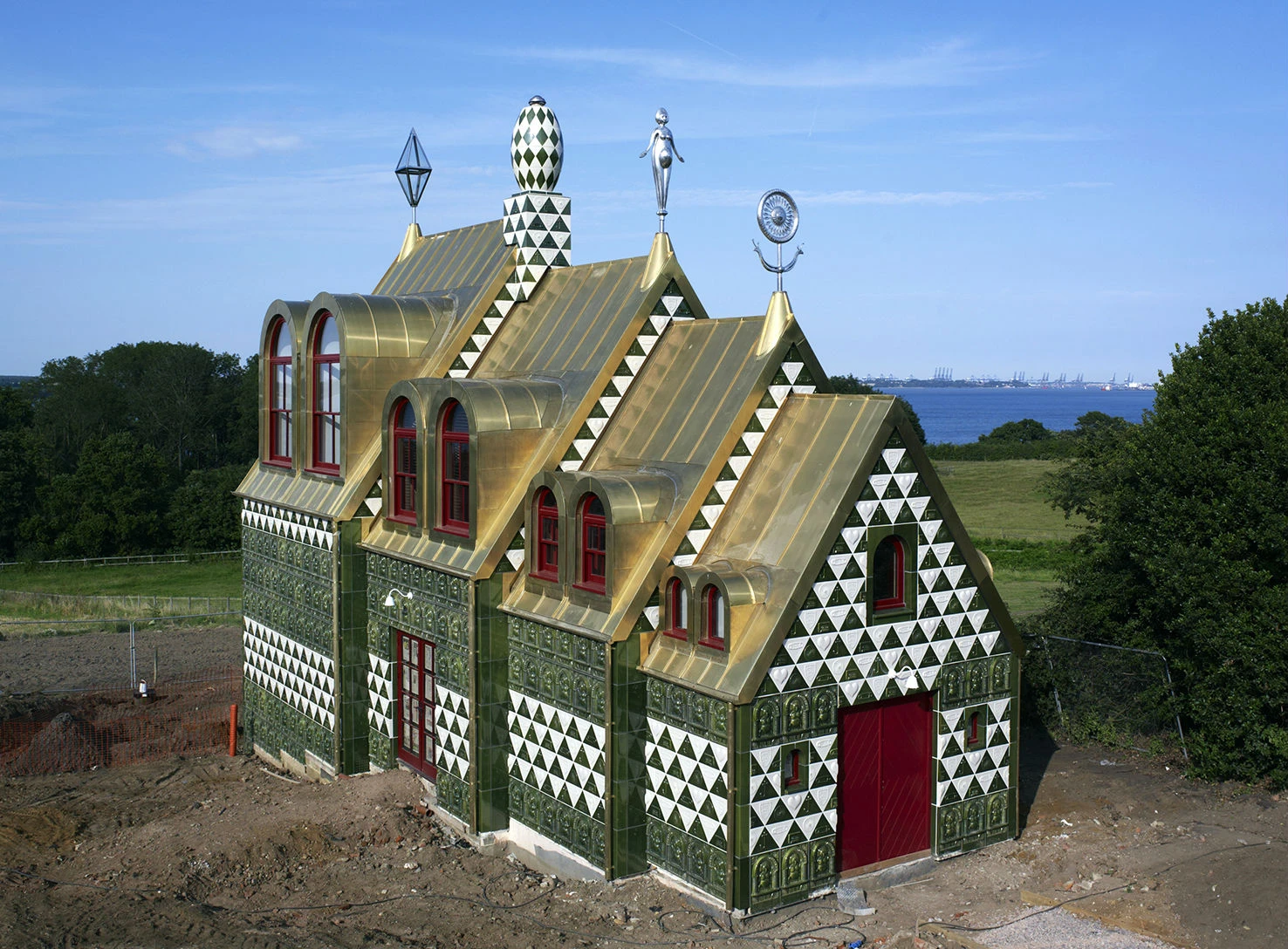
A House for Essex (by FAT Architecture and Grayson Perry)
This structure might be the most “sentimental” in the last ten years. It appears like an adult gingerbread house with sculptures on top and green and gold tiles on the sides.
It was erected as a “shrine” to a made-up person named Julie, and the walls narrate her tale. This is architecture that tells a story, which is one of the main ideas of the Postmodern movement.
The “Pomo” Style of Tech World Interiors
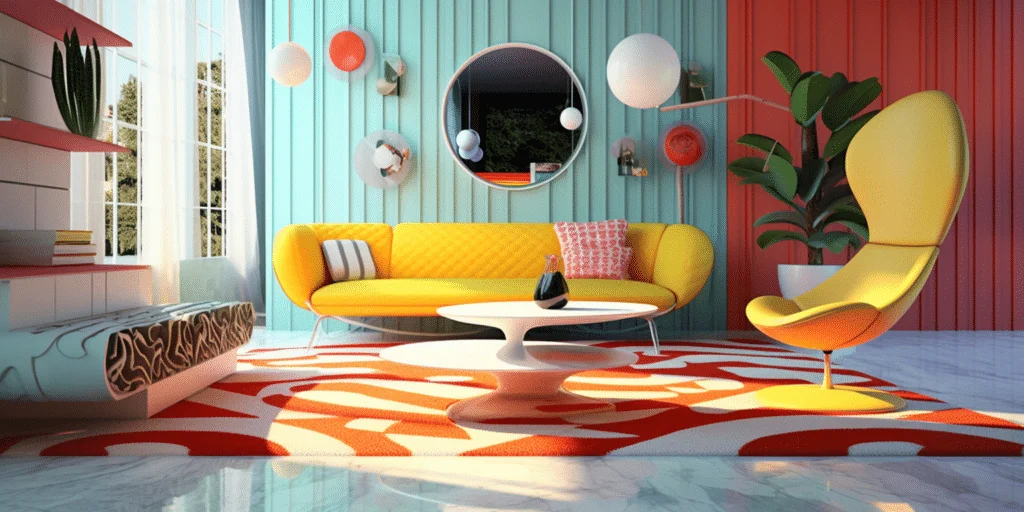
Big companies like Google and a lot of small businesses are getting rid of the “industrial chic” style in favor of Postmodern interiors. We are seeing a resurgence of terrazzo floors, pastel “Miami” colors, and softened edges. It’s a step toward “soft” design that feels more personal and welcoming than cold and industrial.
The Science Behind “Bizarre”: Why Our Brains Need It
Neuroscience indicates that humans possess an inherent attraction to complexity and “organized chaos.” Modernist buildings can often be “bottom-up” stressors. The repeating patterns of glass and steel can make us feel disconnected from the city.
The Postmodern “bizarre” style makes everything look interesting. Our eyes are pulled to the little things we can’t see, the unexpected changes in texture, and the fun use of scale. By bringing these things back, architects are really making cities easier to live in and less stressful.
The Future: Can the Revival Last?
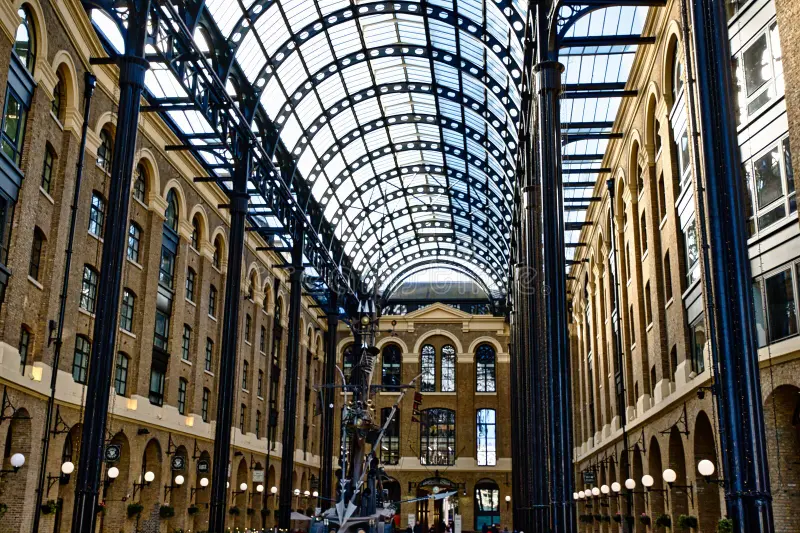
People said that the initial Postmodern style was “cheap” since it used plaster and paint to cover up poor construction. This rendition is from the 21st century. These striking shapes are now being made by architects utilizing long-lasting, high-end materials like terracotta, custom ceramics, and concrete that doesn’t release carbon.
The return of the strange is more than simply a fad; it’s a reminder that architecture is for people, not just for numbers. As we move toward the 2030s, expect to see more structures that “clash” with each other and put happiness ahead of efficiency.
Final Thought: Why We Can’t Look Away
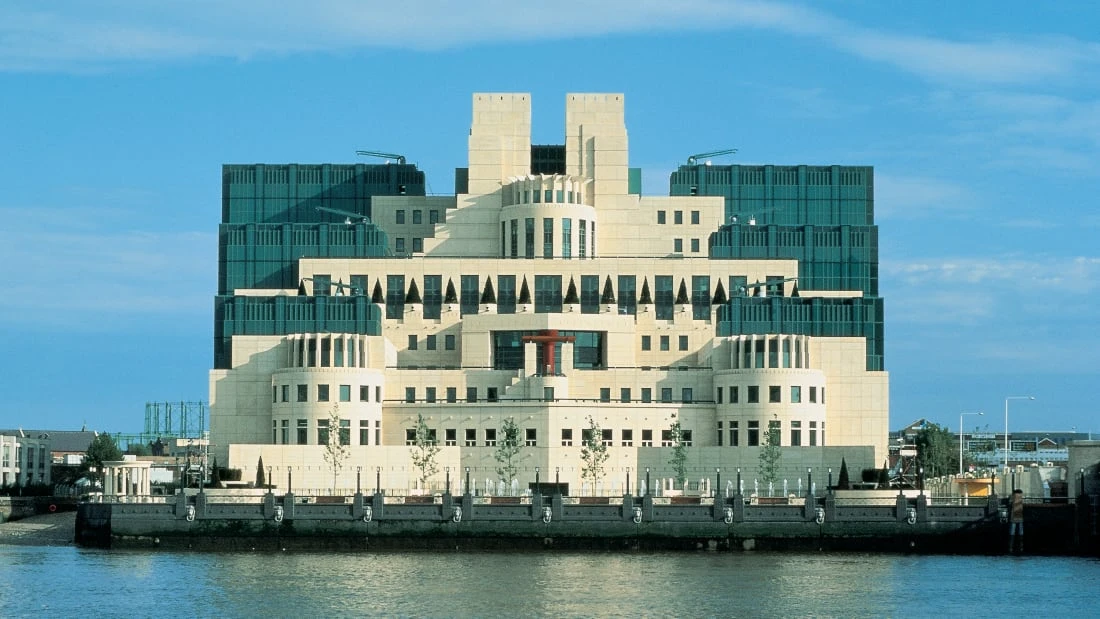
The “Bizarre Resurrection” is here to stay because it does what Modernism couldn’t: it makes us feel something. You have to pay attention to the “Pomo” style, whether you like it or not. That is the ultimate win for any architect in a time when people are easily distracted by technology. We don’t just create buildings anymore; we build things that are good for the soul.
For more blogs like this CLICK HERE!!!
Reference:
The death and resurrection of postmodern architecture – The New Criterion