Architecture is frequently thought of as the best thing humans have ever done. It is a combination of art and physics that shapes our skylines. But there is a darker past behind the shining glass and tall steel of some of America’s most famous buildings. A billion-dollar fantasy might turn into a structural nightmare with just one decimal point mistake, a material that was misinterpreted, or a “creative” shortcut.
These are not just stories about broken concrete; they are stories about people who made mistakes, almost caused disasters, and learned awful lessons that have impacted how we build forever. Here are nine of the worst architectural mistakes in US history, from cars melting to windows falling.

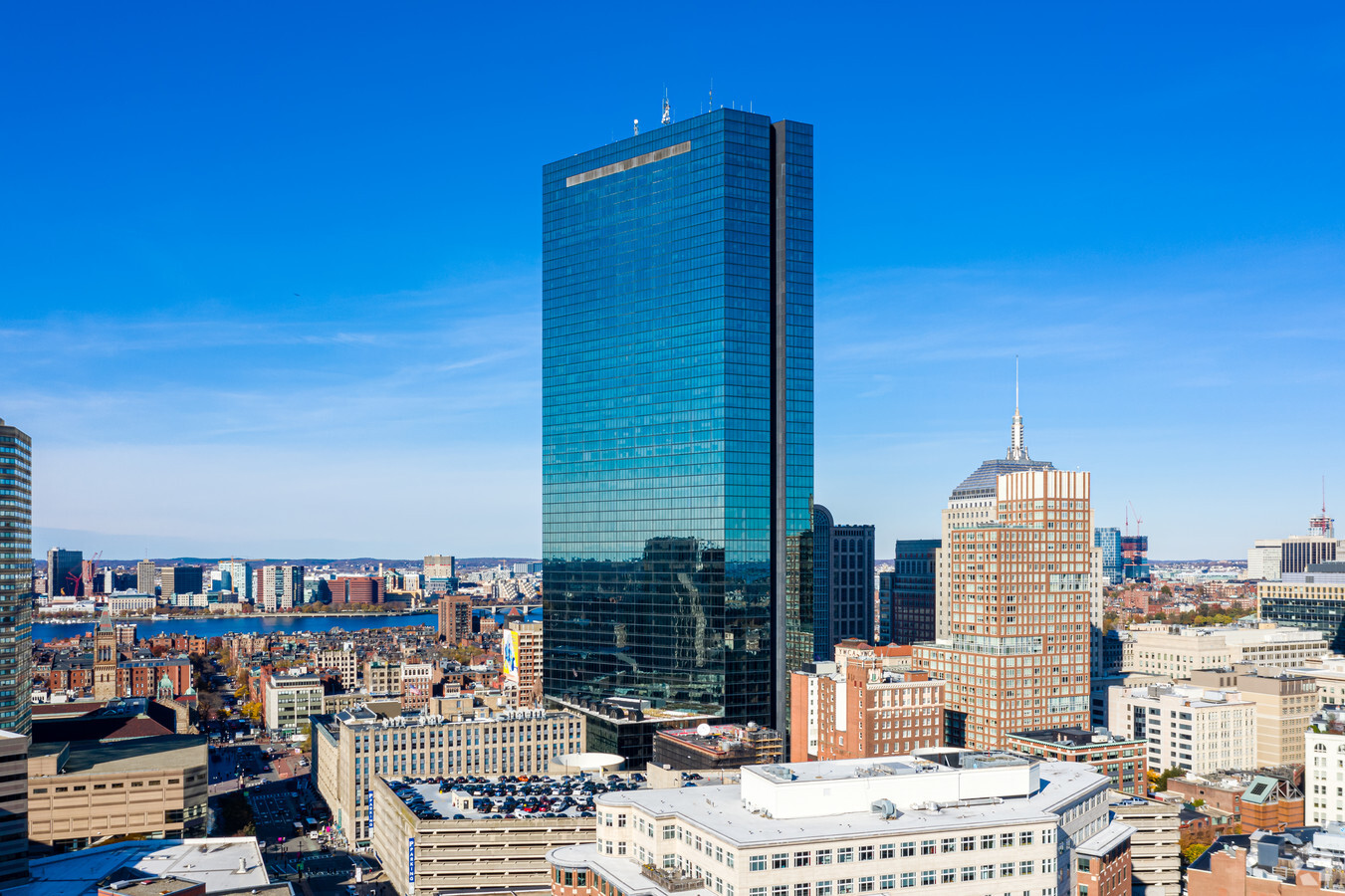
The “Plywood Palace” in Boston is the John Hancock Tower
People thought the John Hancock Tower would be a simple work of art in the 1970s. The glass was smooth and blue, and it was meant to look like the old Copley Square. Instead, it became a danger to public safety.
The Flaw: The building’s huge 500-pound window panes started falling off and crashing hundreds of feet to the sidewalk soon after it was finished. The Human Impact: When winds hit 45 mph, police had to close nearby roadways. At one point, more than an acre of the edifice was boarded up with plywood, which gave it the embarrassing epithet “The Plywood Palace.” In the end, they had to replace all 10,344 panes, which cost millions.
The Secret Crisis at the Citigroup Center in New York
The Citigroup Center is well-known for its unique roof that slopes down at a 45-degree angle and its base, which is supported by four huge stilts. For years, the public didn’t know that a small adjustment to the design almost brought the whole thing down.
The Flaw: To save money, the joints were altered from being welded to being bolted during construction. A student later wrote a thesis that said “quartering winds” (winds that blow diagonally) may shear these bolts, which could cause the tower to fall down in midtown Manhattan.
The Fix: During hurricane season, personnel worked at night to weld steel plates over the joints while the structure was still occupied during the day.

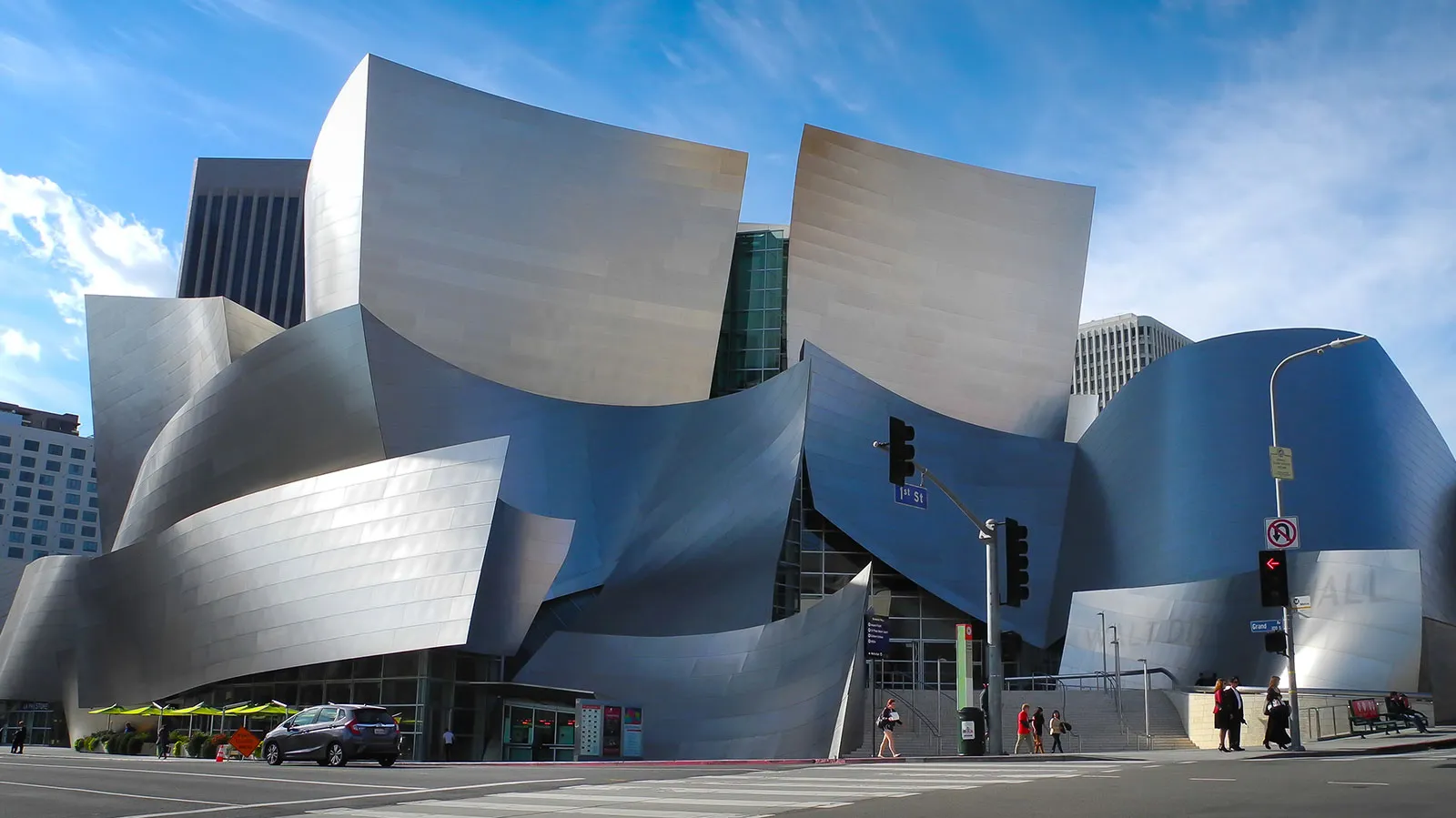
The Solar Death Ray at the Walt Disney Concert Hall in Los Angeles
Modern architecture often uses Frank Gehry’s stainless-steel curves. But in Los Angeles, where the weather is always nice, the building’s glossy surface acted like a huge parabolic mirror.
The Flaw: The problem was that the concave steel panels focused sunlight on sidewalks and apartments nearby. The Human Impact: Neighbors said that their apartments were 15 degrees warmer, traffic cones melted on the street, and drivers couldn’t see because of the glare. Workers had to use powerful sanders to dull the building’s gorgeous polish in order to correct the “death ray.”
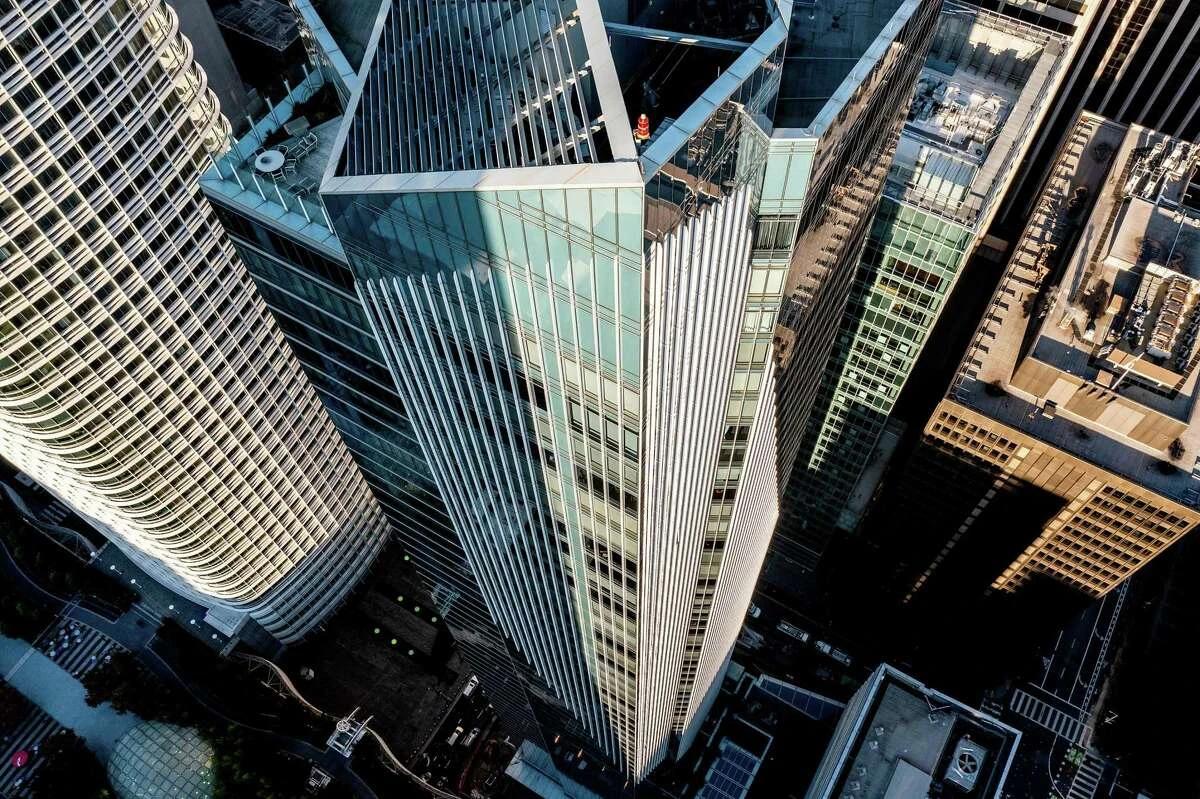
Millennium Tower, San Francisco: The Leaning Tower of California
This 58-story luxury apartment building was the place to be in San Francisco until it started to move. It was finished in 2009.
The Flaw: The problem is that engineers chose “friction piles” embedded in dense clay instead of the usual bedrock for skyscrapers. The truth is that the structure has sunk more than 18 inches and is now leaning 28 inches. Residents have said that they hear “popping” sounds as the tension of the lean makes windows shatter. This has left owners of multi-million dollar condos in a situation of financial and structural limbo.

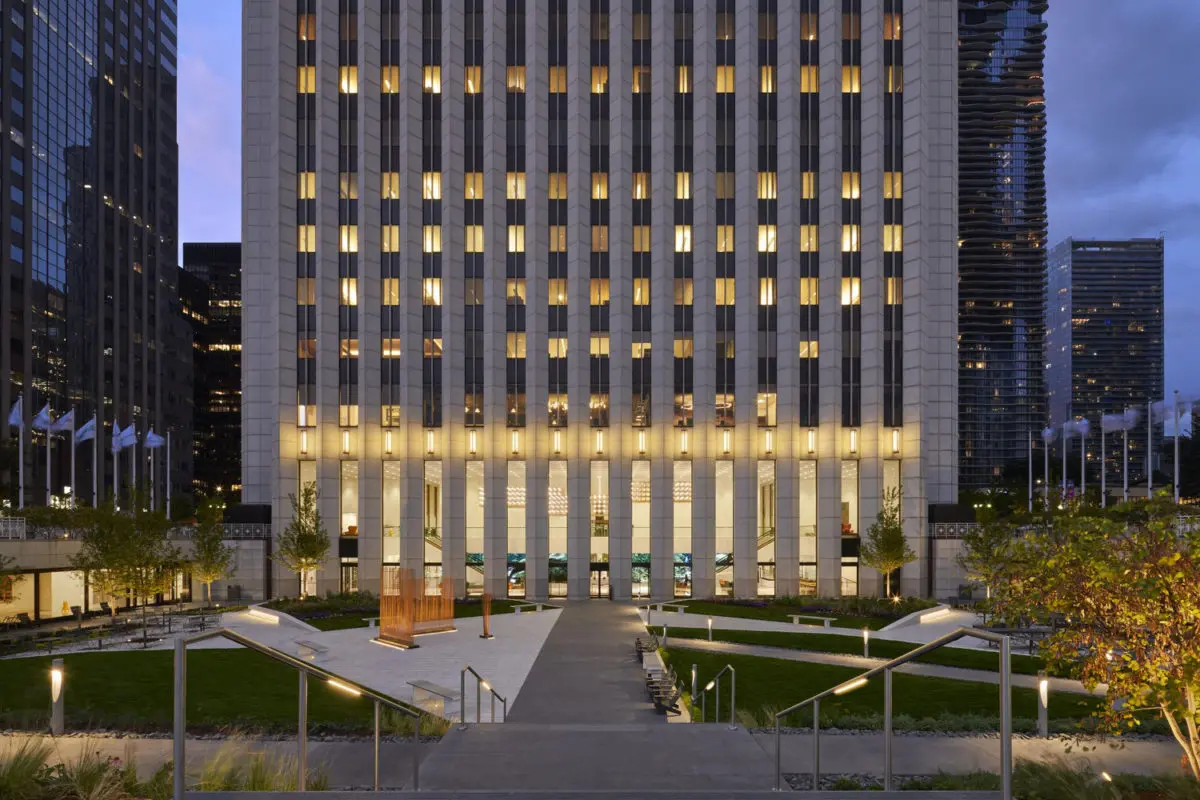
The Aon Center in Chicago: The Crumbling Marble
It was the highest marble-clad skyscraper in the world when it was erected in 1973 as the Standard Oil skyscraper. It looked great, but using Carrara marble was a terrible decision for the Windy City.
The Flaw: The problem was that the marble panels were too thin for the harsh freeze-thaw cycles in Chicago. They started to bend and then break.
The Result: A big piece of concrete fell through the roof of the Prudential Building next door. The owners ended up spending $80 million, which was half the initial cost of the building, to replace all 43,000 marble slabs with white granite.
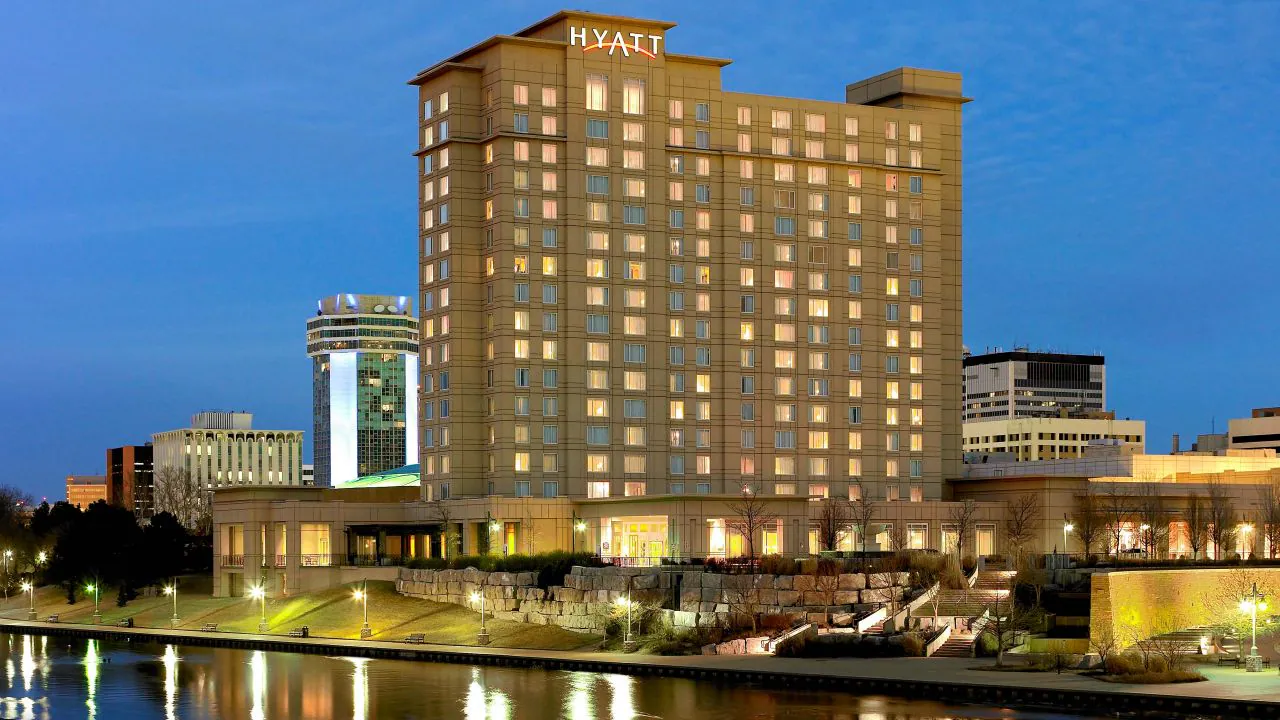
The Hyatt Regency in Kansas City: A Deadly Link
Many people say this is the worst structural disaster in U.S. history. Two suspended walkways fell into the lobby during a “tea dance” celebration in 1981.
The Flaw: A small adjustment to the hanger rod design made the load on the fourth-floor beams twice as heavy. The rods were not in line with each other, thus the top beam had to hold up both walkways and all the people on them. The sad part is that 114 people died. The accident caused a complete rewrite of the rules for engineering ethics and safety inspections.
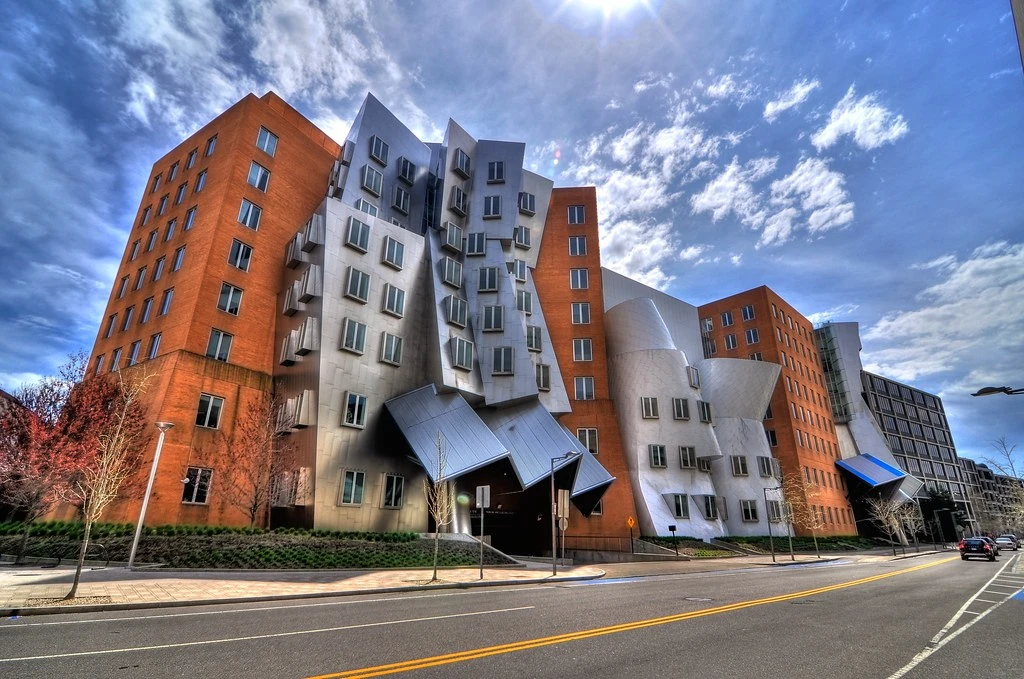
Ray and Maria Stata Center, MIT: Form Over Function
This Frank Gehry-designed structure at MIT appears like a bunch of buildings that are crashing into one other. It looked great, but it was a pain to keep up with.
The Flaw: The extreme angles caused huge drainage problems, mildew growth, and fissures in the walls barely three years after the building opened.
The Danger: The steep, jagged rooflines made “icicle daggers” that fell on emergency exits in the winter. MIT eventually sued the architect, saying that the design was “lacking” for the weather in the area.
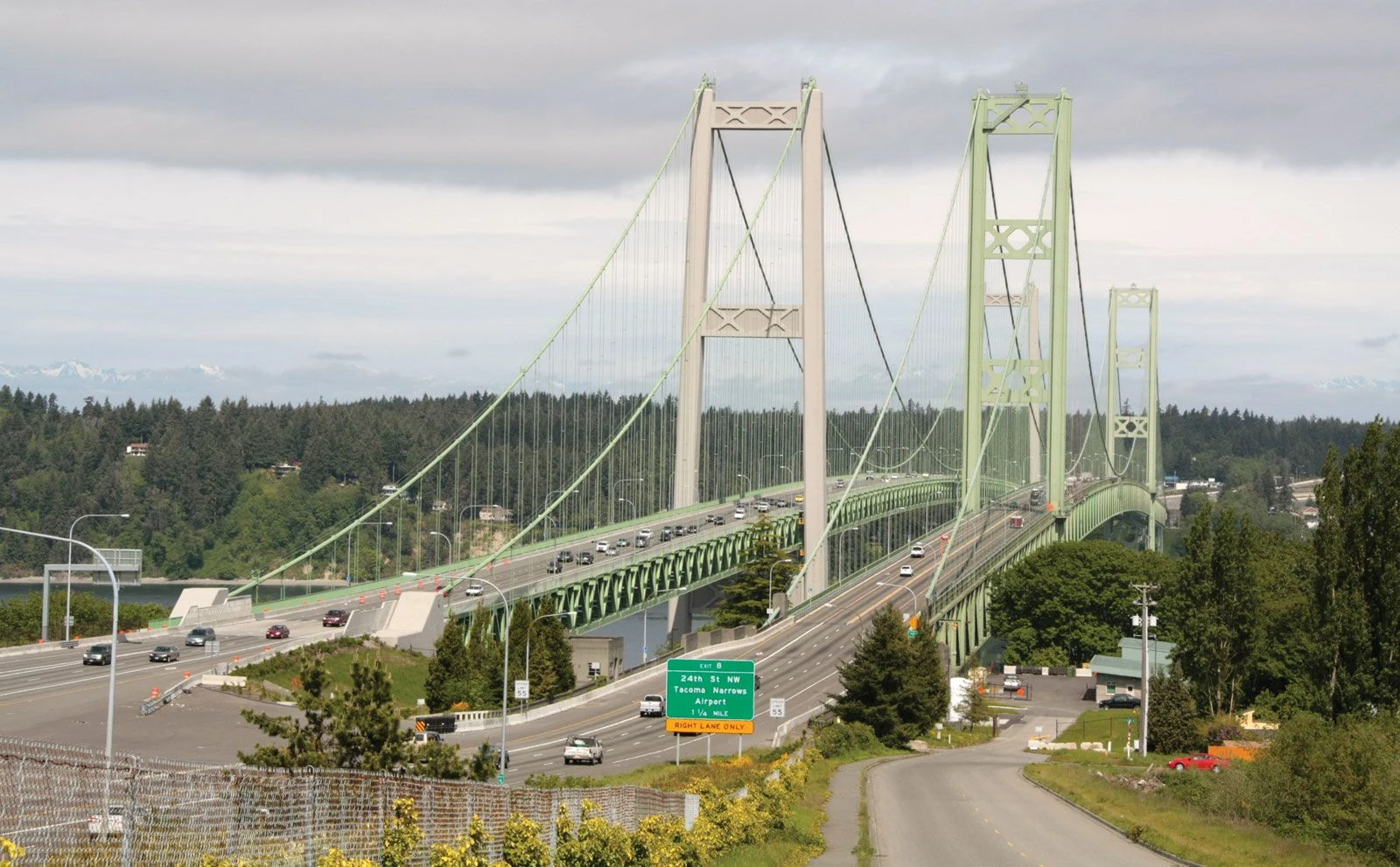
“Galloping Gertie” atop the Tacoma Narrows Bridge in Washington
Even though it’s a bridge and not a structure, its failure is the worst thing that can happen to a building. It opened in 1940 and was known for its “motion.”
The Flaw: was that the solid plate girders acted like sails in the wind, making the bridge twist and sway wildly. This is called aeroelastic flapping.
The Sight: One of the most renowned engineering failures ever caught on film is the bridge moving like a ribbon before breaking and falling into the ocean.
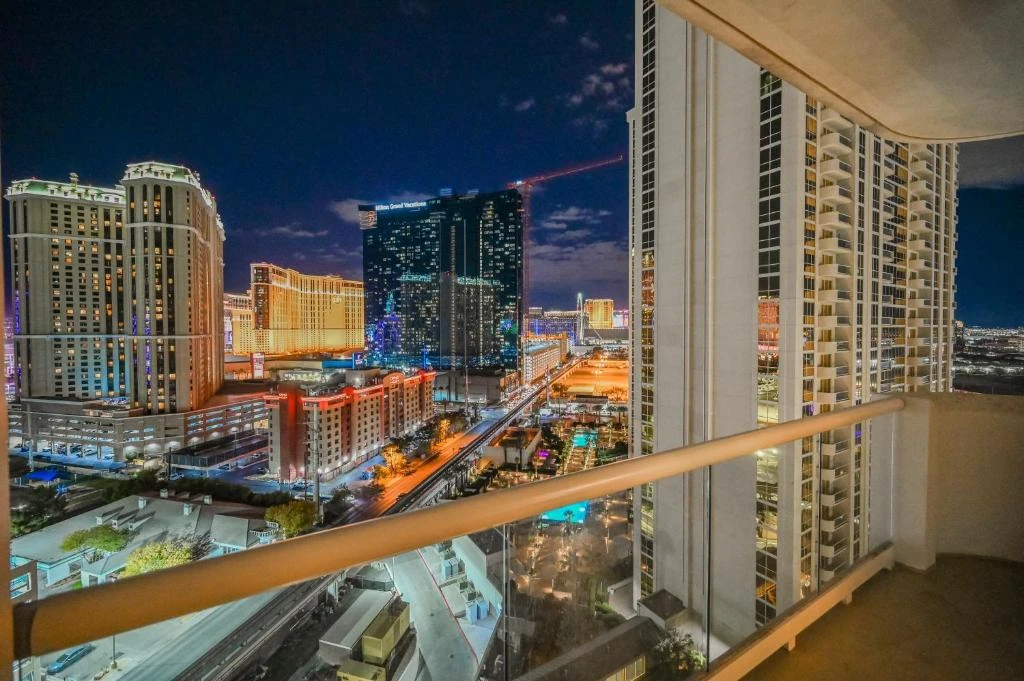
The Harmon Hotel in Las Vegas: The Skyscraper That Never Was
The Harmon Hotel was part of the huge CityCenter project in Las Vegas. It was meant to be a 49-story luxury hotel. It never had any guests.
The Flaw: Inspectors found that the steel rebar on 15 stories had been put in wrong, making the building unable to withstand even a little earthquake.
The Ghost skyscraper: Construction stopped at 28 stories, and for years the skyscraper was a huge, expensive billboard. It was finally taken down floor by floor in 2015.
Conclusion: Why We Must Remember
These buildings remind us that architecture is a high-stakes profession. A mistake isn’t just an eyesore; it’s a potential tragedy. However, from the rubble of these disasters, we have gained better building codes, more rigorous inspections, and a deeper respect for the forces of nature. We build better today because we learned from the “tragic failures” of yesterday.
Reference
Buildings With Major Architectural Flaws
For more blogs like this CLICK HERE!!!