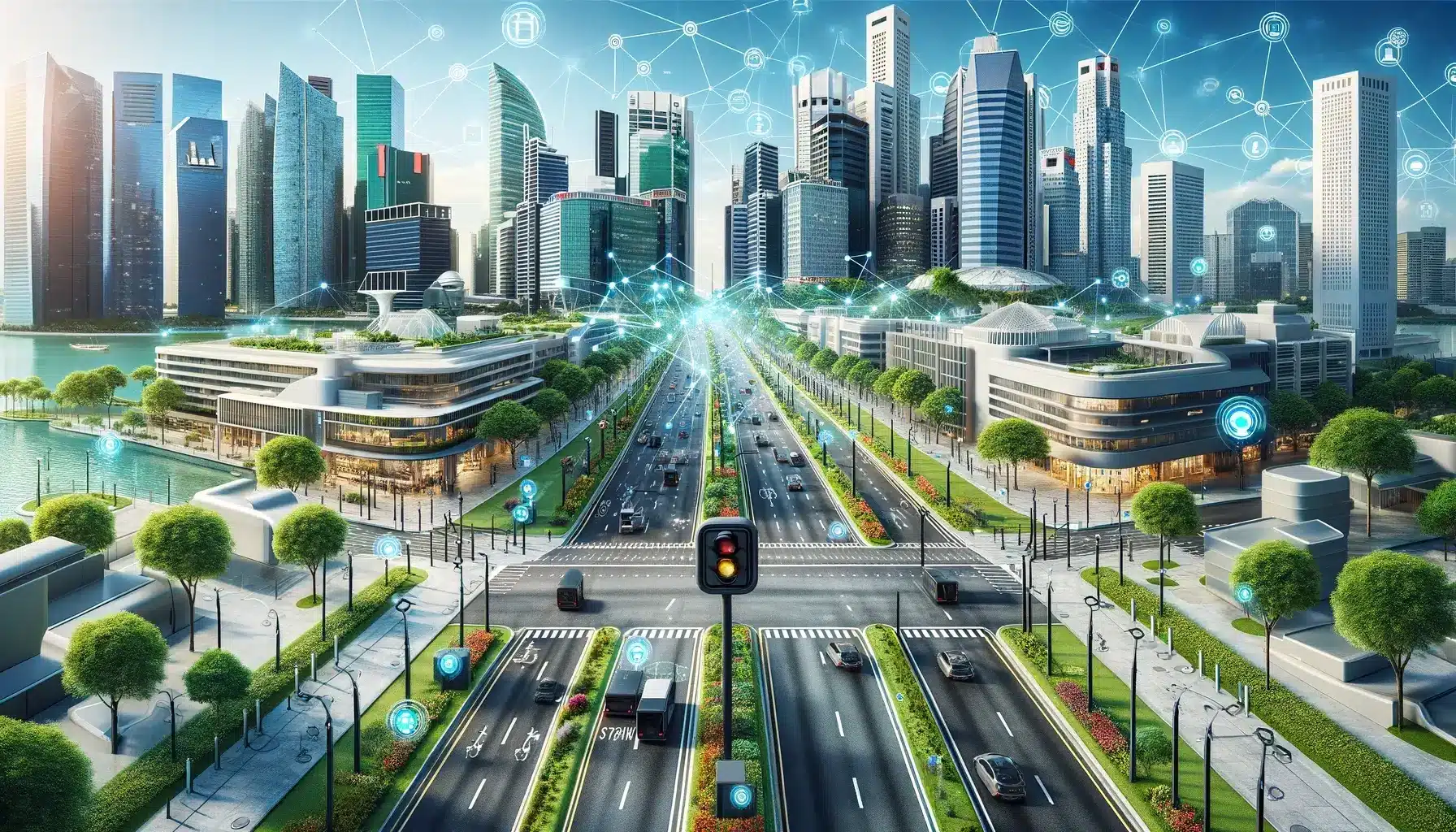
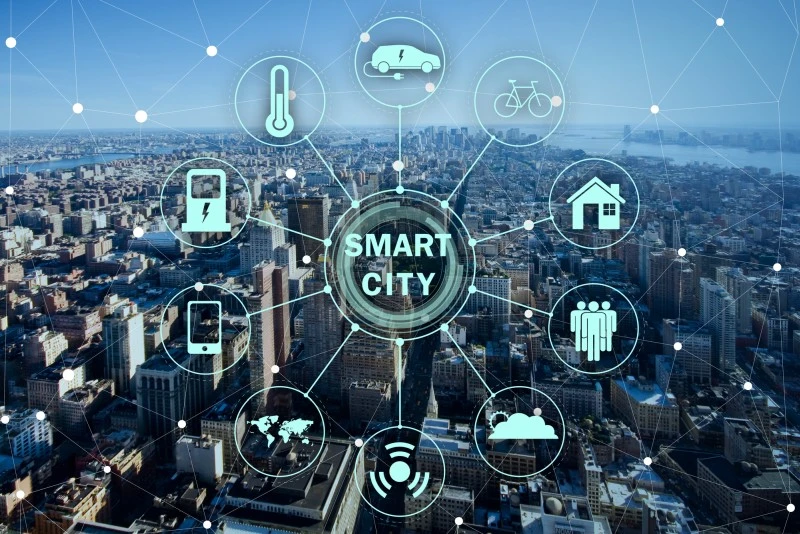
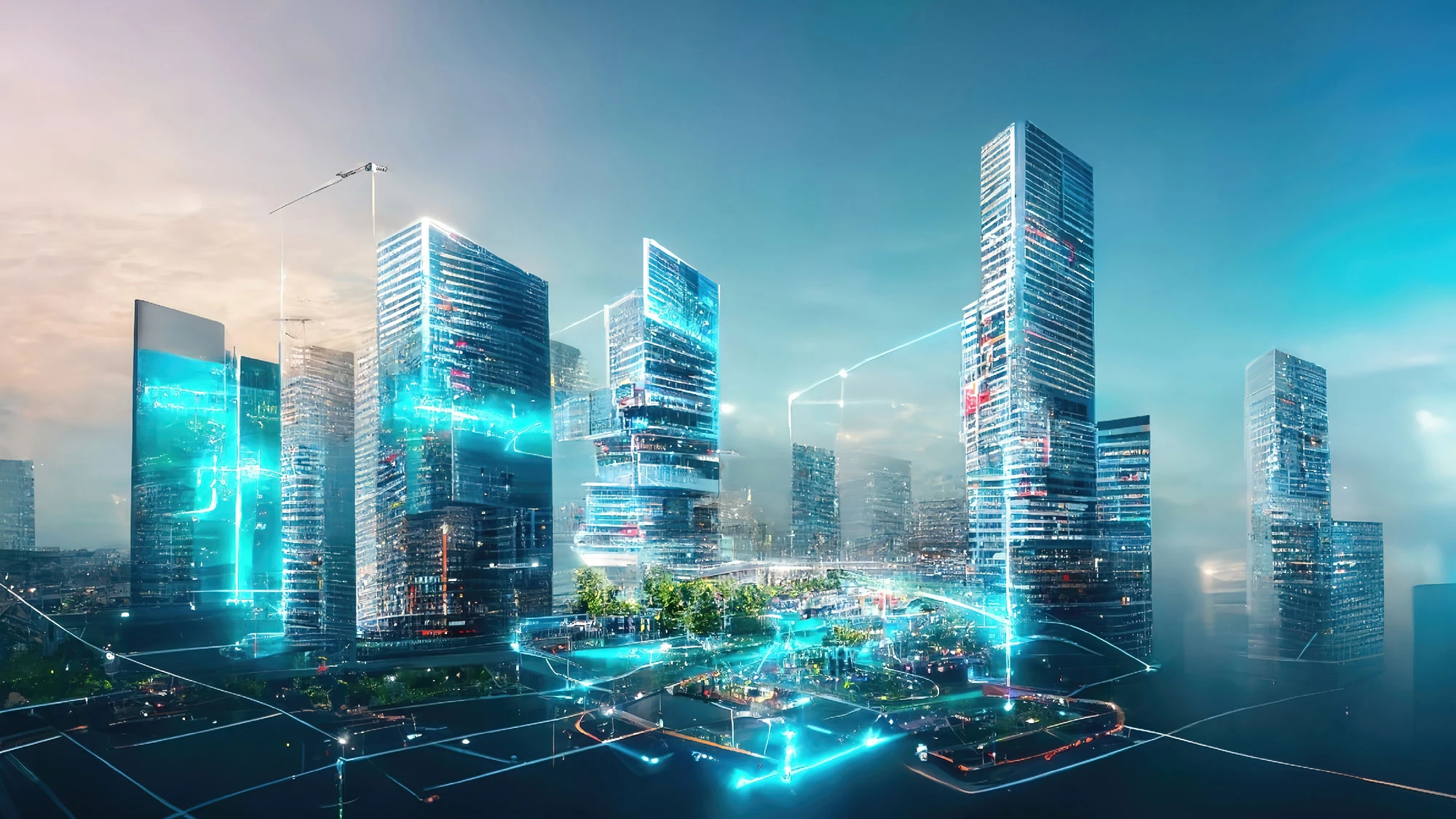
For a long time, the phrase “Smart City” made people think of frigid, neon-lit cities that seemed like they sprang from a sci-fi book. They had rows of glass buildings, humming servers, and no people. But as we get through the middle of the 2020s, that technocratic vision is changing in a big way.
We are no longer only developing “smart” cities in 2025; we are also designing sanctuaries. The “Internet of People” is now the focus instead of the “Internet of Things” (IoT). Data is the unseen structure that supports a more spiritual, healing, and biophilic urban life.

The Big Change in Cities: From Efficiency to Empathy
In the early 21st century, people who designed smart cities were very focused on making them work better. How quickly can we get traffic moving? How fast can we get rid of trash? These indicators are still important, but the modern architect raises a deeper question: Does this city make its people feel safe, connected, and at peace?
The design of smart cities is changing from “top-down” engineering to “bottom-up” humanism. This change is happening because more and more people are realizing that high-tech infrastructure is meaningless if it causes urban burnout, social isolation, and environmental ruin. Architecture is the link between fast internet and the needs of the human soul that require a lot of personal touch.
Biophilic Urbanism: Putting the “Sanctuary” in the Skyscraper
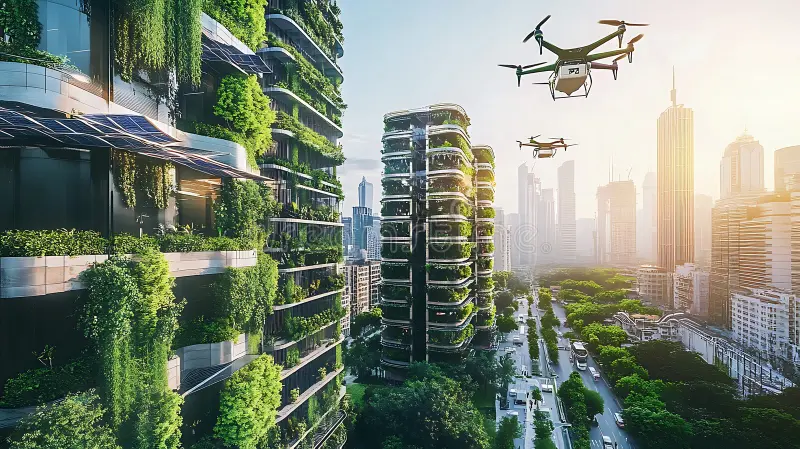
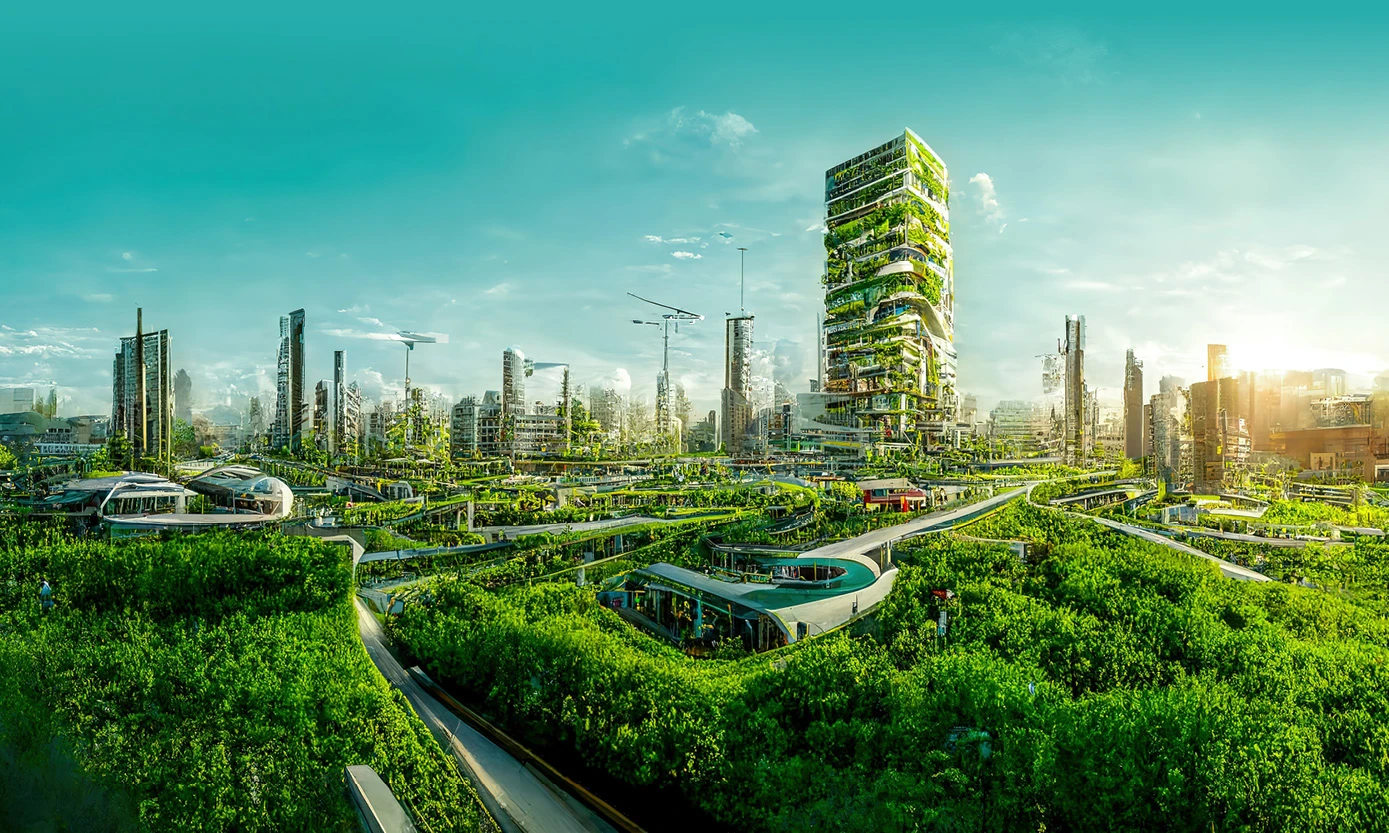
The most obvious trend in 2025 is the use of Biophilic Design. Biophilia is the idea that people have a natural biological need to connect with nature. Singapore and Milan are examples of modern smart cities that embrace green spaces as important parts of their infrastructure instead than just decorations.

- Vertical Forests: Residential towers like the Bosco Verticale are no longer unusual; they are become models. These buildings are like “living lungs” since they take in CO2 and filter out city noise, making a real sanctuary for the people who live there.
- Adaptive Green Scapes: Smart irrigation systems that use real-time weather data make sure that urban “pocket parks” and rooftop gardens stay healthy with as little water waste as possible.
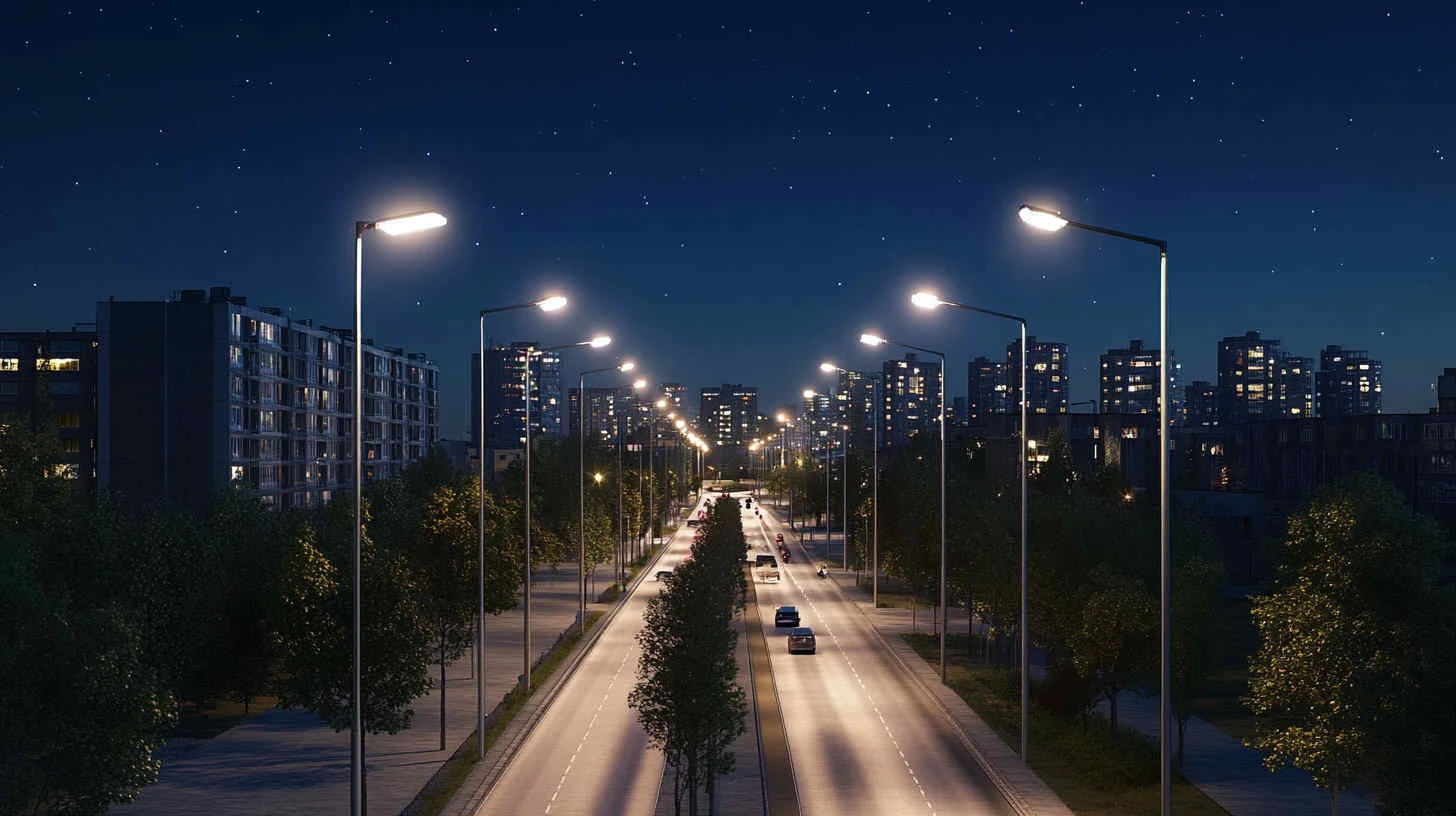
- Therapeutic Lighting: Smart streetlights now change their color temperature throughout the night to fit people’s circadian rhythms. This cuts down on light pollution and helps people in cities sleep better.
Digital Twins: The Architects of 2025 Who Can’t Be Seen
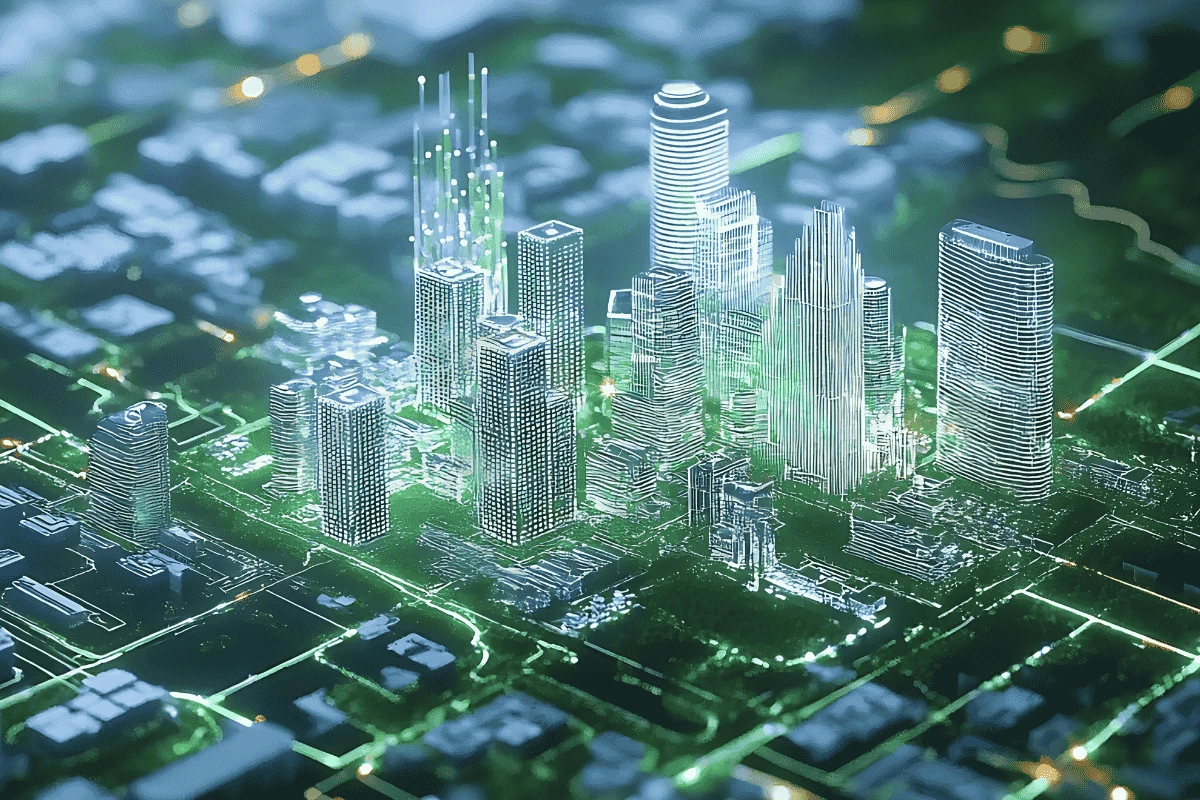
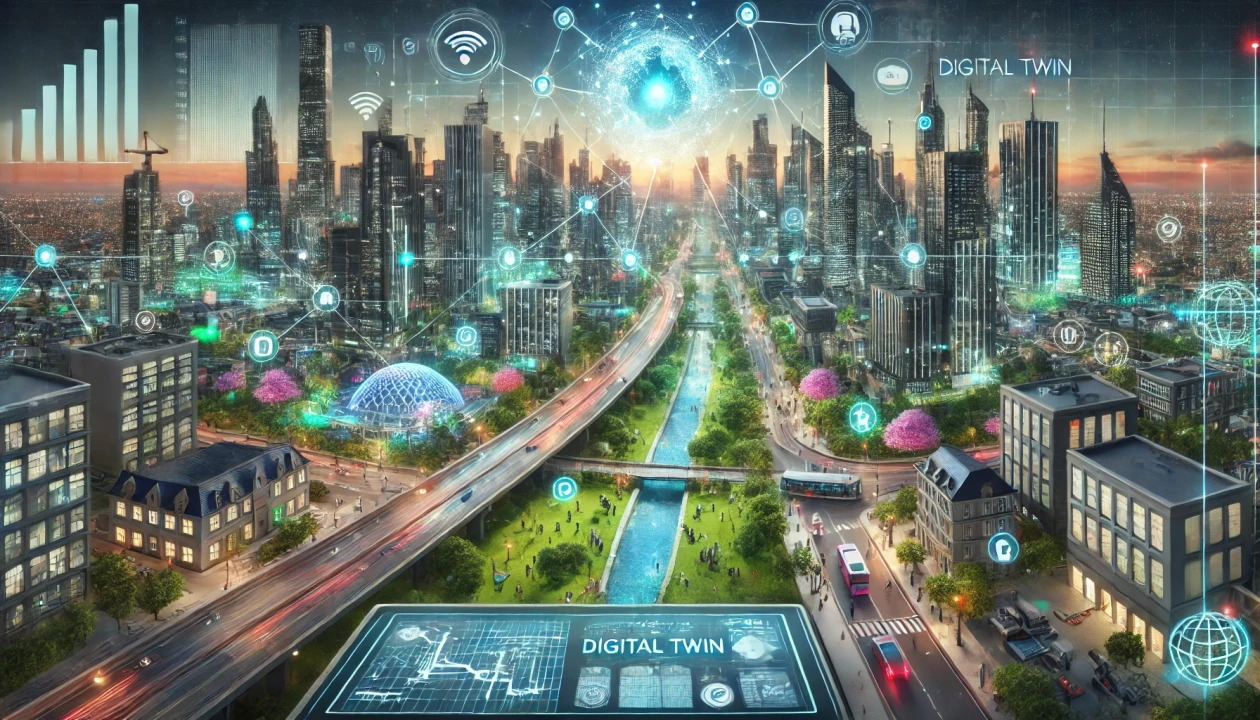
The Digital Twin is one of the best tools that current architects have. These are very accurate virtual copies of whole cities that were made using data from millions of sensors in the real world.
Planners are utilizing Digital Twins to see how a new building would change the flow of wind, how much sunshine it will let in for neighbors, and even how “walkable” a neighborhood will be by 2025. We can “test” how livable a city is before we even lay a brick.
How Digital Twins Keep Our Safe Spaces Safe:
- Climate Resilience: Making “sponge city” infrastructure that soaks up rainwater by simulating flood routes.
- Social Equity: Making sure that low-income communities have as much sunlight and park access as high-end ones by mapping “shadow zones.”
- Predictive Safety: Finding “cold spots” in city activities and improving lighting and pedestrian safety through design instead of just surveillance.
The “15-Minute City”: Designing for Community
A sense of belonging is what makes a refuge a sanctuary. The 15-Minute City idea is an architectural answer to the loneliness of modern sprawl. In this city, employment, health, education, and fun are all within a short walk or bike ride.
Architects are turning “dead” urban places like parking garages, abandoned warehouses, and alleyways that aren’t being used enough into lively community centers. We are making the streets more people-friendly by adding AI-powered micro-mobility (like e-bikes and self-driving shuttles) to the city. This cuts down on the “car-centric” noise.

Sustainability as a Spiritual Practice
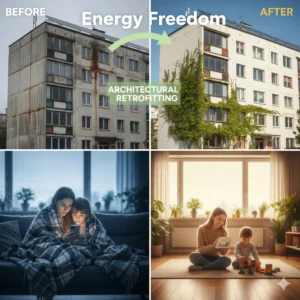
A sanctuary can’t be built on a planet that is dying. The “Heart” of the smart city in 2025 is its promise to be Net-Zero. We’re going beyond just solar panels to buildings that use energy in a constructive way.
- Kinetic Pavements: In busy areas, just walking on the pavement creates electricity that powers neighboring lighting.
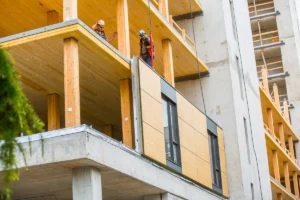
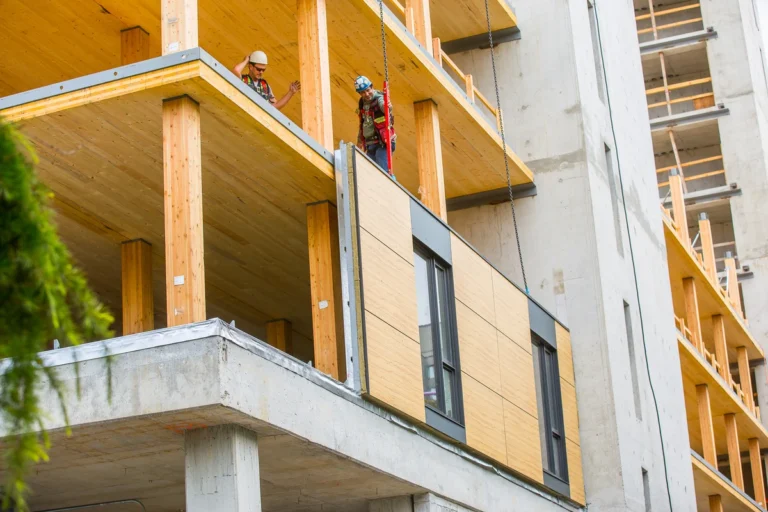
- Carbon-Negative Materials: Cross-Laminated Timber (CLT) and “green concrete” are lowering the carbon footprint of our cities while adding a warm, natural look that glass and steel don’t have.
- Circular Water Systems: New buildings are being built to collect, treat, and reuse all of their water on-site, just like closed-loop systems in nature.
Challenges: Privacy in the Public Sanctuary
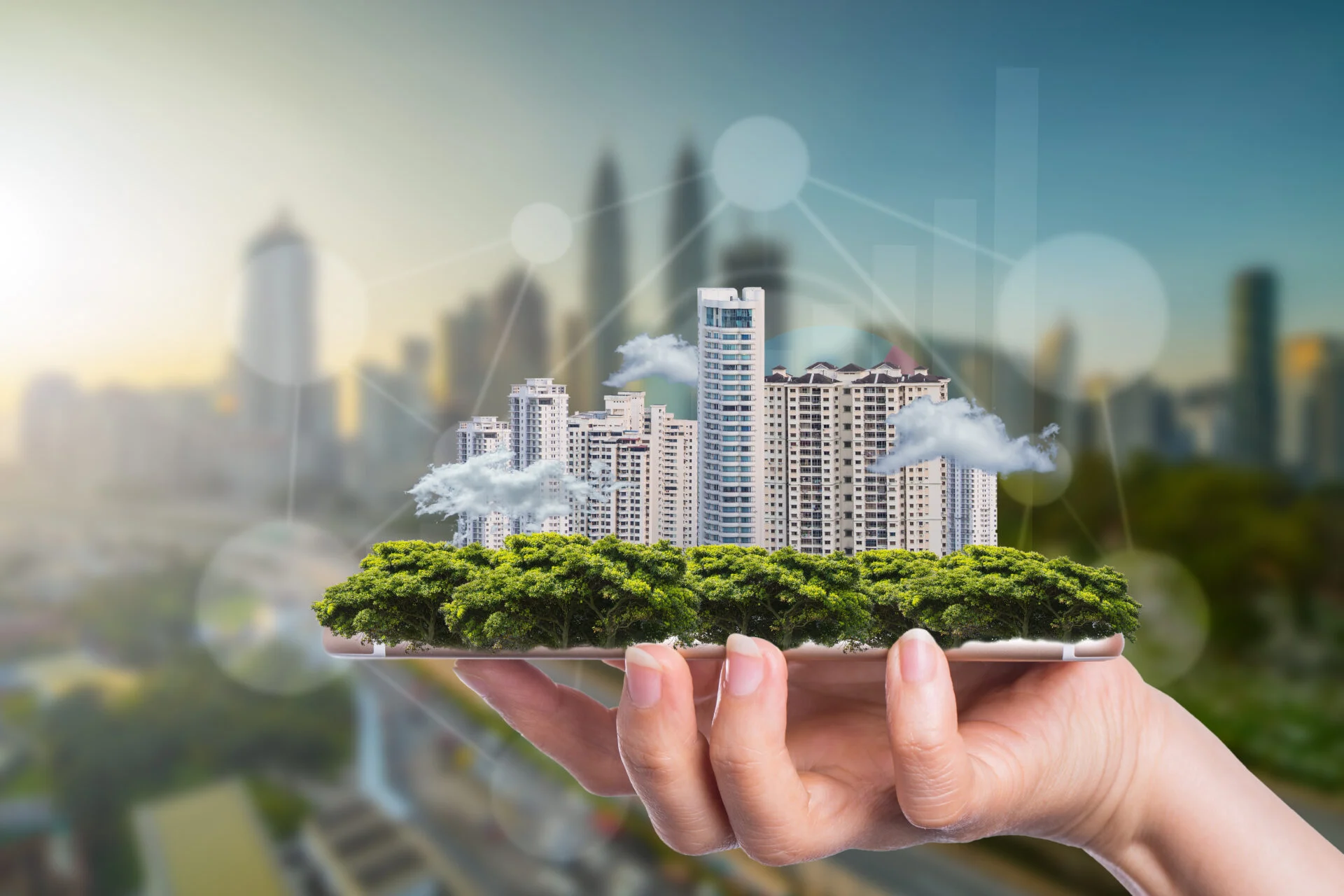
There are several problems with the evolution. Data is what makes cities “smart,” and data needs confidence. Architects and planners in the 21st century need to come up with “Privacy by Design.” People are starting to use Edge Computing, which means that data is processed in a building or neighborhood instead of being transferred to a central cloud. This makes sure that the city “knows” what its people need without “knowing” who they are. In urban design, openness is the new currency. If a city doesn’t seem like a private space, it won’t feel like home.
Conclusion: The Future is Human-Centric
In the 21st century, the way we construct smart cities is a trip back to ourselves. For the first few decades of the digital age, we were amazed by what technology could accomplish. Now, we are finally questioning what technology should do for us.
We are making cities that don’t just work; they thrive by designing sanctuaries. We are making cities that think, breathe, and most importantly, care. The “Heart” of the future city isn’t in its processors; it’s in the parks, the calm nooks, and the lively neighborhoods that technology has finally let us get back.
For more blogs like this CLICK HERE!!!
Reference: