There will be more than just glass and steel in the skyline of the future. Architects are now more concerned about climate change and city safety. A “bubbly” new hero has come along: Aluminum Foam Cladding.
This amazing material was once only used in aircraft buffers and high-end car crumple zones, but now it’s making waves in the building industry. It’s light, almost impossible to break by fire, and it’s a dream for the circular economy.
Let’s talk about why some are calling aluminum foam the eco-friendly secret to the future generation of construction trends that are safe from fire.

What is Aluminum Foam Cladding, Anyway?
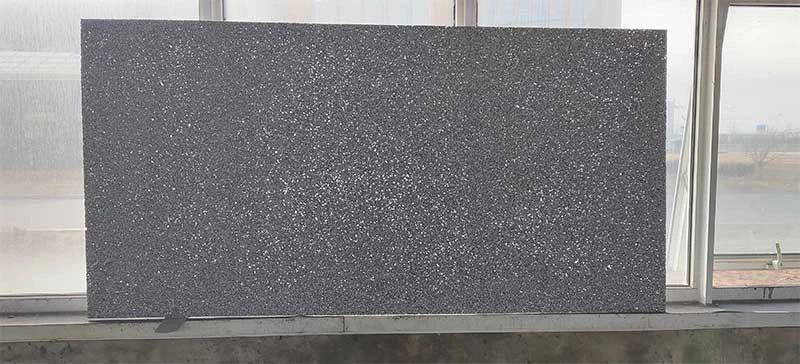
Picture metal that is solid but has the light, porous structure of a sea sponge. This material turns into a “frozen smoke” of metal when gas is injected into molten aluminum or foaming agents are used.
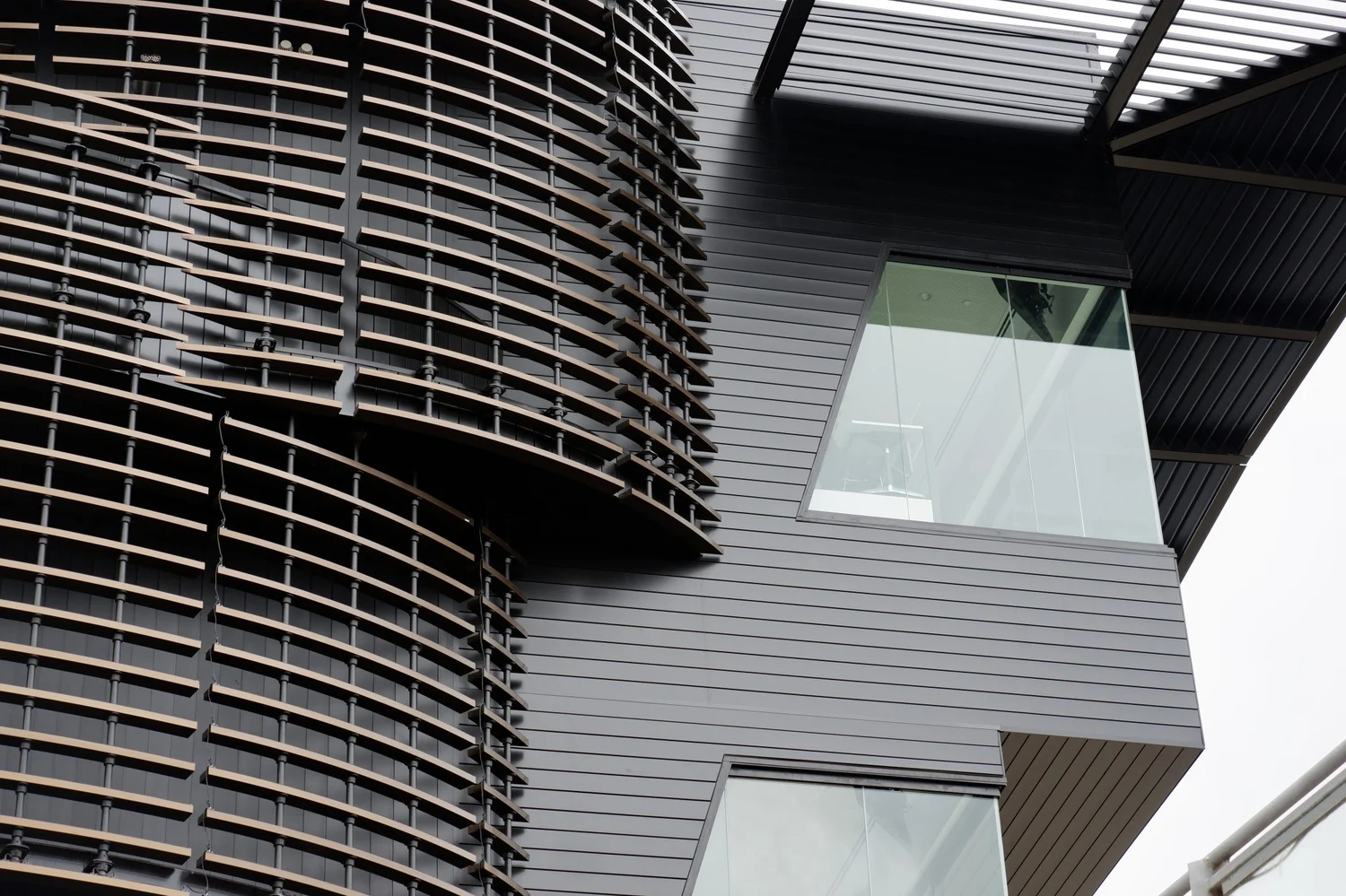
Aluminum Foam Cladding is a term used in architecture to describe panels composed of this metal foam. These panels have a distinctive, moon-like aspect that can be anything from shiny metallic textures to rough, open-cell industrial looks. But the actual magic is in its molecular structure, not just its “Instagrammable” look.
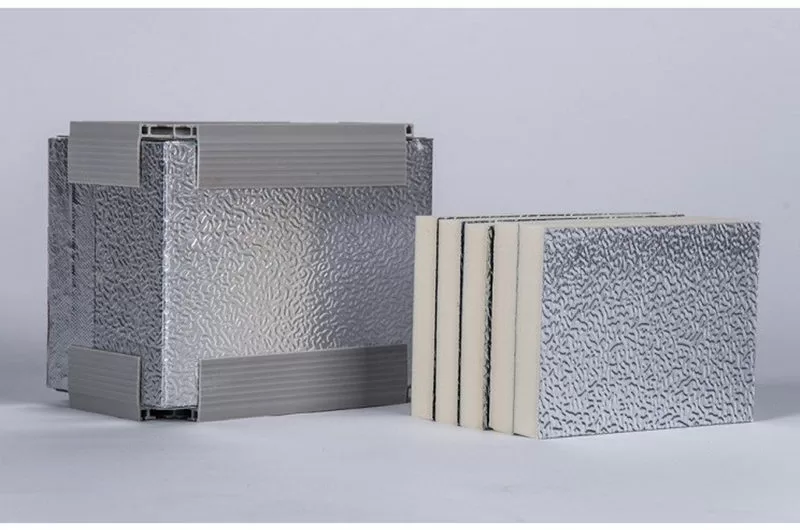
The Lightweight Powerhouse: Getting Rid of the Heavyweight Title
Traditional stone or solid metal cladding can add hundreds of tons of “dead load” to a skyscraper. Foam made of aluminum affects the game.
- Low Density, High Strength: Aluminum foam can be up to 80–90% air, which makes it strong but light. This makes it very light—often five times lighter than solid aluminum—while still being very strong for its weight.
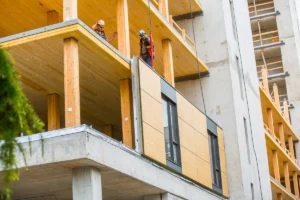
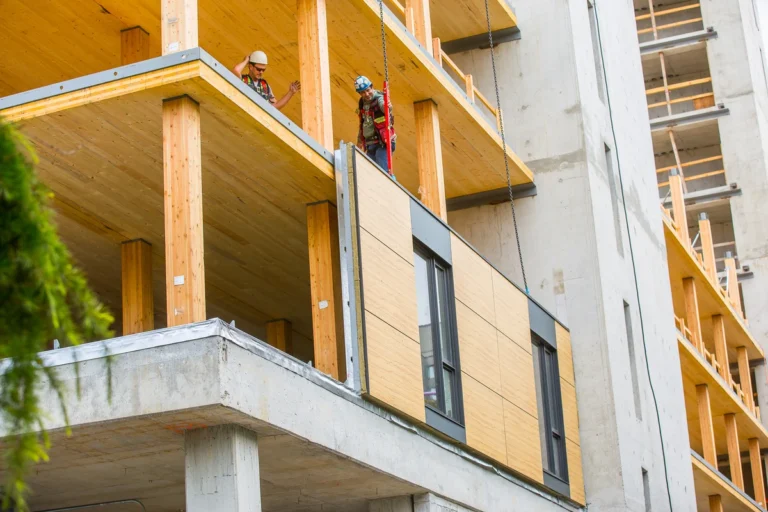
- Faster Installation: Installation is faster since the panels are so light that they don’t need as many men or heavy machinery to put them up. This cuts down on labor costs and speeds up the building process by a lot.
- Seismic Safety: Buildings that are lighter are safer in areas where earthquakes happen. The kinetic energy during a quake is lower when the outside skin is lighter.
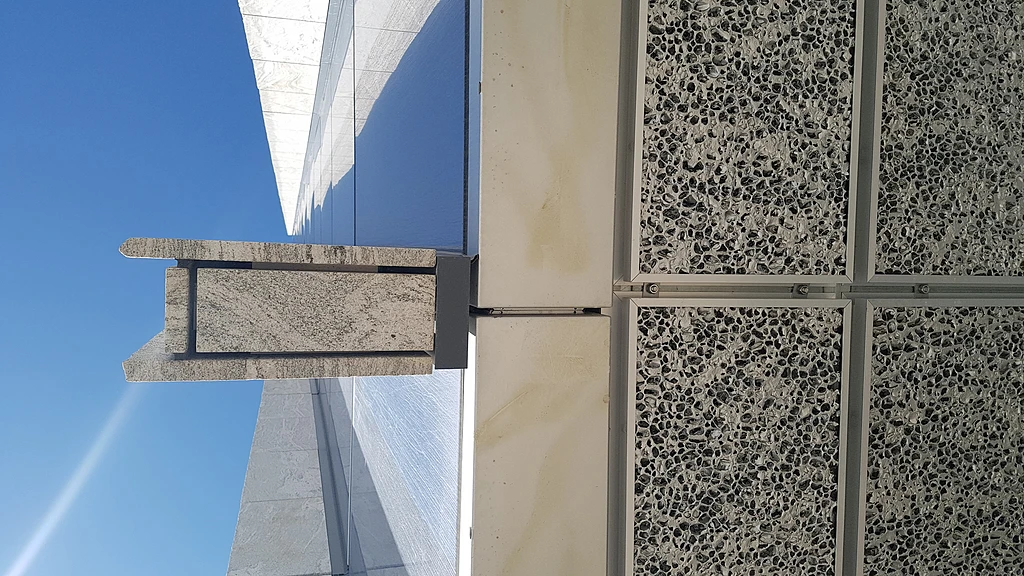
Unmatched Fire Resistance: The Non-Combustible Shield
After fires that killed people throughout the world, architects are under pressure to create materials that won’t catch fire. Aluminum foam is a Class-A fire-resistant material that makes high-rise buildings safer in a “mindful” way.
Solid aluminum foam is 100% inorganic, unlike old Aluminum Composite Panels (ACP) that used to have flammable polyethylene cores. It melts at around 660°C (1,220°F).
When it comes into contact with fire:
- No Toxic Fumes: It doesn’t let out any harmful smoke or gasses.
- Thermal Barrier: The air pockets in the foam work like a natural thermal break, keeping heat from moving quickly into the building’s interior.
- Flame Arrestor: It doesn’t help the “chimney effect,” which is what makes fires spread quickly up the outside of a building.
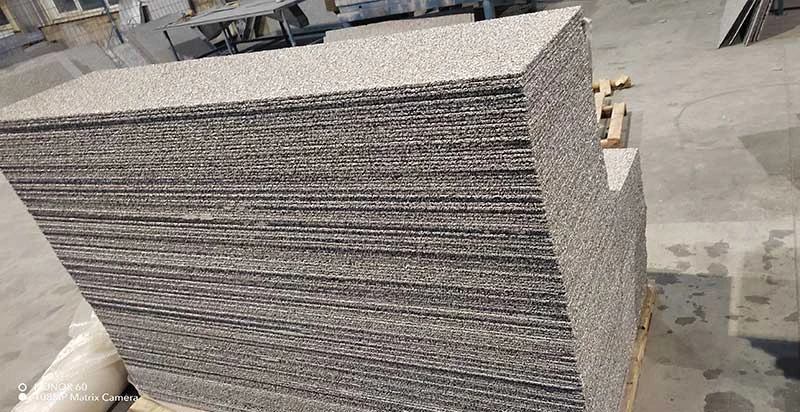
The 100% Recyclable Material: Architecture That Breathes
Sustainability isn’t just a trend; it’s a must. Aluminum foam is one of the most environmentally friendly products you can buy today because it supports the Circular Economy.
- Infinite Recyclability: Aluminum can be recycled over and over again without losing its strength.
- Less Energy Use: Making aluminum from recovered waste requires 95% less energy than making it from raw bauxite.
- Less Waste: The cladding doesn’t end up in a landfill when the building is done with it (which may be 50 years or more for aluminum). It goes back into the furnace to make a new part for a car, a soda can, or a new foam panel.
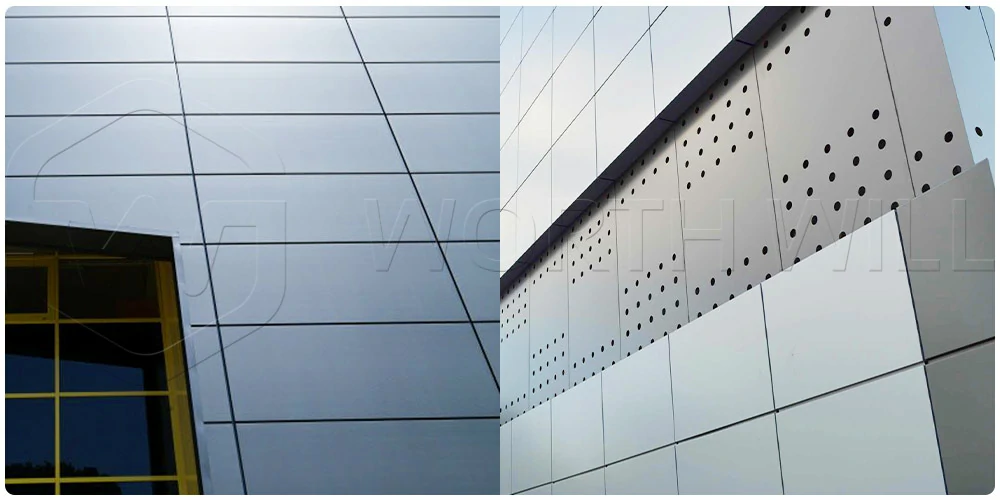
The Silent Benefit of Acoustic and Thermal Magic
People who live in large cities typically have trouble with noise pollution. Aluminum foam is a natural acoustic sponge.
The porous cells trap sound waves, which makes it a great choice for cladding in high-end apartments, schools, and hospitals near highways or airports. Those same air pockets also act as a layer of thermal insulation, keeping buildings cooler in the summer and warmer in the winter. This cuts down on HVAC energy expenses.
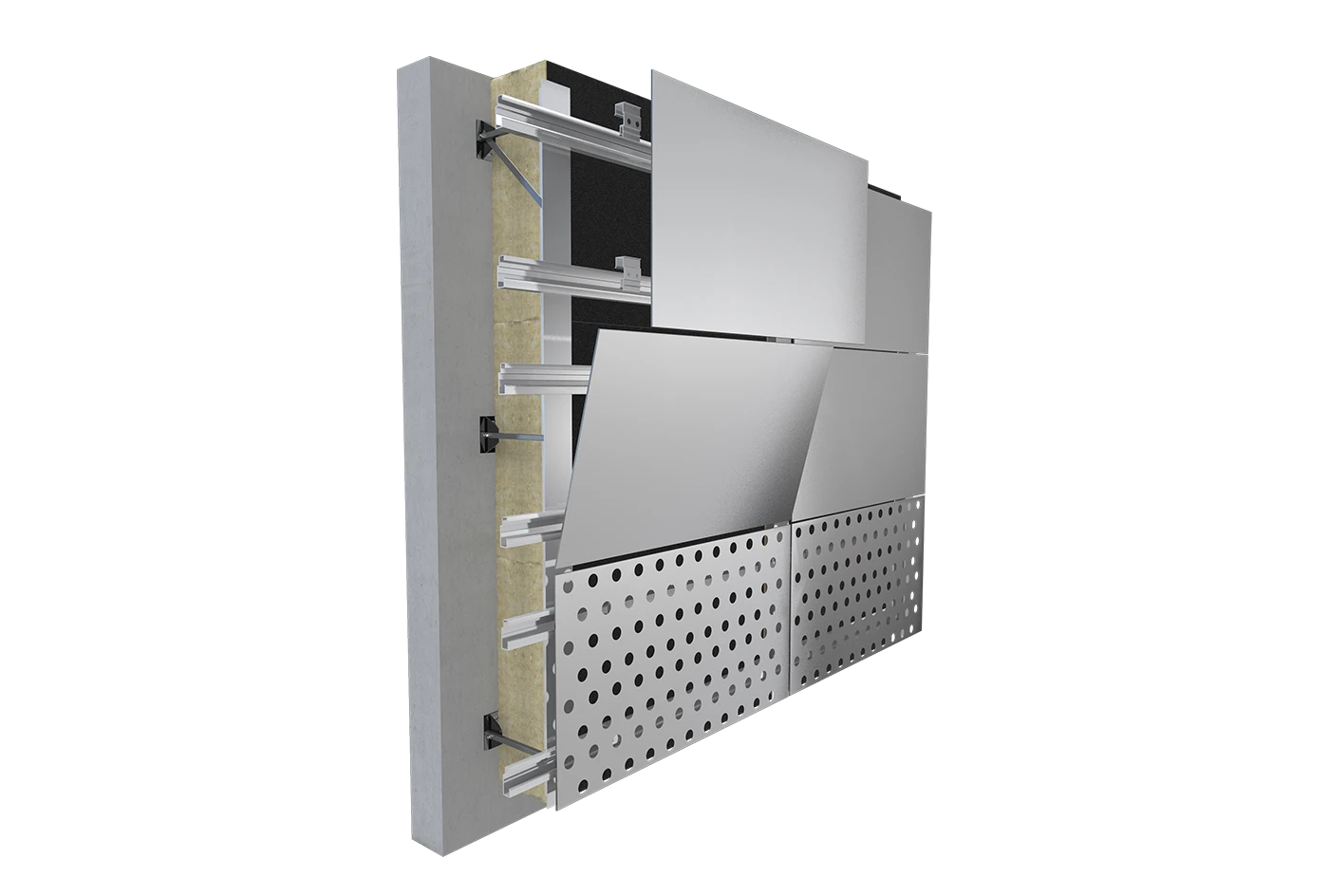
Architectural Flexibility: From Industrial to Artistic
Architects adore aluminum foam because it is a “inspiring” canvas. It could be:
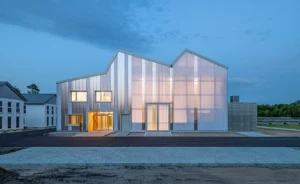
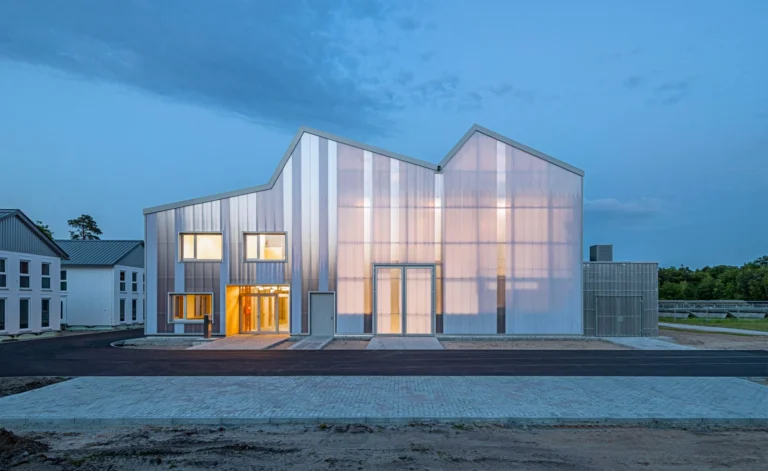
- Translucent: You can light up open-cell panels from behind to make them glow at night.
- Customizable: You can choose any color for the powder coating, or you can leave it raw for a modern, metallic effect.
- Texture-Rich: You can customize the look of the building by choosing “Small Cell,” “Mid Cell,” or “Large Cell.”
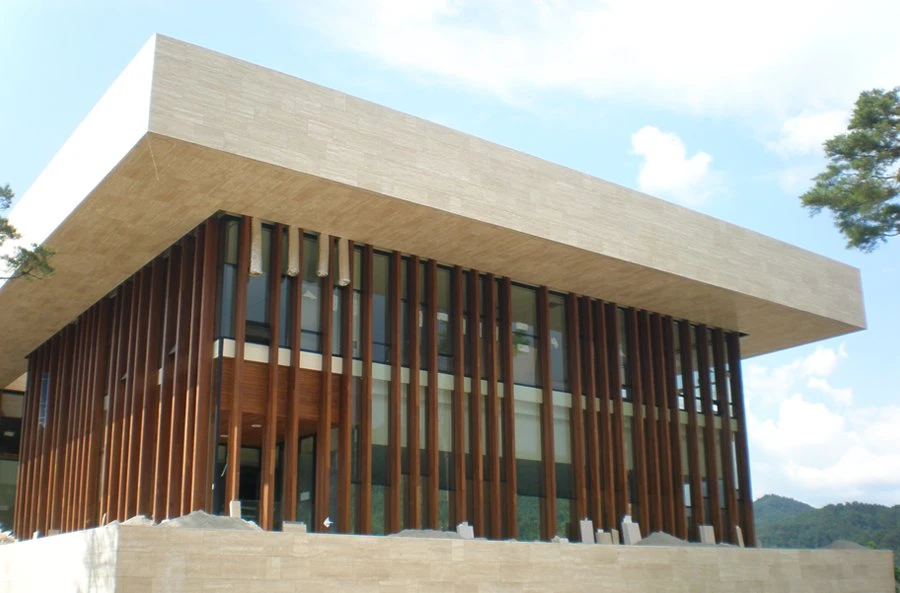
Market Outlook: 2026 Will Be the Year of Metal Foam
It is expected that the global aluminum foam market would increase at a rate of more than 5% per year until 2035. As more people move to cities in the Asia-Pacific and North America, the need for prefabricated, fire-safe, and environmentally friendly construction parts is growing quickly.
Aluminum foam is currently being used by top companies in EV charging stations, acoustic barriers, and modular housing. This shows that this “sustainable secret” is now out.
Conclusion: Making the Future Safer and Greener
Revolutionary aluminum foam cladding isn’t simply a fad; it’s a vital step forward in how we preserve our houses and the Earth. The construction sector is finally in line with global climate goals by using a material that is light enough to save on shipping, sturdy enough to withstand fire, and 100% recyclable.
The message is obvious for architects, developers, and homeowners alike: the future of building is open, safe, and very bright.
For more blogs like this CLICK HERE!!
Reference:
Aluminium Foam: Revolutionizing Architectural Design – RTF | Rethinking The Future