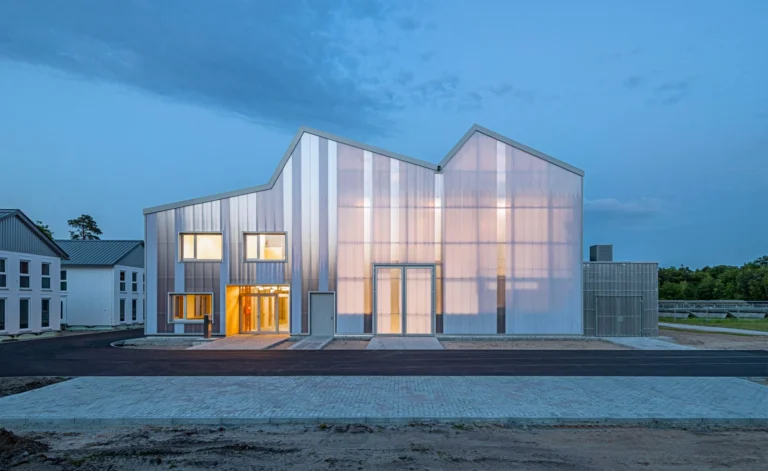
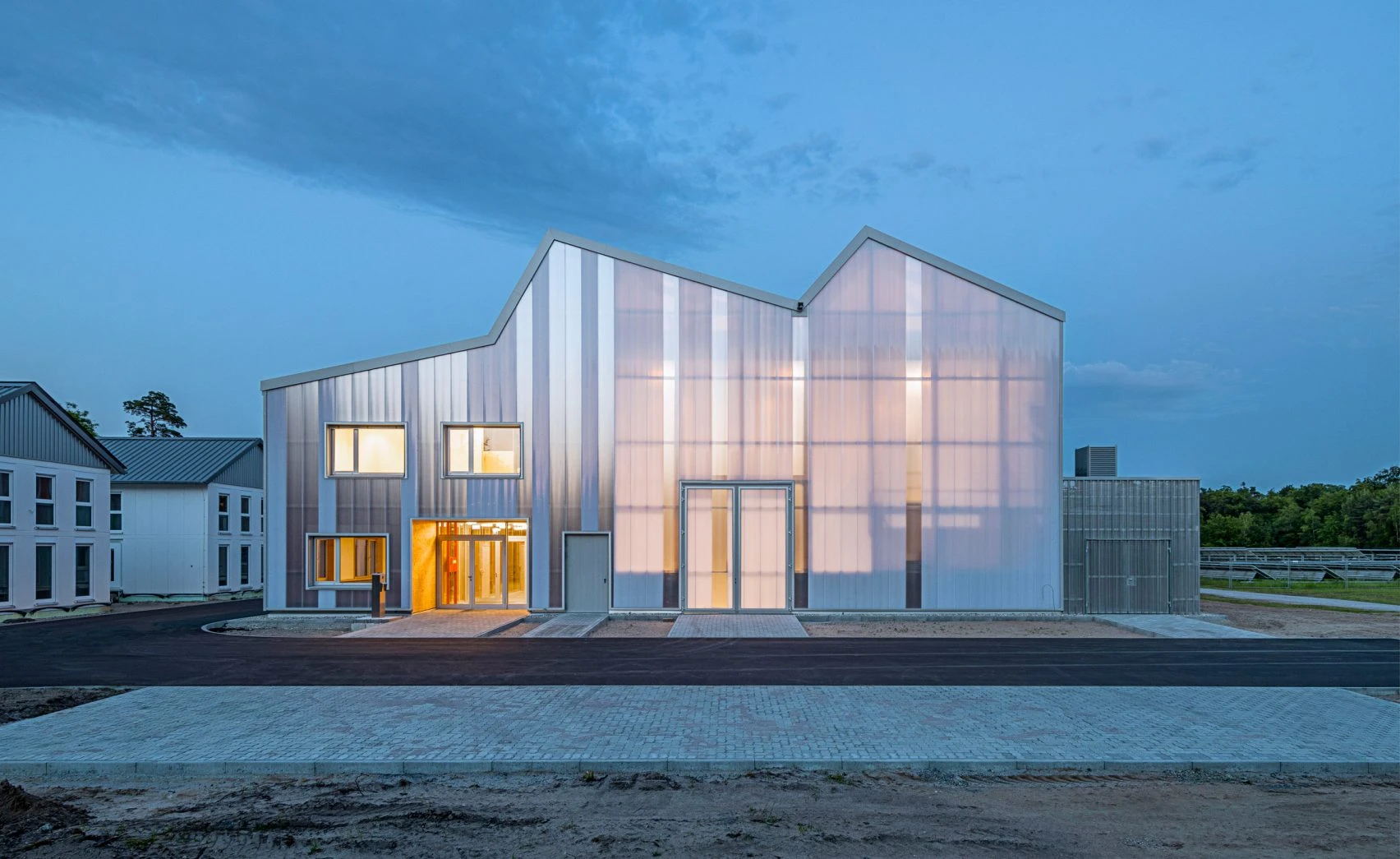
Picture walking into a house where the walls not only keep the outside world out, but also let the sun in via a gentle, honey-colored filter. Imagine a building that shines from the inside at dusk. The beams that hold it up send out a light that looks like the dapple of a forest floor. As we move through the architecture of 2026, we are seeing a stunning change. We’re leaving behind the cold, hard, and dull look of concrete and steel and heading toward Translucent Wood. This material catches the Radiant Heart of nature and changes what it means to live “indoors.”
This isn’t just a high-tech way to replace windows; it’s a whole new way of building. Translucent wood is the “genius” material that lets us design structures that let light through, hold weight, breathe, insulate, and inspire.
The Alchemy of Light: How Wood Turns Clear
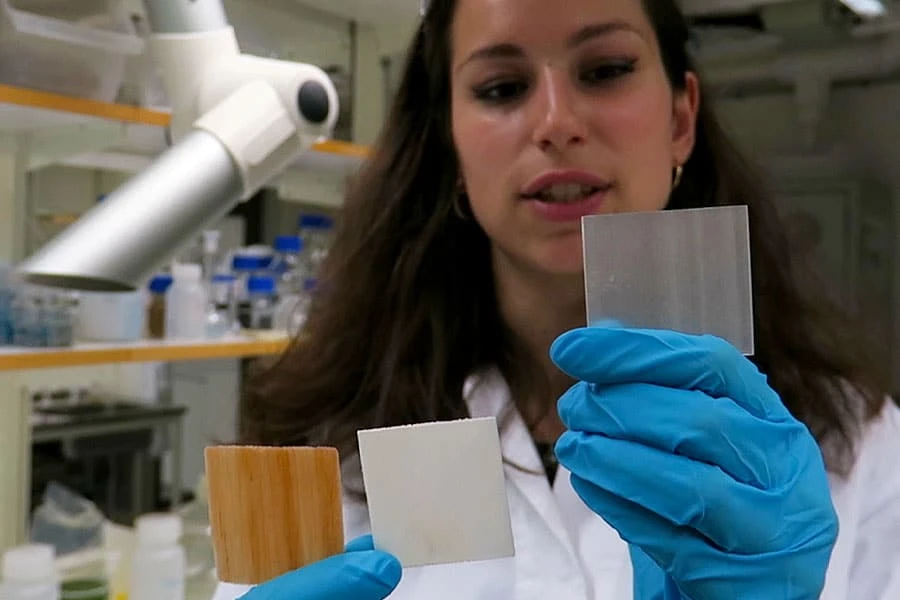
People have loved wood for its strength and warmth for hundreds of years, but its “darkness” has always been a problem. To see through wood, we had to look at its “soul,” which is made up of cells. Lignin is the dark, glue-like substance that gives trees their brown color and makes them strong. It is also what makes trees opaque.
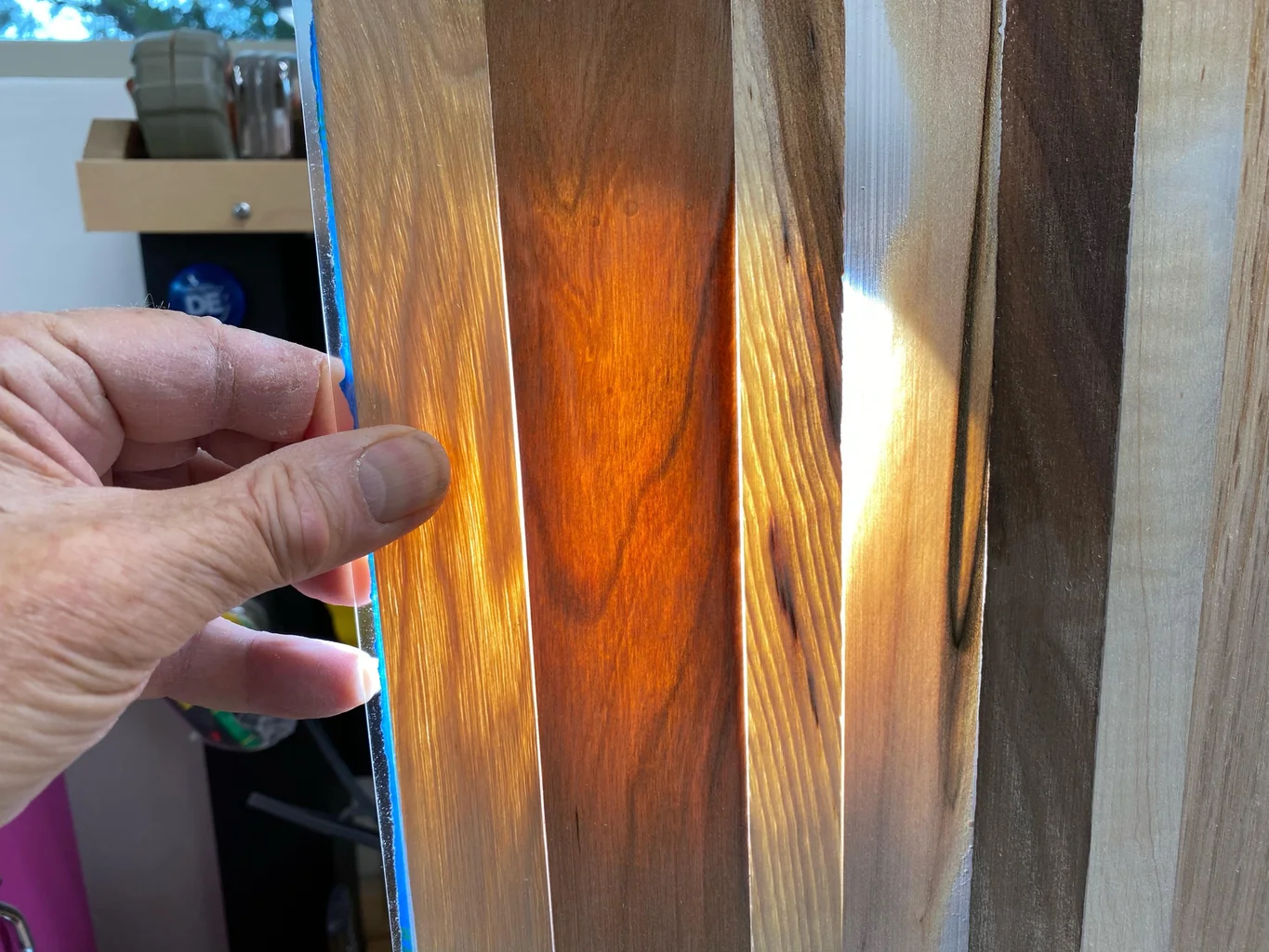
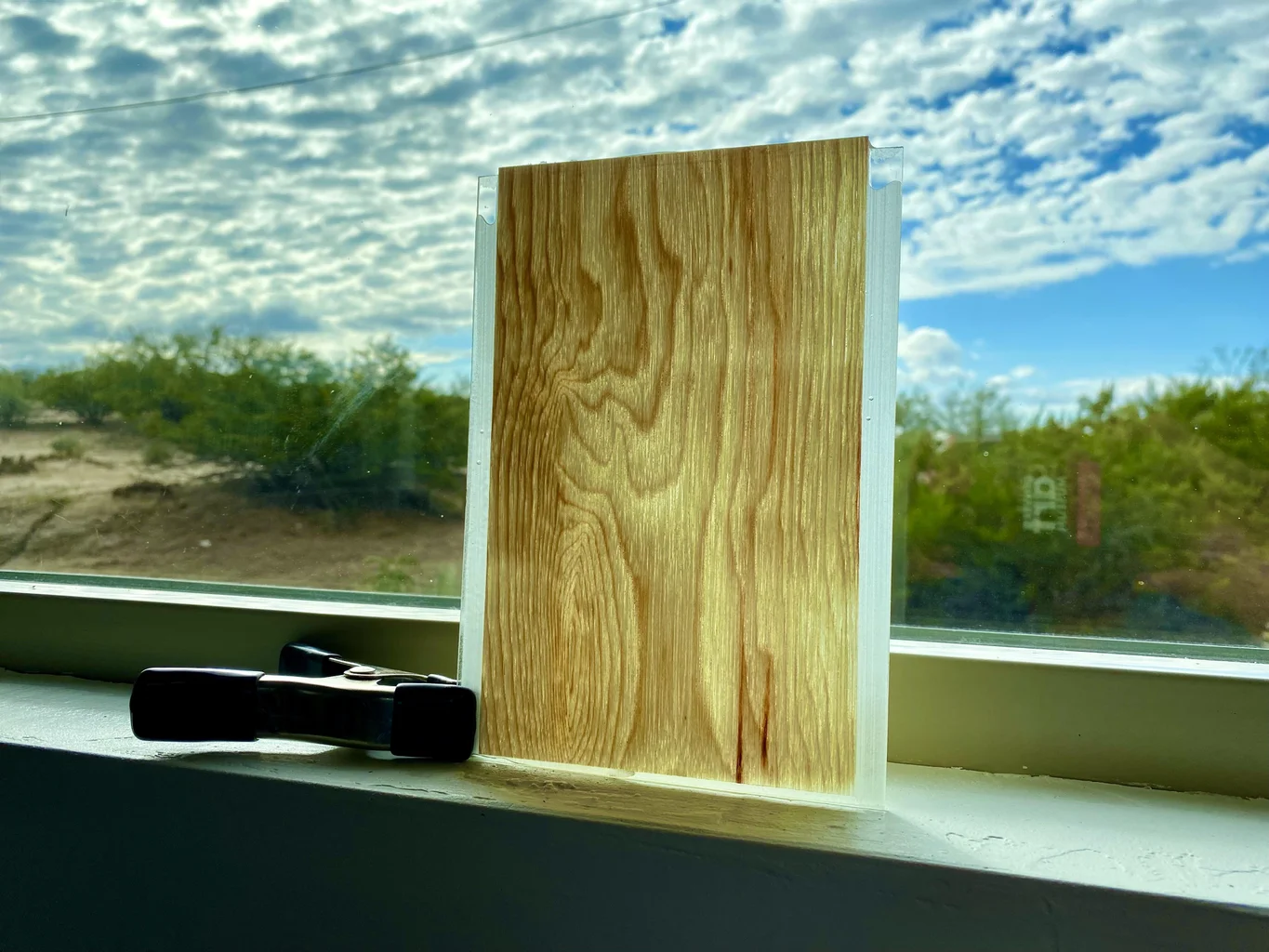
Scientists do a careful “molecular stripping” to make wood that is see-through. They use chemicals to remove or bleach the lignin, which leaves behind a white, porous skeleton made of pure cellulose. Then, a bio-based polymer, usually a citrus-derived resin or an eco-friendly epoxy, is added to the “ghost wood” such that it matches the cellulose’s refractive index.
What happened? A substance that resembles frosted glass yet exhibits the superior strength of industrial timber. It is a mix of biology and engineering that lets photons dance through while keeping the organic grain intact.
Why Translucent Wood is the Best Way to Save Energy
Energy efficiency is no longer a luxury or a “green” emblem in 2026; it’s a must-have for modern city development. Translucent wood is becoming the Guardian of our energy bills because it fixes the two major problems with glass: it doesn’t insulate well and it shines too brightly.

Superior Thermal Performance
Honestly, glass is a thermal nightmare. In the winter, it lets heat out, and in the summer, it makes rooms feel like ovens. Translucent wood, on the other hand, keeps the tree’s original honeycomb cellular structure. These tiny air pockets work as a thermal barrier that keeps everything cool. In early 2026, research shows that translucent wood is up to five times better at keeping heat in than regular double-glazing. It doesn’t simply seem warm; it keeps the “heart” of your home at a stable, comfortable temperature all year long.
The Poetry of Light That Spreads
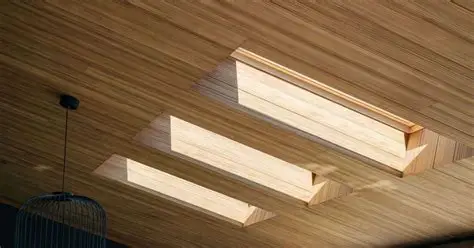
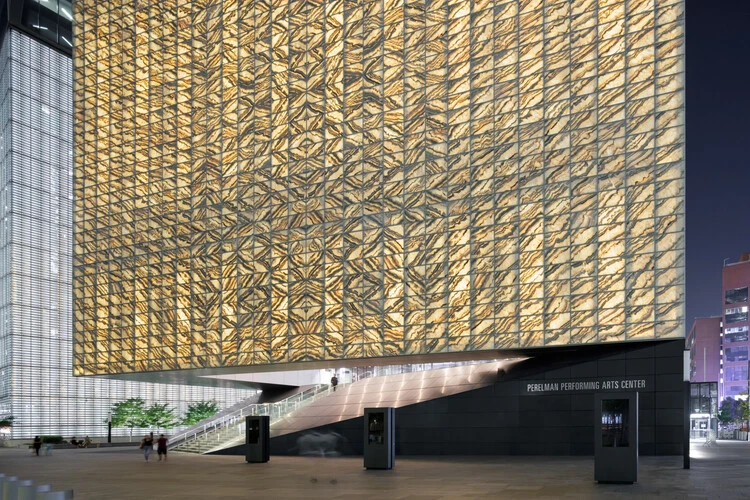
Translucent wood spreads light, unlike the harsh, direct glare of glass windows that makes “hot spots” and fades your favorite rugs. It makes a beautiful, even glow that goes deep into the heart of a building. In 2026, “Deep Plan” buildings—structures so big that the middle normally needs artificial lights all day—are getting “light wells” made of clear wood. This can cut down on electricity use by up to 30% and raise the serotonin levels of everyone within by a lot.
Load-Bearing Brilliance
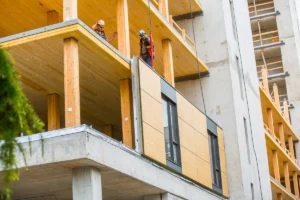
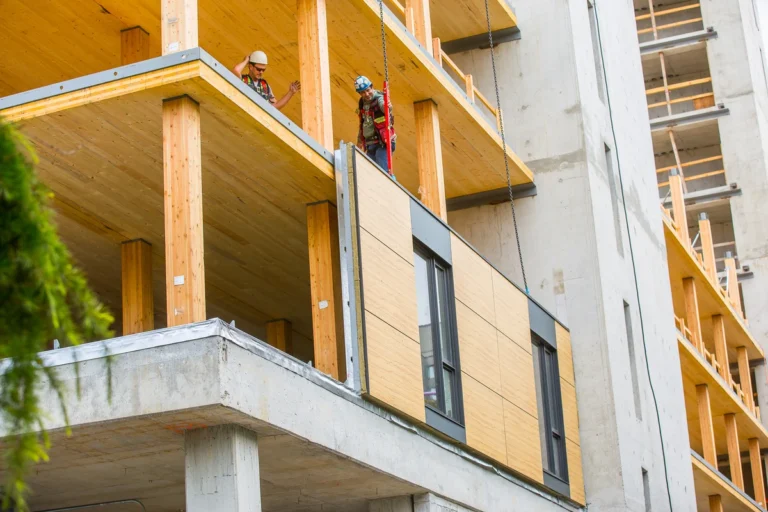
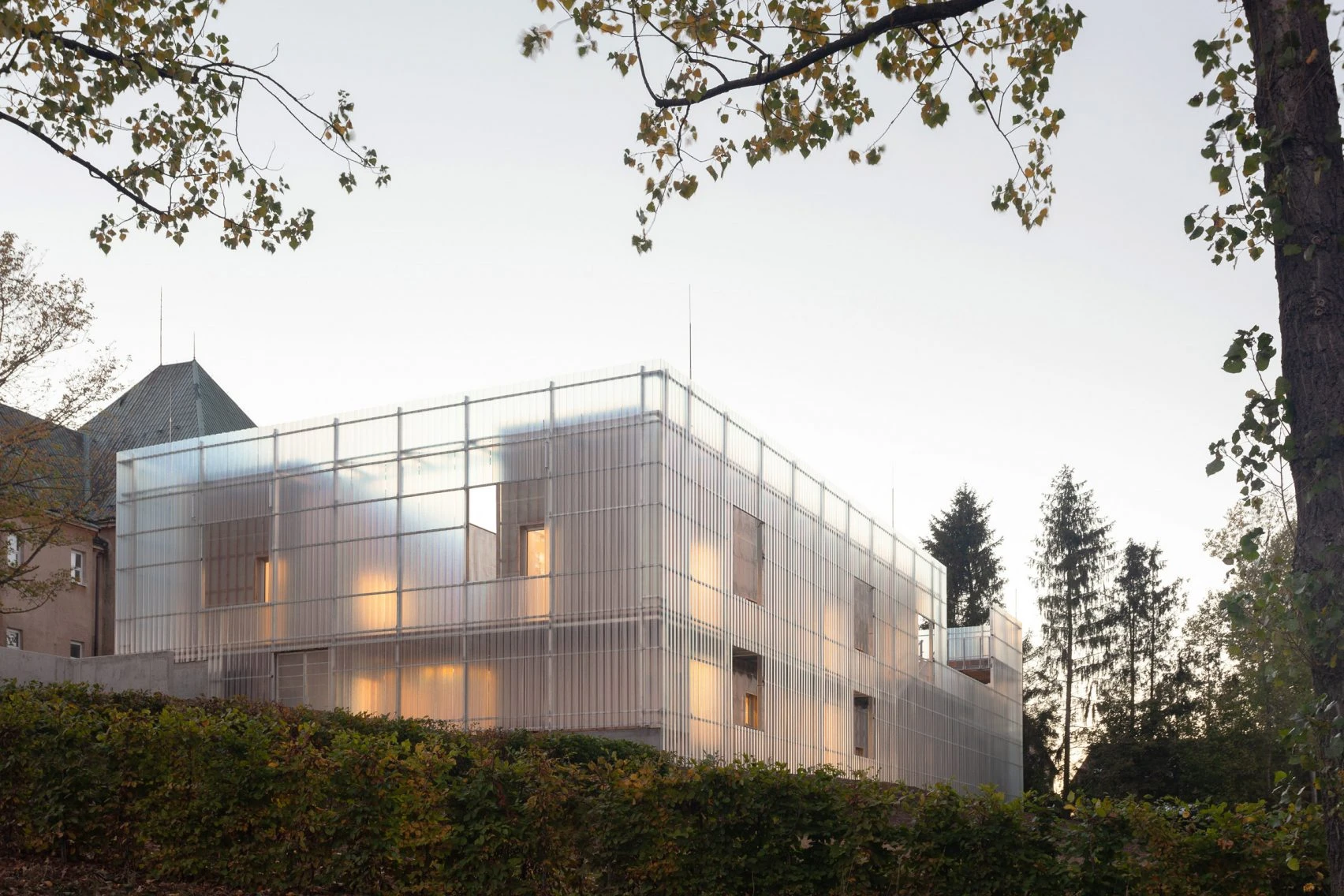
Its strength might be its most “Genius” feature. Without huge steel frames that block light, you could never make a load-bearing wall out of glass. On the other hand, translucent wood is quite strong and won’t break. It lets architects make whole sun-drenched facades that can hold up the weight of the roof. We may now build a house that is both a wall and a window at the same time for the first time in history.
The Emotional Pulse: Living in a “Breathing” Space
People often talk about sustainability in cold, hard figures, but the real value of translucent wood is emotional. Living in a setting surrounded by light-transmitting wood influences the way people feel on a cellular level.
- The Biophilic Connection: It keeps the wood’s “soul” and feel. It feels warm and natural when you touch it, and it makes you feel like you’re in the forest even if you’re in the middle of a big city.
- Protected Intimacy: It gives you a sensation of Protected intimacy because it is translucent (like privacy glass) instead of clear. You may admire the clouds moving and the shadows of trees swinging outside without feeling like you’re in a fish bowl. It is private without being dark.
The Rise of “Smart” Timber in 2026
The new idea doesn’t only let light in. In 2026, Functionalized Translucent Wood is becoming more popular. This is because the material truly “works” for the people who live there.
- The Biological Battery: Architects are increasingly adding phase-change materials (PCMs) to the wood. These walls soak up more heat during the hot afternoons then “bleed” it back into the space as the temperature drops at night. It is a biological battery that works with the rhythm of the day.
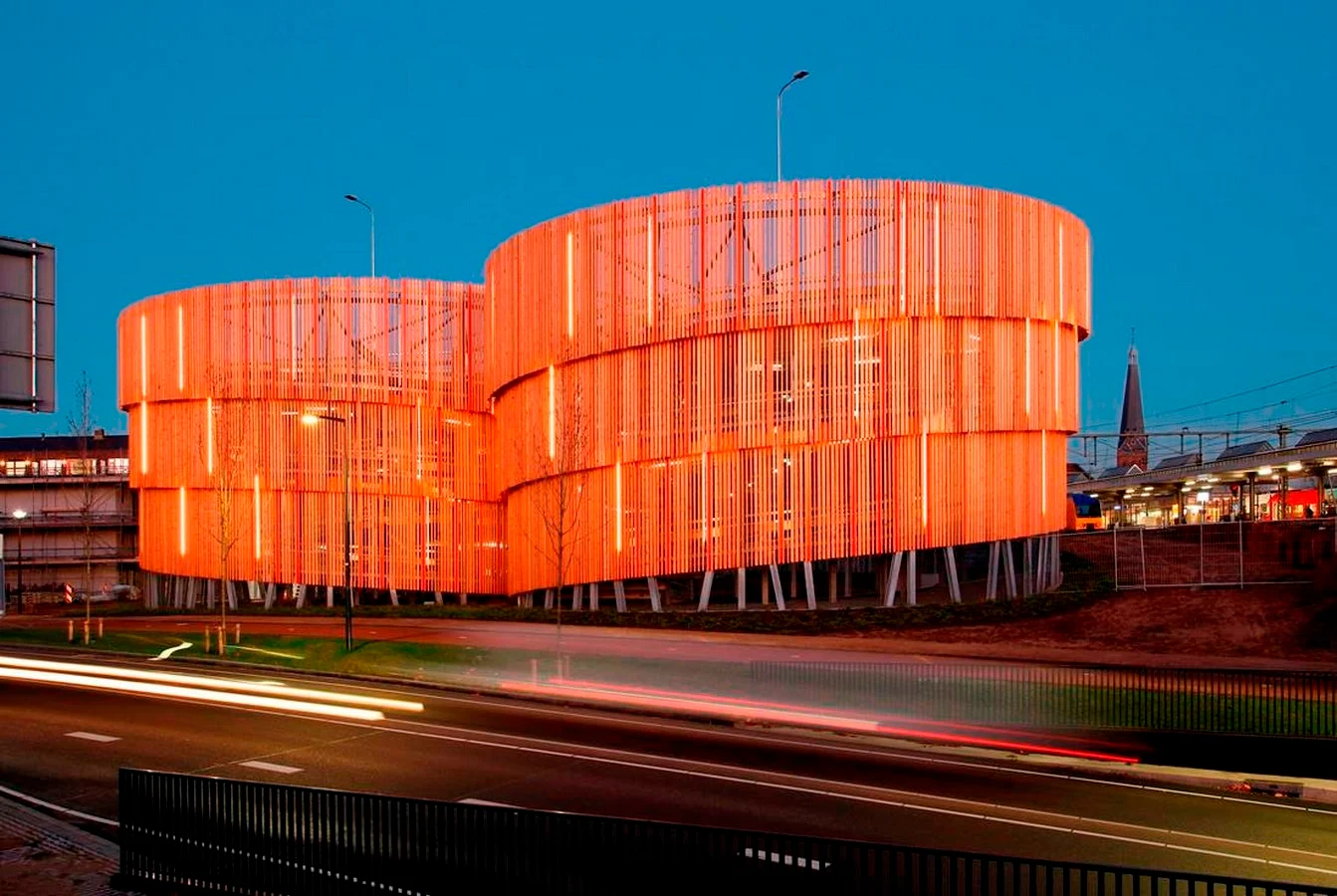
- Luminescent Sanctuaries: Scientists are now putting quantum dots into the cellulose fibers to make “luminescent sanctuaries.” This lets the panels shine softly at night with solar energy that was saved throughout the day. Your ceiling becomes a magical source of interior light that looks like the soft glow of moonlight, so you don’t need harsh LED lamps.
Getting over the “Plastic” Doubts
In the beginning of this technology, people were worried about how the polymers used to fill the wood might affect the environment. It used to be that resins were made from oil. But by 2026, the industry had nearly completely switched to bio-polymers made from corn husks and orange peels.
This keeps the substance biodegradable and carbon-negative. We are really honoring the healing power of our forests by making sure that when these buildings are no longer useful, they may go back to the ground without leaving a plastic scar.
The Money Side of a Radiant Legacy
People used to say that translucent wood was a “boutique” material for the very rich. But as we get closer to 2026, costs have gone down a lot since production is growing in Europe and North America.
When you add in the “Life-Cycle Savings”—lower HVAC costs, no need for artificial lighting, and the higher property value of “well-being” certified spaces—translucent wood is turning out to be a smart financial choice. It is the first substance that pays for itself in both money and happiness.
Conclusion: A Legacy of Light
Translucent wood is more than just a technological leap; it’s a step toward a more gentle way of building. It asks you to build things that don’t just stand up to nature, but also dance with the light it brings.
We’re not merely conserving energy by using translucent wood for the load-bearing heart of our structures. We are working toward a future when our homes are as bright, colorful, and efficient as the trees they originated from. The architects of 2026 don’t ask “How do we build?” anymore. Instead, they ask, “How do we let the light in?”
For more blogs like this CLICK HERE!!
Reference: