Think of a building that not only sits on the ground but also breathes with it. As we make our way through the architecture of 2026, the concrete jungles of the past are starting to grow something new. The heart of this green revolution isn’t a new chemical polymer or a high-tech metal; it’s the simple mushroom.
Mycelium, the buried, root-like web of fungi, is becoming the “heart” of sustainable building. This isn’t just a trend in building; it’s a return to nature. This is why this live technology is the best thing for the soul of the home of the future.
The Living Breath of the “Wall-Grown” House
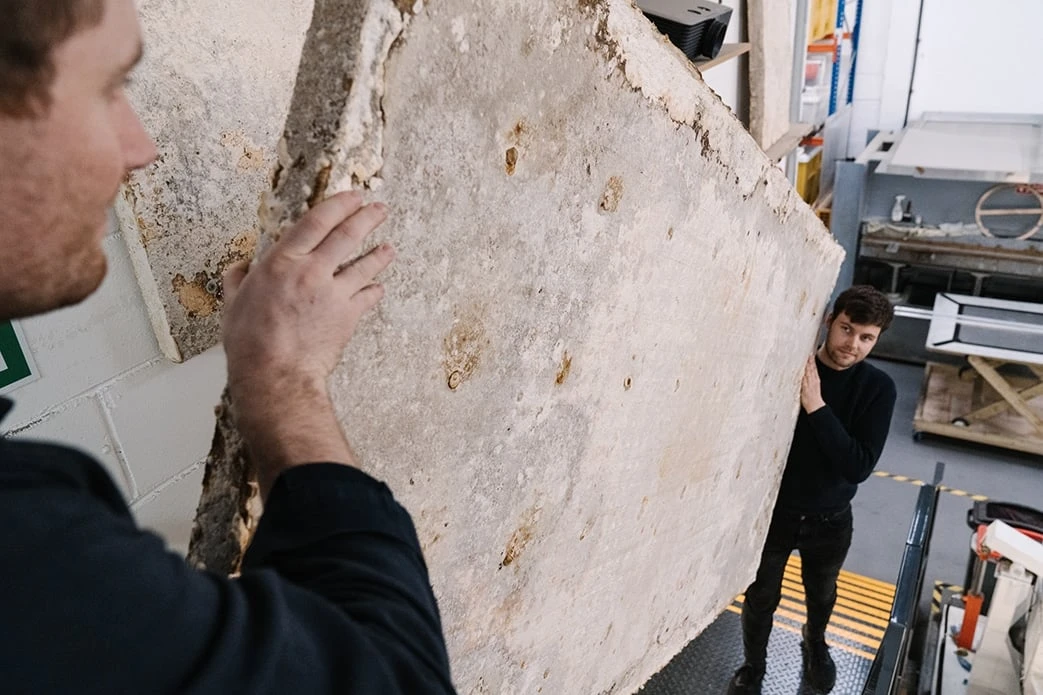
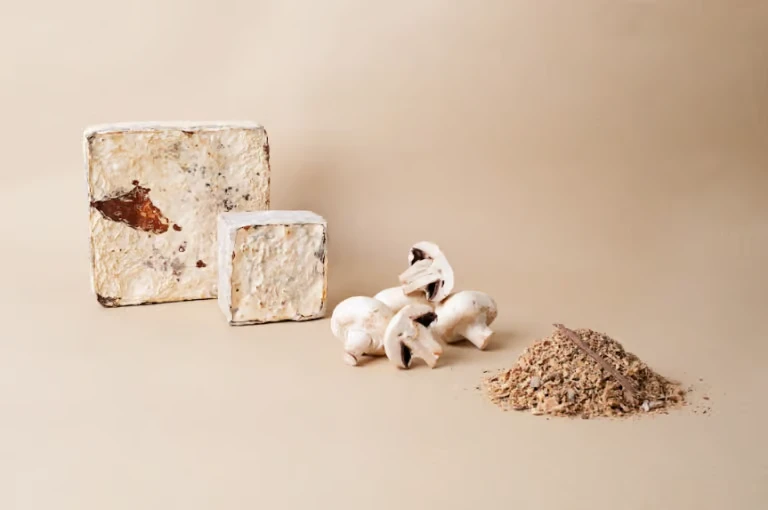
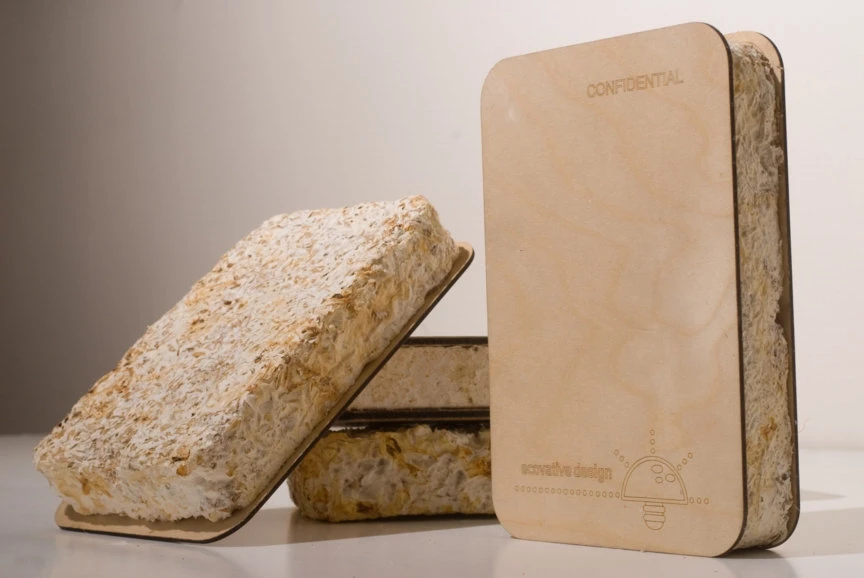
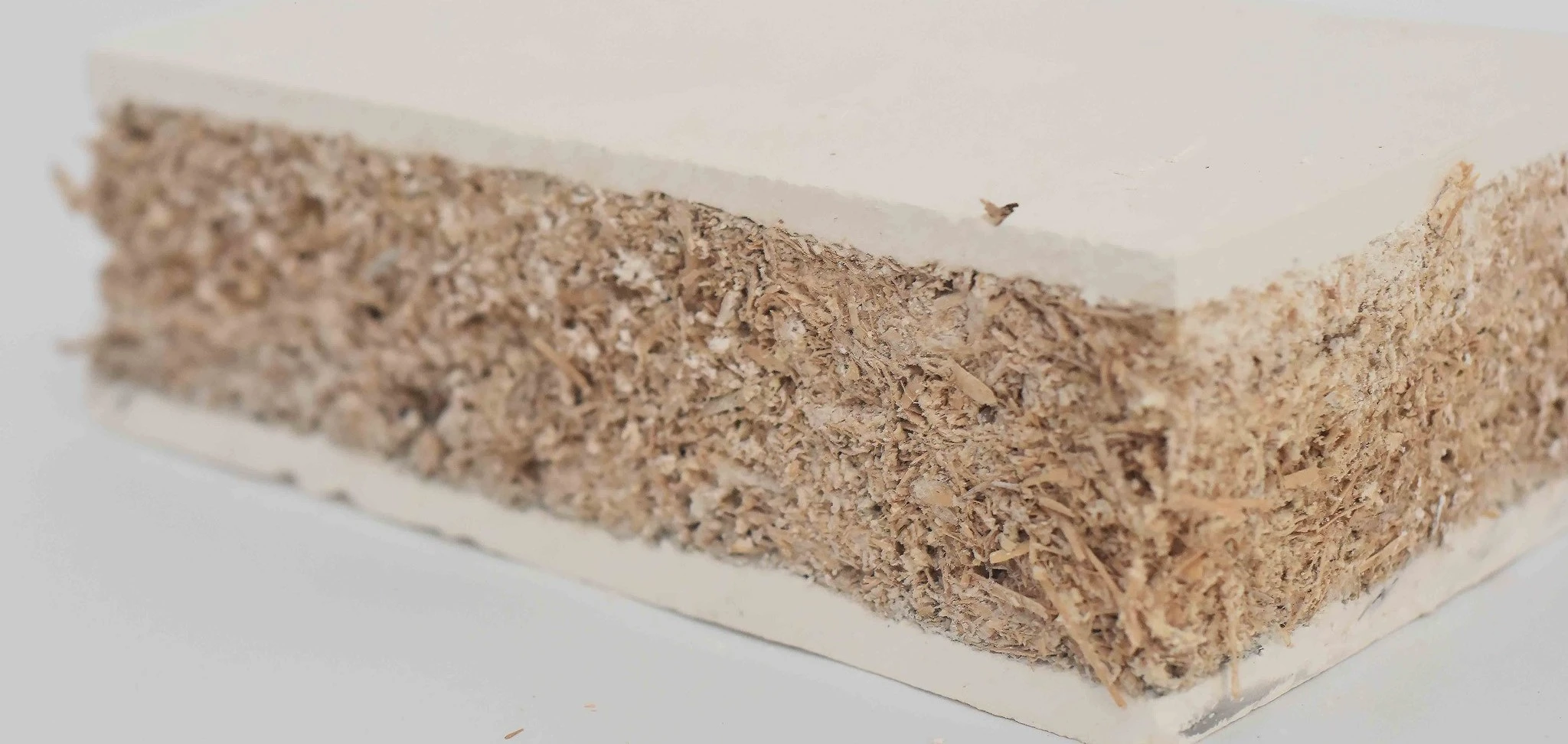
For years, we’ve covered our homes in fiberglass or hard plastic foams that seem like “pink fluff.” These materials are silent murderers of the environment. They are immobile, toxic, and will stay in landfills for hundreds of years. Mycelium insulation changes the game. It is a bio-composite made from “scraps” from our planet, like hemp hurds, flax shives, and sawdust.
When you buy mycelium, you’re not just getting a product; you’re also getting a biological network. You could say that it is like the “white blood cells” of the framework of your home. This biological heart can control humidity and let air flow in a way that synthetic materials can’t. It makes the room feel less like a box and more like a safe place.
The Science of Nature
Mycelium is not like regular sprays that release volatile organic compounds (VOCs) for years. It doesn’t just “not hurt” the air; it keeps it clean. A home with mycelium insulation operates like a huge filter, keeping the indoors and outdoors in a healthy balance. This is important because the quality of indoor air is becoming a major health concern.
Why Beyond the Spore: “The Ultimate” Choice
You might wonder if a fungus can actually stand up to a skyscraper. The data is in for 2026, and it’s amazing. Mycelium isn’t simply a “crunchy” alternative for people who care about the environment; it’s beating the big companies.
The Phoenix Effect: Fire Resistance in Nature
The safety of a building is its most important part. Most foams made from petroleum are basically solid fuel. When they catch fire, they emit a “black curtain” of poisonous fumes. But mycelium has a poetic connection to fire. It doesn’t catch fire easily. It doesn’t melt or catch fire; instead, it chars, making a biological heat shield that protects the structure behind it. Not only does it protect structures, but it also saves lives.
A Carbon Sink with a Beat
While making typical insulation releases CO2 into the air, mycelium does the opposite. As the fungus grows, it “breathes in” carbon and stores it in its cell walls. Studies show that mycelium insulation is carbon-negative, which means it can trap about 244 kg of CO2 per cubic meter. Your walls aren’t only there; they’re also cleaning the world.
Thermal Whispers: The R-Value Mastery
Performance is where the “Ultimate” designation is really achieved. The thermal conductivity of mycelium insulation can be as low as 0.035 W/mK. What does that mean in simple terms? It’s a vault for heat. It keeps the cold of winter and the heat of summer at bay, which cuts down on the energy needed to keep your “heart” beating pleasantly.
How a Building is Born: The Alchemy of Growth
Making mycelium insulation is more like cooking than working on a manufacturing line. It’s half science, part magic, and all about being eco-friendly.
- The Inoculation: We take “waste” from farms, which is what farmers generally burn, and add fungal spores to it.
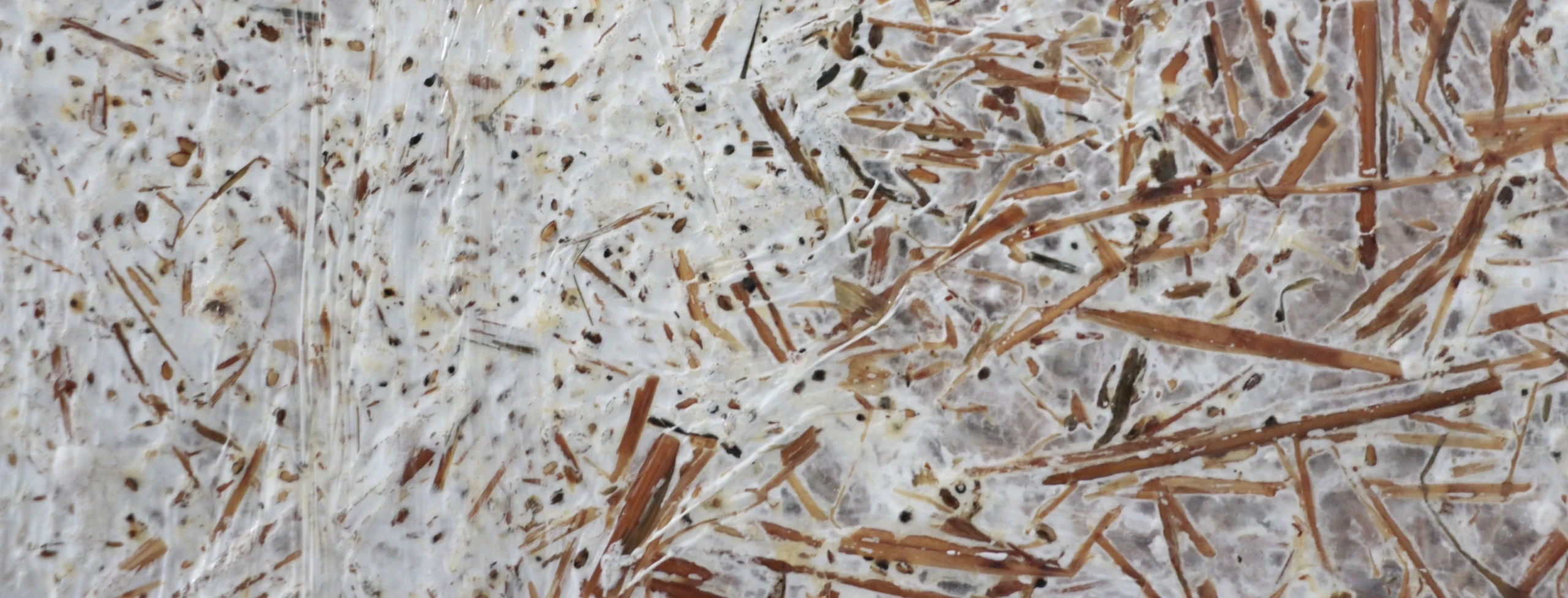
- The Silent Expansion: The mycelium “eats” the waste for 5 to 10 days in the dark and silence. It makes a thick, white cloth that holds the particles together in a solid, light block.
- The Curing: The material is heated after the mold is full. This “baking” procedure stops the growth, which makes the material safe, inert, and very strong.
This isn’t making things; it’s bio-fabrication. It doesn’t need any harmful catalysts or high-heat furnaces. It only needs time and the fungi’s natural smarts.
Sensory Sustainability: Acoustic and Aesthetic Harmony
Living in a way that is good for the environment shouldn’t simply be about how much carbon is in the air; it should also be about how a place feels. Mycelium is a great sound system. Nature made its porous, uneven structure to trap sound waves, which means it can absorb up to 75% of background noise. Picture a house that sounds as peaceful as a forest floor, even in the middle of a busy city.
Architects are also learning about the material’s “soft” charm. You may shape it into flowing, organic curves that look like things in nature. Mycelium is bringing a tactile soul back to modern design with things like acoustic tiles that appear like velvet stone and structural panels that feel like warm cork. This is the best Biophilic Design ever.
Breaking Down the “Mushroom Myth”
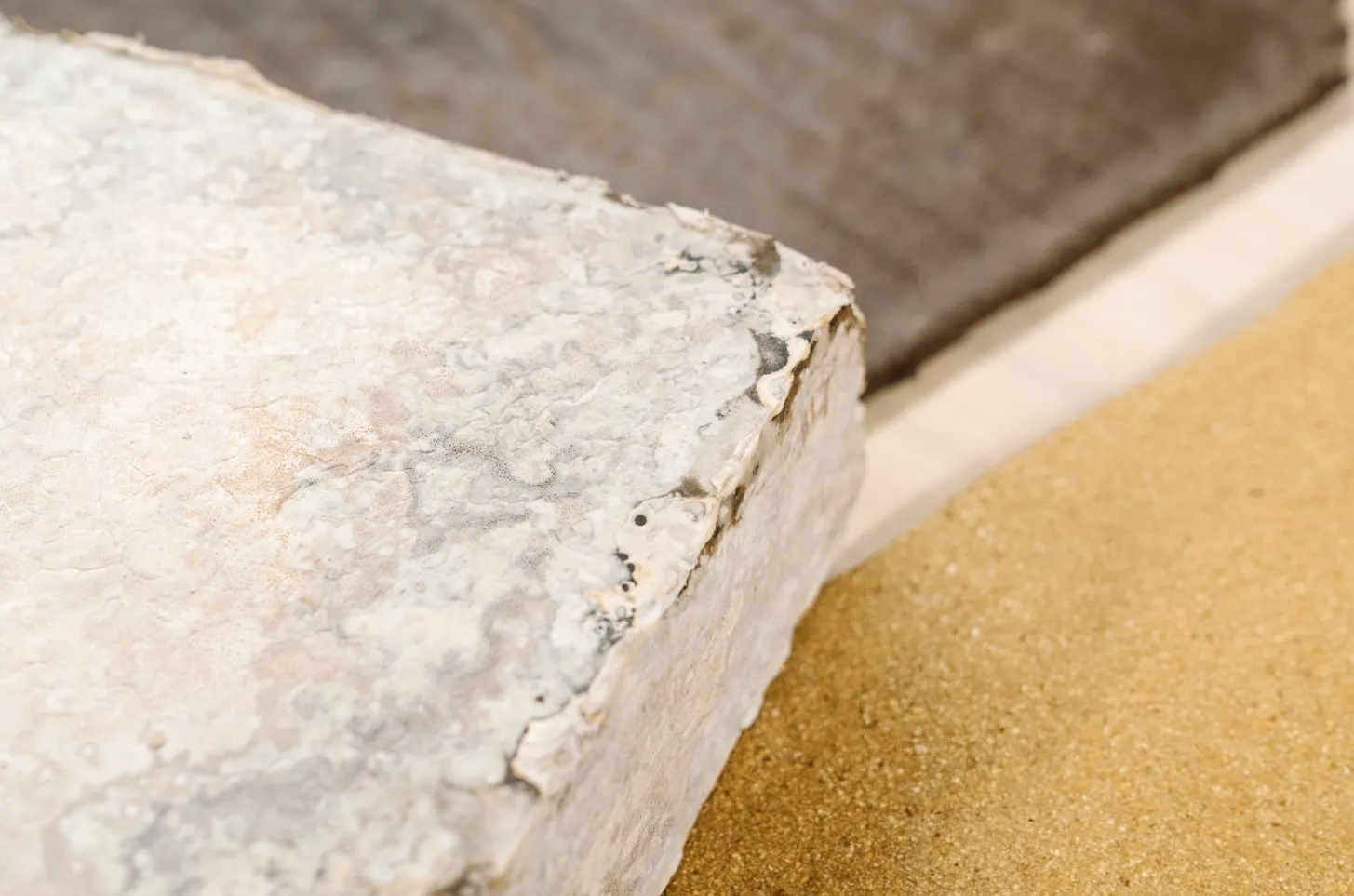
Let’s talk about the “fungus in the room.” People who don’t know much about mushrooms often worry, “Will my house start growing mushrooms if it rains?” The answer is a clear no. The curing process kills the fungus completely. It is as inactive as the wooden studs in your walls.
Mycelium is naturally hydrophobic, which means it doesn’t absorb water, and it is much more resistant to mold than regular drywall or wood. Companies like Biohm and Ecovative have improved these materials so that by 2026 they are “biological fossils”—strong, durable, and permanent. They are even resistant to termites because the chitin in the cell walls of fungi makes them taste bad to most common household pests.
The Year 2026: The Age of Circular Cities
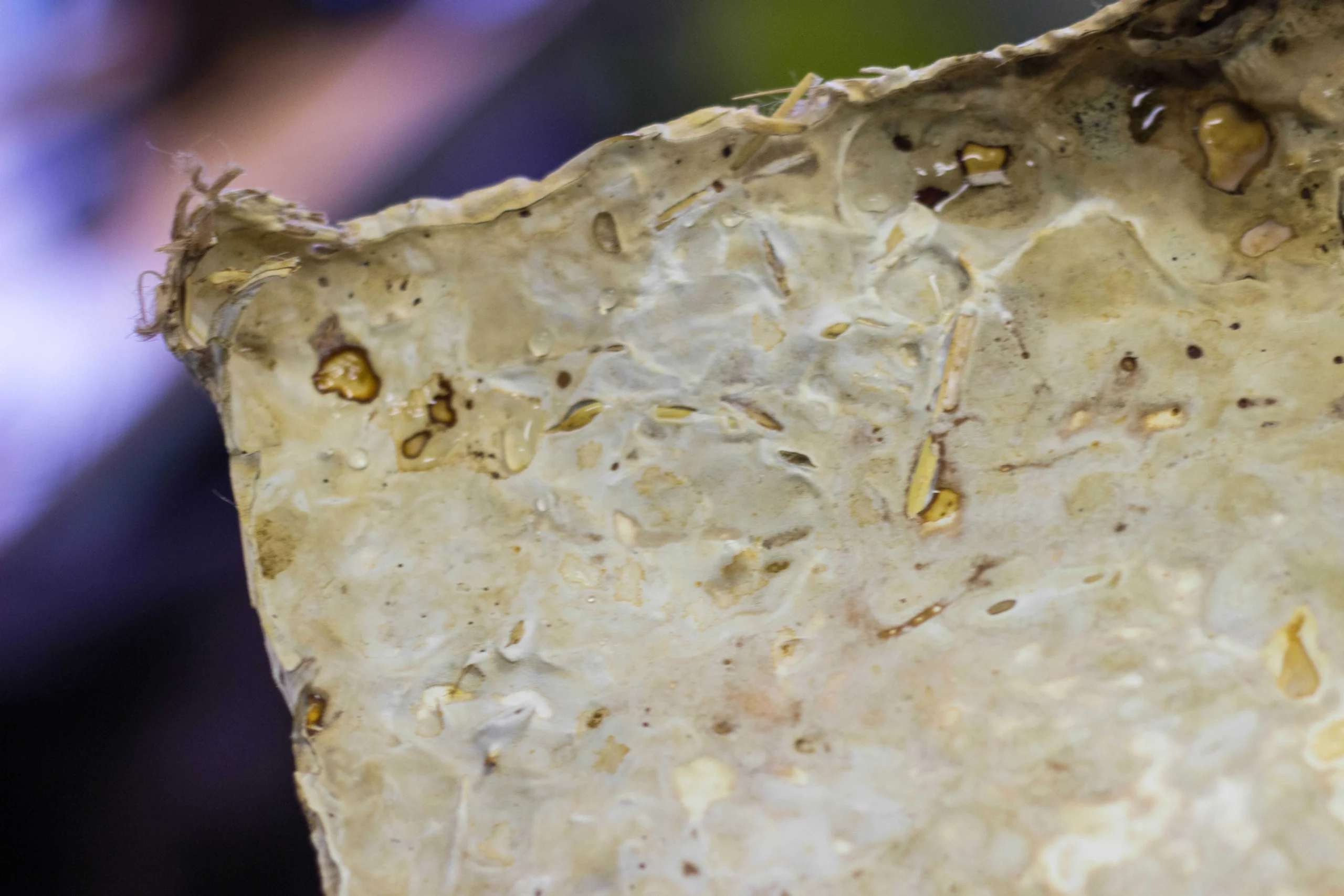
The change in the world is no longer a ripple; it’s a tidal wave. We are seeing the rise of Circular Cities, where the word “waste” doesn’t exist anymore. Waste from local oat and hemp farms is sent to “Micro-Grown” companies on the edges of these cities. There, it is turned into mycelium insulation for new low-cost housing complexes.
When those buildings are no longer useful after 100 years? The insulation isn’t taken to a dump. It is shredded and made into high-quality compost that goes back into the ground, where it feeds the same farms that grew the raw ingredients a hundred years ago.
The mycelium market is growing quickly, and it is expected to be worth $3.8 billion in the next ten years. Buildings that use bio-materials might get “Green Heart” tax credits from the government. We are leaving the time of “extract and discard” and entering the time of “grow and return.”
Is the Financial Heartbeat Affordable?
The “sustainability premium” is a typical criticism of green innovation. It says that only rich people can save the globe. Mycelium is breaking through that wall. The cost of manufacture is very inexpensive because the raw ingredients are almost free (agricultural waste). As the market grows until 2026, the price of mycelium insulation is now the same as that of ordinary mineral wool. This is the first time in history that the best decision is also the cheapest.
Conclusion: A Heart That Beats for the Future
In the end, picking Ultimate Mycelium Insulation is a very emotional choice. It is an acknowledgment that nature is the best engineer we’ve ever known. We are selecting a future where our homes are healthy, the air is pure, and the buildings have a heart by putting fungus into our walls.
We aren’t just creating houses anymore; we’re building a legacy. We are showing that the buildings that protect us can also make the world a better place. The question is no longer “Can we really grow building insulation?” but “How soon can your home start breathing?”
For more blogs like this CLICK HERE!!
Reference:
Naturally grown mycelium-composite as sustainable building insulation materials – ScienceDirect