For more than a hundred years, the “spirit” of the city was made of steel and fire. We saw our skylines as symbols of industrial power: cold, gray, and uncompromising. But as we look ahead to 2026, a quiet, natural revolution is starting to take place in several of Europe’s most famous cities.
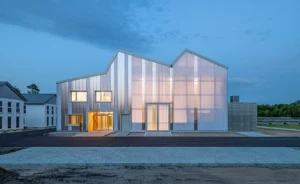
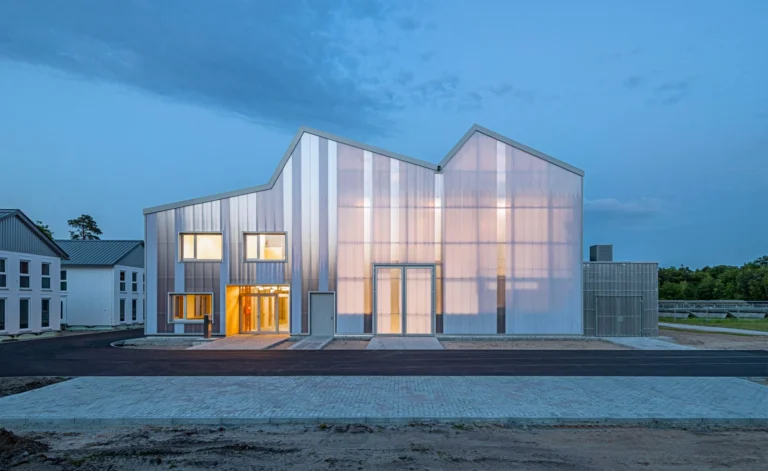
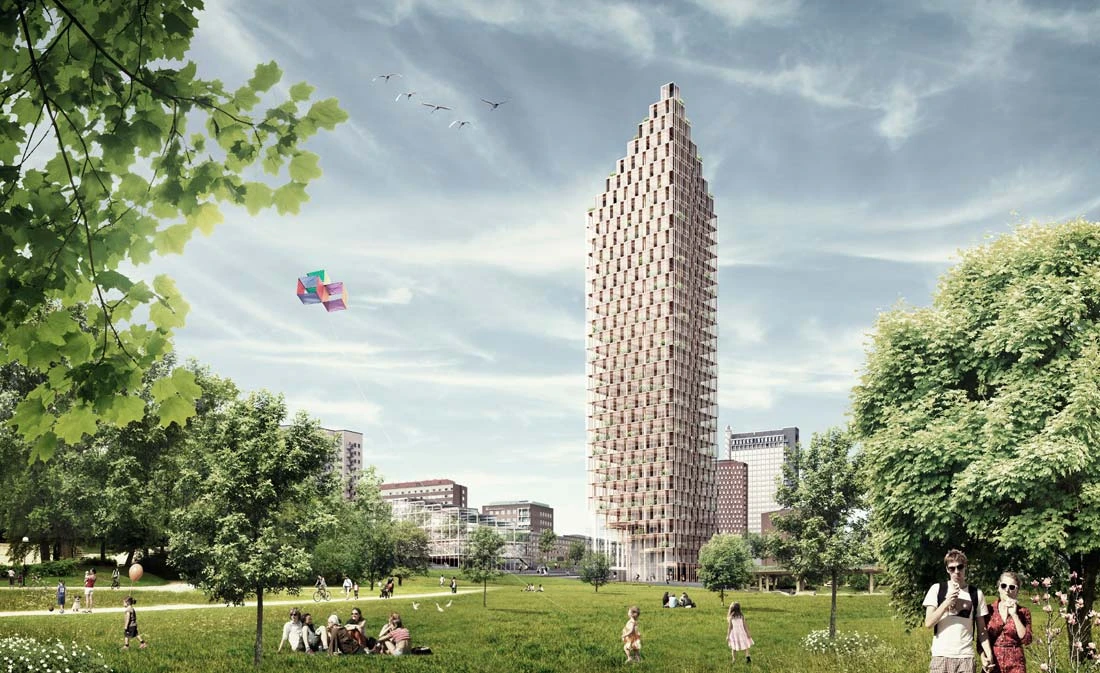
Wood is an ancient material that is challenging the steel-and-concrete era. It may be found in places like the “Sara Kulturhus” in Sweden and the growing wooden neighborhoods of Berlin and Paris.
This wood isn’t like the wood your grandfather used to build his shed. This is Mass Timber and Cross Laminated Timber (CLT).
These manufactured wonders are stronger, lighter, and much more soulful than the gray monoliths they are replacing. This is the narrative of how Europe is slowly getting back to nature by building skyscrapers.
What does CLT mean? The “Lego” of Cities That Last
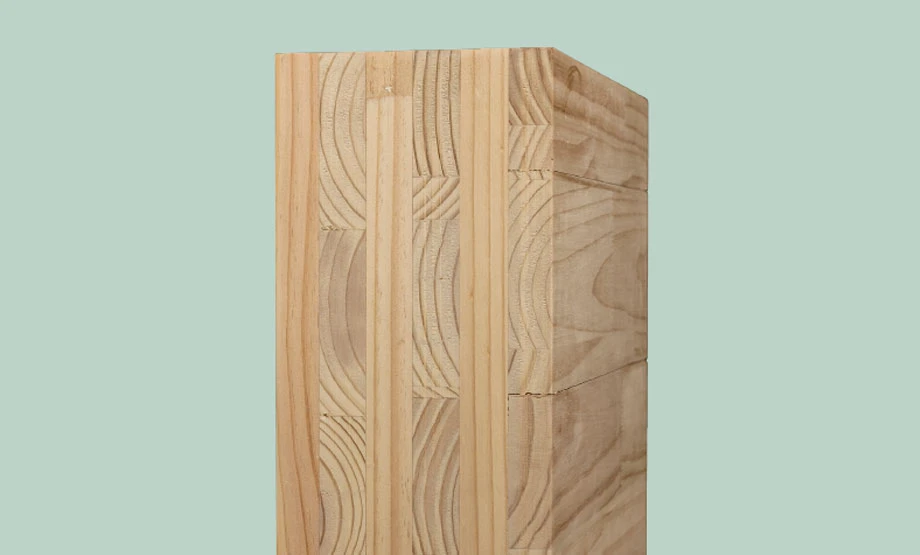
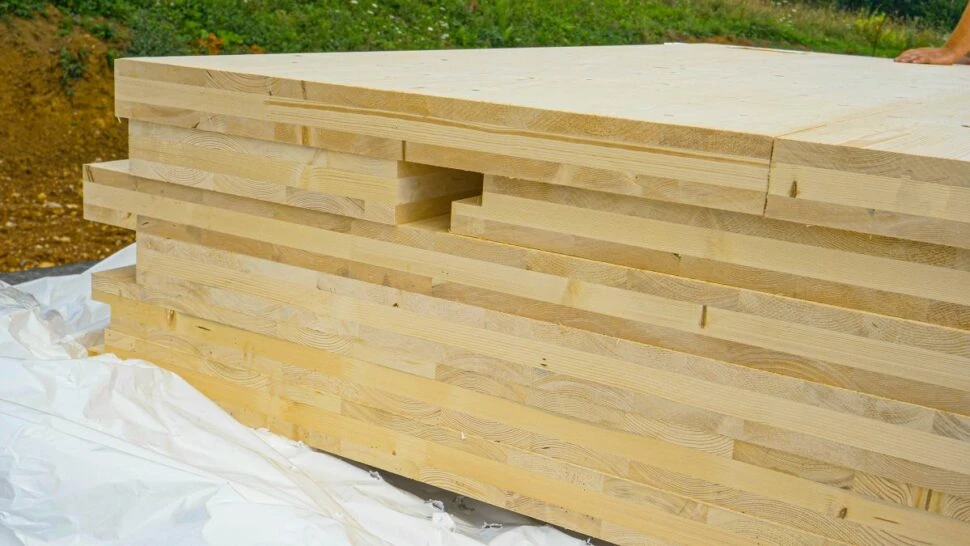
Before we can understand how revolutionary this change is, we need to know how the technology works. People often call Cross-Laminated Timber (CLT) “plywood on steroids,” but that’s not quite right. It is made out of layers of kiln-dried wood that are piled in different directions and glued together with structural adhesives under a lot of pressure.
The secret to its strength is that the grain goes back and forth. It makes a panel that is very strong in both directions, which lets it be the main load-bearing framework for skyscrapers. Steel can bend or lose its temper when it gets too hot, whereas CLT chars on the exterior while keeping its shape on the inside. This makes it surprisingly fire-resistant and dependable.
Why Wood is Winning: The “Soul” of the Environment
The building industry is now responsible for around 40% of all carbon emissions around the world. Steel and concrete are “carbon-hungry” materials that need a lot of energy to make. But wood changes the story. It is the only main building material that holds carbon instead of releasing it.
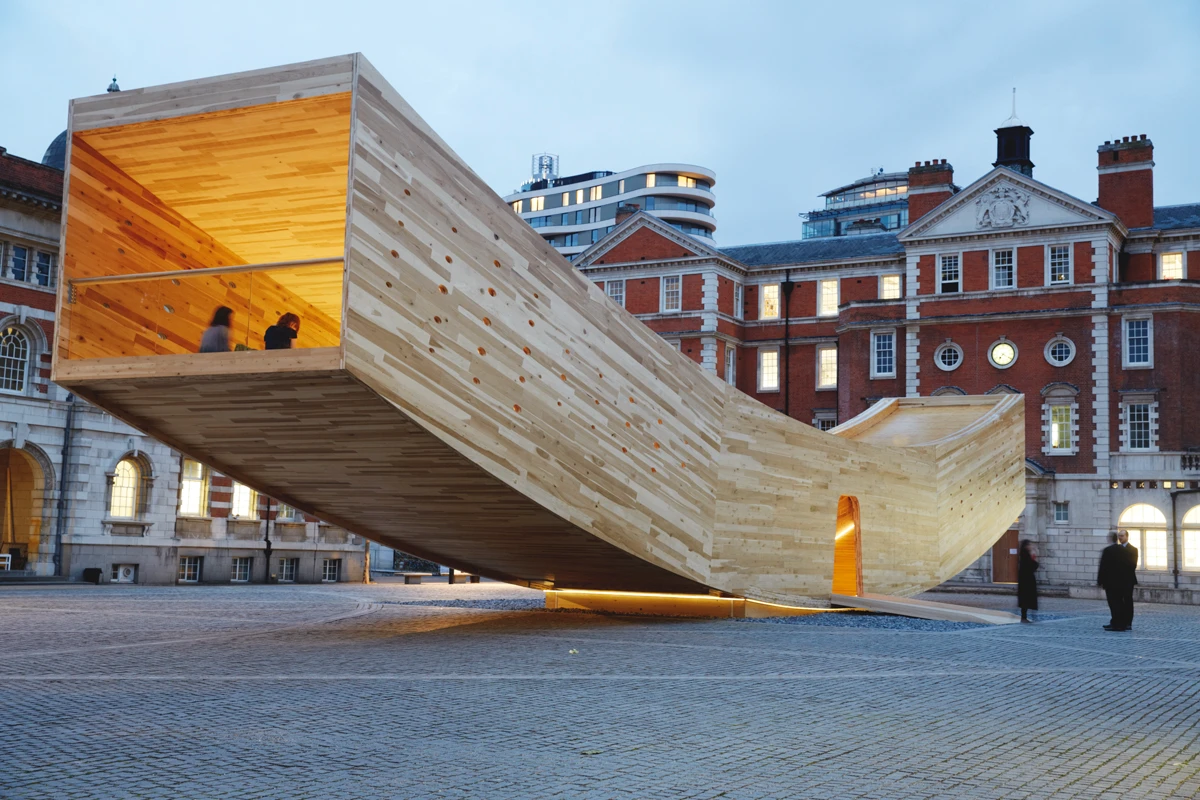
Storing Carbon
A tree pulls tons of $CO_2$ out of the air and locks it up for decades on each floor of a CLT building. While a concrete structure “pays” off its carbon debt when it is built, a wooden building is a beloved way to help the climate. Building with wood is the quickest option for developers to satisfy the strict new European Green Deal goals by 2026.
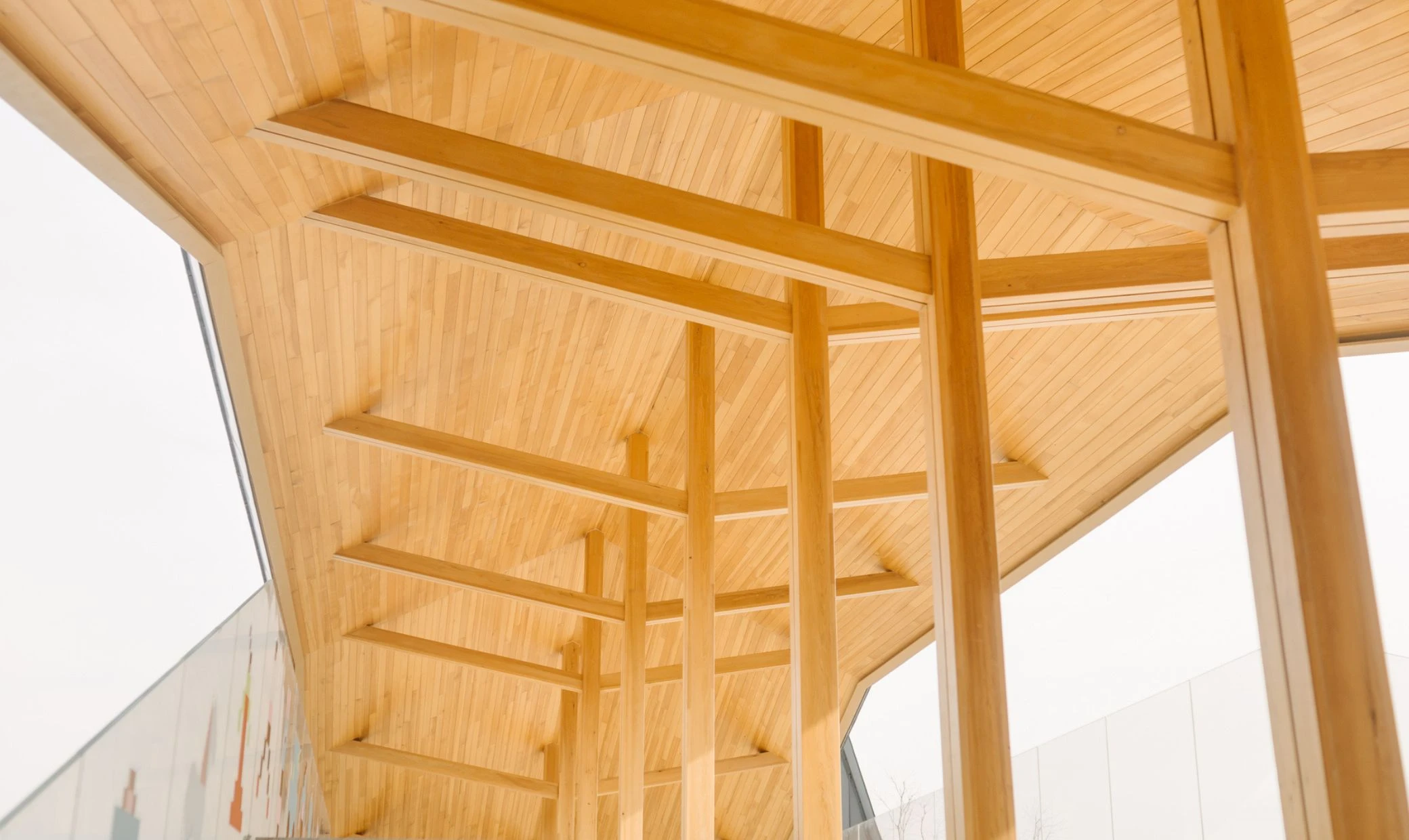
Pre-Fabricated Precision
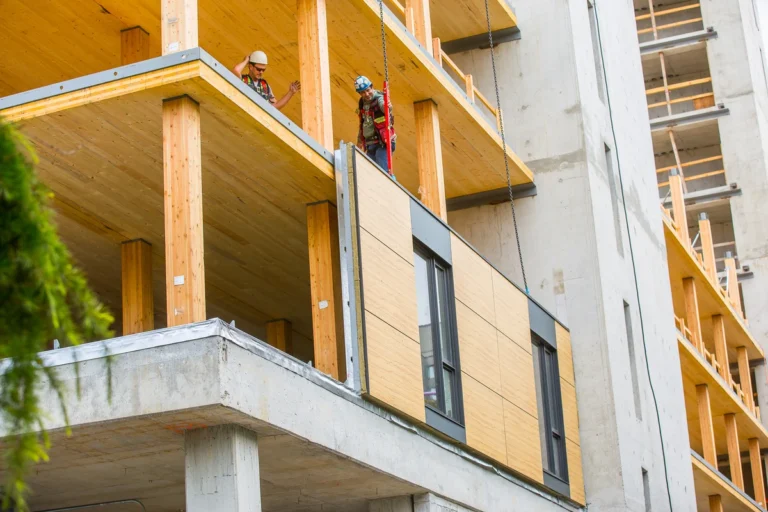
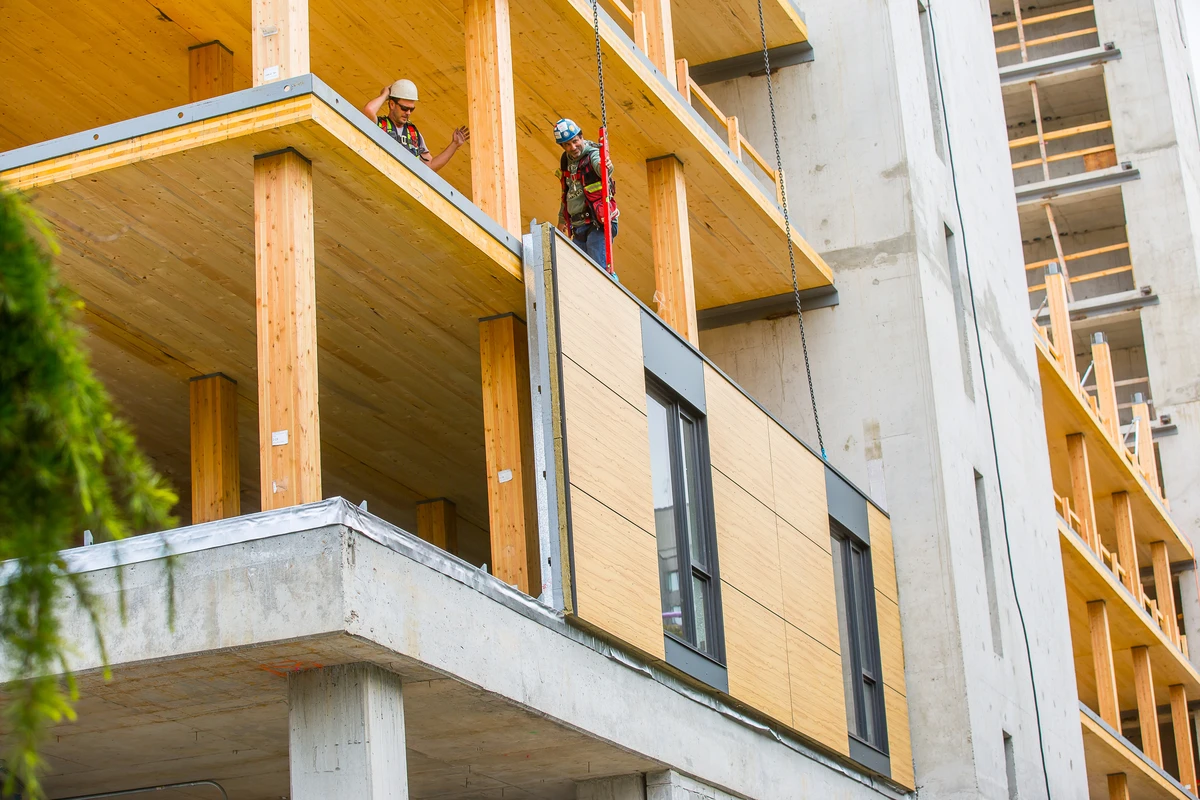
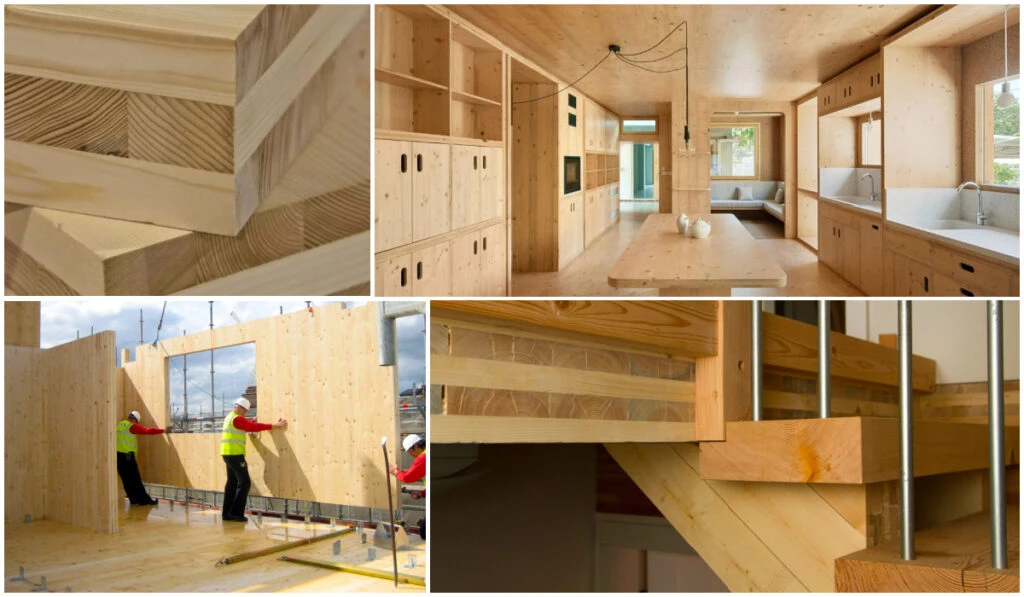
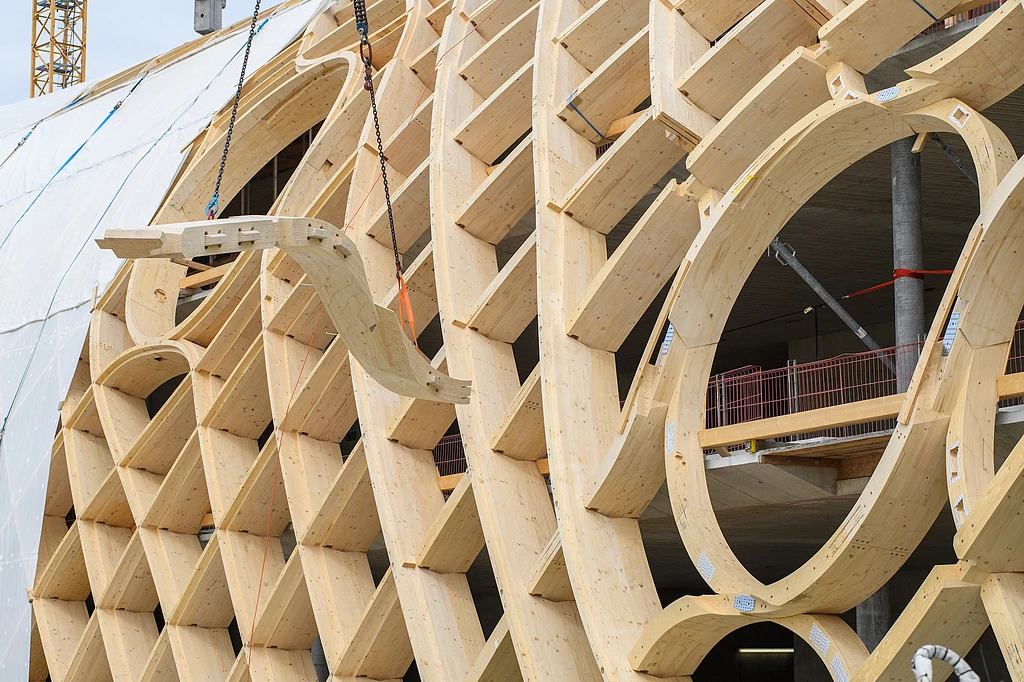
High-tech factories use CNC machines to cut CLT panels down to the millimeter. They come to the construction site like a huge, high-tech Lego set. This modularity means:
- Quiet: No loud jackhammers, just the sound of a crane and electric screwdrivers.
- Speed: Timber buildings go up about 25% to 30% faster than regular buildings.
- Less Waste: A digital model calculates every cut, so there is almost no scrap left on the building site.
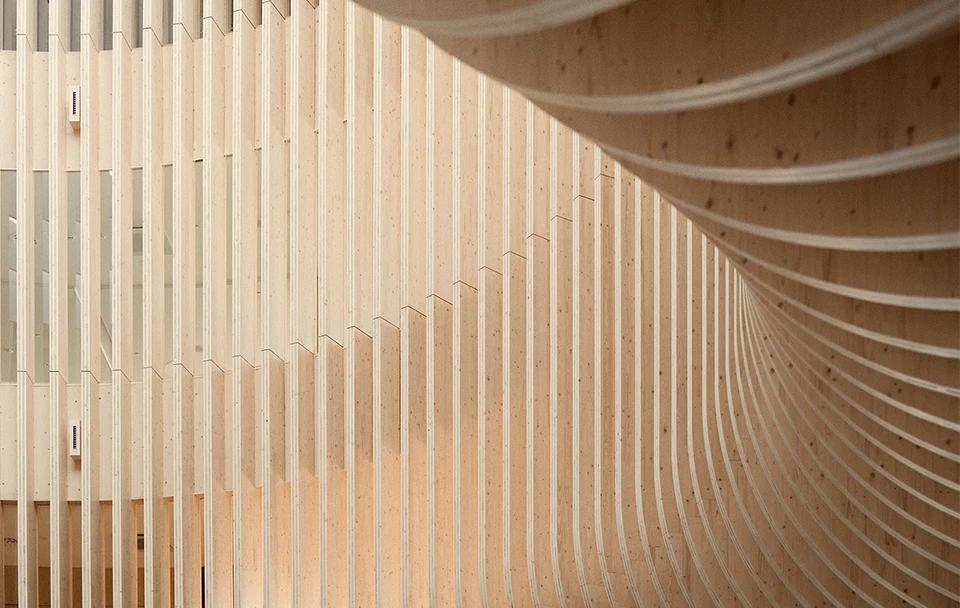
The “Biophilic” High-Rise: A Change in How We Live
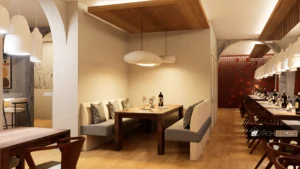
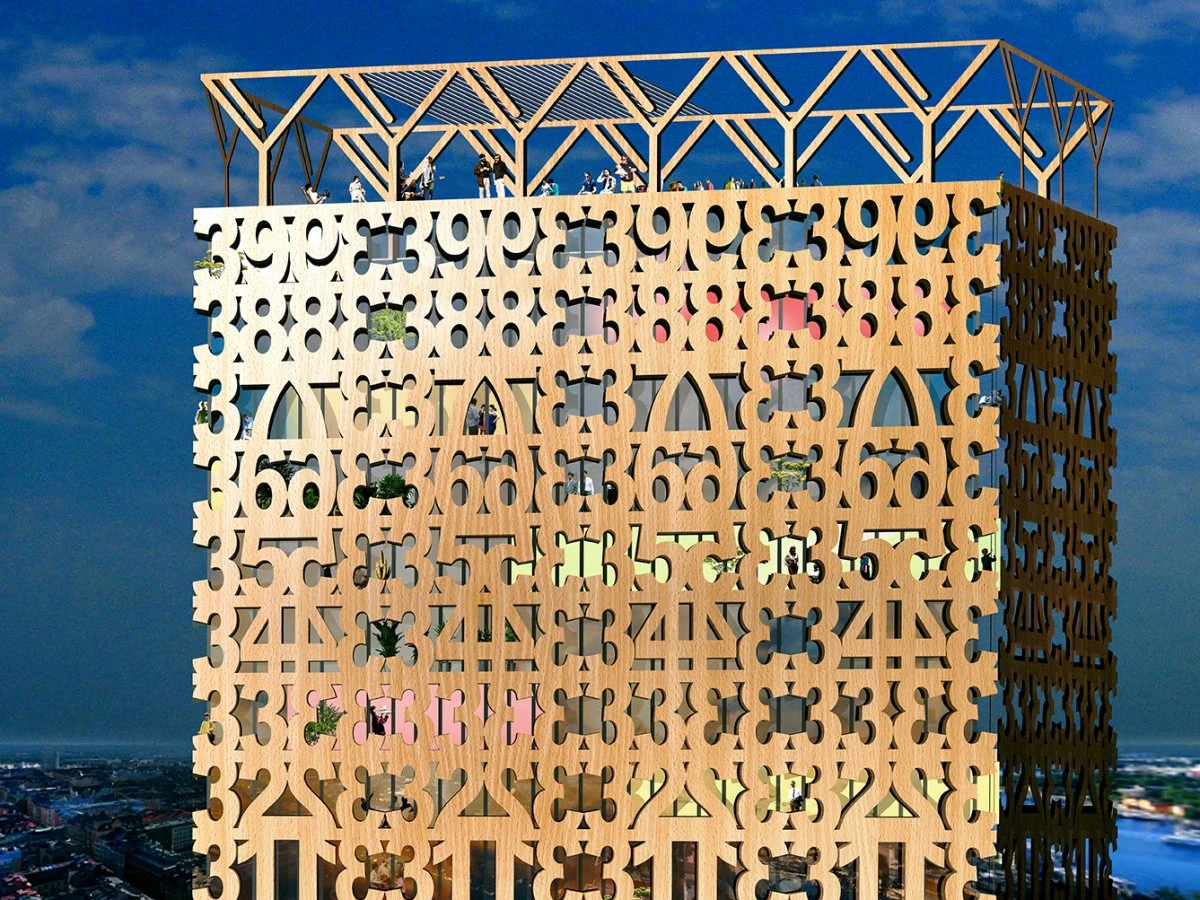
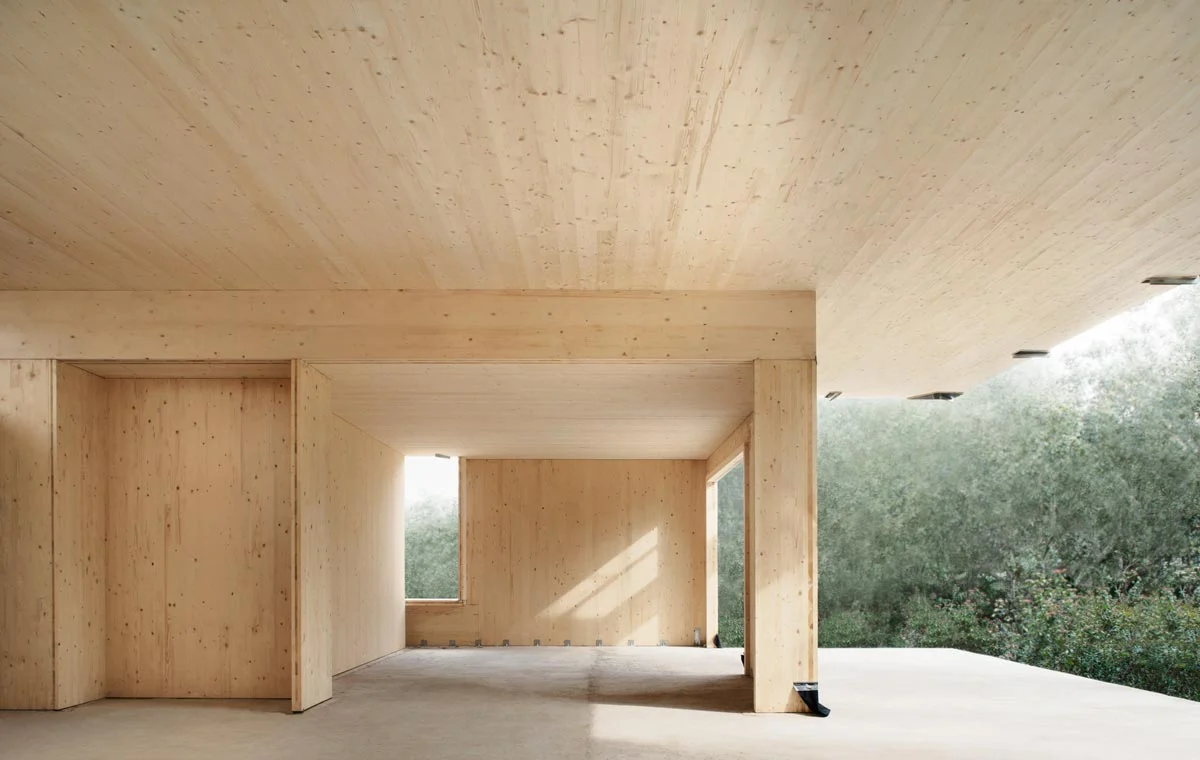
Why does it feel so much better to enter inside a wooden structure than a concrete one? Architects call this “biophilia,” which is our natural, breathing relationship to natural materials. Wood is a tactile, anchoring presence in a world full of computer screens and fake surfaces.
The Psychology of Grain Research from the middle of the 2020s has found that people who live in timber structures had lower heart rates and lower cortisol levels. People who work in CLT offices say they are more focused, and pupils who study in wooden classrooms do better on tests. Seeing the wood grain on your ceiling is quite emotive; it tells us that we are part of a living world, even when we are 20 floors up.
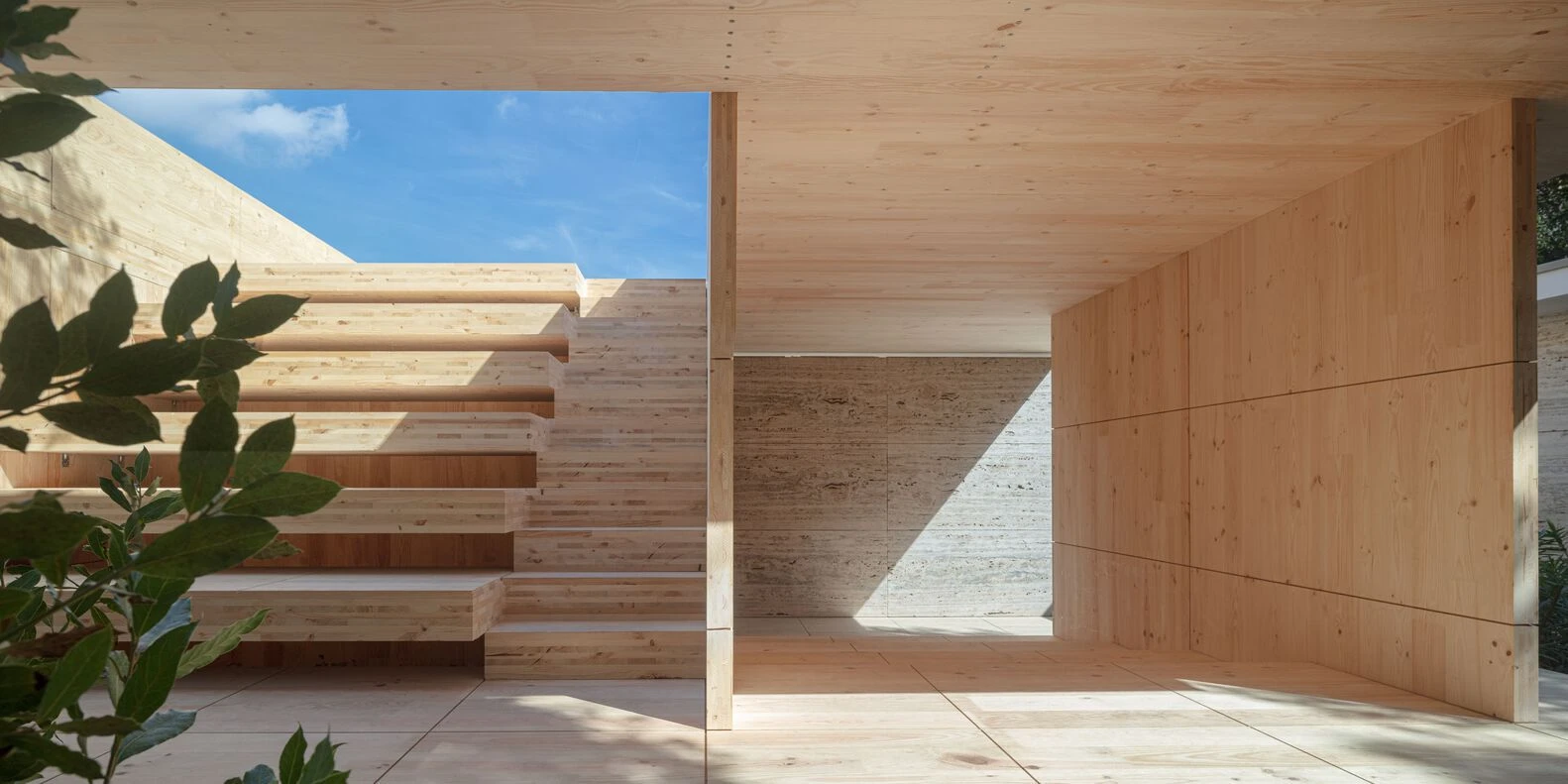
Berlin and Paris: Europe’s Timber Trailblazers
The European skyline is where this revolution is mostly taking place. The 2026 European Green Building Directive is now fully in place, and towns must use bio-sourced materials whenever possible.
“WoHo” and More in Berlin
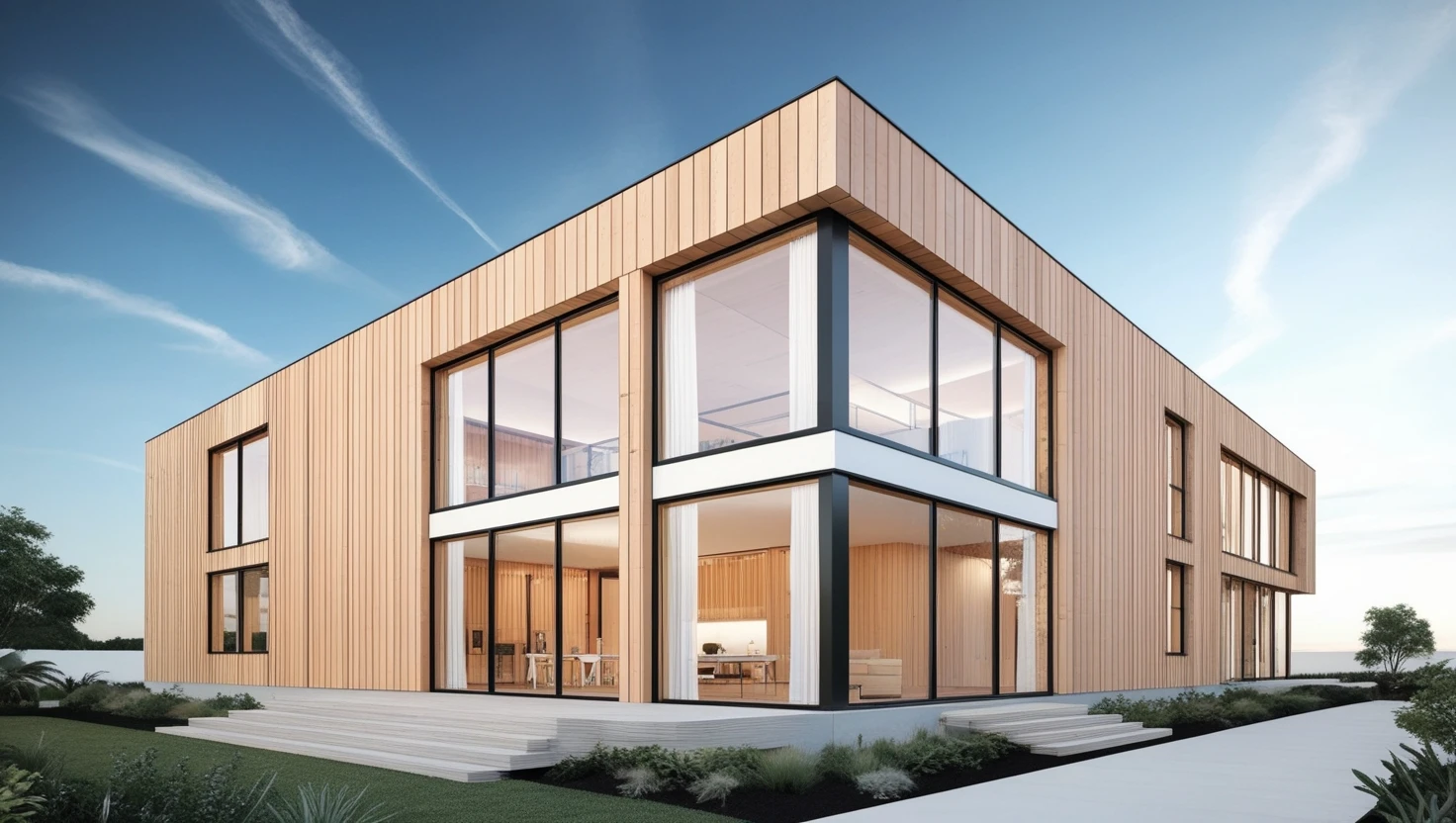
Berlin is the hub of the mass timber movement right now. The “WoHo” and other projects are more than just buildings; they’re vertical villages. Berlin is showing that “natural” living can be dense and include things like social housing, kindergartens, and bakeries in a timber frame. It shows a real heart beating in the middle of a busy, sophisticated city.
The Olympic Legacy in Paris
The Paris 2024 legacy left the city with a lot of wooden buildings that have inspired a new wave of apartment buildings. New rules in Paris say that a certain percentage of all public buildings must be made from bio-sourced materials. Paris is showing that “modern” doesn’t have to mean “metal.” Timber architecture is the right match for the city’s “Oasis” philosophy, which strives to make cities cooler and more open.
Overcoming the Myths: Fire, Rot, and Height
Even though people are excited, a lot of people in the city still ask, “Won’t it burn like a matchstick or rot in the rain?” The truth of engineering is very different.
The “Big Match” Rule
Picture a big log in a fire. It’s hard to get going, isn’t it? The outside of it burns slowly, which makes a protective covering for the inside. In strict fire testing, CLT panels have kept their structural strength for more than two hours at temperatures over 1000°C. This kind of charring is usually safer for firefighters than steel, which can fall down without warning.
Durability through Design
Architects make sure that moisture never penetrates the structural timber by employing contemporary protective membranes and “breathing” facades. These buildings are meant to last for hundreds of years, just like the medieval timber-framed houses that have been in Europe for more than 500 years.
The Economic Argument: Is Wood Less Expensive?
The “time-is-money” factor is what really saves you money. High-quality wood can occasionally cost more than concrete, but the “time-is-money” factor is what really saves you money.
- Savings on the foundation: Wood is about 20% lighter than concrete. This means that foundations can be smaller, shallower, and cheaper, which is a huge plus in areas with soft soil like London or Amsterdam.
- Labor Efficiency: Smaller, more trained workers are needed for assembly, which cuts down on the “soft costs” and social problems that come with long-term construction projects.
Conclusion: Reclaiming our Breathtaking Roots
The Timber Revolution is more than just a change in the rules for constructing; it changes the course of history itself. We are moving away from the idea of “dominating” nature with stone and fire and toward the idea of “partnering” with nature via growth and rebirth that lasts.
The skyline of a CLT building is beautiful to look at, not just because of how daring the architecture is, but also because of what it means for our planet. It shows a future where our cities are carbon sinks, our offices are safe havens, and our homes have a natural heart. The revolution is here, and it’s built of wood.
For more blogs like this CLICK HERE!!
Reference: