For a long time, the word “silicon” made people think of cold server rooms, processors that hummed, and the sterile brightness of a computer screen. It was the opposite of the “hearth,” which is the warm, crackling center of a home where people tell stories. But as we move toward 2026, a quiet revolution is bringing the wires to life.
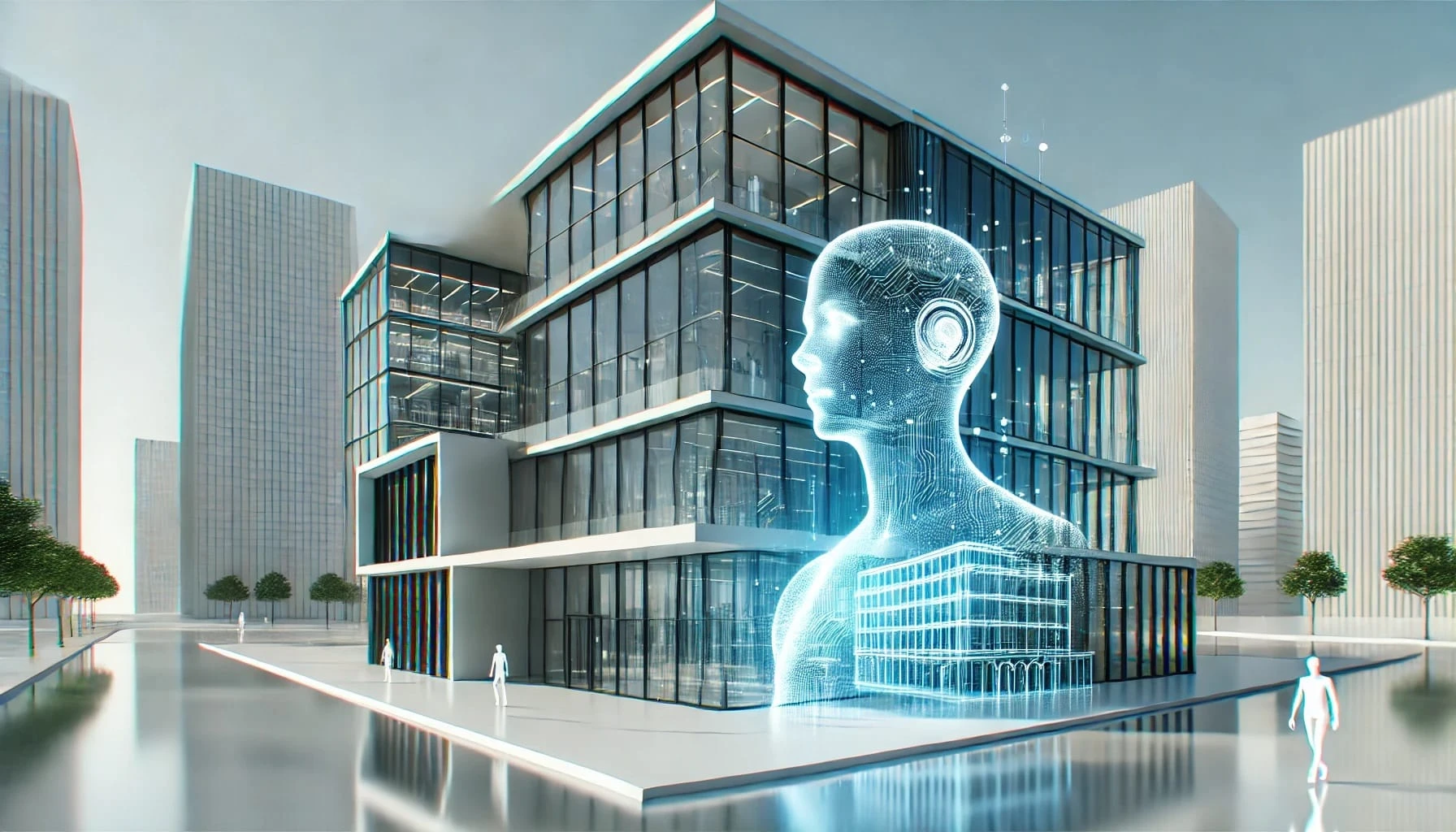
Buildings used to be just glass and steel structures that didn’t move. Now, they are becoming intelligent participants in our lives. We are seeing the birth of the “Soul of Silicon” when AI-driven 3D design meets the messy, wonderful complexity of human emotion. This is the story of how the next step in smart building design is finally learning to talk to the heart.

The Ghost in the Blueprint: More than Just Optimization
The previous way of construction was a battle. We used concrete to take over the terrain and HVAC systems to take over the weather. But with the development of Generative 3D Modeling, architecture has gone from being a conquest to a discourse.
The modern architect doesn’t just “draw” a wall in 2026. They plant a seed of purpose. Designers now enter “emotional parameters” using Autonomous AI Agents. They don’t just ask for a three-bedroom plan.

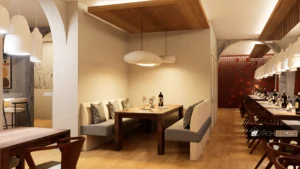
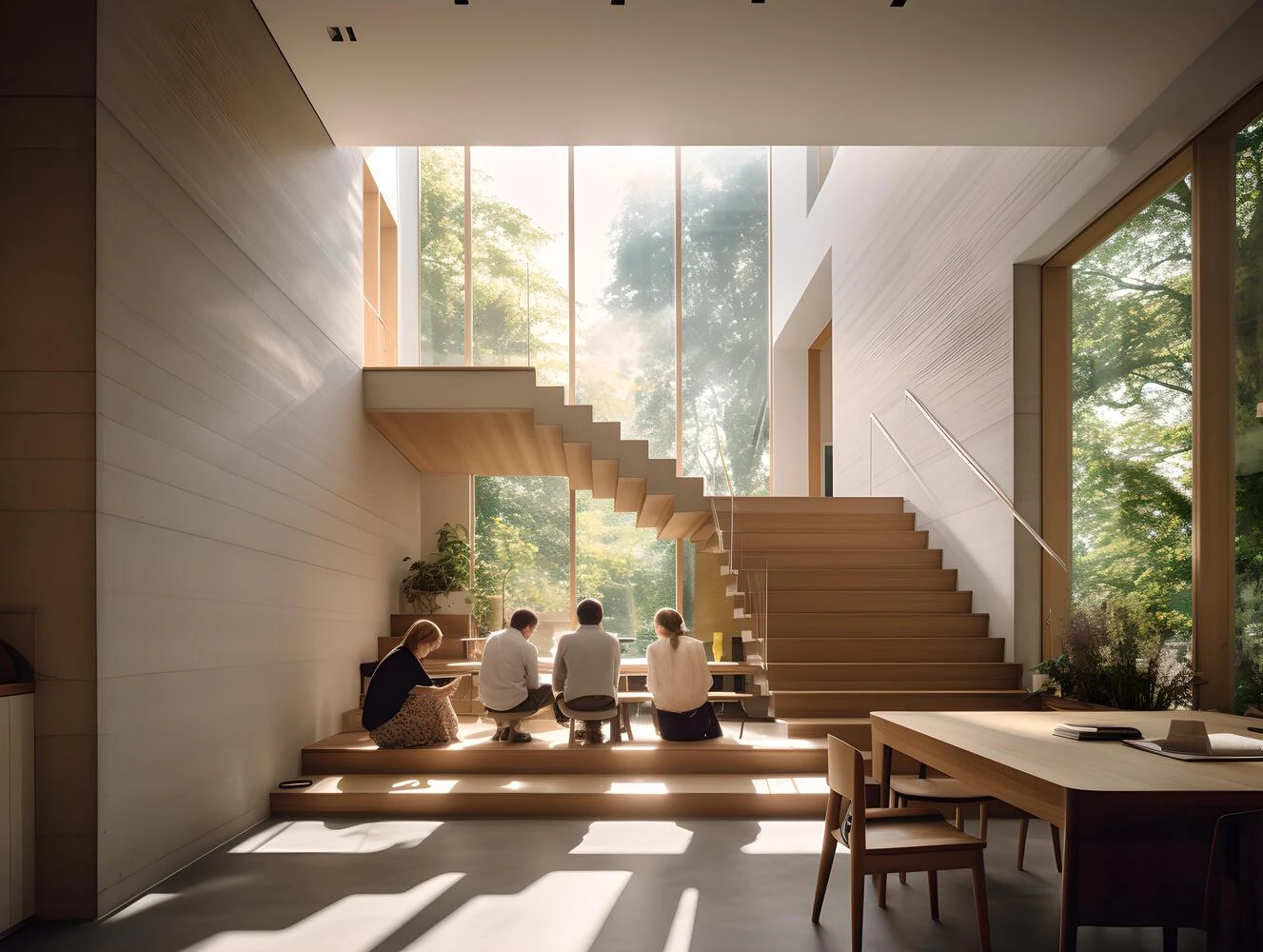
They say, “Design a space that makes a family of four want to put down their phones and gather in the golden hour light.” The AI then runs thousands of different scenarios, such as how the sun moves across the sky in each season, how a child’s giggling sounds, and how ceiling heights might affect a person’s mood. This isn’t just optimization; it’s an electronic empathy that knows what people need before they even know they need it.
Architecture as a Living Thing
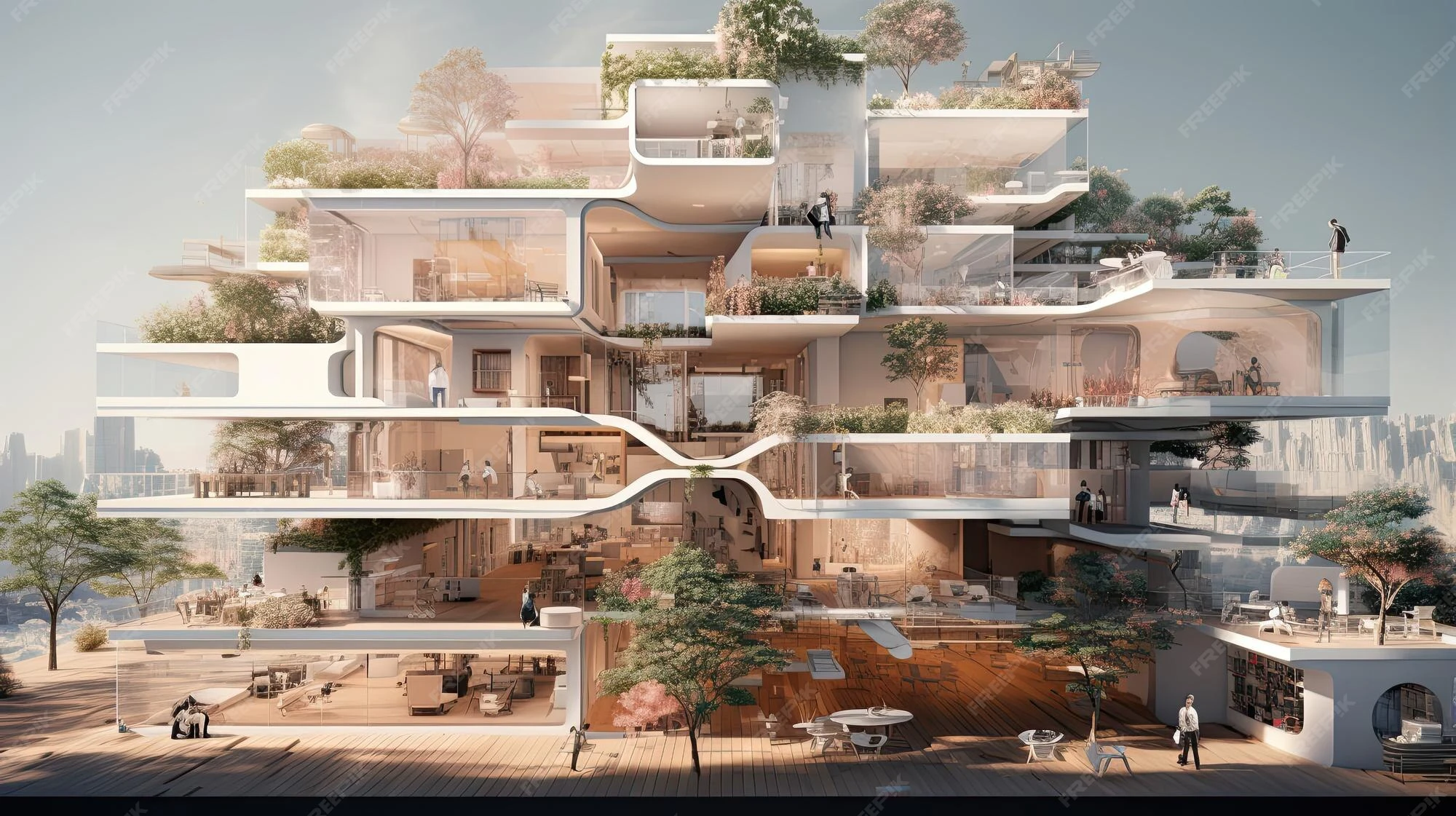
We’re going away from the “machine for living” and toward the “organism for thriving.” Biophilic AI Integration makes buildings that can breathe.
“Recursive Environmental Design” has seen a big rise in search volume since 2026. This includes AI models that see a building as a tree. You can now program the 3D-printed skin of a skyscraper with micro-pores that open and close depending on the building’s “mood,” which is controlled by occupancy sensors and the quality of the air outside.
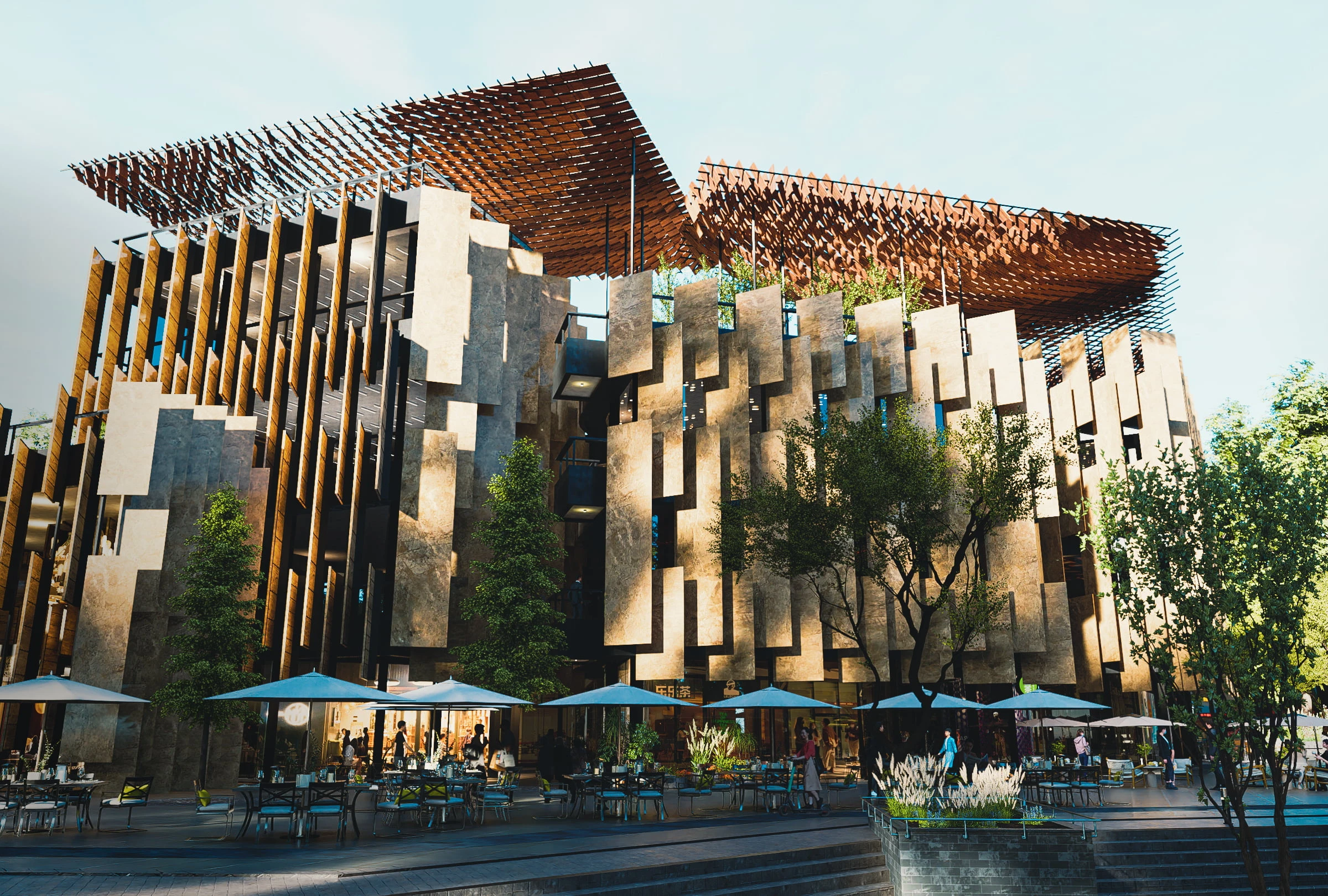
When people live in a building, it “breathes” with them. We stop being “users” of a space and start being “symbionts.” The Soul of Silicon’s secret ingredient is this physiological balance. It lowers the cortisol levels of people who live in cities and replaces their “angst” with a feeling of belonging.

Making Bespoke Available to Everyone
In the past, only very rich people could afford “soulful” architecture, like the sweeping curves of Gaudí or the organic flow of Frank Lloyd Wright. It took thousands of hours of hard work and exceptional skills.
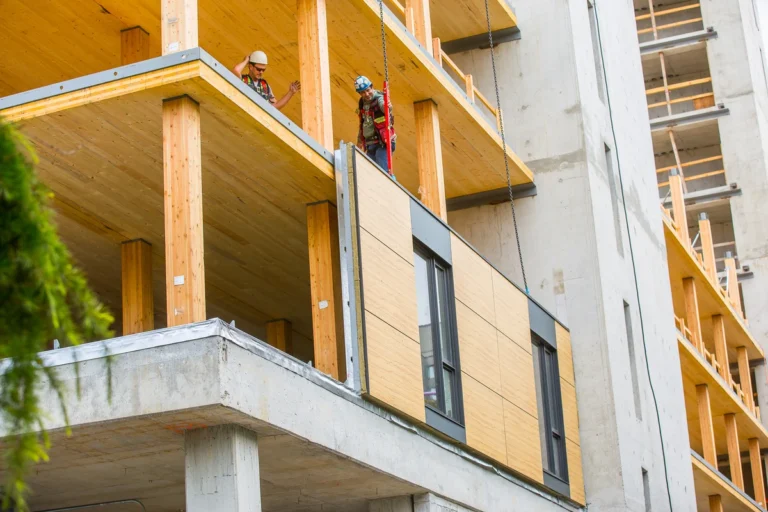
AI has knocked down those gates. We can now do “Mass Customization” because to Large Spatial Models (LSMs). Drones that can 3D print can make complicated, non-linear shapes that were too hard or too expensive to make before.
- Social Equity: In cities like Tokyo and Berlin, there are “Intelligent Social Housing” programs where AI-driven 3D design makes unique, non-repeating apartment layouts for families with modest incomes.
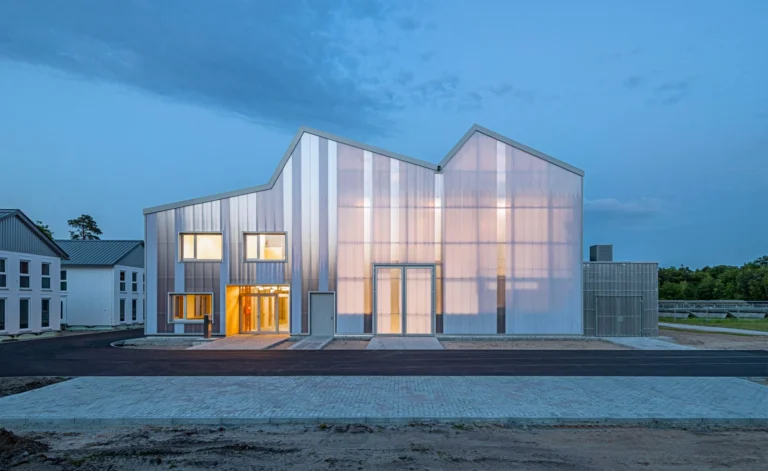
- Cultural Resonancy: The AI can look at local historical patterns and add them to the 3D-printed façade. This makes sure that high-tech structures still seem like they “belong” to the land they are built on.
The AR/VR Feedback Loop: Designing with the Mind
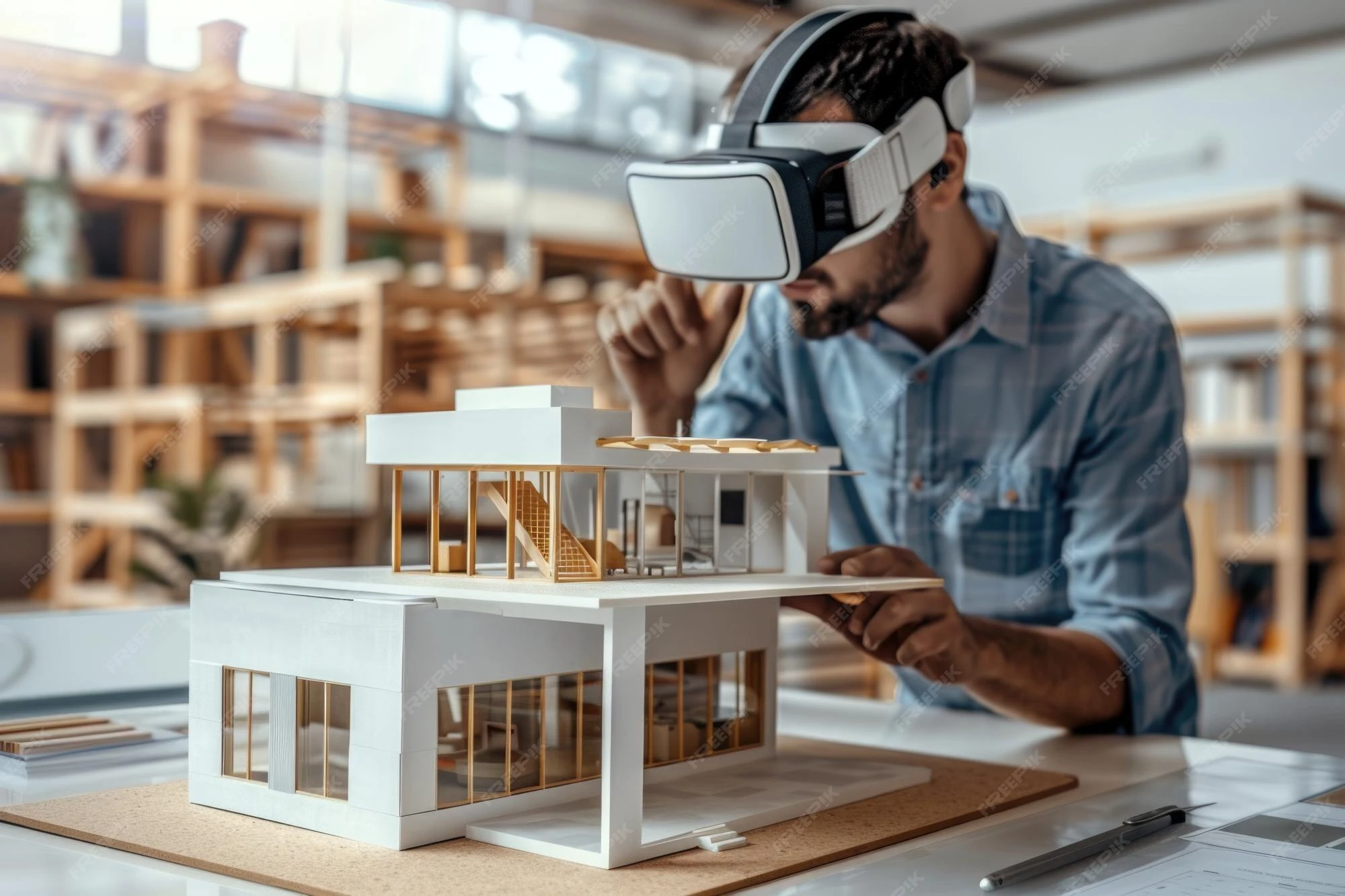
The Subconscious Design Loop is one of the most inventive changes in 2026. Architects now let clients walk through a virtual 3D model as AI records their eye movements, pulse rate, and skin conductance.
If a client’s heart rate goes up in a narrow hallway, the AI sees this as “stress” and proposes making the passageway wider or adding a “light-well.” We can now design for the subconscious mind. We are no longer constrained by what we say we desire; the Soul of Silicon builds what our bodies need. This gives people a level of connectedness to a physical environment that has never been seen before.
Healing the Great Divide: Architecture as a Way to Bring People Together
In a time when digital isolation is always a risk, Intelligent Building Design is our best protection. AI is being used to create “Collision Spaces,” which are public squares, library atriums, and co-working “hubs” that are perfect for people to meet and talk.
Now, algorithms look at the “sociology of space.” They know that putting a bench at a 45-degree angle makes it easier for people to talk to each other than putting a straight row of seats. They know that some background sounds might help people focus or relax. AI-driven 3D architecture is essentially putting the social fabric of our neighborhoods back together by using these “nudge” designs.

A Love Letter to 2050: Sentience That Lasts
Finally, the Soul of Silicon is a work that will last. The best way to build in 2026 is Circular 3D Construction. AI doesn’t only plan for the now; it also plans for the future.
- Material Memory: AI models keep account of every gram of material used, so that in 50 years, the building may be “deconstructed” and the materials can be given to the earth or utilized again in fresh 3D printers.
- Carbon Sequestration: “Living Concrete” containing calcifying microorganisms is becoming more popular. AI is employed to make it as good as possible at absorbing carbon.
The structure shows that it “loves” the people who will live there in the future by taking care of the earth. This is the best way for people to connect: a bridge across time made of smart data.

Conclusion: The New Renaissance
We are on the verge of a New Renaissance. The “Soul of Silicon” isn’t about getting rid of the architect; it’s about giving the architect a million more hands and a billion more eyes. It’s about harnessing the most advanced technology we’ve ever come up with to get back to the most basic thing we know: the urge to feel “at home.”
As AI-driven 3D design gets better, the “Intelligent Building” will stop feeling like a machine and start feeling like a friend—a quiet, helpful presence that knows our light, our air, and how much we need each other.
For more blogs like this CLICK HERE!!
Reference: