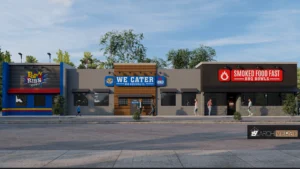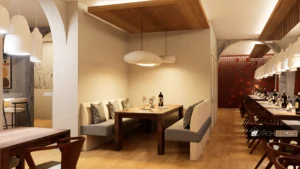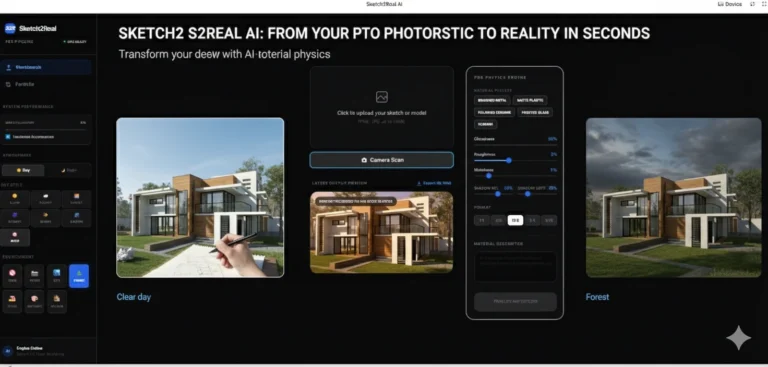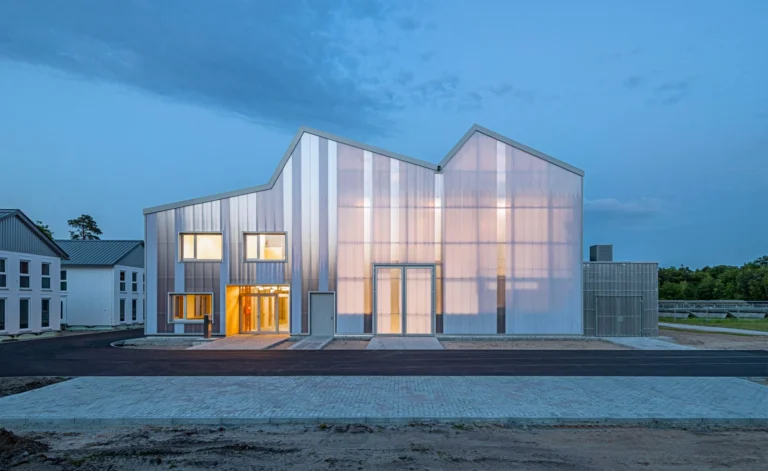
For architects, 2026 isn’t simply a date; it’s a line in the sand. We have now moved from the time of “looking at pictures” to the time of “living in experiences.” The “Heart of the Render” is no longer just about making a structure appear good; it’s about giving a digital file the spirit, light, and feel of a real space before the first brick is set.
Today, 3D visualization is a stunning combination of sheer processing power and subtle artistic sense. As we look at the trends that are influencing this year, you’ll notice that the future of design is interactive, smart, and very, very human.
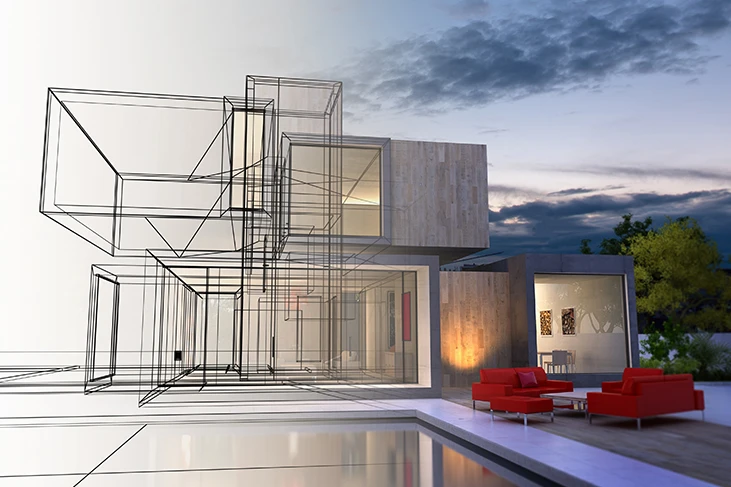
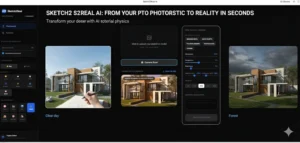
The New Gold Standard: AI-Driven Hyper-Realism
2025 was the year of AI testing, while 2026 is the year of AI mastery. We’ve gotten past the “uncanny valley” of robotic-looking representations. Modern AI integration, which uses tools like Midjourney, Adobe Firefly, and specific neural rendering engines, now serves as a “Creative Partner.”
These devices don’t just make pictures; they also make things real. Architects may now utilize AI to make one-of-a-kind, tileable textures from a single picture of a worn stone or a custom wood grain. What happened? A level of hyper-realism where sunlight doesn’t just “hit” a surface; it reacts with the tiny flaws in the material, giving you a stunning sensation of “hereness.”
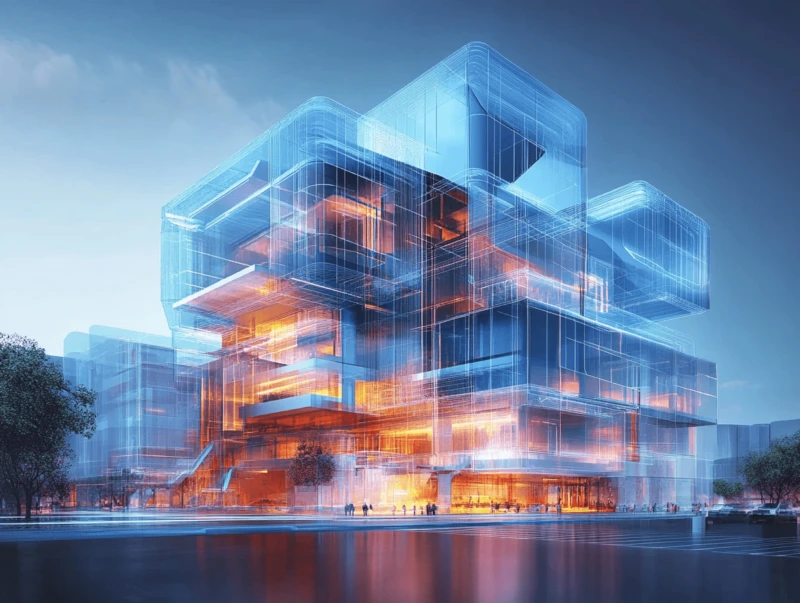
Real-Time Rendering: Design as Fast as You Can Think
There are no longer any wait times. As of 2026, real-time rendering engines such as Enscape, Twinmotion, and Unreal Engine 5 are the standard in the industry. This technology lets designers roam around a 3D place like they’re playing a high-end video game, making changes to the lighting, furnishings, or even the walls of the building as they go.
This is a big deal for clients. You may say, “I wonder what this room looks like at 4:00 PM in November?” when you’re in a meeting. With a sliding of a bar, the shadows get longer, the “Golden Hour” light fills the floor, and the choice is made right away. This “live design” idea has lowered the time it takes to have things approved by over 70%. Presentations that used to be static are now like collaborative jam sessions.
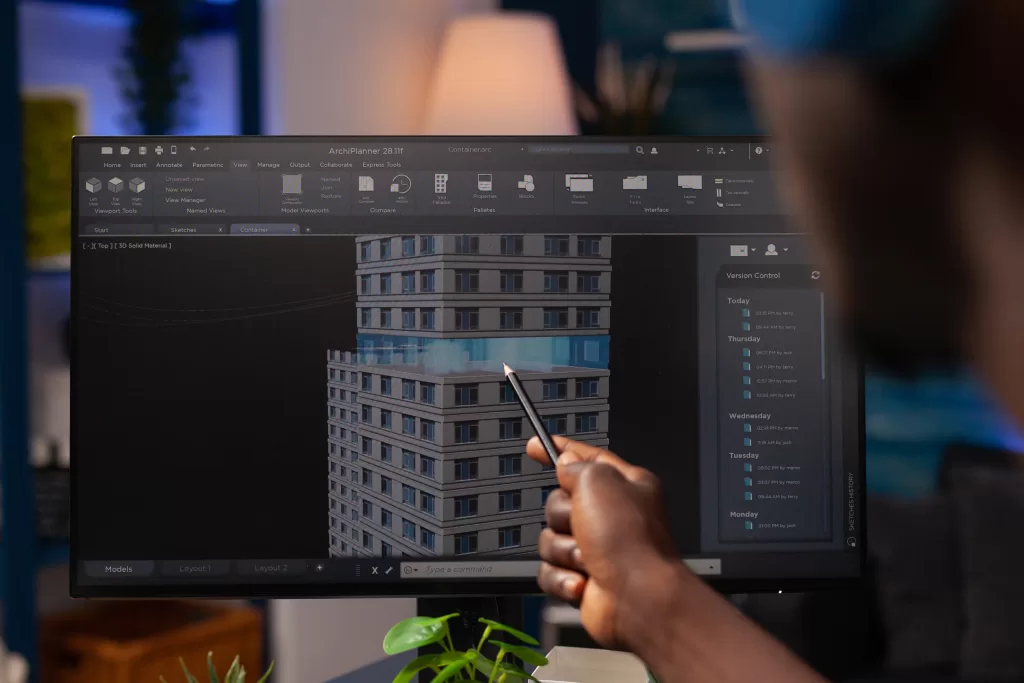
The Growth of the “Digital Twin”
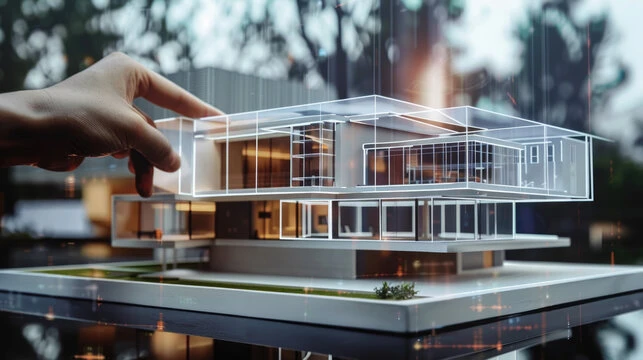
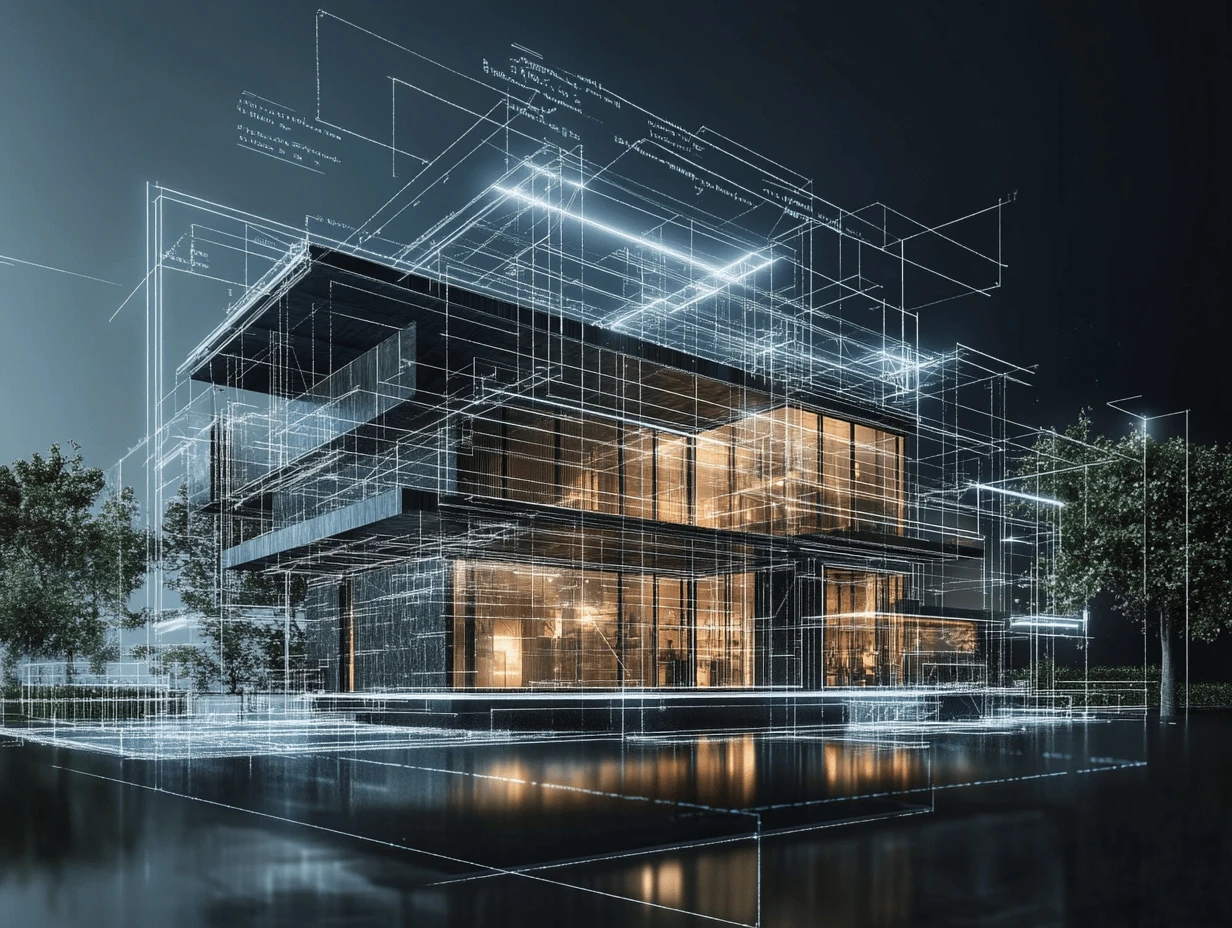
The biggest change in 2026 is the switch from a “render” to a Digital Twin. A Digital Twin is more than just a 3D model; it’s a real, data-rich copy of a structure that lives with it for its whole existence.
Owners can see a visual “heat map” of their building’s energy use, keep track of foot traffic in a lobby, or even guess when a mechanical system needs maintenance by syncing the 3D visualization with IoT (Internet of Things) sensors. In 2026, the visualization doesn’t stop when the building is done; it’s just the start of the skyscraper’s digital life.
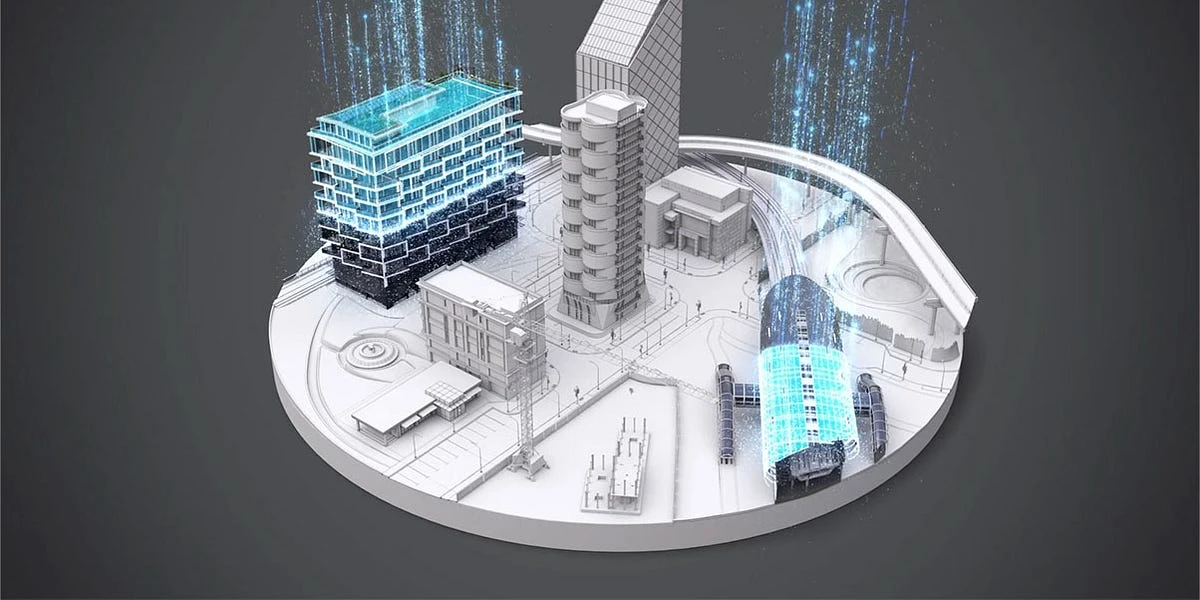
“Phygital” Experiences That Are Fully Immersive: VR and AR Go Mainstream
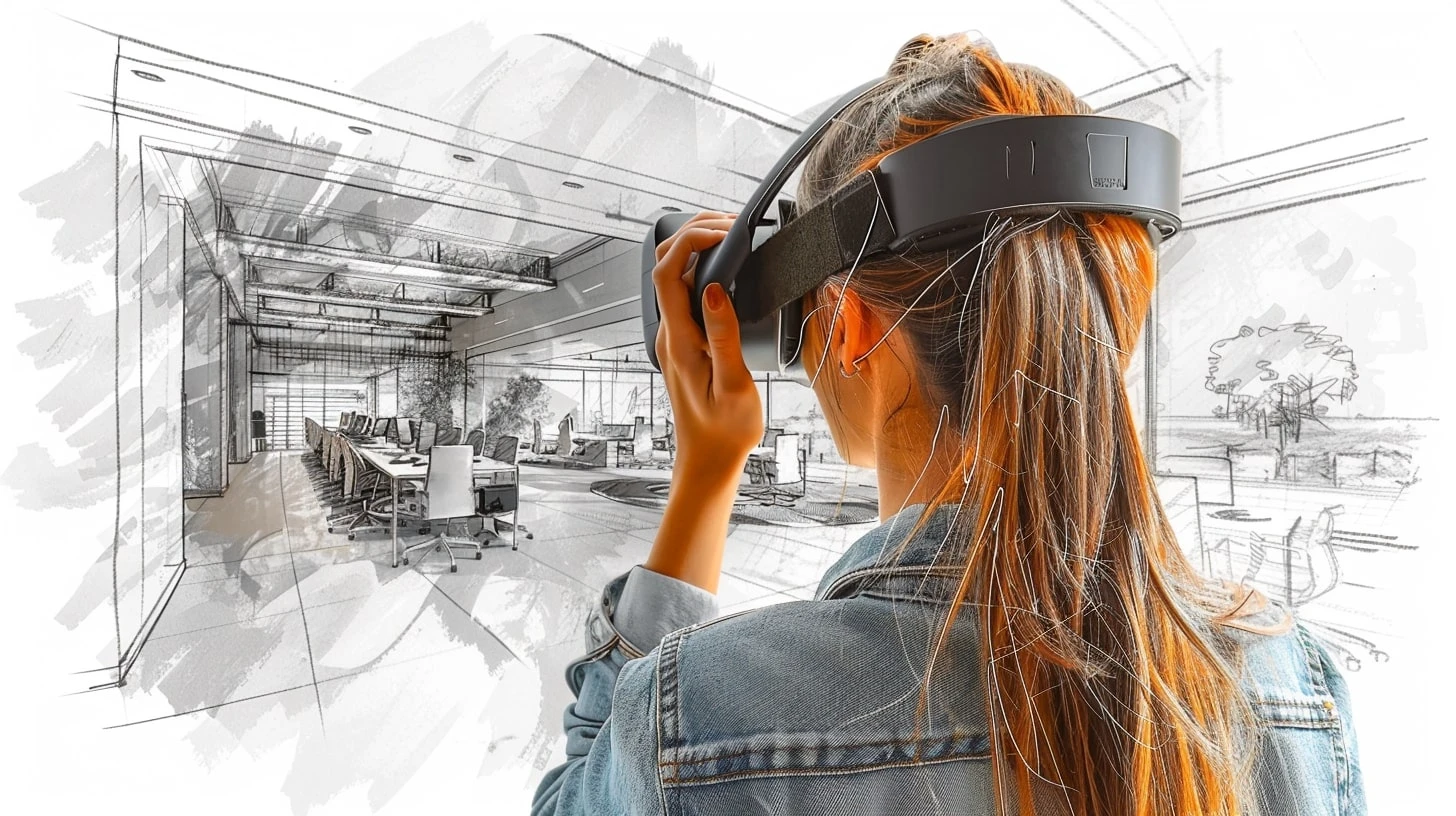
Finally, we are seeing the “death of the flat screen.” VR (virtual reality) and AR (augmented reality) are no longer just “gimmicks.” In 2026, the main way that people involved in big projects talk to each other is through “phygital” (physical + digital) walkthroughs.
- VR Walkthroughs: Clients don’t simply look at a kitchen; they stand in it and feel the height of the counters and the flow of the room.
- AR Overlays: Architects utilize AR headsets on site to put a digital plan on top of an empty lot, which lets them see through “X-ray vision” where the pipes and beams will go.
“Green” Visualization that Lasts
Sustainability is more than just a box to check; it’s a way of seeing things. “Green Visualization” is a new trend in 2026 that uses renderings to show how well something works for the environment.
Advanced plugins may now show how carbon-sequestering materials, solar gain, and natural ventilation patterns work. A client can look at a 3D “wind study” that shows how a breeze will travel through a courtyard or a “light study” that shows how a green roof will keep the heat out. These renders are very helpful for getting LEED certifications and getting people in eco-friendly cities to like your project.

“Post-AI” Authenticity in Hybrid 2D and 3D
People are becoming more and more interested in the “human touch” in a world full of pristine computer images. The Hybrid Style, which mixes 3D accuracy with 2D creative touches, is a big trend for 2026.
Studios are purposefully adding “imperfections,” such a hand-drawn sketch overlay, textures that look like watercolor, or “film grain” from movies. This “Post-AI Authenticity” makes projects stand out from the many “perfect” AI renders by using emotion and story instead of merely technical accuracy.
The Structure of Storytelling
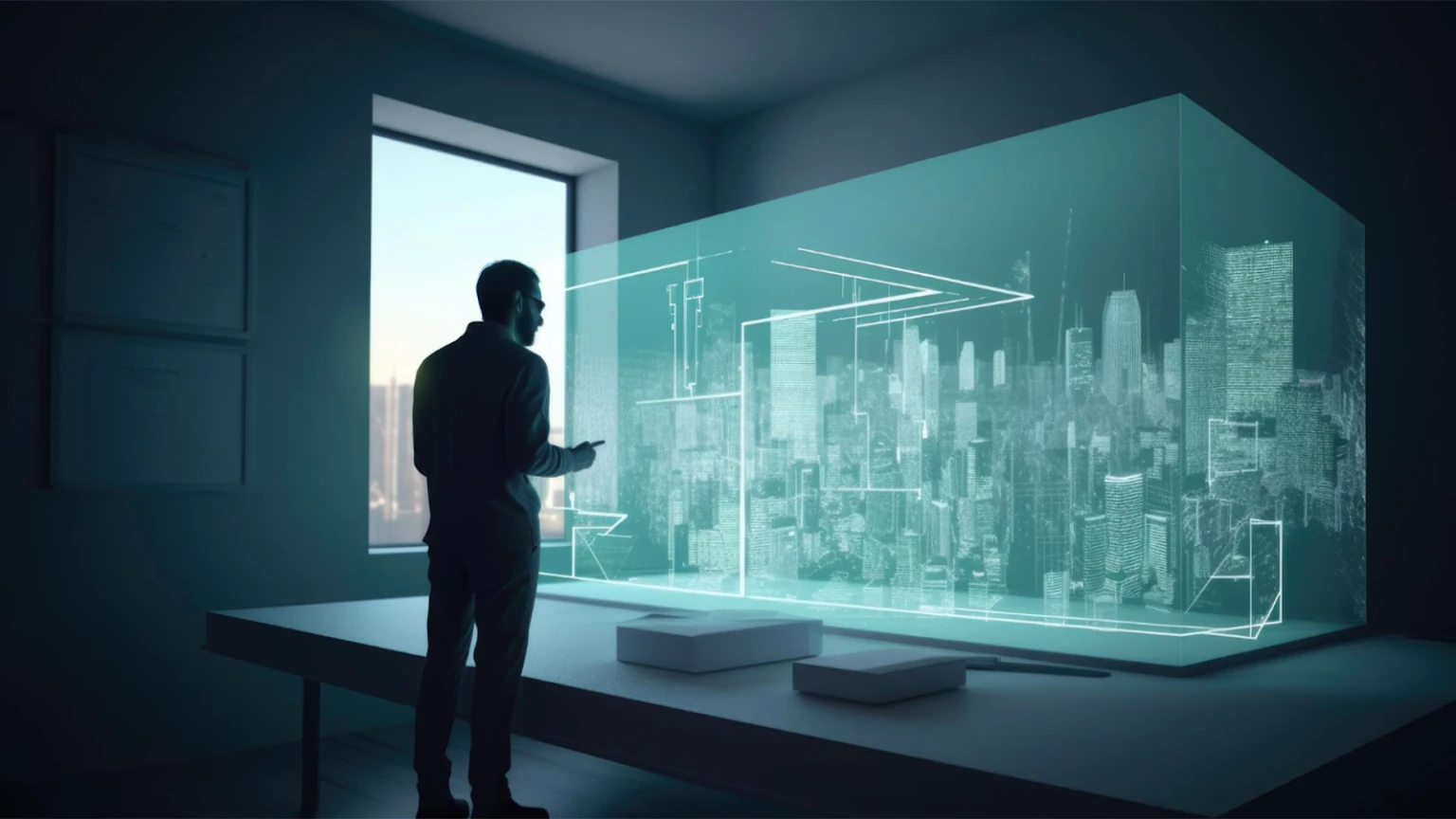
In this day and age, a render must tell a story to stay alive. You can’t just exhibit a room anymore; you have to show a life. The 2026 visualizations look like movies. There are small “micro-stories” in them, like a warming cup of coffee on a table, the reflection of a passing tram in a window, or the way rain beads on a new glass facade.
This story-driven method uses 3D as a step. Architects are making a strong emotional connection between the customer and the area that hasn’t been built yet by focusing on the “small moments.”
Generative Design: The Muse of Algorithms
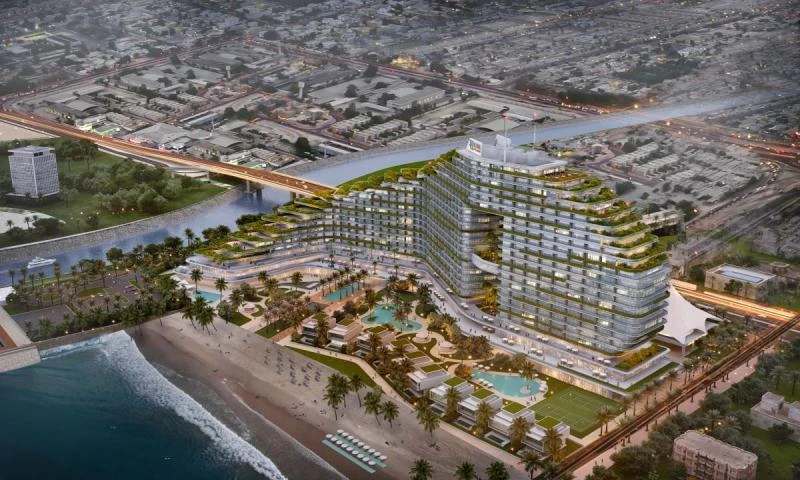
Generative design has changed. In 2026, architects establish limits like sunshine, wind, budget, and materials. An AI “muse” then recommends thousands of different designs. But here’s the creative twist: similar algorithms are now being used by visualization artists to “evolve” aesthetics.
Five years ago, we couldn’t have imagined shapes like these. The only way to show the world these complicated, super-optimized shapes is through 3D visualization.
Summary Table: 3D Visualization Trends 2026
| Trend | Key Technology | Main Benefit |
| AI Hyper-Realism | Neural Rendering / GANs | Absolute material and lighting accuracy. |
| Real-Time Rendering | Unreal Engine 5 / D5 Render | Instant feedback and collaborative design. |
| Digital Twins | IoT / BIM Integration | Lifecycle monitoring and energy efficiency. |
| Immersive VR/AR | XR Headsets / AR Overlays | True-to-scale spatial understanding. |
| Green Visualization | Performance Simulation | Visual proof of sustainability and ROI. |
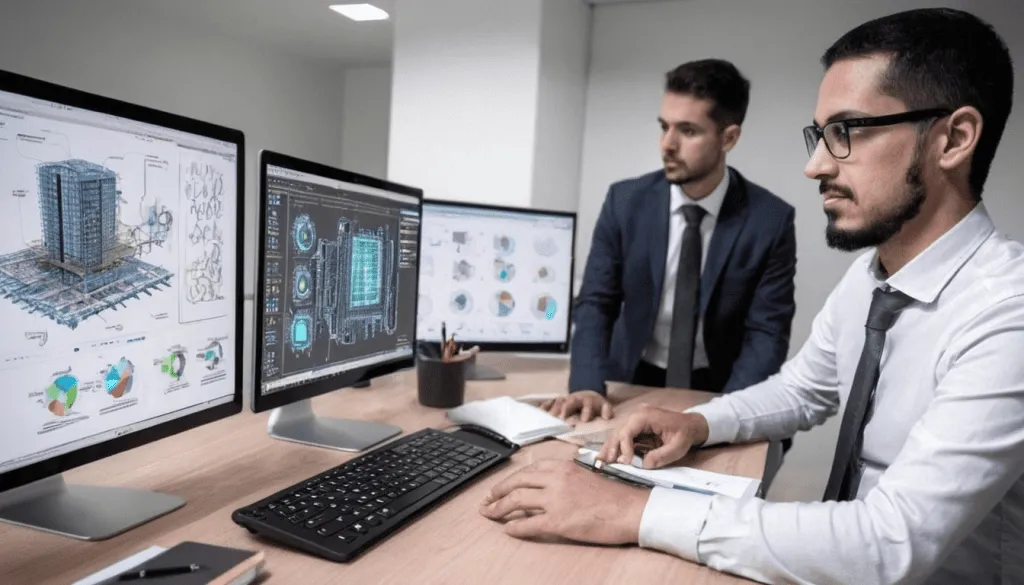
The Soul in the Machine: The End
It’s evident that 3D visualization has come a long way as we look ahead to the rest of 2026. It is no longer just a “vanity tool”; it is the universal language of creativity. Architects are finding the “Heart of the Render” by seeing AI as a partner instead of a replacement and putting the human story ahead of technological excellence.
The future of our cities isn’t just being created; it’s being felt, layer by digital layer, before it even touches the ground.
For more blogs like this CLICK HERE!!
Reference: