The Year the Earth Stopped and Looked Up
Picture a year when time itself seems to bend. We are not merely unveiling new structures in 2026; we are also closing chapters of history that started before our ancestors were born. This is the year when things that seem impossible to accomplish become done and when “science fiction” becomes a real reality.
This isn’t simply a building boom; it’s a global celebration of human creativity. These structures show a change from “building for function” to “designing for legacy” as the globe moves toward sustainability and emotional storytelling.
The 144-Year Crescendo: The Last Climb of the Sagrada Família
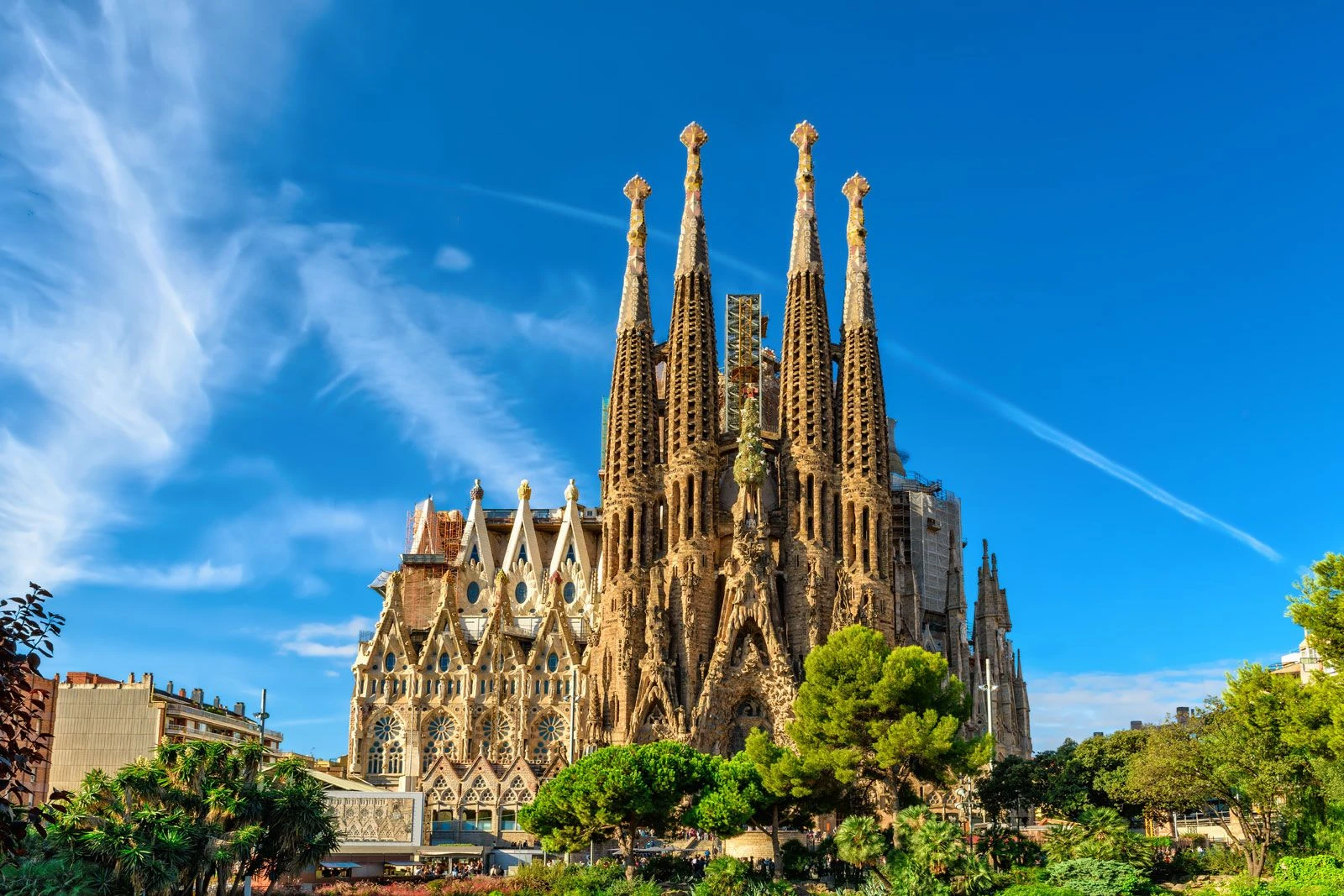
The Sagrada Família has been a “work in progress” for more than a hundred years. It is a forest of stone that is slowly rising in the center of Barcelona. But June 10, 2026, is a date that will always be remembered. The Tower of Jesus Christ is set to be finished on the 100th anniversary of Antoni Gaudí’s death.
The “Rotting Tooth” That Turned into a Crown
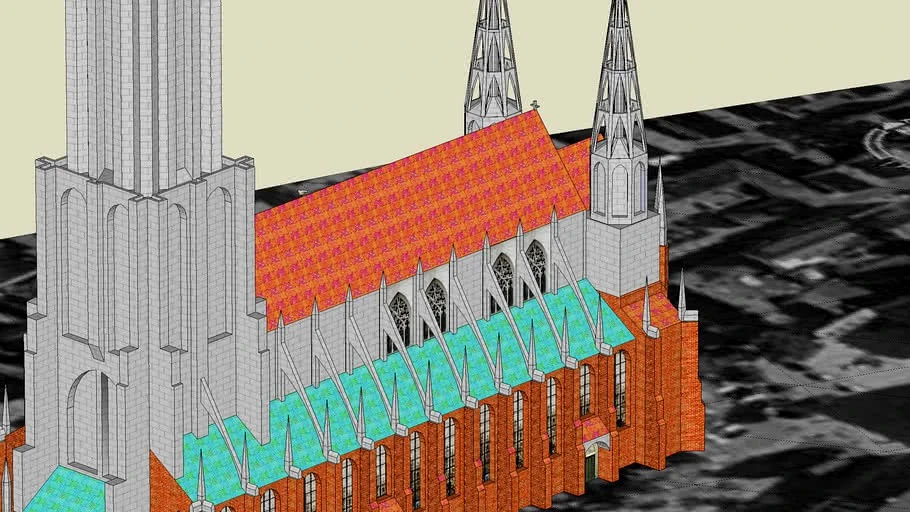
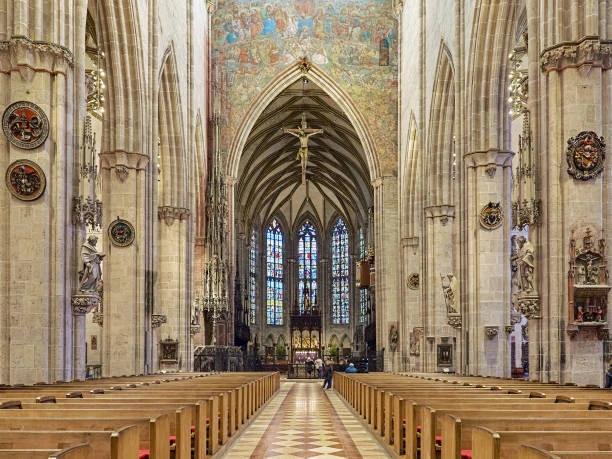
The Sagrada Família will officially be the tallest church in the world when this central spire reaches a height of 172.5 meters. It will eventually surpass the Ulm Minster in Germany.
Did you know that Salvador Dalí once nicknamed the unfinished church a “huge rotting tooth” and said it should never be finished? He thought that finishing it would “betray the genius” of how it was falling apart.
Today, 2026 shows that he was wrong. The basilica is a stunning legacy that connects three separate centuries by combining 19th-century hand-carved stone with 21st-century parametric design and 3D-printed models.
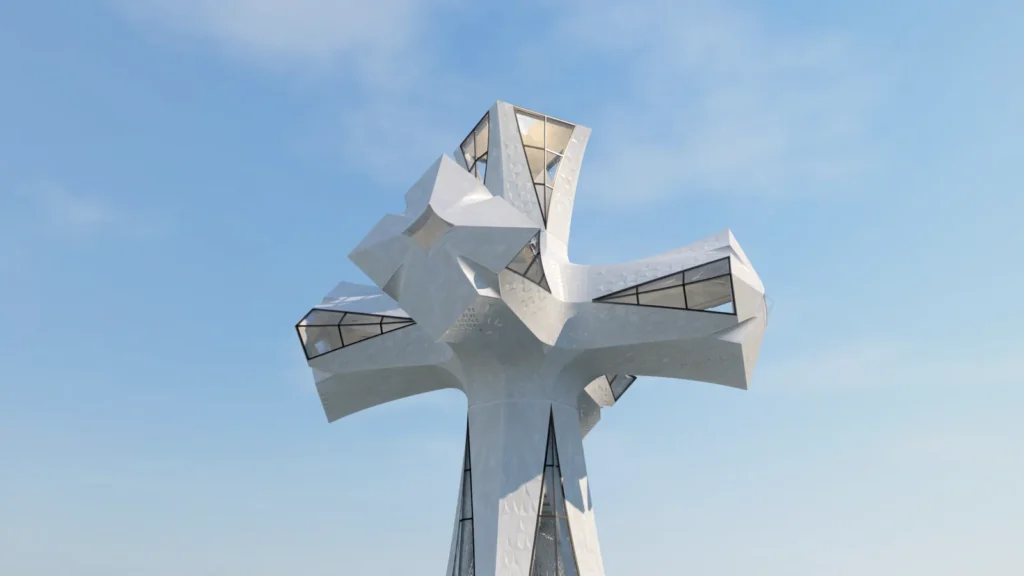
- The Symbolism: The tower has a four-armed cross made of glass and white enamel on top of it. It is 17 meters tall and is meant to withstand the strong winds of the Mediterranean.
- The Wait: The major towers will be done, but the ornate “Glory Façade” and its disputed entrance stairs won’t be done until 2034.
Guggenheim Abu Dhabi: The New Crown of the Desert
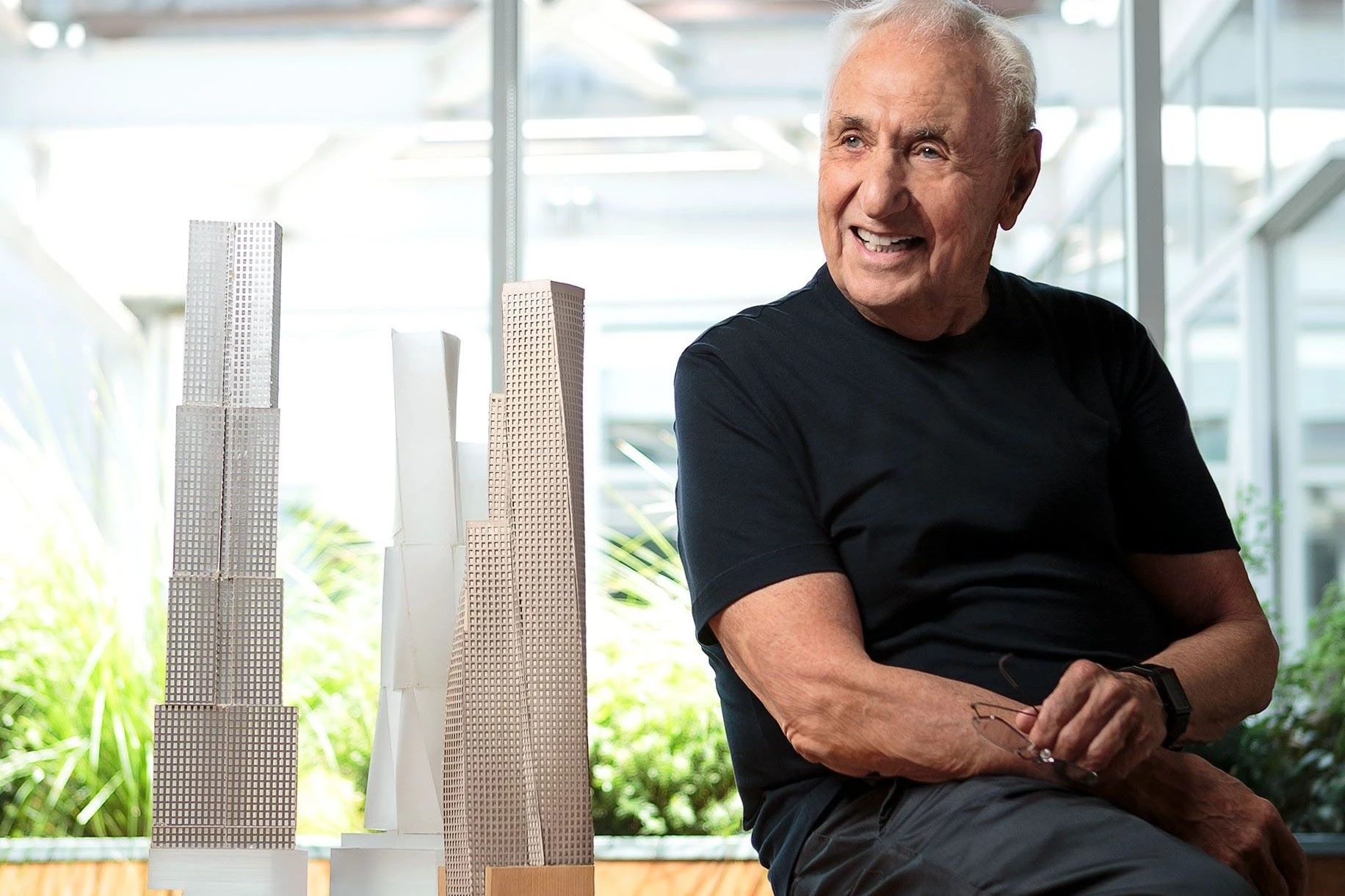
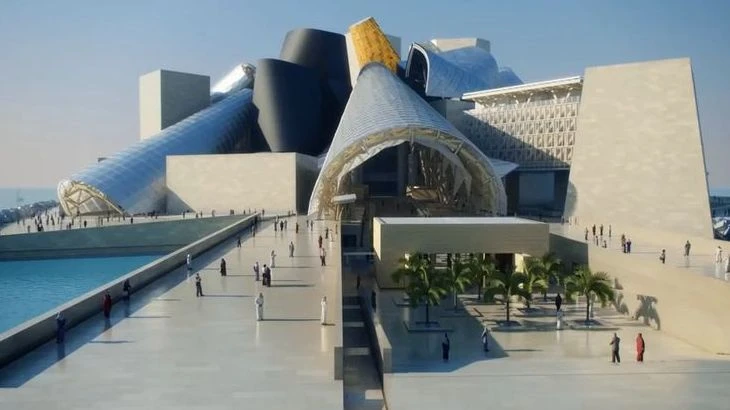
The Sagrada Família is like the soul of the past, while the Guggenheim Abu Dhabi is like the courage of the future. Frank Gehry, a famous architect, designed this museum, which will ultimately open on Saadiyat Island in 2026, twenty years after it was first announced.
The “Intentional Disorder”
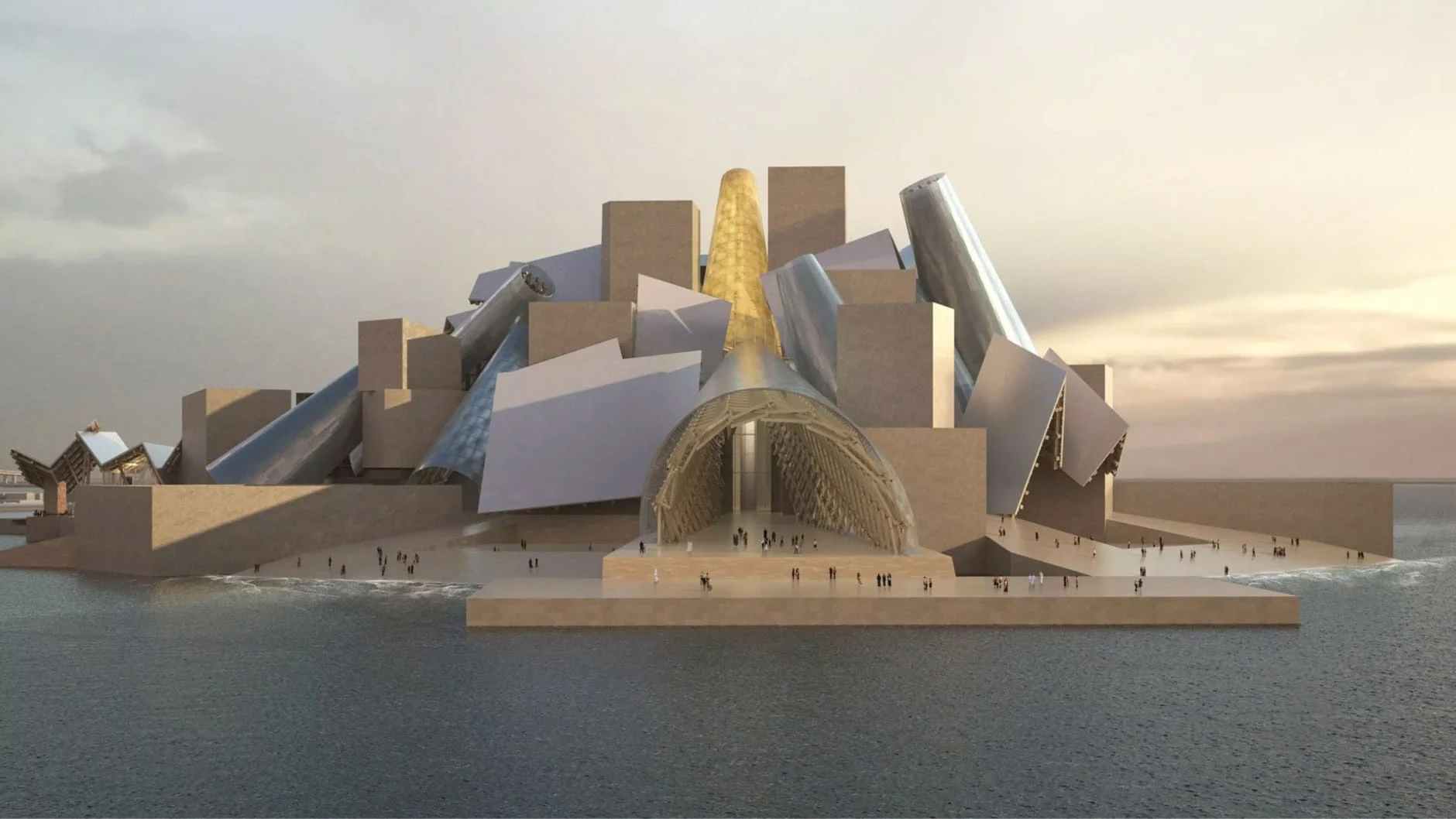
With 30,000 square meters of space, it’s the biggest Guggenheim in the world. Its arrangement of cones and blocks looks like a magnificent architectural accident.
Gehry, who sadly died in late 2025, called his approach “intentional disorder.” There are 11 huge, upside-down cones atop the structure that aren’t just for show. They work as modern wind towers, which is a high-tech version of how people in the Middle East used to cool their homes (Barjeel). In the hot UAE climate, they naturally move air around, which cuts down on the energy needed for air conditioning.
Global Impact: The museum will have 28 galleries and will focus on modern and contemporary art from the 1960s to the present, with a concentration on artists from West Asia, North Africa, and South Asia.
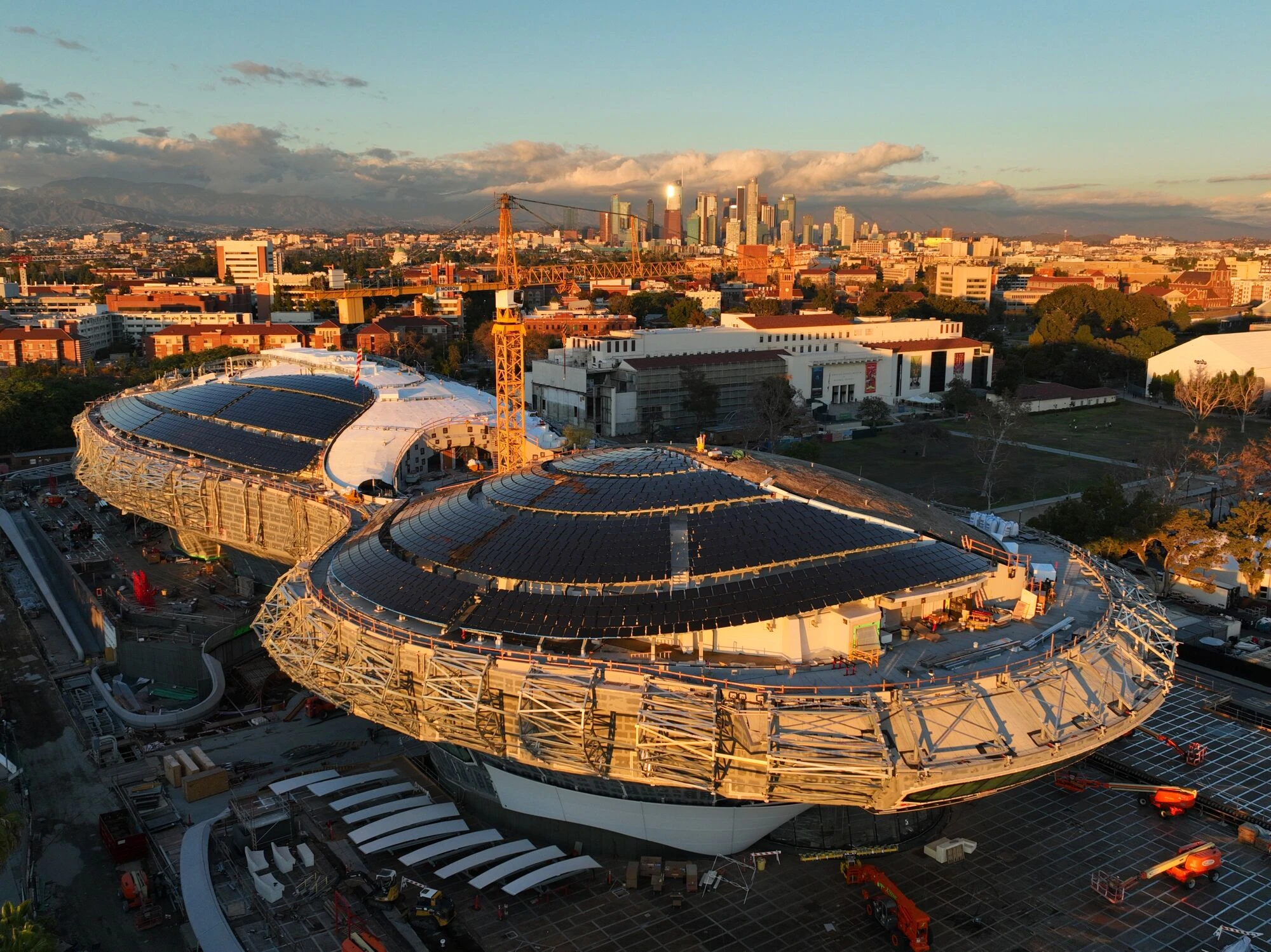
Spaceships in the Park: The Lucas Museum of Narrative Art
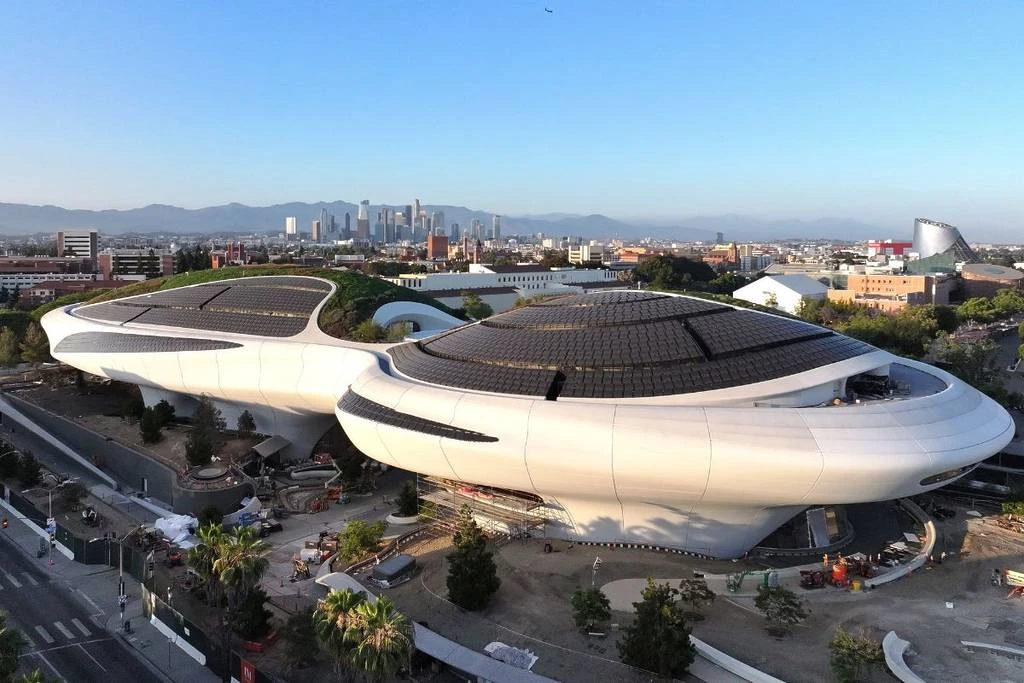
A “spaceship” is landing in Exposition Park in Los Angeles. The Lucas Museum of Narrative Art, which was designed by MAD Architects (Ma Yansong), will open on September 22, 2026.
Building a World with Architecture
George Lucas, who made Star Wars, built the building. It seems like it came straight from Naboo.
Did you know? The outside is covered with 1,500 different fiberglass-reinforced polymer (FRP) panels. The building’s organic, “melting” shape means that no two panels are the same. It is a skyscraper that literally turns down the right angle.
The museum has 100,000 square feet of gallery space and looks at the power of visual storytelling through cave paintings, Norman Rockwell, comic books, and digital film. It’s not just a museum; it’s an 11-acre site with a huge “floating” rooftop garden.
The Fan That Breathes: The Grand Opera House in Shanghai
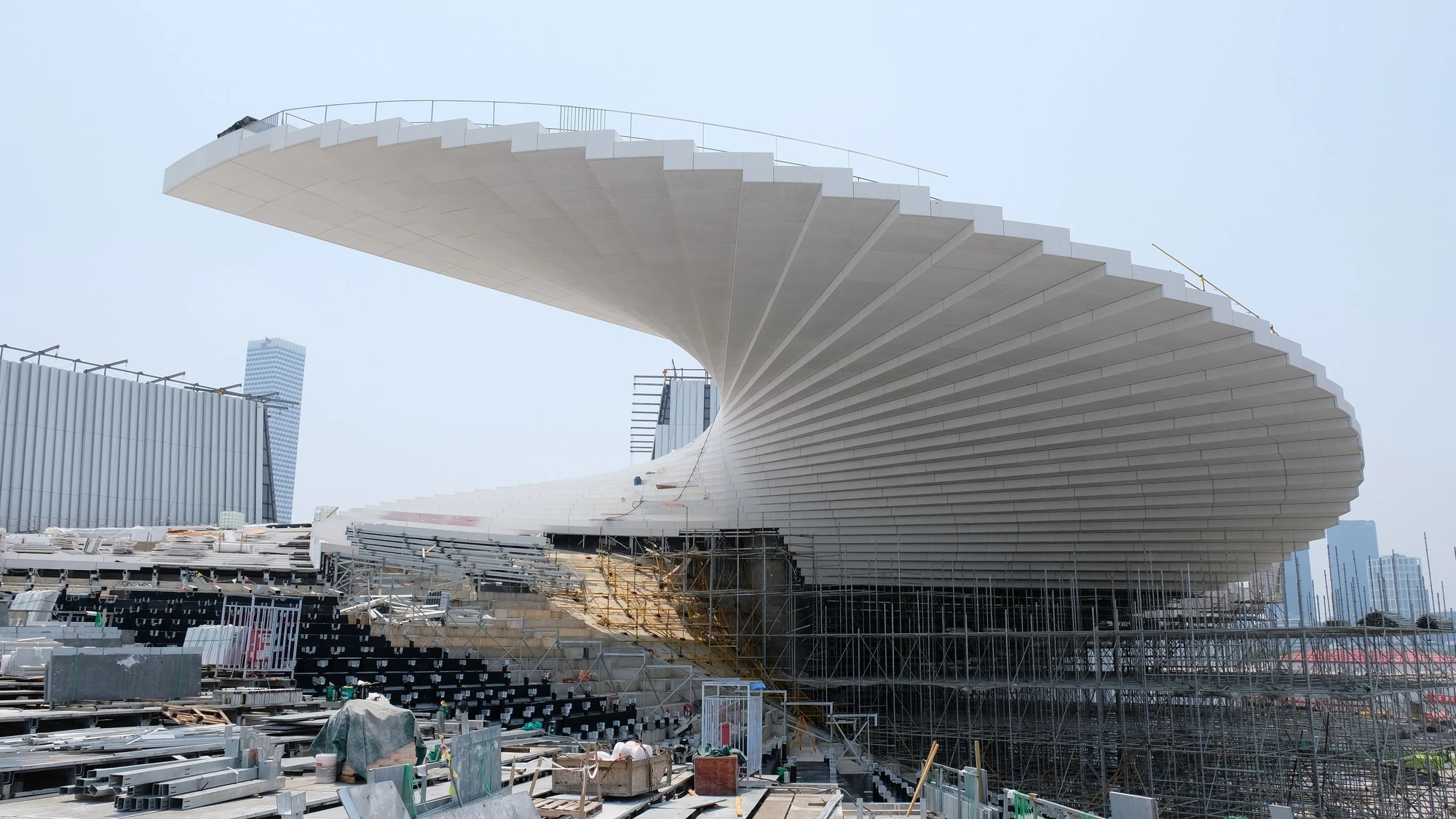
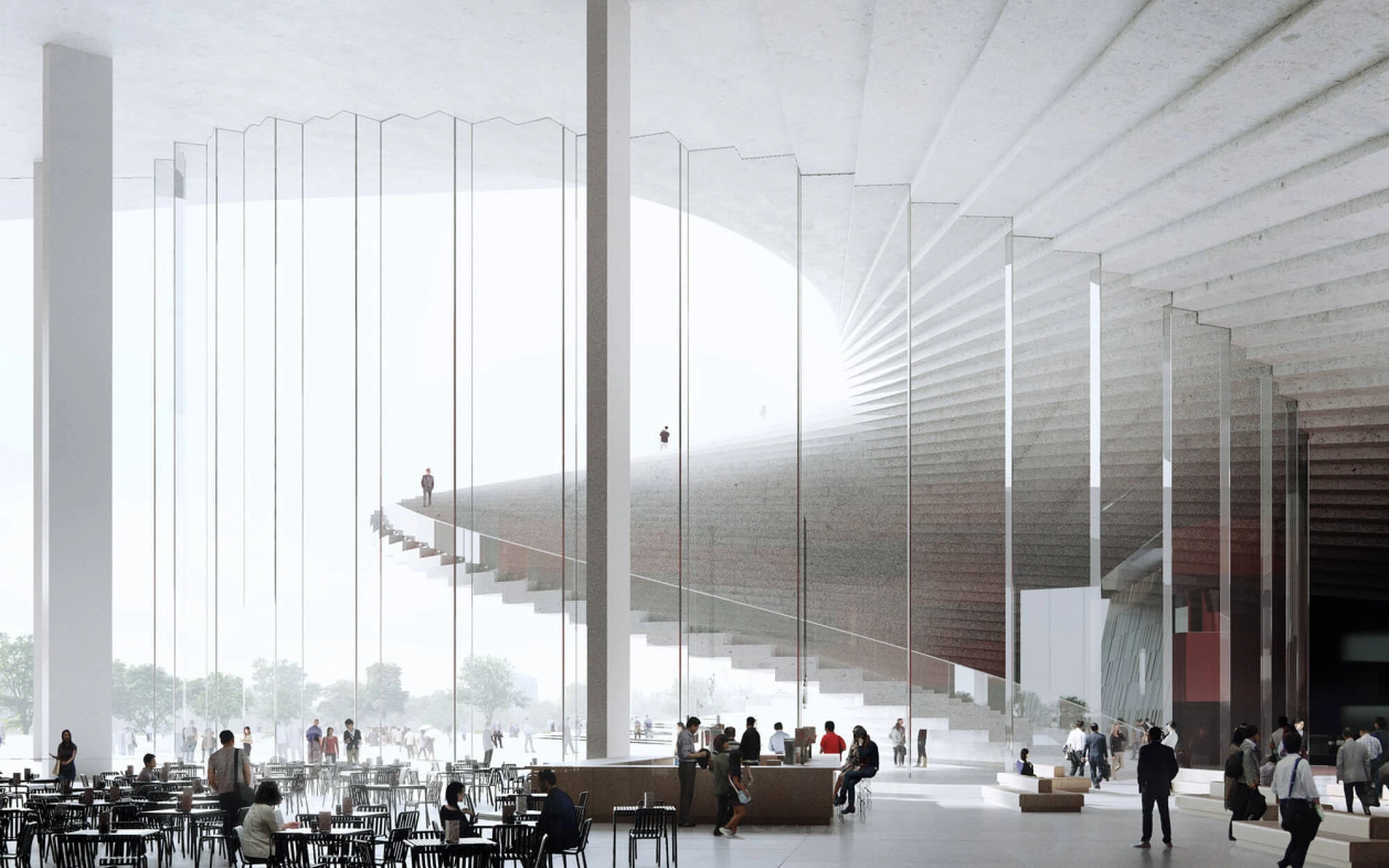
Shanghai is showing off a work of art called “movement” across the water. Snøhetta designed the Shanghai Grand Opera House, which is based on the way a traditional Chinese folding fan moves.
A Staircase to the Sky
Its helical roof, which spirals up to form a huge public stairway, is the most interesting part.
Creative Detail: The architects didn’t want the temple to be “closed” off for the rich. The roof is a public plaza open all the time. You may actually walk on the “fan” of the skyscraper, which makes the architecture a stage for the people of Shanghai. The dark red-stained wood on the walls is meant to seem like the silk lining of a fan.
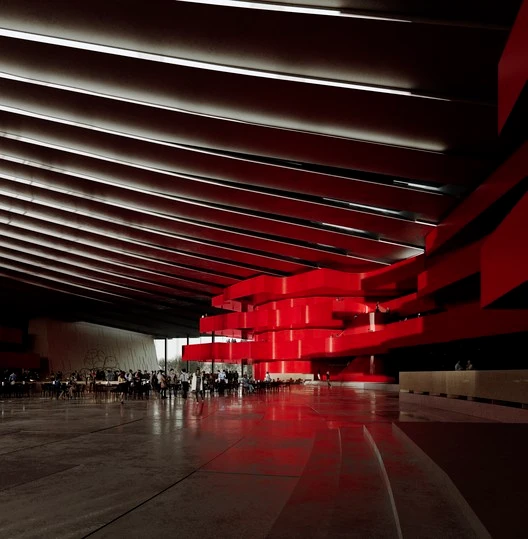
The main 2,000-seat auditorium has the best acoustic panels available. They were made after years of research into “sound shadows.” These panels make sure that every whisper on stage can be heard in the back row.
Olympic Legacies: Milan’s Urban Renaissance
Olympics are also shaping architecture in 2026. It’s not just about temporary stadiums; it’s about “Regeneration.”
The Wave’s Power
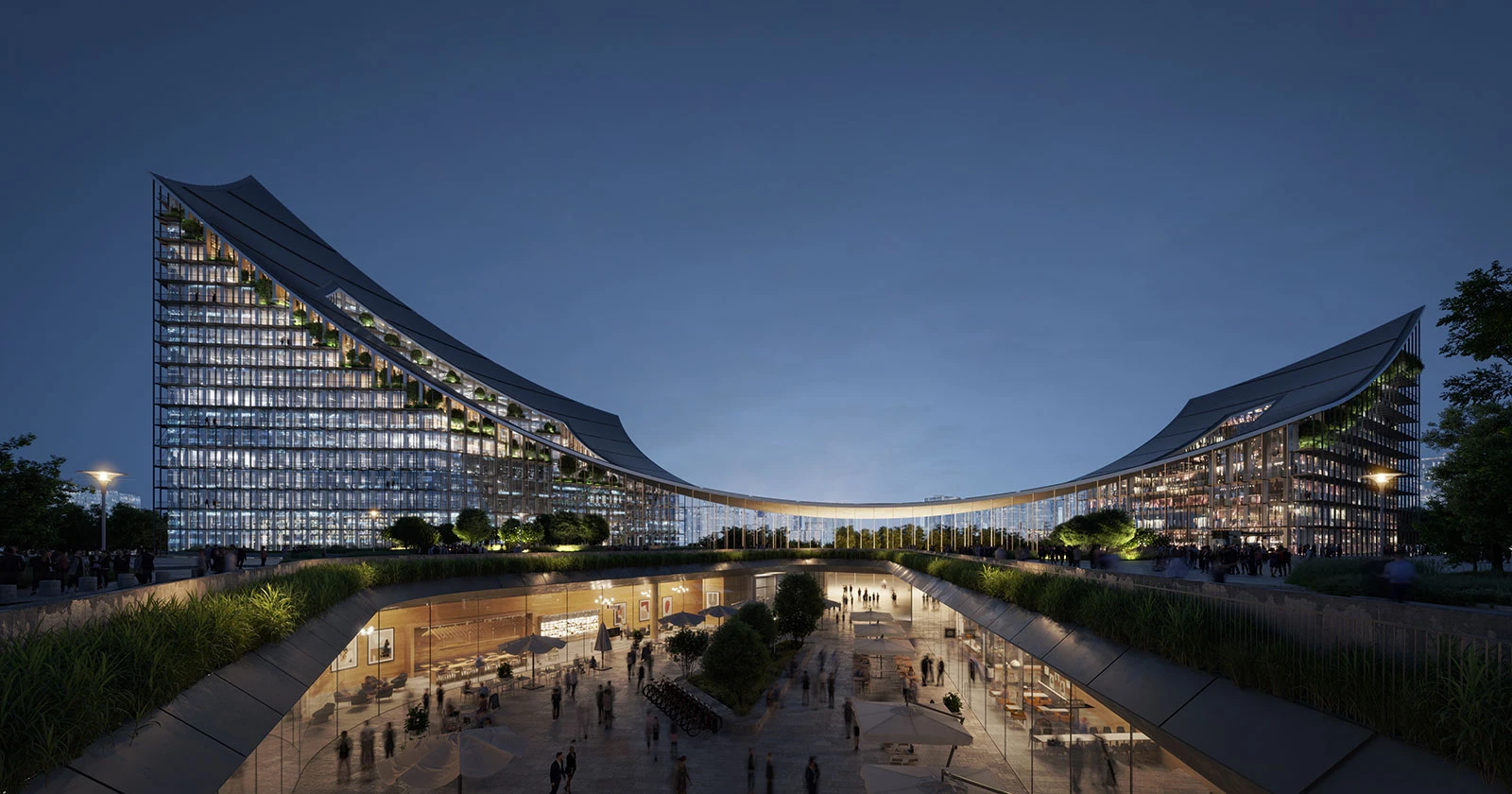
Key initiatives like CityWave (by BIG – Bjarke Ingels Group) are changing the way offices look.
Did you know that CityWave has a 140-meter-long roof that hangs down and is covered in solar panels? It looks like a piece of modern art, but it’s really one of the biggest power plants in Europe.
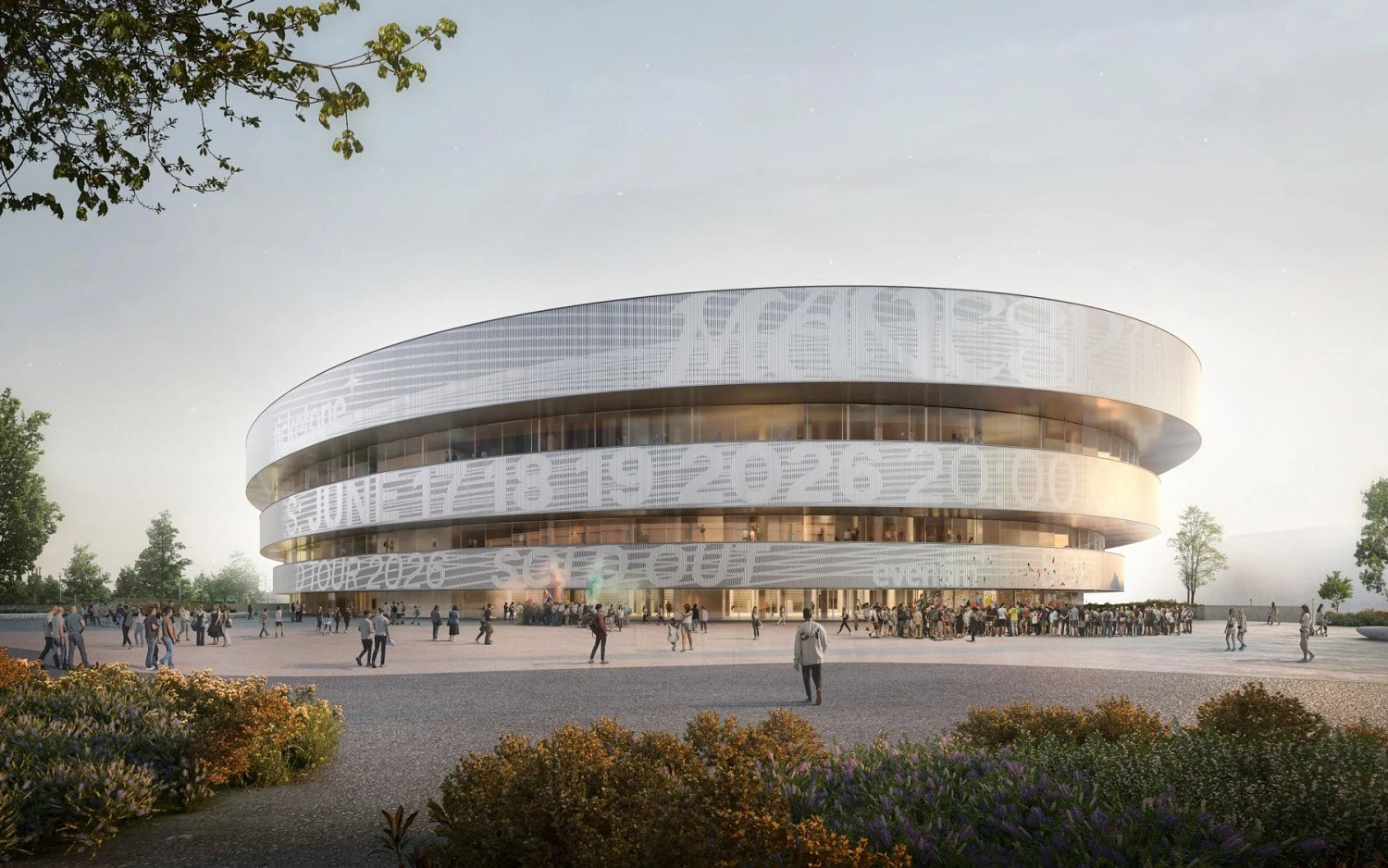
Another great thing about 2026 is the Milano Santa Giulia Ice Hockey Arena, which was created by Sir David Chipperfield. The three floating rings that make up its cylindrical shape are similar to the shape of old Roman amphitheaters, yet it is a modern, sustainable, and adaptable space.
The Age of “Living” Buildings: Trends for 2026
What makes 2026 the most famous year of all time? This is the year when architecture started being static. There is a change toward “Deep Sustainability“:
- Self-Healing Concrete: Bacteria that make limestone “fix” their own cracks.
- Biophilic Design: Adding vertical trees that clean the air in the city and make buildings feel like living things.
- Responsive Facades: These are smart buildings with sensors that change their “skin” to follow the sun, just like a flower opens and closes.
The Steel Heart of Man
What makes these “Breathtaking Legacies”? We live in architecture, which is the only art form we have.
We aren’t simply witnessing new buildings in 2026; we’re also seeing the end of history. When the last stone is put on Gaudí’s masterpiece or the first person goes through Gehry’s desert museum, we see how people can overcome time, money, and gravity.
These buildings aren’t just symbols of 2026; they’re our offerings to the 22nd century. They show that even in a digital age, the places we make may still touch people’s hearts.
Quick Facts Table for High Retention
| Building | Location | Unique Fact | Scheduled Opening |
| Sagrada Família | Spain | Tallest church in the world ($172.5m$). | June 10, 2026 |
| Guggenheim Abu Dhabi | UAE | Features 11 massive “cooling cones.” | Late 2026 |
| Lucas Museum | USA | Uses 1,500 unique “spaceship” panels. | Sept 22, 2026 |
| Shanghai Grand Opera | China | Roof is shaped like an unfolding fan. | Late 2026 |
| CityWave | Italy | Largest urban solar roof in Europe. | Early 2026 |
For more blogs like this CLICK HERE!!!
Reference:
Iconic Architecture Firms and Their Signature Projects for 2026 – ArchDaily Blog