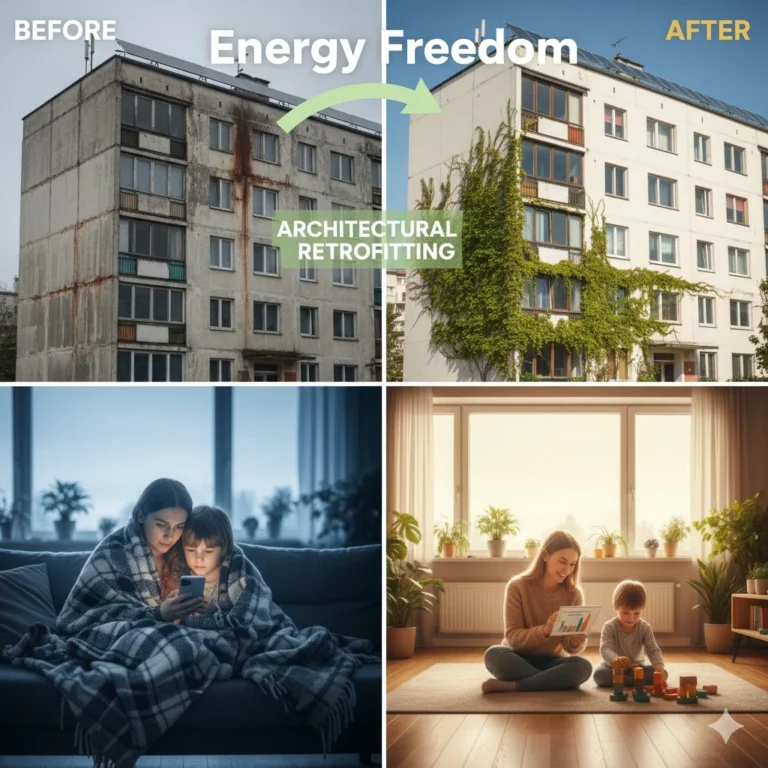
For a long time, the only thing that mattered about a “good” building was how long it would last. It was a success if it didn’t leak or tumble down. But the modern world wants more. We are dealing with a climate problem, rising energy costs, and a developing “minimalist fatigue” that has made many of our cities feel cold and sterile.
Smart Materials is the answer that the architecture community has been looking for since 2025.
These aren’t simply passive parts; they’re smart materials that can sense, react to, and change in response to things like light, temperature, and stress. This groundbreaking change is making our buildings into caregivers—structures that help keep their residents healthy and happy.
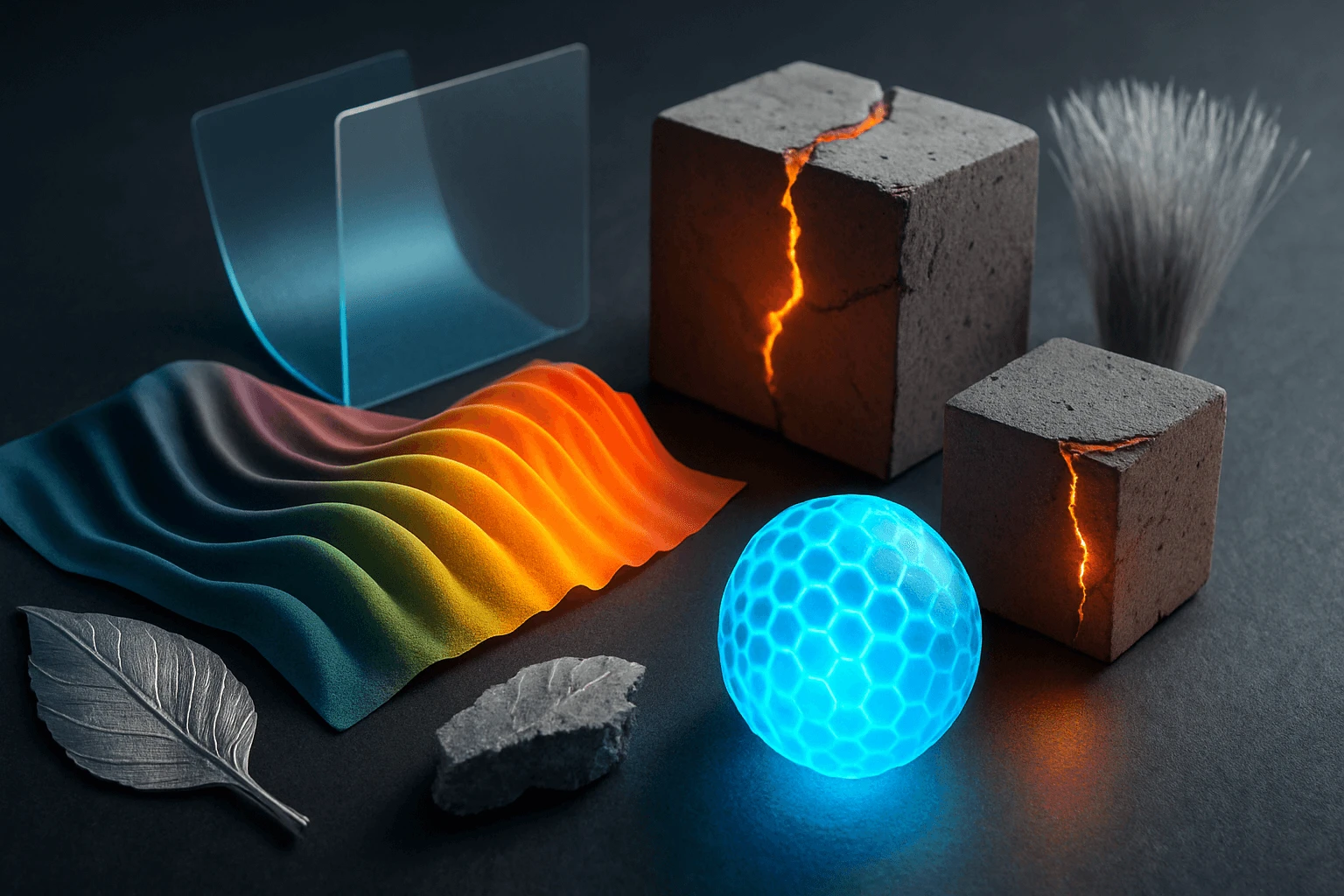
No More Crumbling Infrastructure: The Science of Self-Repair
The ability to heal is probably the most “human” trait we’ve given to things that aren’t alive in 2025. Concrete has been the main building material in our cities for a long time, yet it is very fragile. When a crack forms, water and salt go in and eat away at the steel inside, slowly killing the structure and costing a lot of money.

Self-Healing Concrete: The “Living” Skeleton
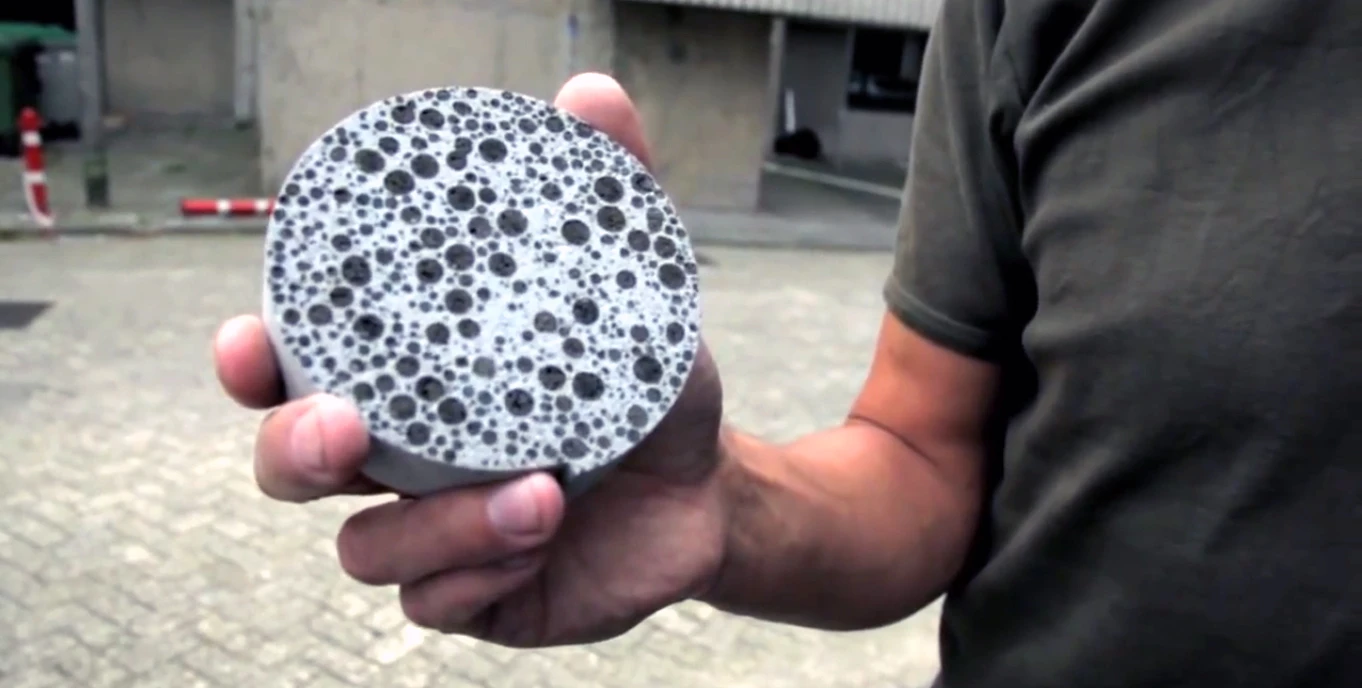
Bio-Concrete is the most prevalent smart material right now. Researchers have added dormant microorganisms (like Bacillus) and nutrients to the concrete mix because they were inspired by how human skin heals. When a break occurs and water gets in, the bacteria “wake up,” eat the nutrients, and release limestone (calcium carbonate), which fills the crack and seals it from the inside out.
Why it matters: It adds 50 years to the life of a bridge or structure, and it cuts down on the “embodied carbon” that comes from constantly tearing down and rebuilding. This isn’t just a lab experiment anymore. Big infrastructure projects in Europe and Asia are now using this “living” concrete to keep people safe in places where there are earthquakes and in the ocean.
Windows That Breathe: The Magic of Responsive Glass
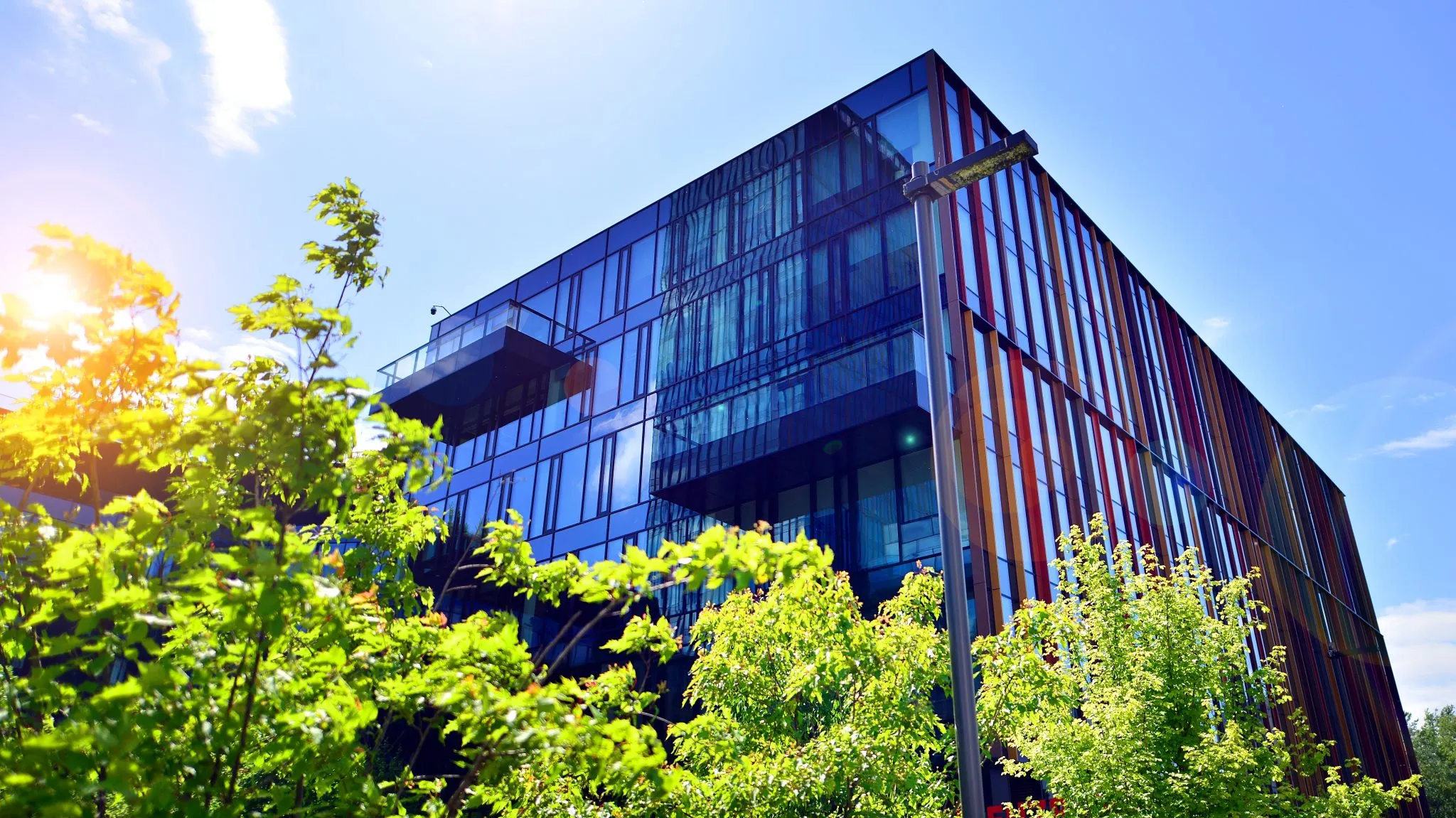
Windows are the part of a traditional building that lets the most energy escape. In the summer, they let in too much heat, and in the winter, they lose too much. Responsive Glass is the ultimate answer that has come in 2025.
Dynamic Daylighting and Circadian Health
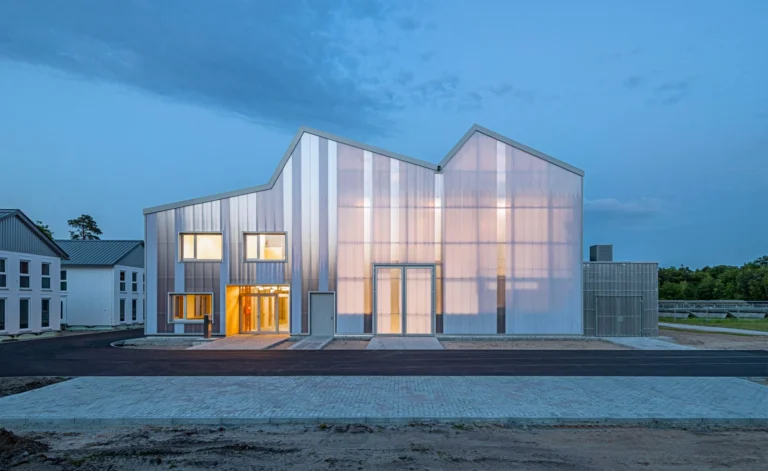
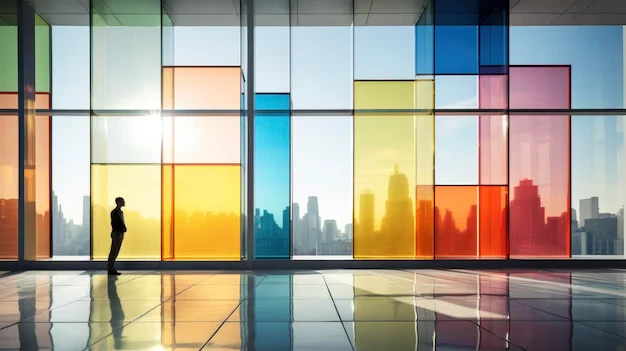
We can now have tinted windows that move. Electrochromic glass is used in today’s high-performance facades. This type of glass changes how clear it is when it gets low-voltage electrical signals. These windows “read” where the sun is and instantly change color to block out heat and glare, all while keeping views clear—no blinds needed.
- The Healing Angle: These buildings help our circadian rhythms, which are the body’s internal clock that controls sleep and mood, by letting in as much natural light as possible without the heat. In 2025, studies reveal that people who work in buildings with smart glass have 30% fewer symptoms of “sick building syndrome” and are much more productive. This is what a “healing” space is.
Thermal Batteries: Phase-Change Materials (PCMs)
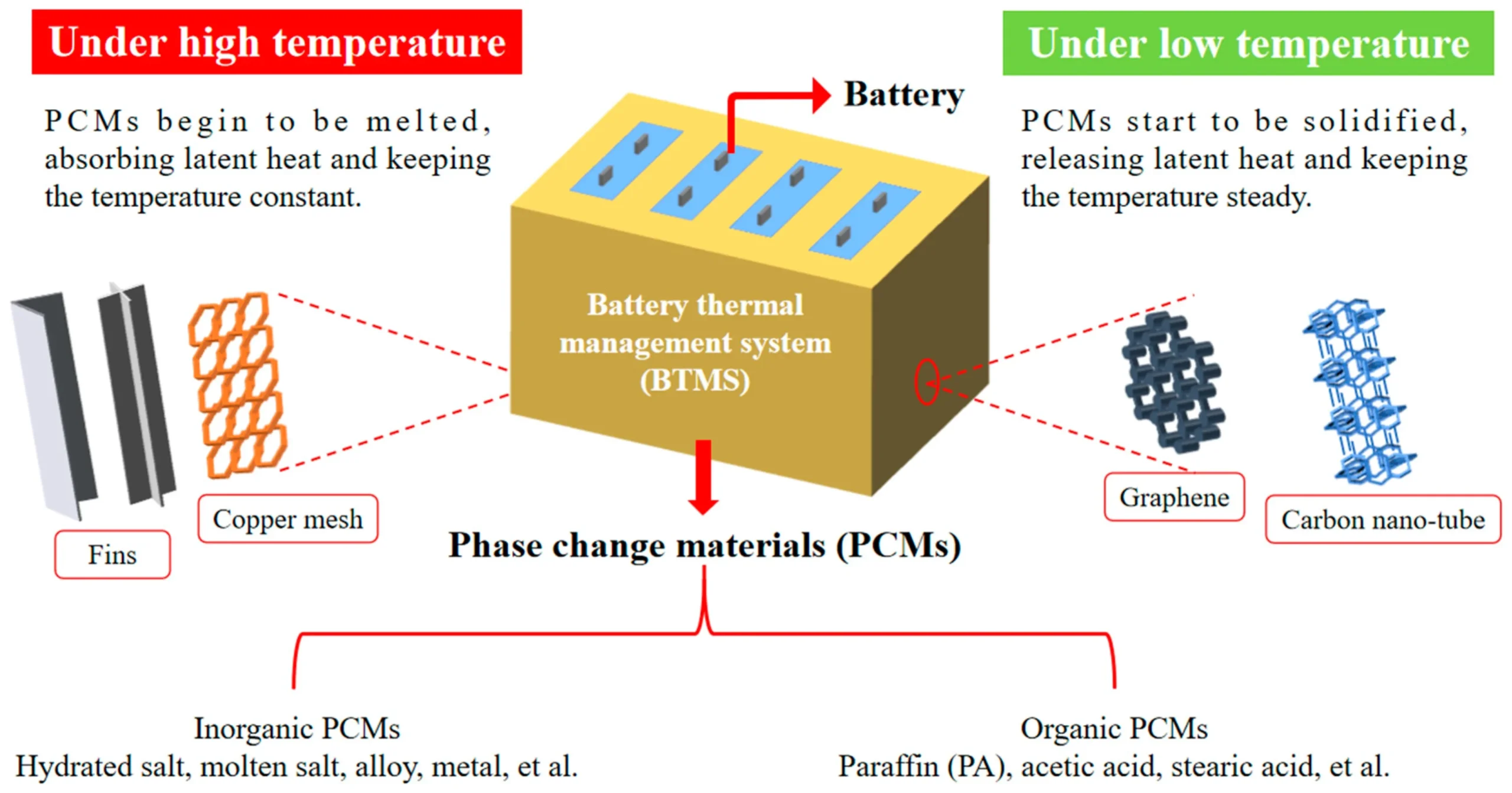
How can we keep a building cool without operating the AC all the time? Architects are using Phase-Change Materials (PCMs) in 2025. These materials, which are typically found in wall panels, ceiling tiles, or even “smart” drywall, work like a “thermal battery.”
The PCM melts when the environment becomes too hot, which keeps the inside cold by taking in the extra heat. When the temperature drops at night, the material hardens and releases the heat it has stored back into the room.
- What it means: Recent studies demonstrate that PCM-enhanced envelopes can keep the temperature within from changing by more than 2 to 3 degrees Celsius. This can cut down on HVAC energy use by up to 25%, making “Net Zero” living possible instead of just a dream.
The Rise of Bio-Composites: Buildings That “Breathe”
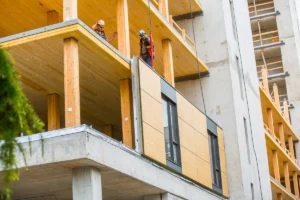
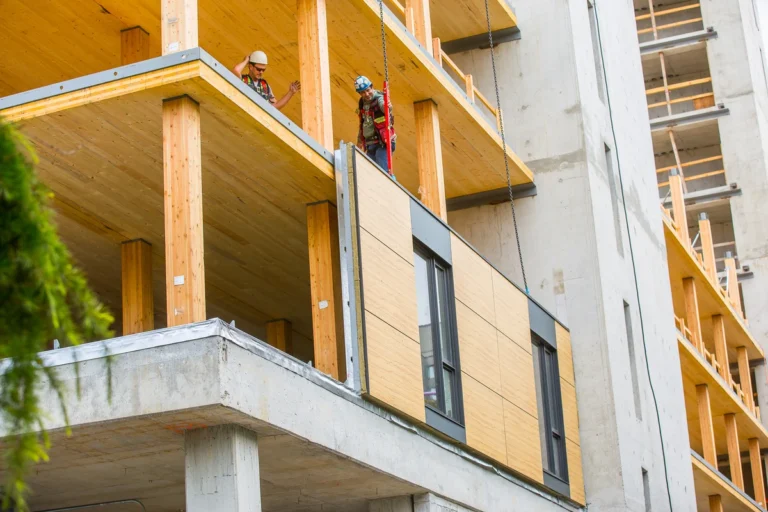
The major difference in 2025 is that we will stop using “dead” materials like steel and stone and start using “living” bio-composites. Not only are these materials good for the environment, but they also help restore things.
- Mycelium insulation: Mycelium comes from the roots of mushrooms. It is fire-resistant, lighter than concrete, and can be shaped into precise shapes using agricultural waste.
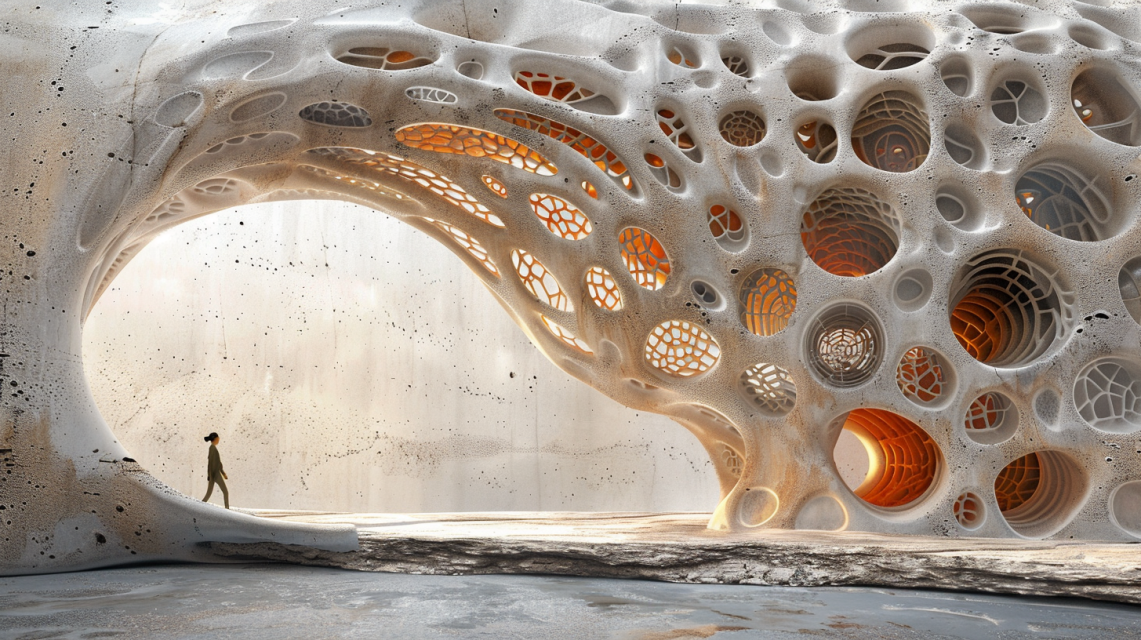
- Hempcrete is a “breathable” material created from lime and hemp fibers. It naturally keeps the humidity within at the right level and functions as a carbon sink, holding more $CO_2$ than was made during its production.
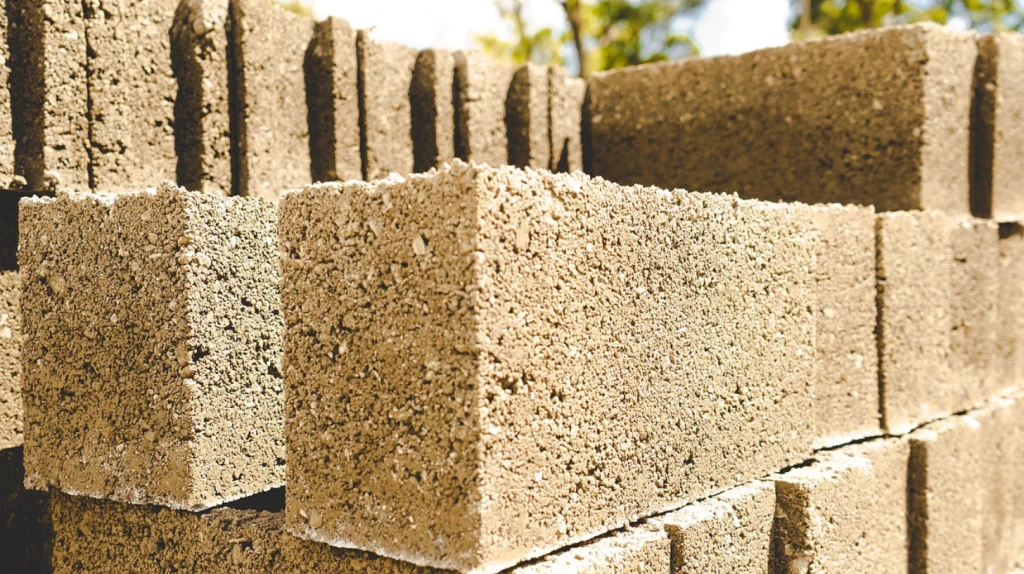
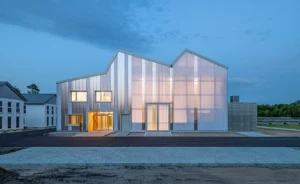
- Transparent Wood: Scientists have made a material that is stronger than glass, better at insulating, and completely biodegradable by taking off the lignin from wood and replacing it with a specific polymer.
Why We Are Obsessed: The Emotional Link
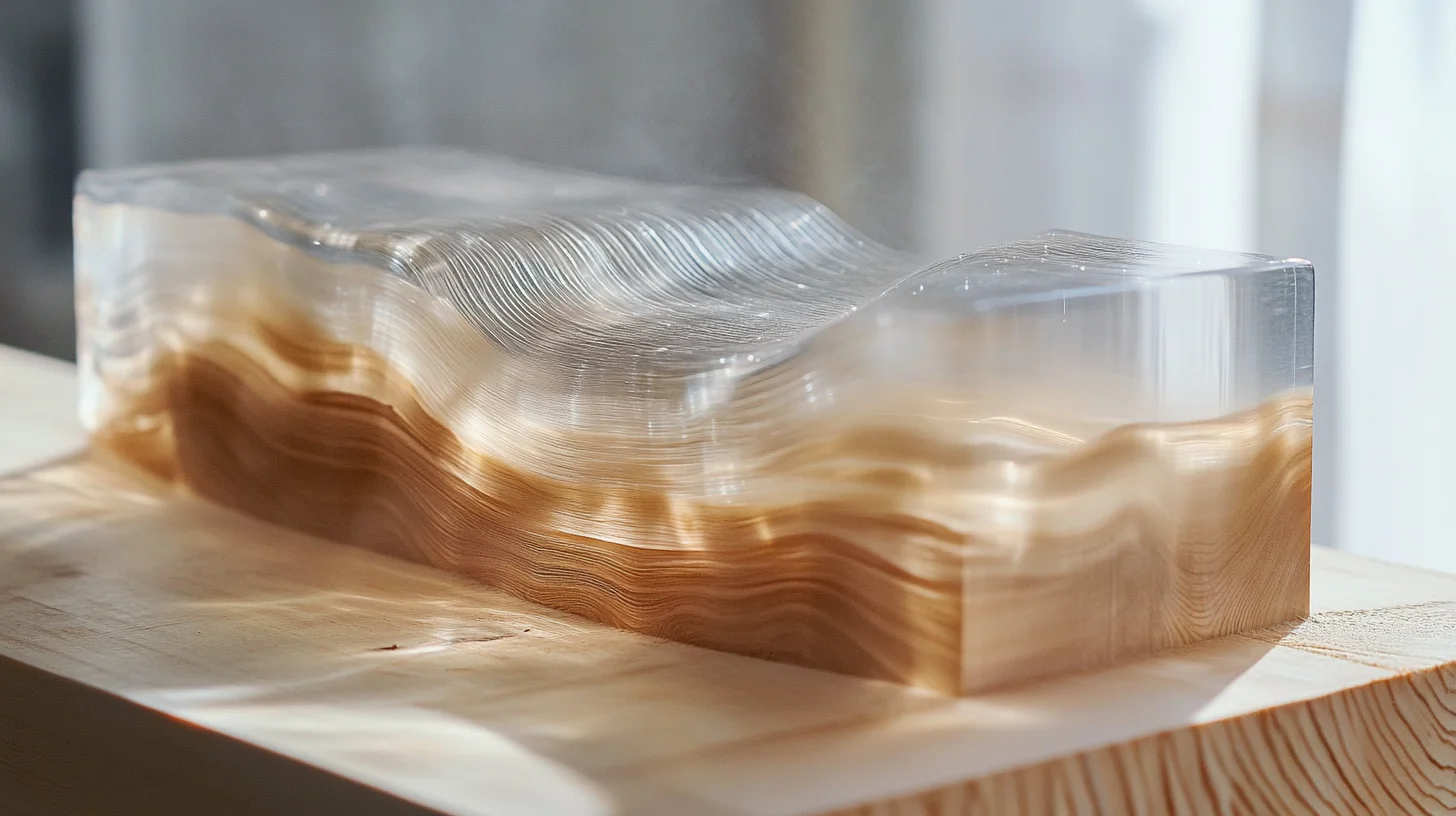
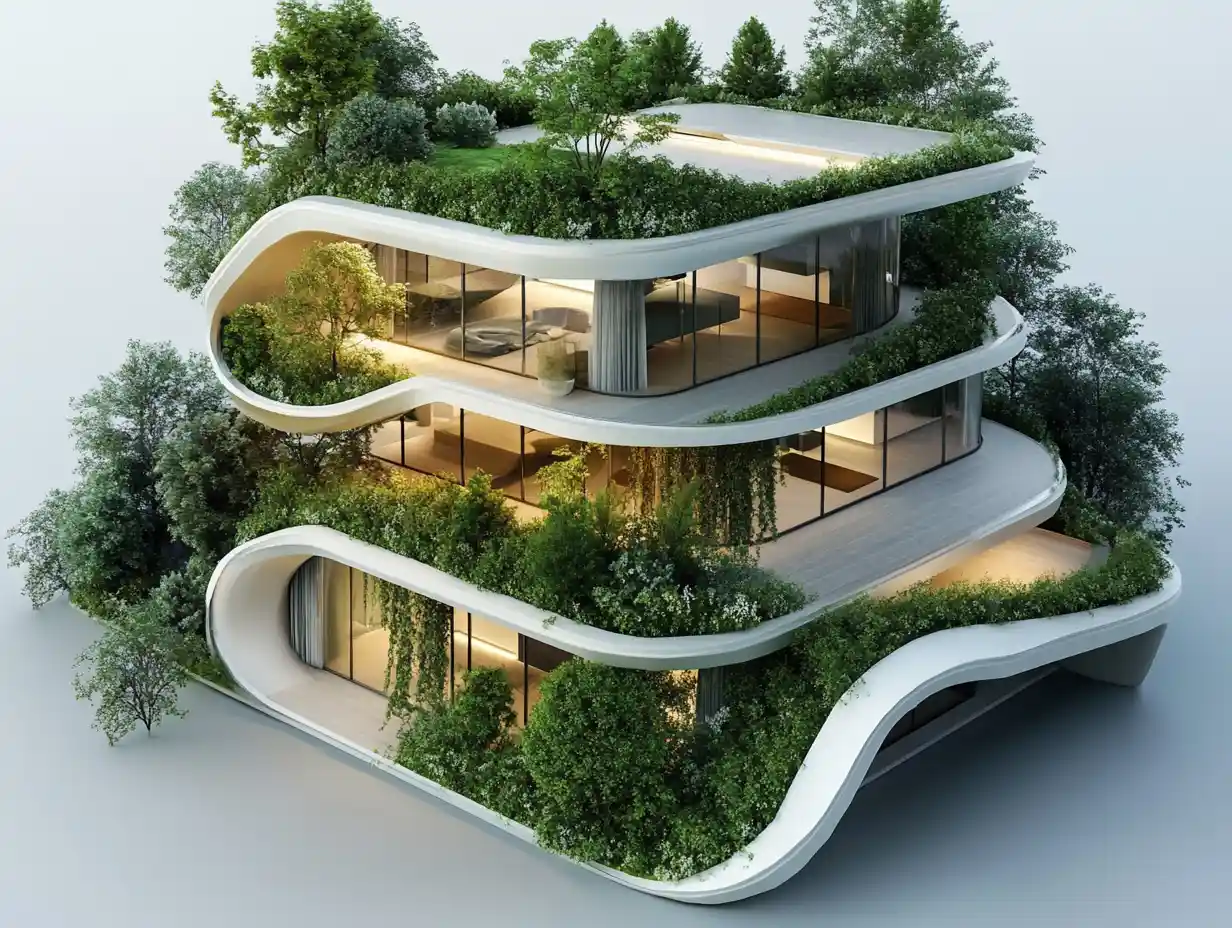
The big change in 2025 isn’t only about making things work better; it’s also about how much we care about where we live. “Biophilic” designs are buildings that breathe and change like living things. Smart materials make this possible.
When a window changes color to protect your eyes or a wall made of Breathe Bricks cleans the air, the building stops being a static shelter and becomes a guardian. We are changing from “exploiters” of the land to “stewards” of a built environment that makes us feel better.
The Economic Case for the “Healing” City The Economic Case for the “Healing” City
Critics often talk about how expensive smart materials are to buy. But by 2025, the market data is clear:
- Value of Assets: Green buildings and smart renovations raise the value of assets by more than 9%.
- Savings on Operations: The typical smart building’s running costs go down by around 17% in the first five years.
- Lowering Maintenance expenses: Self-healing materials can cut maintenance expenses by 20–30% throughout the life of a building by identifying small cracks before they turn into big problems.
What’s Next in Designing the Future?
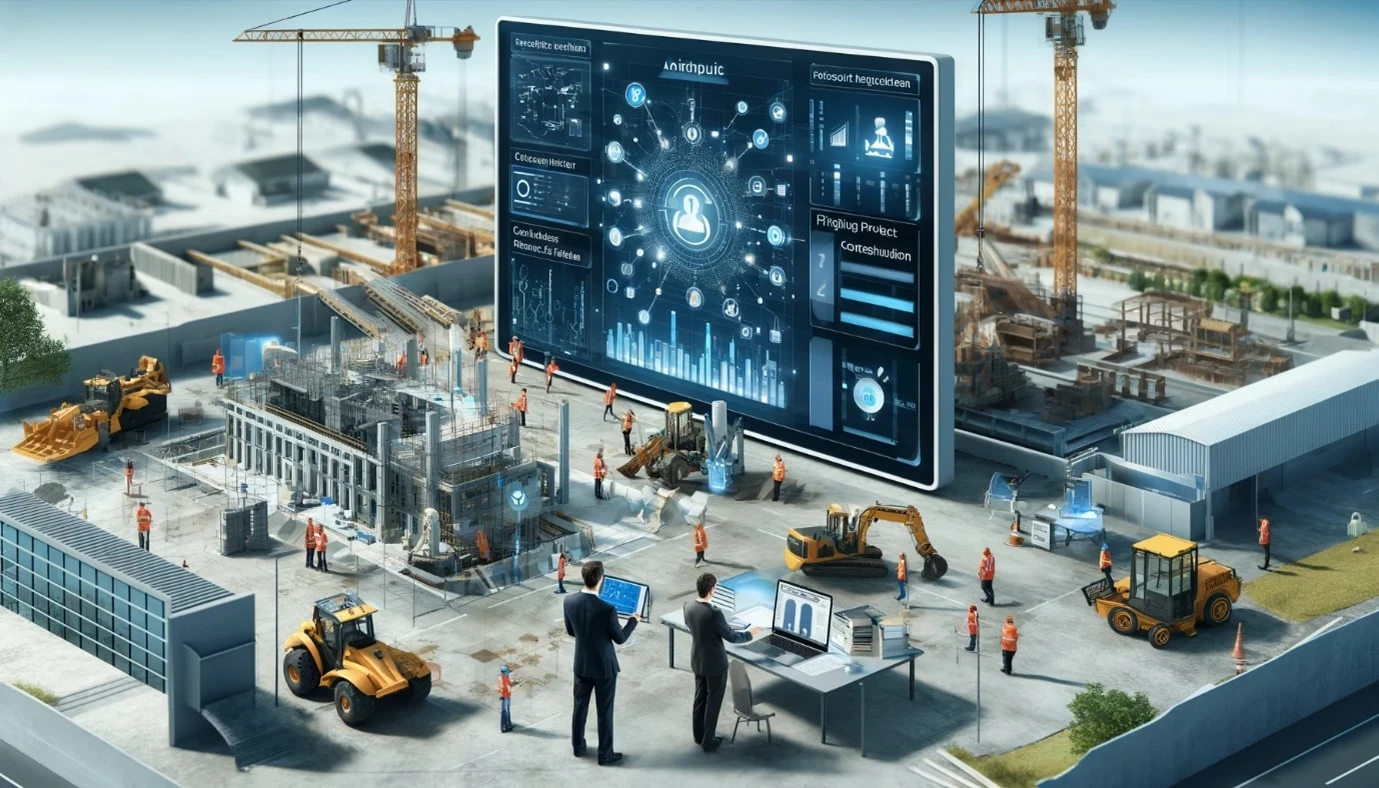
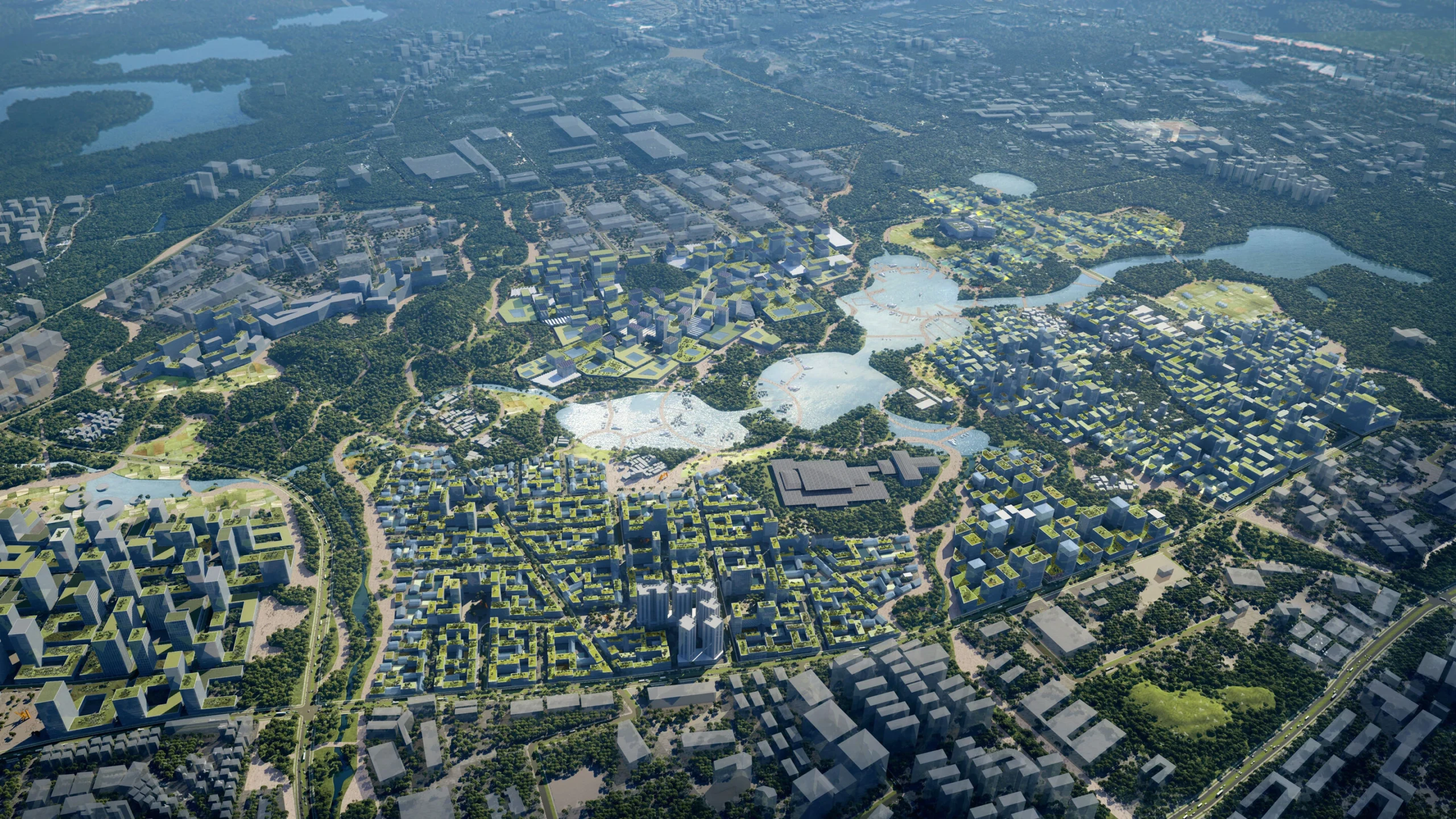
As we move into 2030, these high-tech materials are coming together with the “Resurrection of the Bizarre” (as seen in Postmodernism). Imagine a building that looks like a stack of regular houses but has Kinetic Shingles on it that move like fish scales to collect wind energy. Or “Graphene-Enhanced” concrete that can sense when the structure is under stress and send a report to an AI building manager before a person even notices a problem.
In the future, architecture won’t be about “dead” stone and steel anymore. It is about Many Intelligences, which is the combined understanding of biology, chemistry, and digital technology.
Final Thought: A Building with a Heart
The emergence of smart materials shows that we are finally building with our minds. We are finally making buildings that work with the human body and the natural world by using materials that heal themselves and keep us safe. In 2025, we don’t just live in buildings; we share places with them that help us heal.
For more content like this CLICK HERE!!
Reference:
AI-Enhanced Materials: Driving Sustainability in Modern Architecture