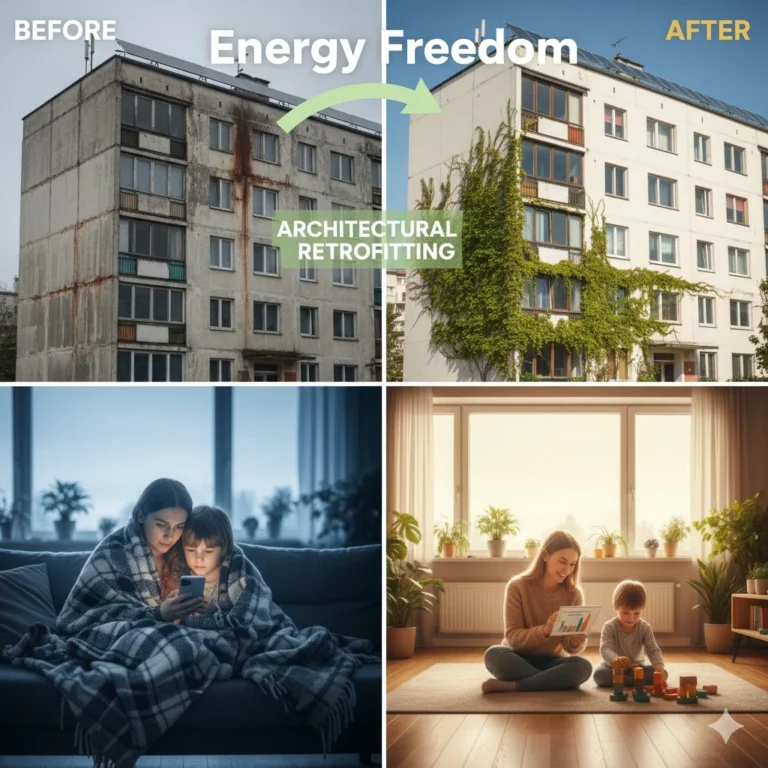
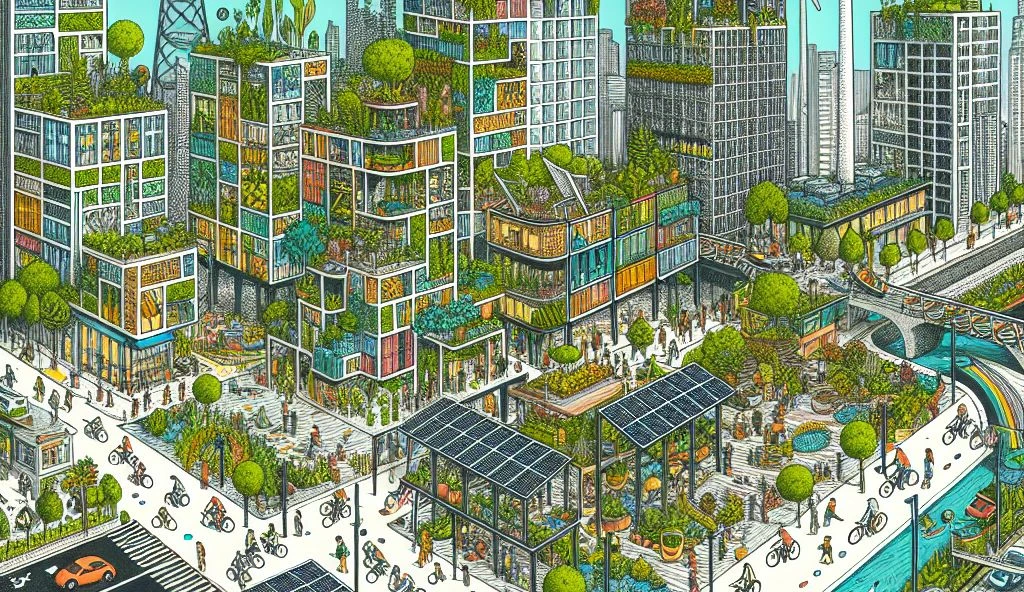
For a long time, we’ve thought of our cities as “concrete jungles,” which are harsh, dreary places that are opposite of nature. This way of thinking about design has transformed our cities into heat islands that use 70% of the world’s energy and release more than 75% of greenhouse gases. But as we go into 2025, a quiet, green revolution is starting to happen.
Architects and city planners aren’t simply putting up buildings anymore; they’re also planning a way to heal. They are heading toward Sustainable Urbanism, which is a way of thinking about cities as living, breathing ecosystems. We are finally starting to fix our broken relationship with the Earth by making nature-based solutions a part of our streets.
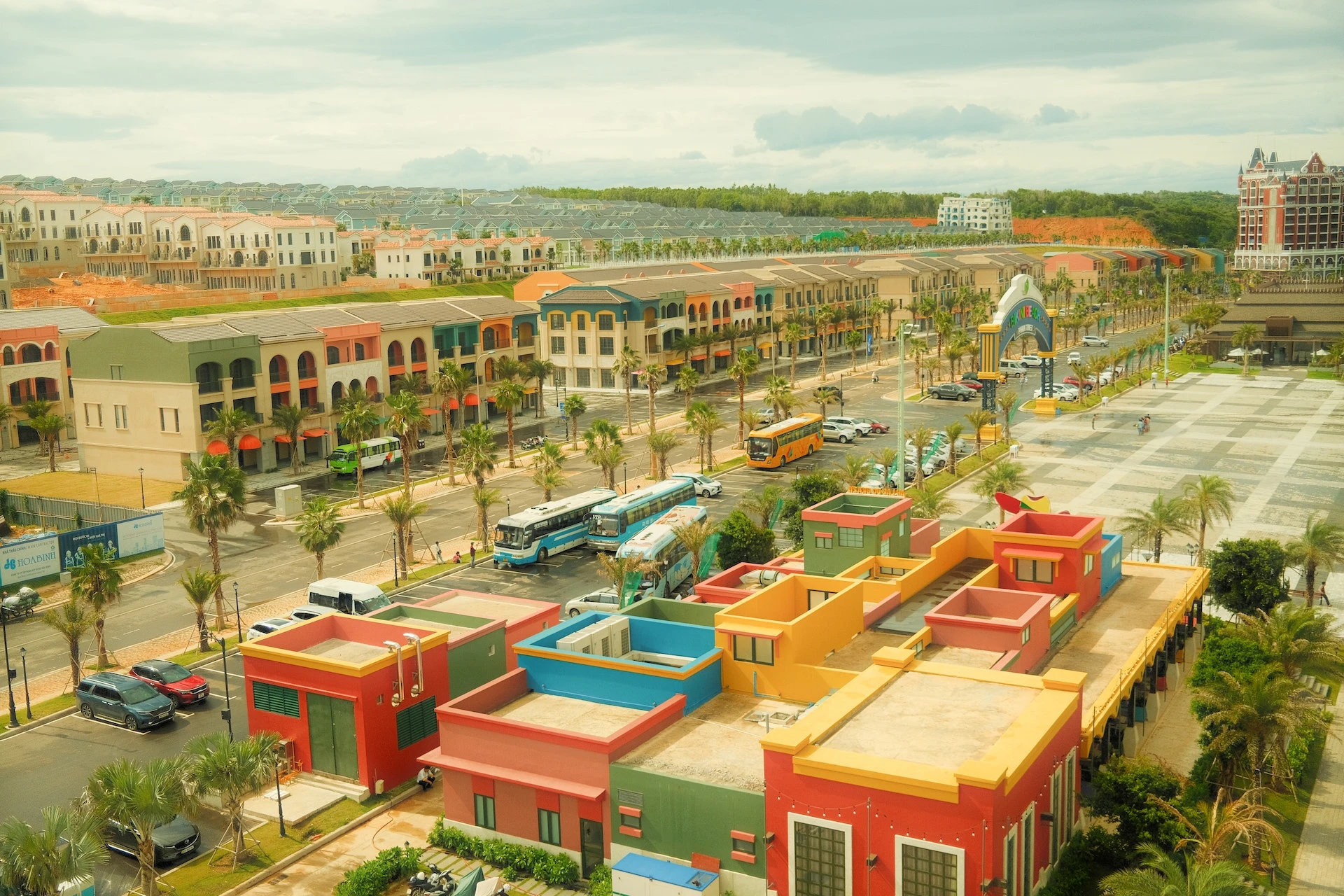
The 15-Minute City: Bringing Back the Human Rhythm
The “15-minute city” is one of the biggest changes in modern urbanization. Carlos Moreno, an urbanist, made this model famous. It shows a city where everyone can satisfy their basic needs—work, groceries, health care, and fun—within a 15-minute walk or bike ride from their home.
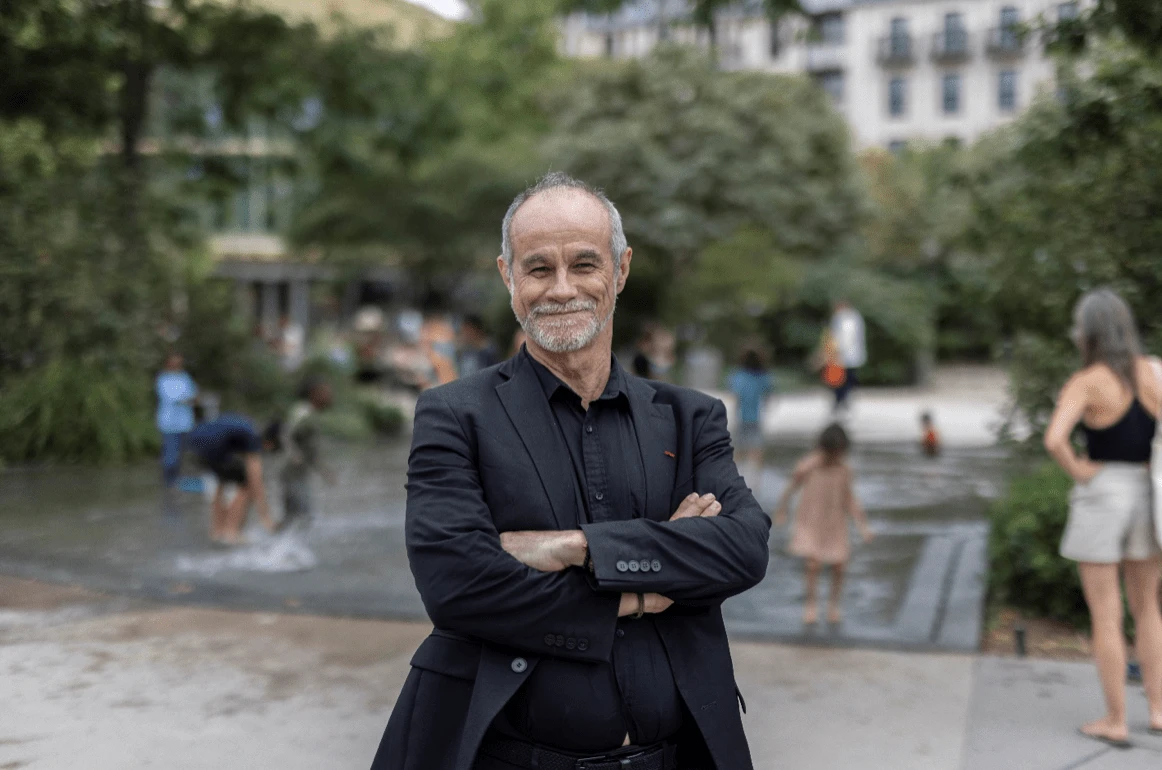
Carlos Moreno
We do more than just cut down on car emissions by decentralizing services; we bring back the neighborhood’s human spirit. Cities like Paris and Milan are in the forefront of this movement, taking out parking lots to make way for wide, tree-lined boulevards and community plazas.
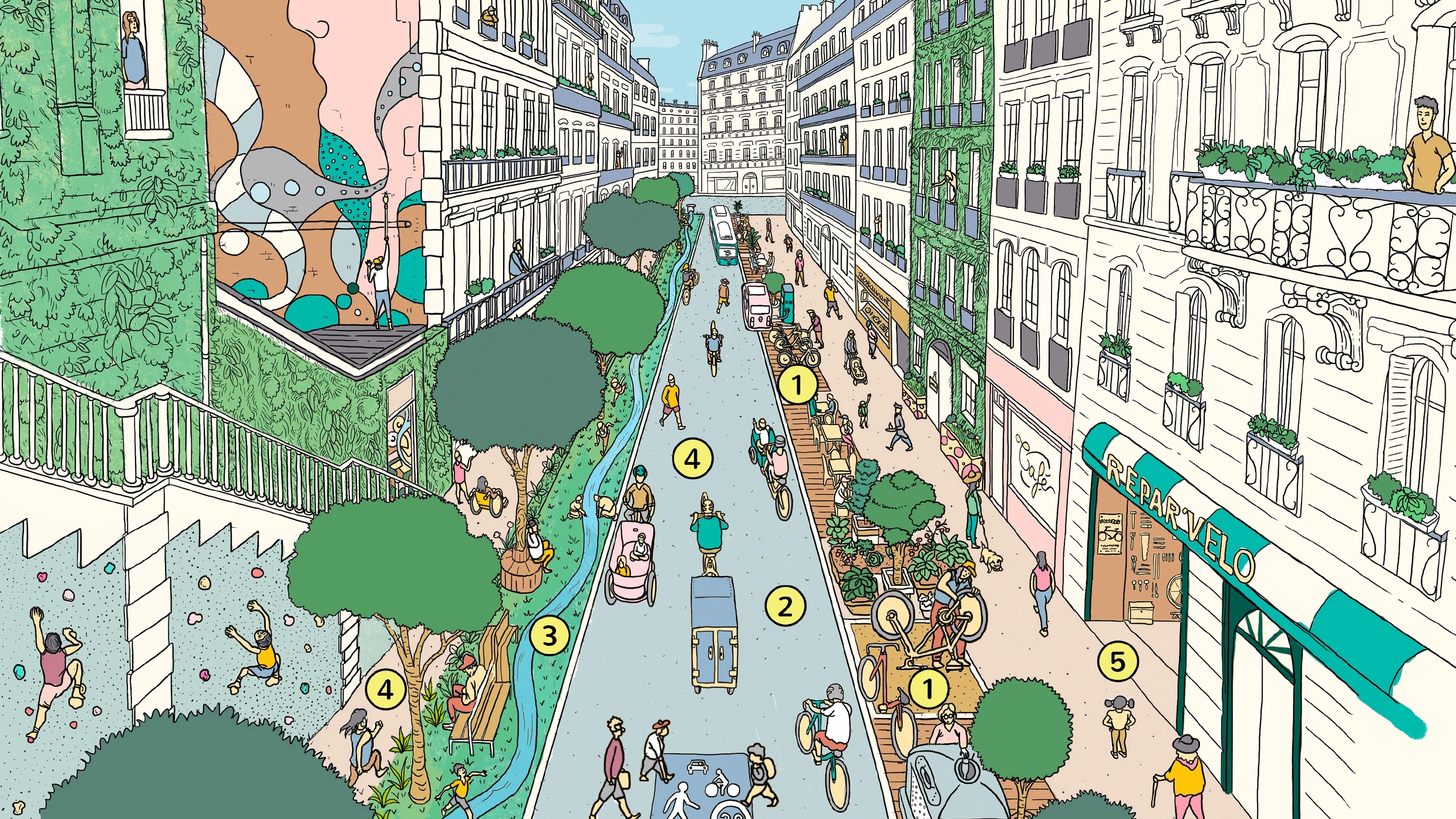
Anne Hidalgo, the mayor of Paris, has already started to turn over more than 70% of on-street parking spaces to other purposes. This shows that the city of the future is for people, not cars. The end result is a city that not only works, but also breathes.

Anne Hidalgo, Mayor of Paris
Did you know? Studies show that 15-minute cities are good for both the planet and the mind. People who live in neighborhoods where they can walk about say they are far less lonely and overweight. This is because “hyper-proximity” makes it easier for people to meet new people and get exercise every day.
Sponge Cities: Architecture as a Protector
Extreme weather has come with climate change. The “gray infrastructure” of pipes and tunnels that used to be enough for drainage systems isn’t enough anymore to withstand the flash floods that happen in our warming globe. Welcome to the Sponge City.
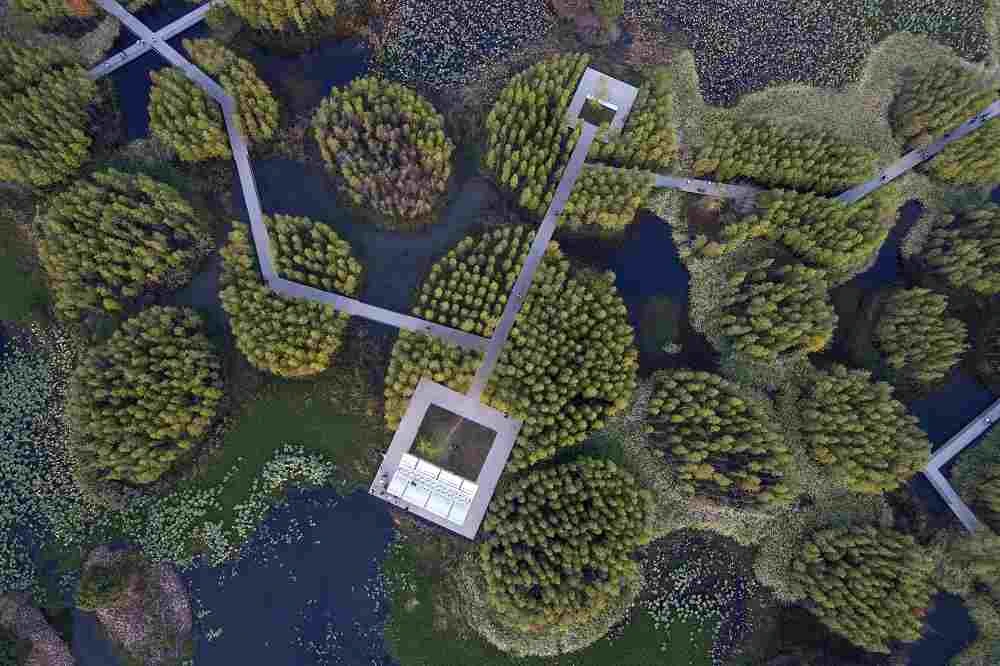
Architects in locations like Hamburg and Shenzhen are already making city surfaces that work like the ground in a forest. They employ permeable pavements, rain gardens, and fake wetlands to soak up, clean, and store rainwater.
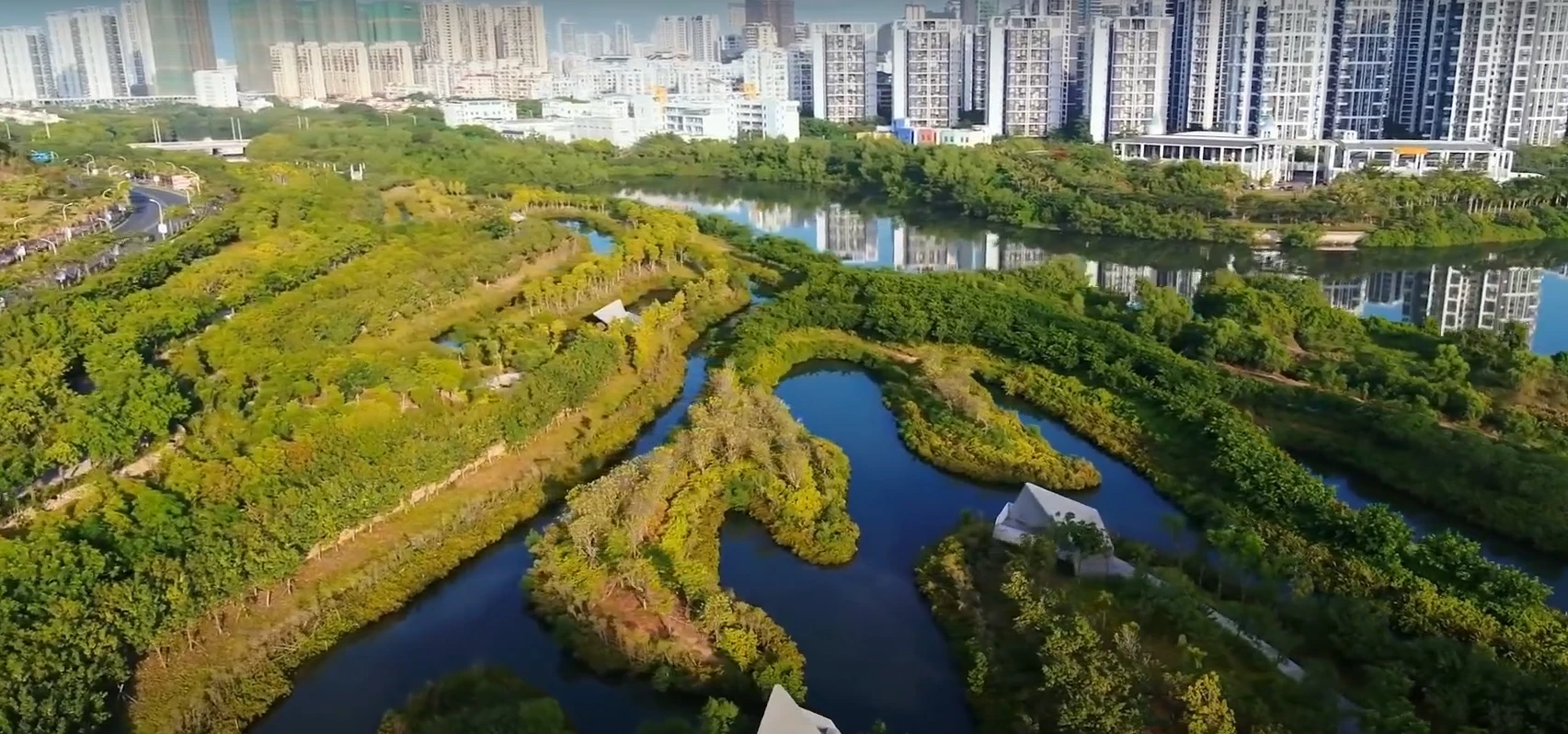
Why the “Sponge” Strategy Will Change the Game:
- Keeping Floods Away: The ground “soaks up” the water instead of letting it flood the streets.
- Cooling Effect: When it gets hot, the stored water evaporates, which lowers the temperature in the city by up to 4°C.
- Biodiversity: These “sponges” are also homes for birds and pollinators, which brings wildlife back to the city core.
The idea came from a sad event. After the floods in Beijing in 2012 killed 79 people, China started a nationwide effort to make sure that 80% of cities satisfy “sponge” criteria by 2030.

This “liquid architecture” is now being sent all over the world, from the streets of Dhaka, which are prone to flooding, to the basins of Los Angeles, which are prone to drought.
The Soul of the Sky: Biophilic Design
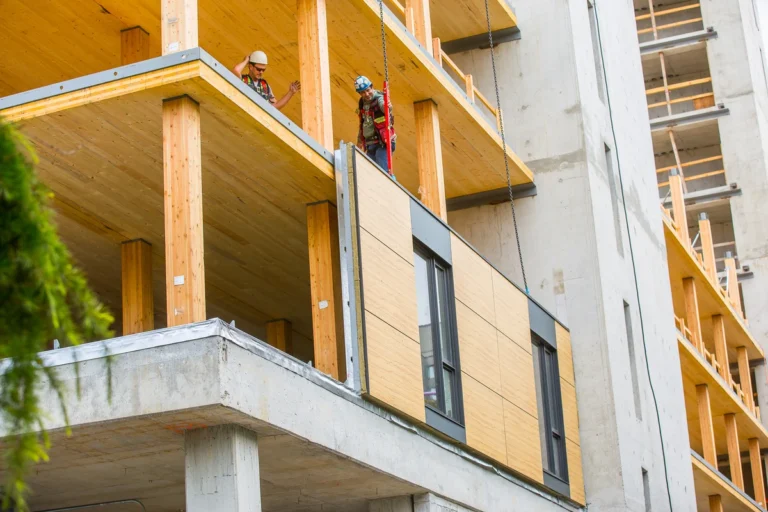
We frequently picture skyscrapers as empty boxes made of glass and steel. But now, innovative architects are using Biophilic Design, which means intentionally bringing nature into buildings to meet our natural need to be close to nature.
This is more than just planting some plants in the lobby. Vertical forests, like the Bosco Verticale in Milan, where 20,000 trees grow on the balconies of tall buildings, are part of it. These “living walls” filter the air naturally by capturing CO2 and releasing oxygen directly into the air in cities.
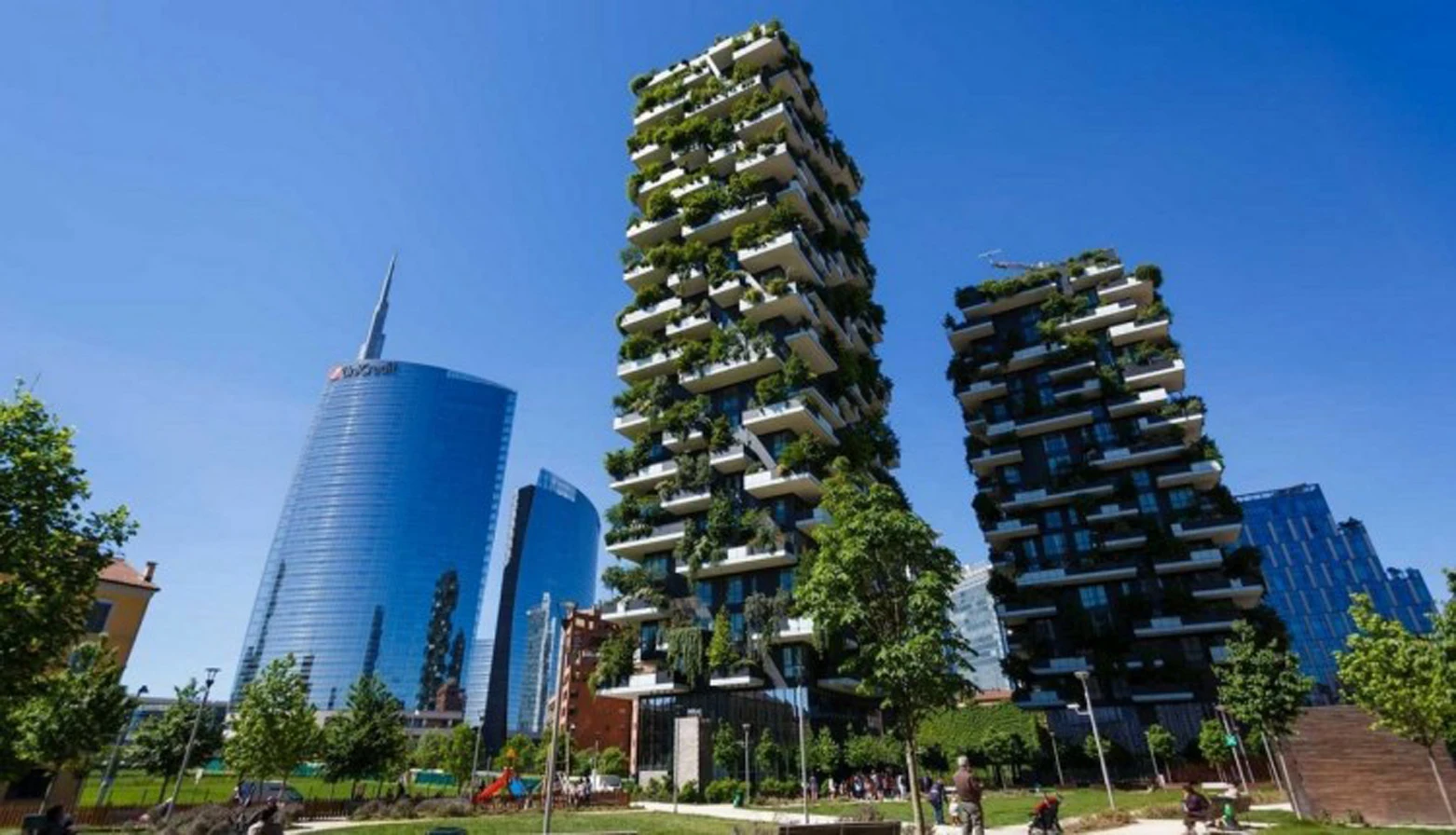
Why Biophilic Architecture is Important:
- Mental Health: Research shows that people who live in green buildings have less stress and better brain function.
- Energy Efficiency: Thick layers of plants act as natural insulation, cutting down on the demand for air conditioning by 30%.
- Noise Reduction: The leaves and soil act as sound barriers, making the noise of city traffic quieter.
Fact: Some modern biophilic structures now use “biomimicry.” For example, the Eastgate Centre in Zimbabwe doesn’t have regular air conditioning. Instead, it works like the cooling chimneys of a termite mound and uses 90% less energy than a regular building.

Net-Zero Districts: The Future of Power
The focus is changing from single “green buildings” to whole Net-Zero Districts as we work toward the climate targets for 2030. These neighborhoods make as much energy as they use.

Copenhagen is racing to become the world’s first carbon-neutral metropolis, and energy is no longer a one-way street. Buildings can share energy with each other thanks to rooftop solar panels, modular wind turbines, and smart grids.
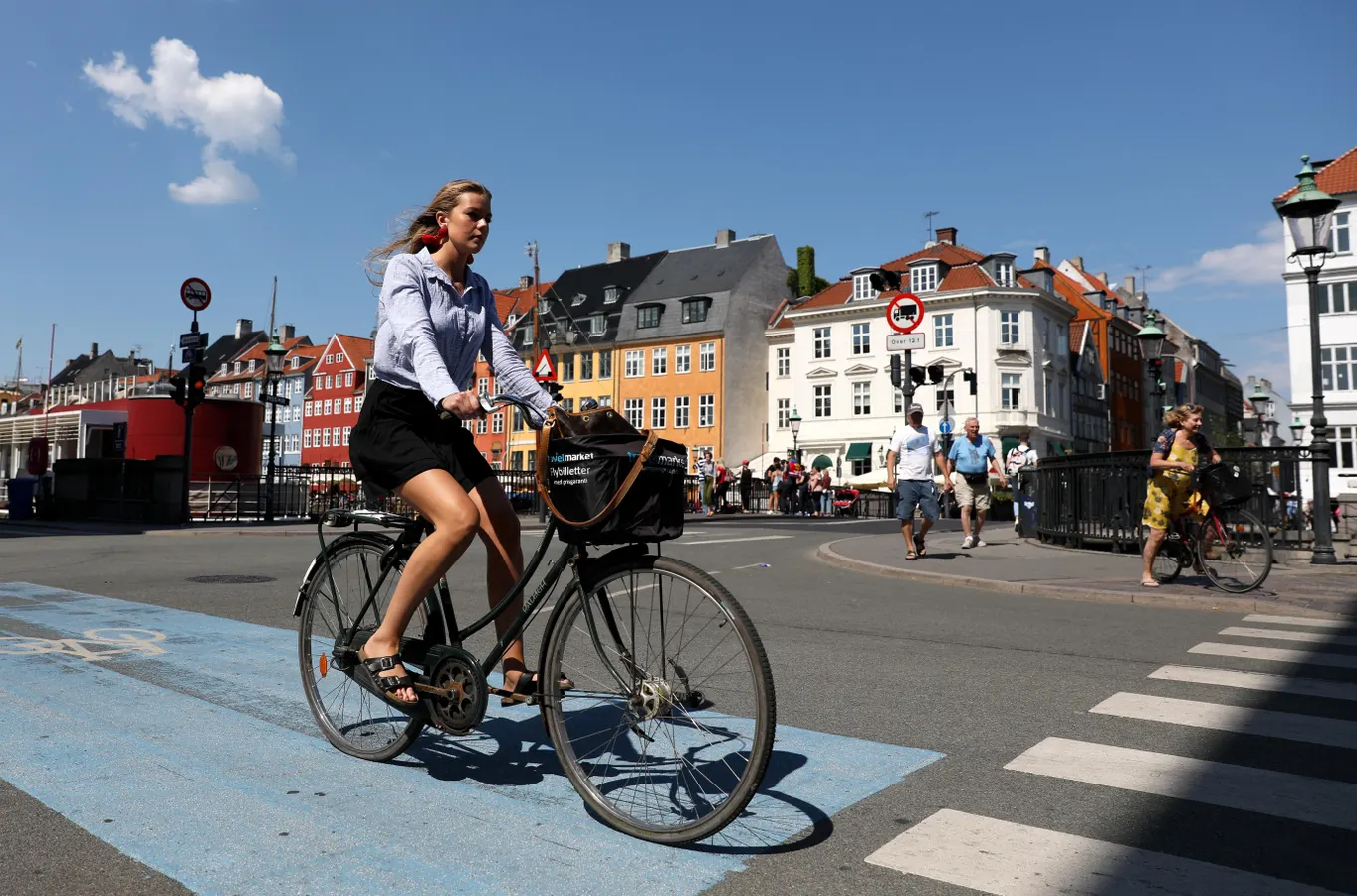
If your neighbor’s solar panels make more power than they need, it might heat your water or charge your electric car. The resilient city is built on this shared energy strategy.
The Equity Turn: Cities for Everyone
Sustainable urbanism can’t just be a luxury for the rich; it has to be a way to make things fair. “The Equity Turn” in urban design makes sure that underserved neighborhoods get more green infrastructure, like parks, clean transit, and streets with shade.
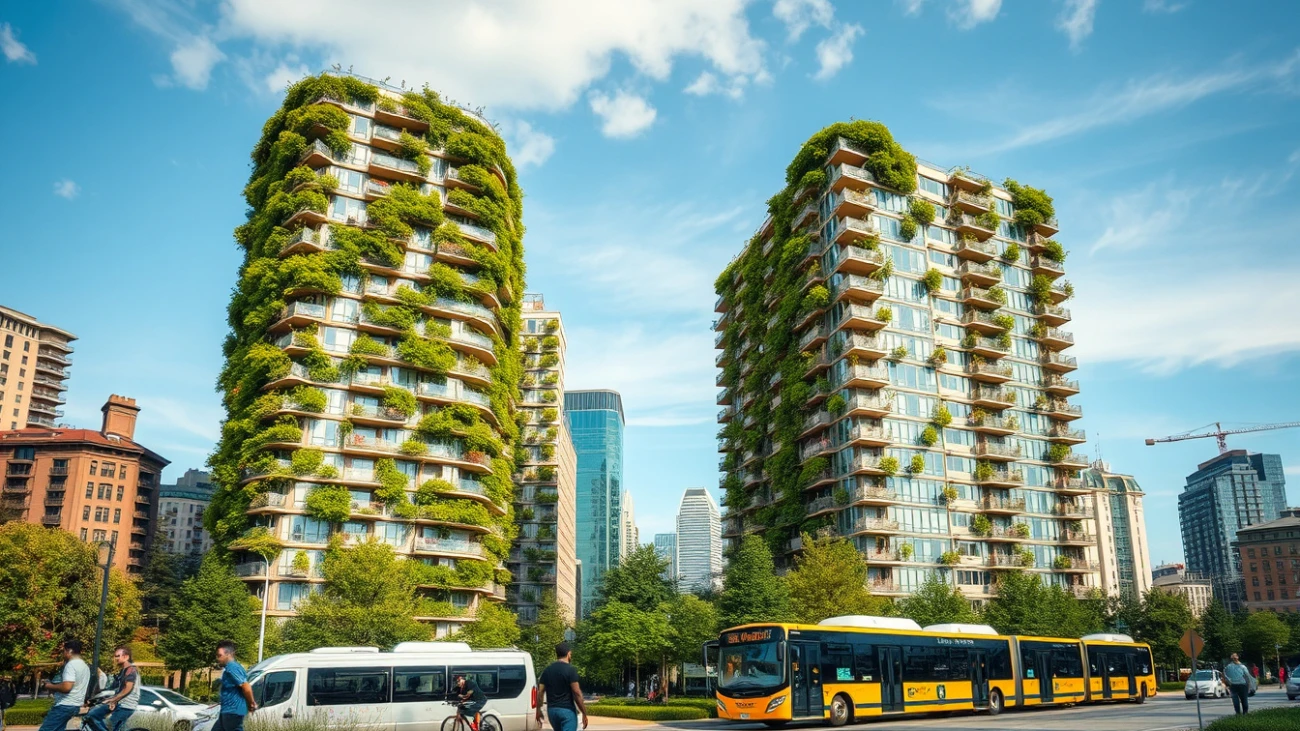
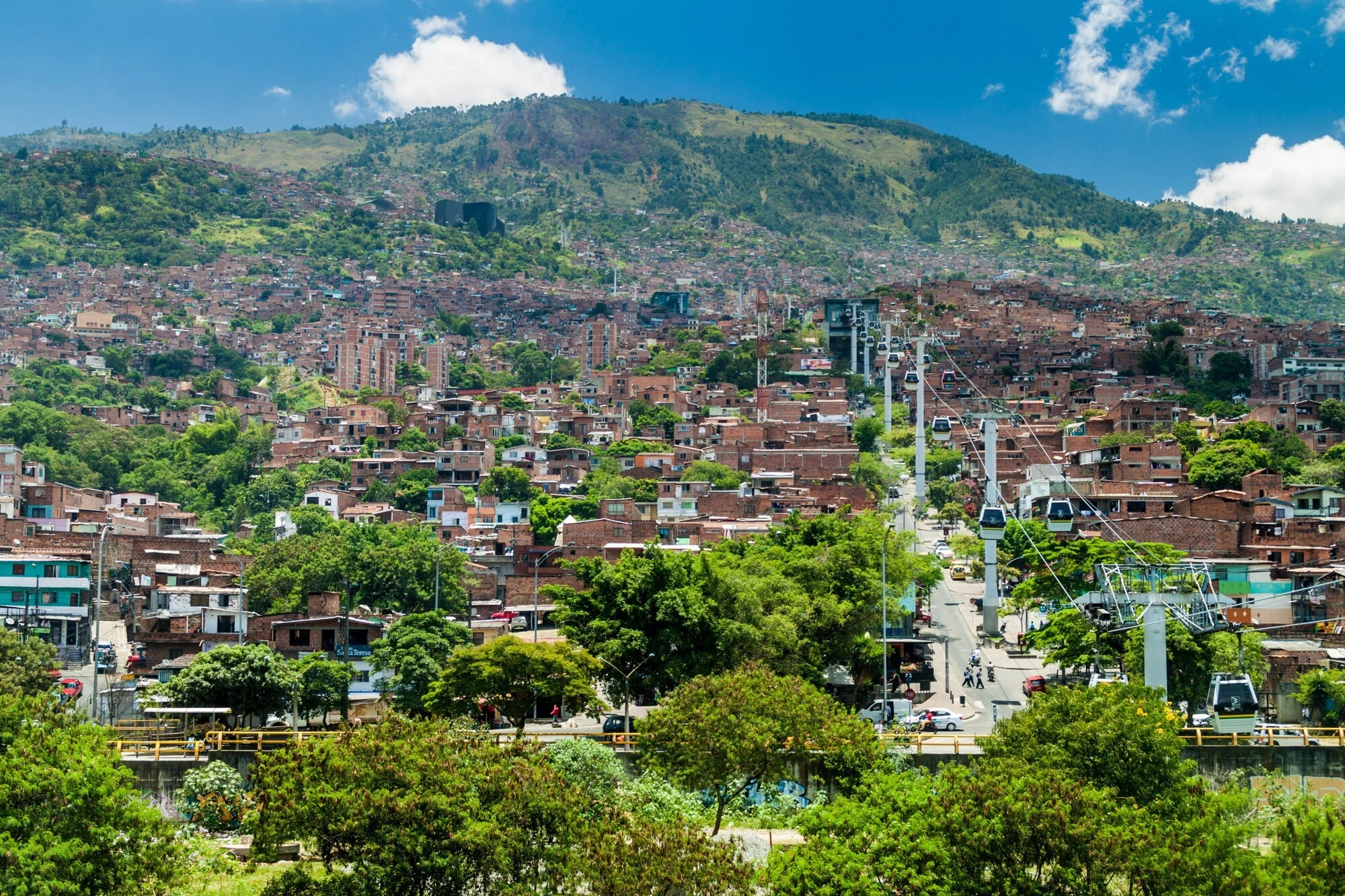
The “Metrocable” aerial car system and “Green Corridors” have turned neglected slopes of Medellín, Colombia, into lively, connected parks. The city has lowered temperatures by up to 3°C and made the air cleaner for those who need it most by planting 30 green corridors on the most polluted streets.
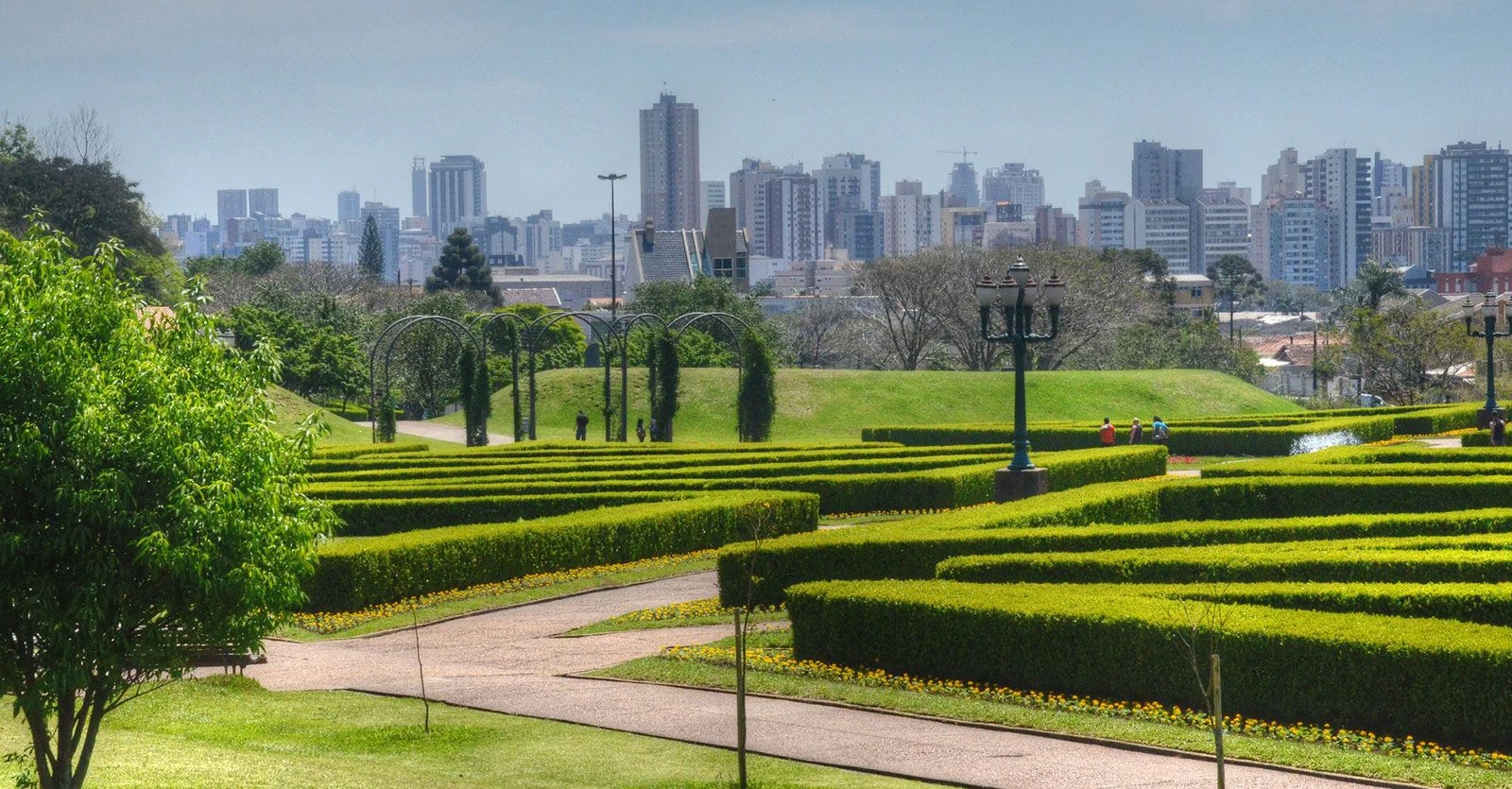
Curitiba, Brazil, also started a “Green Exchange” initiative that lets people trade bags of recyclables for bags of fresh, local food. This makes a circular economy that solves both the problem of waste and the problem of food security at the same time.
Conclusion: A Blueprint for Hope
The “City that Breathes” isn’t a far-off paradise; it’s a plan on how to stay alive. We are showing that urban growth doesn’t have to mean destroying the environment by using innovative architects, smart-city technologies, and community-driven planning.
Cities are no longer scars on the earth; they are instead important parts of it that help it recover. We make spaces that are strong, long-lasting, and most importantly, truly human by combining the “soul of stone” with the “heart of the forest.” Cities are no longer merely places where we live; they are the best places to protect our future.

How to Help Your City Breathe:
- Support “Superblocks”: In your local planning meetings, push for pedestrian-first streets and car-free zones.
- Make your space greener: Even a modest balcony garden or window box helps cool down the city.
- Vote for Transit: Support measures that pay for electric public transportation and bike lanes that are safe.
- Support Local Food: Look for communities that are using “Agrivoltaics,” which is the mix of solar energy and urban gardening.
For more content like this CLICK HERE!!!
Reference:
Sustainable urbanism and identity: A holistic perspective for future cities – ScienceDirect