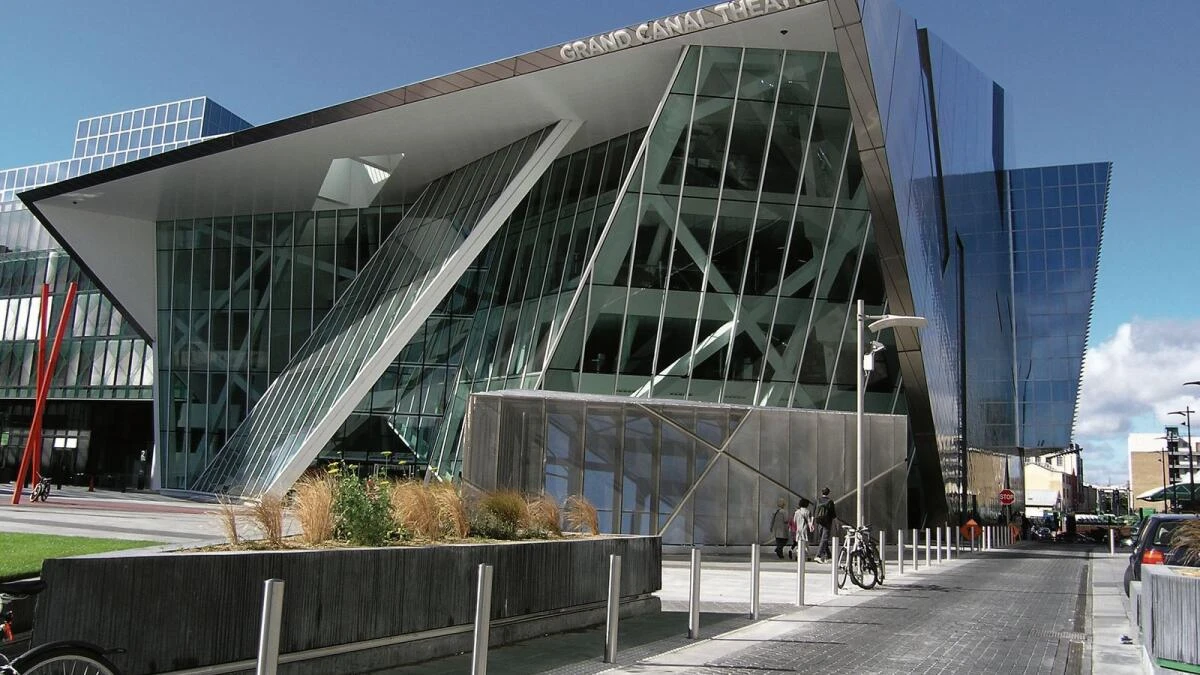
A city that has forgotten how to breathe is eerie. For decades, the harsh logic of density created our cities. Glass boxes and concrete arteries were built to carry people like data points in a machine. After that, the Great Silence happened. The pandemic wasn’t just a health problem; it was a deep architectural reckoning. It showed how lonely our modern world is in the “interstitial” spaces, where a foundation focused on efficiency rather than empathy has fractures.
We are seeing a rebirth as we move through 2026. We don’t just create places to hold people anymore; we design them to hold the human spirit. Heartfelt Design is a new way of thinking that asks not “How many people can we fit?” but “How much life can we foster?”
The Ghost of Permanence: Accepting the “Fluid” Building
We used to think that architecture was the art of making things last. We created monuments to stability, but they let us down when the world changed around us. The Philosophy of Fluidity holds the key to the amazing future of our shared environments.
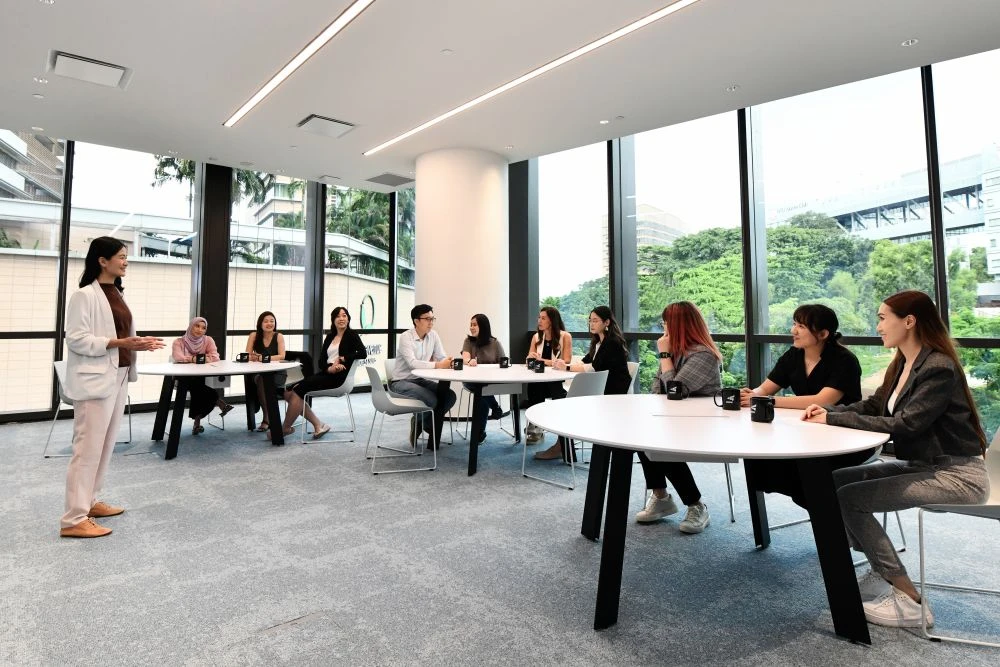
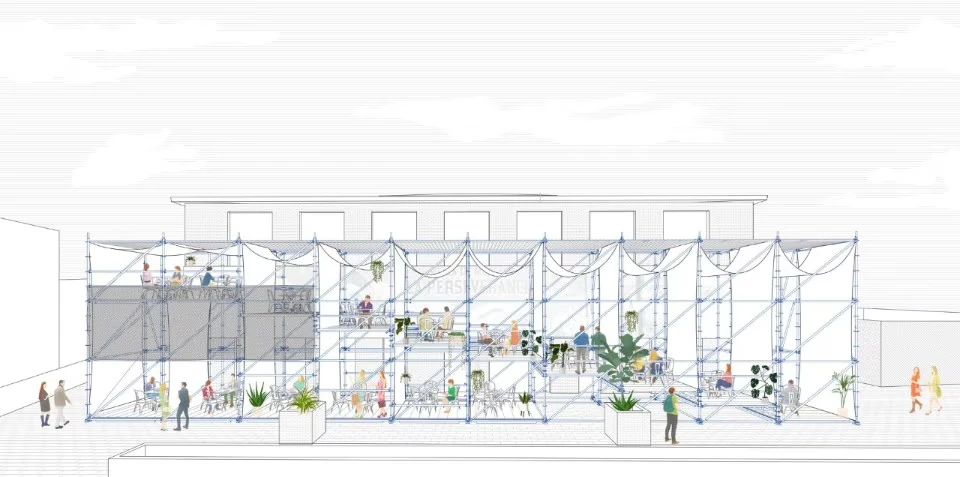
The Kinetic Habitat: Architecture is breaking free from its fixed form. In the world after the pandemic, buildings need to be “poly-functional”—living things that can change shape. A place for distant workers to relax in the morning turns into a community kitchen at night and an art gallery on the weekends.
- Soft Architecture: We can change the layout of interiors without tearing them down by using modular, “kit-of-parts” construction and BIM (Building Information Modeling). This is architecture that listens to what people need instead than telling them what to do.
- The Sentimental Truth: Being flexible is a way of showing respect. It recognizes that our lives are no longer linear and that our structures should be able to change as the people who live in them do.
The 15-Minute City: A Love Letter to the Neighborhood
For a hundred years, we planned our lives around the commute, giving up hours of our day to the roadway. The 15-Minute City is a radical act of reclamation for post-pandemic urbanism.
This is the end of the “commuter desert.” We are making the city smaller again by making sure that all of the important things, like the bakery, the clinic, and the park, are within a short walk.
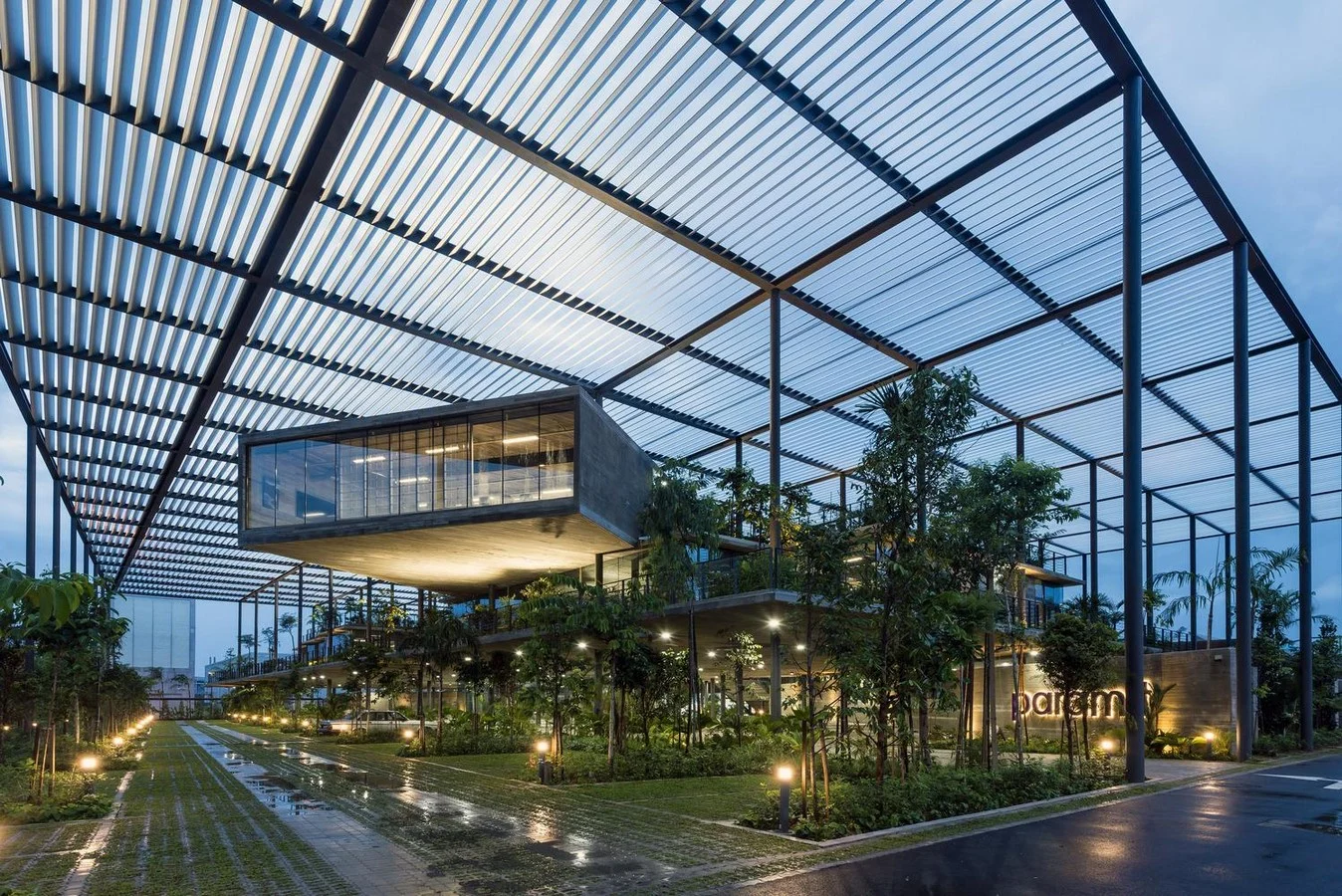
- Tactical Urbanism: “Superblocks” and “Pocket Parks” are taking the place of asphalt. These aren’t just numbers for city planning; they’re the “front porches” of a new era.
- The Soul of Proximity: When you stroll to your neighborhood center, you run into the “spontaneous social collision.” You see a neighbor and note how the seasons are changing. These little things that people do every day are what bring a community back together after years of being torn apart.
Adaptive Reuse: The Art of Giving Something a Second Chance
The buildings that have been around the longest are the ones that make you feel the most. Adaptive reuse is like a second act in architecture. We are seeing the spontaneous transformation of empty office buildings into “vertical villages.”
- The Office-to-Housing Alchemist: Architects are taking out the 1990s cubicles and putting in light wells and community gardens instead. Turning a sterile skyscraper into a lively home for 200 families is more than just a building project; it’s a way for the city to redeem itself.
- Materials with Memory: The “patina” of an old factory wall or a recycled timber beam is very comforting. We feel connected to the past when we build on it instead of deleting it. This is important in a world that is becoming more digital and less tied to places.
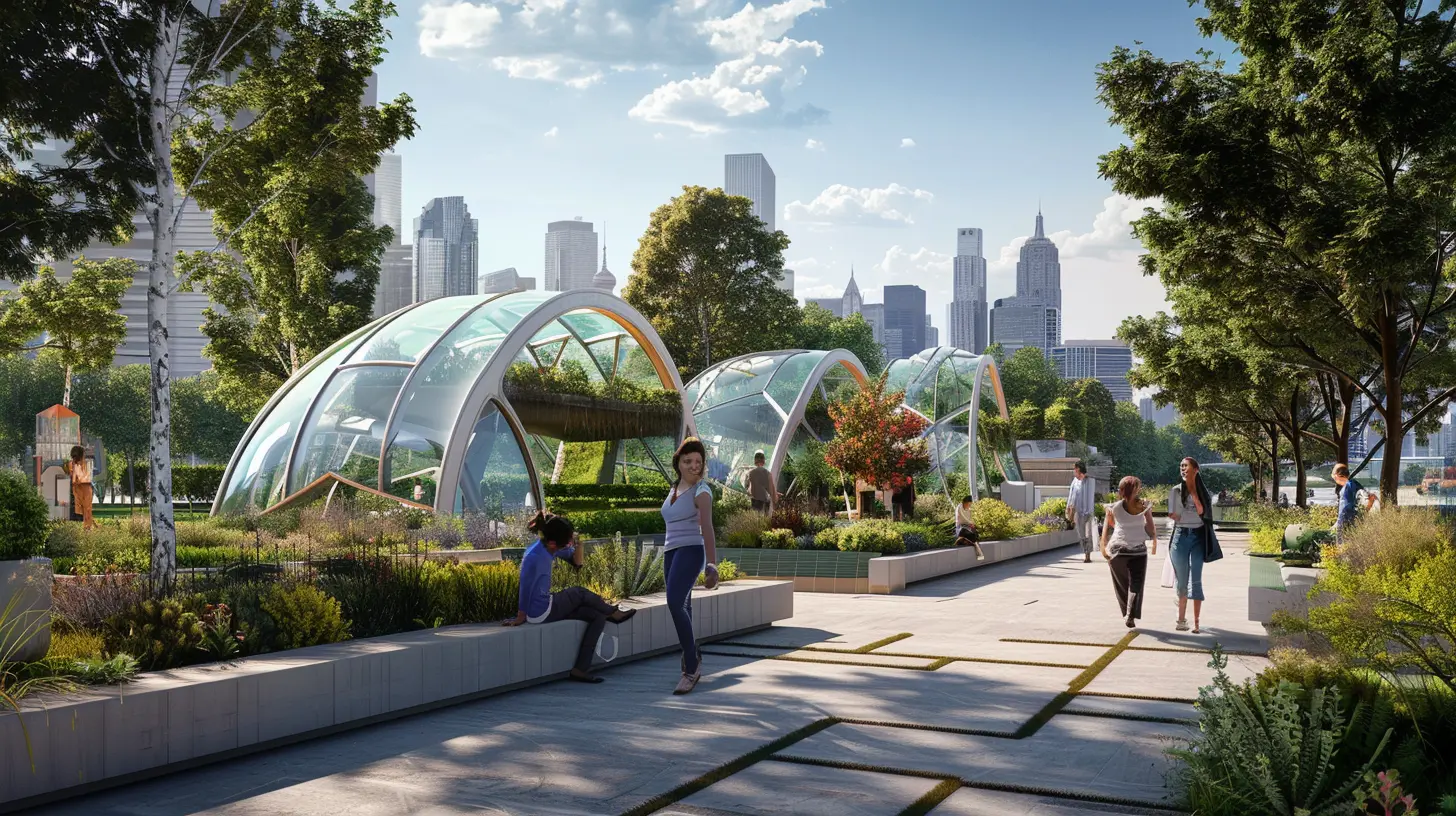
Biophilic Sanctuary: Going Back to Nature
The pandemic showed us that we are not digital beings, but biological ones. We were hungry for the green of the woods and the sound of the waves. So, the shared spaces of 2026 have changed into Biophilic Corridors.
- The Healing Canopy: Nature is no longer only for looks; it is now part of the building.
- Neuro-Aesthetics: Research into “Neuro-Architecture” demonstrates that fractal patterns, like the beautiful chaos of a tree’s branches or a stone’s grain, make dopamine levels rise. We are actually putting happiness into our plazas.
- The Breath of the Building: Passive ventilation and indoor atriums make sure that we are no longer breathing “recycled air” but air that comes from the outside. It is a return to a relationship with the earth that works together, and it is a realization that the “outside” and “inside” were always supposed to be one.
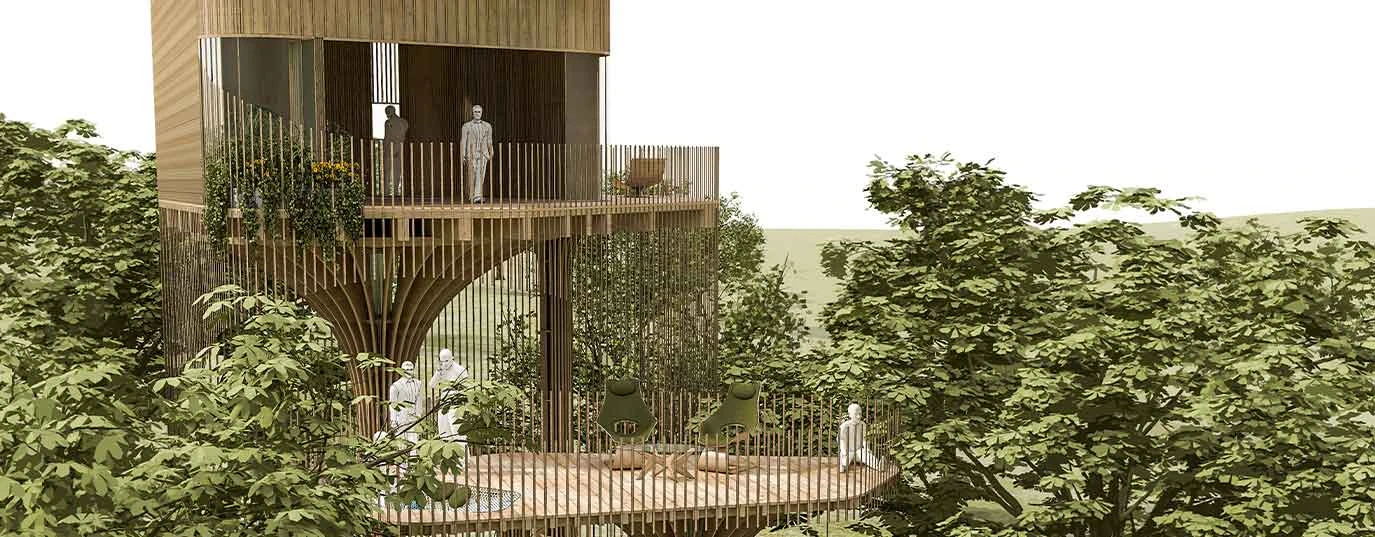
The Architecture of the “Refuge”: Taking Care of the Individual in the Crowd
Having shared spacedoesn’t imply you can’t have privacy. The idea of “Prospect and Refuge” has changed since the pandemic. People do best when they can see the social environment clearly (the prospect) and feel safe (the shelter).
- Acoustic Sanctuary: Silence is the new luxury in a world full with noise. 2026 design combines “sound-shadows” and acoustic felt to make quiet spots in congested transit hubs.
- The Threshold: We’re focusing more on the “porch,” which is the area between the street and the house. These semi-private areas let us interact with the world on our own terms and give us a “buffer of peace” that keeps our minds healthy.
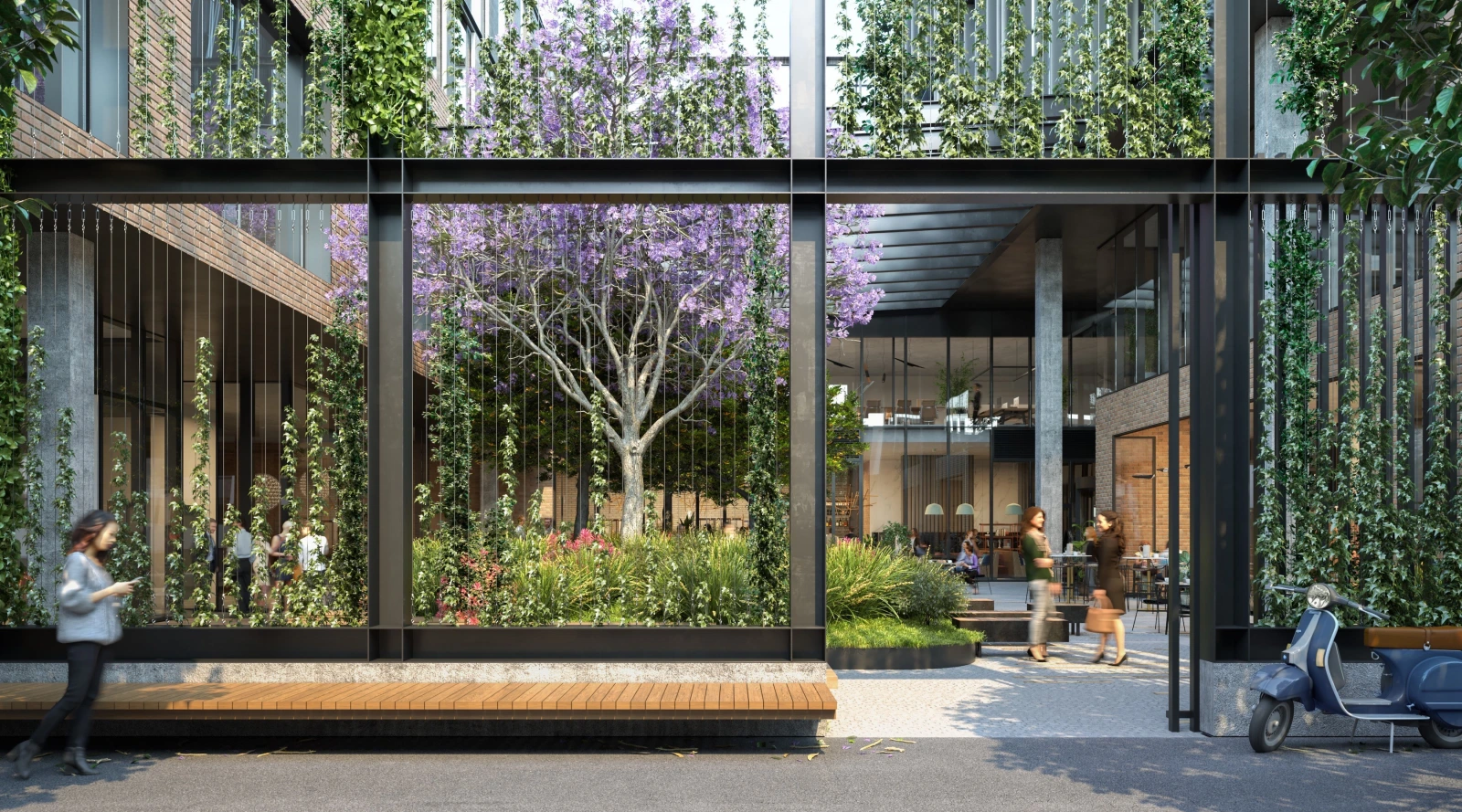
Technology as the Invisible Weaver: The Digital Soul
Our hearts are on the organic, yet the digital helps us stay alive. In 2026, technology has become the “invisible weaver” of the community.
- Digital Twins: Planners utilize AI to mimic human empathy in design by figuring out how a person may travel through a park to make sure no one feels alone or uncomfortable.
- Intuitive Interaction: We’ve moved on from “smart tech” that feels like a toy. The new gadget is “Endotic,” which means it fits in with the space. Lights that dim while you’re alone to make you feel better, or air that changes its smell to keep you on task. It is a building that looks out for you.
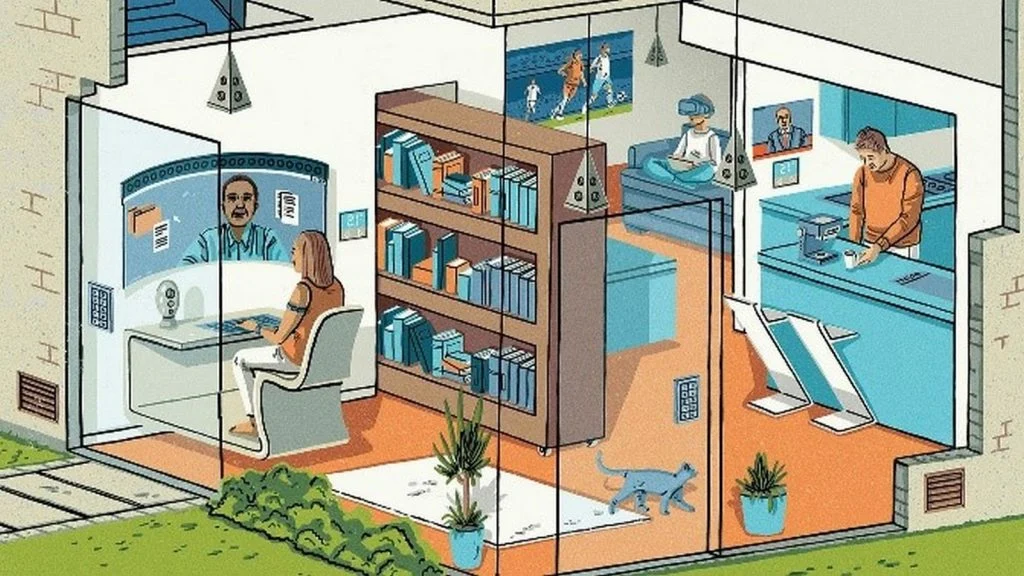
Key Points: Making the World More Human
- From Transit to Place: Not only cars should use the streets.
- The Value of the Interstitial: The “spaces between” buildings are where the city’s heart is.
- Softness Makes You Strong: A building that can alter is a building that can last.
- Nature as a Human Right: Having access to sunshine and plants is the most important thing for public health.
Conclusion: The Legacy of Our Renewed Hope
The “Great Pause” was a tragedy, but it was also a gift. It was a moment of clarity in a world that was always moving. We are choosing to establish a world that values the Heartfelt over the Hard-coded as we change our shared spaces.
The amazing future of architecture doesn’t depend on how tall the spire is or how much the glass costs. You can find it in the laughter that fills a repurposed plaza, the serene peace of a library bathed in sunlight, and the simple, deep delight of being together again. We’re preparing the stage for a new story about people, one where the city finally loves us back.
For more blogs like this CLICK HERE!!!
Reference: