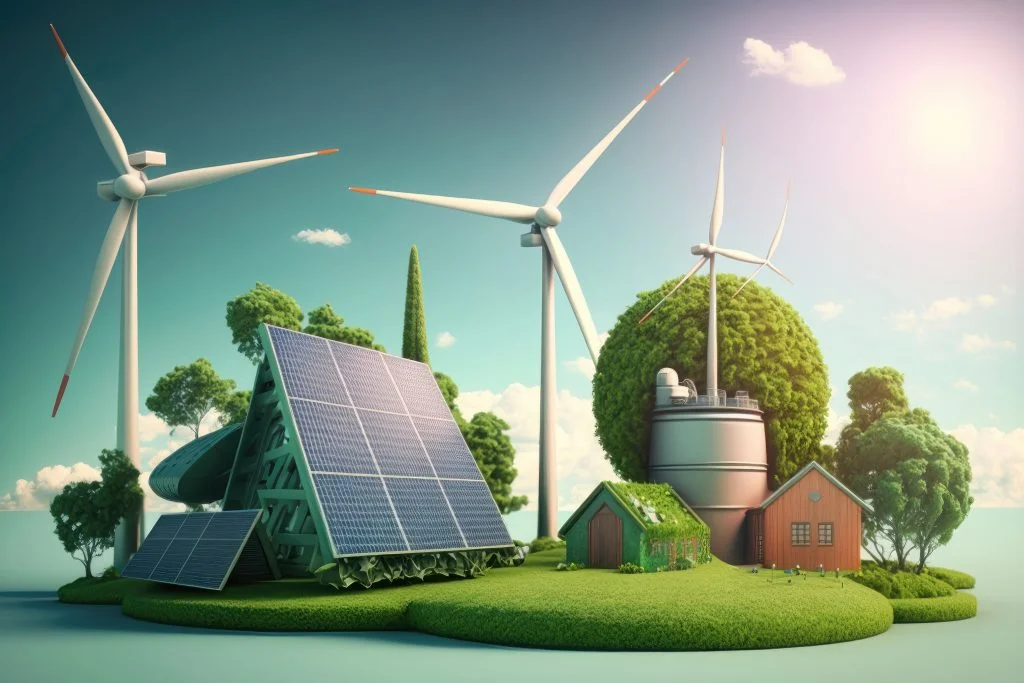
For a long time, people thought of solar panels as big, blue rectangles that were clumsily affixed to roofs. They were an eyesore that had to be there to help the environment. But that story has changed completely as we go into 2025. We are now in the time of Seamless Sustainability, when renewable energy is not just a “add-on” but the building’s very DNA.
Today’s architects are like modern-day alchemists, turning sunlight, wind, and the heat of the ground into power sources that we can’t see. It’s not just about saving money on your utility bills; it’s about a beautiful vision for a world where our buildings give back more than they take. The “Net-Zero” goal is finally coming true in our daily lives, with the worldwide green construction market expected to reach $610 billion by the end of 2025.
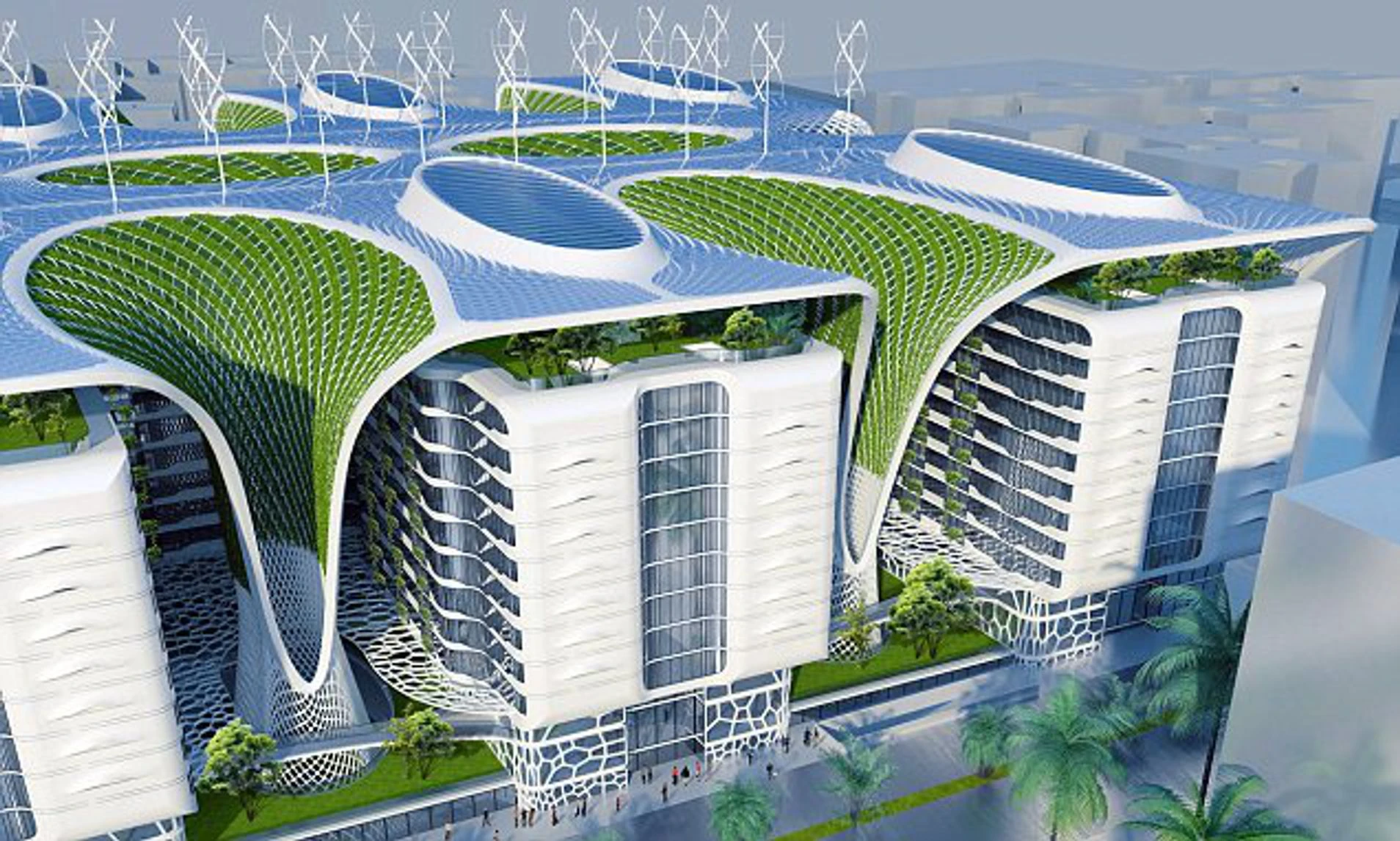
Solar Skins: The Rise of Building-Integrated Photovoltaics (BIPV)
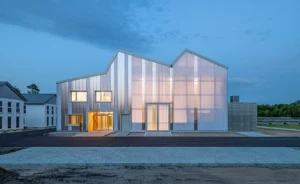
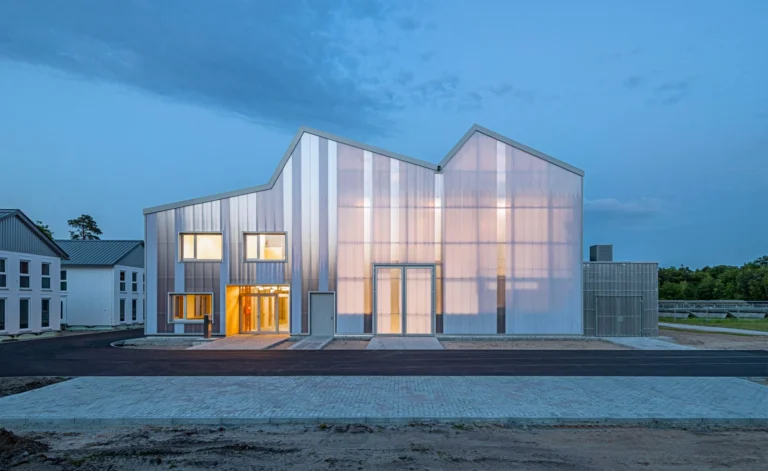
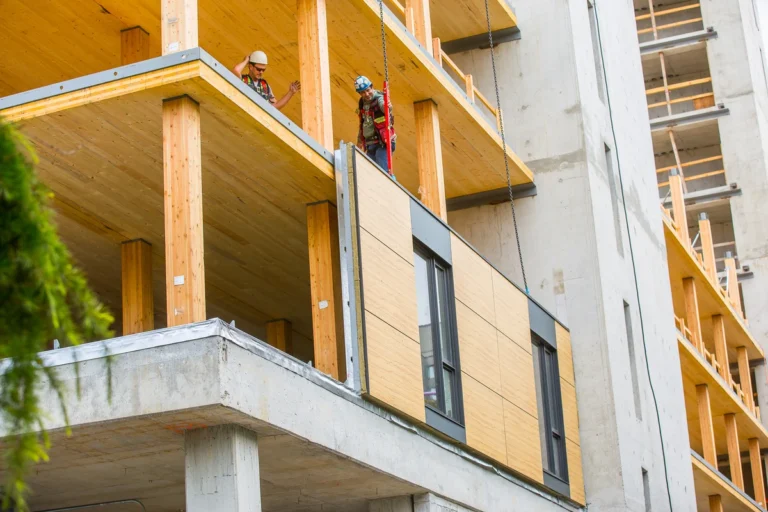
The biggest change in 2025 is going from “panels on the roof” to Building-Integrated Photovoltaics (BIPV). Architects can use this technology to replace typical building elements like glass, shingles, and cladding with parts that make energy.
- Solar Glass: Transparent solar windows are currently being put in skyscrapers. These have tiny organic cells that trap infrared and ultraviolet light to make electricity while letting natural light into the building.
- Aesthetic Integration: Solar shingles now look so much like real slate or terracotta that homeowners can’t see the energy source at all.

Capturing the Sky: Architecture that Uses Wind
Solar energy is the star, but wind energy is making a big comeback thanks to new ways of designing cities. Architects are making structures that are the turbines since traditional wind turbines are too loud for cities.
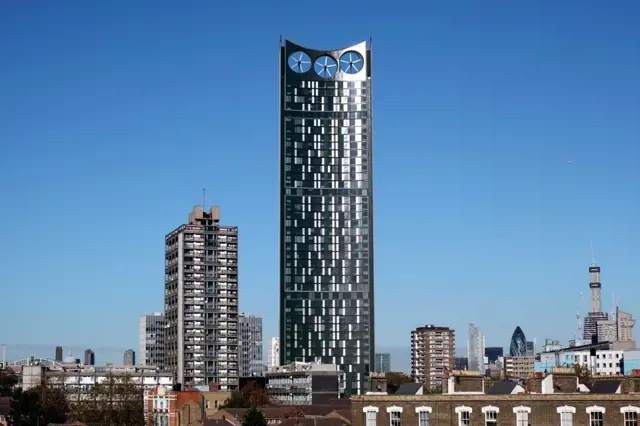
The Venturi effect is used by innovative “porous” facades to shape the building like a wing, which speeds up the wind through built-in vertical-axis turbines. Buildings like the Strata SE1 in London have paved the way, but designs for 2025 are even more advanced. They use AI-driven aero-skins that change shape in real time to follow the wind, giving up to 10% of a skyscraper’s energy without making any noise.
The Earth’s Heartbeat: Geothermal and Thermal Mass
One of the most emotional parts of the design for 2025 is the return to the planet. Geothermal heat pumps use the soil’s consistent temperature (usually approximately 13°C all year) to heat and cool buildings.
- Efficiency: Geothermal systems can cut heating and cooling energy use by as much as 72% compared to regular HVAC systems.
- Thermal Mass: Architects are using this with high-density materials like rammed earth or “phase-change materials” (PCMs), which operate like thermal batteries by storing heat during the day and releasing it at night.
Net-Zero and Energy-Plus: From Consumers to Prosumers
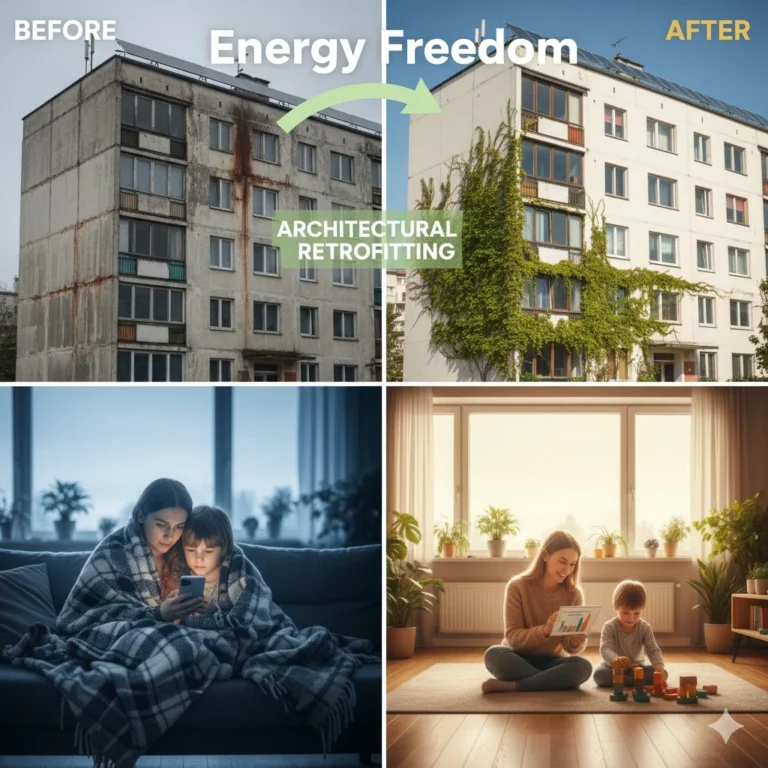
The Net-Zero Energy Building (NZEB) is the ultimate objective for 2025. This is a building that makes as much energy as it uses each year. But today we are seeing the rise of Energy-Plus designs. These buildings make more energy than they use, and that extra energy goes back into the local micro-grid.
The solar energy sector is predicted to make up 58% of the net-zero market by 2025. This change makes homes “prosumers,” which means they can sell extra power back to the community. This makes the energy network more decentralized and less likely to go down during power outages.
Bioclimatic Design: Letting Nature Lead Architects are Rediscovering
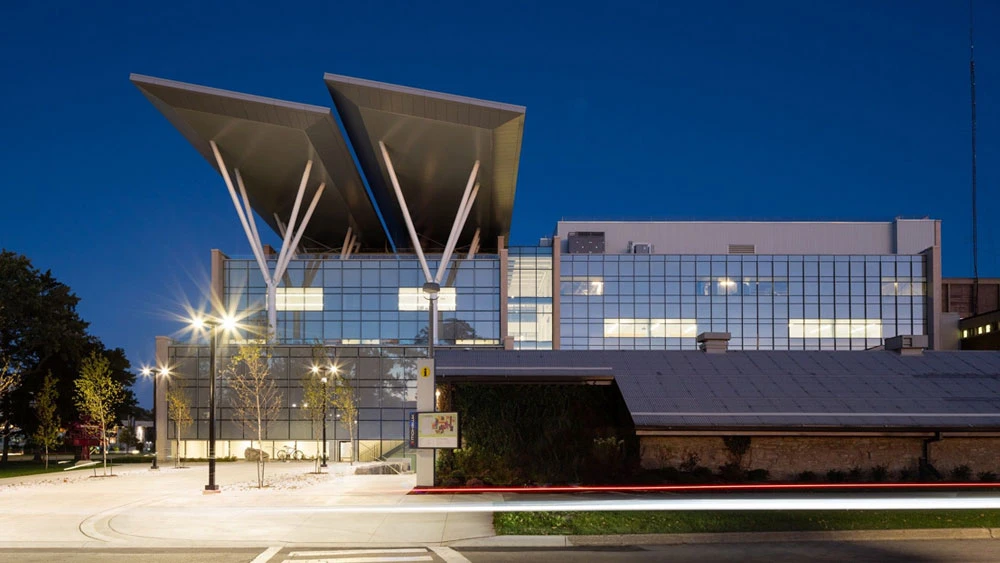
Bioclimatic Design, which leverages the climate of a place to reduce energy consumption before adding technology.
- Solar Orientation: AI-powered tools find the best angle for a building to get the most winter sun (for heat) and summer shadow (for cooling).
- Natural Ventilation: “Solar chimneys” are being installed into new offices to pull cool air up from the bottom and let hot air out the top. This cuts down on the requirement for mechanical cooling by 40%.
The Emotional Strength of Green Design
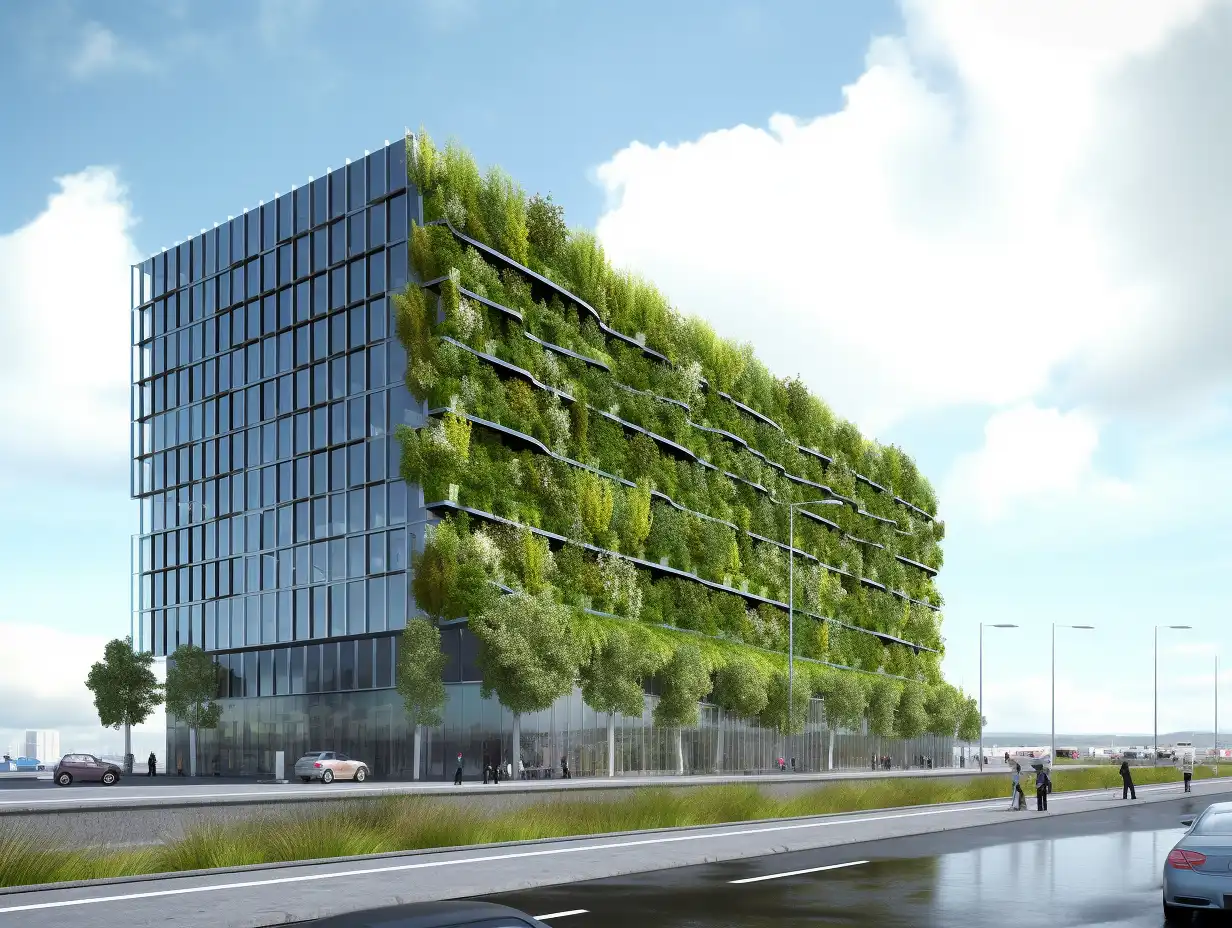
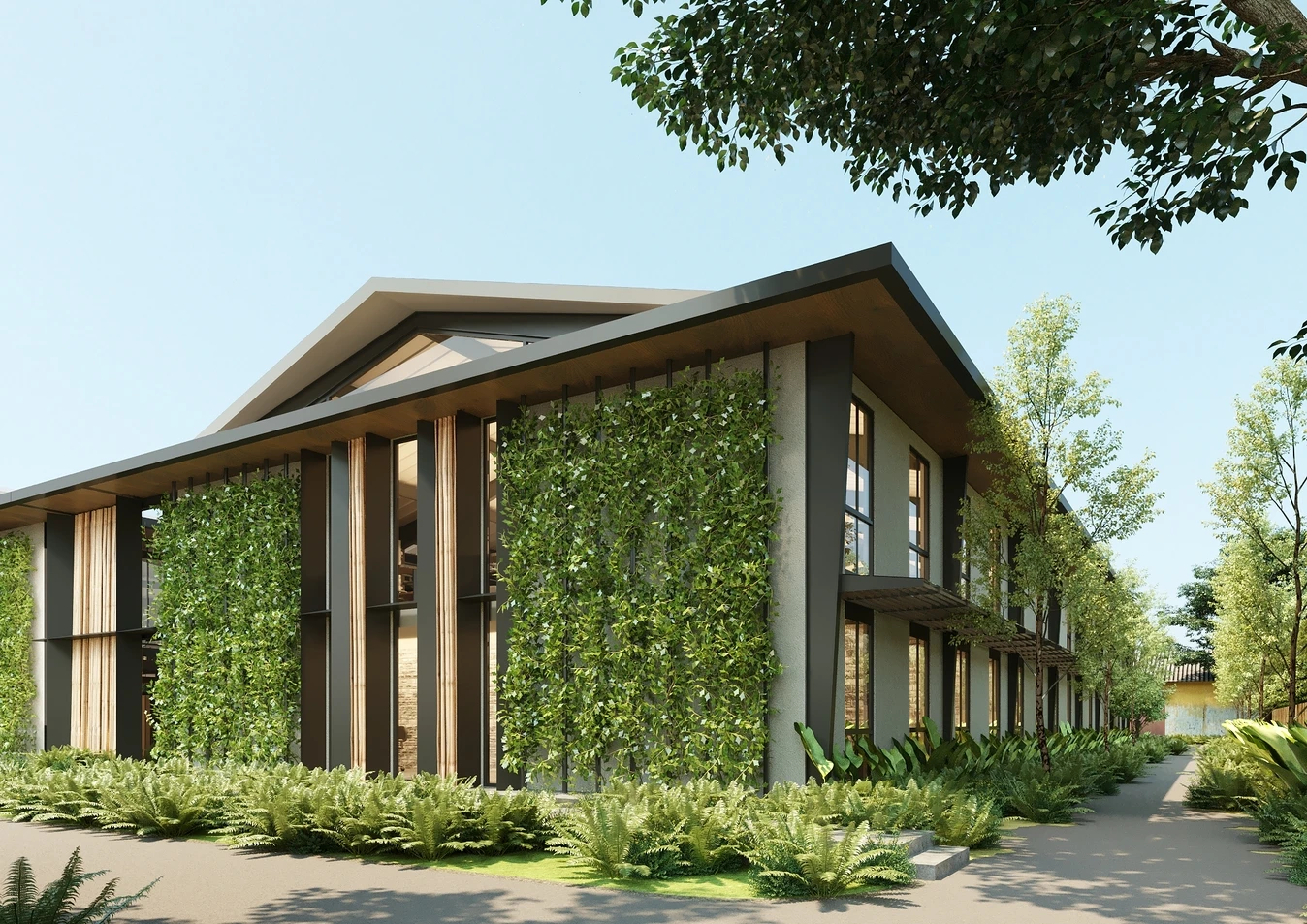
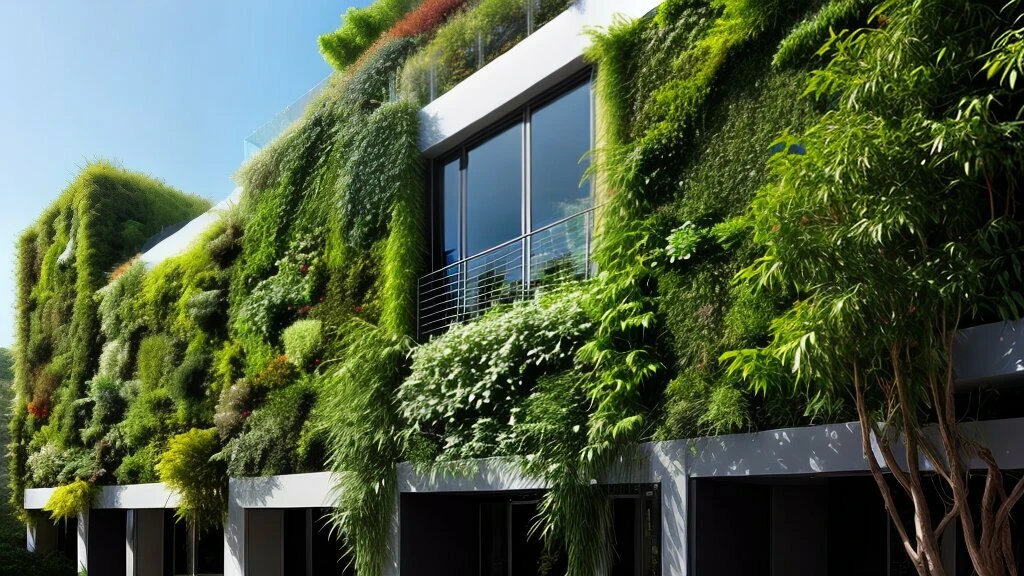
These places have a deep emotional effect beyond the numbers. Biophilic Design, which includes living walls and natural light, is widely used in buildings that run on renewable energy.
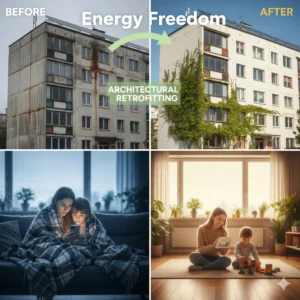
When you know that the walls around you are also cleaning the air and collecting sunlight, it transforms how you feel about the world around you. People who live in 2025 sustainable developments say they are 20% happier with their lives overall and have much less “eco-anxiety.” Knowing that your home is helping to heal the world brings a lot of comfort.
The Real World: Putting Money into a Greener Future
Even if BIPV or geothermal systems cost 5–10% more up front, they are a good investment in 2025 because of the state of the economy
- Savings on bills: The “green premium” usually pays for itself in 5 to 7 years because utility bills are lower.
- Property Value: A certified net-zero home can sell for up to 15% more than other homes on the market right now.
- Incentives: Governments now give big tax breaks and “Green Mortgages” with lower interest rates to buildings that use renewable energy.
The Future: Energy from Perovskite and 3D Printing
Perovskite solar cells are the next big thing as we move ahead to 2030. These are light, flexible, and may be printed on practically any surface, even curved walls and fabric awnings. This will make every square inch of a city a possible energy source, making the border between “building” and “power plant” even less clear.

Conclusion: A Harmony of Shape and Function
The way renewable energy has changed architecture is a stunning example of human creativity. The best structures by 2025 won’t be the ones that stand out from nature; they’ll be the ones that work with it.
We’re not just making boxes anymore; we’re making a legacy. Every solar shingle and every spire with wind power is a pledge to the next generation that we may live in luxury without hurting the planet’s future. The vista is wonderful, and the skyline is getting better.
For more content like this CLICK HERE!!
Reference: