For the last hundred years, cities were created to work well, not to be nice places to live. We built strict, single-use zones: one for work, one for shopping, and far-off suburbs for resting. This “zoning” method caused long commutes, social isolation, and huge “dead zones” that are empty for half the day.
But as we get closer to 2025, a new way of thinking is watering the “concrete desert.” Multi-functional urban spaces are no longer merely a trend in architecture; they are a stunning way for modern communities to stay alive. These are the areas where life happens in a way that is both meaningful and lasting.

What are Multi-Functional Spaces?
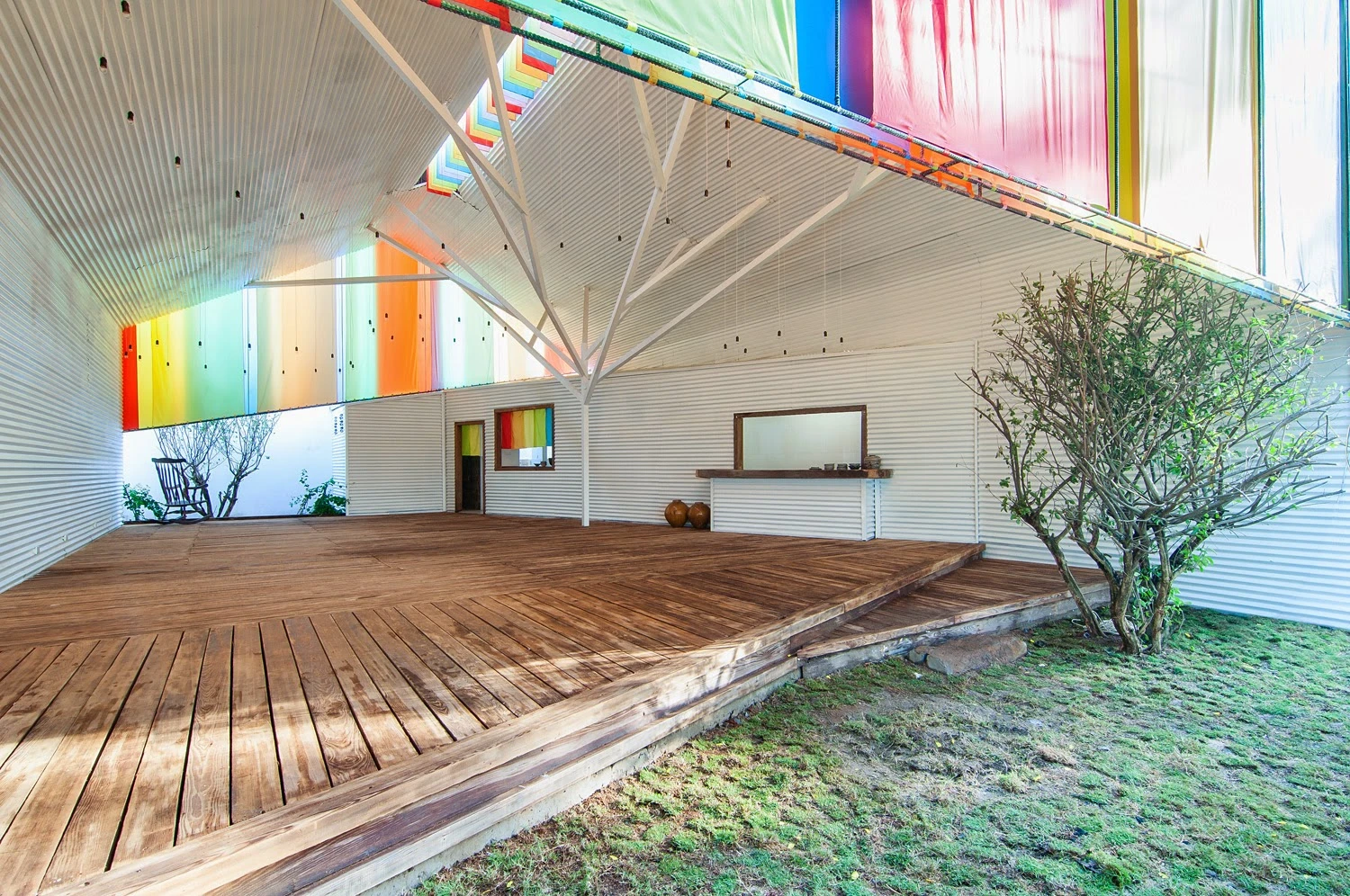
A multi-functional space is a city area that can be used for more than one thing at a time or all day. For example, a public plaza could be a farmer’s market on Saturday mornings, a place to work together on Tuesday afternoons, and an open-air movie theater on Friday nights. This “Swiss Army Knife” way of planning makes sure that the city never stops beating.
The End of the “Dead Zone”: Why Variety is Important
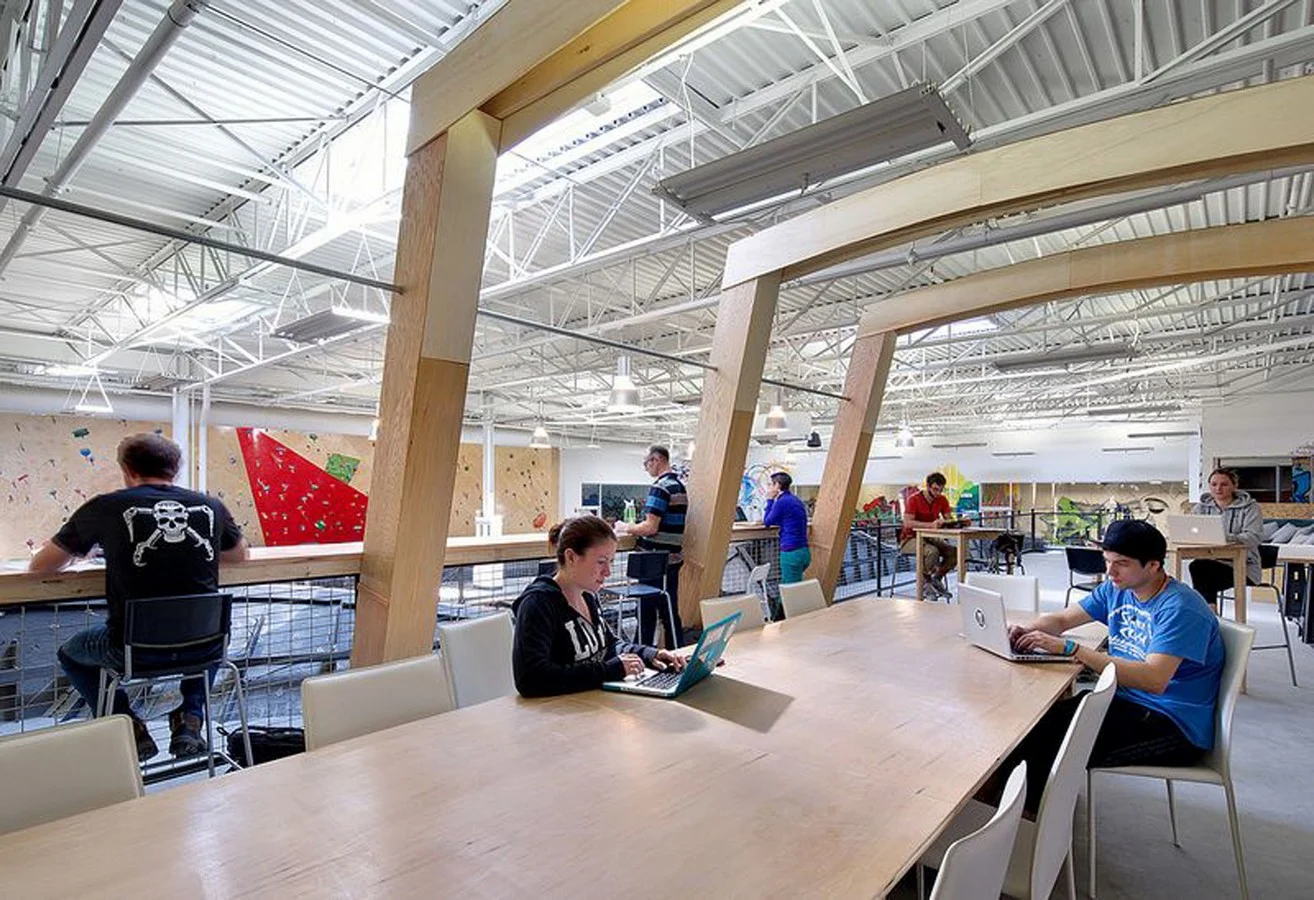
After 6 PM, business districts are generally empty, while residential parks are quiet during the week. The multi-functional revolution of 2025 fixes this by putting different uses on top of each other in the same space.
- Vertical Integration: Modern skyscrapers like the Shanghai Tower or Milan’s Bosco Verticale now have “vertical cities” with forests, offices, and apartments all in one footprint.
- The “Third Place”: Planners are looking at places that aren’t home (the first place) or work (the second place). These community centers, like libraries that also serve as makerspaces or cafes that also have local art galleries, keep neighborhoods lively all the time.
The 15-Minute City: A Nostalgic Return to Our Roots
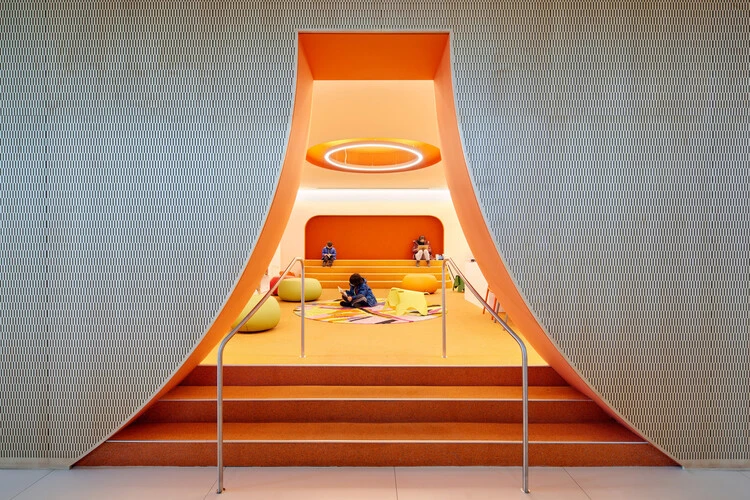
There is a deep, emotional need for the “village feel” in our big cities. The best response is the 15-minute city model, which says that everything you need is within a short walk or bike ride.
By spreading out services, we make the commute less stressful and give families more time. In 2025, cities like Paris and Bogota will turn traffic lanes into “pocket parks.” This change makes people feel like they really belong in the city, because they feel like it supports their way of life instead of forcing them to change to fit in with the traffic.
Adaptive Reuse: Giving Old Bricks a New Life
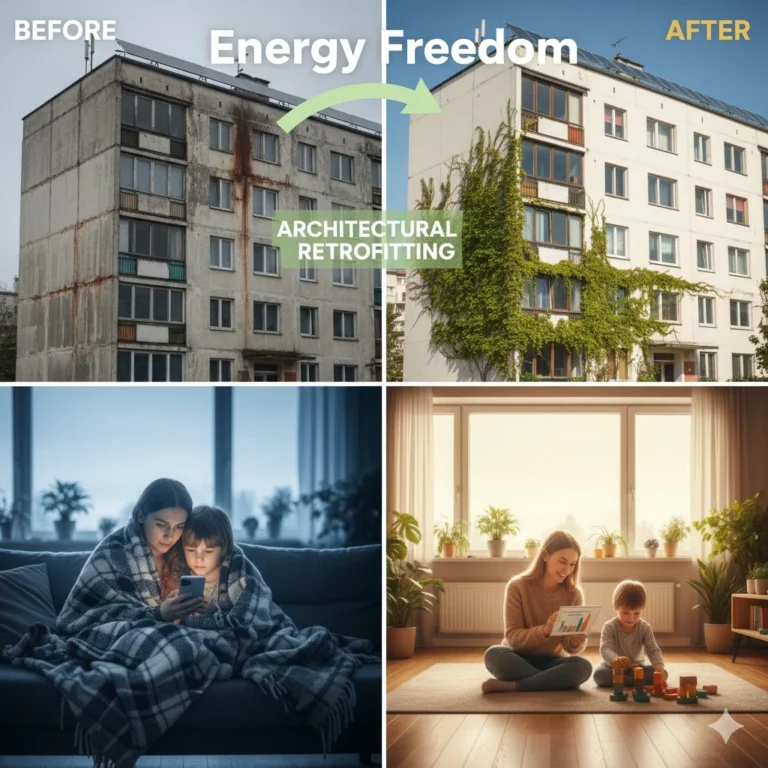
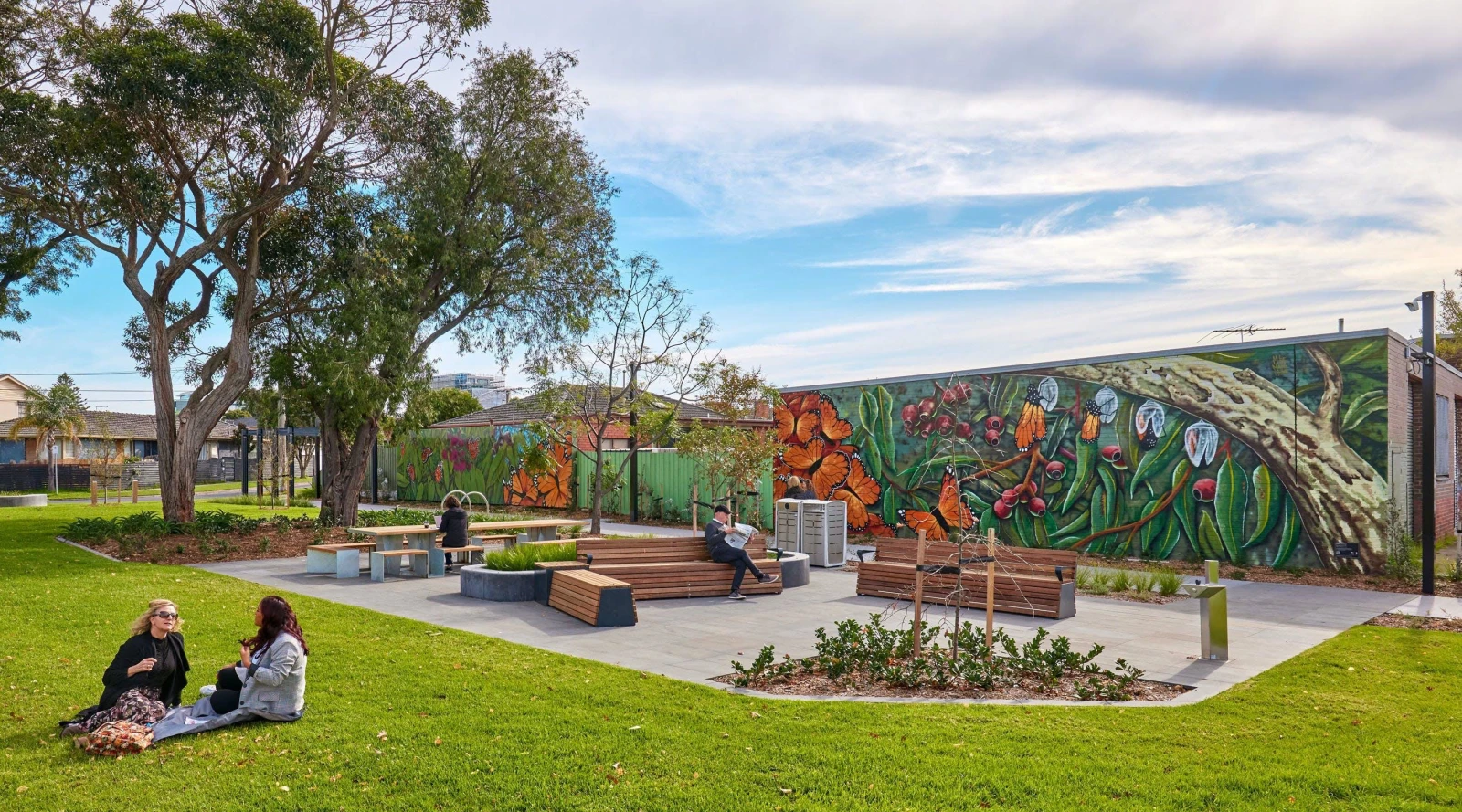
Adaptive reuse is one of the most inspiring things about urbanism in 2025. We are not destroying history; instead, we are reimagining it to lower “embodied carbon.”
- Industrial Echoes: Old warehouses in cities like London and New York are being turned into “Maker Spaces” for the community.
- Transit Hubs as Hearts: The High Line in New York City showed that an old train line may be turned into a beautiful, elevated public park. Cities are going even further in 2025 by turning empty parking garages into community centers and indoor urban farms.
Tactical Urbanism: The Strength of Little Changes
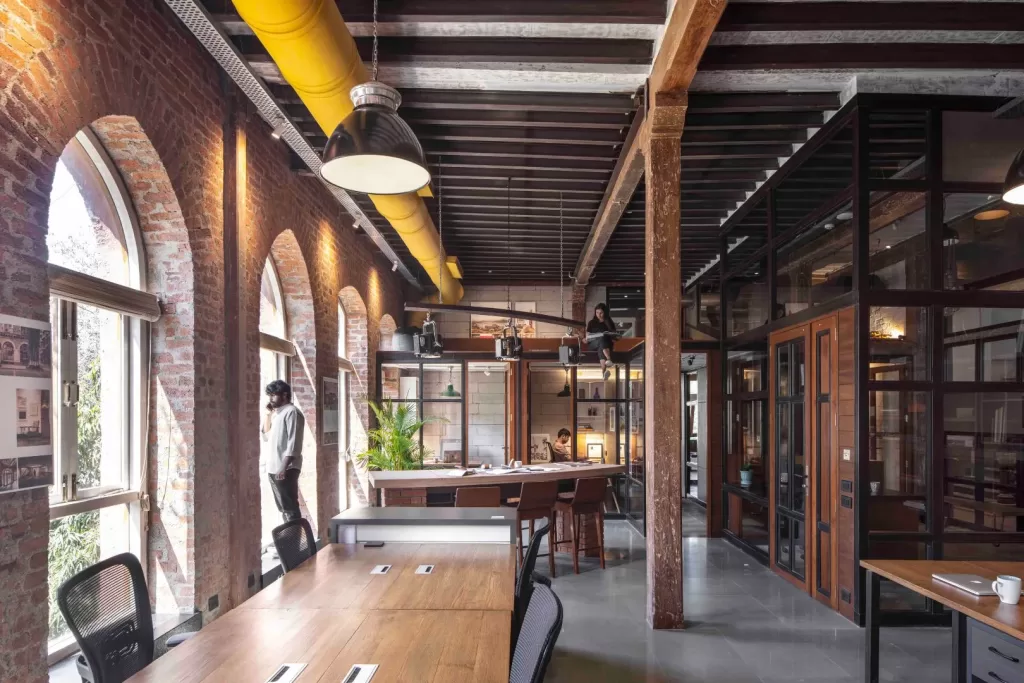
You don’t necessarily need a billion dollars to help a community. Tactical Urbanism, which emphasizes short-term, low-cost changes, is in charge in 2025.
Think of a “pop-up” parklet in a parking space that used to be one or a street corner covered with bright murals to slow down traffic. These “lighter, quicker, cheaper” changes are like living laboratory. They let people try out concepts like pedestrian-only zones before making them permanent. The city stops being a “thing” and starts being a home when people see their art on the walls and their kids playing in reclaimed areas.
Technology as a Bridge You Can’t See
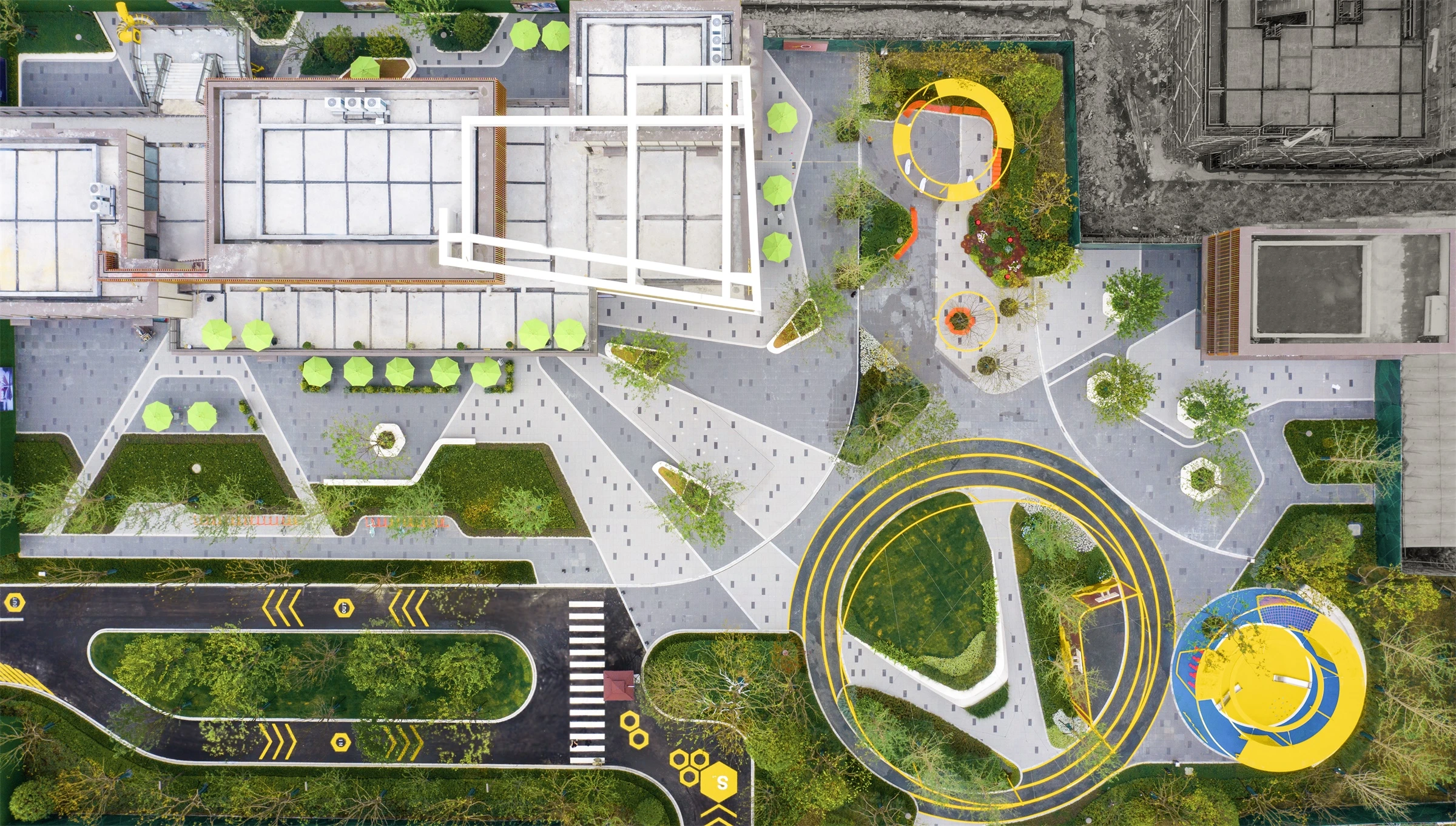
The feeling is human, but the work in 2025 is high-tech. Smart City technology makes it possible for public places to change.
- Responsive Environments: Parks with lights that change dependent on how many people are walking through them to save energy and keep people safe.
- Digital Hubs: Solar-powered benches that offer free Wi-Fi and keep an eye on the quality of the air in the area.
- Real-Time Data: AI can keep an eye on how people use a plaza, so city planners may quickly replace an unused fountain with a dog run or playground that people really want.

The Healing Power of Nature-Inspired Design
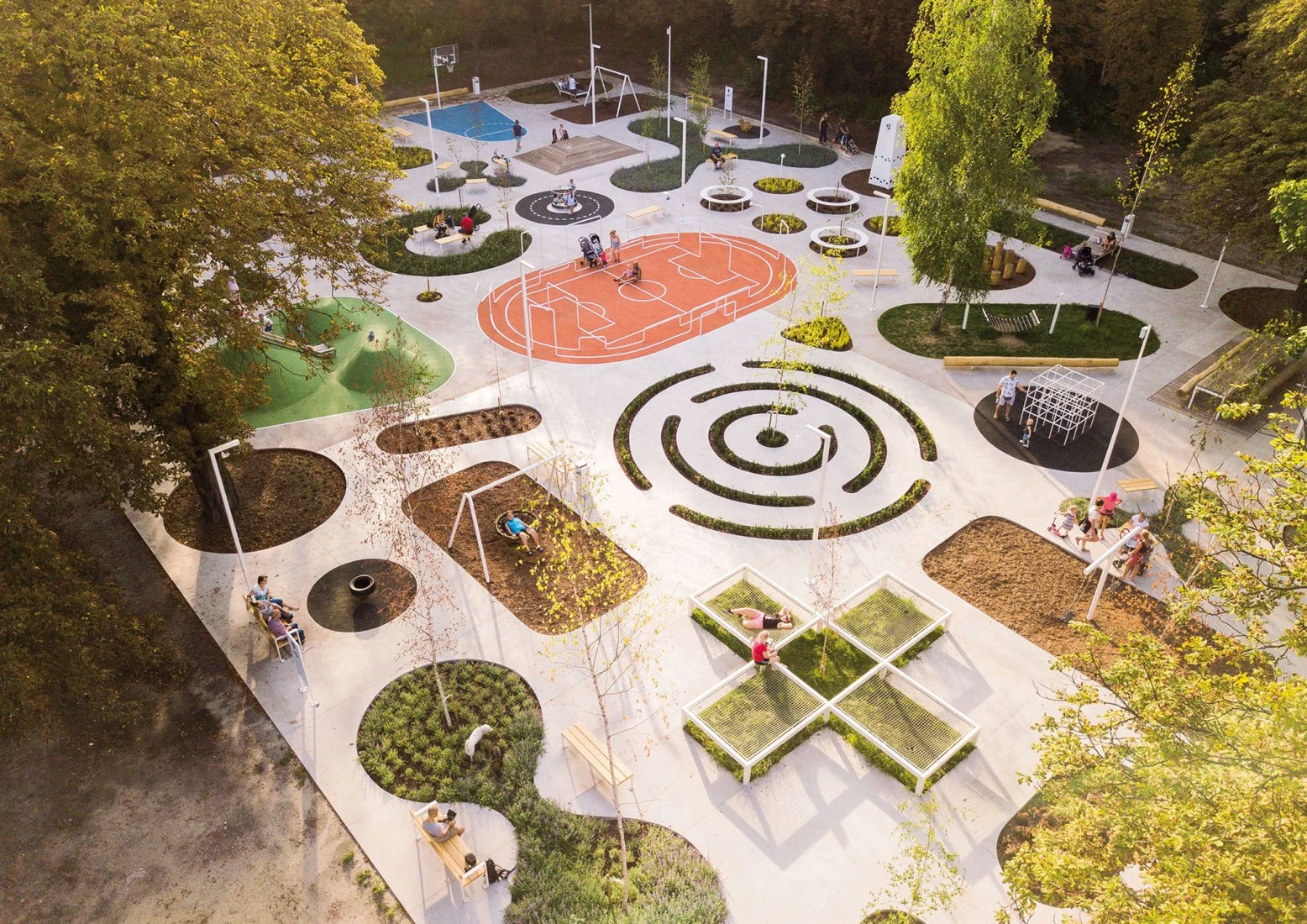
We are living in a digital world, but we are biological beings. In 2025, multi-functional zones will use Biophilic Design to help people deal with anxiety in cities.
It’s not just about how things seem when you combine “Blue Spaces” (water features, restored urban streams) with “Green Spaces” (rooftop gardens). People who live in multi-functional green zones say they are 30% less stressed. These areas work like “urban lungs,” cleaning the air and lowering the temperature of the city by up to 5°C during summer heat waves.
Economic Resilience: Why the Heart is Important for Business
It’s clear that multi-functional zones have a good return on investment (ROI).
- More People: Mixed-use areas always have people around, which is much better for local businesses than “office districts.”
- Property Values: Homes that are close to high-quality public squares or multi-purpose hubs sell for 12% more.
- Climate Savings: Multi-purpose plazas typically work as “sponge city” infrastructure, soaking up floodwaters and saving millions in damage to infrastructure.

Inclusion: Ensuring No Community is Left Behind
The revolution will only work if it is fair. “Equitable Urbanism” makes sure that these places aren’t just for the rich in 2025.
- Universal Access: Every new hub is meant to be completely open to people of all ages and abilities.
- Links to Affordable Housing: Modern planning relates the building of new public spaces to the protection of affordable housing, making sure that the individuals who constructed the community can afford to stay and enjoy its new heart.
Final Thoughts: A Legacy We Create Together
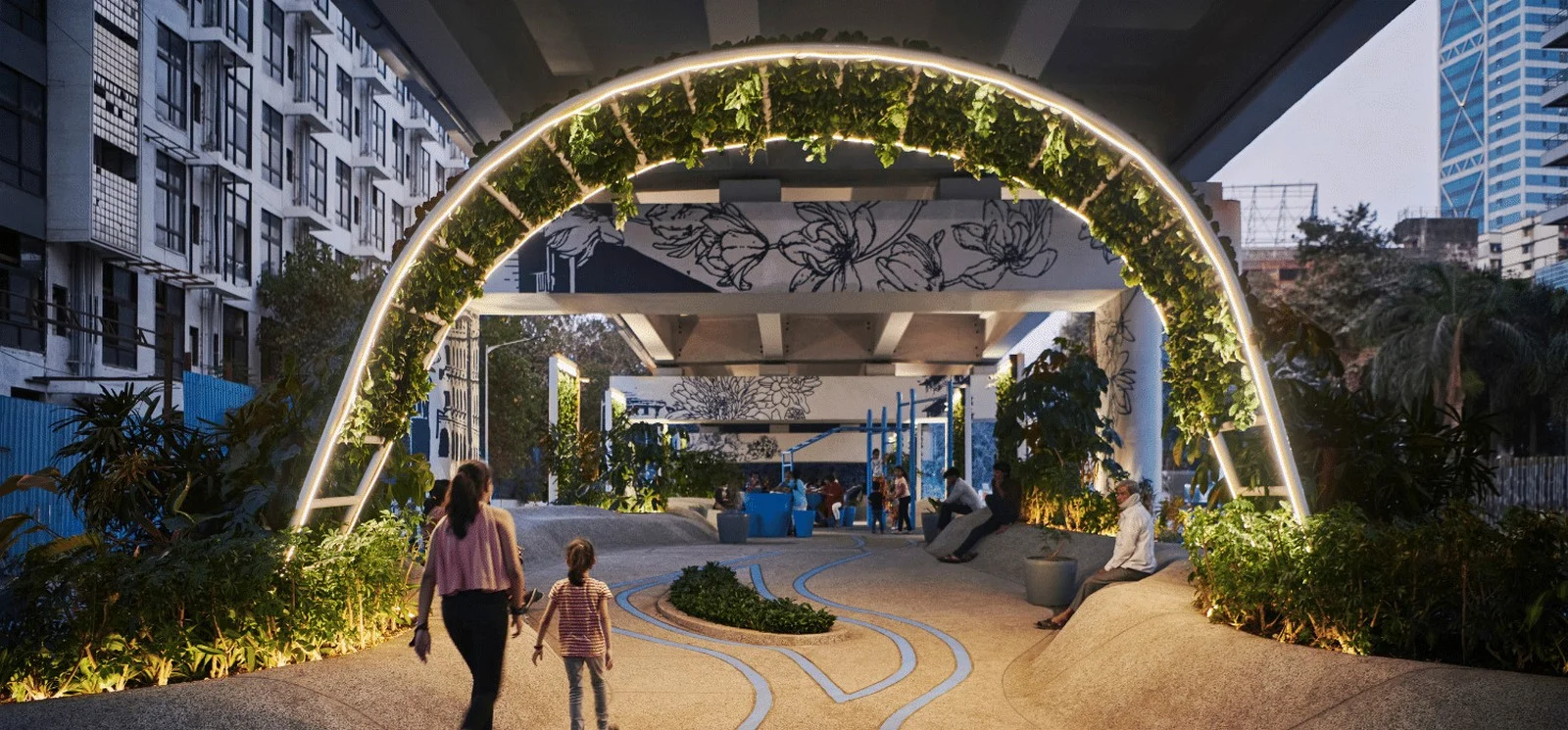
Reimagining our public places is the most critical thing we can do for our generation. By welcoming the growth of urban neighborhoods that serve several purposes, we are doing more than just creating a city; we are building a legacy of connectivity.
In 2025, the amazing changes to our streets show that when we design for the heart, the intellect, and the economy all follow. It’s not a high-tech fortress; it’s a lively, multi-layered home where everyone can find a place to belong.
For more blogs like this CLICK HERE!!!!
Reference: