In 2025, the meaning of “home” has changed in a big way, almost like a seismic shift in architecture. It’s not just about how good the house looks from the street, how open the kitchen is, or how clever the appliances are; it’s about how long they last. Fortified Architecture is a new architectural movement that is growing as climate change becomes a normal aspect of life around the world. “Once-in-a-century” storms now happen every few years.
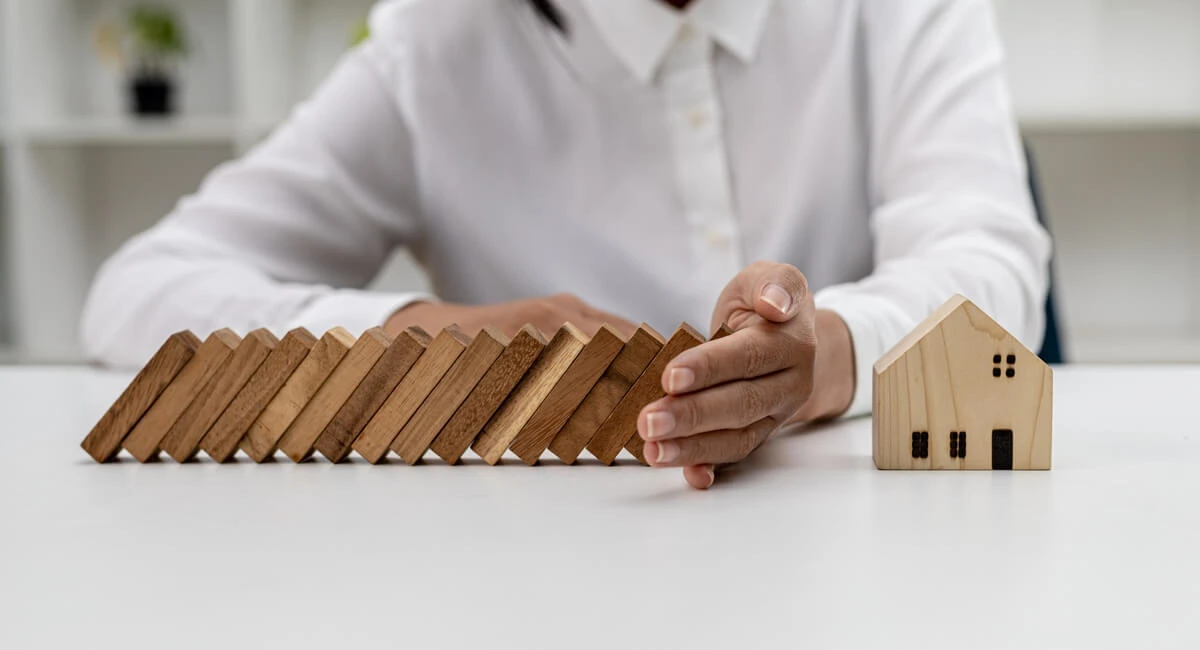
The best way to show someone you love them is to build a strong household. You are promising your family that their safe place will stay standing no matter what happens in the future, whether it’s wildfires, flash floods, or winds strong enough to knock down trees. This isn’t “prepping” in the weird sense; it’s smart, long-term care for the people you care about the most.
The Growth of “Passive Survivability”
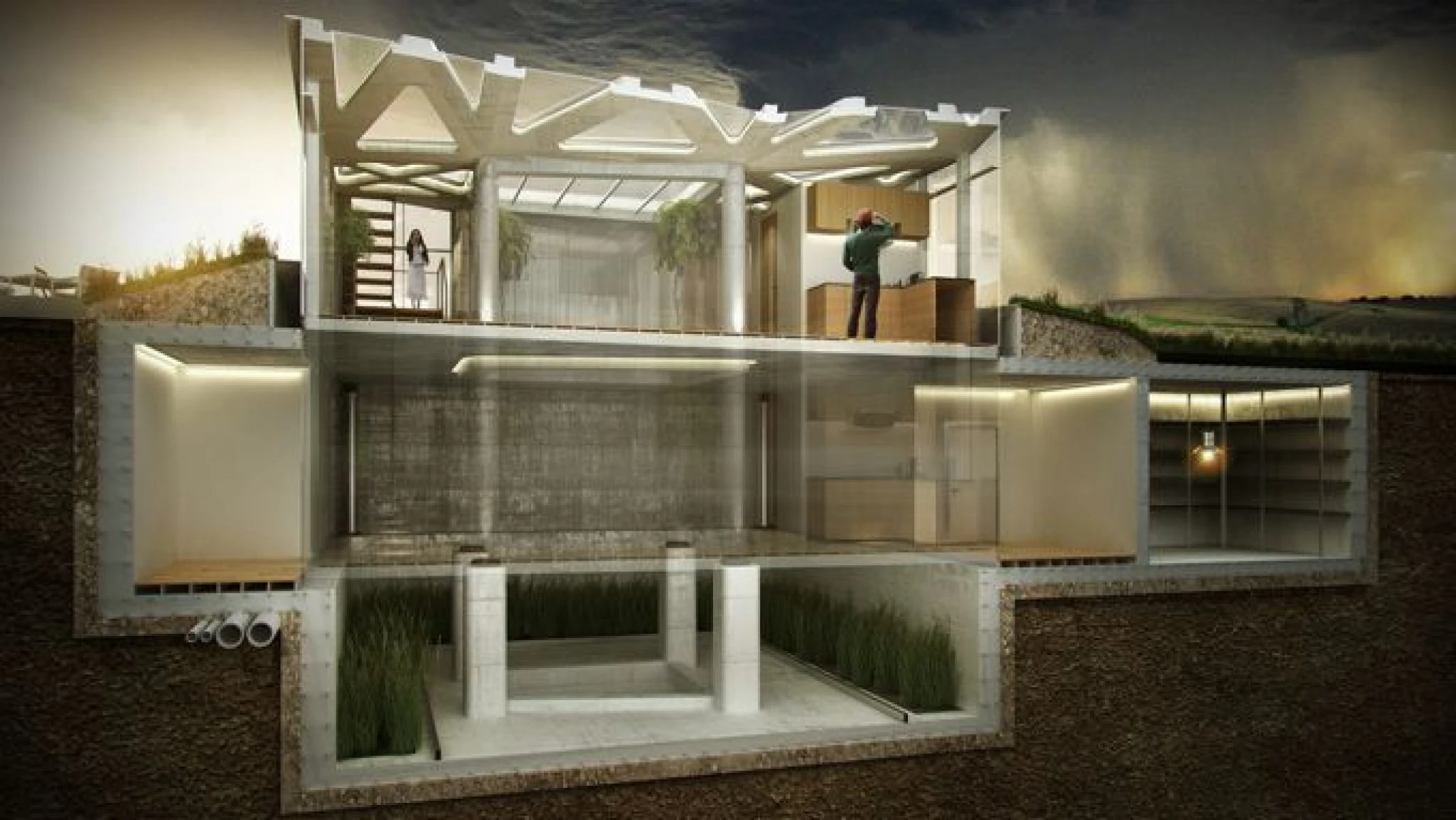
Passive Survivability is one of the most important high-density keywords in 2025. This idea is about how a building can stay livable (with comfortable temperatures, clean air, and drinkable water) even if there is a long power outage or a complete failure of the infrastructure. A house that can “take care of itself” is the best gift you can give your family in a world where the electrical grid is getting more and more stressed.
This indicates for a family home:
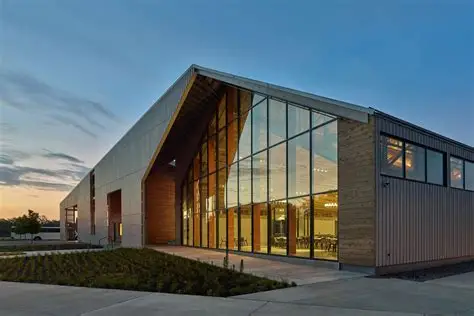
- High-Performance Thermal Envelopes: Using materials like Insulated Concrete Forms (ICFs) to keep the house cool in the summer and warm in the winter without needing an HVAC system.
- Gravity-Fed Water Systems: Making sure that your household always has access to clean, filtered water stored in tanks that are high up or rely on gravity.
- Natural Ventilation Paths: Making “thermal chimneys” that use only the principles of physics to move cold air through the house.
Material Science: The Backbone That Can’t Be Broken
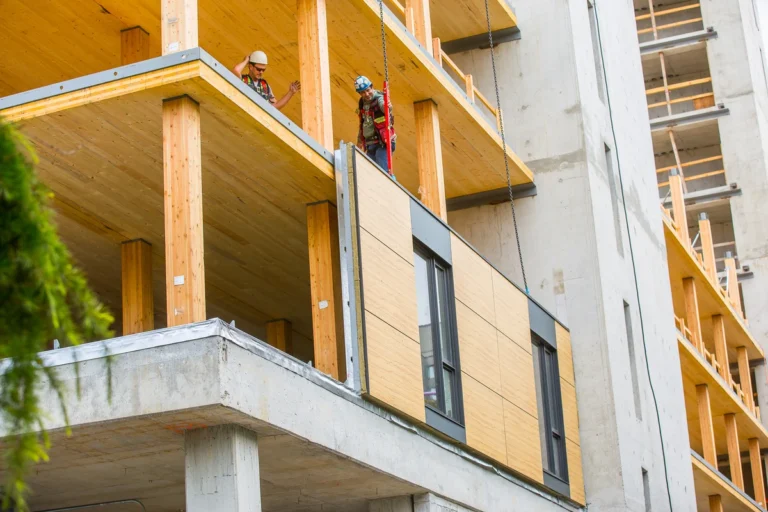
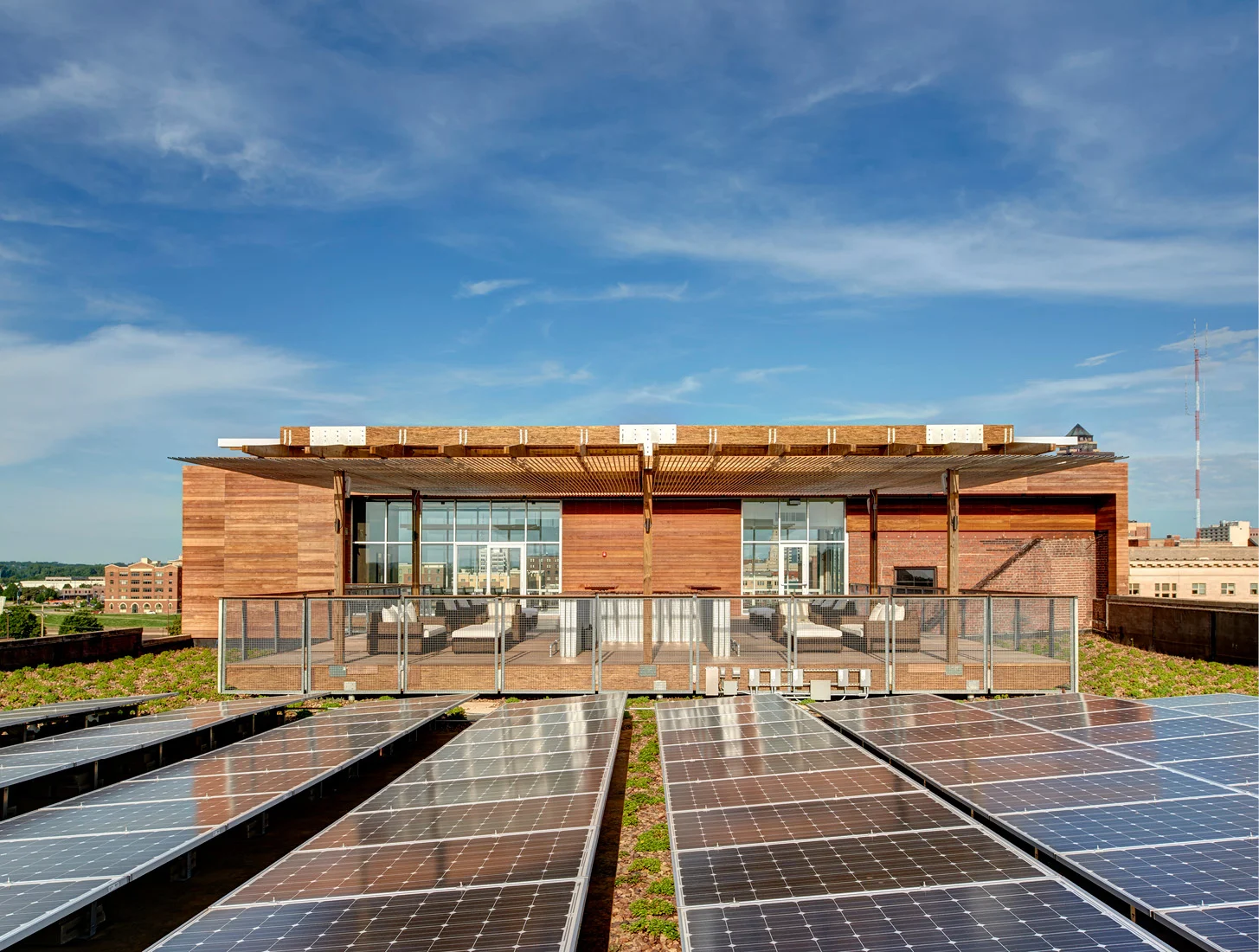
The “Future” of strong homes is in a new generation of materials that are as strong as a bunker but as warm and nice-looking as a regular house. We are moving away from flimsy drywall and stick-frame buildings and toward materials that are heavy and long-lasting.
| Material | Threat Mitigation | Why it’s “Fortified for Love” |
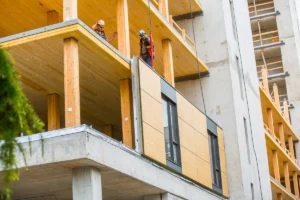
| Cross-Laminated Timber (CLT) | Earthquakes & Sustainability | It flexes during seismic events where concrete might crack, keeping the structure intact and safe for children. |
| Ultra-High Performance Concrete (UHPC) | Floods & Impact | It is virtually non-porous, meaning it won’t rot, grow mold, or absorb toxins during a flood. |
| Tempered Triple-Pane Glass | Hurricanes & Wildfires | Designed to withstand debris at 150 mph and repel the intense radiant heat of a nearby blaze. |
Designing for the “Big Three”: Wind, Fire, and Water
There isn’t a single answer for resilient architecture. It needs a very local design approach that takes into account the unique hazards in your area.
Going Against the Wind
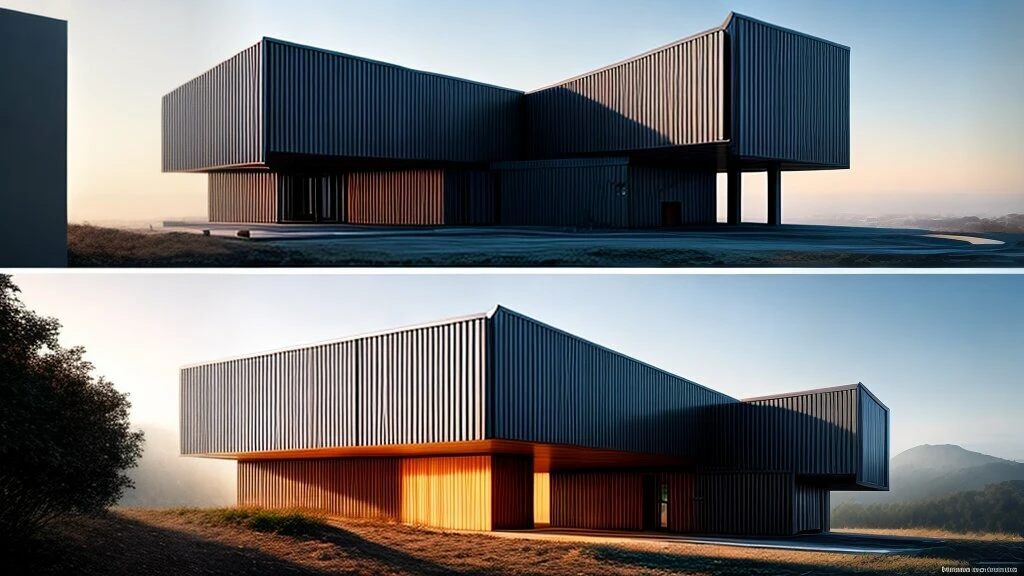
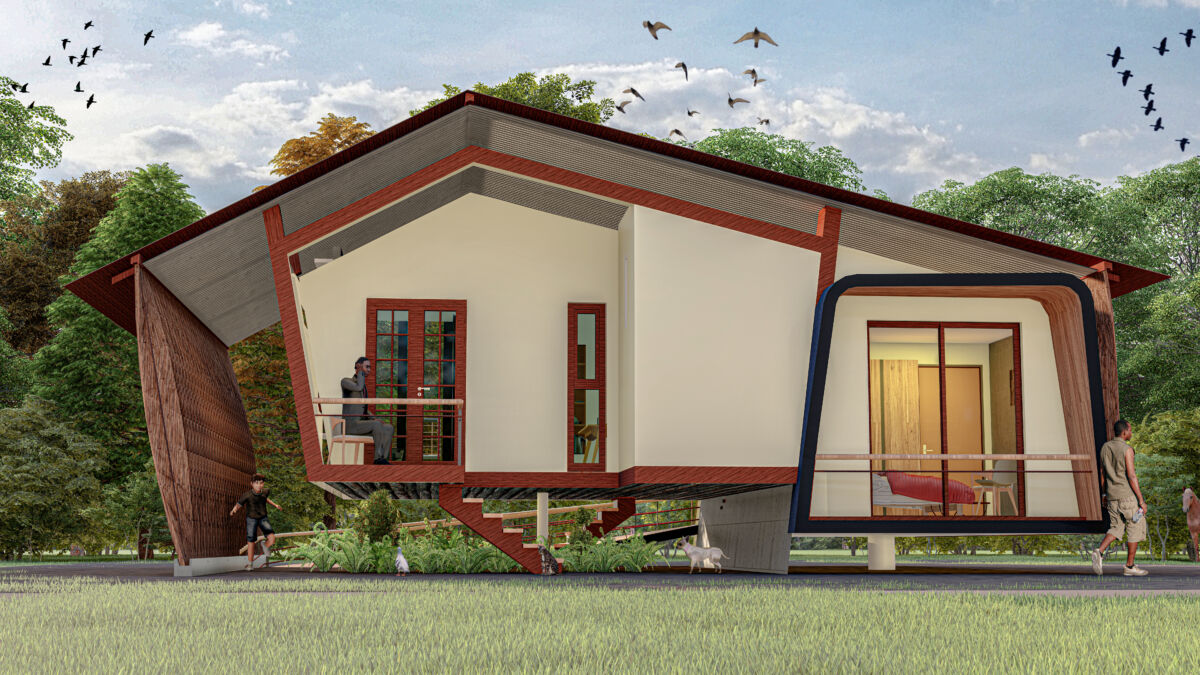
Architects are moving away from acute, 90-degree corners in areas that are likely to see hurricanes. Aerodynamic “Dolphin” roofs and spherical floor layouts let strong winds flow around the home instead of hitting it. We are also seeing the addition of internal safe rooms, which are massively reinforced cores composed of steel-reinforced concrete that stay standing even if the rest of the building is damaged.
Mastering the Fire
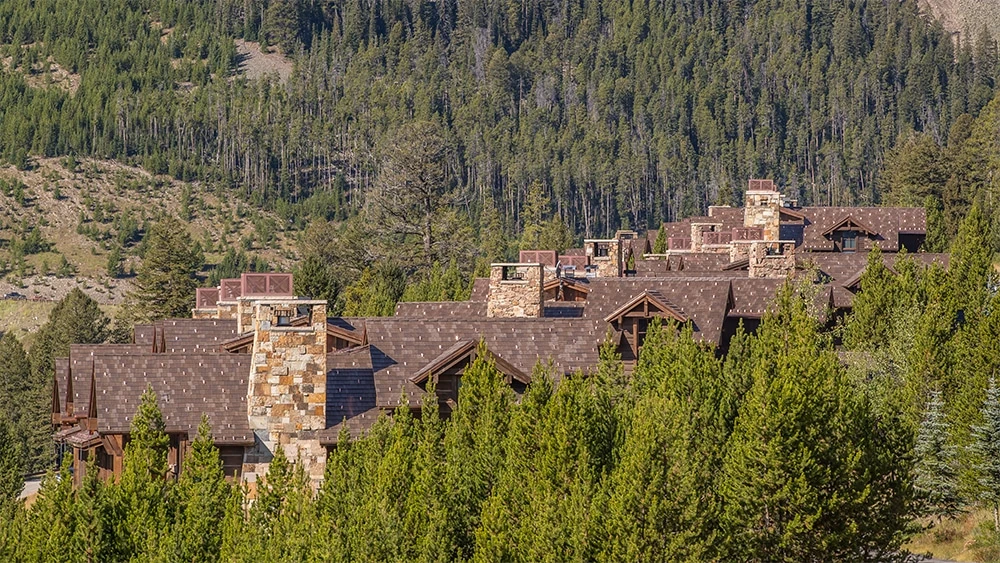
Defensible Space is the first step in resilient architecture in the “Wildland-Urban Interface” (WUI). This incorporates “Ember-Resistant” venting and automated outdoor sprinkler systems that often get their power from separate solar wells. Using siding that doesn’t catch fire, like fiber cement or metal, makes your home “breathe” without letting in the tiny sparks that start most house fires from the inside out.
Living with Water
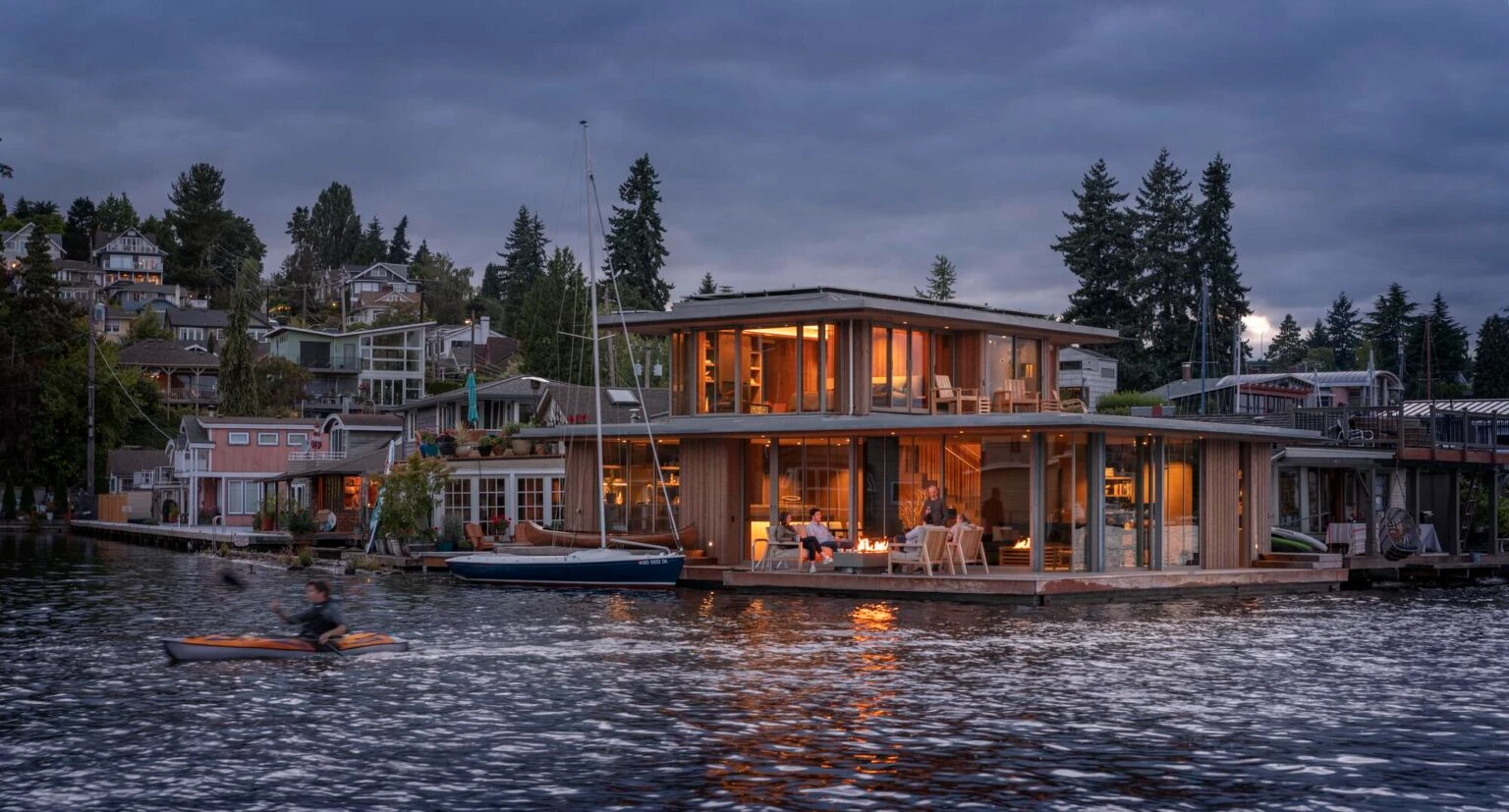
Amphibious Design is the future of coastal building, not fighting the tide. We are seeing homes built on buoyant foundations. These are hollow concrete blocks that let the house rise with floodwaters on vertical guide pillars and then settle back down as the waters recede. The “wet floodproofing” method lets you give up the lower level of a house in a land-based flood zone (using water-resistant materials like marine-grade plywood) while keeping the family safe on the higher floors.
The Human Element: Resilience as Health
A home that can survive a crisis is also a better place to live every day. This is the “hidden” advantage of fortified design. The strong walls that keep storms out also keep sound out, making the inside of the building quiet and peaceful. The sounds of traffic, sirens, or neighbors outside just disappear.
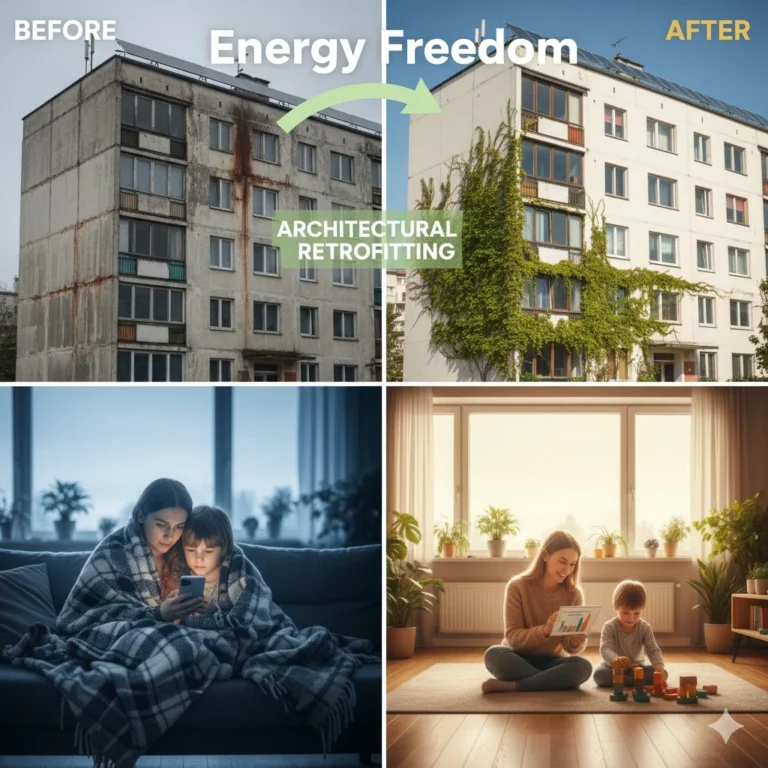
In addition, the smart-energy systems that keep the lights on when the power goes off can potentially cut your monthly utility expenditures by as much as 70%. When you invest in resilience, you’re basically “pre-paying” your future bills, which gives your family both financial flexibility and physical protection.
The Sanctuary’s Psychology
Knowing that your home is “hardened” has a big psychological benefit. In a time when people are worried about climate change and natural disasters are always in the news, a strong home may help keep your mind calm. It lowers the “background noise” of concern that many parents have, so families can focus on what really matters: connecting with each other, learning, and having fun every day. You can sleep through the storm, both physically and figuratively, because you know your “fortress” can handle a Category 5 hurricane.
The Guardian of Technology
By the end of 2025, AI-powered Early Warning Systems will be standard in strong builds. These homes don’t just sit there; they move in real time.
- Smart Shutters: When local sensors detect a sudden drop in barometric pressure or high-speed winds, they close on their own.
- Seismic Sensors: Shut off gas and electricity lines the moment a tectonic tremor is noticed to stop fires from starting after an earthquake.
- Flood Sensors: Set up inflatable barriers or “flood-logs” around the outside of the garden when the water level reaches a certain point.

The Long-Term Equation: Cost vs. Value
Building a fortified home may cost 10% to 15% more up front, but the long-term worth is clear. In 2025, insurance companies will start giving huge reductions on premiums for homes that are “Certified Resilient.” Also, the resale value of these homes is going through the roof since purchasers care more about safety than style. A home that is “future-proofed” is the safest thing a family can own.

Conclusion: Your Legacy is Your Shelter
Choosing architecture that can stand up to stress is a big change in how you think. It is changing from the “disposable” culture of the last century, when houses were intended to endure 30 years, to the “enduring” culture of the next. We aren’t just building “Fortified for Love” for ourselves; we’re building a legacy that can be passed down through generations. It’s a real sanctuary that shows how strong, caring, and foresighted we are.
The future of the modern family home isn’t just “smart”—it’s unbreakable.
For more blogs like this CLICK HERE!!
Reference: