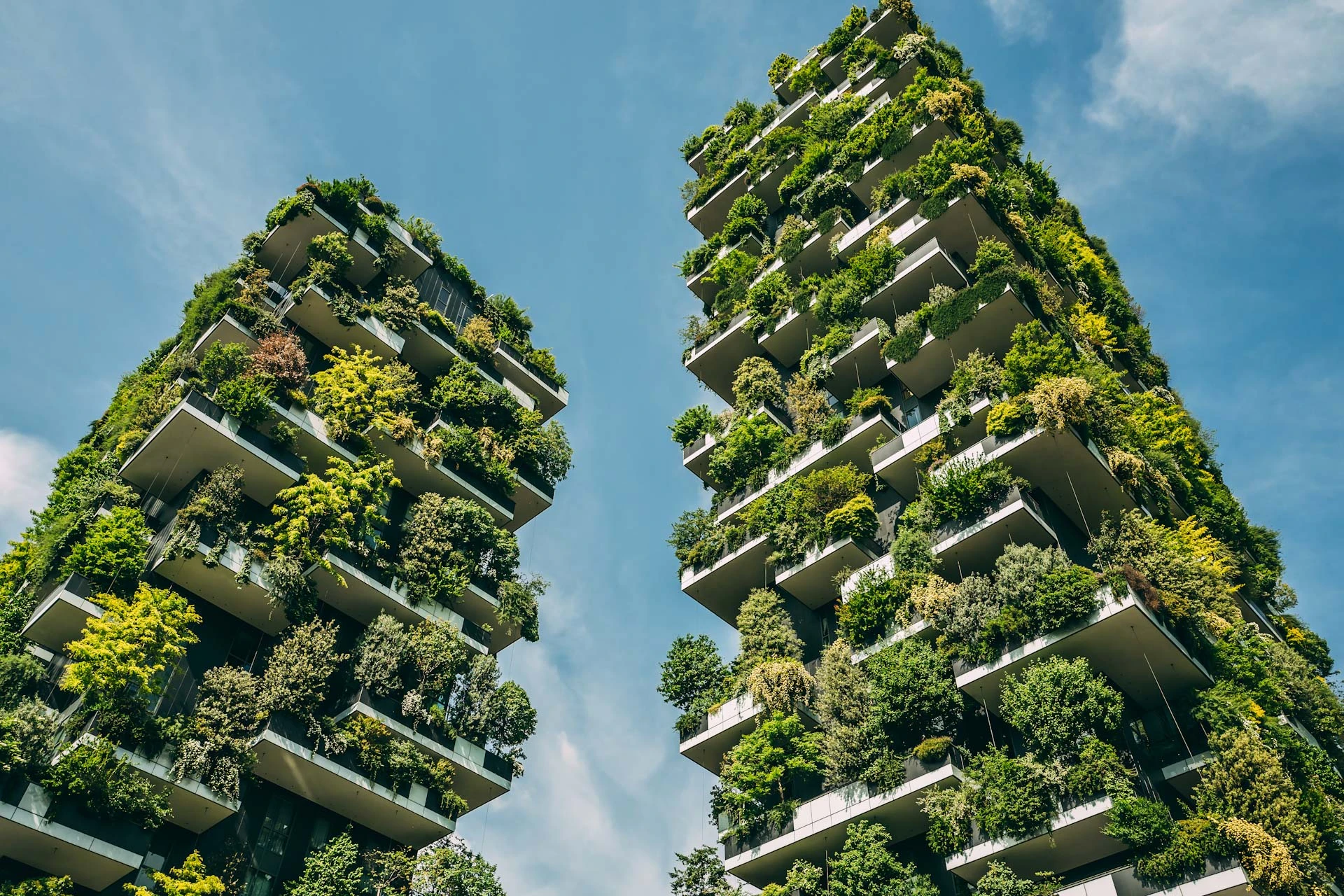
Gray concrete, reflected glass, and the oppressive heat of the “urban jungle” have defined our cities for decades. But as we get closer to 2025, a green revolution is starting to happen. Healing vertical gardens are no longer just a nice thing to look at; they are now a vital, life-saving part of the infrastructure. For example, the “Bosco Verticale” in Milan and the “Green Spine” in Melbourne are both examples of this.
The globe is today facing a “triple crisis” in urban living: rising temperatures, a lack of cheap housing, and a mental health epidemic connected to a lack of access to nature. Vertical gardens, sometimes known as “living walls,” are the architectural solution to these problems. They quickly produce dignified dwellings and healthy cities.
The Cooling Power: How to Fight the Urban Heat Island Effect
The Urban Heat Island (UHI) effect is one of the most harmful things about modern cities. Asphalt and concrete, which are common building materials, soak up solar energy and then release it back into the air. This makes cities up to 10°C hotter than the surrounding countryside.
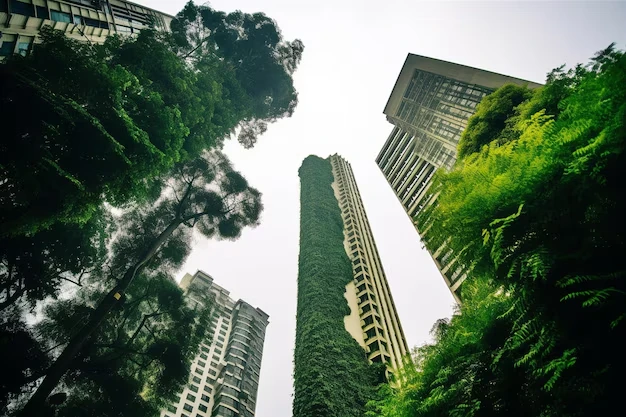
Vertical forests are the answer. These buildings behave as a natural “thermal skin” by covering their walls with thousands of plants and shrubs.
- Evaporative Cooling: Plants let off water through transpiration, which cools the air around them.
- Shading: A thick covering of plants keeps direct sunlight from hitting the building’s surface, which can cut down on heat gain by up to 50%.
- Energy Efficiency: Vertical gardens can save air conditioning expenses by 30%, making city living more cheap and good for the environment.
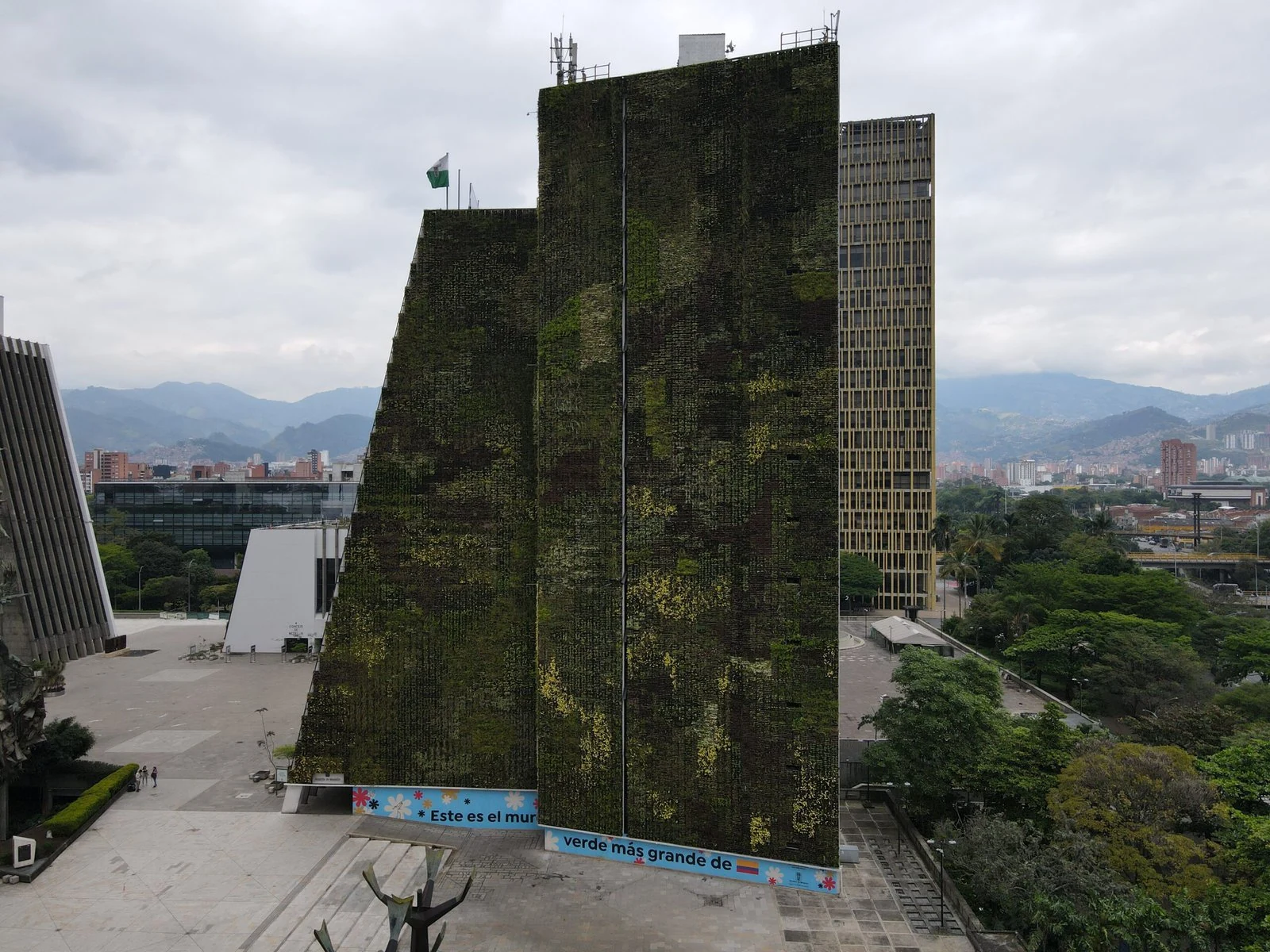
The “Healing” Factor: Getting Your Mind Back on Track
What makes these gardens “healing”? The word comes from “biophilic design,” which means the natural human impulse to connect with nature. Studies in 2024 and 2025 have shown that just staring at plants for 40 seconds can cut cortisol, the stress hormone, by a lot.
Vertical gardens create “micro-oases” of peace in cities with a lot of people and few traditional parks. They make the rough lines of industrial buildings look softer and give those who live in cities a visual and sensory break.
Hospitals with “living walls” have helped patients get better faster and used less pain medication, showing that nature may be a type of medicine. This “sentimental architecture” puts the human soul ahead of just the amount of space it takes up.
Record-Time Resilience: Making Homes That Are Worthy
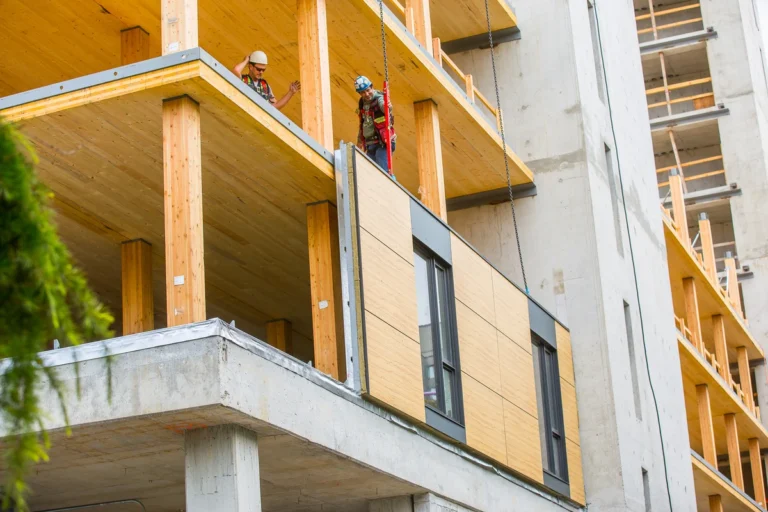
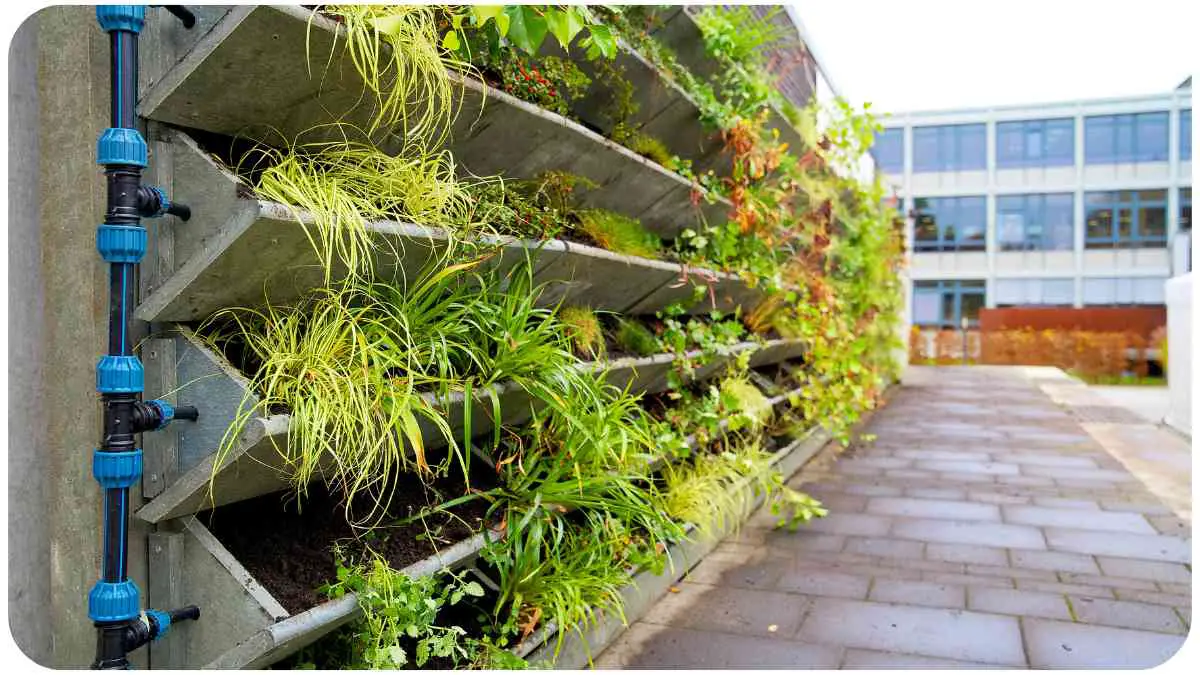
The real revolution arrives when 3D printing and vertical gardening come together. We don’t just build houses anymore; we also print “breathing” habitats. In 2025, new projects are using 3D-printed modular blocks that are made just for holding root systems and automated irrigation pipes.
This gives developers the ability to:
- Maximize Space: In cities where land is scarce, constructing “up” using plants lets you have a lot of houses without feeling crowded.
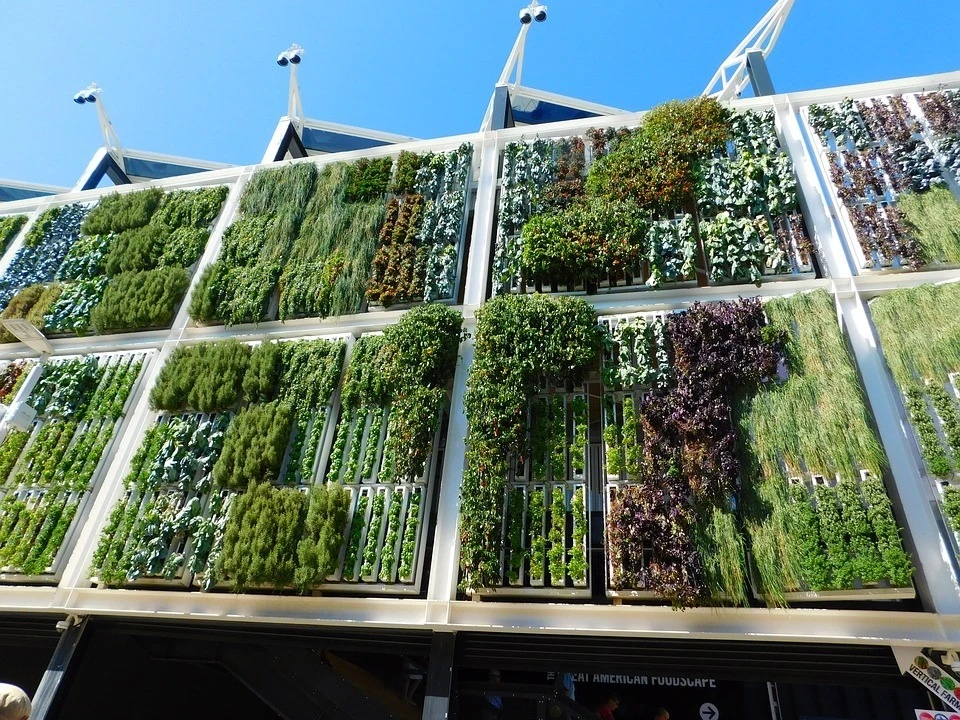
- Make sure food security: Many vertical gardens are now “edible walls,” where people can choose fresh herbs, strawberries, and other greens just outside their windows.
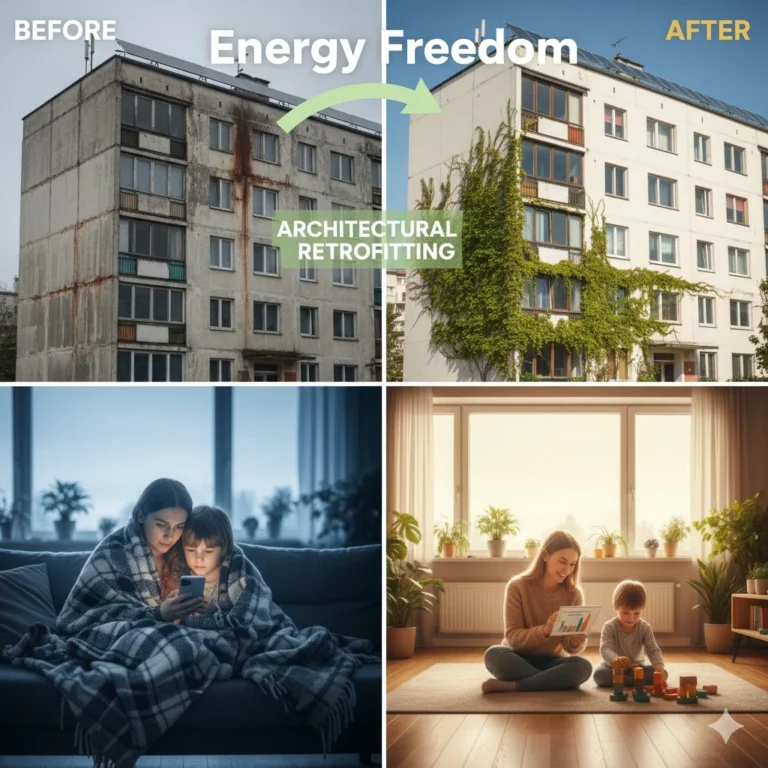
- Restore Dignity: By giving low-income housing access to private green space, we are interrupting the cycle of dull, concrete “projects” and making life better for everyone.
- A Breath of Fresh Air: The Natural Filter Pollution is a quiet killer in big cities. A single vertical forest may take in more than 20,000 kg of CO2 every year and filter out heavy metals and hazardous fine particles (PM10).
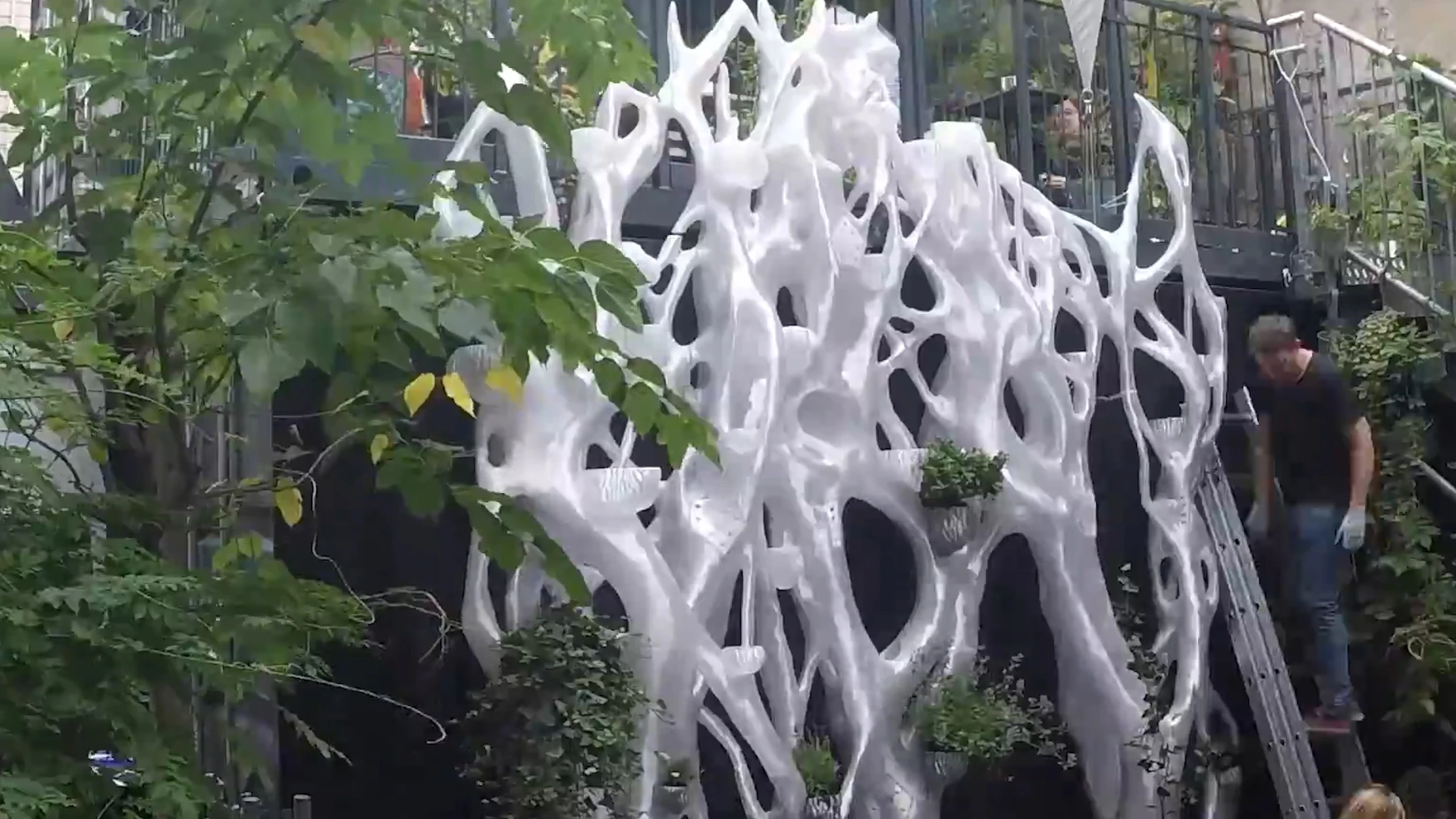
Living walls are like “the city’s lungs” because they catch pollution on the surface of leaves and turn CO2 into oxygen, which is good for life. These gardens act as a sound barrier and a natural air purifier for those who live in apartments near busy highways.
This greatly lowers the number of asthma and respiratory ailments. The thick flora works as a natural sound barrier, soaking up high-frequency city noise that regular walls just bounce off of.
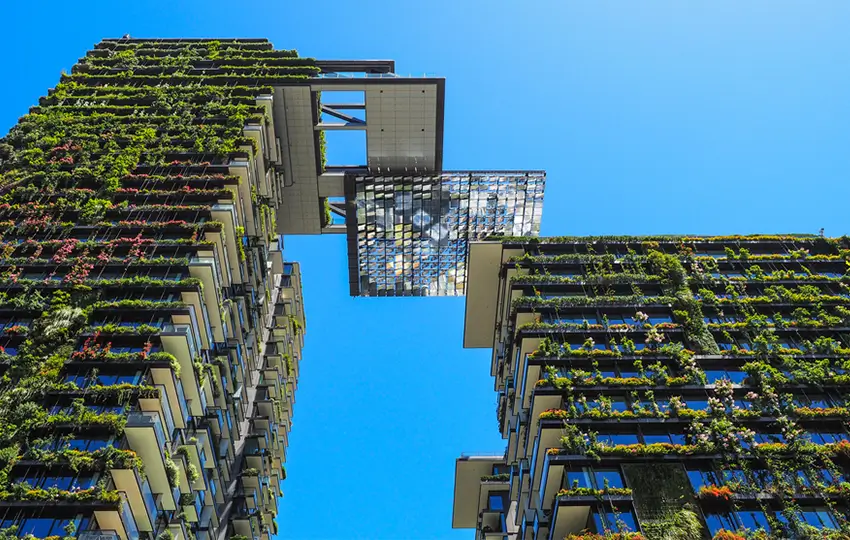
Titan Projects: The Leaders of the Vertical Revolution
As we move toward the second half of the decade, a number of huge companies are building green buildings that stand out in the skyline:
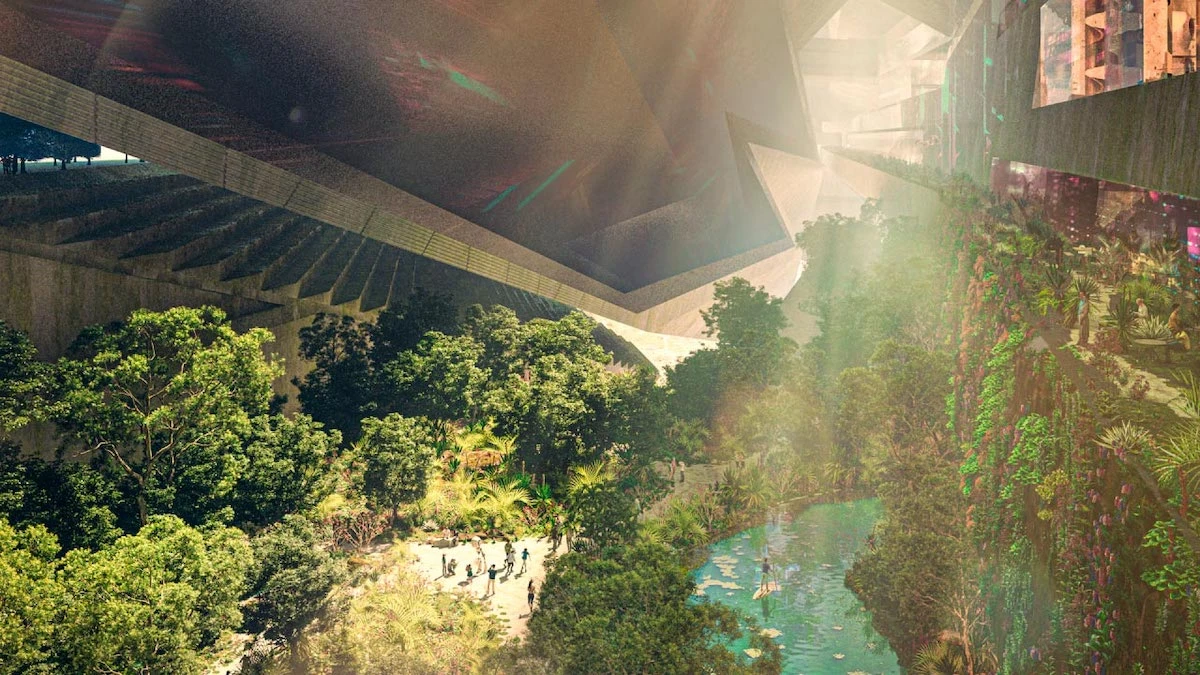
The Line (NEOM): A metropolis built on a line that is 9 million people long and two minutes from nature.
Bosco Verticale (Milan): The “prototype” that showed that skyscrapers could hold more than 800 trees and 15,000 plants.
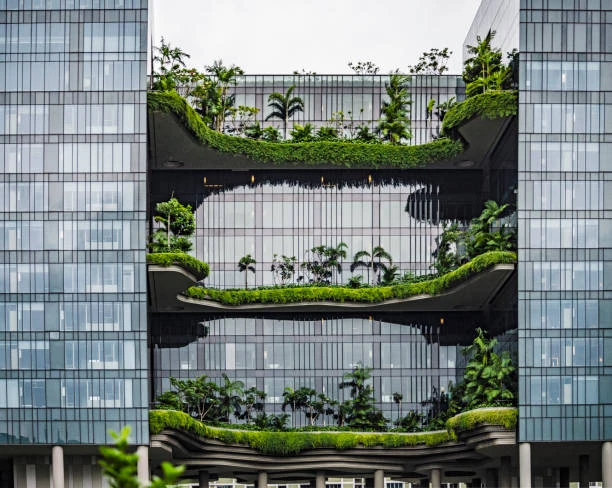
WOHA Architects (Singapore) is a leader in “topographical architecture,” making structures like the Parkroyal Collection Pickering that seem like living mountains.
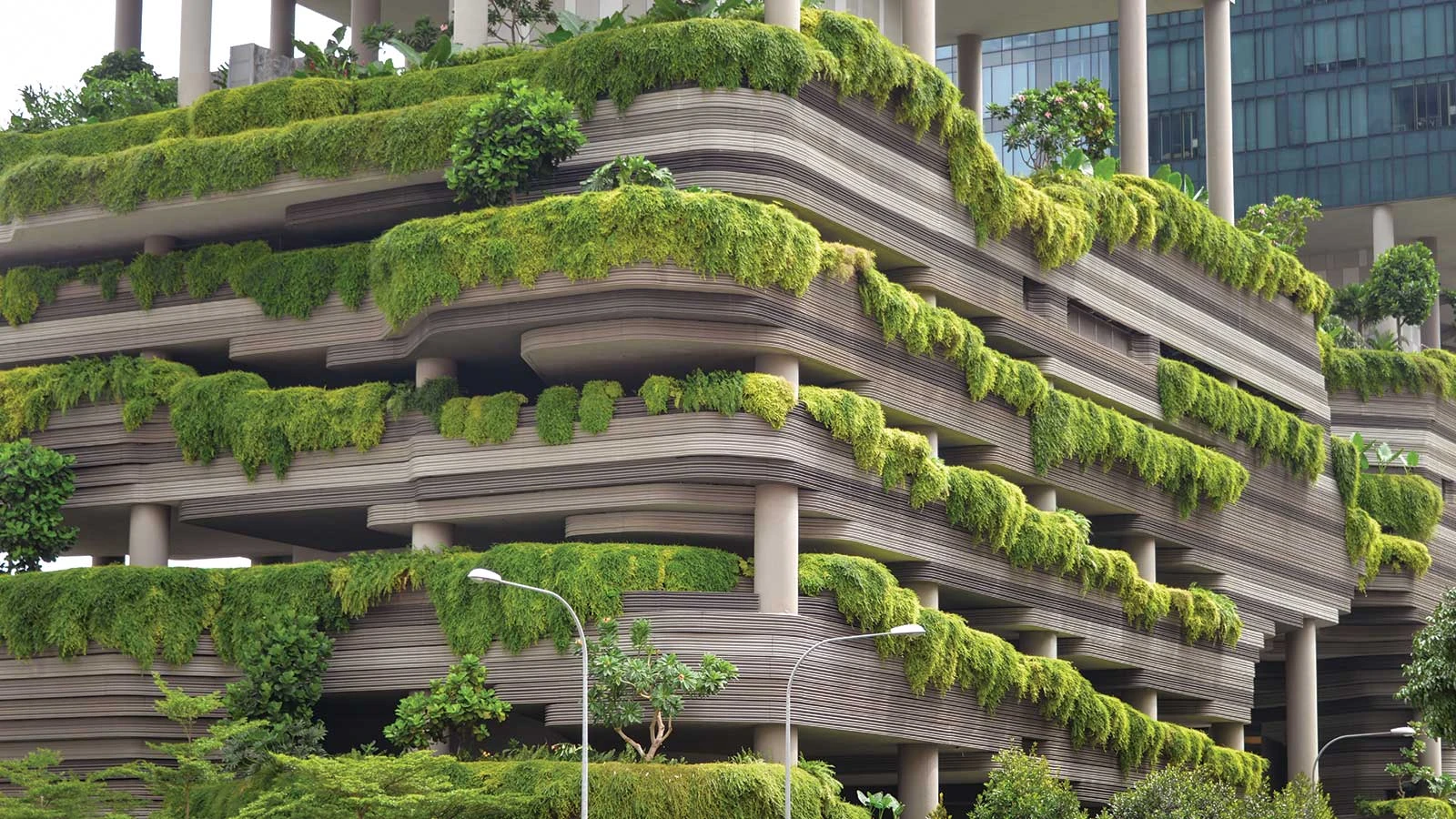
Mighty Buildings: Using eco-friendly materials and plants that are built into the building to make it possible to live without using any energy.
The Economic Impact: Why Being Green Is Good for Business
Vertical gardens are a good investment for your money, in addition to being good for the environment.
- Property Value: Studies show that properties with built-in plants can be worth up to 20% more and rent for more.
- Stormwater Management: Living walls soak up rainwater, which takes some of the pressure off of city drainage systems and stops flash floods.
- Biodiversity Credits: In many localities, developers can get tax benefits and “green credits” for putting in vertical gardens that give birds and pollinators like bees places to live.
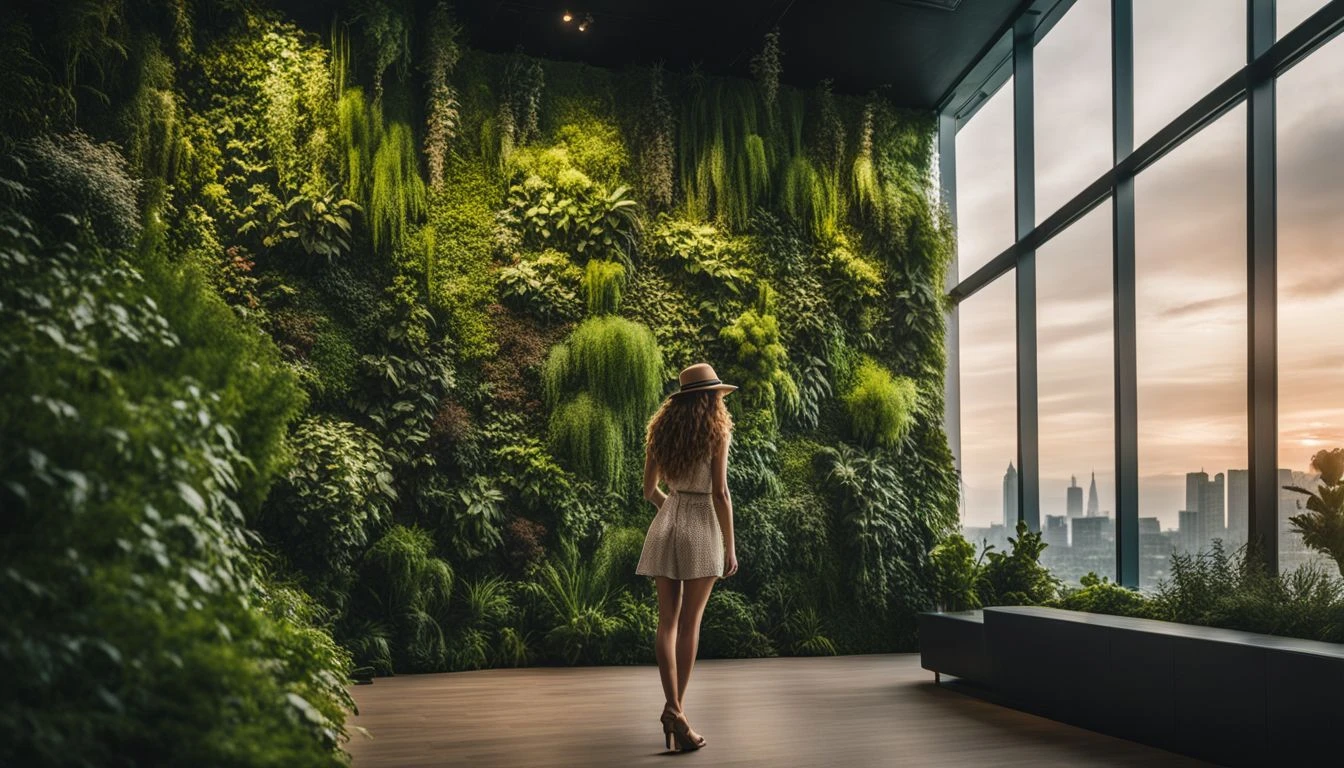
Technical Challenges and 2025 Solutions
People who don’t believe in vertical gardens typically bring up the costs of keeping them up. But technology has helped the 2025 landscape get over many of these problems. AI-powered irrigation systems now keep an eye on the moisture and nutrient levels in the soil in real time. They only give the plants the water they need, which cuts down on wastage.
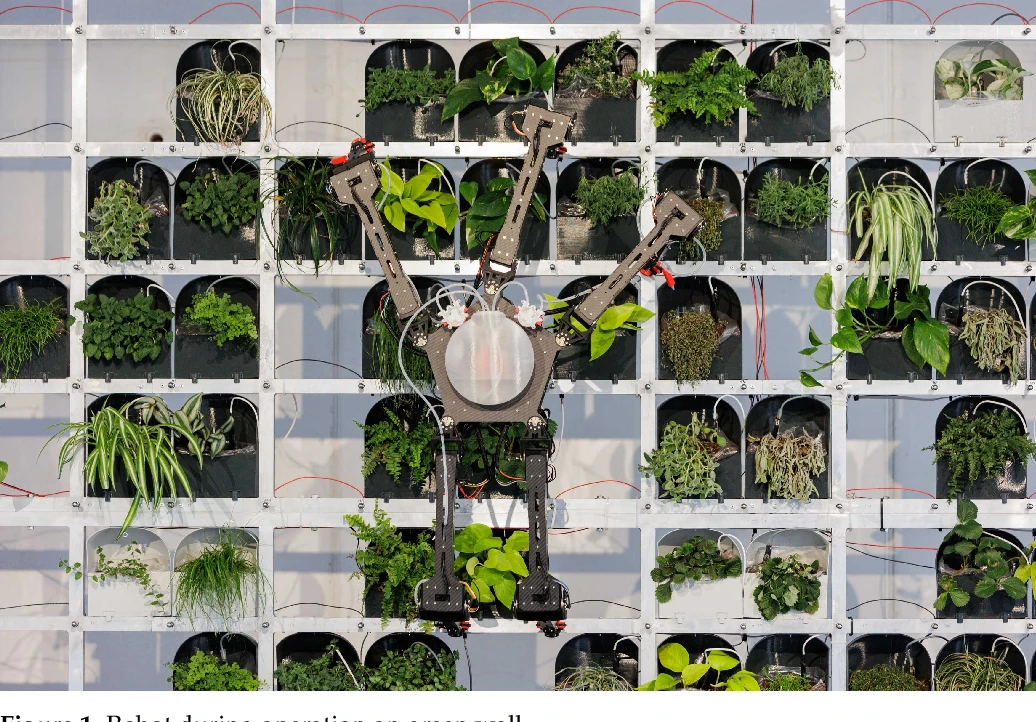
Also, “climbing robots” are being used to trim and care for plants that grow at high altitudes, which means that people don’t have to do dangerous work at high altitudes. With these improvements, the “healing” part of the garden won’t be a “headache” for the building’s managers.
The Social Fabric: Clouds of Community
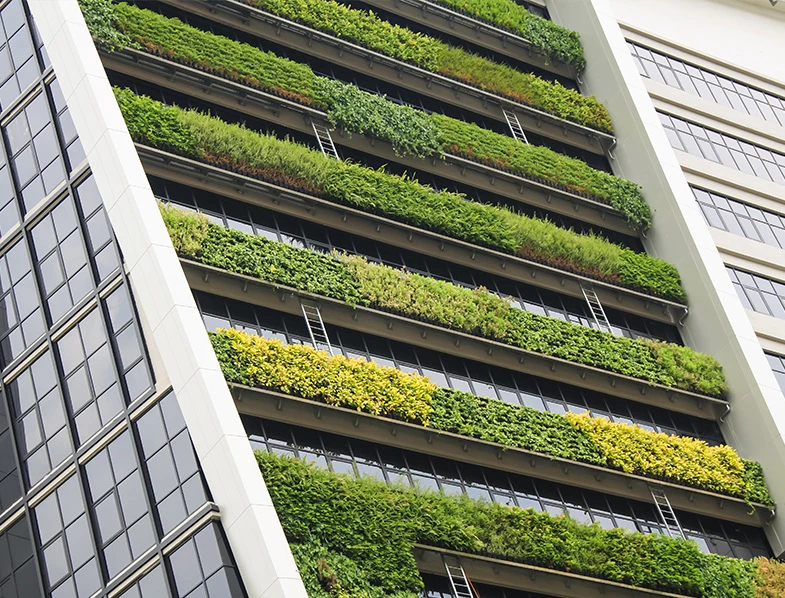
Vertical gardens do more than merely make the air cleaner; they also bring people together. Many new buildings have “sky gardens” or shared vertical allotments where people may gather, plant, and hang out. This helps fight the loneliness pandemic in cities by establishing shared areas that feel natural and welcoming.
We construct for people when we build with nature. A family who lives on the 10th story of an apartment building with a blooming vertical garden feels more connected to their home than they would if they had a concrete balcony. A dignified home is one that feeds both the body and the mind.
Conclusion: The Future is Being Planted
The skyline of the future isn’t comprised of cold steel and glass; it’s alive. By putting in healing vertical gardens, we’re not just making our streets look better; we’re also making a world where city life is healthy, dignified, and sustainable.
As technology makes it easier and cheaper to “grow” our buildings, the line between the “concrete jungle” and the natural world will keep getting less clear. The housing problem and the ecological issue are scary, but the answer is to build one layer and one leaf at a time. We are no longer merely people who live in a city; we are now caretakers of a vertical ecology.
For more blogs like this CLICK HERE!!
Reference:
Revolutionizing Spaces: Commercial Vertical Garden Solutions – Vertical Live Garden