As we enter 2026, the American architectural environment is going through a big change on the inside. The time of frigid, sterile “glass-and-steel” minimalism is over for good. Soulful Heritage is a new movement that has come up in its stead.
This trend, which includes the grand openings of the Obama Presidential Center and the LACMA David Geffen Galleries, puts emotional resonance ahead of mere wealth. It is a way of thinking about design that sees interiors as more than just rooms with decorations; they are also living spaces for history, health, and community.
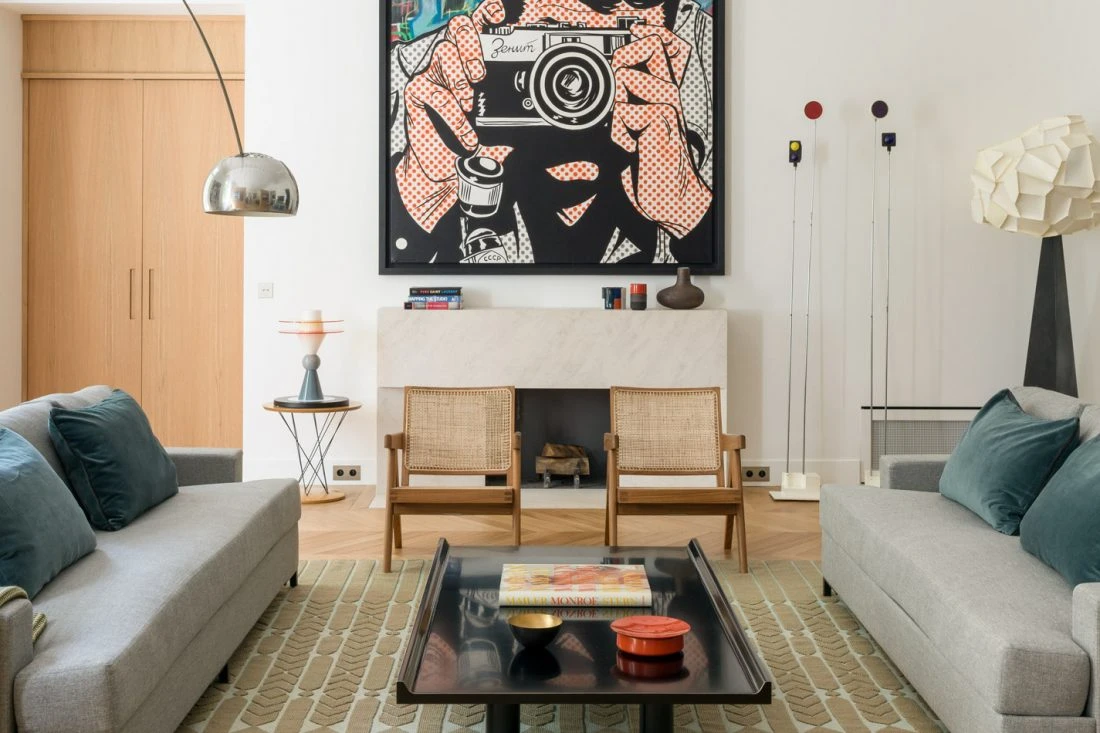
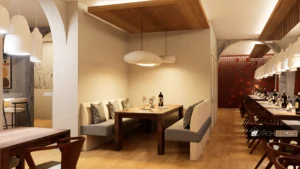
Warm Minimalism: The End of the “White Box”
The biggest change in 2026 is that everyone will fully accept Warm Minimalism. Architect Peter Zumthor has moved away from the austere white “cube” that was common in 20th-century museums in the new David Geffen Galleries at LACMA.
Instead, the inside has birch acoustic paneling, handcrafted stainless steel, and architectural concrete that serves as a gentle, neutral background. This trend is marked by:
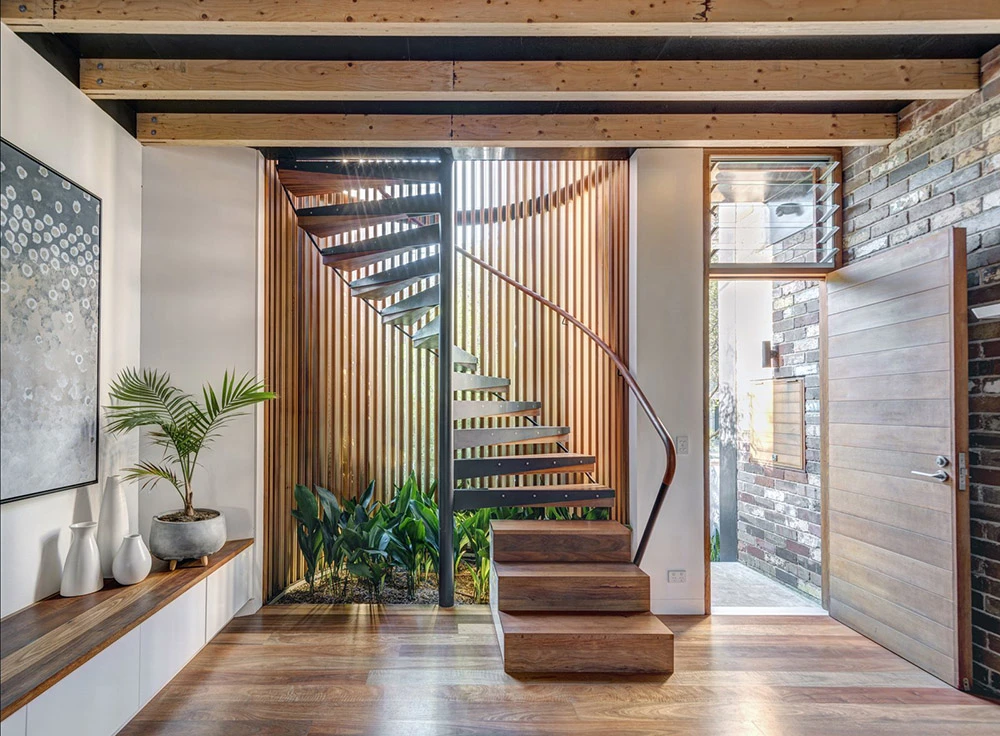
- Mushroom and Earthy Neutrals: Change the cold grays to “cappuccino,” “sand,” and “rich umber.”
- Textural Depth: Adding limewash finishes and textured plaster to walls to make them feel more “lived-in.”
- Invisible Technology: Smart lighting and climate controls that are hidden between natural wood slats instead than being shown off as devices.

The “Canyon” Idea in Biophilic Evolution
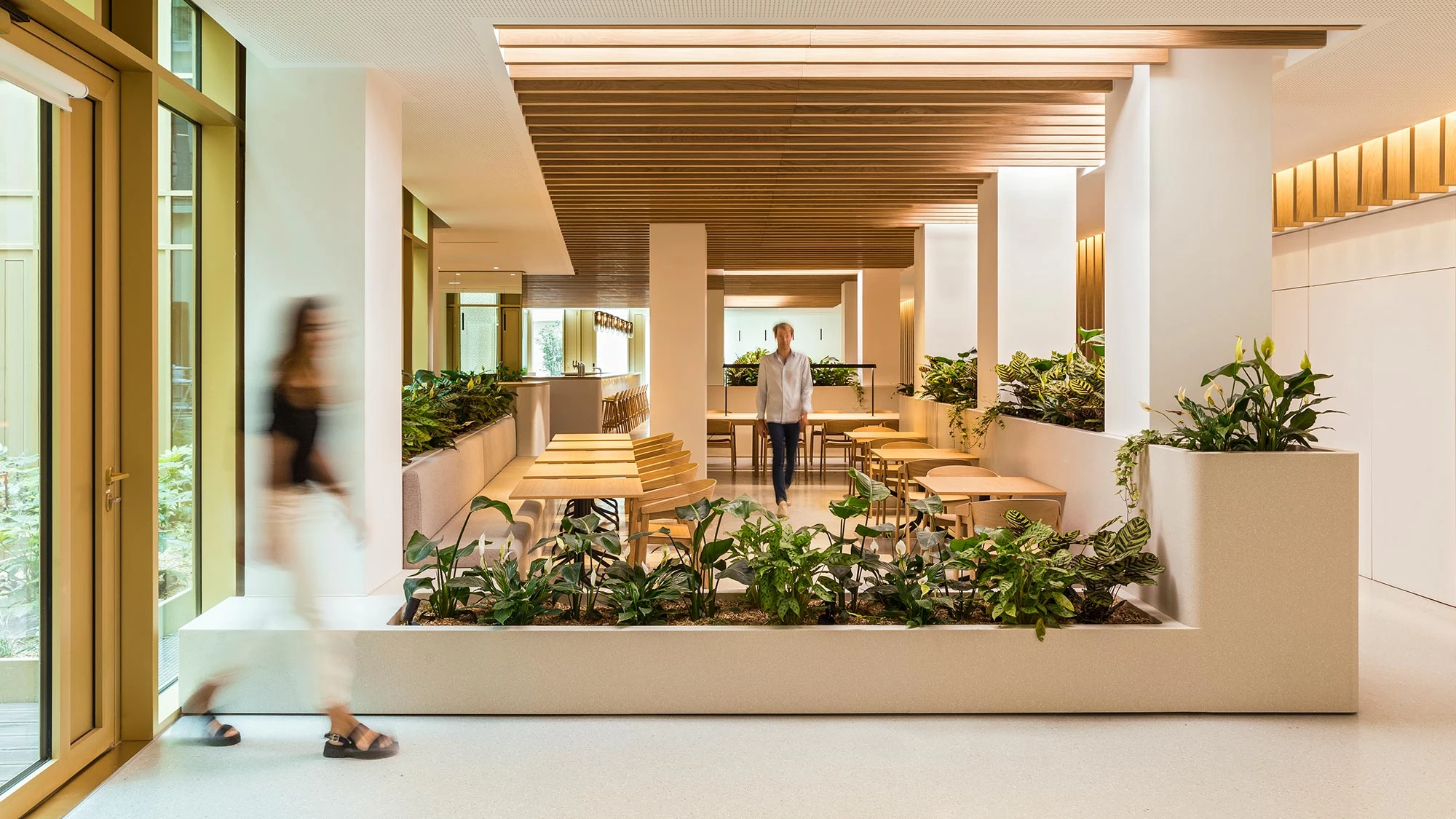
“Bringing the outdoors in” has been a popular phrase for a long time, but 2026 landmarks are taking it to the next level. For this “Biophilic Evolution,” Denver’s One River North is the best example.
The textured plaster that covers the communal areas inside the structure looks like the cave-like formations in the Rocky Mountains. It’s not simply a few plants in pots; it’s a whole ecosystem.
- Sensory Water Features: Using the sound of water falling to cover out city noise (Acoustic Zoning).
- Vertical Landscapes: Terraces that flow into living rooms, making it easy to go from the “mountain trail” to the living room.
Narrative Artistry: Where Digital and Traditional Meet
The Lucas Museum of Narrative Art in Los Angeles is starting a new style of art called “Narrative Artistry.” It is the first big museum that is all about storytelling, and the inside is meant to look “theatrical” without being too busy.
The trend shows how OLED Digital Murals, which are paper-thin panels that show AI-generated art that varies with the time of day or the mood of the space, are becoming more popular. Fat Furniture, which is big and soft seating that makes people want to stay and “get lost in the story,” balances off this high-tech edge.
The Obama Center Palette: Community and Craft
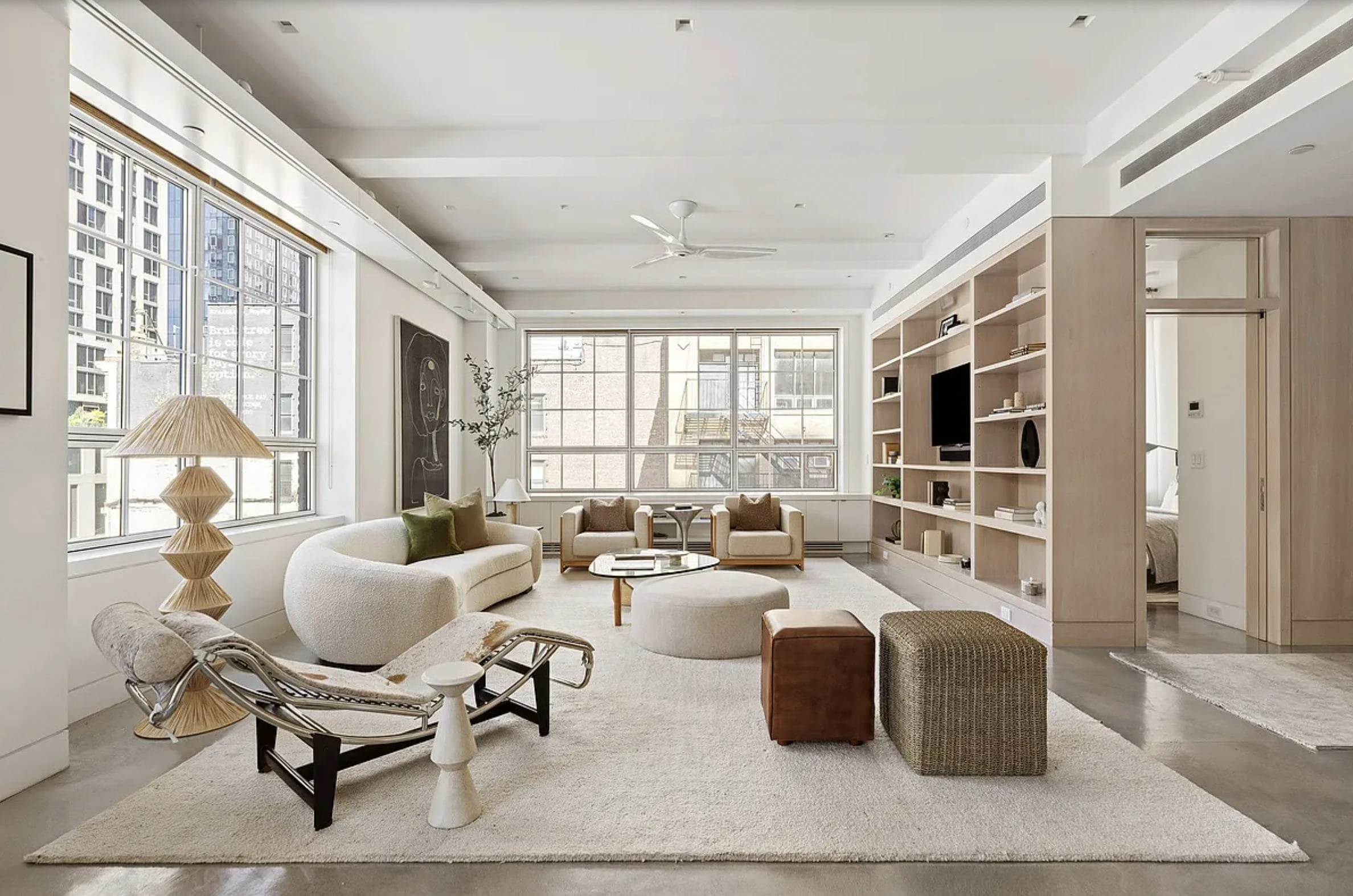
The “Heritage” part of this year’s trends is being pushed by the Obama Presidential Center in Chicago. The inside is a master class in artisan craftsmanship.
The design team, Tod Williams Billie Tsien Architects, has put works by local artists right into the building’s structure. In 2026, look for these important features in homes that are inspired by this project:
- Statement Stone: Going from simple marble to richly veined Viola Marbles and Emerald Quartzite.
- Color Drenching: Using a single, deep “community” color like deep olive or terracotta to paint walls, ceilings, and trim.
- Hand-Carved Details: A return to hand-thrown pottery and hand-carved mantels that don’t look like they came from a factory.
Algorithmic Ergonomics: The Smart Way to Be Comfortable
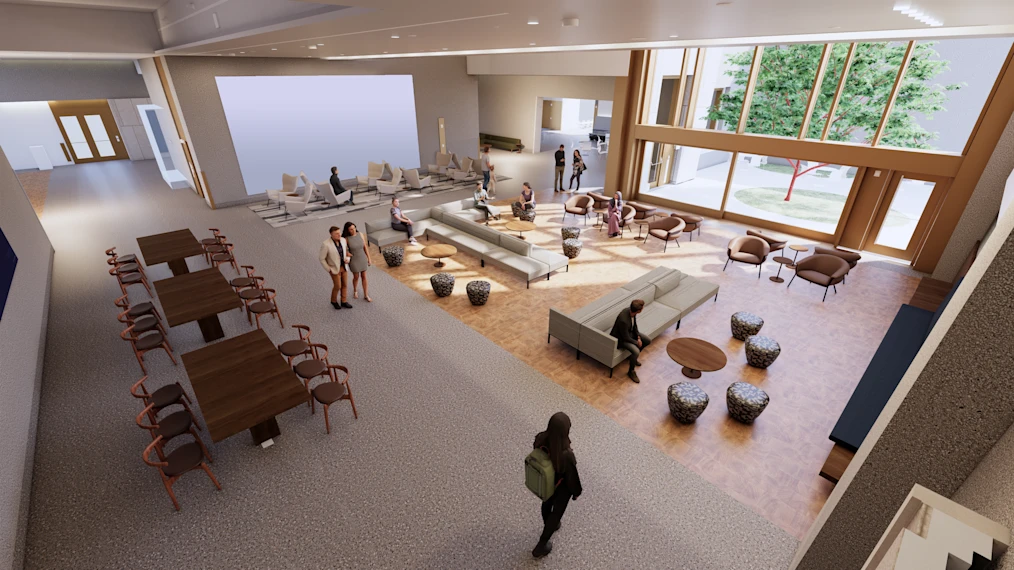
Algorithmic Ergonomics powers the high-end interiors of 2026, which are more than just pretty. AI is utilized to map “Human Flow” in the high-tech workplaces and libraries of these new buildings.
Spaces are no longer fixed. Movable partitions and modular lighting systems can change a room from a busy place to work together in the morning to a “Quiet Recovery Zone” in the afternoon.
One of the main designers on the JPMorgan Chase 270 Park Avenue building said, “A space should think as well as it feels.” “We are making places that learn the daily rhythms of the people who live there.”
The “Circular” Interior: Sustainable Luxury
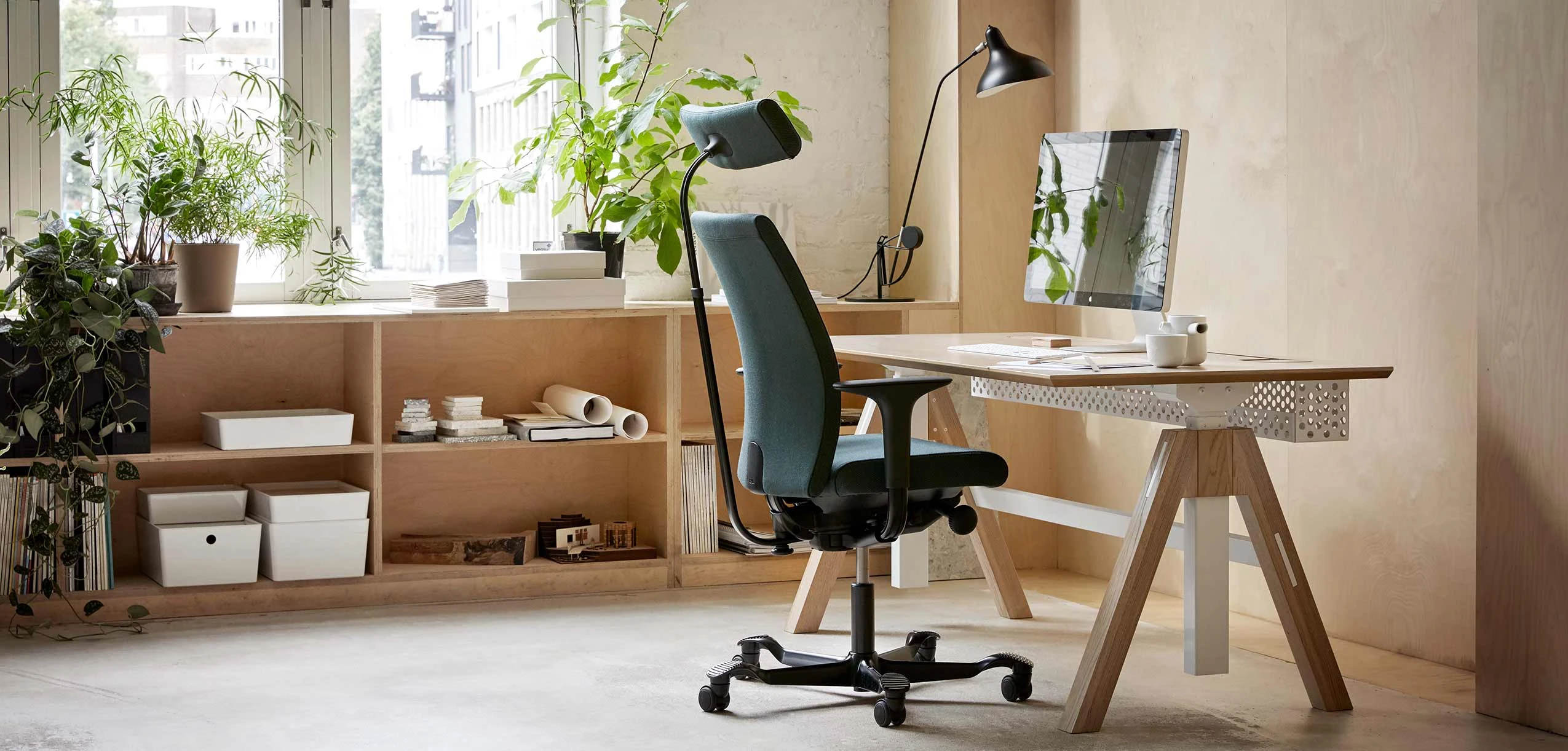
Last but not least, Sustainability will determine “Elite” status in 2026. Material Passports for furniture are becoming more common. People who buy luxury goods in 2026 don’t only want a pretty table; they also want to know the “soul” of the wood, such where it came from, who carved it, and how it can be recycled in 50 years. Reclaimed wood from houses that have been taken apart in the US (Urban Mining) is currently more expensive and more desirable than new exotic timbers.
| Trend Name | Landmark Example | Key Element |
| Warm Minimalism | LACMA Geffen Galleries | Birch Wood & Concrete |
| Biophilic Canyon11 | One River North12 | Plaster Caves & Waterfalls13 |
| Narrative Tech | Lucas Museum | Digital Art & “Fat” Furniture |
| Community Heritage | Obama Presidential Center | Local Art & Color Drenching |
The Sensory Soul: Curation of Smell and Sound
The unseen atmosphere of a really “visionary” monument is what makes it stand out in 2026. At the Lucas Museum of Narrative Art, for example, designers are trying out “fragrance zones.” These are areas where subtle, natural scents like cedar and rainwater are used to help people remember the stories in the museum.
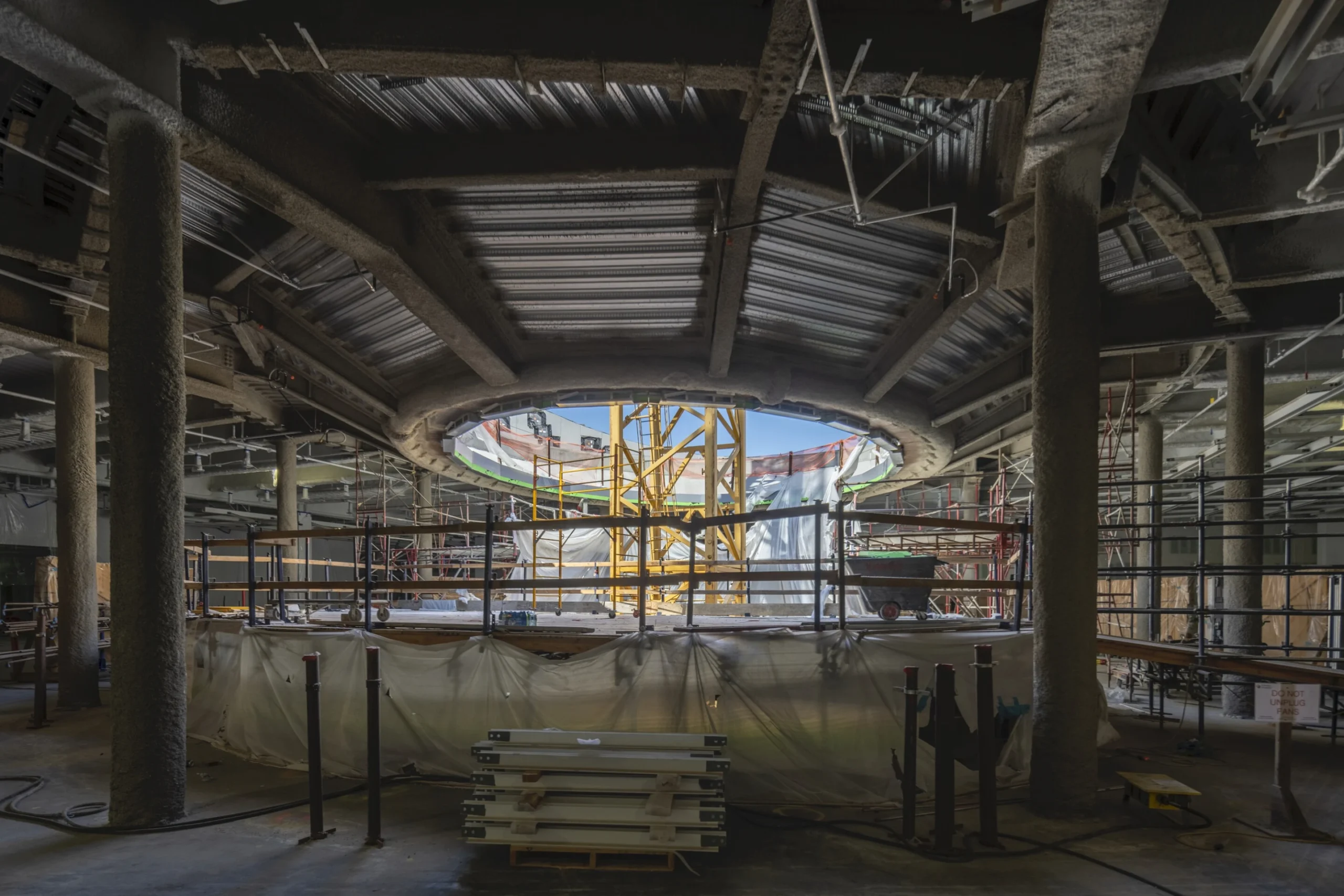
In addition to this, there is Acoustic Atmospheres, which uses “silent architecture” concepts to do rid of the loud echoes that happen in public venues with high ceilings. These high-end interiors don’t use white noise; instead, they use built-in vibrating surfaces to transmit low-frequency nature sounds that lower visitors’ cortisol levels.
2026 landmarks show that a building’s soul isn’t simply something you see; it’s something that surrounds and heals you, leaving an emotional impact that lasts long after you leave the lobby.
Last Thoughts: A Future with Emotion
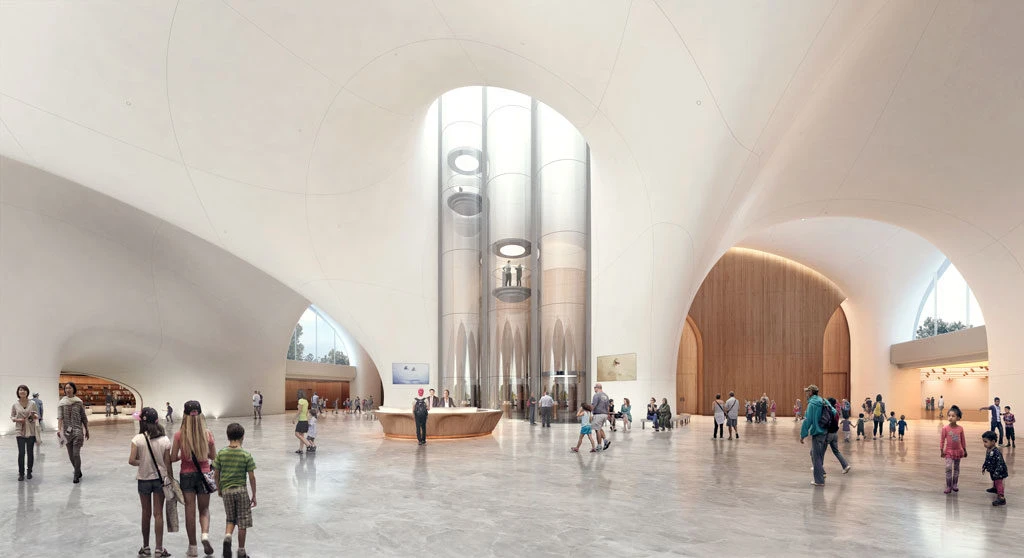
The USA’s 2026 landmarks are showing us that “Great Design” isn’t about dazzling people with size anymore; it’s about making the person who lives there feel good. “Soulful Heritage” wants to make us feel at home in a world that is changing quickly. It does this through things like a hand-carved stone handle or a room that automatically dims to match your pulse rate.
People don’t only see the high-end interiors of the future; they feel them.
For more blogs like this CLICK HERE!!!
Reference:
The 11 Key Interior Design Trends Set to Define 2026 | Vogue