The world is louder than ever, but in 2025, the American home is letting out a collective sigh of relief. The time of the “sterile white box” is over. We are seeing a big change in architecture. A more caring philosophy has taken its place.
In the US, residential architecture nowadays isn’t only about how good it looks from the street or how much it will sell for; it’s also about making a safe place to live. The purpose of designing a place is to help your mental health and provide your family a sense of serenity, whether you are starting a new construction or planning a big remodel.
Here is your essential guide to the home design trends that will shape 2025. These include the return of defined, intimate rooms and the use of “living” materials.
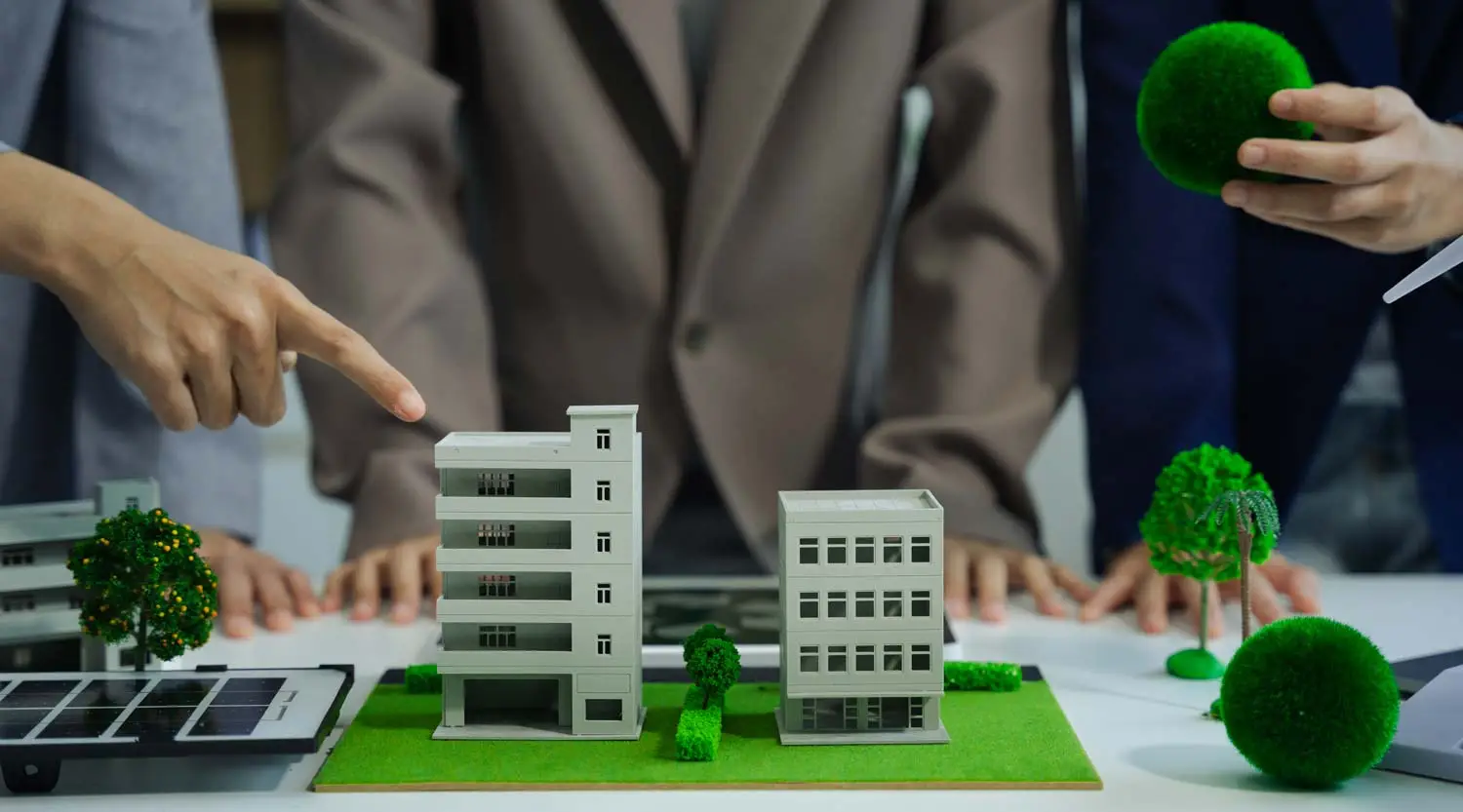
The “Living” Home: Biophilic Design
In 2025, biophilic design, which is the art of using architecture to link people with nature, has gone from being a “nice-to-have” luxury to the only way to do things. We don’t simply want to look at our yards anymore; we want to live in them.
This is what it looks like in 2025:
- Indoor courtyards are central gardens with glass walls that let in light and plants.
- Living Walls: These are built-in watering systems that let you grow vertical plants inside your home. They also clean the air naturally.
- Daylight Optimization: Skylights and “solar tubes” that are put in the right places to eliminate the need for artificial light and keep your home in line with your body’s natural rhythm.
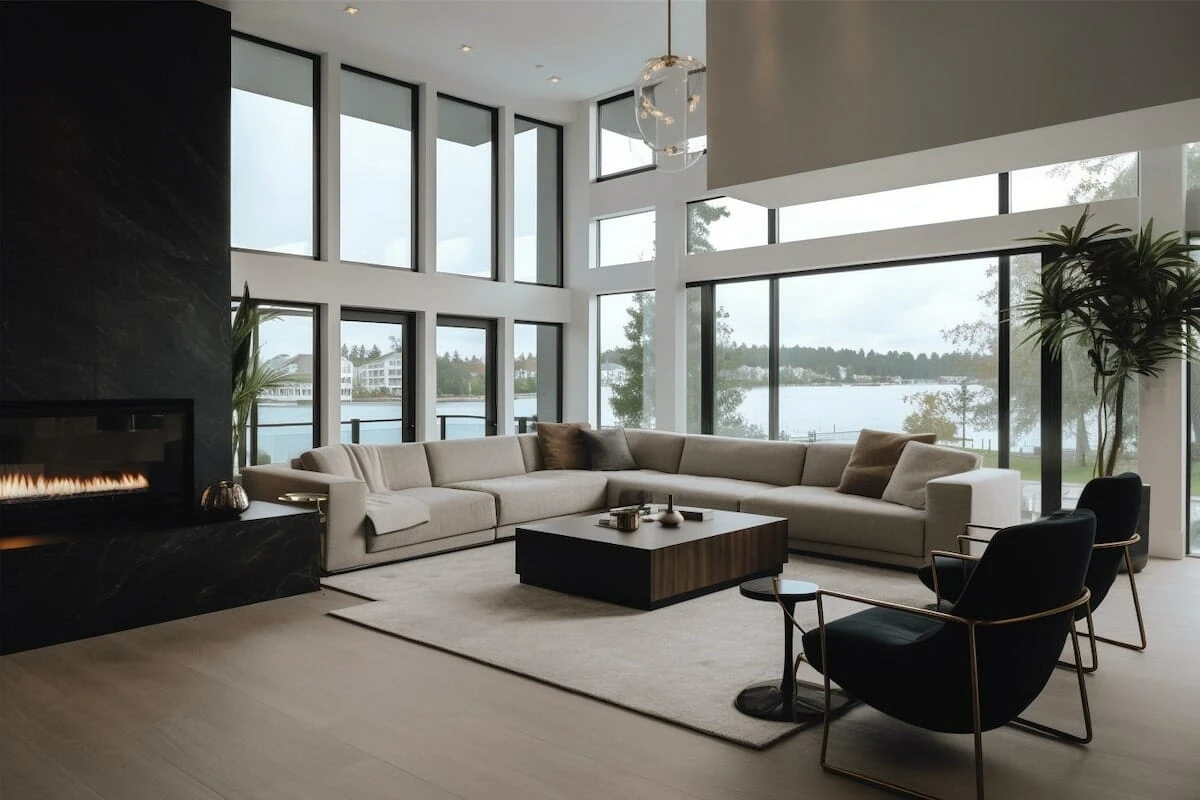
The “Quiet Room” is back (goodbye, open concept?)
For a long time, the “open-concept” layout was the best. But as we get closer to 2025, homeowners are starting to remember how important privacy is to them. The kitchen still leads into the dining room, but spaces with clear purposes are coming back.
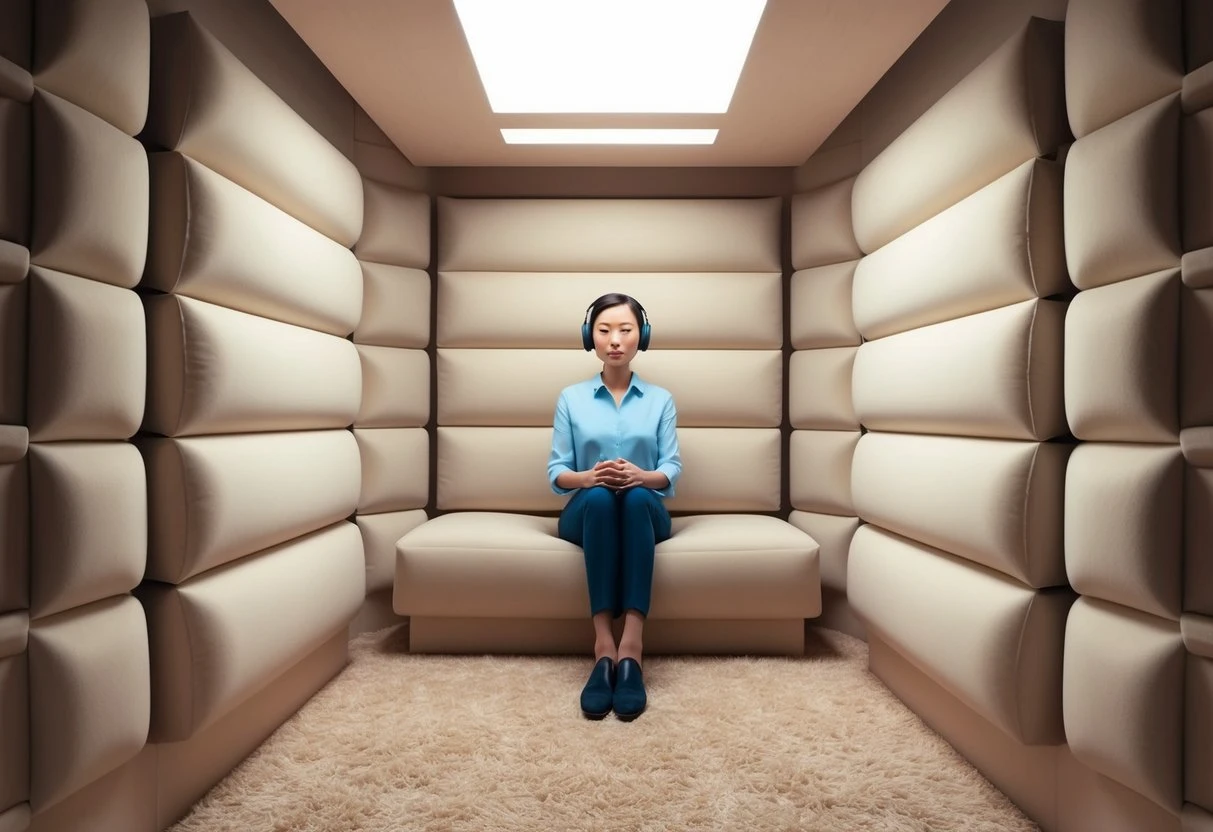
The “Unplug Zone”: Architects are increasingly making modest, 100-square-foot “quiet rooms.” These are library nooks, meditation chambers, or “listening rooms” that don’t have screens. These areas use materials that absorb sound, such felt or cork, to make a quiet place in a bustling home.
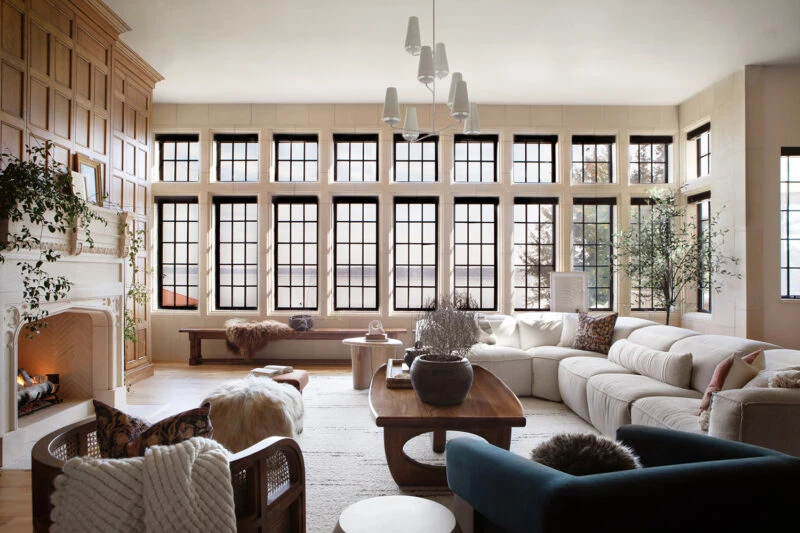
The “Curve” Revolution and Warm Minimalism
The sharp, frigid angles of the 2010s are getting softer. Warm Minimalism, which values high-quality, tactile materials over “stuff,” is the most popular style in 2025.
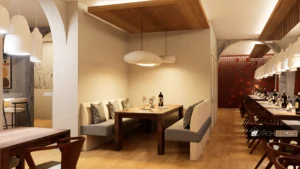
The Power of the Arch: This year, every major US design event is showing off arched doors, curving kitchen islands, and rounded fireplace mantels. These natural shapes are more than simply a trend; they change how people feel about a room, making it feel more inviting and less “clinical.”
The 2025 Color Palette:
- Mid-Tones: Terracotta, sage green, and “Mocha Mousse,” which is a tasty, warm brown.
- Textured Surfaces: Limewash walls, clay-based plaster, and fluted wood paneling are examples of textured surfaces.
Wellness Architecture: The Spa and Home Apothecary
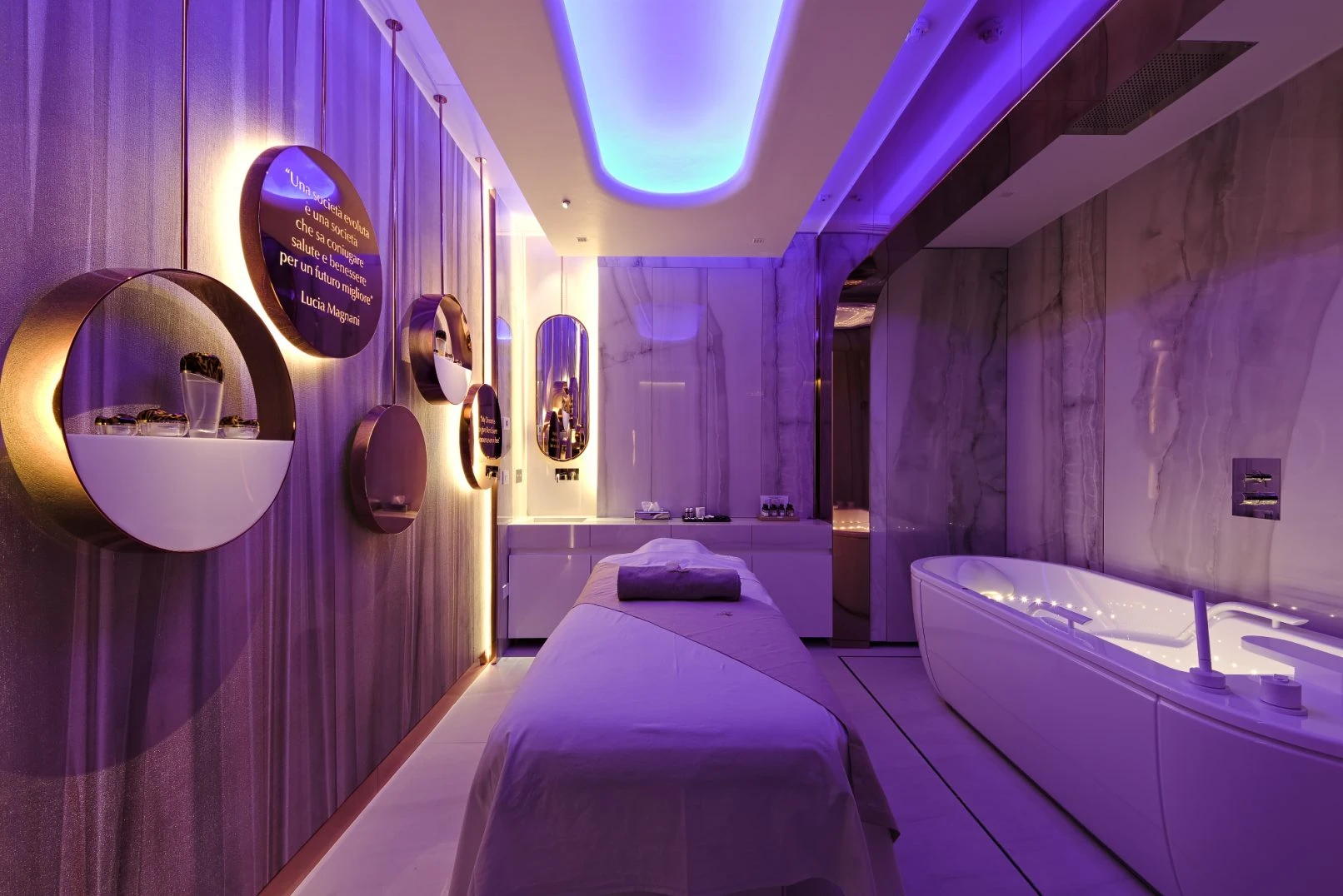
The bathroom has officially become a “home spa.” In 2025, residential architecture makes self-care a part of the building itself.
Essential Health Features:
- The Wet Room is a glass-enclosed area that has both a huge soaking tub and a shower that looks like rain.
- Infrared saunas are now being built right into principal suites.
- Circadian lighting: smart systems that change from cold blue light in the morning to warm amber tones in the evening to help you sleep better.
“Quiet Luxury” Materials: Sustainable with a Soul
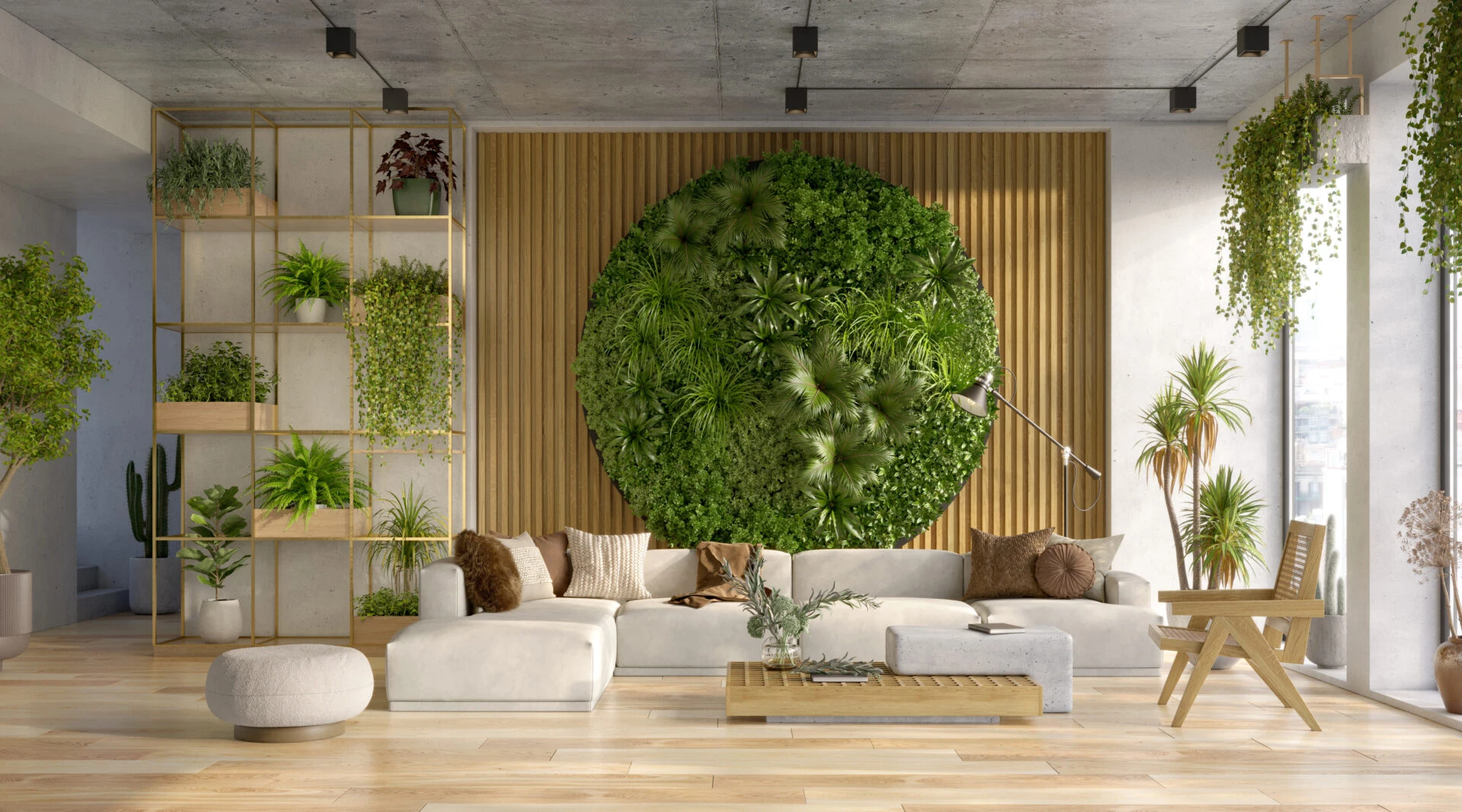
In 2025, being “green” doesn’t mean looking like a factory; it means Quiet Luxury. People who own homes are picking materials that are both strong and pretty.
Innovations that don’t add carbon:
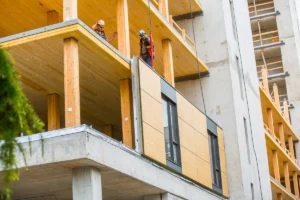
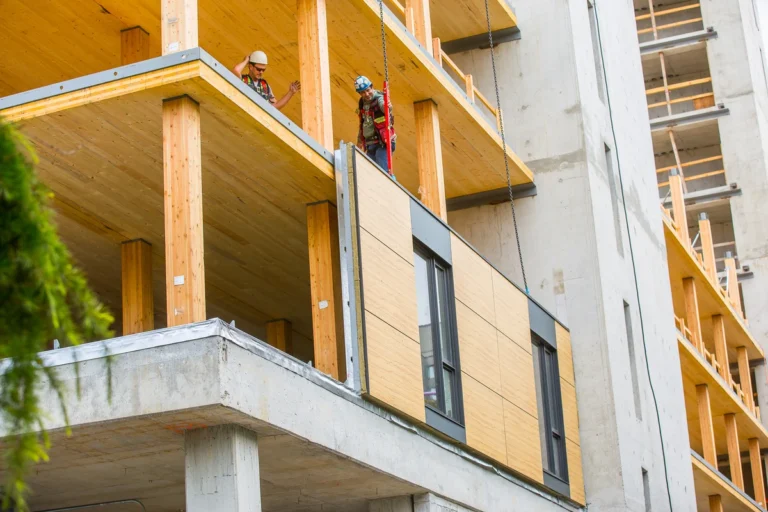
- Mass Timber: Using cross-laminated timber (CLT) for home structures cuts down on carbon emissions and leaves attractive exposed wood beams.
- Mycelium Insulation: Mycelium insulation is made from fungi and is fireproof, biodegradable, and better at blocking sound than other types of insulation.
- Recycled Artisan Stone: Adding “circular” materials like recovered marble or shattered glass countertops to your home gives it a unique touch.
“Human-First” Smart Homes
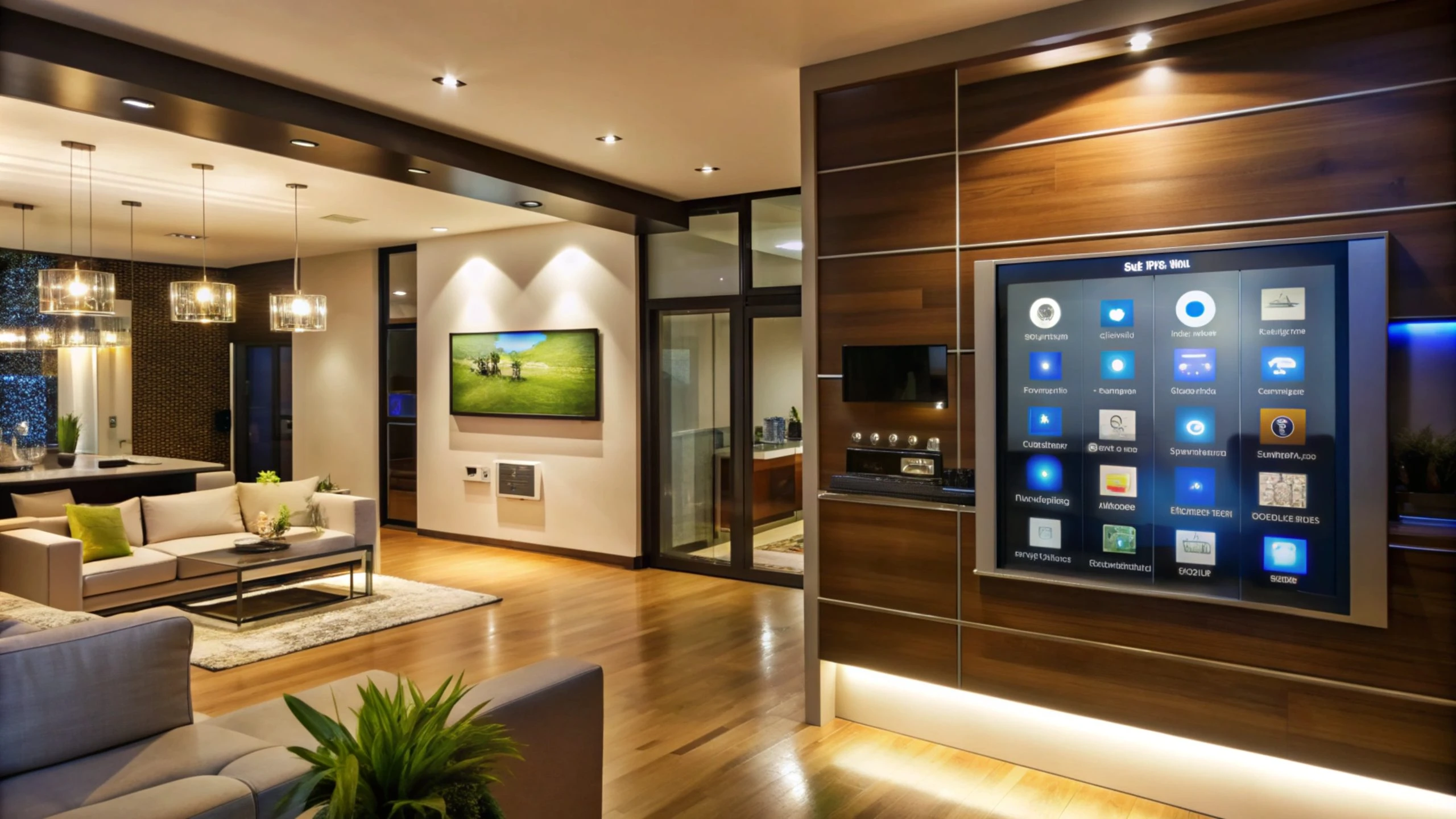
We are no longer in the age of devices just for the sake of gadgets. Smart home technologies is not visible until 2025.
This year’s “Ultimate” smart house employs AI to secretly manage energy use. Consider windows that automatically darken when the sun is at its hottest to save on cooling costs, or “predictive maintenance” sensors that let you know about a pipe leak before it becomes a big problem. The idea is to make technology that keeps you calm without needing your attention.
“Legacy” layouts for more than one generation
ADUs (Accessory Dwelling Units) and “flex suites” are becoming more popular because of economic factors and a desire to be close to family.
Today, architects are making homes with extra entrances and “lock-off” rooms that may be used as a home office, a place for an aged parent, or a rental unit for an adult kid. This versatility makes sure that your house will always be a safe place to be, no matter how your family changes.
Conclusion: Creating Your Future Safe Place
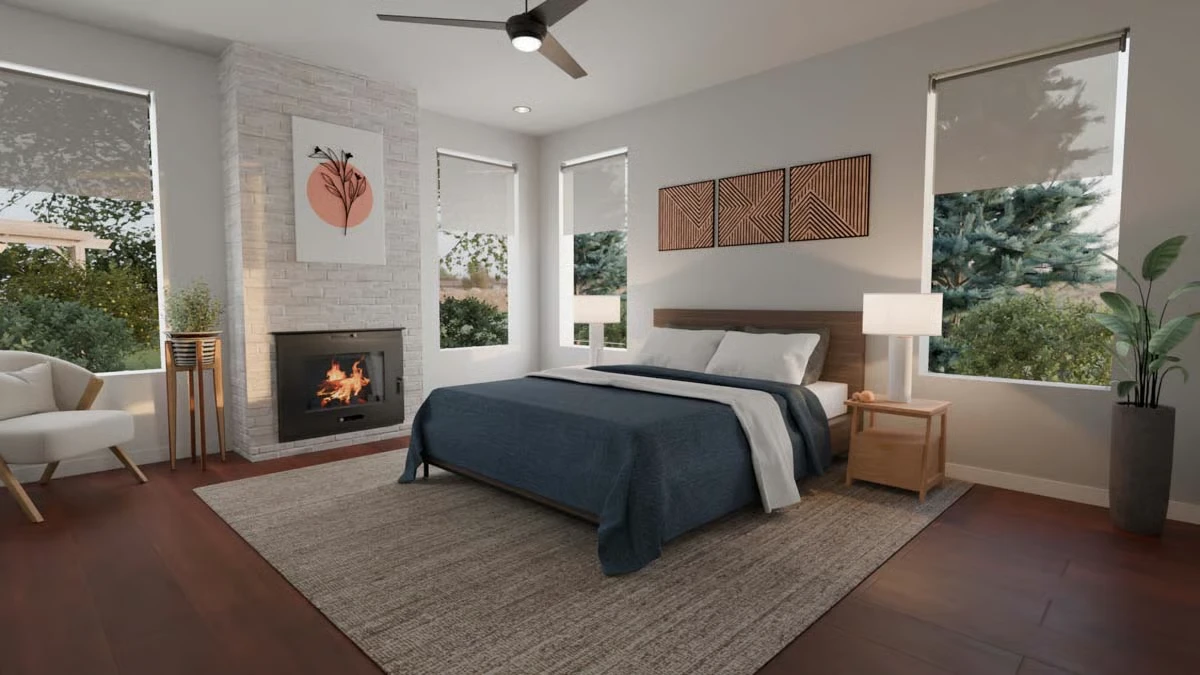
The homes of 2025 are a lovely contradiction: they are more modern than ever, but they also feel more “human” and grounded. You are not simply building a house when you focus on natural light, organic textures, and areas that promote health and well-being. You are also creating a legacy.
Building your dream home is a way to learn more about yourself. When you look at the trends for 2025, ask yourself, “Does this design make me feel at peace?” Does it help me stay in touch with the individuals I care about? If the answer is yes, you’re well on your way to making your own private space.
For more blogs like this CLICK HERE!!!
Reference:
Architect’s Guide: Home Design Trends in 2025 – Architizer Journal