
You found it—the ideal piece of land. You can already imagine the kids playing in the backyard, the wrap-around porch, and the sun coming in through the kitchen window. It seems like the beginning of a lovely chapter. But before you can start digging, you need to satisfy an invisible gatekeeper: zoning laws.
Zoning laws are like the “DNA” of your community in the US. They decide not only what you can build, but also where it can go on the ground, how high it can go, and even what you can do inside it. For those who don’t know what they’re doing, these rules seem like a lot of red tape. Those that are ready can use them as a guide to a stress-free building procedure.
This tutorial will show you the truth about zoning restrictions for developing homes in the US. Let’s make that legalese into things you can do to get your dream home.

What Are Zoning Laws, Exactly? (And Why They Are Important)
Zoning laws are local ordinances that split land into different “zones,” such as residential, business, industrial, or agricultural. They want to keep things peaceful. You definitely wouldn’t want a warehouse that was open 24 hours a day and made a lot of noise right next to your tranquil bedroom window, would you? That’s how zoning works.
These laws protect your peace of mind and the value of your home. They make sure that your community keeps the charm that drew you to it when you bought the land.

The Residential Alphabet: R1, R2, and More
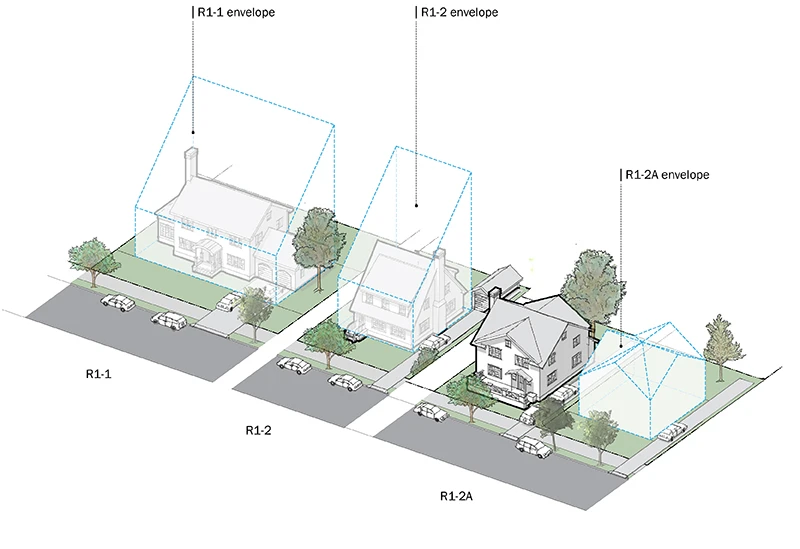
You can find codes like “R-1” or “R-3” on a local planning map for your property. These letters aren’t just random; they represent the keys to your rights to build.
- R-1 (Single-Family Residential): This is the most prevalent type. It usually means that each lot can only have one separate house.
- R-2 (Two-Family Residential): This type of zoning generally lets you build duplexes or “twin homes,” which gives you additional options if you want to develop an investment unit.
- Multi-Family (R-3, R-4): Townhomes, apartments, and condos can all be built in these areas. If you’re building a normal house here, you should be fine most of the time, but the requirements for parking and height will be stiffer.
- Tip: Always look for “Overlay Zones.” These are special requirements that can override ordinary residential codes for purposes like protecting historic buildings or keeping people safe from floods.
The Three Most Important Things You Need to Know
Every community has its unique style, however practically all zoning laws for developing homes in the US are based on these three main ideas:
Setbacks: The “Invisible Border”
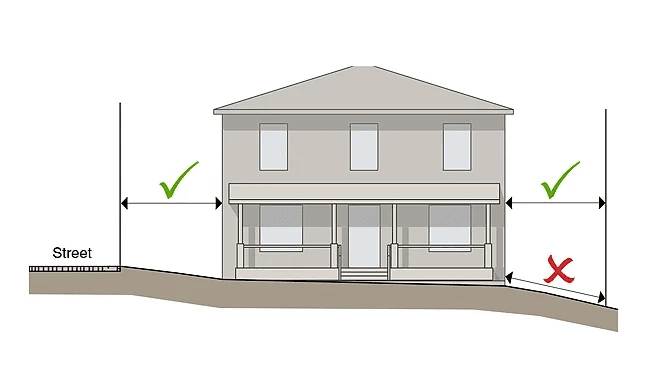
The minimum distance your house must be from the property line called a setback. You normally have a setback in the front, back, and side.
Why it matters: You won’t receive your permission if you build a house that is 5 feet from the line when the law says it needs to be 10 feet away. Getting this right the first time stops heartbreaking redesigns.
Limits on Heig
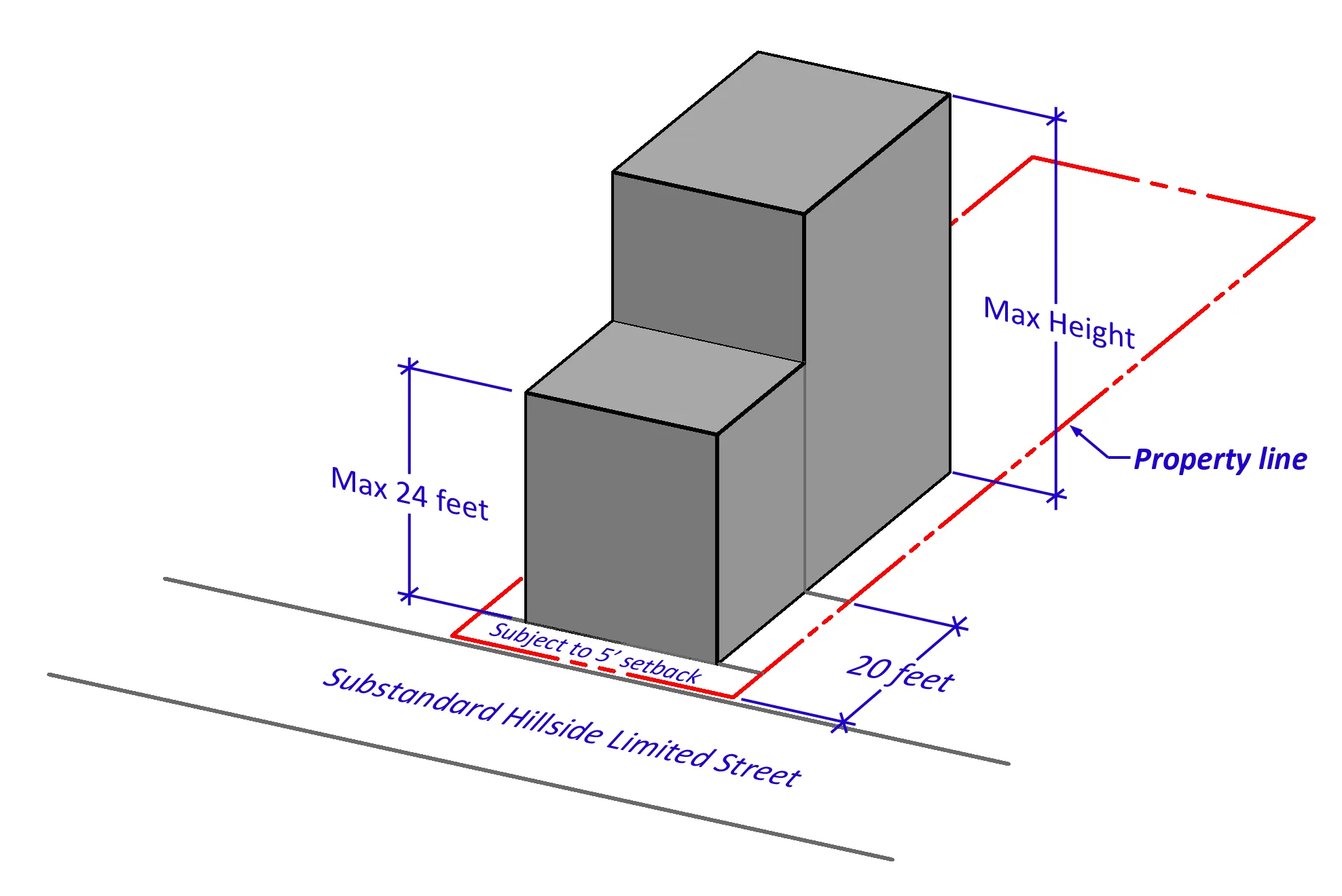
Do you want to live in a three-story skyscraper with a view? Most of the time, zoning restrictions limit the height of homes to 30 to 35 feet. This makes sure you don’t obstruct your neighbor’s light or mess up the street’s “scale.”
FAR (Floor Area Ratio)
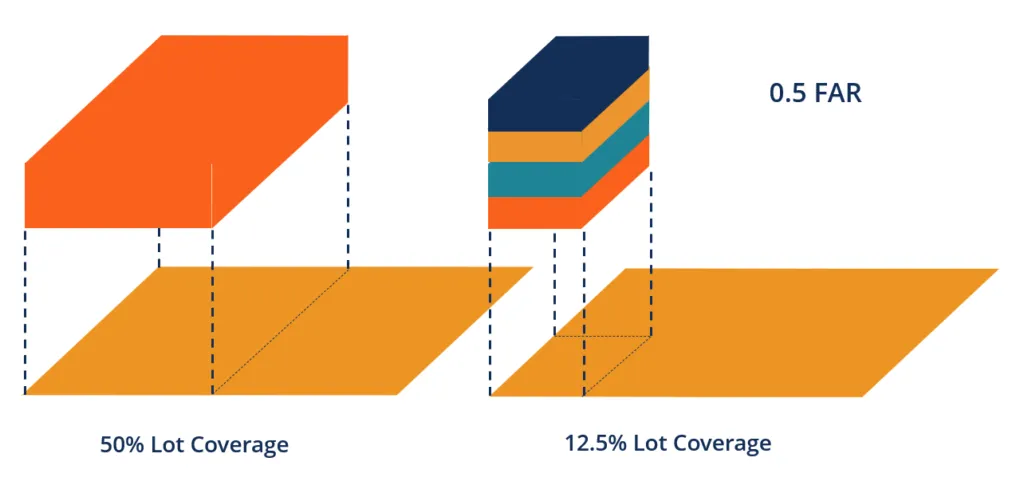
The Floor Area Ratio (FAR), often called “Lot Coverage,” tells you how much of your property can be covered by structures. If your lot is 10,000 square feet and your coverage restriction is 30%, your house can’t be more than 3,000 square feet. This makes area for “green space” and drainage.
How to Get Through the Process Without Stress
It’s not luck that makes things go well; it’s talking to people ahead of time. To get the hang of the system, do the following:
Step 1: The “Pre-Application” Meeting
Before you pay an architect to draw out comprehensive plans, go to your local Planning Department. Ask for a “Pre-App” or an informal desk review. Give them your vision. They will tell you about possible “deal-breakers” for free, which will save you thousands of dollars in changes later.

Step 2: Asking for a “Variance” (The Secret Word)
What if your lot is shaped strangely and you have to construct closer to the line than you are authorized to? You can ask for a zoning variance. This is a request for an exception because of “undue hardship.” It needs a public hearing, but for many homeowners, it’s the difference between a “No” and a “Yes.”

Step 3: Hire a Local Expert
The laws about zoning in Ohio are not the same as those in California. Get a civil engineer or a local land-use lawyer who knows people at City Hall (figuratively speaking). They know how things work around here and can get through the red tape more faster than you can by yourself.

Common Zoning Mistakes (And How to Avoid Them)
- The “ADU” Surprise: Do you want to create a “accessory dwelling unit” or a “granny flat”? Recently, many states in the US, like California, implemented rules to make this easier. However, municipal zoning may still limit their size or parking.
- The Home Business Hurdle: In a digital environment, we all work from home. But some zoning restrictions don’t allow “commercial traffic” at all. Check the “Permitted Uses” section of your zone first if you want to open a yoga studio or a childcare.
- Easements: Easements are “hidden” paths that utility companies can use. You may own the land, but you can’t install a pool over a sewer easement that runs through your backyard.
2025 Trends: The Move Toward “Flex-Zoning”
As we get closer to 2025, a lot of US communities are loosening stringent single-family zoning rules to make room for “middle housing,” which includes cottages and duplexes. This is wonderful news for people who build homes! It gives you more freedom to construct imaginative homes that can fit families of all ages.
Conclusion: Build Your Future with Confidence
Learning how to follow zoning restrictions when building a home It’s not enough to memorize a law book in the USA; you also need to know why the law is what it is. When you respect the laws of your neighborhood, you’re not simply following the rules; you’re also making sure that your house stays a safe place to live and a good investment for years to come.
It all starts with one question to your local planning office. It’s okay to ask it. If you get ready in the correct way, you may make a complicated legal process a stress-free win.
For more blogs like this CLICK HERE!!!!!
Reference:
Master Your Zoning Code: The Smart Homeowner’s Guide to Building Success – The Awakened Homeowner