You finally made the decision to go through with that dream renovation. A sun-drenched deck for summer barbecues, a contemporary kitchen makeover, or a whole new house from the ground up might be what you want. You have the plans, the Pinterest boards are full, and you can call the contractor at any time. But then, the Building Permit casts a shadow on the project.
The phrase “building permit” makes many homeowners and developers think of a lot of red tape, dusty government basements, and hard-to-understand legal language. It seems like a hurdle meant to slow you down.
But here’s a secret: building permits aren’t bad for you. They are actually the best buddy of your project. They make sure your home is safe, your money is safe, and your neighborhood keeps up to code.
In this guide, we’re making things easier. We’ll explain the standards for construction permits in the USA in a style that’s easy to understand, so you can go from “pending” to “approved” without any trouble.

What is the real reason you need a building permit?
Let’s talk about the “why” before we go into the “how.” You could think, “It’s my house, why do I need permission?” Most big construction or remodeling projects in the US need a building permit by law. They give three huge benefits that go beyond the law:
- Safety First: Inspections are required for permits. This implies that a professional makes sure your wiring won’t catch fire and your deck won’t fall down.
- Value When You Sell: Smart purchasers (and their inspectors) will look for work that wasn’t done with permission. Without the papers, you could lose the transaction or have to knock down finished construction.
- Insurance Protection: If an addition that wasn’t allowed causes a fire in your home, your insurance provider may be able to deny your claim.
When do you need a permit? (The Basic Rule)
In general, if you are modifying the footprint, construction, or major systems (electrical, plumbing, HVAC) of a building, you need a permit. Each city in the US has its own rules, though.
A permit is needed for these common projects:
- Structural Changes: Taking down walls that hold up the building or constructing new rooms.
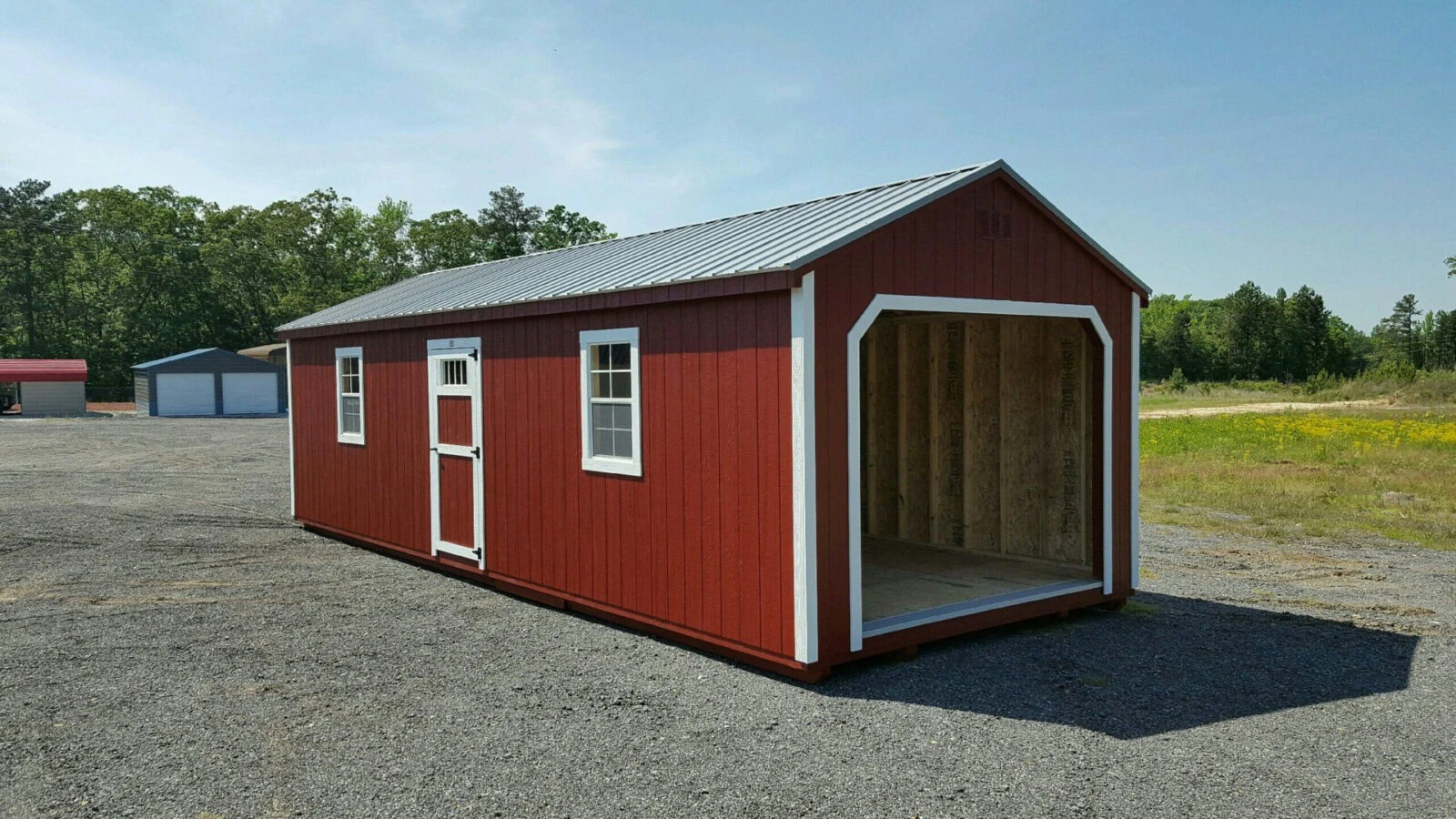
- New construction includes sheds that are bigger than a specified dimension, garages, and ADUs (Accessory Dwelling Units).
- Roofing: Changing the materials or replacing the whole roof structure.
- Decks and fences, especially decks that are more than 30 inches high or fences that are quite tall.
- Plumbing and electrical work includes moving a sink, adding new circuits, or replacing a water heater.

Projects That Usually Don’t Need a Permit:
- Painting and putting up wallpapering
- Putting in new floors or carpets.
- Changing out a faucet without relocating the pipes.
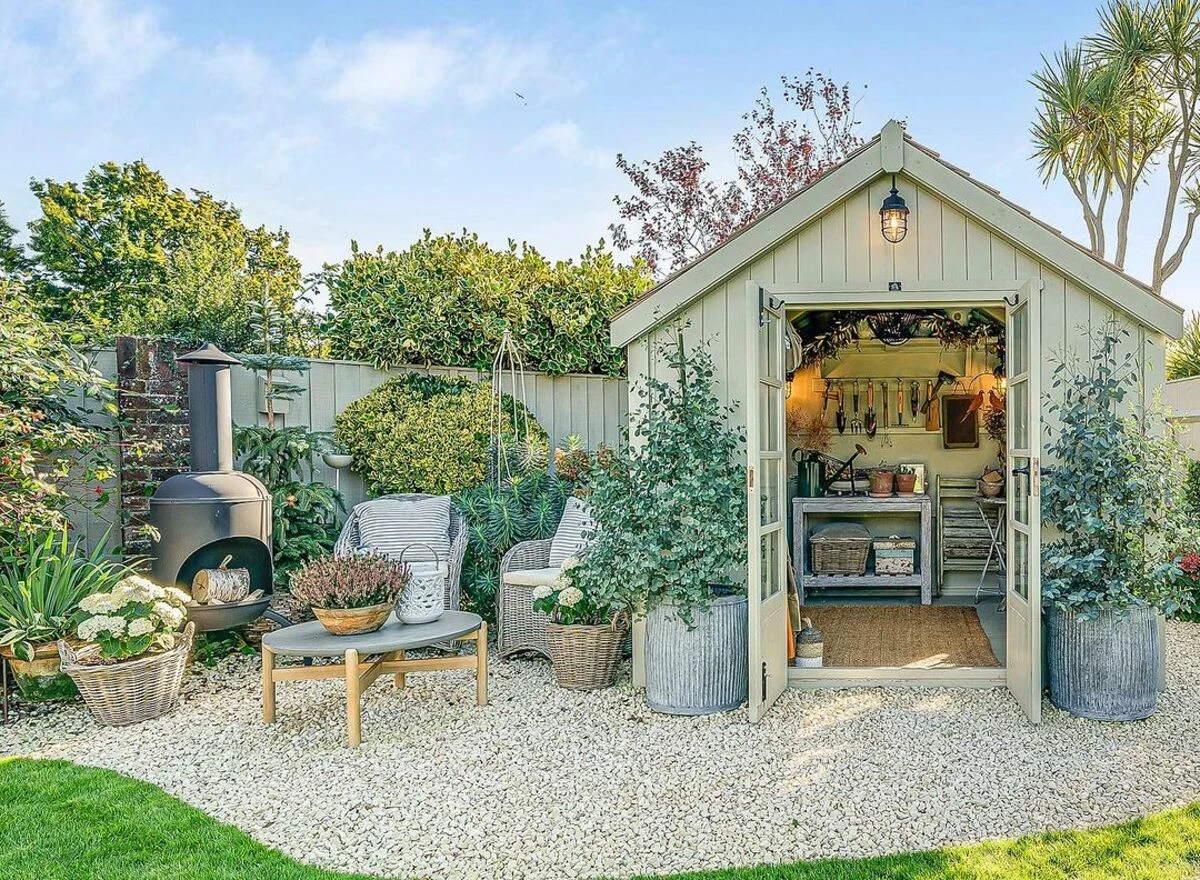
- tiny garden shelters or tiny landscaping.
Step by step: How to get a building permit in the USA
Getting your permission granted doesn’t have to be hard. Following this “Easy Approval” strategy will make the process shockingly easy.
Learn About Your Local Area
In the United States, your city or county building department normally takes care of permits. The first thing you should do is go to their official website. Most modern departments now provide a “Permit Portal” where you can see exactly what you need for your zip code.
Get ready your “Permit Package”
This is where most folks get stuck. Most of the time, a conventional application needs:
- The Application Form: Basic information about the contractor and the property owner.
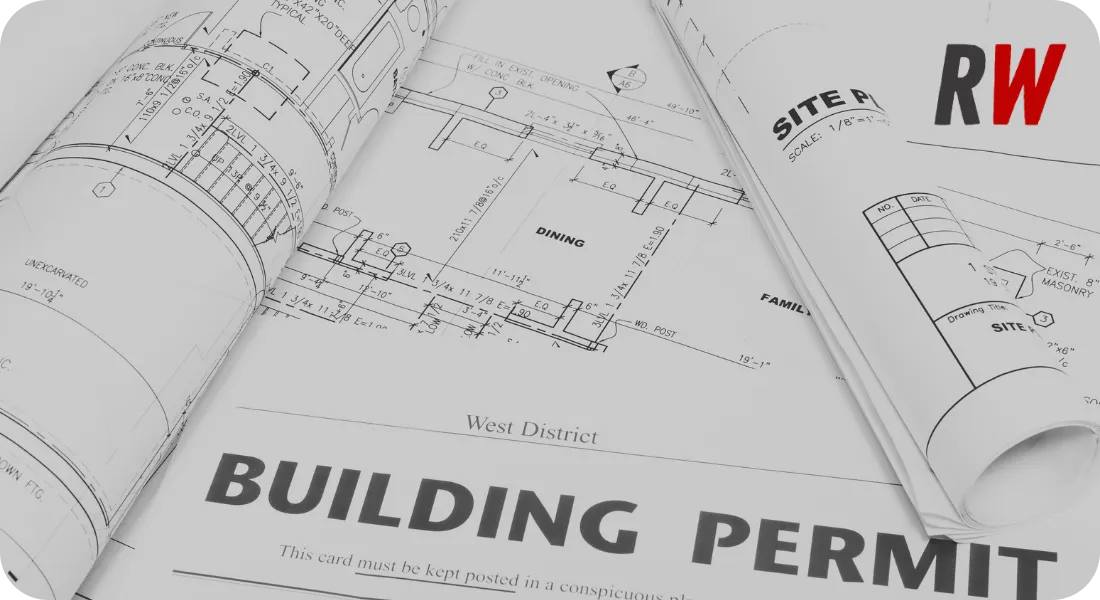
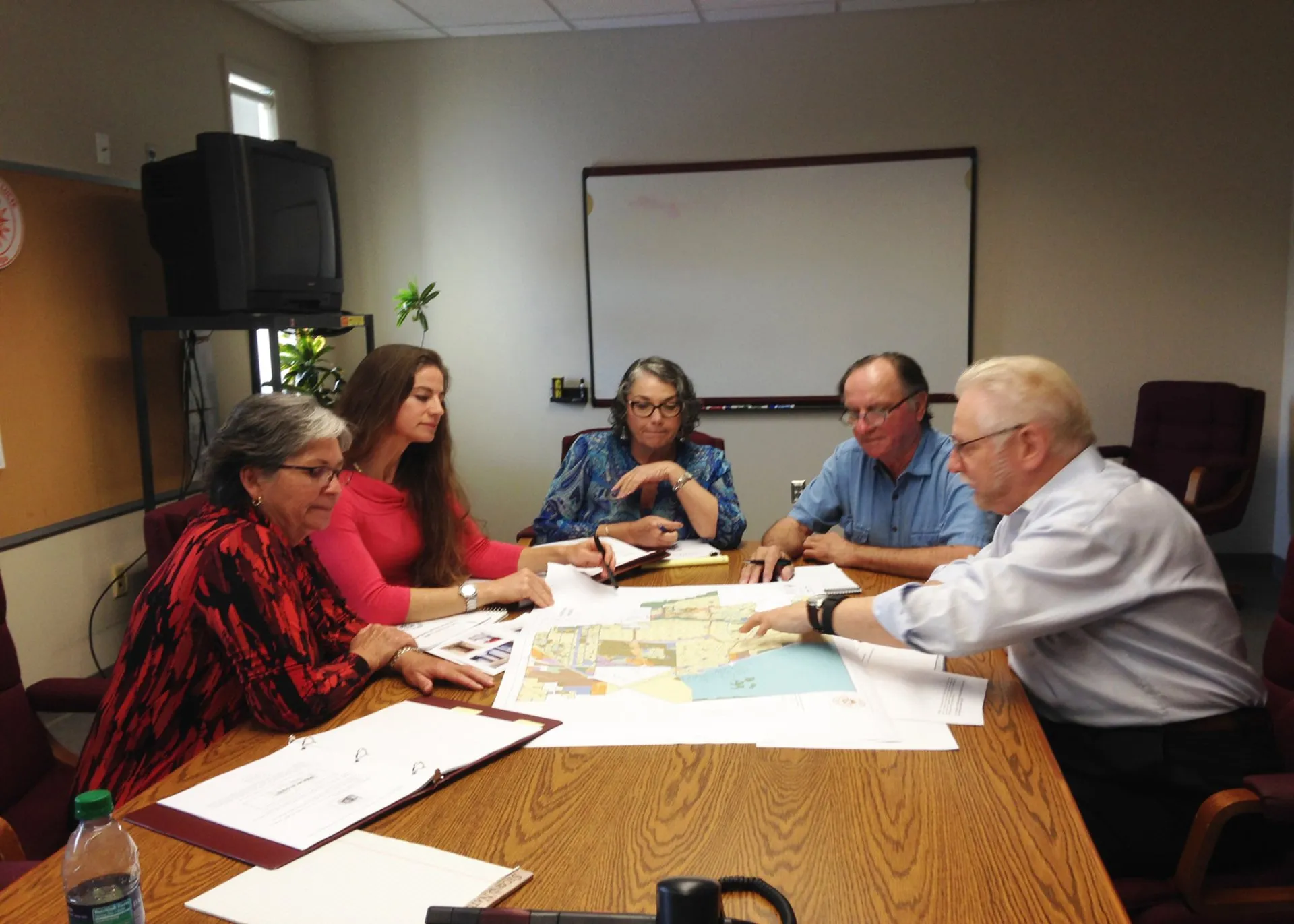
- The Site Plan: A “bird’s-eye view” of your land that shows where the work will happen in relation to the property lines.
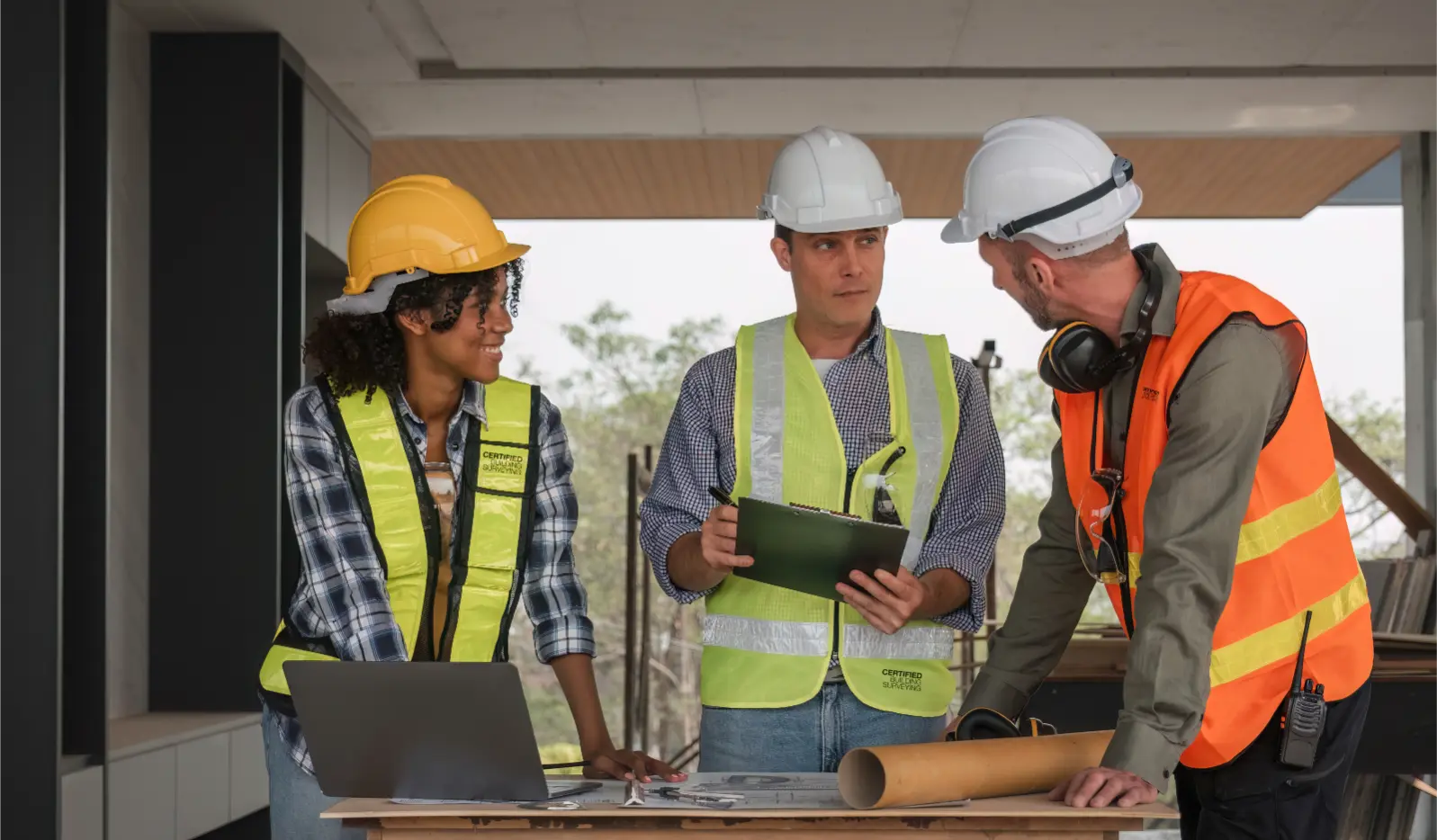
- Construction Drawings: Detailed plans that indicate exactly how the project will be built.
- Energy Calculations: In some places, like California or Washington, you have to show that your project satisfies modern criteria for energy efficiency.

The Review Stage
The “Plan Checkers” will take over once you send it in. They will check your drawings against the International Building Code (IBC) or the International Residential Code (IRC). Don’t be upset if they ask for “corrections.” This is a common element of the back-and-forth.
Tips for Getting an Approval Without Stress
Follow these expert recommendations to speed up the process and keep your application from ending up in the “problem” pile:
Speak with the “Duty Officer”
Most building departments have a “Building Official” or “Duty Planner” who can answer questions quickly. Talk to them before you spend a lot of money on architectural drawings. Give a short description of your project. They can usually tell you immediately away if you’re likely to run into any big zoning problems.
Get a Professional to Do the Drawings
Some places allow “homeowner-drawn” designs for small jobs, however they are the main reason why permits take longer to get. Plans from an architect or a qualified designer are clear, follow the rules, and are considerably easier for the city to approve.
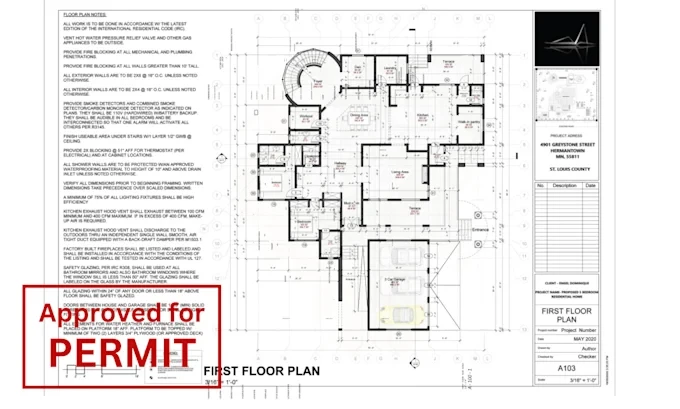
Look for “Expedited” Choices
Is your project small? Many localities in the US give you “Over-the-Counter” licenses for easy activities like changing out a water heater or making little electrical improvements. You can get your permit the same day you go in with your documentation.
The Inspection: Your Last Step
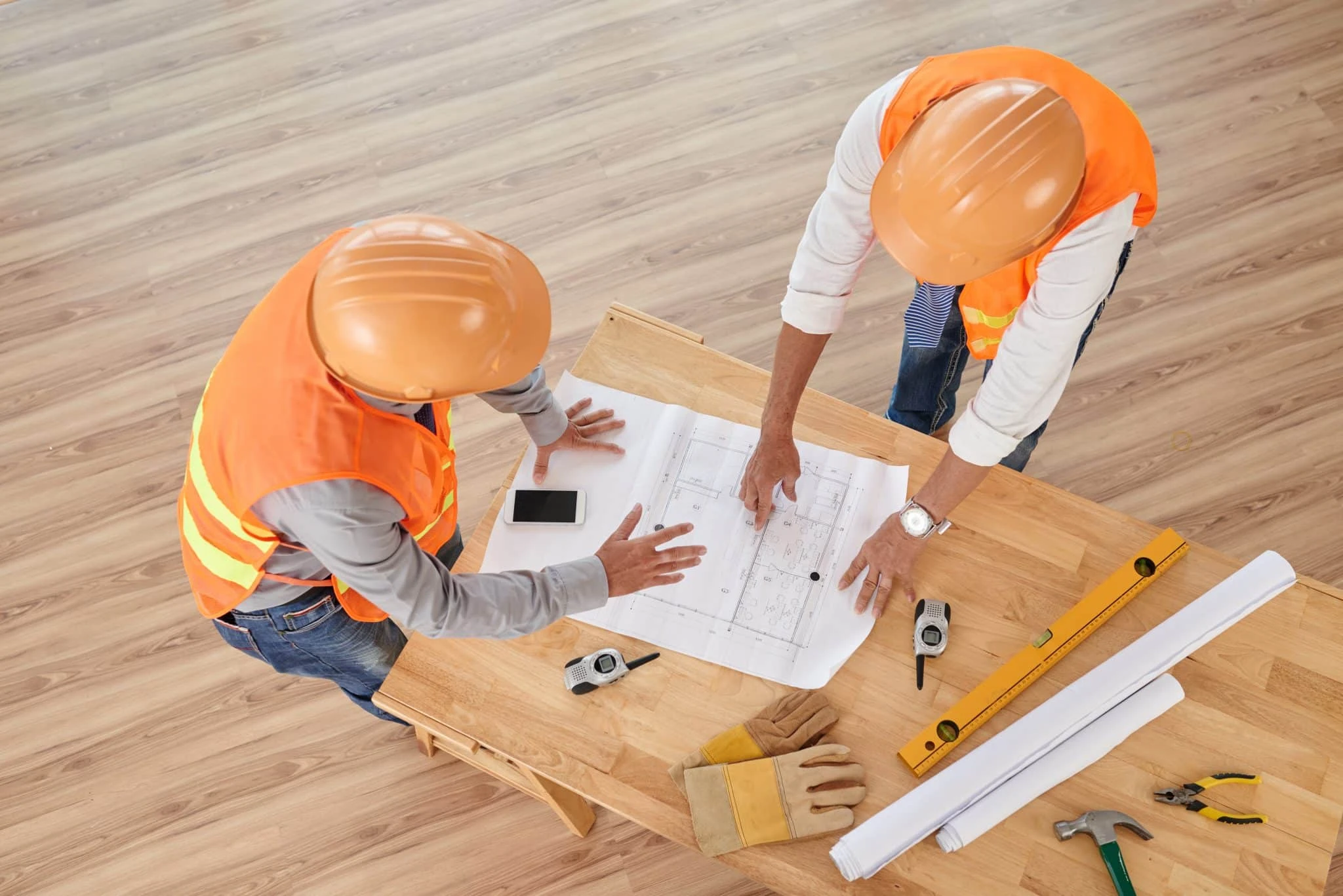
Getting the permit is only part of the fight. You will need to call for inspections at different points during the constructing process.
Some common inspection milestones are:
- Footing/Foundation: This is done before the concrete is poured.
- Rough-In: This is the time between putting in the studs, wires, and pipes and putting up the drywall.
- Final Inspection: When the project is done and ready to be used.
- Important: Don’t cover up your work (such putting up drywall) until the inspector has approved the “Rough-In.” They can lawfully make you tear it down so they can view the work behind it if you do.
Things You Shouldn’t Do
Starting Without a Permit The “I’ll just ask for forgiveness later” plan is a sure way to fail. You could have to pay twice as much, get a “Stop Work” order that keeps your house a construction zone for months, or both.
- Ignoring HOA Rules: Your Homeowners Association may say “No,” even if the city says “Yes.” Always read your CC&Rs first.
- Forgetting the “Site Prep”: Before you can even start building, many licenses require you to have erosion control in place, including silt barriers.
Conclusion: Empowerment Through Preparation
It’s not enough to merely obey the laws when it comes to getting building licenses in the US. You also need to develop a legacy that is safe, legal, and useful. You can make sure your project is a success by treating the permit procedure like a checklist instead of a barrier.
The main points of the “Ultimate Guide” are: Do your research, be honest with your local authority, and always check for safety. You’ll feel better knowing that your dream project was designed to last when you get the official “Certificate of Occupancy” when it’s done.
Are you ready to go? Go to your city’s building department website today to start the process of getting your “Easy Approval.”
For more blogs like this CLICK HERE!!!!!
Reference:
The Ultimate Guide to Building Permit Process Explained: 7 Steps You Need – Build DP