For a long time, the American dream was based on a set plan: three bedrooms, two bathrooms, and a kitchen that stayed where it was born. But as we move toward 2025, the “Forever Home” is going through a big, high-tech change.
What is the most exciting thing that has happened? The “Flex-Core” Layout.
It’s not just about relocating some furniture or knocking down a wall in ten years. This is a revolutionary way of designing buildings that sees the home as a living, breathing organism that can move, grow, and shrink with its people. If you want to know how to plan a basement floor in the US or are preparing to build a new house, you need to know about the Flex-Core for long-term value.
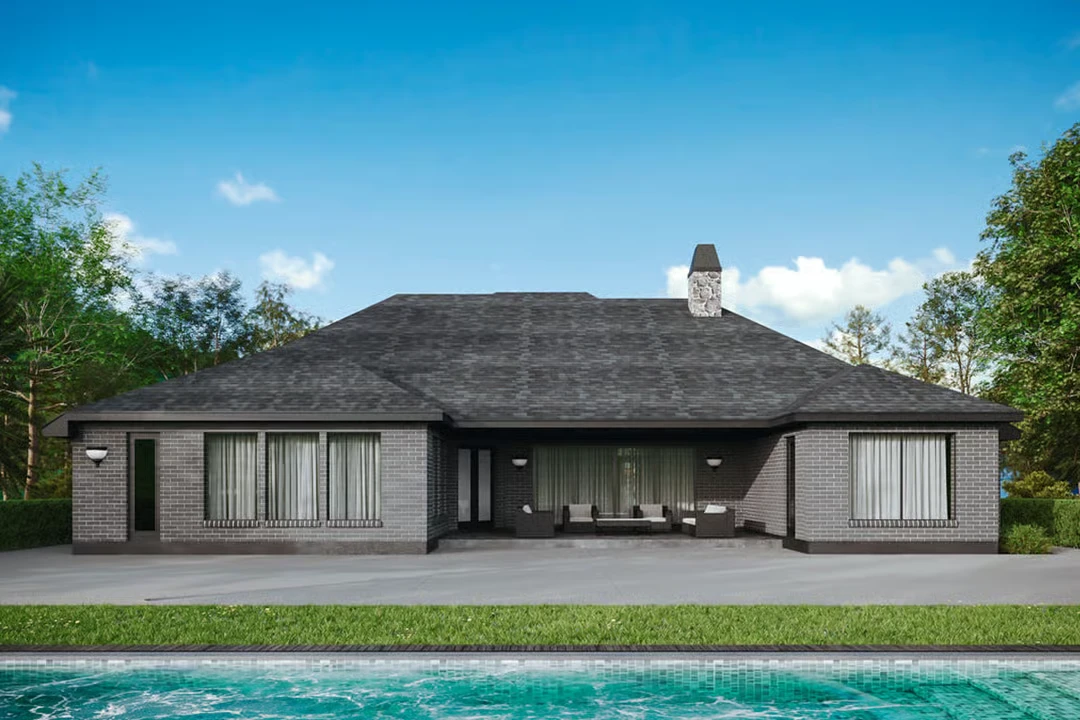
What is a Flex-Core? The Architecture of Choice
A Flex-Core architecture puts all the “hard” parts of a house, like plumbing, HVAC, electrical panels, and structural support, into one central nucleus (the “Core”) that works very well.
“Soft Space” is everything that comes out from that core. These spaces have sliding glass walls, non-load-bearing partitions, and built-in storage walls that can be moved around in a weekend without a permit or a wrecking ball.
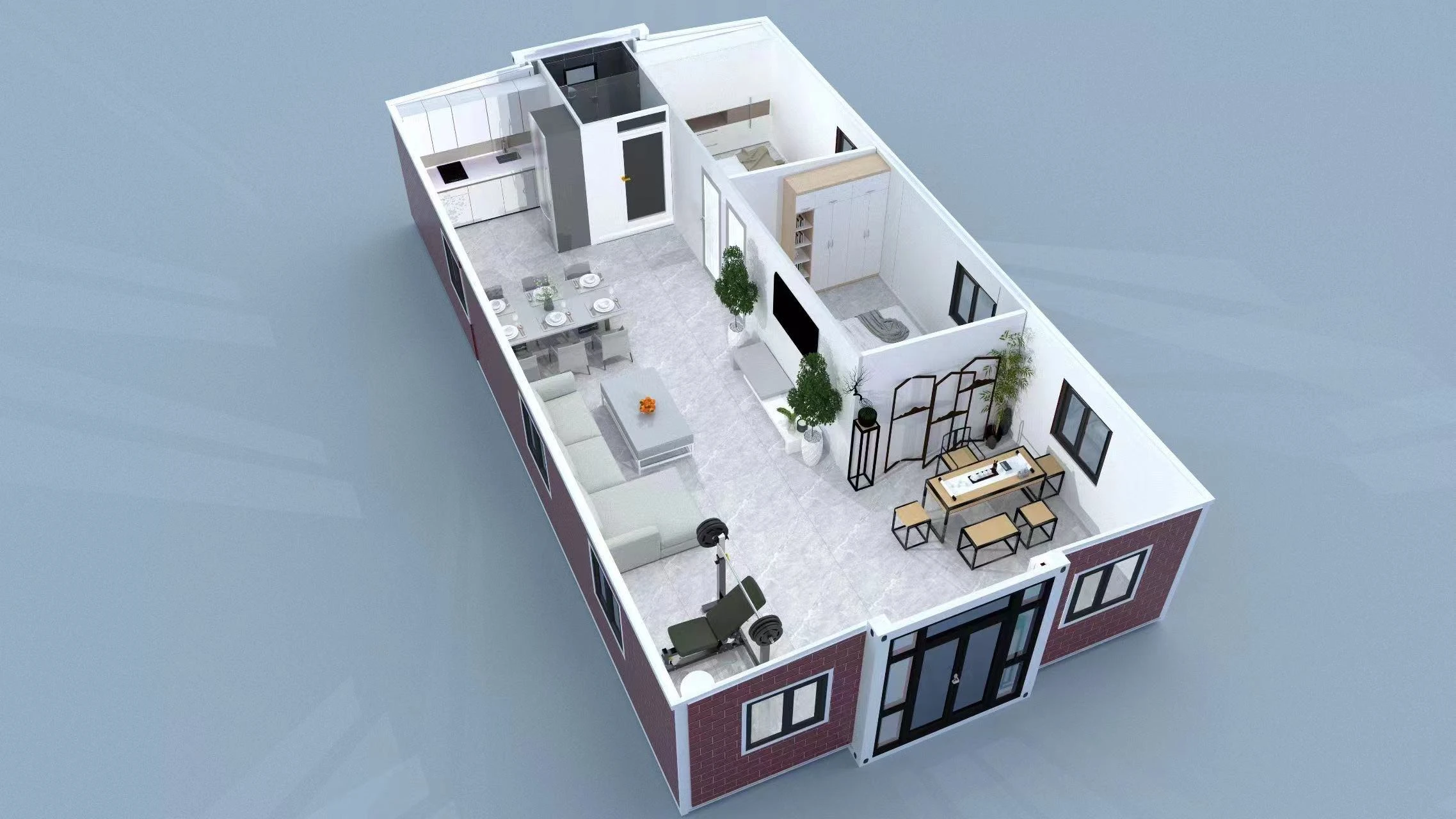
The End of the “Empty Nest” Crisis
Parents used to have “Museum Rooms”—perfectly preserved bedrooms that collected dust—when their kids moved away. The Flex-Core fixes this in 2025.
Adaptive Flex-Core Layouts can turn a four-bedroom house into a two-bedroom suite with an attached rental unit (ADU) or a huge hobby workshop. Adding a kitchenette to an old bedroom is as easy as “plug and play” because the bathroom and kitchen connections are all in the same place. It’s not a $20,000 plumbing headache.
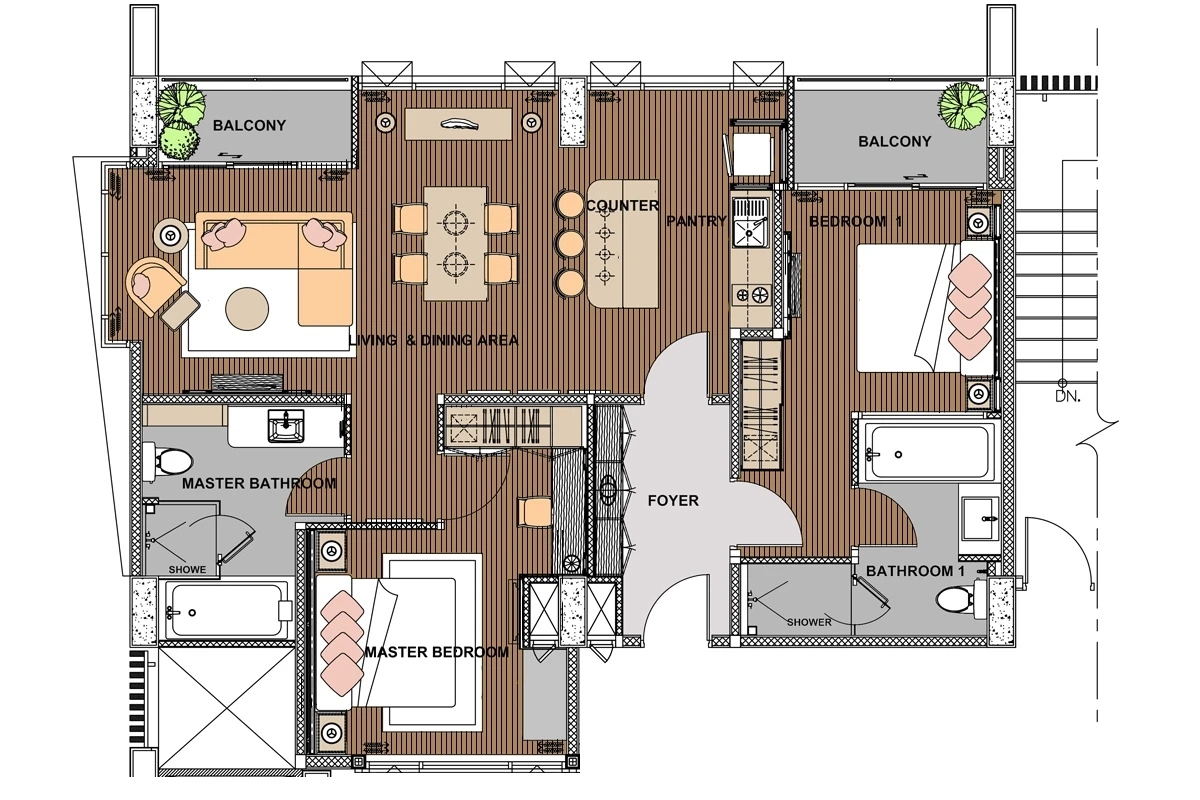
Living With People from Different Generations: The “Casita” Integration
There are a lot more multi-generational homes in the US than ever before. Architects are reacting by putting “Flex-Suites” or Attached Casitas right into the floor plan.
- The Separate Entry: Many of these suites have their own entry and a wall that is “wet-bar ready” that connects to the central core.
- Acoustic Zoning: By putting the loud mechanicals (such the laundry and HVAC) in the insulated Core, the rest of the house stays a “Silent Sanctuary,” so grandparents and adult children can live together without making noise.
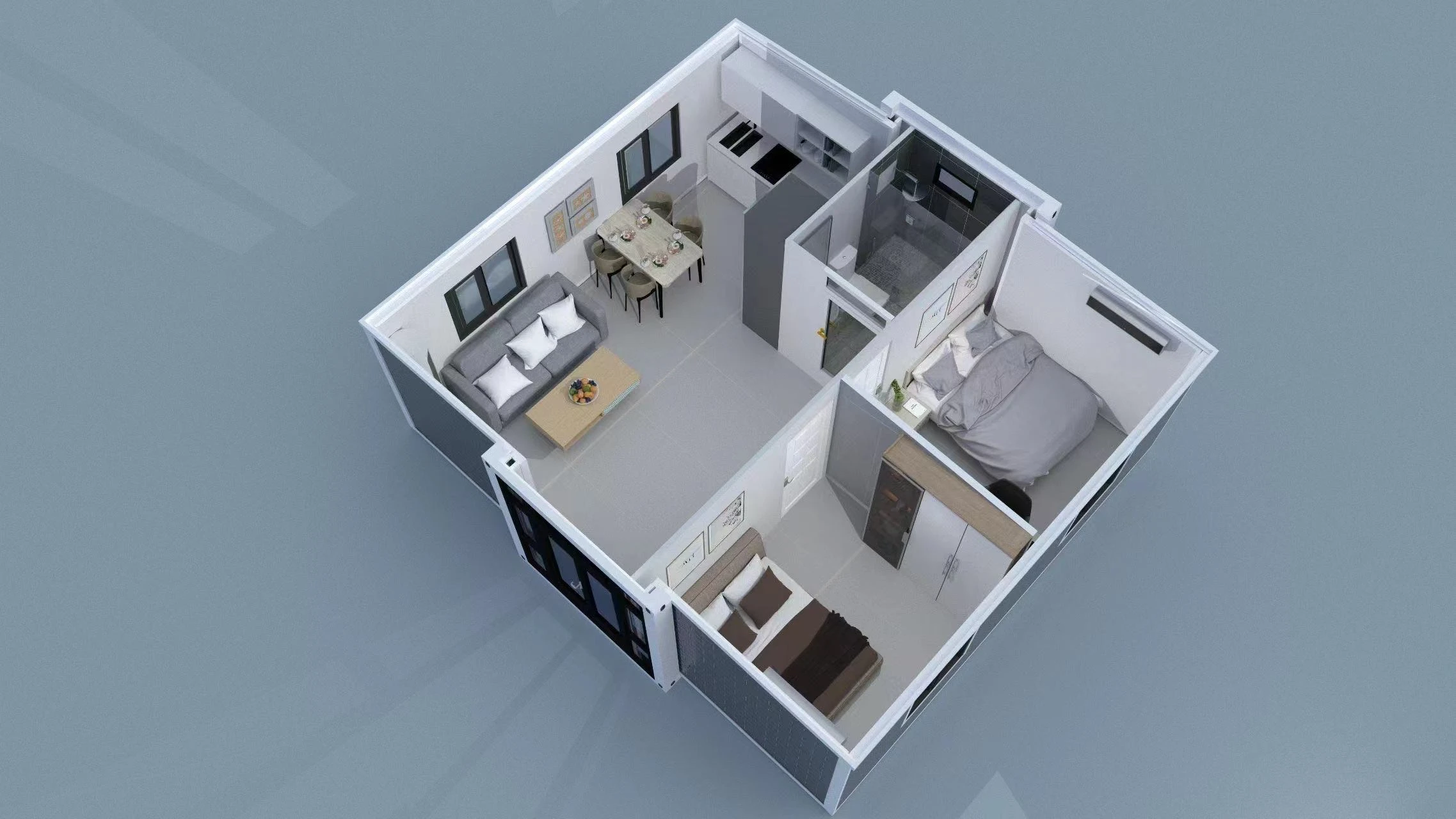
The “Wellness Core” and Biophilic Oases
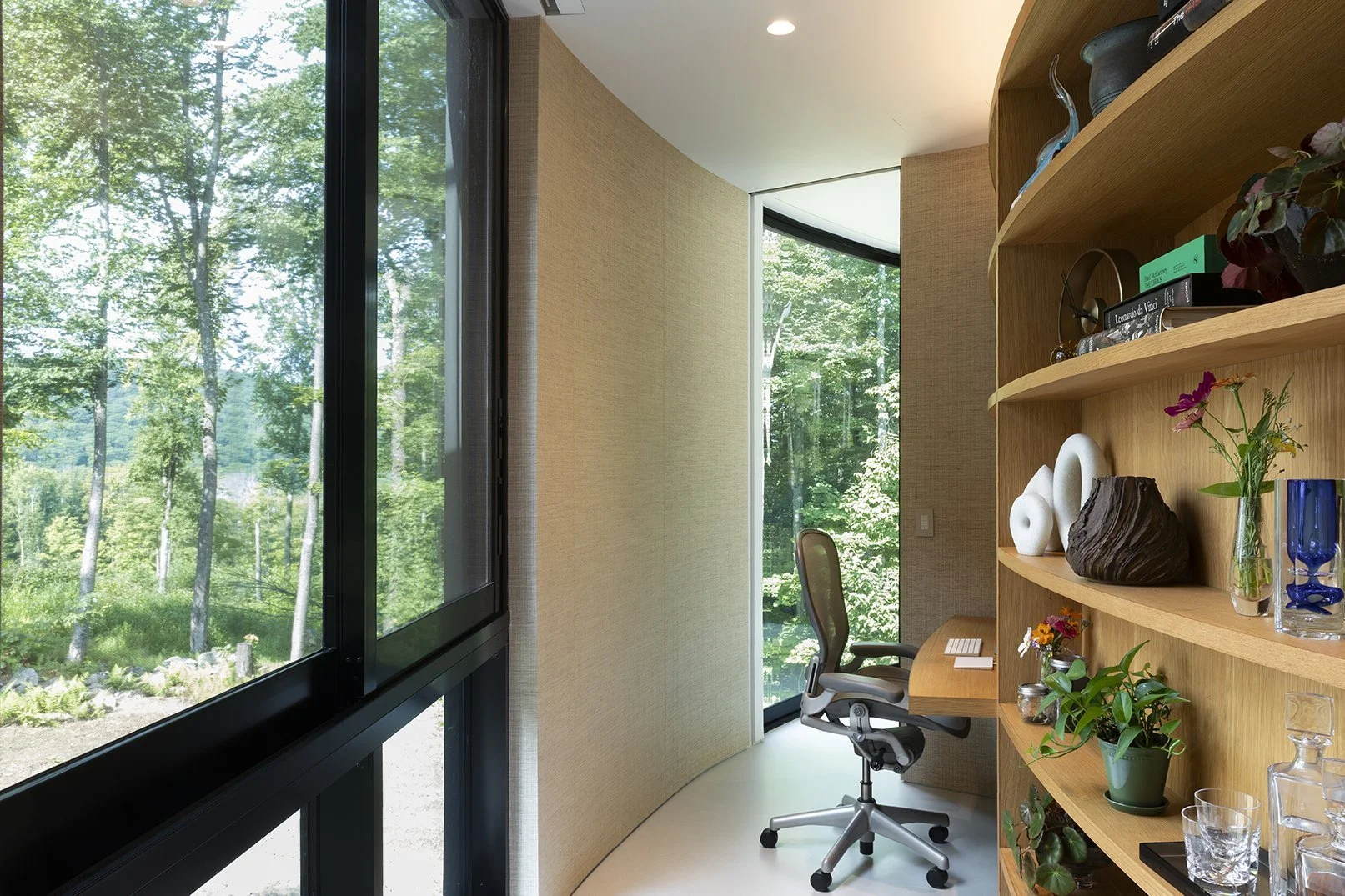
In 2025, Biophilic Design expanded from the backyard to the house’s structural bones. A “Light Well” is a glass-walled courtyard in the midst of a Flex-Core home that lets in natural light into every room.
By integrating these into the core, your home doesn’t just shelter you—it actively improves your mental health and air quality.
Smart Technology: The Concierge You Can’t See
You can see but not hear technology in the 2025 eternal house. We are no longer in the “gadget” era; we are now in Ambient Intelligence.
- Predictive Maintenance: The Flex-Core has sensors that keep an eye on the health of the structure and the integrity of the pipes. They will let you know about a leak before it turns into a flood.
- Dynamic Zoning: The house learns your schedule with smart thermostats. If you just use the “Flex-Office” from 9 AM to 5 PM, the core will automatically change the airflow to keep that area perfect while the rest of the house is idle.

Basements: The Best Place to Use Flex-Core
The Flex-Core is the ideal tool for finding ideas for basement floor plans. It’s hard to rebuild basements because of support columns and ductwork that dangle down low.
- Intentional Obstacles: Today’s designs use support beams as “Architectural Features,” such as built-in storage or separators between rooms.
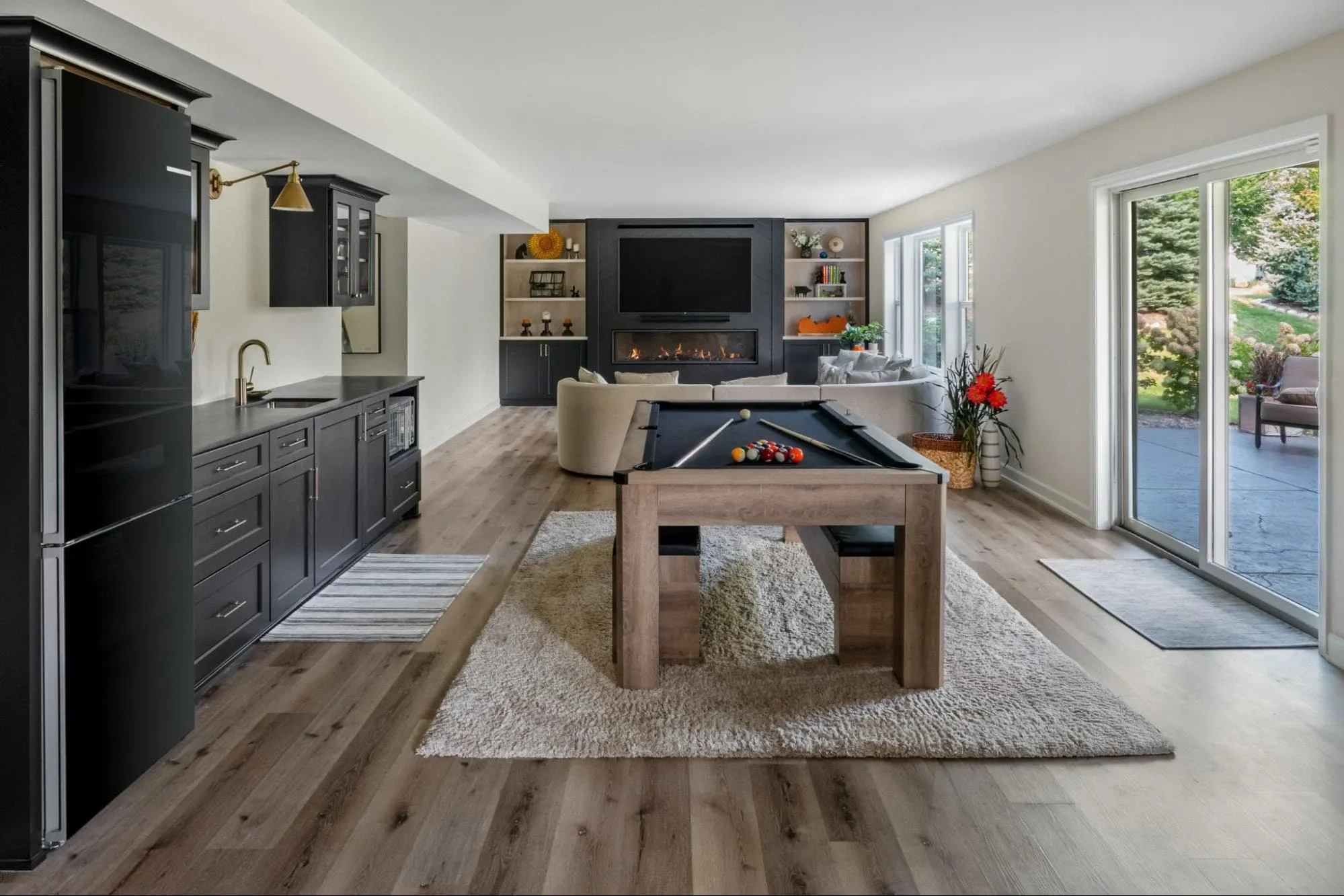
- The Social Hub: 2025 basement trends are all about “Entertainment Hubs.” These are open-concept areas that may be separated with soundproof velvet curtains or sliding glass. They combine a home cinema, a gym, and a temperature-controlled wine cellar into one space.
| Feature | Old School Layout | 2025 Flex-Core |
| Plumbing | Scattered throughout house | Centralized “Wet Wall” |
| Walls | Fixed Load-bearing Drywall | Modular / Sliding / Storage-integrated |
| Sustainability | Add-on Solar Panels | Integrated Net-Zero systems |
| Purpose | Single-use rooms | Hybrid “Life-Zones” |
“Warm Minimalism” and Design for the Senses
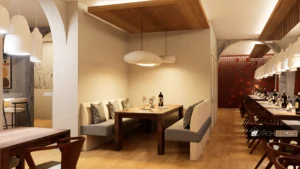
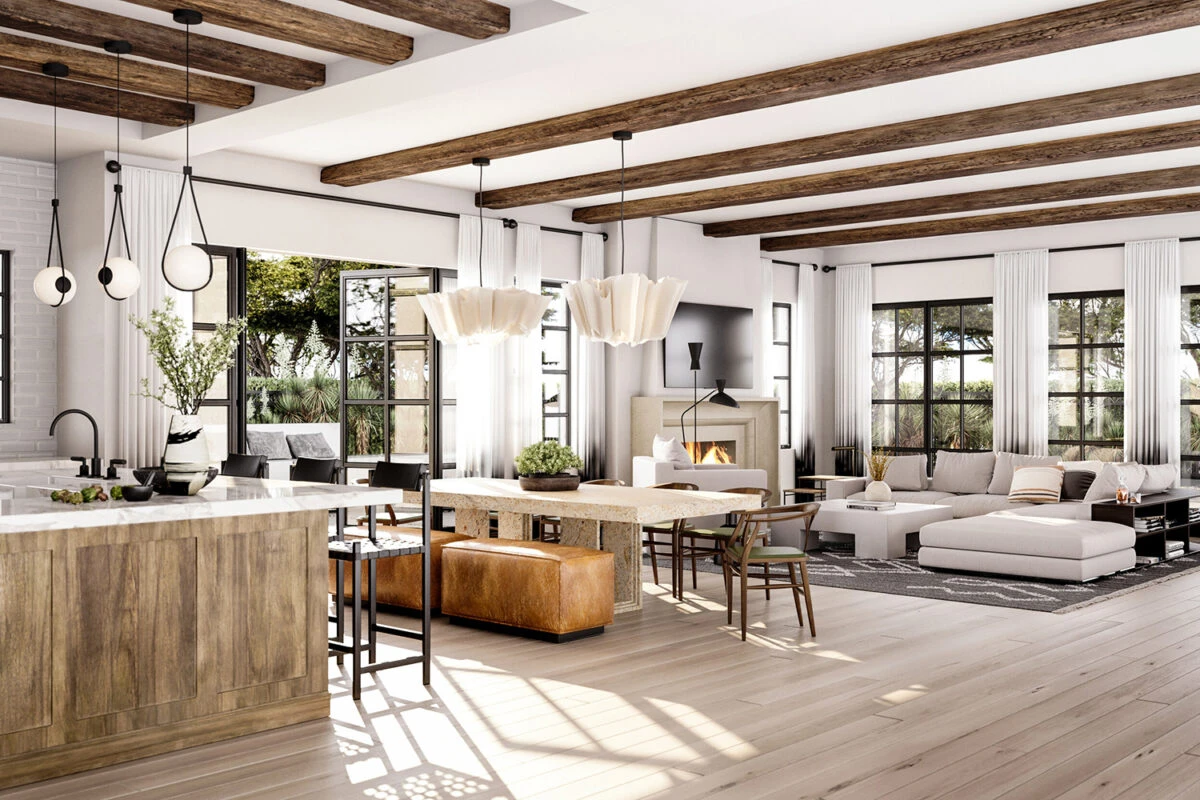
The modernism that was frigid and sterile, like a “white box,” is no longer in style. Warm Minimalism is the style of architecture in the United States in 2025. This style uses:
- Tactile Textures: Walls covered in limewash, terracotta tiles, and white oak that hasn’t been varnished.
- Curved Geometry: Arched doors and rounded kitchen islands that look like nature’s flow.
- Earthy Palettes: Sage greens, deep terracottas, and “muddy” neutrals that make a big Flex-Core space seem warm and grounded.
Design that lasts: the “Hardened” Home
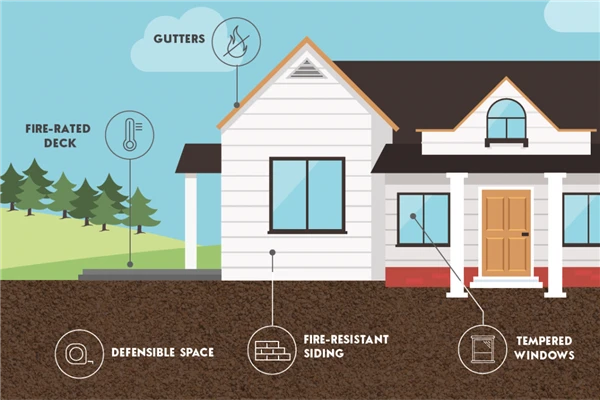
The 2025 eternal home is built to last because the weather is become less predictable.
- Fire-Resistant Exteriors: Metal roofs and siding that don’t catch fire are becoming standard in high-end homes.
- Energy Autonomy: A high-capacity battery wall (like the Tesla Powerwall 3) is usually in the core, so the house can run off-grid for days during a storm.
Why Building Your Legacy Matter
When you design or remodel with a Flex-Core concept, you are basically “future-proofing” your biggest investment. A house that can change is one that keeps its worth.
In the competitive real estate market of 2025, buyers are searching for more than simply square space; they want potential. They want a home that can be a safe haven today, a busy family center tomorrow, and a quiet place to retire in thirty years.
The future of American living isn’t about having more space—it’s about having space that works harder for you.
For more blogs like this CLICK HERE!!!
Reference: