Building Beyond Code: Why Fire Safety is the Best Investment You Can Make in Your Home
Think about this: something that seems impossible happens. A little spark, a problem with the wiring, or a mistake in the kitchen. A house can be completely destroyed in a matter of minutes. It’s a scary concept that keeps a lot of folks up at night.
We make our homes safe and comfortable places to live. But while we’re excited about design and decor, we sometimes forget about one of the most important parts of security: fire safety.
Building requirements need certain levels of fire resistance, but going above and above those minimums is not just about following the rules; it’s about keeping your family safe. It’s about giving them a few extra minutes to get out, lessening damage, and giving them piece of mind.
This important guide goes into detail about fire-resistant building materials in the USA. We’ll explain the science behind it, look at the best solutions, and show you how to really safeguard your home from the quiet, quick threat of fire, making sure your family’s future is safe.
More than just “non-combustible”: What Fire Resistance Means
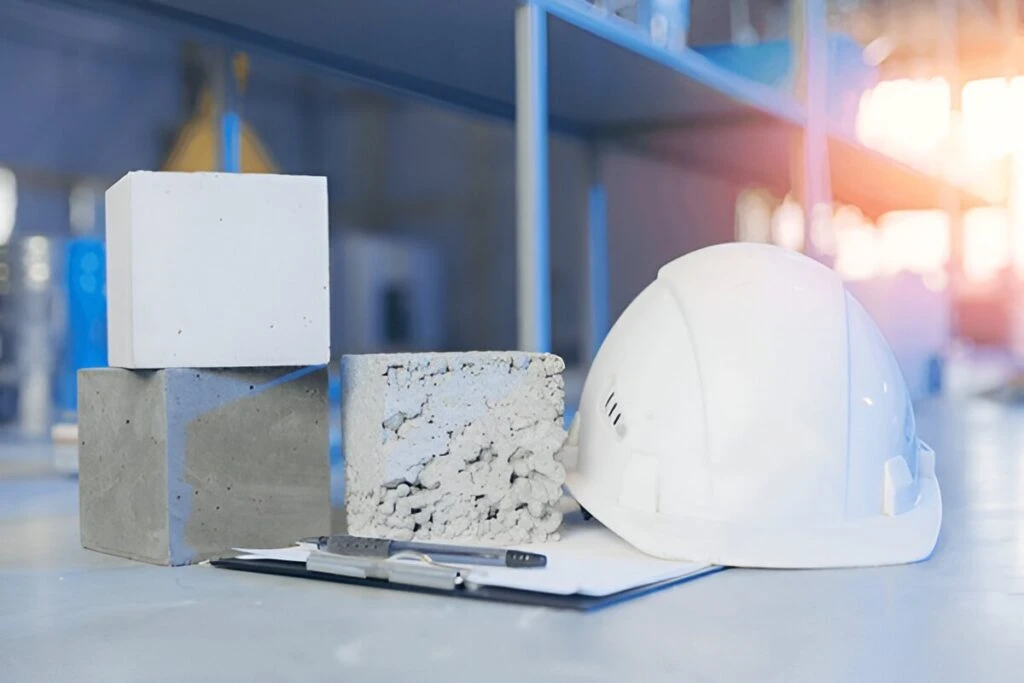
When we say that building materials are fire-resistant, we don’t mean that they can’t catch fire at all. We are instead focused on materials that:
- Do not quickly catch fire: They don’t catch fire easily when they come into contact with flames.
- Slow the spread: They slow down the fire’s progress, giving you more time.
- Keep the structure strong: They keep the building up during a fire so it doesn’t fall down.
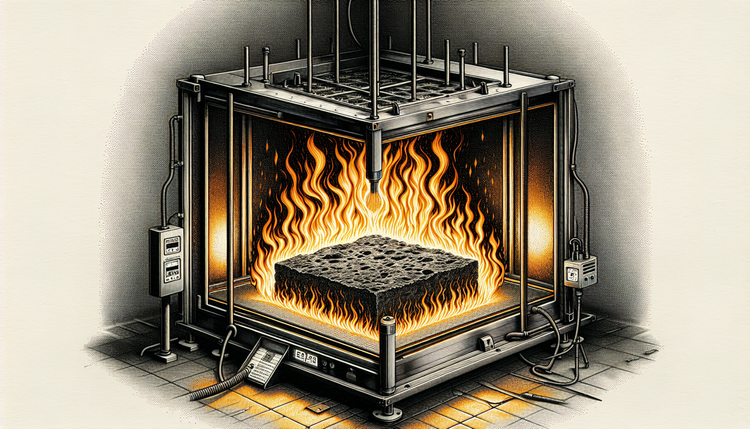
A “fire-resistance rating” is a way to tell how many minutes a material or assembly can stand up to fire in the US. This is a professional standard that has a direct effect on how safe your home is.
What Passive Fire Protection Does
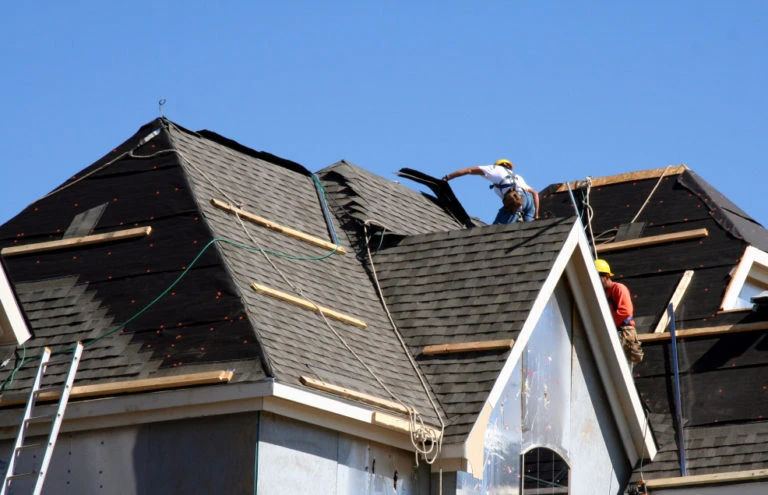
Think of passive fire defense as the quiet guards that keep your walls safe. These are the parts that are built in and will automatically respond to fire without any help from anyone. Choosing the correct building materials that won’t catch fire is the most important part of this protection.
This covers everything, from the drywall you choose to the insulation you put in to the siding on the outside of your house. Every layer helps keep your home safe from fire.
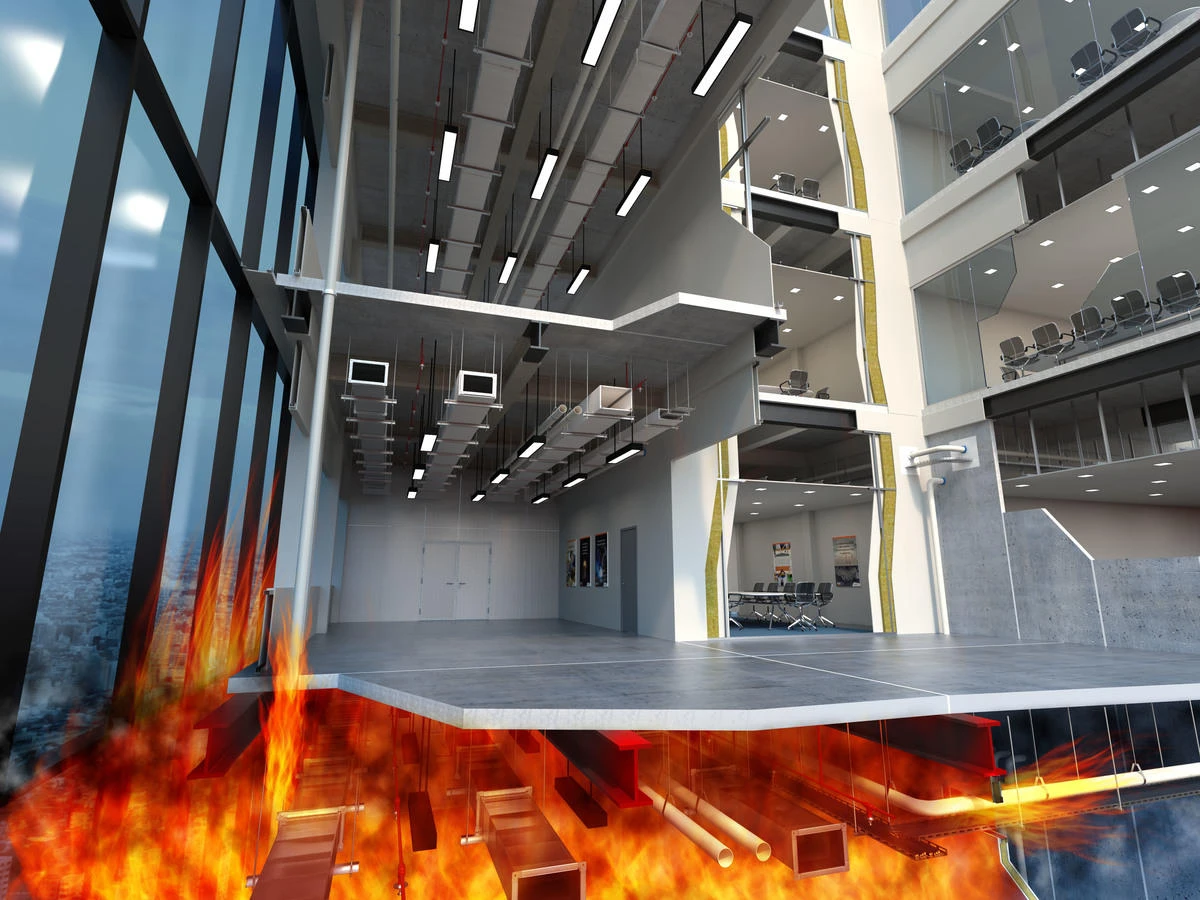
Important Fire-Resistant Building Materials for Your Home
Let’s look at the main places where you can use fire-resistant materials in a smart way to protect your home and family.
The Siding on The Outside of Your Home Is Its First Line of Defense
The outside of your home is the first line of defense against flames that start outside, like wildfires or fires that spread from nearby homes.
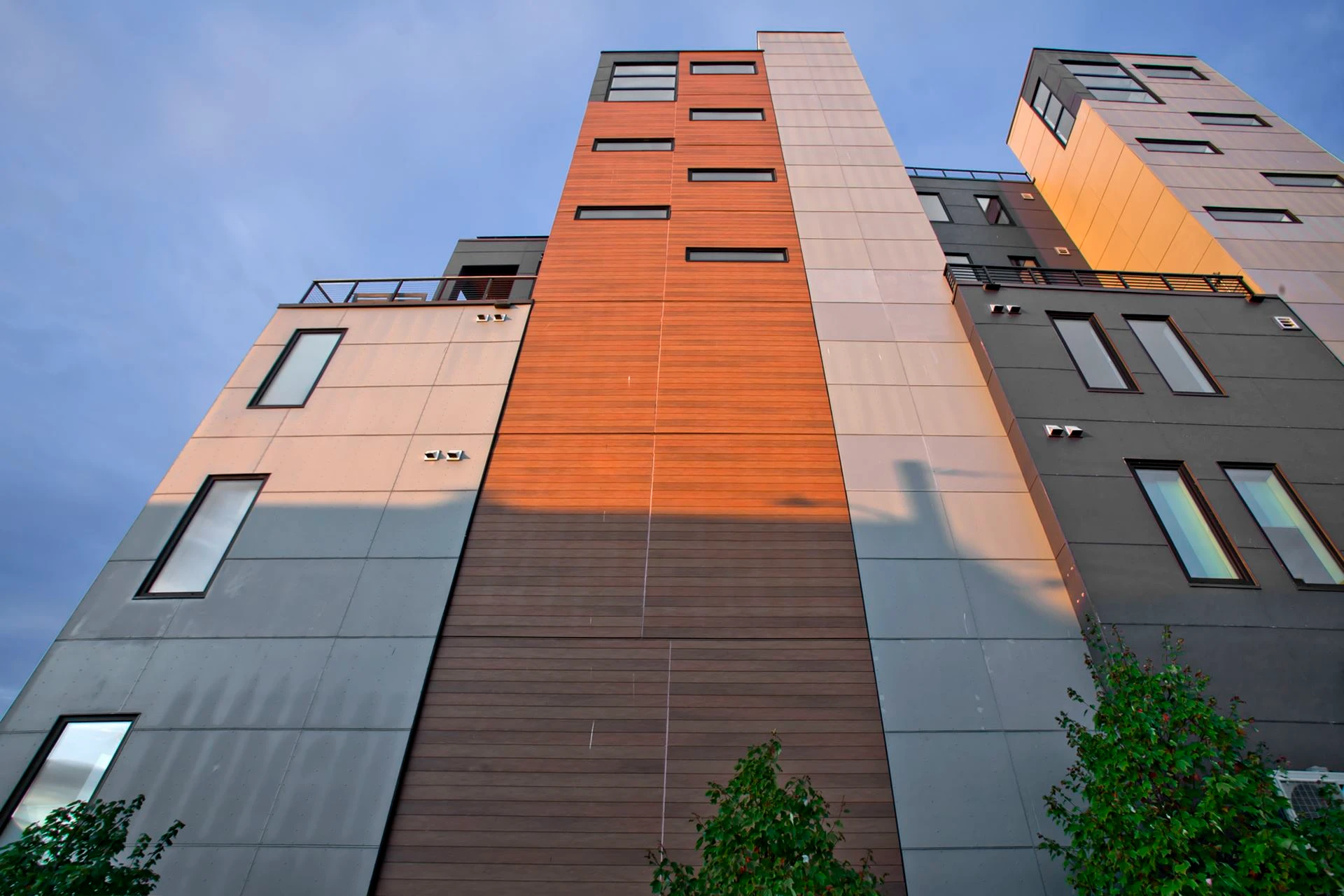
- Fiber Cement Siding: HardiePlank and other products like it are very popular. It is almost impossible to catch fire because it is made of cement, sand, and cellulose fibers. It won’t catch fire when it comes into contact with flames, and it helps keep a fire from spreading. It’s one of the best building materials in the USA that won’t catch fire.
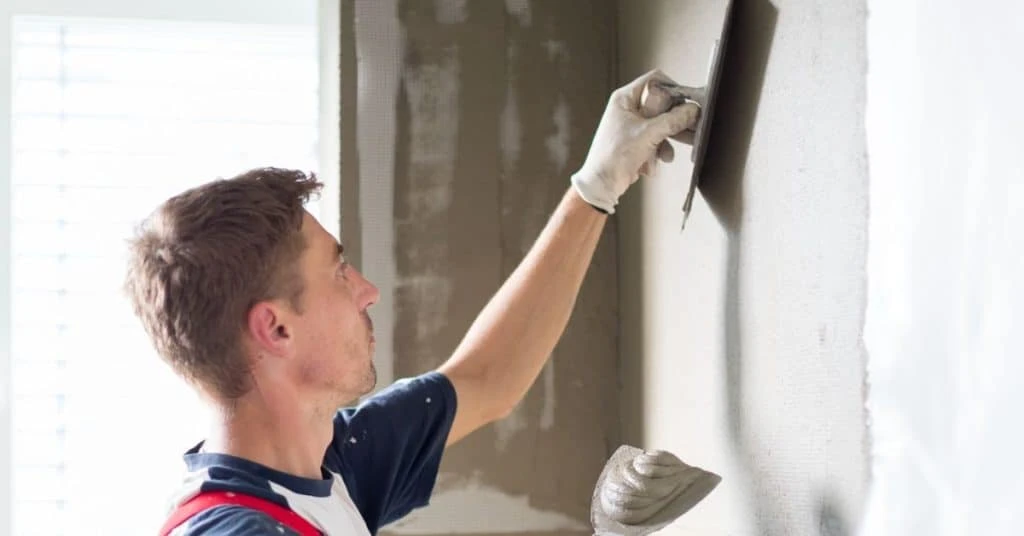
- Stucco: A classic choice, stucco is very fire-resistant because it is made of cement.
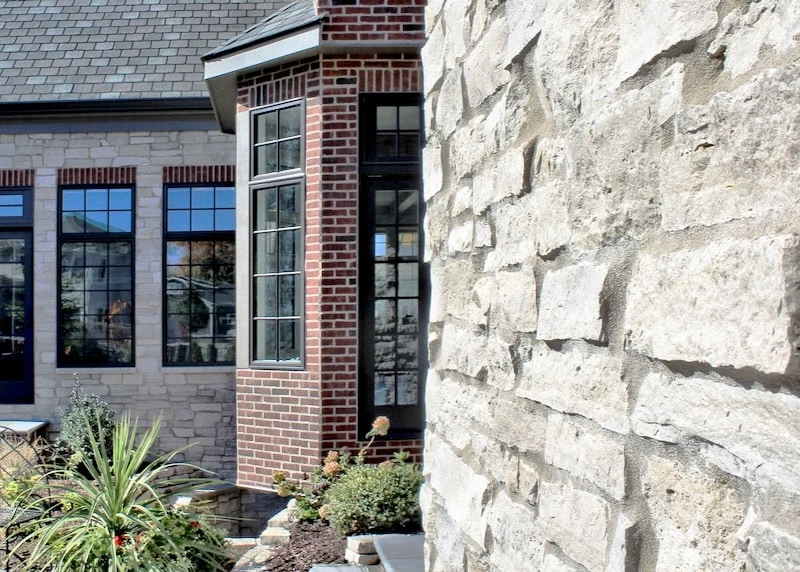
- Brick and stone: These materials are naturally fire-resistant and are some of the best possibilities, although they cost more.
Stay away from vinyl siding in places where it is likely to get very hot, because it can melt and drip.
Roofing: Protecting from Above
Embers from wildfires or nearby house fires can travel far. Your roof is highly vulnerable.
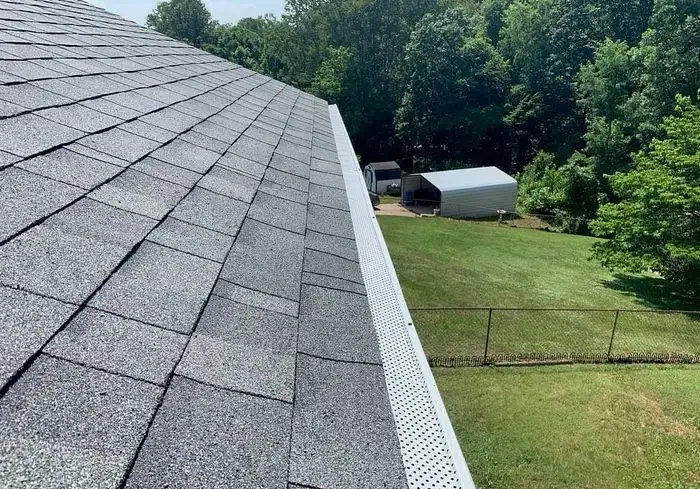
- Asphalt Fiberglass Shingles: Many current asphalt shingles are made with fiberglass mats that give them a Class A fire rating, which is the best rating for roofing materials. They don’t catch fire easily and keep fires from spreading.
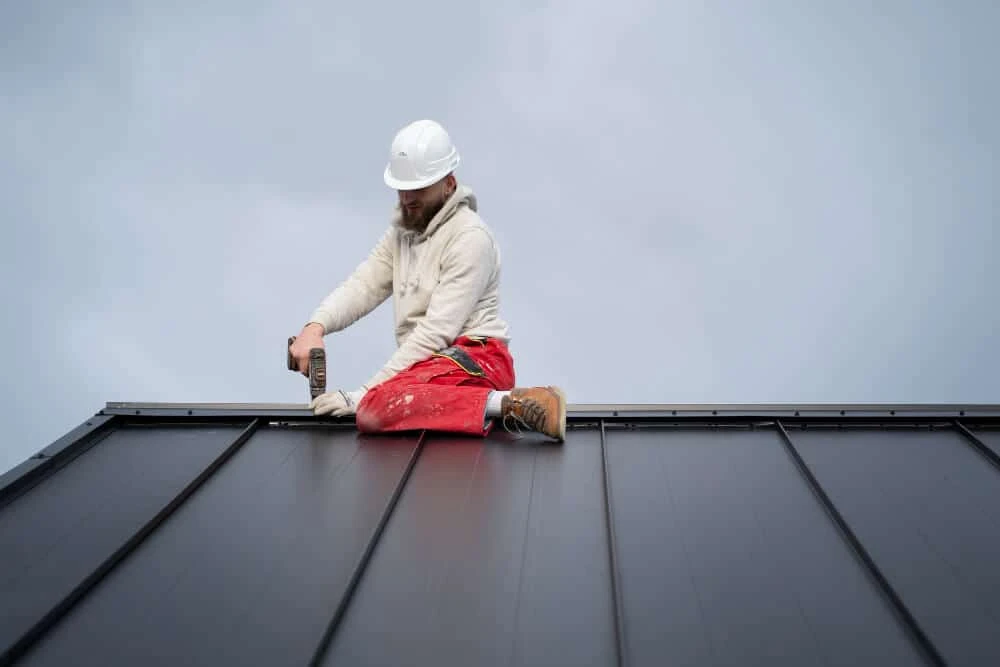
- Metal Roofing: Metal roofs made of steel, aluminum, or copper do not catch fire on their own. They are a great building material that won’t catch fire and will last a long time.
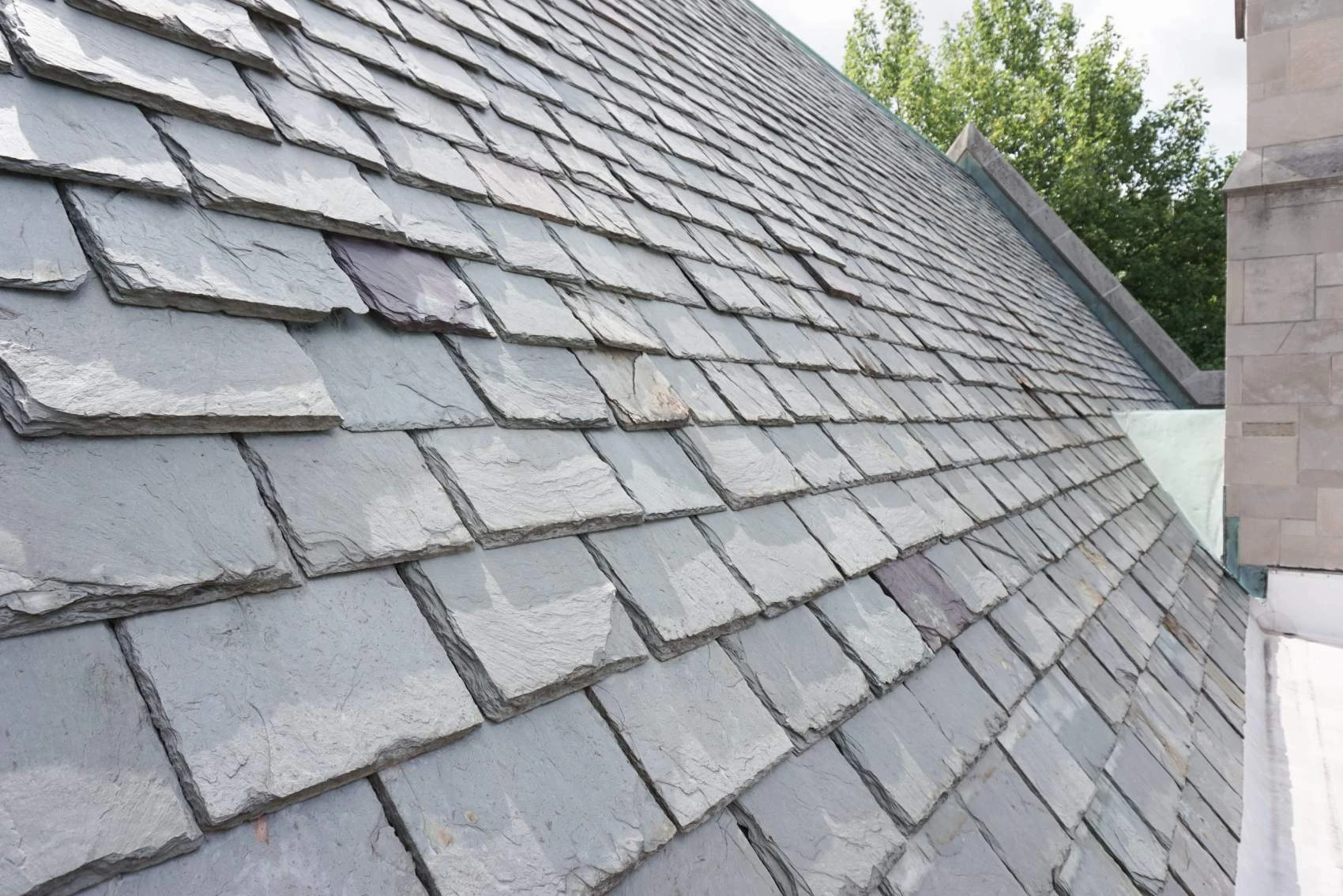
- Tile and Slate: Tile and slate are naturally fire-resistant and offer strong protection, although they cost more up front than brick.
Making Compartments in the Walls and Ceilings Inside
The purpose within your home is to restrict the spread of fire, especially between rooms and floors.
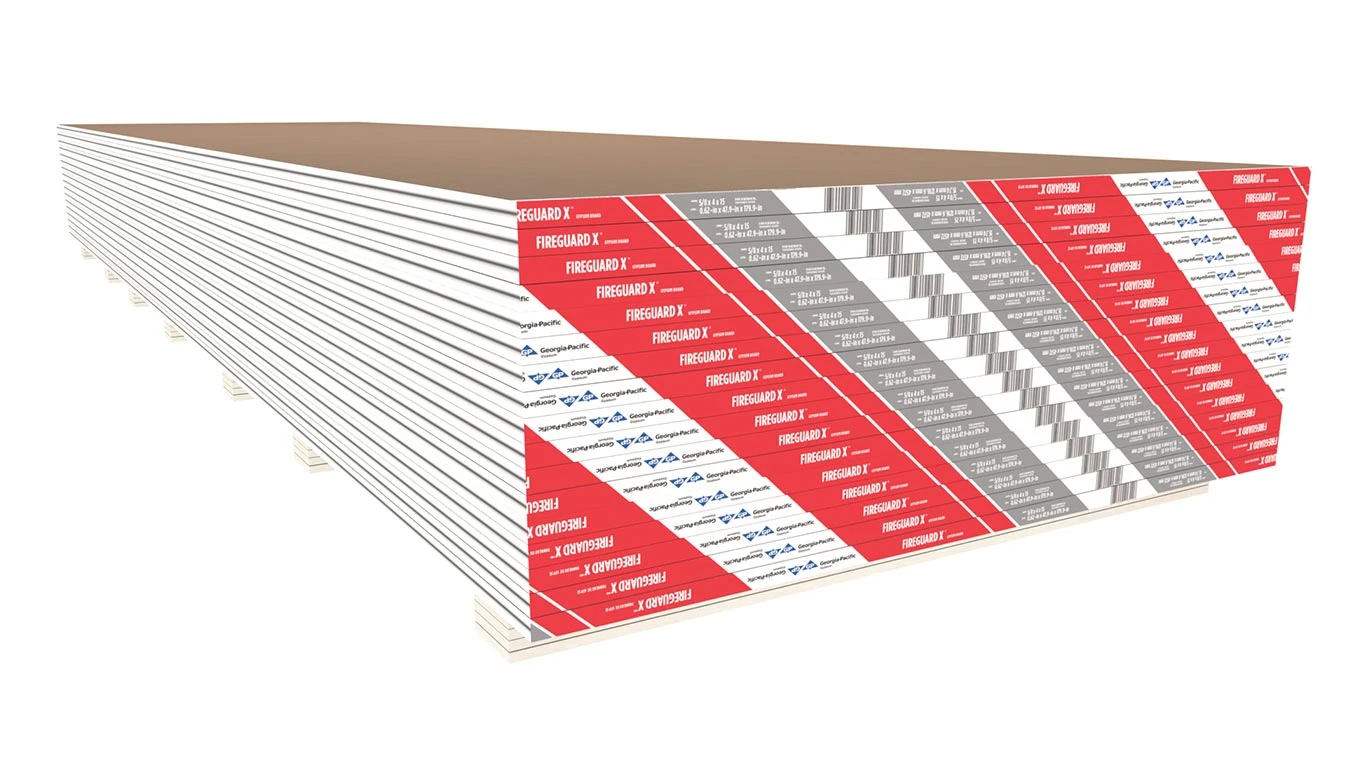
- Fire-Rated Drywall (Type X Gypsum Board): This is thicker and has specific glass fibers that don’t catch fire, which helps it stay strong longer when there is a fire. It’s normal for garages and quite important for making sure people can get out safely. Using it in key places, including around stairwells or in ceilings below occupied spaces, makes the family much safer.

- Intumescent Paint & Coatings: These particular paints inflate when they get hot, generating a thick layer of char that protects the substance underneath and keeps it from catching fire.
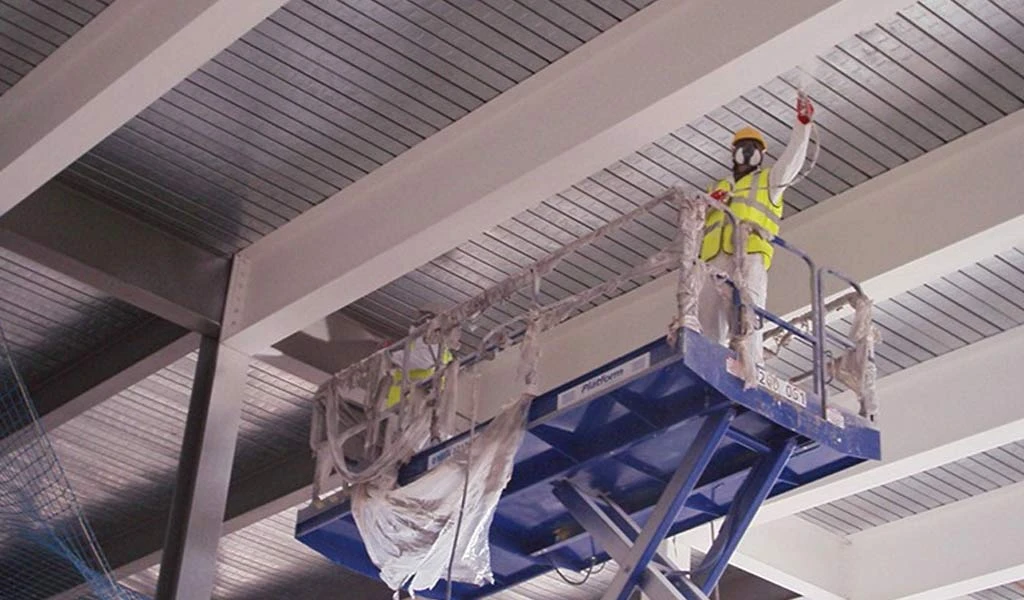
Insulation: Not Just for Keeping the Temperature Down
Insulation has two purposes: it keeps heat in and keeps fires from spreading.
- Mineral Wool Insulation: This type of insulation is made from basalt rock and recycled slag. It doesn’t catch fire and can handle temperatures over 1,000°F (538°C). It stops the spread of flames and heat through wall cavities, making it a professional’s choice for fire-resistant building materials in the USA.
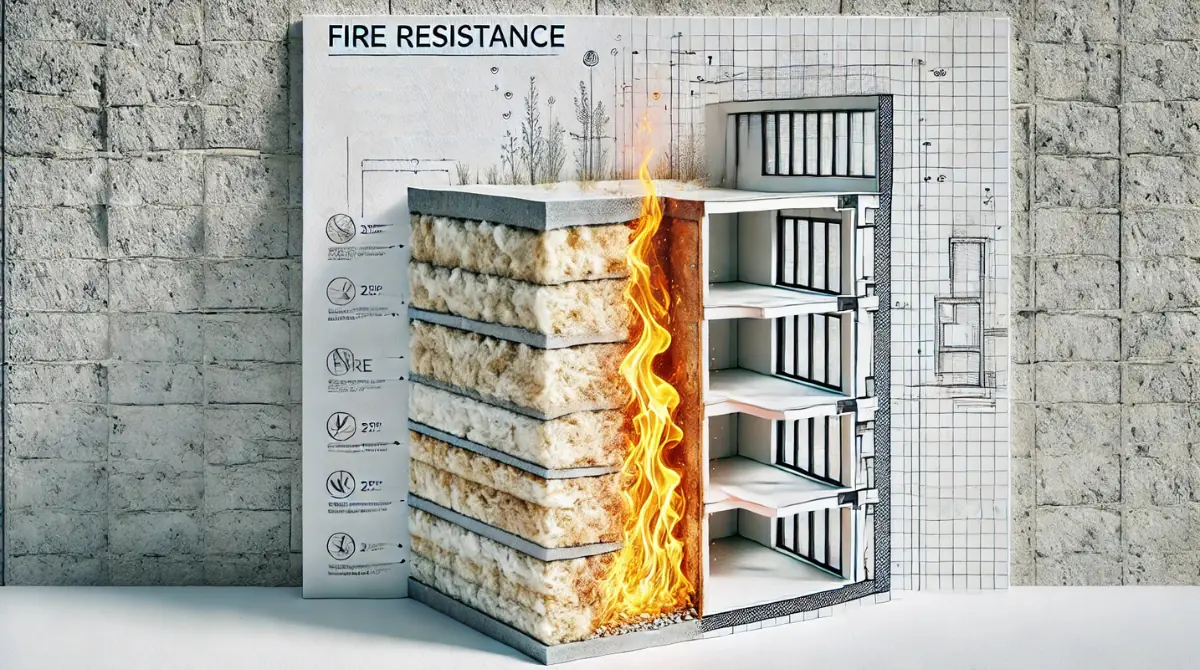
- Fiberglass Insulation: Most fiberglass insulation is processed to be non-combustible, so it won’t catch fire or help a fire burn. It is not as fire-resistant as mineral wool.
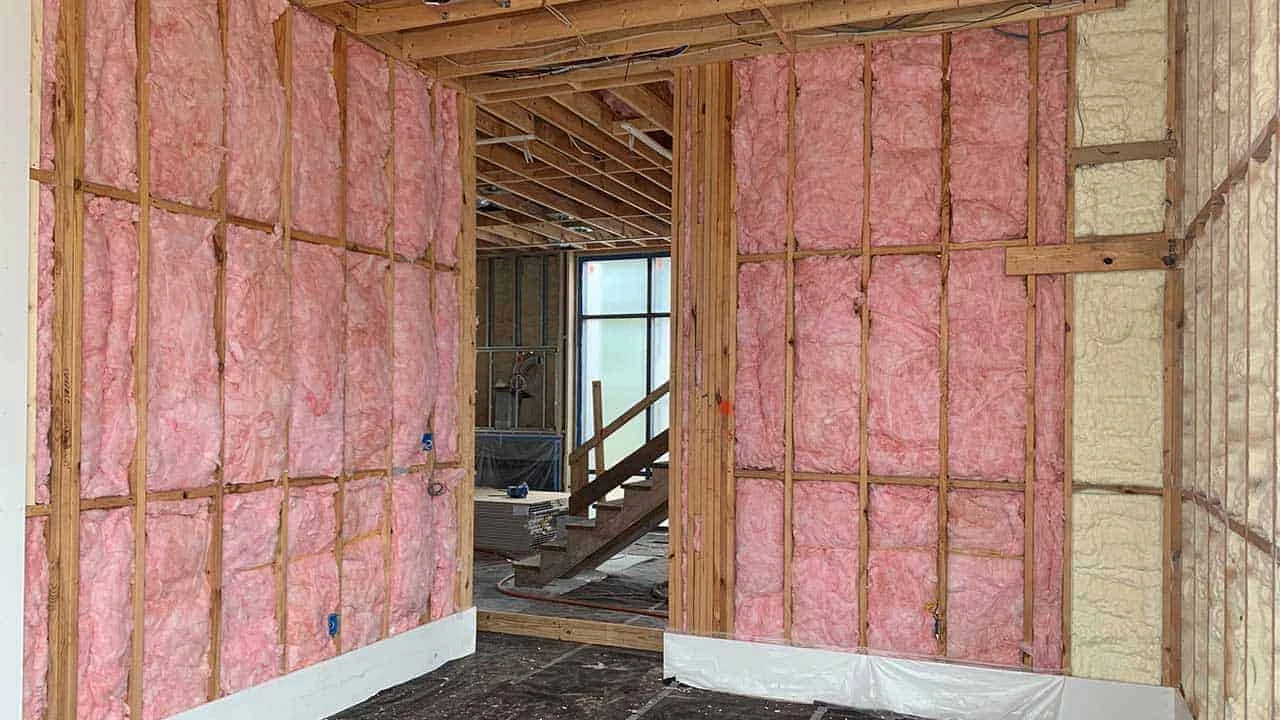
Stay away from insulation that is very flammable, especially in older homes. If you do use it, make sure it is well protected by fire-rated barriers.
Beyond Materials: Your Ultimate Family Safety Plan
Choosing the correct fire-resistant building materials is important, but keeping your family safe demands a more complete strategy.
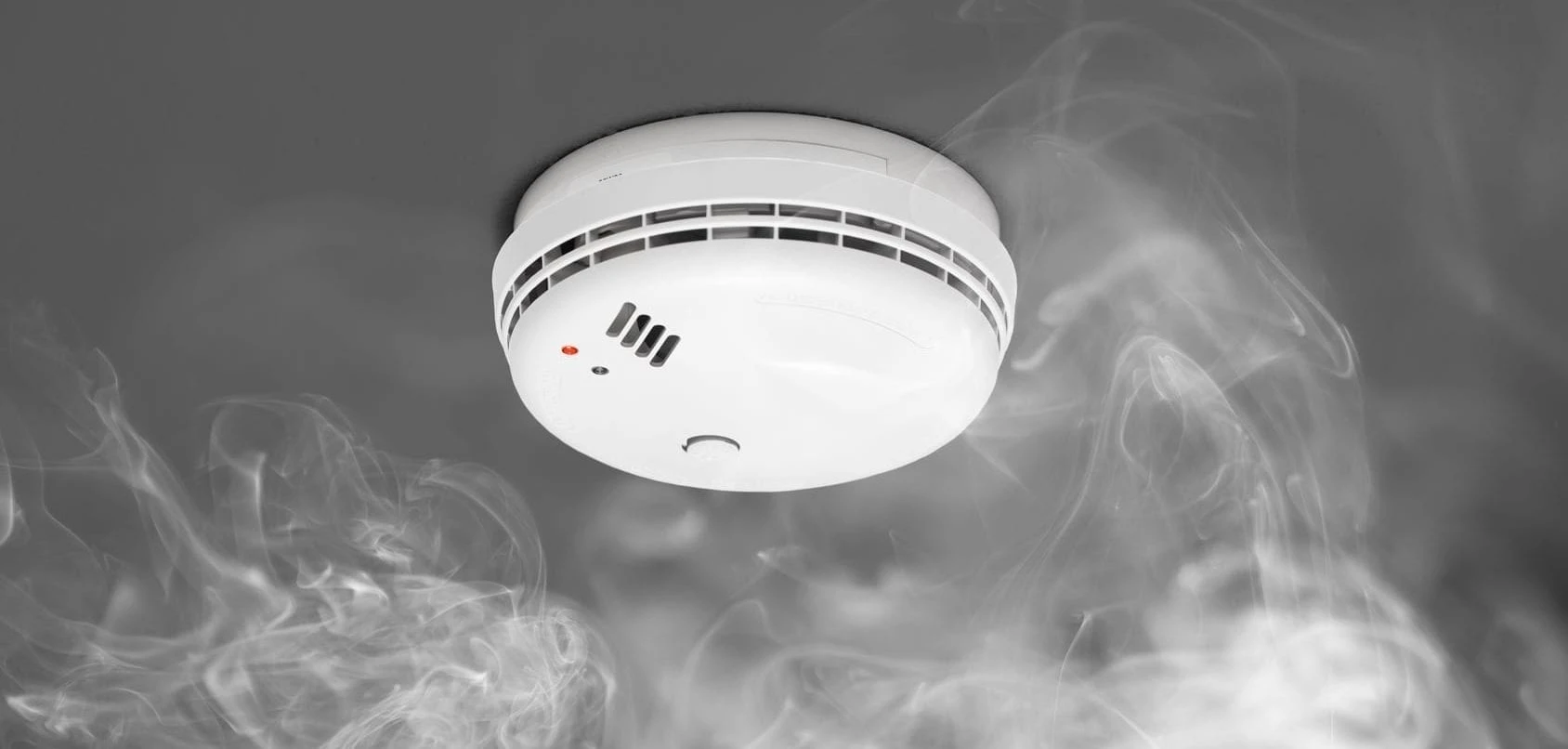
- Smoke and Carbon Monoxide Detectors: Set up alarms that talk to each other on every floor and in every bedroom. Check them every month.
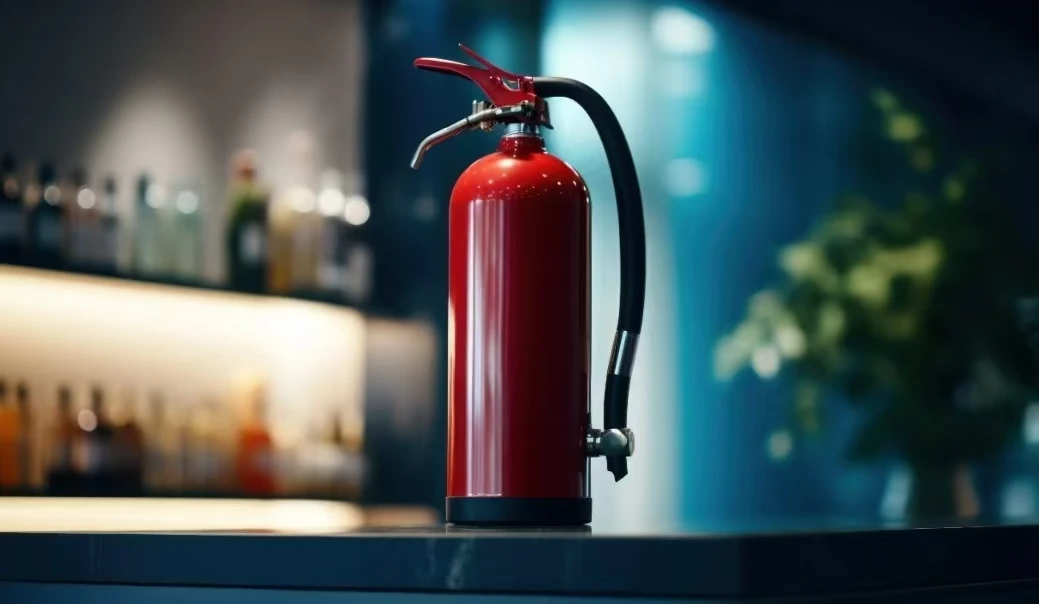
- Fire Extinguishers: Keep ABC-rated fire extinguishers in the kitchen and garage where they may be easily reached.
- Escape Plan: Make a family escape plan and practice it. It should include two ways out of each room and a set meeting place outside.
- Professional Consultation: Talk to your architect and contractor about fire safety whether you are building or remodeling. Find out what fire-resistant building materials they recommend in the USA and make sure they know that your top goal is extra protection.
Your home is more than simply a building; it’s where your family lives, loves, and grows. Making smart choices about materials to get better fire safety isn’t a luxury; it’s a necessary act of caring. It’s about making buildings that are fire-resistant, one at a time.
For more blogs like this CLICK HERE!!
Reference:
Fire-Resistant Building Materials: Why Fire Safety Matters in Modern Construction | 2025