A Sign of Lasting American Comfort
The Cape Cod house type is one of the few that makes you feel at home right away. It’s more than just a modest building; it’s a profoundly embedded emblem of America: warm, useful, and always in style.
In a world where modern, angular designs are becoming more common, the Cape Cod style is a refreshing throwback to simple, classic styles. The low, wide shape and clean lines give it a sense of stability and quiet dignity. This classic appeal wasn’t an accident; it was painstakingly planned hundreds of years ago to keep people safe and warm from the harsh weather on the New England coast.
This lasting architectural heritage teaches us that real beauty isn’t only in decoration, but in precise proportions and intentional design.

Born of Necessity: The Colonial Roots
The Cape Cod home has been around since the late 1600s, when English Puritan settlers brought their conventional building skills to the coast of Massachusetts. They rapidly made their rudimentary timber-framed dwellings work in the cold, snowy, and windy weather of New England.
The colonial design that came out of it was a work of art in terms of usefulness. Early Capes were tough, cheap, and made mostly of wood that was easy to get in the area. They were generally covered in natural cedar clapboard or shingles that faded to a unique, subtle gray.
These early homes weren’t constructed to look nice; they were meant to stay alive. They were useful shelters that kept people warm and safe from the weather. This style would later become one of America’s most famous contributions to residential building.

The Anatomy of Charm: What Makes It Special
What features make a house look like it’s from Cape Cod? The style has a number of unique, useful qualities that make it so popular and elegant.
The Roofline That Protects
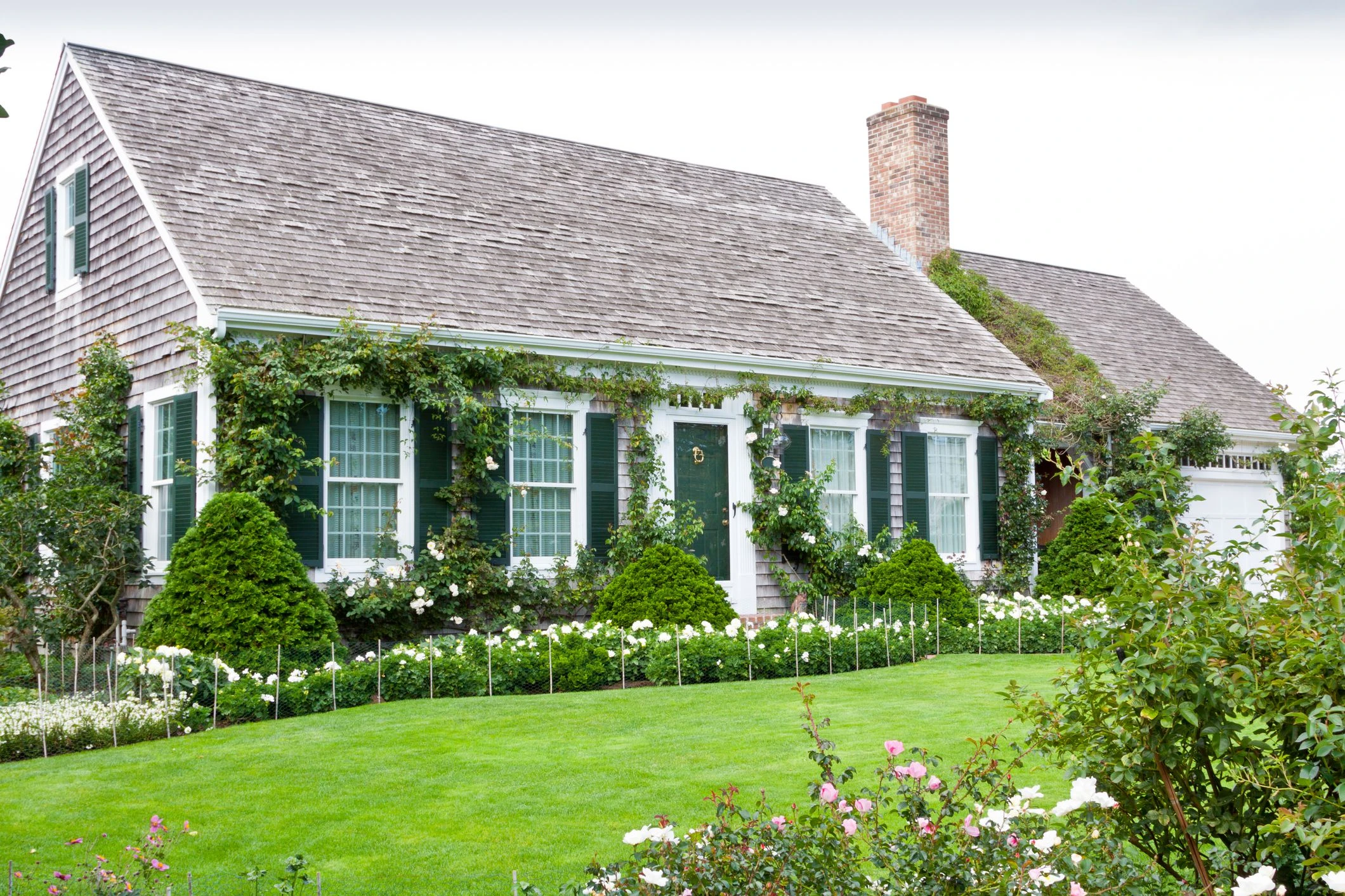
The steep gabled roof is the most important part. This high pitch was designed to keep heavy snow from building up during lengthy New England winters, which would have damaged the construction. It also let rain and snow fall off fast. The roof usually has very little overhang (eaves), which keeps the profile neat and tight against strong winds.
The Main Hearth
In the past, the central chimney was the real and emotional core of the house. The huge size of the fireplace (or back-to-back fireplaces) made sure that it could heat several rooms at once, which was very important before central heating. Even in modern designs, the central or near-central chimney stands out, which adds to the style’s grounding and balance.

Structure and Symmetry
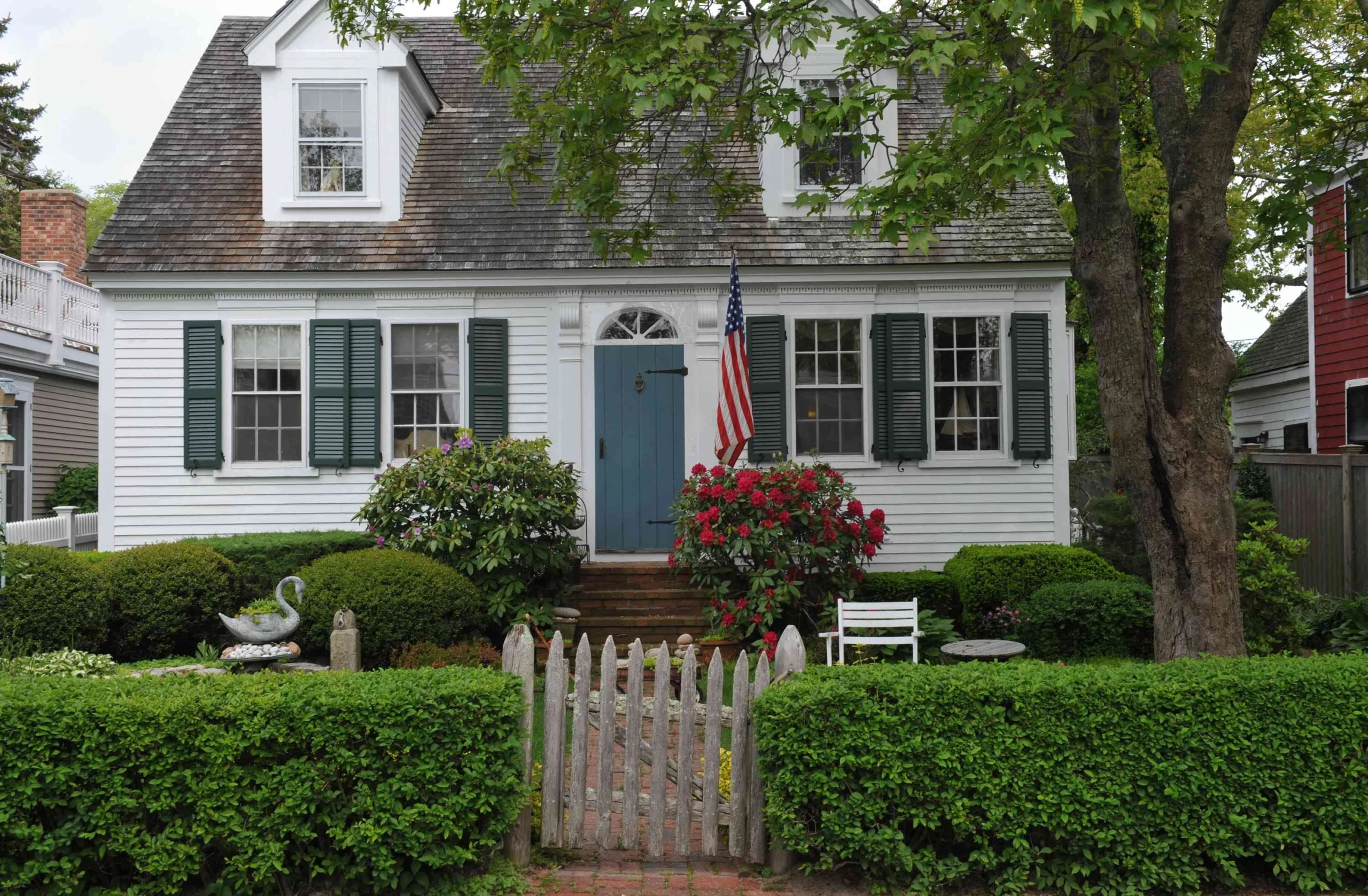
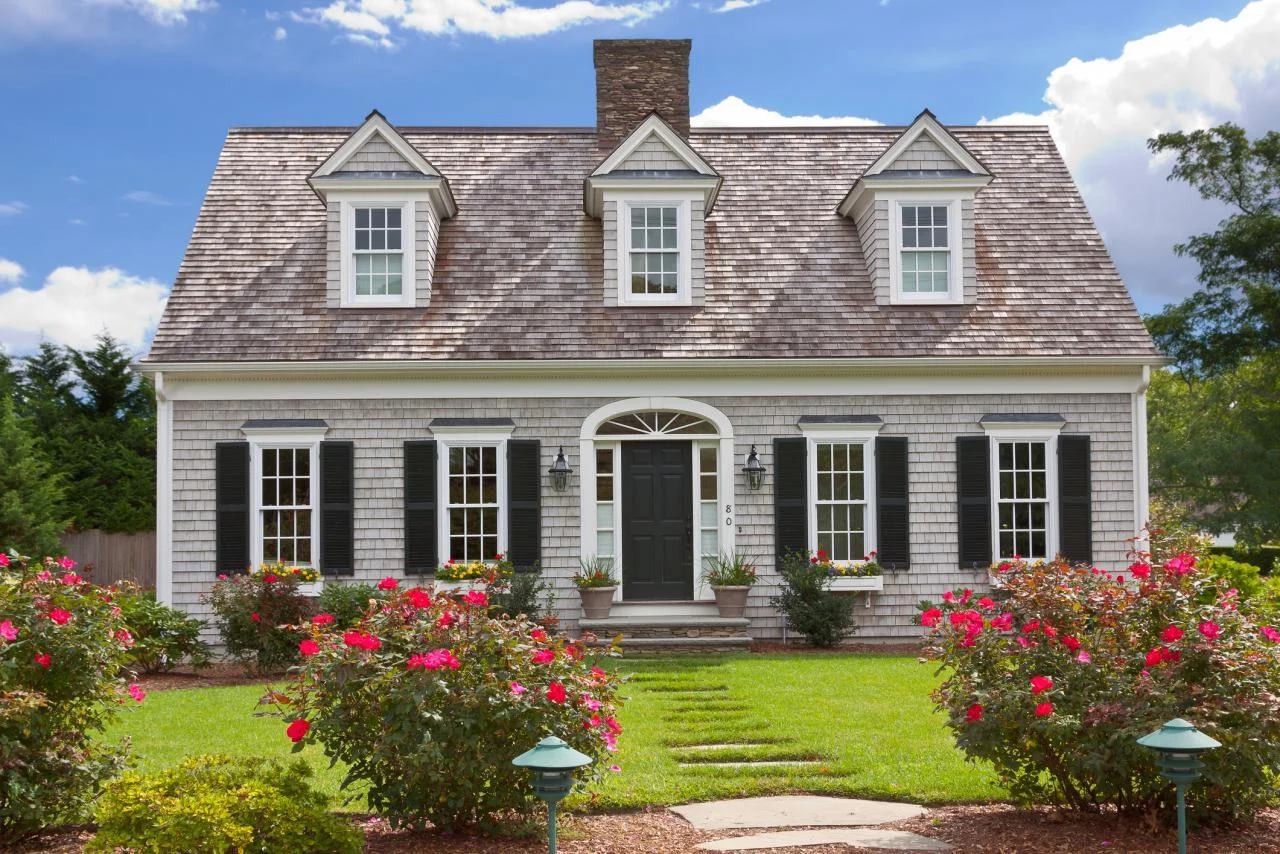
The symmetrical front of the classic or “Full Cape” is what makes it so popular. There are two multi-paned windows on each side of the front door, which is exactly centered. This orderly layout gives the impression of order, harmony, and visual calmness. Most of the houses are one or one and a half stories tall, and they have a wide, low-to-the-ground attitude that makes them look strong and humble.

The Evolution: Half, Three-Quarter, and Full Capes
Not all Cape Cod-style homes from the past are perfectly symmetrical. The naming convention truly shows how the structure was made and how much money the family had:
- Half Cape: The smallest variant, with a door on one side and two windows on the other. When a settler didn’t have much money, this was generally the first step in building.
- Three-Quarter Cape: This is a step up from the Half Cape. It adds a window to the shorter side, making a door with two windows on one side and one on the other. This shows that there is a small growth in wealth and a desire for more room.
- Full Cape: The finished, balanced version with a facade that is perfectly symmetrical. This was the best example of the style, which showed success and steadiness.
The Big American Revival
The original Cape Cod house style lost some popularity in the middle of the 1800s, but it had a huge Colonial Revival from the 1920s to the 1950s. This time was marked by a longing for old American symbols and a need for cheap housing.
Architects like Royal Barry Wills supported the style by making the traditional cottage work for the new middle class. Wills added modern amenities to the modest, strong Cape, making it a stylish and very useful dwelling.
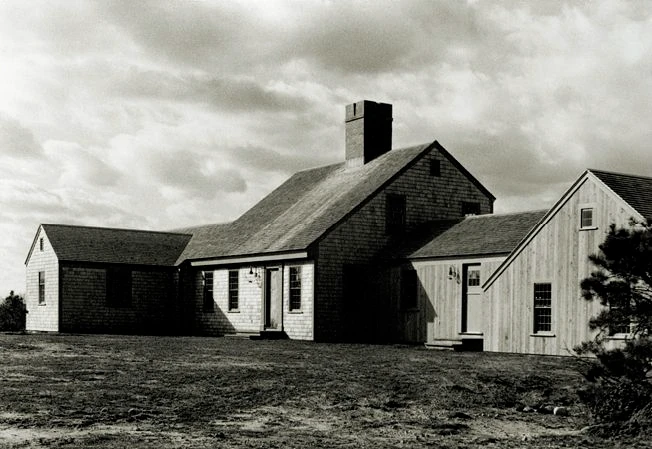
After World War II, the Cape Cod became very popular. In planned communities like Levittown, New York, developers made a lot of simple, cheap Capes for GIs who were coming home and their families. The post-war boom made this style a classic American suburban symbol, spreading its lasting appeal far beyond the New England coast.
Changes For the Modern World and Lasting Appeal
Modern Cape Cod-style homes have the same spirit as the original design, but they also have elements that are useful in today’s world:
Dormer Windows:
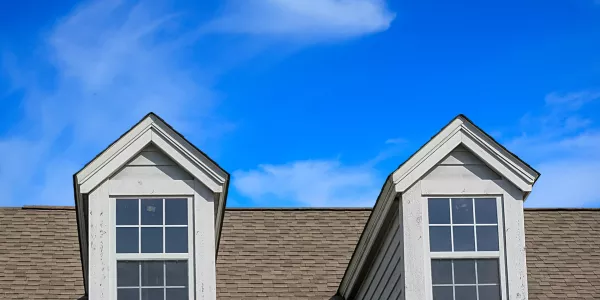
The most common change is to add dormer windows, which are tiny structures that stick out from the roof. In the past, the second level was commonly an unfinished loft. Dormers let in light, air, and more living space, turning the small “half-story” into useful bedrooms or other rooms.
Expanded Footprints:
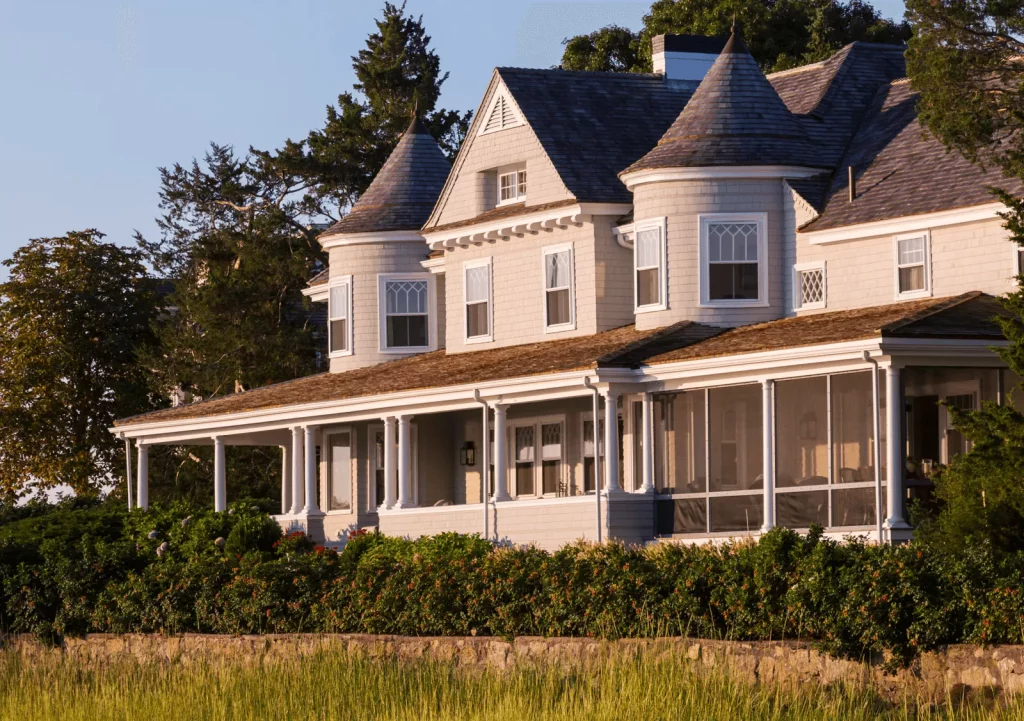
Many modern Capes have wings, back expansions, or attached garages that make the rectangular footprint bigger. These changes do disrupt the rigorous symmetry of the facade, but the fundamental features, such the steep roof and basic lines, stay the same.
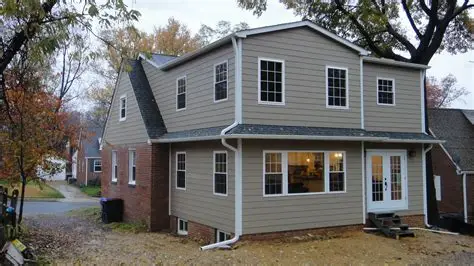
The Cozy Interior:
The charm stays inside. Interiors frequently have low ceilings (to keep the heat in), hardwood flooring, and built-in features that show how efficient things were in the colonial era. The overall look is simple, with coastal colors and warmth.
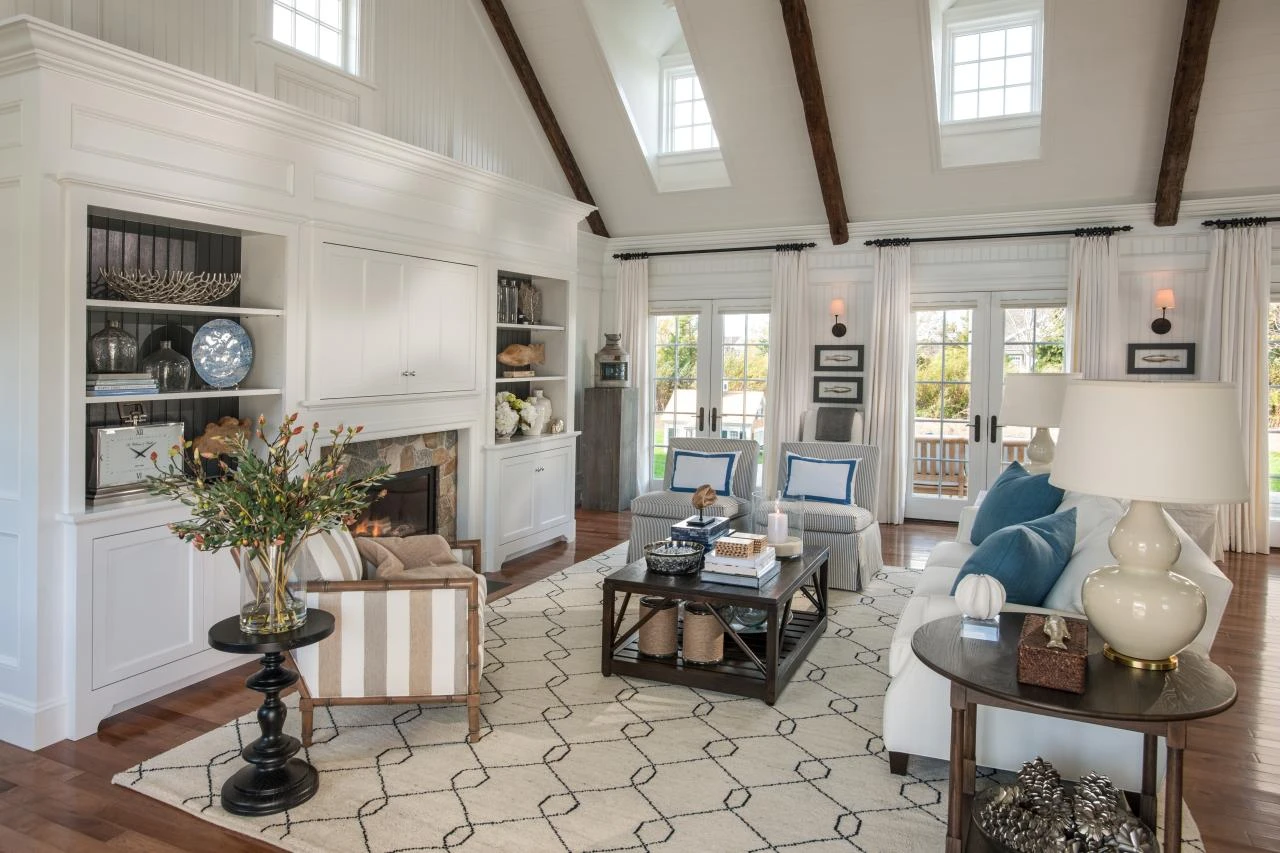
The Cape Cod house style is still a wonderful mix of classic beauty and utility. It started as a simple shelter and has become the basis for modern American suburbs. Its past is based on common sense, and Americans’ love for its plain, honest beauty will keep it safe in the future.
For more blogs like this CLICK HERE!!
Reference:
Exploring the Charm and History of Cape Cod Houses – House Kingz