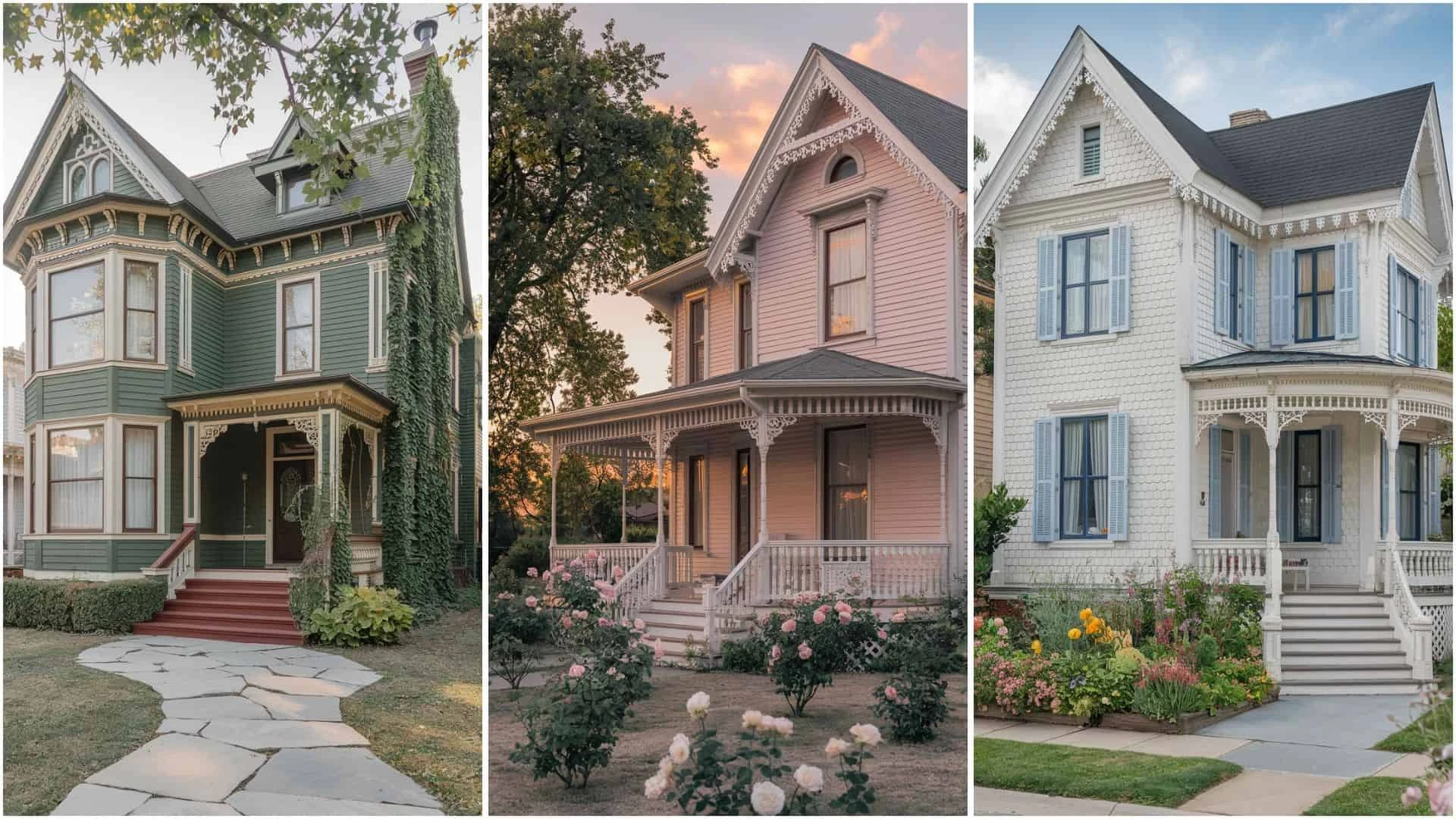
There are many different architectural styles in American real estate, but the American Victorian House Design is one of the most dramatic and romantic. These homes are different from other structures because they are true works of art that show a time of great wealth and skill. In short, they are Majestic.
This isn’t minimalism. This is maximalism with a heart.
The Victorian era, which lasted from 1837 to 1901 and was ruled by Queen Victoria, saw the rise of a wonderful design trend based on luxury, variety, and a strong demand for beautiful decorations. These ancient homes still draw in buyers, designers, and historians today, showing that real workmanship is always in style.
Why do these amazing buildings with more than one floor still draw us in, even though our environment is more streamlined now? It’s because a Victorian house is more than simply a place to live; it connects you to a history full of romantic memories that deserve to be admired and keeps a unique feeling of place. If you’re looking for ideas or Victorian homes for sale, get ready to be amazed by this shamelessly big design.
The Beginning of American Architectural Luxury
The American Victorian House Design became popular at the same time as the Industrial Revolution and the boom after the Civil War. New building technologies like balloon framing, mass-produced millwork, and the national railway system made it possible for people all over the country to afford and get costly architectural parts, such as custom windows and intricate brackets.
No longer were only the rich able to see the most delicate details.
This increasing affordability and access to materials led to a time of great architectural freedom, which was a great time for variety. The Victorian era was different from preceding Georgian or Greek Revival styles because it embraced eclecticism and asymmetry. This meant that builders could mix and match components from different historical movements.
Different Styles from the Victorian Era
“Victorian” is a broad phrase, but in America, there were many other sub-styles that were popular:
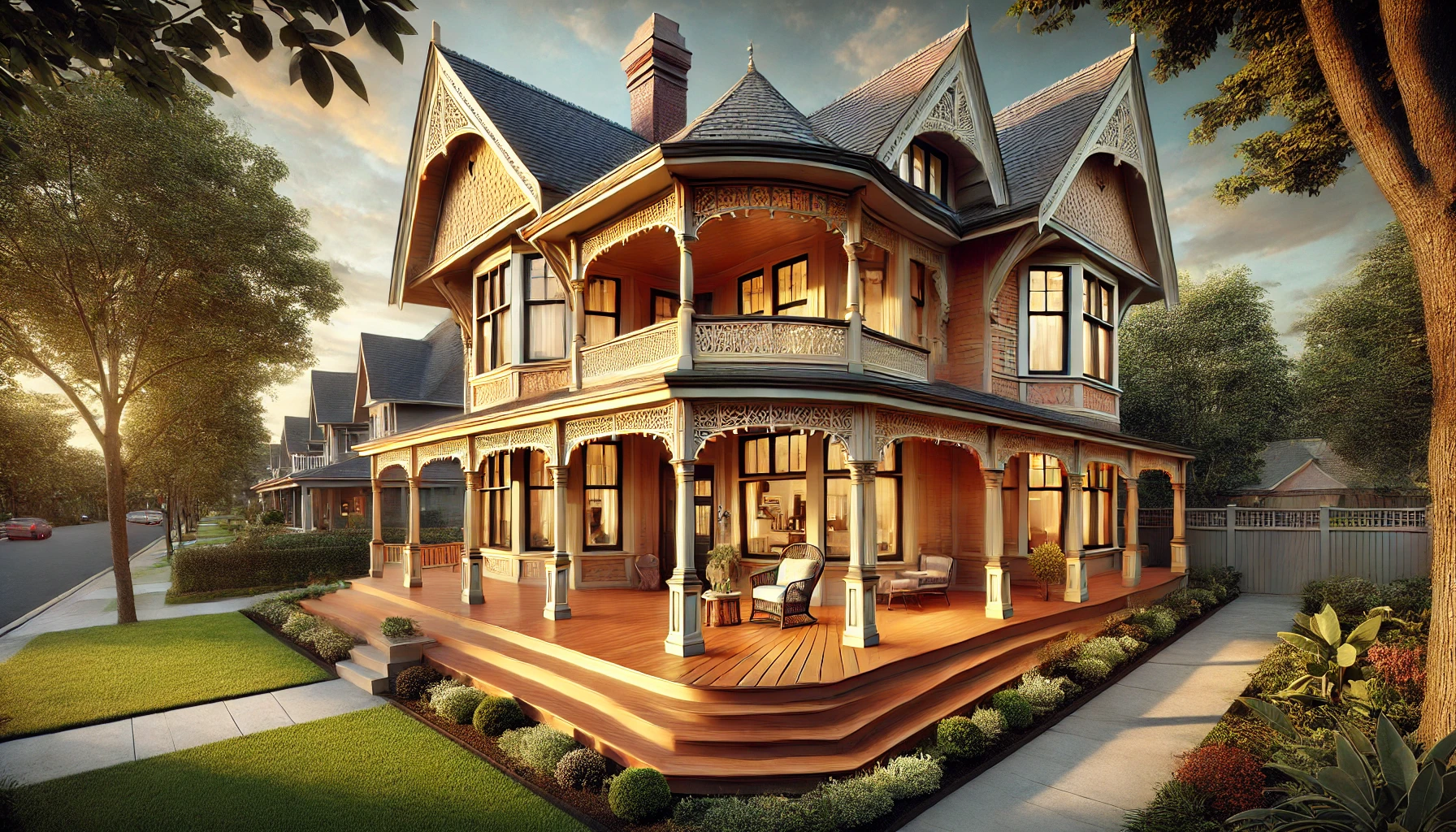
Queen Anne:
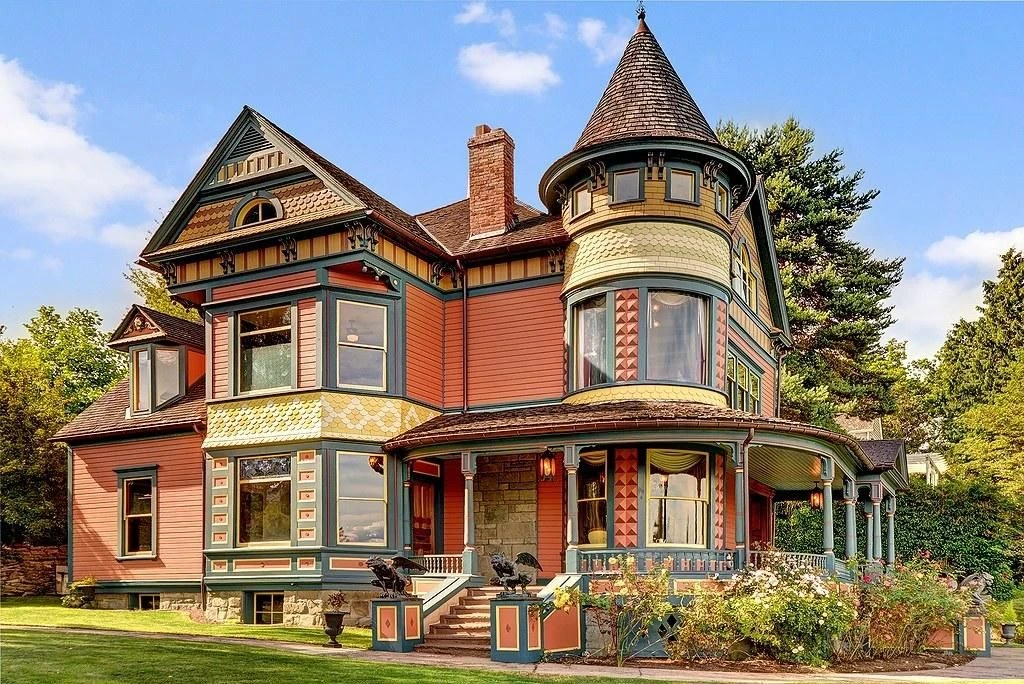
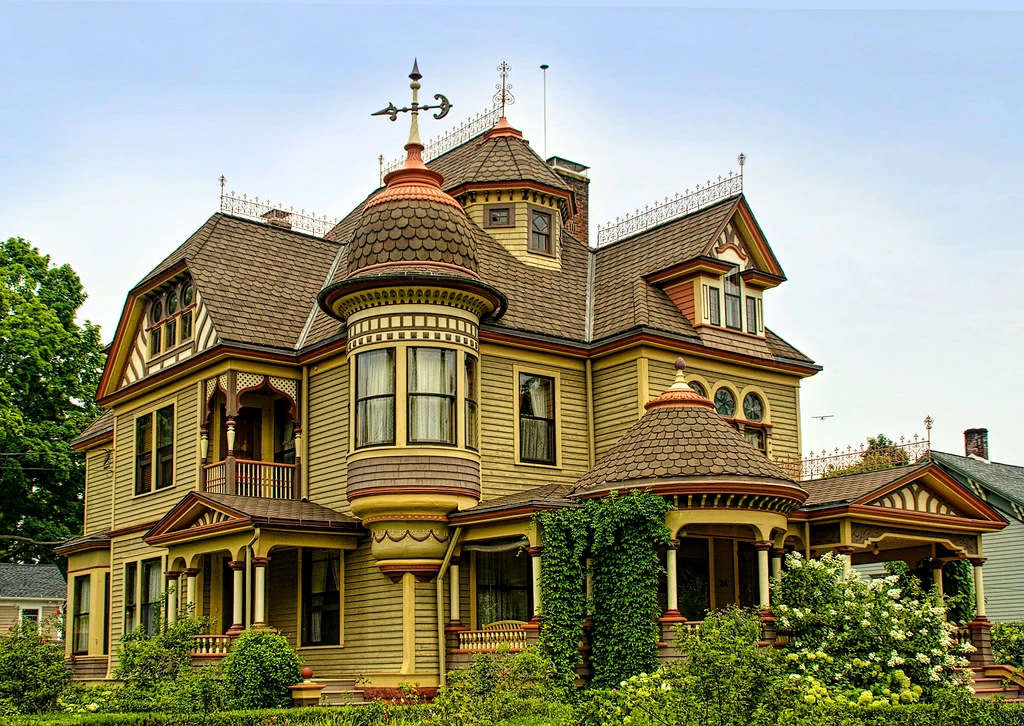
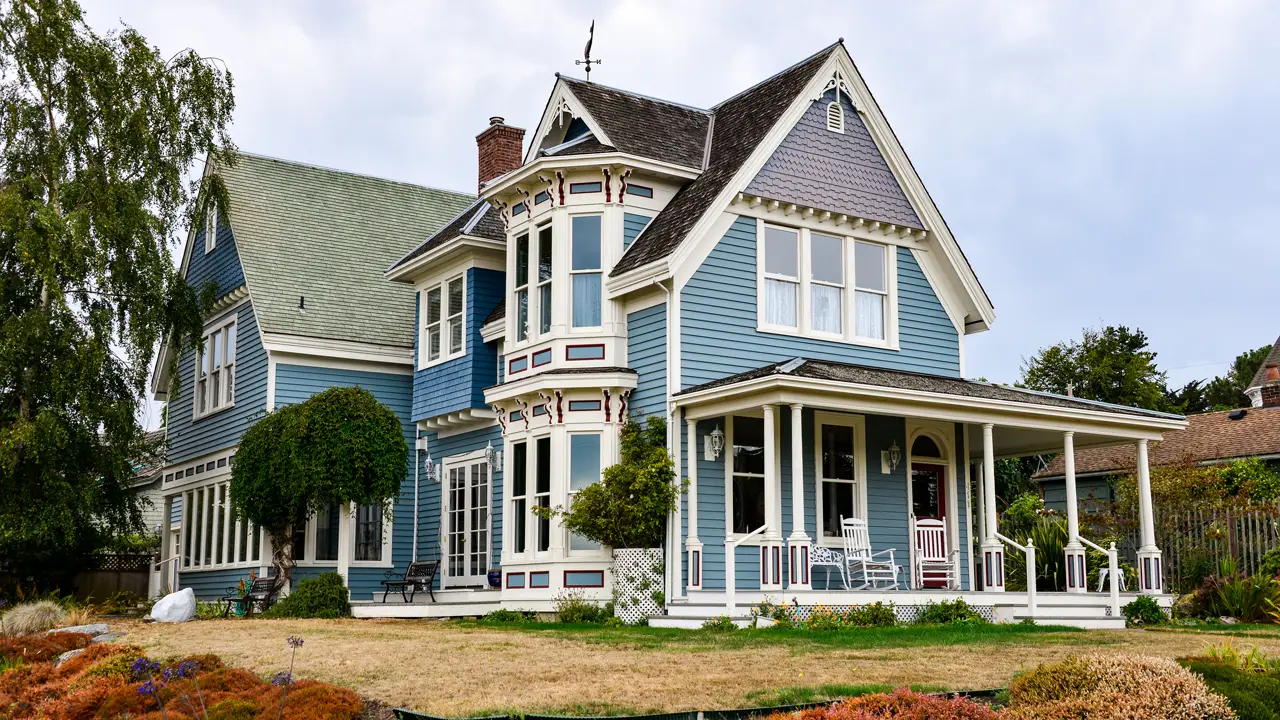
This style is the most well-known and lively. It is known for its turrets, round towers, different wall textures (shingles and clapboard), and complicated, steeply pitched rooflines. This style is the perfect example of the “enchanting” look.
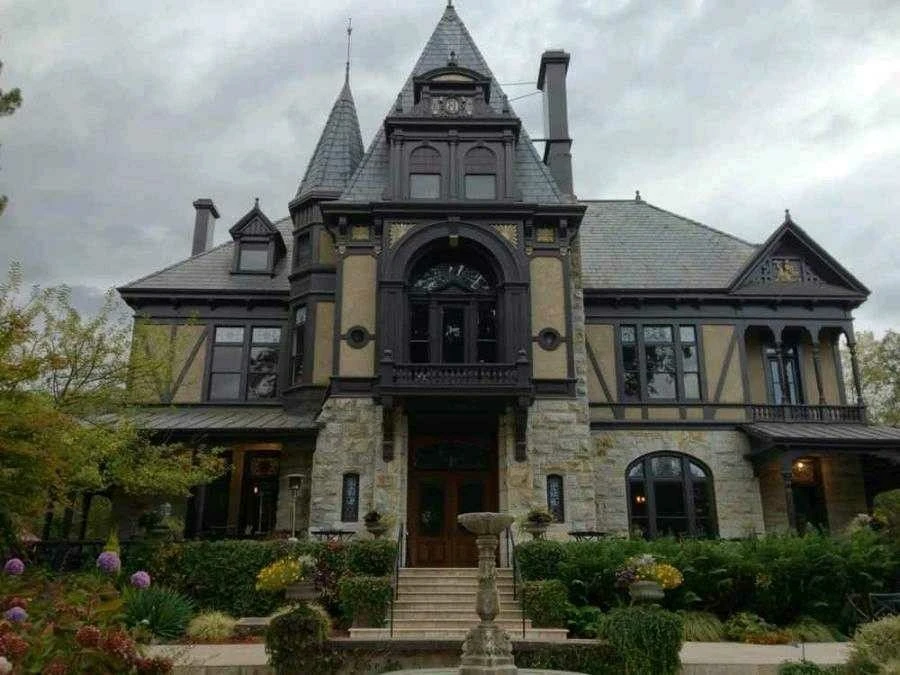
Gothic Revival:
This style is known for its high gables, pointed windows, and a more serious, medieval look.
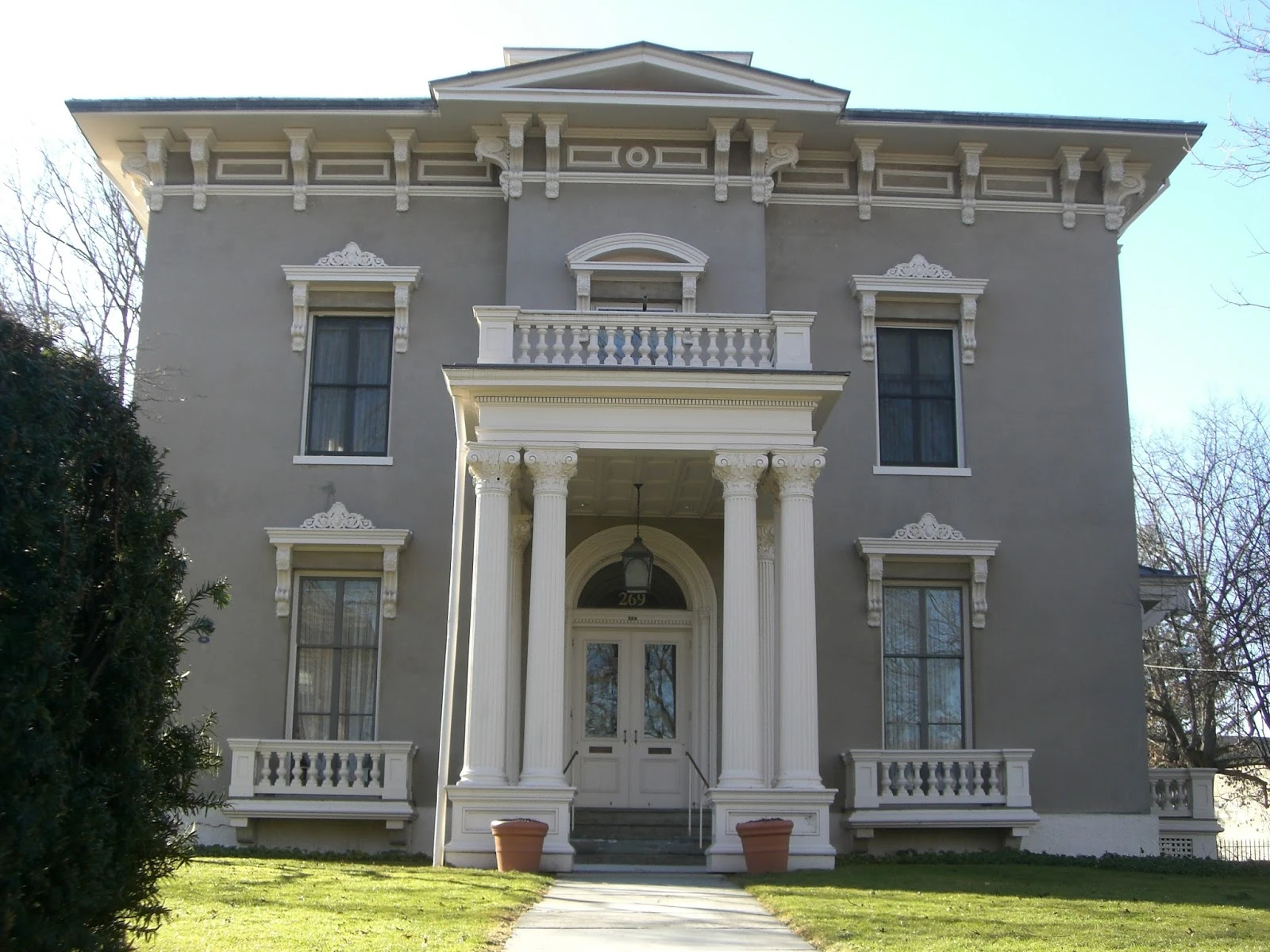
Italianate:
This style is easy to spot because of its low-pitched roofs, wide eaves that hang over the roof and are held up by ornamental brackets, and tall, narrow windows.
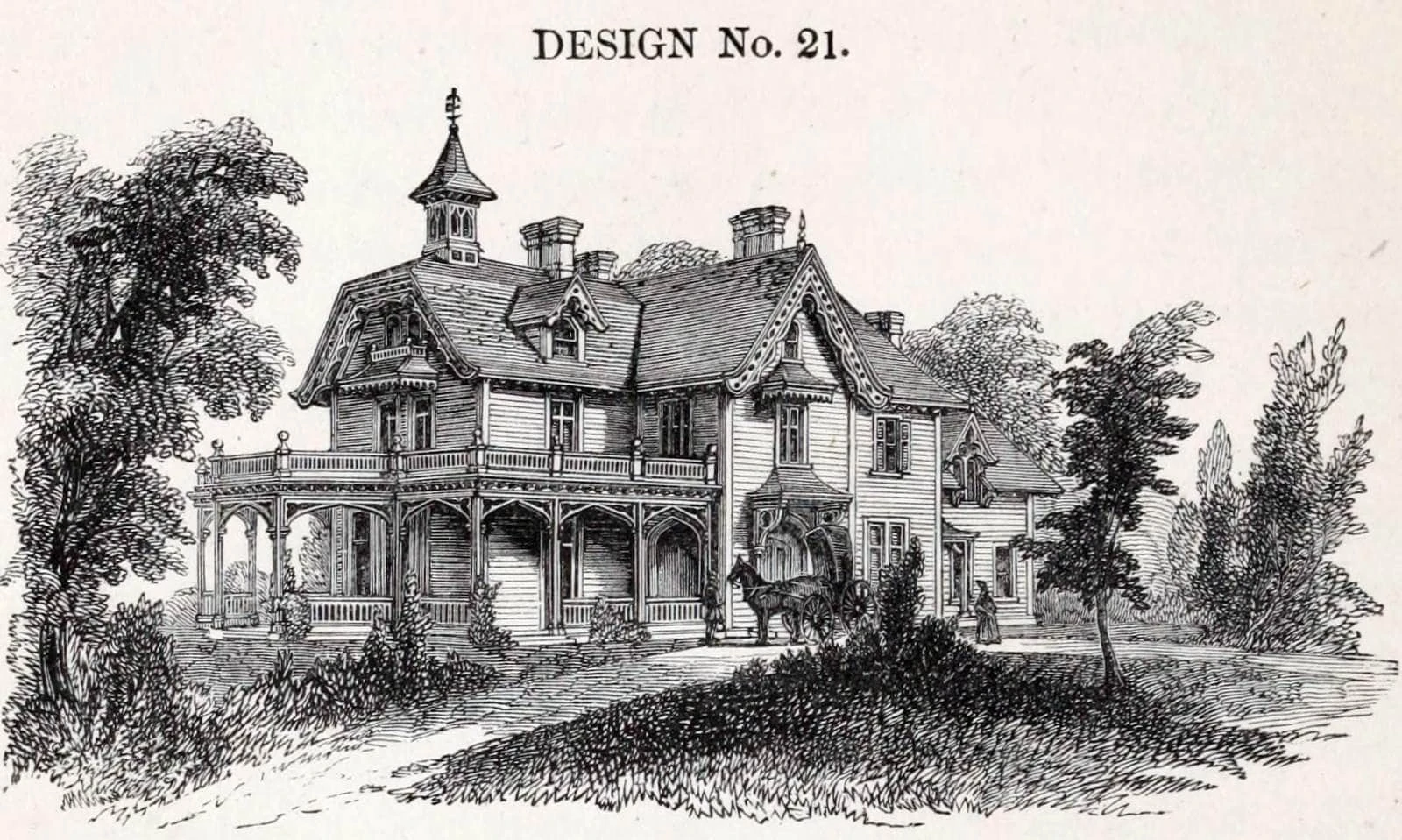
Folk Victorian:
These were simpler, more everyday buildings that incorporated mass-produced gingerbread trim (spindles and ornate wood lace) to give basic farmhouse shapes a period look.
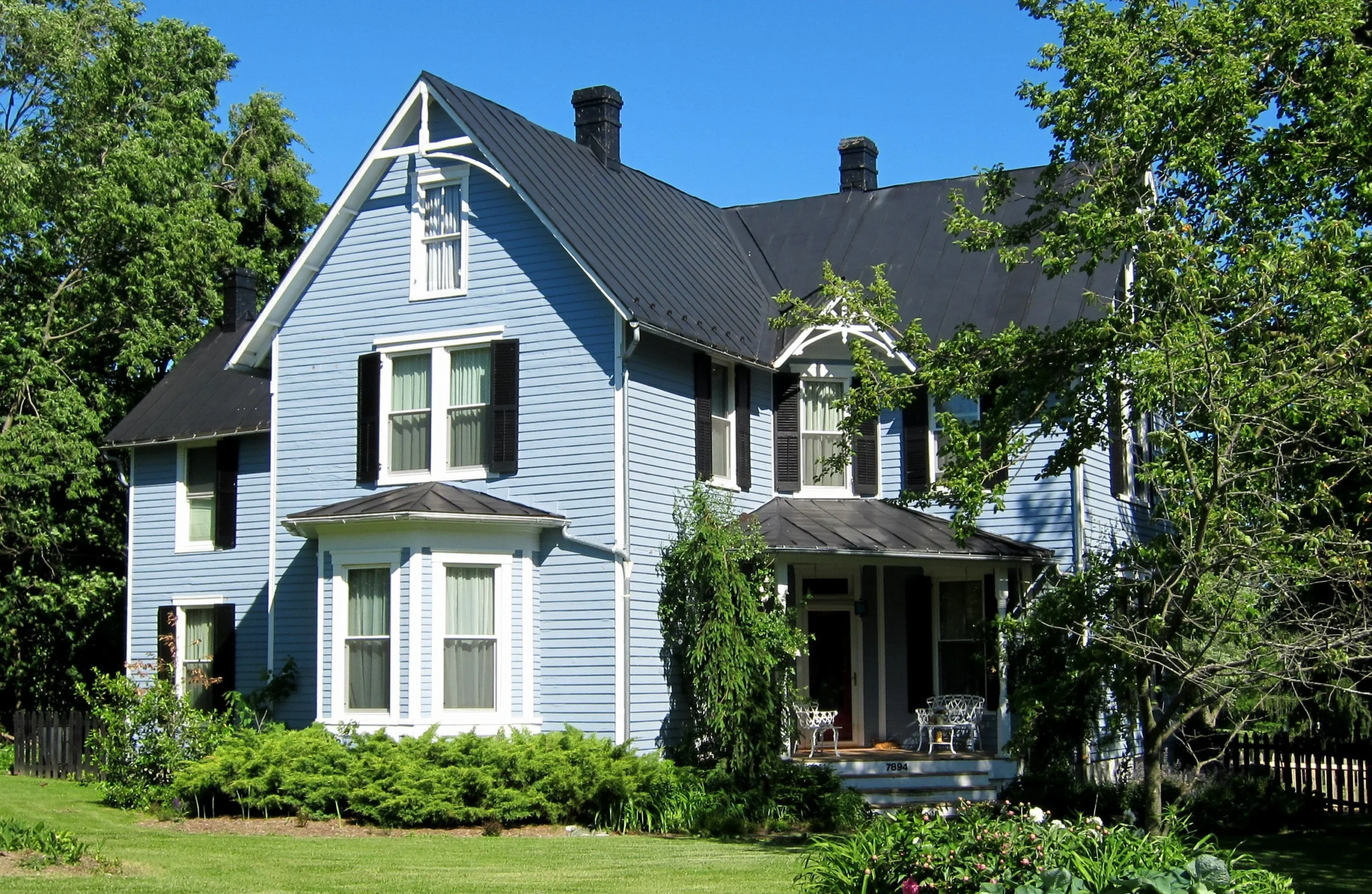
These styles made neighborhoods full of character, and city streets became real art museums that still draw millions of tourists. The Painted Ladies of San Francisco are a good example.
The Story of the Outside: A Symphony of Beautiful Details
The outside of a Victorian mansion communicates a grand, interesting story through its planned complexity. Every element was made to catch the eye, making a feast of color and texture that makes it stand out from the others.
The Unbalanced Silhouette
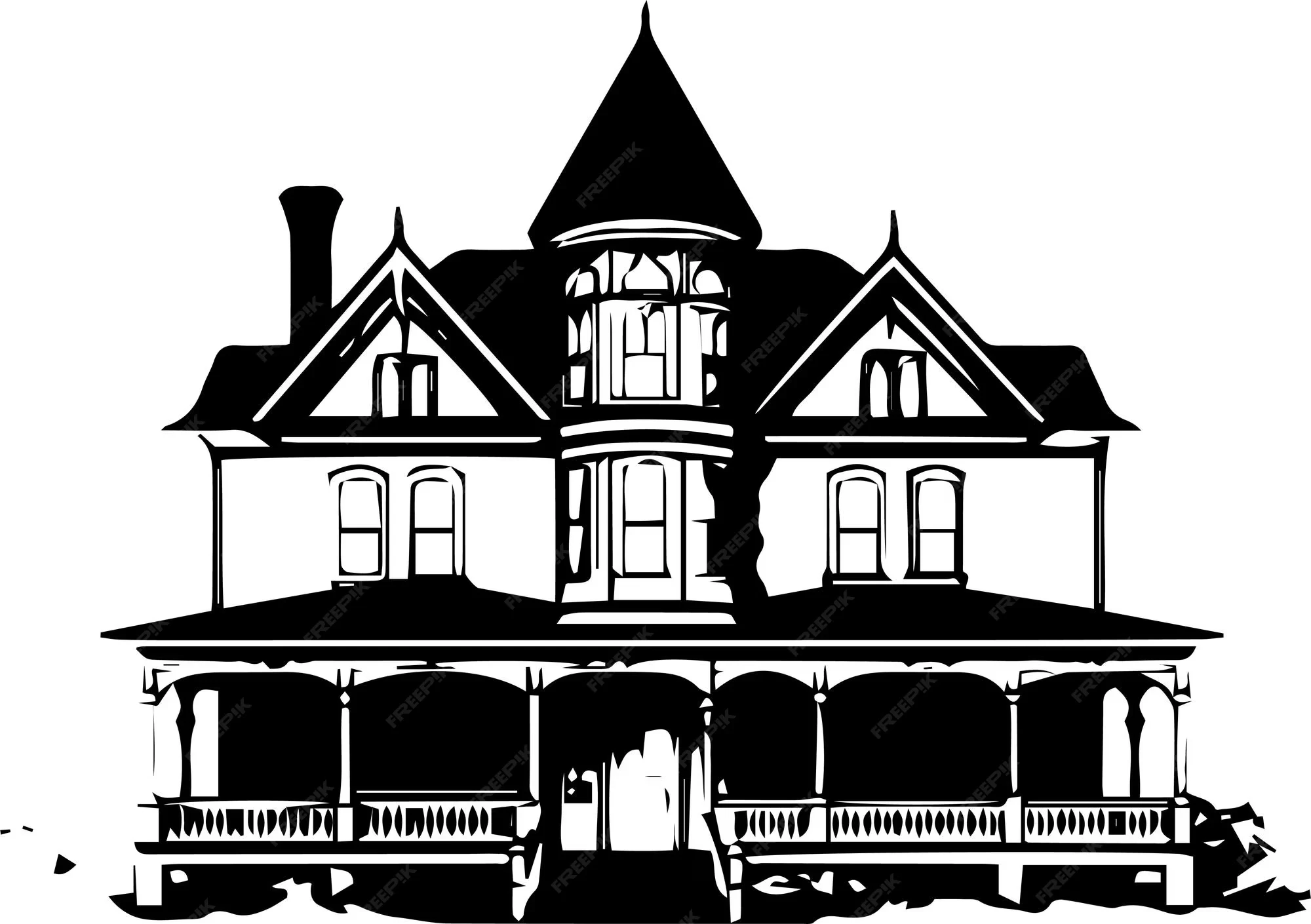
One thing that makes American Victorian House Design stand out is that it is purposefully asymmetrical. The fronts have windows of different sizes, roofs with variable pitches, and things that stick out, such bay windows and porches. This asymmetry gives the house a lively, almost playful look from the street, and also makes sure that no two views of the house are ever the same.
The Famous Tower and Turret
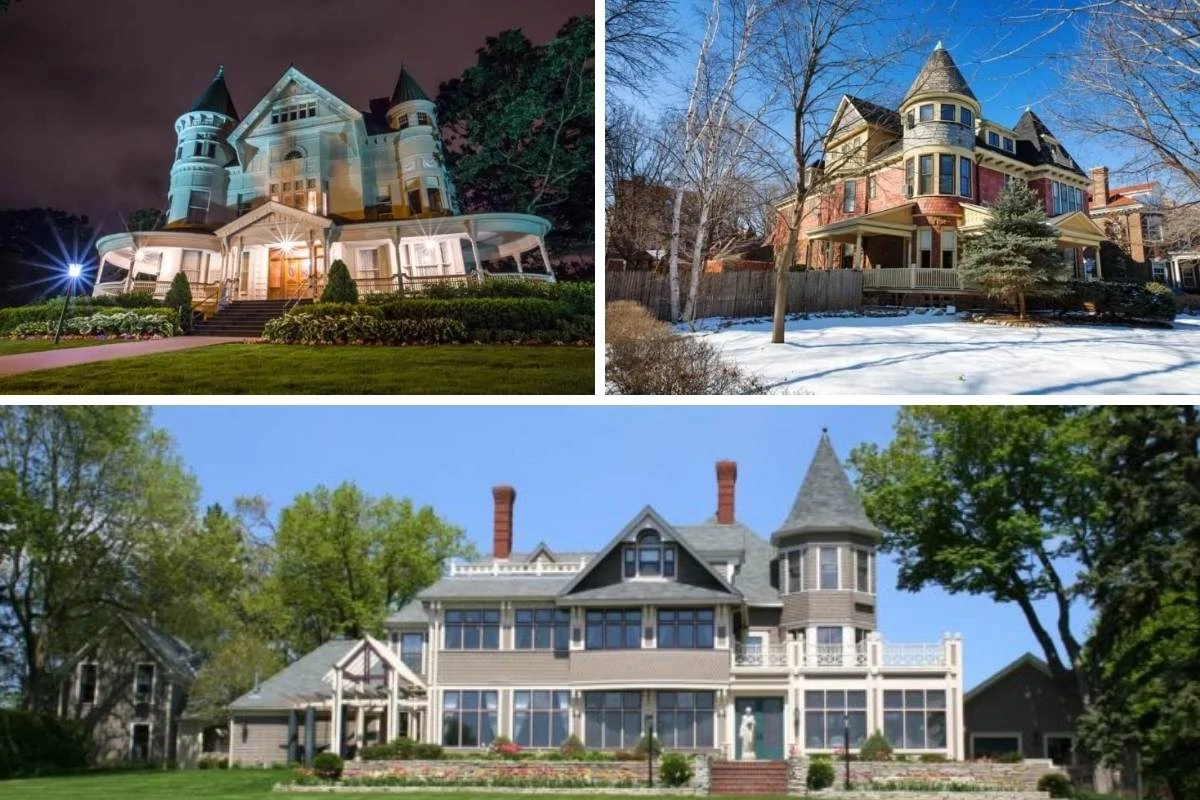
The turret or tower is the best icon of Victorian grandeur. These buildings often have circular or octagonal shapes and extend out into the sky, giving them a strong vertical focus and a genuinely grand focal point. They make unique, light-filled spaces inside that are great for a sunny parlor or a comfortable reading nook.
The Signature Lace is the Gingerbread Trim
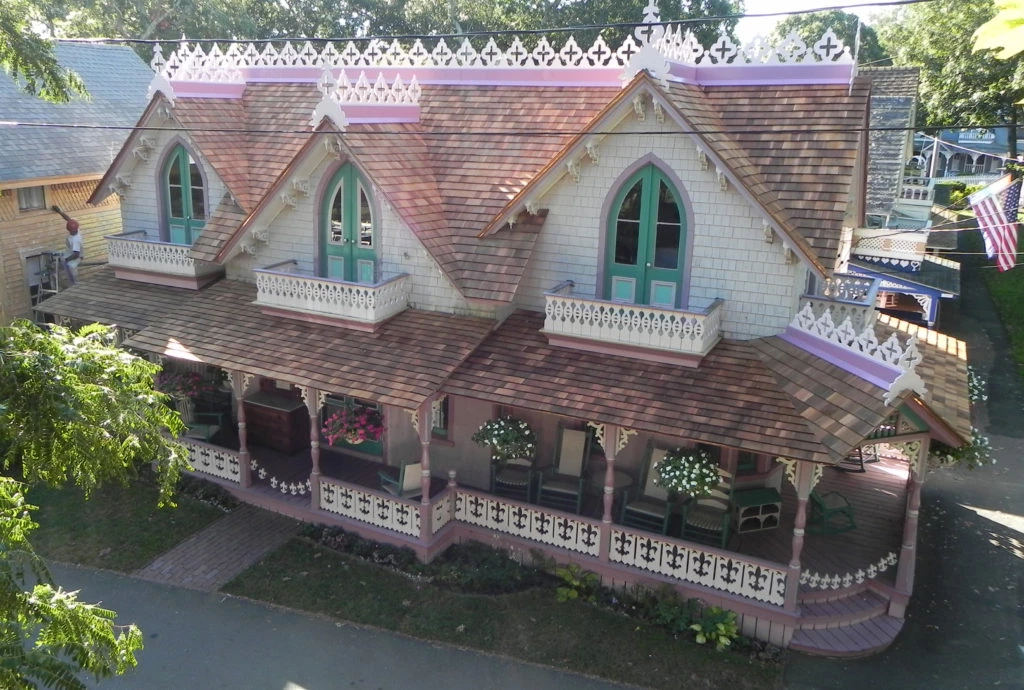
The intricate decorative woodwork, which is lovingly called “gingerbread trim,” is probably the most beautiful part. New steam-powered scroll saws made it possible for builders to decorate eaves, porches, railings, and gables with intricate, lathe-turned spindles, brackets, and sawn-wood decorations. This trim makes the dwellings look delicate and lace-like, which is a nice contrast to their big, strong shape.
The Palette of the Painted Lady
Victorian houses virtually never had just one hue on the outside. They were made to show off three to seven various colors, usually bright, contrasting colors like vivid reds, greens, blues, and ochres, to bring out the trim, molding, and texture. This use of color was groundbreaking; it made every home a unique, bright statement.
Going Inside: Grand Interiors of Grandeur
The outside is like a big picture, and the inside is like a well-furnished opera. When you go into an American Victorian home, you immediately feel like you’re in a formal, well-defined environment that was made for comfort and status.
Big Rooms with High Ceilings
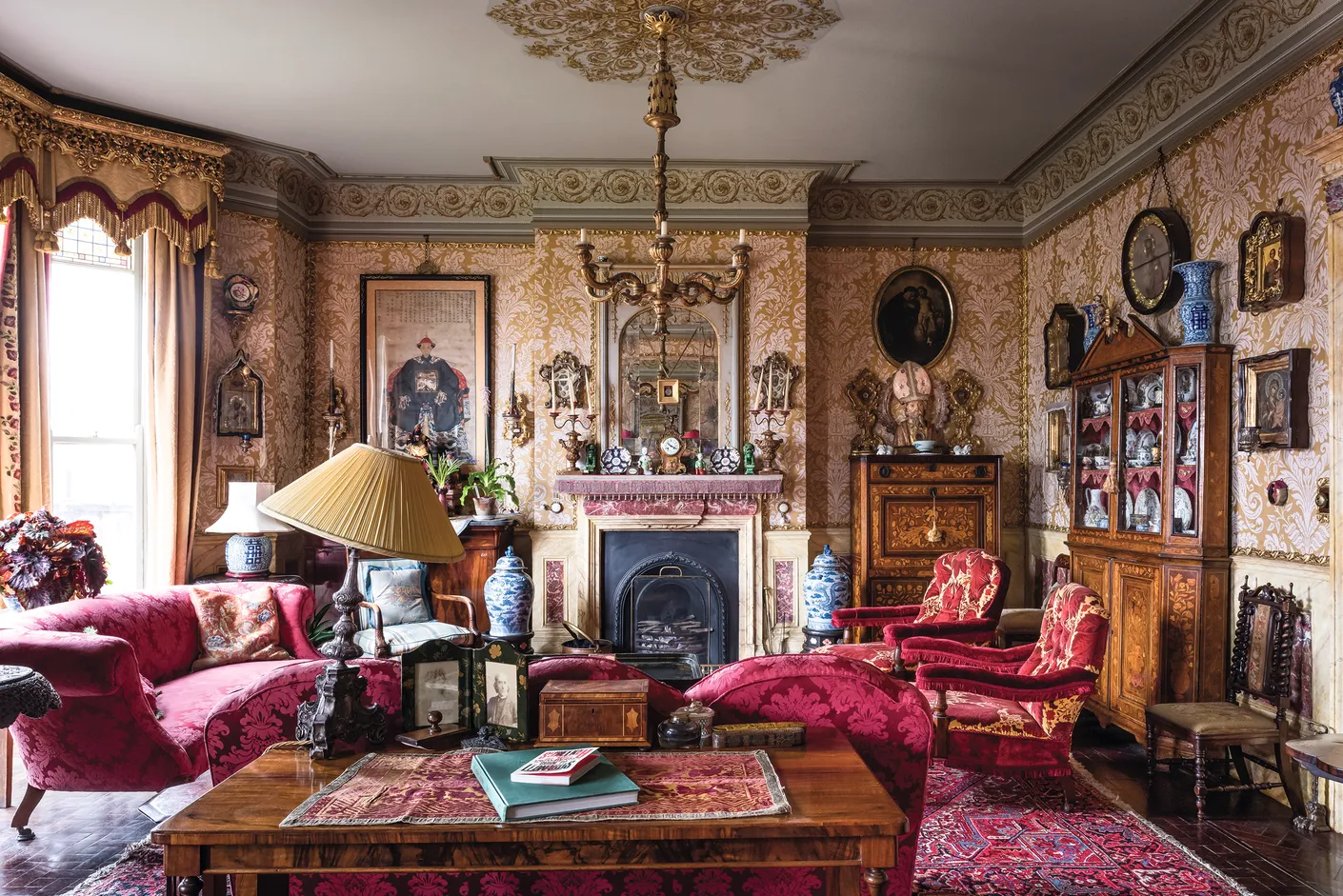
The formal entry hall, which usually has patterned floor tiles and a majestic staircase, sets the tone for Majesty right away. The ceilings are 10 to 12 feet high, which makes the space feel open and grand. This also allows for intricate plasterwork, crown moldings, and big, beautiful chandeliers. This lofty space gives off an air of unsurpassed elegance.
The Strength of Pattern and Texture
Victorian interior design didn’t like things that were unadorned. The walls were covered with beautiful wallpaper with damask, floral, or geometric patterns. The windows were covered in heavy, sumptuous materials, and every room was filled with furniture, collectibles, and art. rich, elegant jewel tones like emerald green, sapphire blue, rich burgundy, and gold accents were the main colors.
Art That Works: Fireplaces And Stained Glass
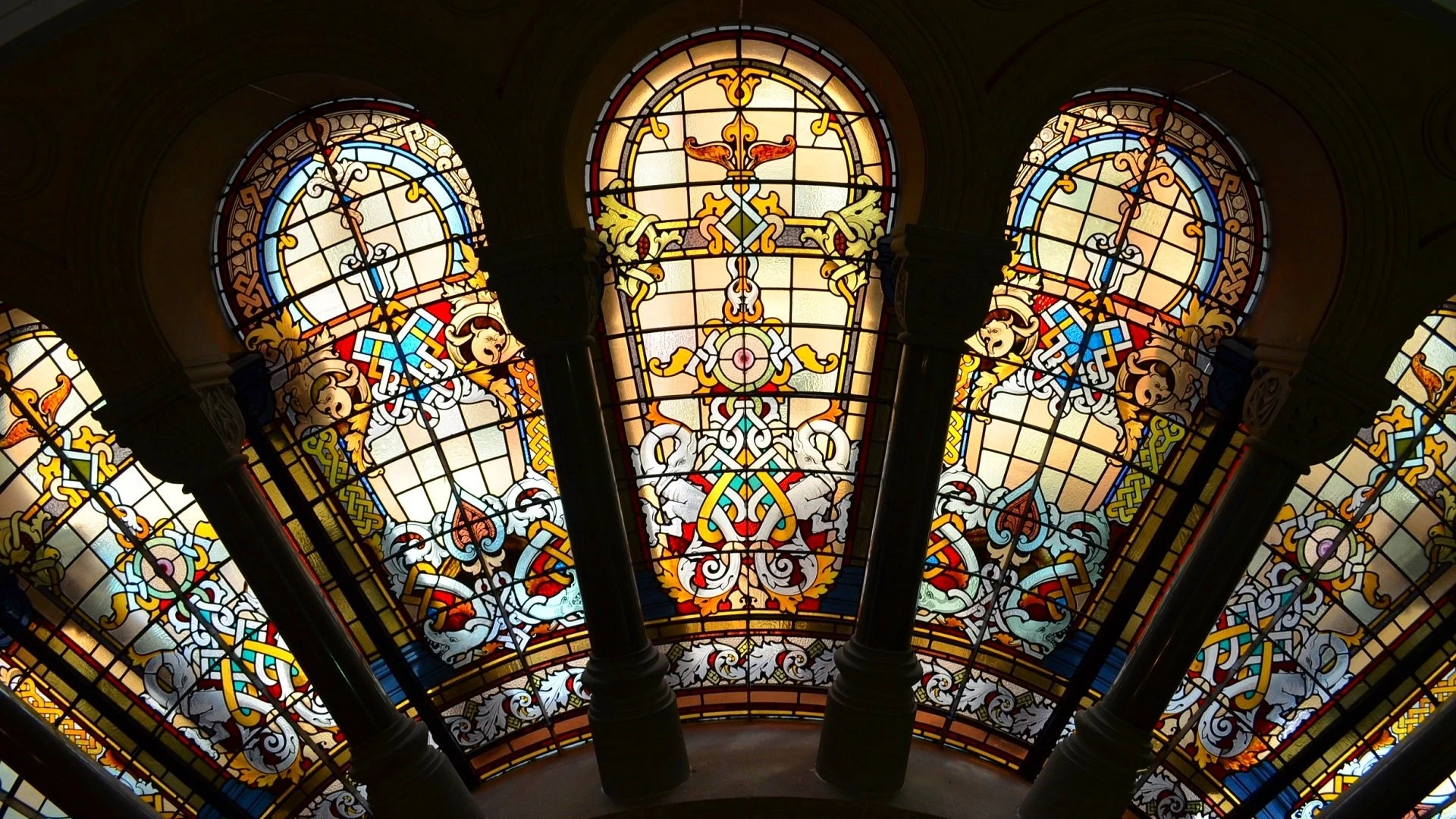
In every major room, ornate fireplaces with beautifully carved wood or marble mantels and colorful tile surrounds served as both efficient heat sources and works of beauty. Stained glass windows, on the other hand, let colorful, filtered light into the rooms, making the parlor and entryway look bright and magical. These subtleties show that quality and beauty are more important than just usefulness.
The Lasting Appeal and Relevance Today
American Victorian mansions are very valuable pieces of real estate today. This is mostly because they have an architectural depth that new buildings can’t match. They really speak to people’s need for history, strength, and personality.
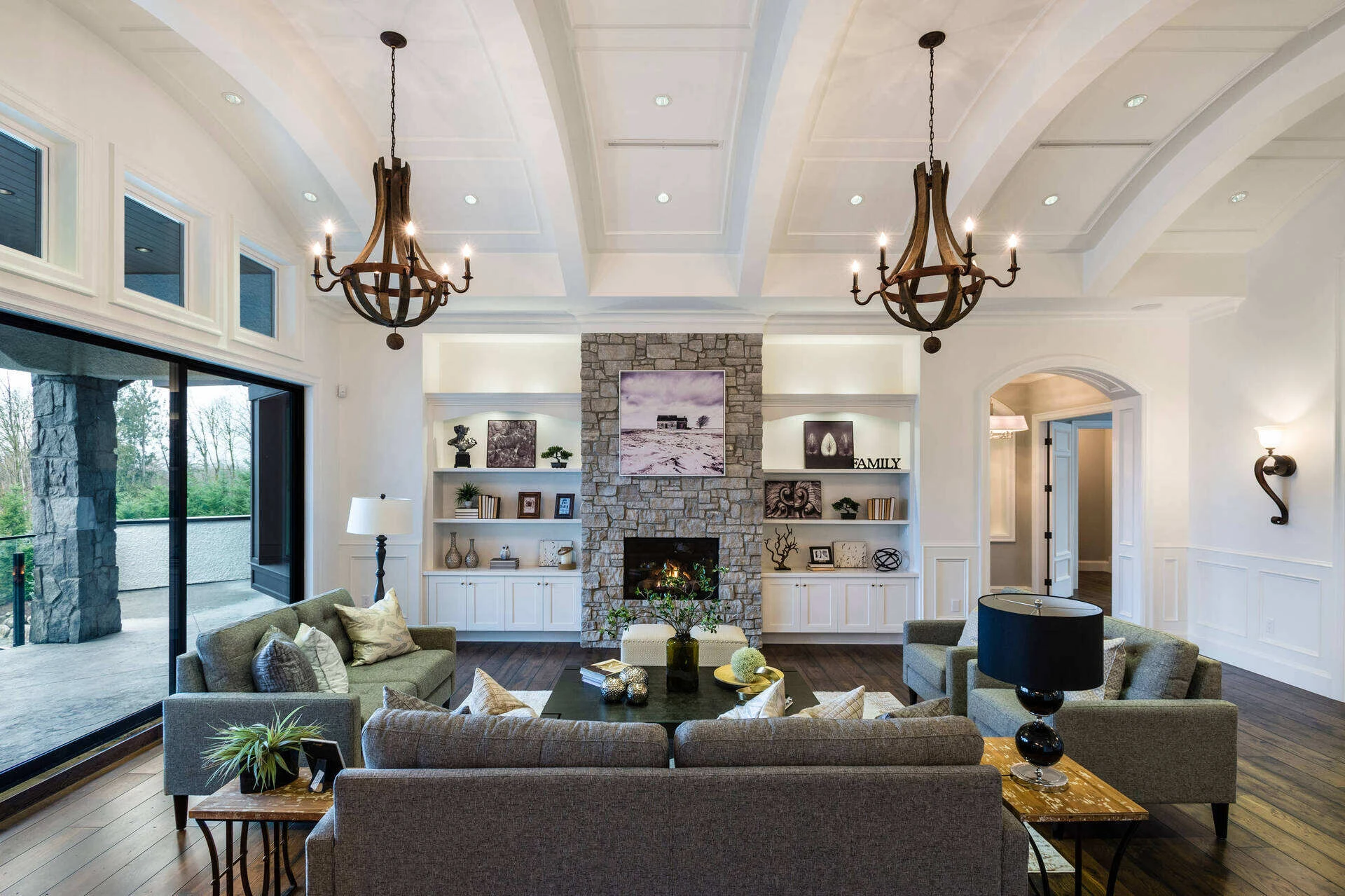
The formal, segmented floor designs of the past (parlor, sitting room, library) don’t often work well with modern open-concept living, but the solid foundation and large size of these properties make them perfect for modern renovations. Owners successfully combine historic features with modern comfort by:
- Updating the kitchens and baths in the back of the house.
- Making modest, empty spaces into big, useful family centers.
- Keeping and fixing the detailed gingerbread trim and stained glass.
The American Victorian House Design is still popular because it promises to let you live in a beautiful piece of history that is full of interesting details and still seems like a warm, welcome home for modern life. The Victorian is the clear winner for people who want a home with a story, an unforgettable shape, and lots of personality.
If you’re going to buy or fix up a property, look for these historic ones. They are more than simply homes; they are blank canvases from the past that are ready for your personal touch. Talk to a real estate agent who specializes in historic homes or a designer who works on preserving them to start creating the next chapter of your own beautiful Victorian home.
For more blogs like this CLICK HERE!!!!
Reference:
12 Stunning Victorian Features That Still Wow Homeowners Today – Century Homes America