The New Architectural Mandate: Well-Being as Luxury
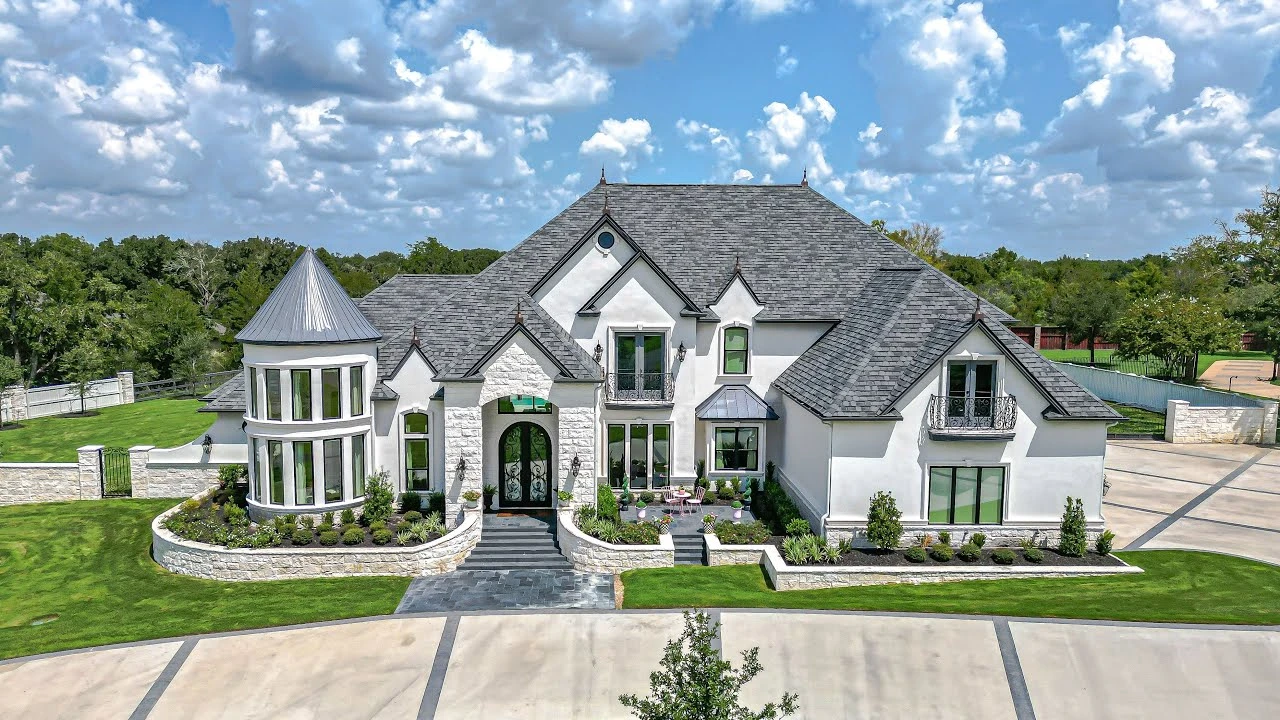
Square footage and pricey finishes are no longer the only things that characterize luxury. Today’s high-end U.S. residential architecture shows a big change: the home must be a well planned, performance-driven haven that actively helps the resident’s mental and physical health. The goal is to make homes that protect owners from outside stress and encourage living that helps them heal.
This isn’t just a fad; it’s a new norm in architecture. The main design principle currently is to combine health and wellness.
Architecture That Helps You Stay Healthy
Biophilic design, which says that people have a natural need to connect with nature, is at the heart of this trend. Architects are leveraging this link to make the home feel more peaceful.
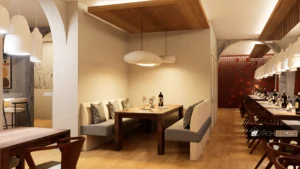
You may expect to see large windows that let in a lot of light, which helps the body’s natural circadian cycle. The palette is mostly made up of natural elements like recycled wood, organic stone, and textured textiles, which give a sensation of being grounded both visually and physically. Indoor gardens, courtyards, and water features arranged in the right places are becoming more common, making it hard to tell where the structure ends and the landscape begins.
Also, a tranquil mind is necessary for true well-being. Silent architecture is becoming more popular. It uses sound-absorbing materials, layered insulation, and smart zoning to make spaces that don’t stimulate the senses. This planned design keeps noise pollution to a minimum, making sure your sanctuary stays that way.
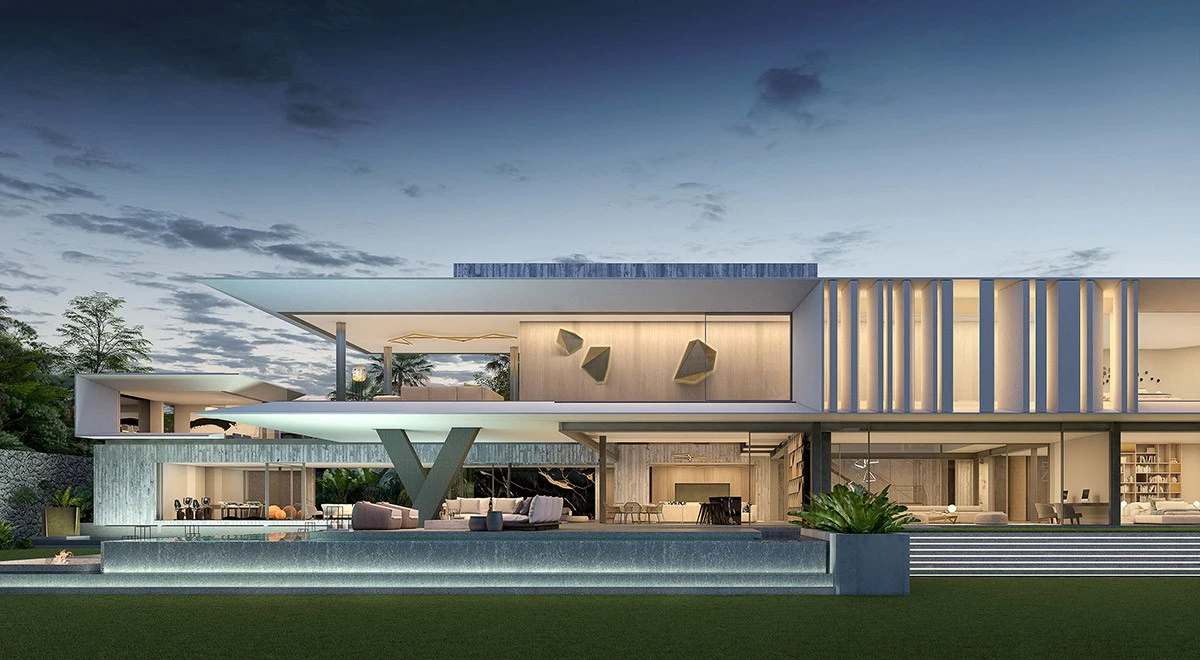
The Growth of the Private Spa Suite
The private spa has replaced the luxurious bathroom. These areas are now totally dedicated to wellness retreats. High-end residences are adding professional-grade rehabilitation amenities on top of the usual ones.
The rise in popularity of contrast treatment is driving the addition of integrated systems like steam showers, infrared saunas, and the cold plunge pool, which is the most interesting new feature. Minimalist architecture, heated natural stone floors, and smart lighting that lets the room change from lively morning prep to peaceful evening relaxation frame these characteristics.
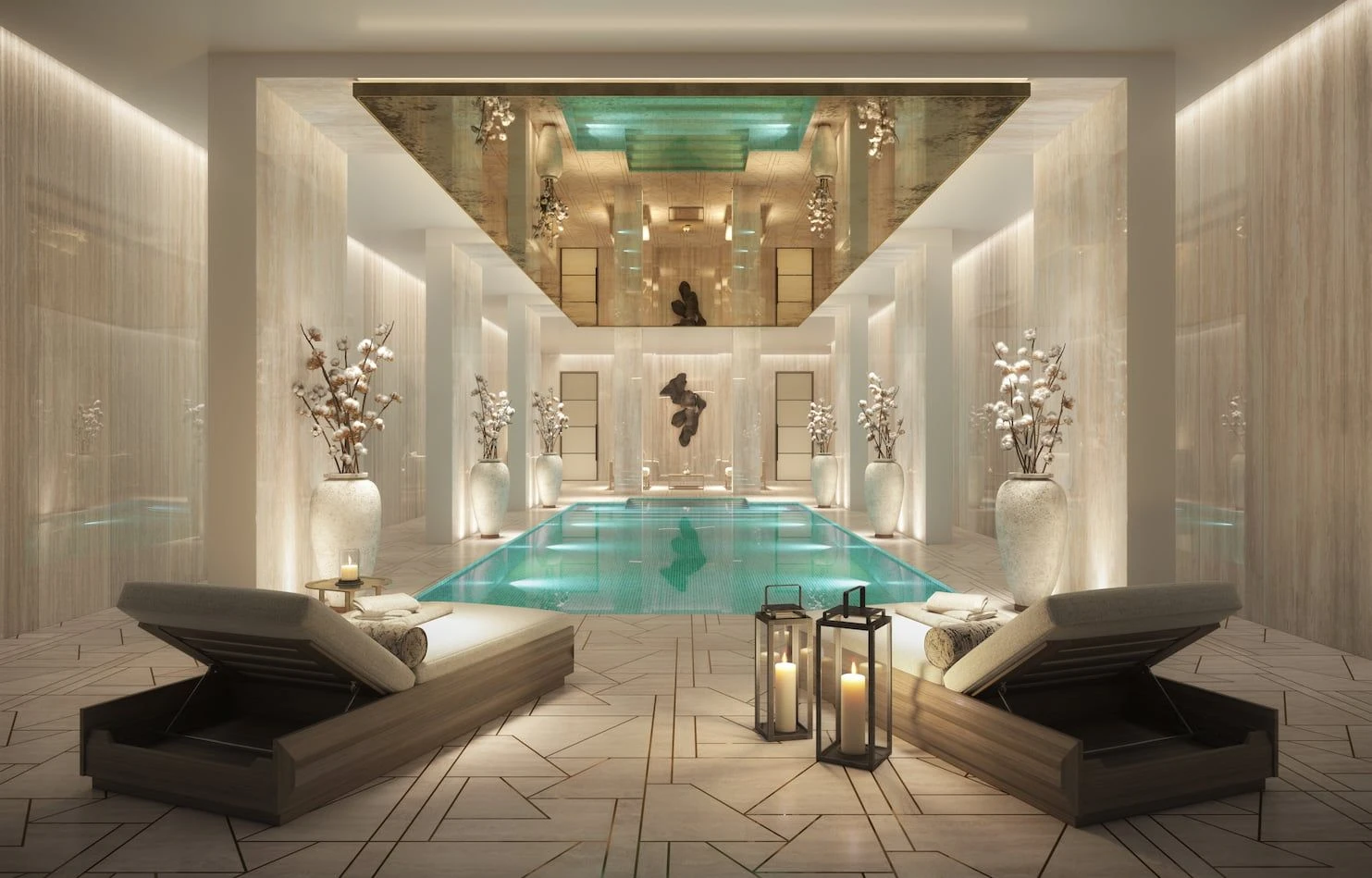
Dissolving the Walls: The Best Way to Flow Between Indoors and Outdoors
The luxury homeowner in the U.S. wants to enjoy their home without any barriers. The trend in architecture to combine indoor and outdoor spaces is less about adding a patio and more about making a single, unified living environment. This seamless integration makes the home seem bigger and more useful, with a focus on entertaining and relaxing.
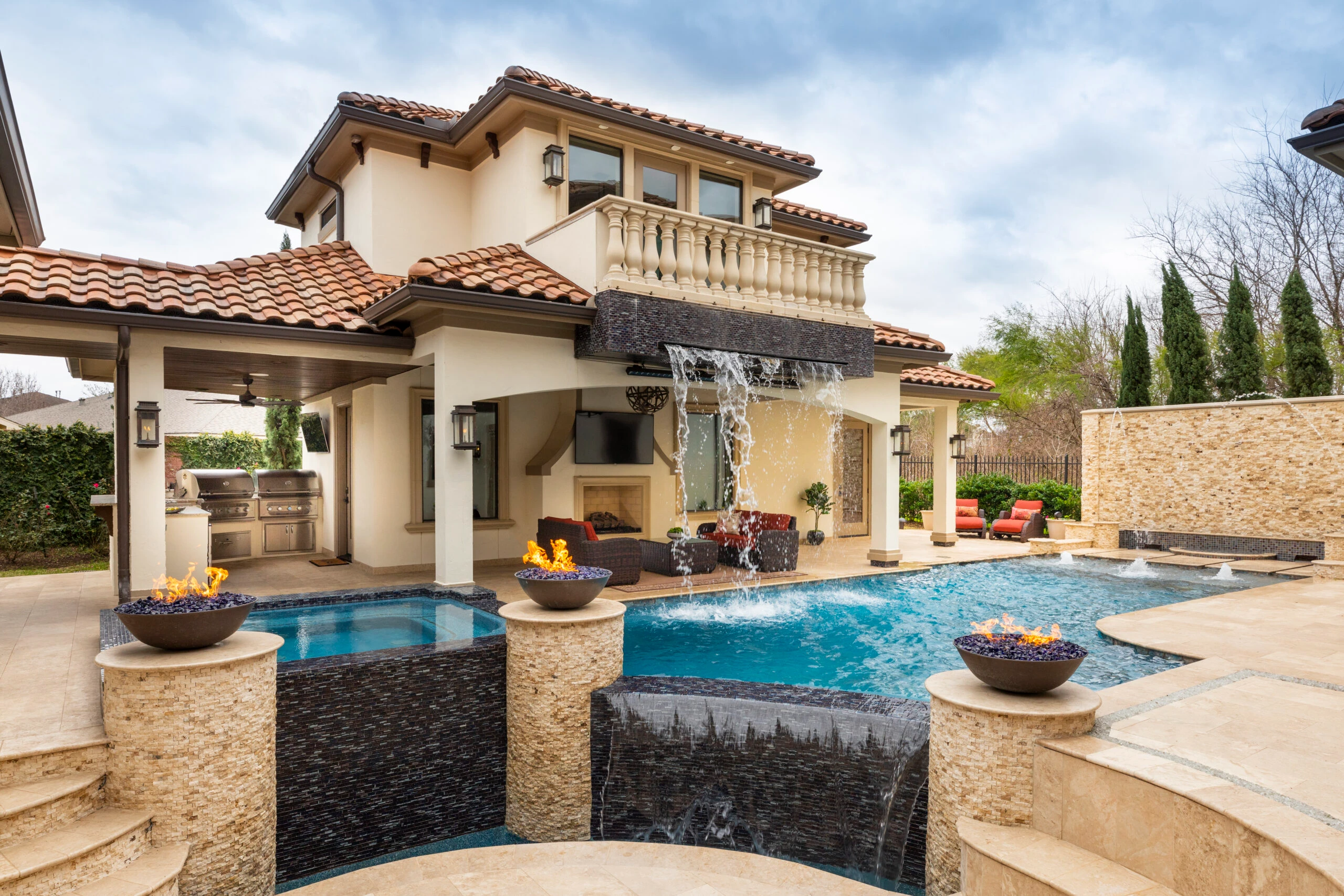
Design and Material Flow Without Seams
Continuity is the key to mastering this flow. Architects do this by using:
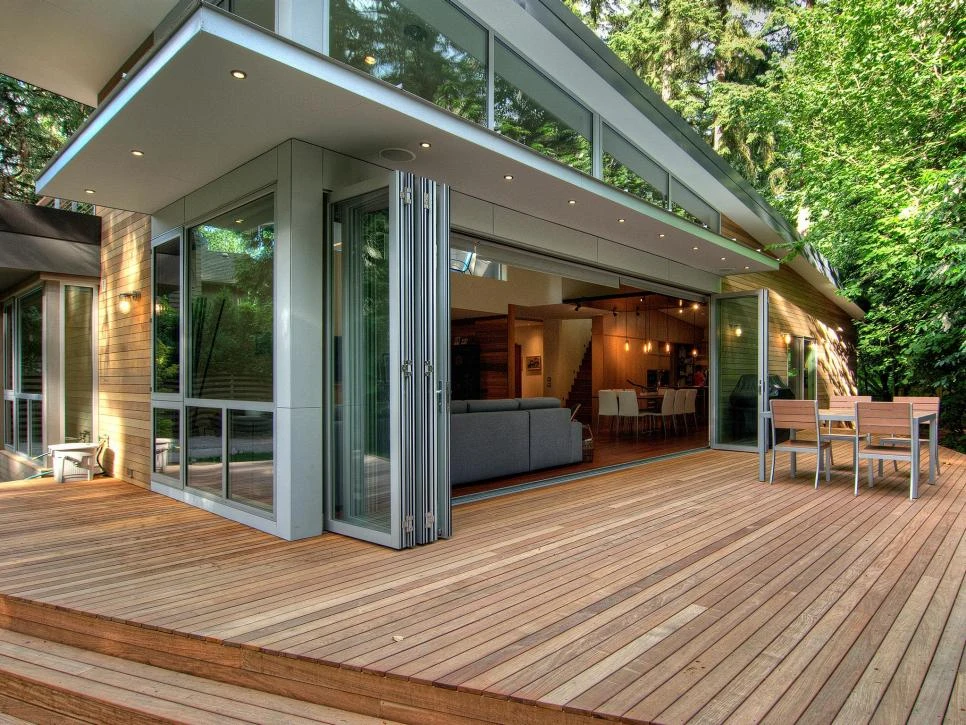
- Retractable Glass Walls: Huge pocket doors or sliding glass walls that go from floor to ceiling can disappear into the building, changing a living room or kitchen into a covered patio.
- Consistent Flooring: Using the same porcelain tile, polished concrete, or composite decking indoors and outside keeps the same visual plane, which gets rid of the mental barrier between places.
- Outdoor Living Rooms: These aren’t just decks anymore. They are completely furnished rooms with high-end outdoor kitchens, custom furnishings, entertainment systems, and covered louvered roofs that are meant to be used as an extension of the main house all year long.
This combination of surroundings makes sure that views are as good as they can be and that every meeting, no matter how formal or casual, benefits from the mood of the surrounding countryside.
Smart & Sustainable Havens: Where Intelligence Meets Elegance
Today’s luxury is also very smart. The idea of “sustainable luxury” is very important since it makes sure that innovation and responsibility go hand in hand. Homeowners want homes that are beautiful and elegant, but they also want to be aware of how they affect the environment.
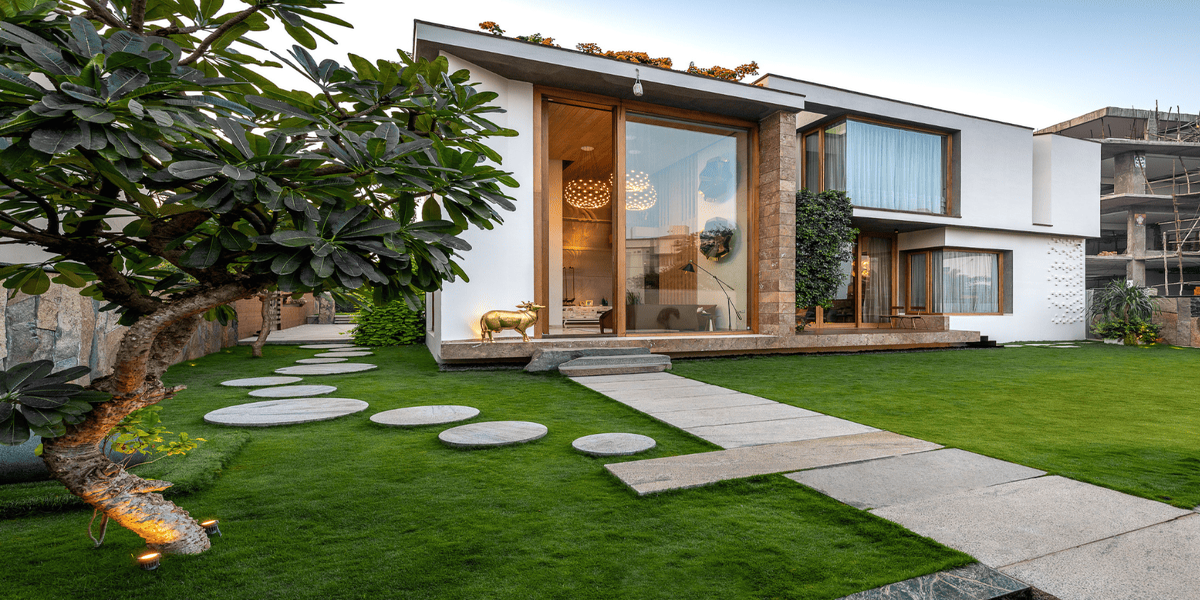
Net-Zero Style: Building with the Environment in Mind
Sustainable design aspects are no longer just an afterthought; they are now a part of the architectural process. More and more high-end residences are moving toward using no energy at all.
This includes using advanced systems like geothermal heating, solar panel arrays (which are typically disguised or blend in with the roof), and collecting rainwater. The building materials show this devotion as well. For example, recycled wood, natural stone from the area, and low-VOC (volatile organic compound) paints are used because they look good and don’t harm the environment very much. This combination of high-tech materials and eco-friendly elements makes an Eco-Elegance that is the definition of modern wealth.
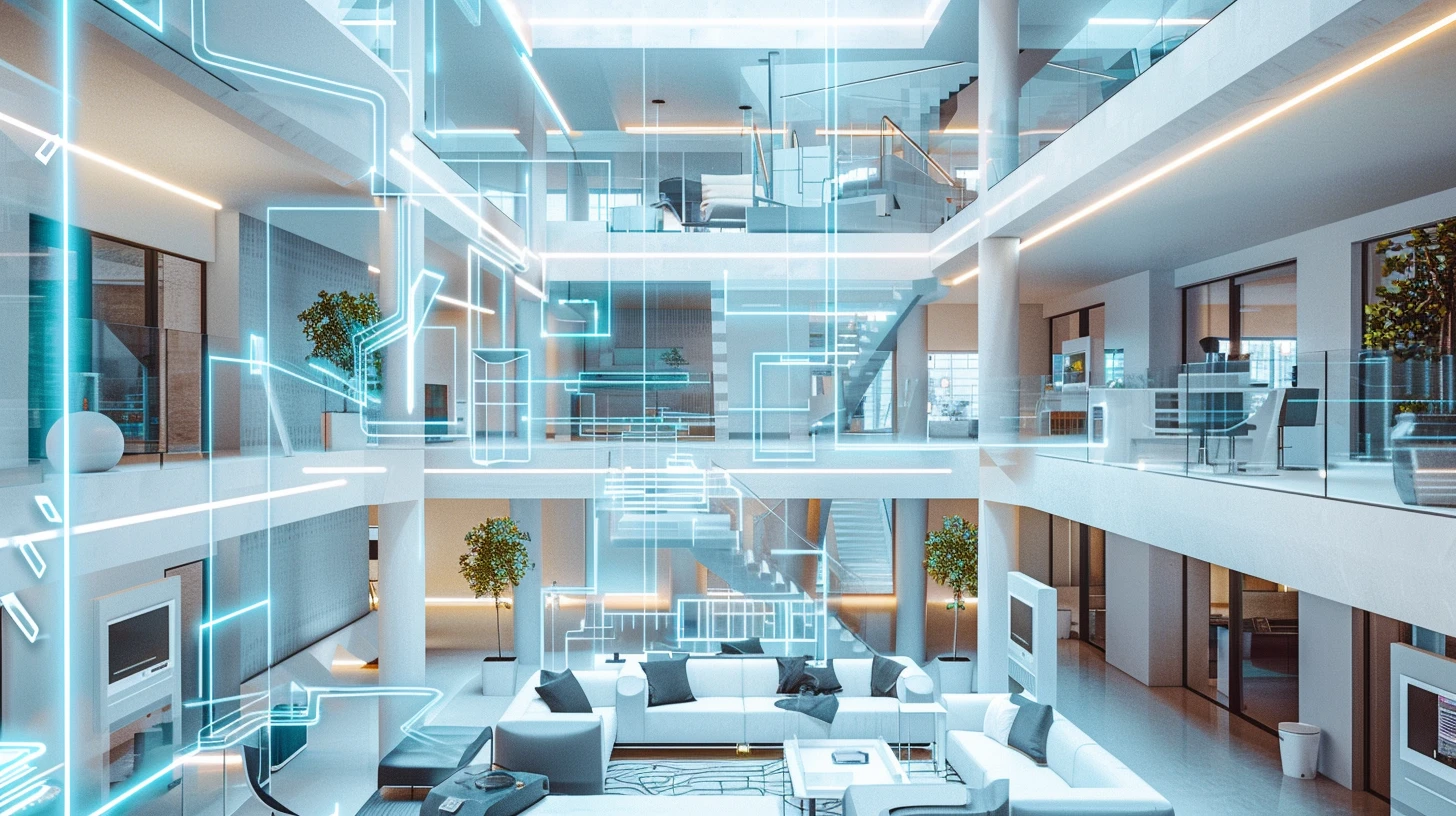
The Art of Technology That Disappears
Real luxury tech is hard to see. It knows what you need before you do and doesn’t get in the way of the look. The trend is toward AI-powered technologies that run the home environment without any effort.
For example, AI-powered climate control that learns your schedule, circadian lighting that changes color temperature and intensity to help you sleep, and full security systems that use biometric access.
The Appliance Garage or Hidden Storage is the most common physical form of this trend. To achieve intentional minimalism and clear sightlines, kitchens use cabinets that hide minor appliances, charging stations, and even utility rooms behind sleek, bespoke panels. This commitment to pure aesthetics shows that in a true haven, peace should never be sacrificed for usefulness.
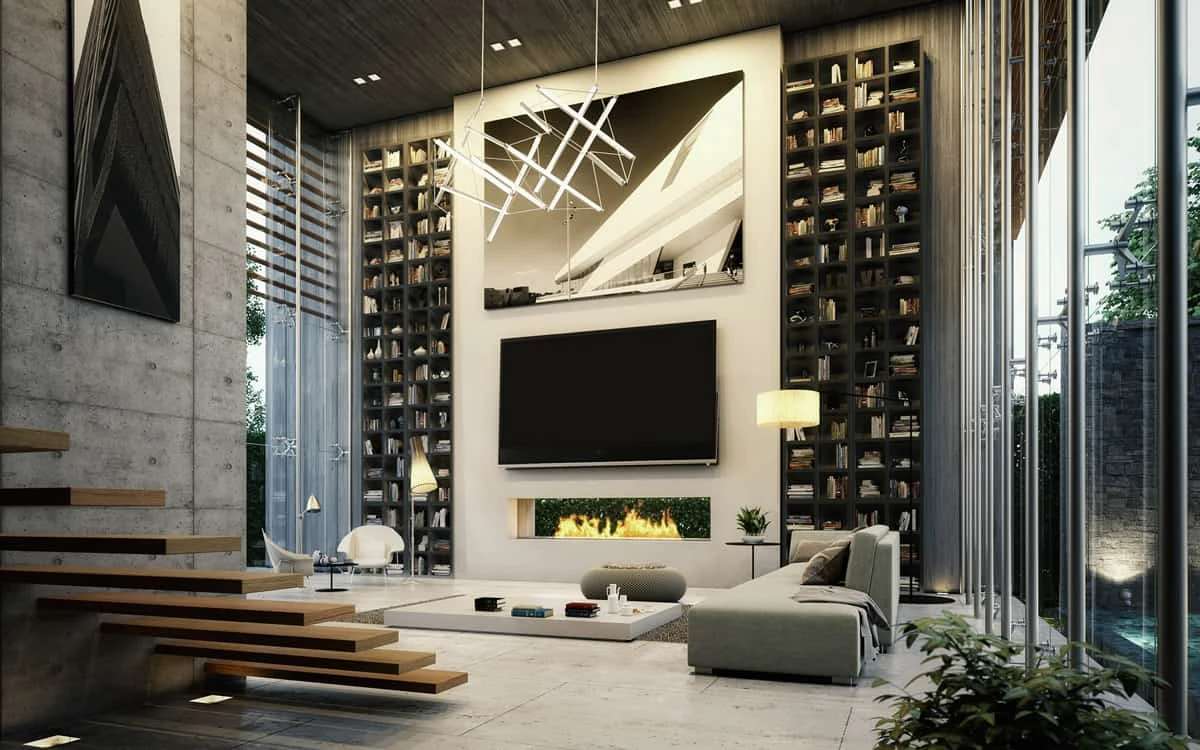
Creating Your Architectural Legacy
The newest styles of architecture in U.S. luxury residences show that design is very personal and useful. It is a way of thinking that values living better over living bigger.
The smart homeowner is building more than simply a house by putting money into wellness-focused places, using seamless connections between indoor and outdoor spaces, and committing to smart, long-lasting architecture. They are putting together a private retreat—a very elegant, high-performance place that will be good for their health and will be a lasting architectural legacy for centuries.
These trends show that the best luxury is a home that is perfectly suited to living well.
For more blogs like this CLICK HERE!!
Reference:
High-End Residential Architecture Trends in the U.S. (2025) — RSMANNINO