The Architects’ Call: An Important First Step
If you want to change the world around you by designing buildings, communities, and spaces that will survive for generations, you are starting one of the most difficult and rewarding careers accessible. Architecture is a field that combines art and engineering, history and technology. It requires not only talent but also love.
The most important choice you will have to make may be where to start this schooling. Your university will provide you the permission to practice, but it will also shape your design philosophy, your network, and how you see the built environment. This isn’t just about getting a degree; it’s about setting the course for your professional destiny.
Choosing a top-notch school that fits your goals is quite important in a career where a five-year commitment is common. We put together the final rating, which looks at more than simply reputation. It also looks at the program aspects that are important for success in an industry that changes quickly.
Accreditation and studio culture are two important things that any studio needs.
Before getting into the best schools, it’s important to know what you can’t change about U.S. architecture education.

NAAB Accreditation: The One Thing You Can’t Change
In the US, your degree is closely linked to your professional license. You have to finish a program that the National Architectural Accrediting Board (NAAB) has approved. Most programs offer either a Bachelor of Architecture (B.Arch), which is a five-year professional undergraduate degree, or a Master of Architecture (M.Arch), which is what people who already have a bachelor’s degree in something other than architecture need to do. The first and most important step toward becoming a professional architect is to choose a school that is accredited by the NAAB.

Studio Life: The Heart of the Program
If you ask any architect who works now about their experience in school, they will talk about the studio. The studio culture is what drives architectural education. It’s a tough, collaborative, and crucial place where design is tried, spoken about, and improved.
The best programs have:
- World-Class Facilities: You can use fabrication labs, laser cutters, 3D printers, and climate simulation chambers.
- Practical Faculty: A mix of respected academics and working architects who bring their real-world knowledge straight into the classroom.
- Small Ratios: Faculty members who are dedicated to helping you improve your design talents through personalized mentorship and concentrated attention.

The Definitive Ranking: The Best Architecture Firms in the U.S.
The best architectural schools are not only places to learn; they are also centers of research and new ideas around the world, each with its particular area of expertise. Here are the titans that always come in first and what they do best:

The Innovation Titans: Columbia and MIT
These schools are for students who desire to push the limits of what architecture can be in terms of technology.
Massachusetts Institute of Technology (MIT)
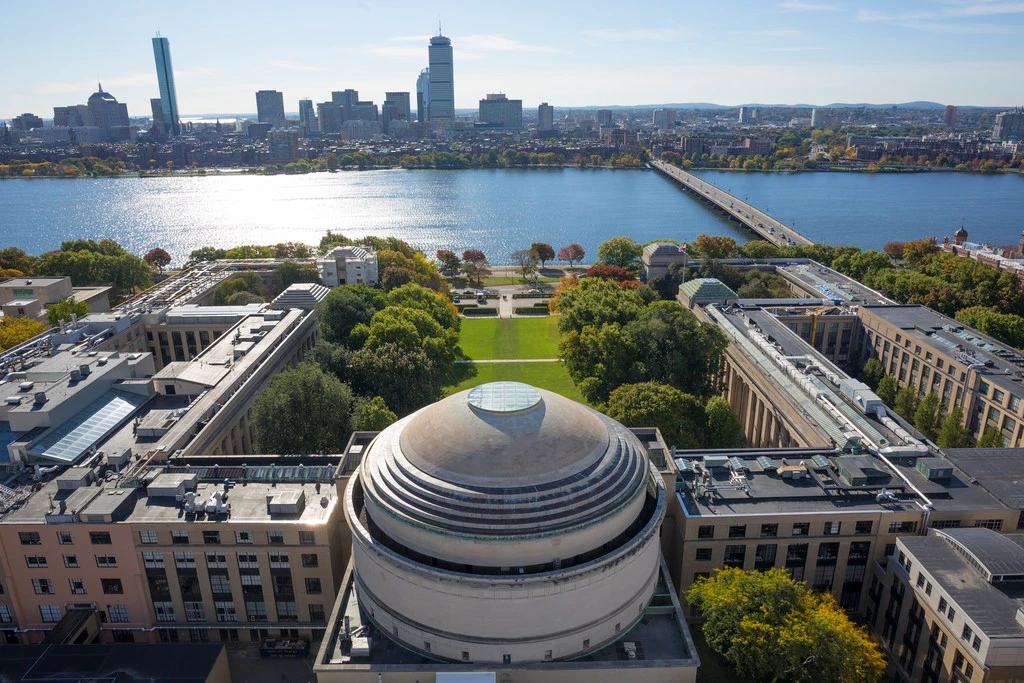
The School of Architecture and Planning at MIT sees architecture as a technological problem. They were the first to combine cutting-edge software with computational design. Not only do graduates from here design buildings, but they also use statistics to show that their designs would work best. If you want to combine architectural theory with machine learning, digital manufacturing, and high-performance building systems, MIT is the place for you.
Columbia University (GSAPP)
Columbia’s Graduate School of Architecture, Planning, and Preservation (GSAPP) lies in the heart of New York City and is noted for its cutting-edge concentration on urbanism and global perspectives. Students typically get a firsthand look at the challenges of living in a city, making public policy, and exchanging cultures around the world through studio work. GSAPP is a great fit for students who want to use the city as a design studio.

Harvard and Yale offer the Design & Theory Masters
These Ivy League colleges have the best resources and emphasis on mastering the intellectual and theoretical aspects of design.
The Graduate School of Design at Harvard University
The Harvard Graduate School of Design (GSD) is known for its interdisciplinary approach, which focuses a lot on landscape architecture and urban planning. Students at GSD learn to think about the architecture in relation to the city and the environment. GSD gives you the tools and the heritage to design massive public venues or work on big-picture urban strategy.

Yale The School of Architecture
Yale is known for being very intellectual, which leads to a culture of strong innovation and critical discussion. The institution is known for its weekly lecture series, which brings in famous people from all over the world and makes the campus a place where new ideas are always being shared. Yale teaches its students not only how to design things, but also how to explain why their design is important. This makes them thoughtful professionals and intellectual leaders.

UC Berkeley and Cornell are Leaders in Sustainability and Urbanism

These schools stress the importance of design ethics, resources, and being a good citizen.
University of California, Berkeley
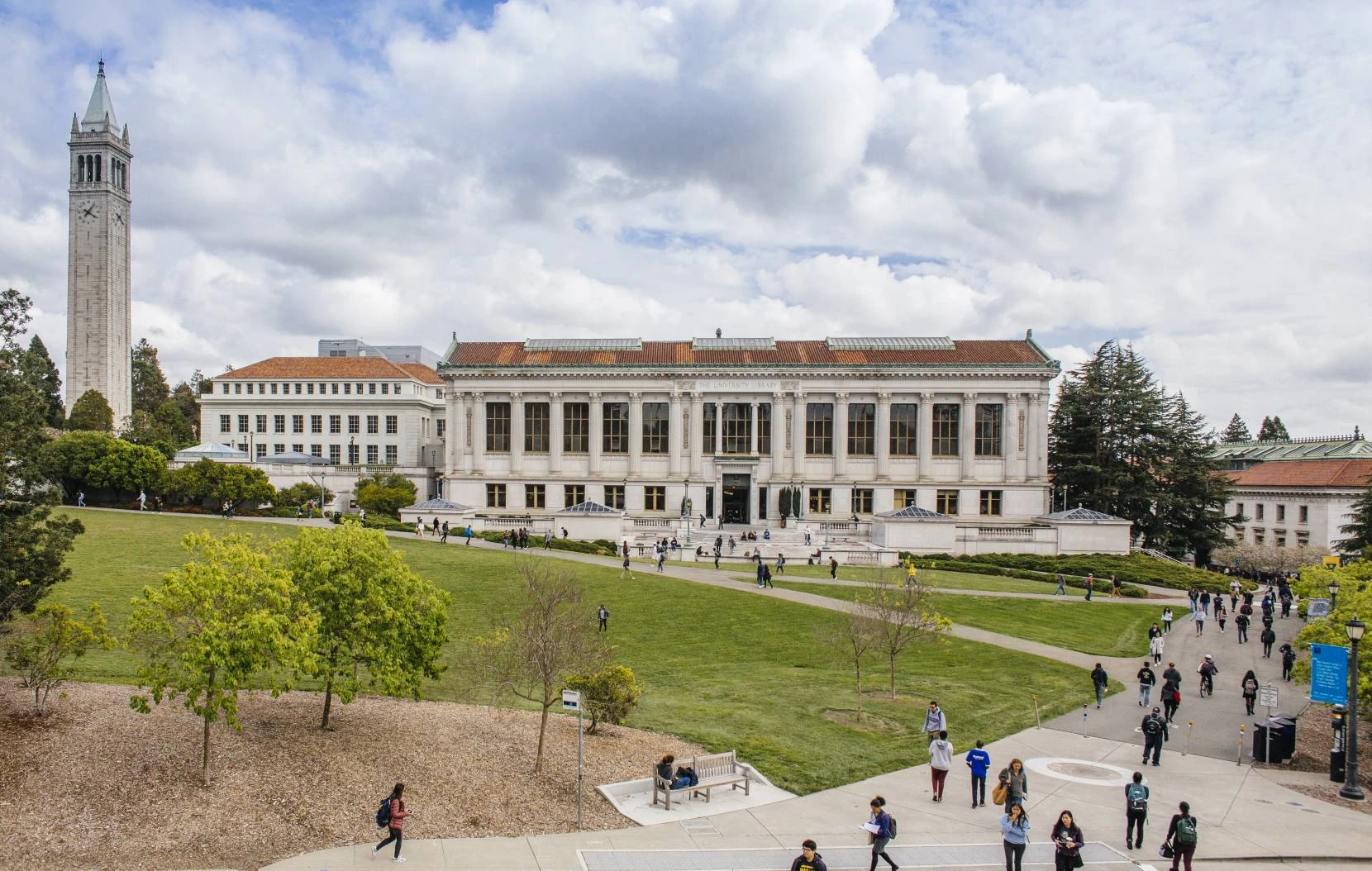
The College of Environmental Design (CED) at UC Berkeley is a world leader in design that is good for the environment and lasts. They are well-known for their research department, which looks at how structures may adapt to climate change and the requirements of society. Berkeley has the research facilities you need if you care about social justice and ecologically friendly construction.
Cornell Cornell’s College of Architecture
Cornell Cornell’s College of Architecture, Art, and Planning (AAP) offers a very complete and well-resourced five-year B.Arch degree. They are known for their strong international focus, which includes required study programs in Rome that provide students a good foundation in both classical and modern design ideas. Cornell’s resources are often the best for students who want a tough, well-funded, and globally-connected school.
Beyond the Hype: Finding Your Best Fit Rankings are just a beginning. Your ultimate choice should match your own style and career goals.

Place, Place, and Specialization
Think about where you wish to work. The location of a school has a big impact on its curriculum and linkages to businesses.
- West Coast (UCLA/USC): Focus on designing experiments, building for entertainment, and dealing with modern problems including growing urbanization and seismic design.
- Northeast (NYC/Boston): Focus on designing large buildings, preserving history, and commercial developments that are driven by finance.
- Midwest/South (Rice/U. Michigan): This school often blends theory with hands-on building techniques and talks about themes that are important in the region, such material science or naval architecture.
Why Accreditation (NAAB Check) Matters
Make sure that the degree you want to get, whether it’s a B.Arch or an M.Arch, is NAAB-accredited. A lot of colleges and institutions offer non-professional degrees, such a B.S. in Architecture, but you need to get a Master’s degree first in order to get a license. This detail will affect your ability to get a license in the future.
Portfolio Process: Showing Your Design DNA
A strong portfolio is required by most top programs. Admissions committees want to see not only finished, polished work, but also proof of your design approach, such as sketching, digital modeling workflow, critical thinking, and iteration. Having experience dealing with people from different fields, like engineers, historians, or environmental scientists, can make your application stand out and show that you can solve difficult challenges in the real world.
Your Architectural Legacy: Some Last Thoughts
Becoming an architect is not a quick process; it’s a long one. It takes a lot of hard work, many nights in the studio, and constant critical thought. By picking one of these important pathways for your future, you are putting money into an education that will help you not only get a job but also leave a lasting legacy.
Find out about the professors, go to the campus studios, and picture yourself working there for the next five years. Let your personal and professional goals help you make your choice. People all throughout the world are waiting for your vision. Go make it.
For more content like this CLICK HERE!!
Reference: