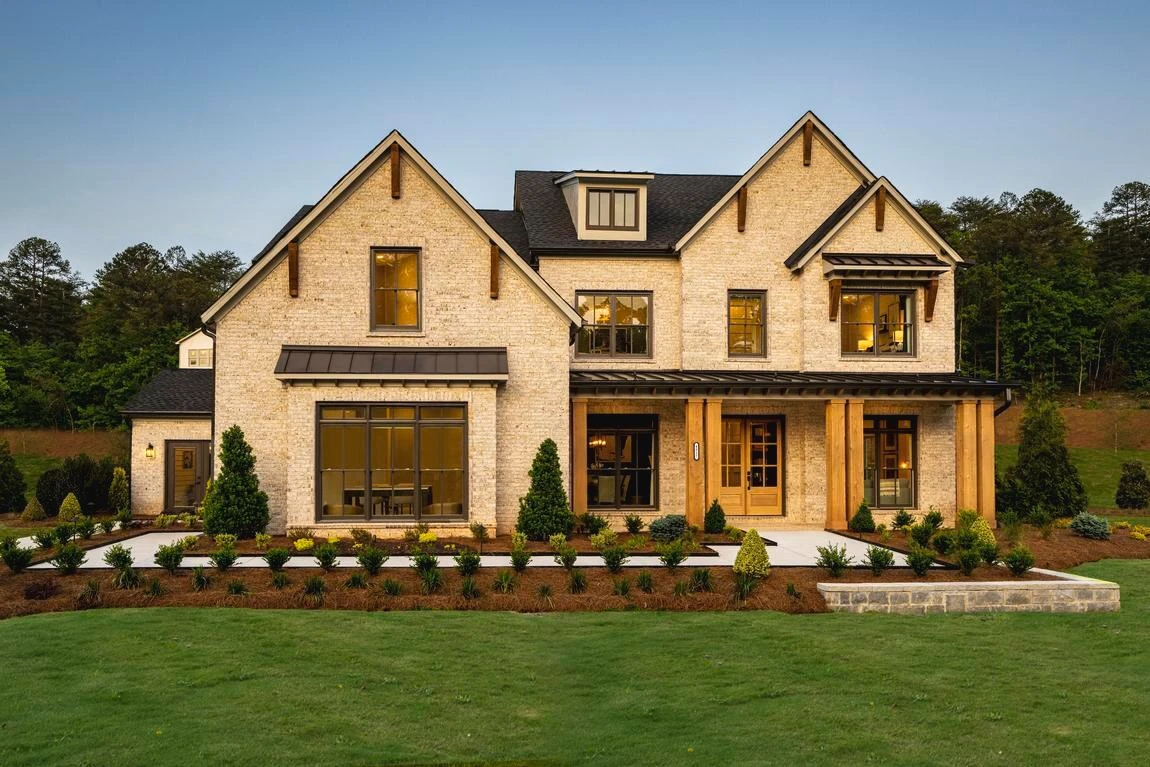
When you see a real American farmhouse with its broad porch, simple lines, and windows that let in a lot of light, something changes inside you. It’s not just a type of building; it’s an invitation. It talks about home, history, and a slower, more thoughtful manner of living.
In our busy world, the farmhouse is still popular because it promises comfort. It is the physical form of the word “cozy.”
What, though, makes this approach so special and valuable? And how can you bring its real, emotional warmth into your own home?
This is the best guide to understanding, enjoying, and copying the American Farmhouse Architecture that people all throughout the country still love.
The Birth of the Classic Farmhouse: A Humble Start
It wasn’t an aesthetic choice to build the farmhouse; it was a need. The plot is based on the creativity and hard work of the first American colonists and settlers.
Simple and Useful: 18th Century Design
The first farmhouses, which were built in the 1700s, were only for living in. The families who lived and worked the area built them using only local, plentiful materials like rough-hewn logs and native stone.
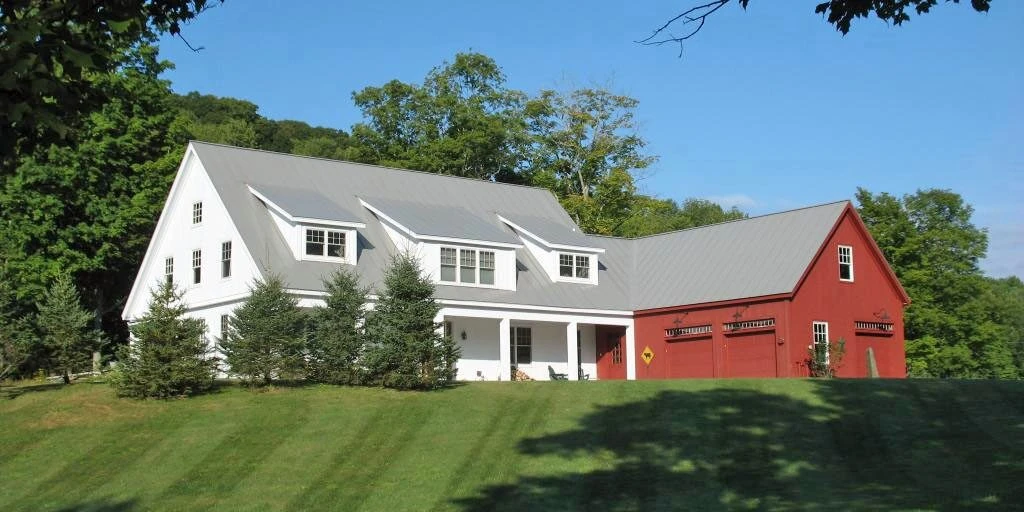
The first floor layouts were simple and only included a few rooms on each level. They were strong, rectangular, and made to work well. The design was important since it could be changed. As families got bigger and farms did well, “wings” or expansions were added, giving Traditional Farmhouse structures the uneven, rambling style we generally think of today.
The Rise of the Porch and Timeless Elements
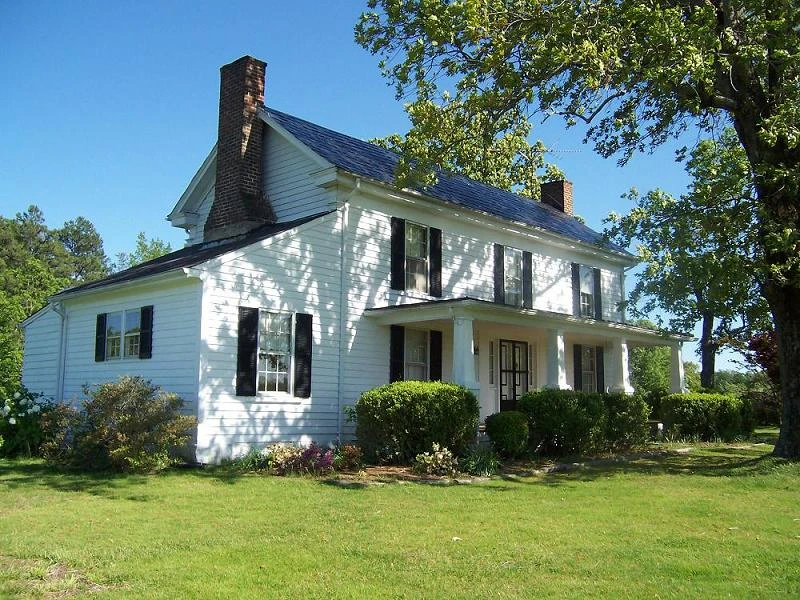
The railroad came in the middle of the 1800s and revolutionized the way Americans built homes. Farmers could now get manufactured resources like milled lumber, brick, and quarried stone. This made it possible to build more complex structures.
During this time, the style’s most famous aspects became set in stone:
- Pitched roofs are made to let snow and rainwater run off easily.
- Simple Siding: Usually made of clapboard and painted white to keep the wood safe from the weather.
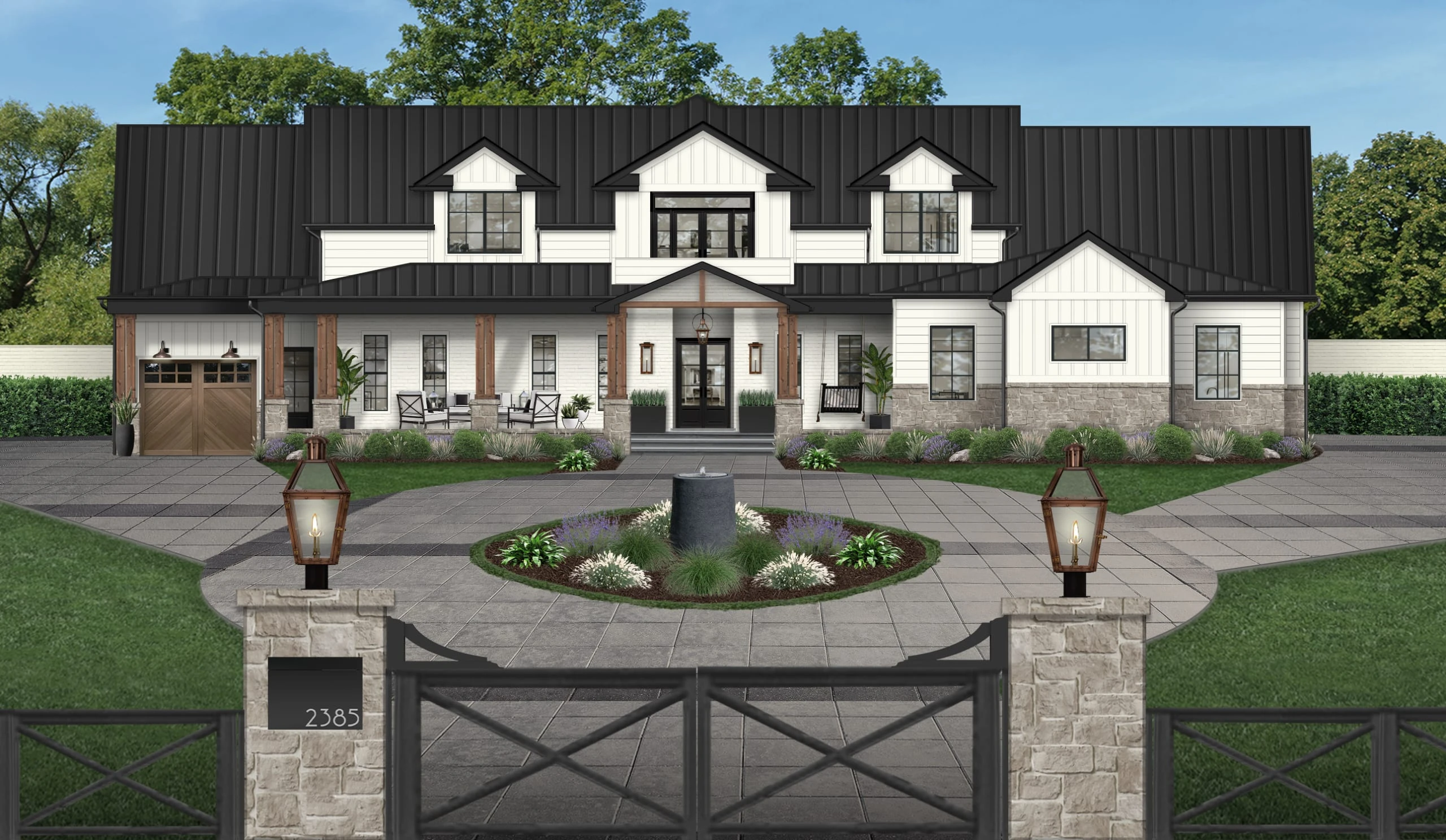
- The Wrap-Around Porch: This is perhaps the most popular part. The deep, wrap-around porch was a great place for people to get together, work outside, and cool off the house before air conditioning was invented. It was especially popular in the warmer Southern climates.
The building that came out of it was strong, simple, and useful, which is what classic American Farmhouse Architecture is all about.
The Anatomy of Cozy: Important Features of a Farmhouse
To get that real, lived-in farmhouse feel at home, we need to go past the outside and into the design decisions that make the space seem warm.
A Neutral Background: A Palette of Peace
A calming, neutral color scheme is the key to a real Cozy Farmhouse Style. In the past, this was because paint was hard to find. Today, it’s a conscious decision to make the space feel quiet and open.
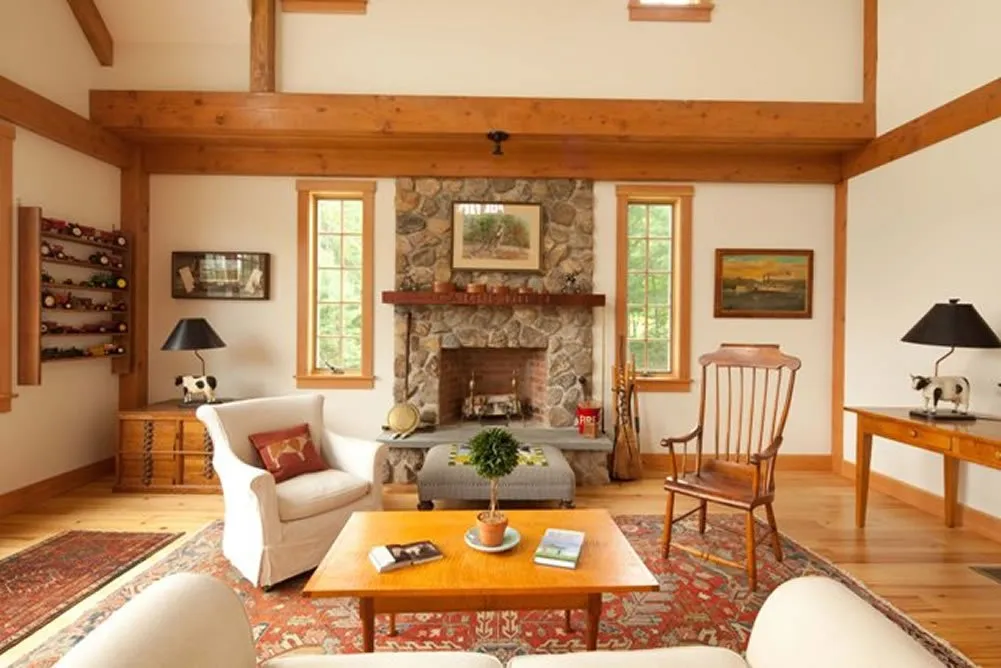
Most of the time, walls are painted in light colors like white, cream, or mild gray. This is the perfect canvas since it lets the textures and natural wood shine through. You can add a little color by using muted, earthy colors that you can find in nature, such sage green, dusty blue, or soft burgundy. Stay away from colors that are too bright or saturated and break the tranquility.
Shiplap and rustic wood are beautiful textures. Farmhouse design loves depth and natural materials. This is where the style gets its name for being both simple and elegant.
Shiplap, board and batten, and wainscoting are all classic wall treatments that give a room personality and depth. They pay tribute to the raw, unfinished interiors of old barns and homes.
The presence of wood is just as important. Rustic wood, like salvaged barn wood beams, wide plank floors, or even plain shaker-style cabinets, adds warmth that can’t be replaced. It makes a strong, natural contrast with the white walls and light materials that are typically used, which ties the whole design together.
Functional Charm: Famous Furniture and Fixtures
Farmhouse style is made up of things that were initially chosen for their usefulness and durability but now have a strong, nostalgic appeal:
- The Farmhouse Sink, often called an apron-front sink, is a deep basin that was made for cleaning big pots, canning, and even bathing babies. It is still a sign of a hard-working kitchen today.
- Mixing Old and New: To have a truly humanized, warm look, you need to steer clear of a “showroom” atmosphere. The best farmhouse interiors have a combination of contemporary, sleek furniture and old, thrifted, or family heirloom pieces. Think of old sideboards, worn wooden chests, and traditional lighting, such wrought-iron chandeliers or basic task lamps.
- Layering textiles: Use natural fabrics like cotton, linen, and jute. Put soft blankets and thick knit throws on top of plain sofas for instant comfort.
Farmhouse, Evolved: Learning about the Modern Farmhouse
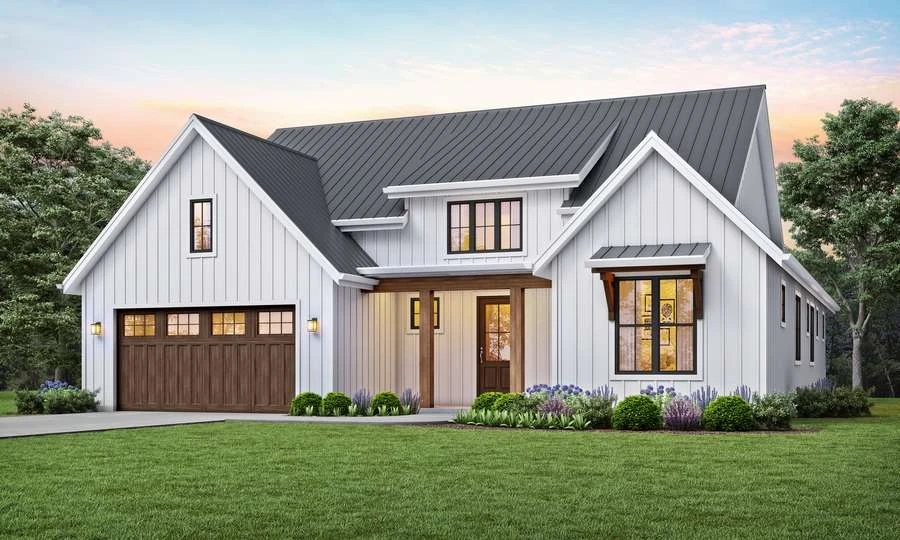
The Modern Farmhouse has become a big deal, in part because of current advances in TV design. This modern version preserves the essence of the original while making it work for life in the 21st century.
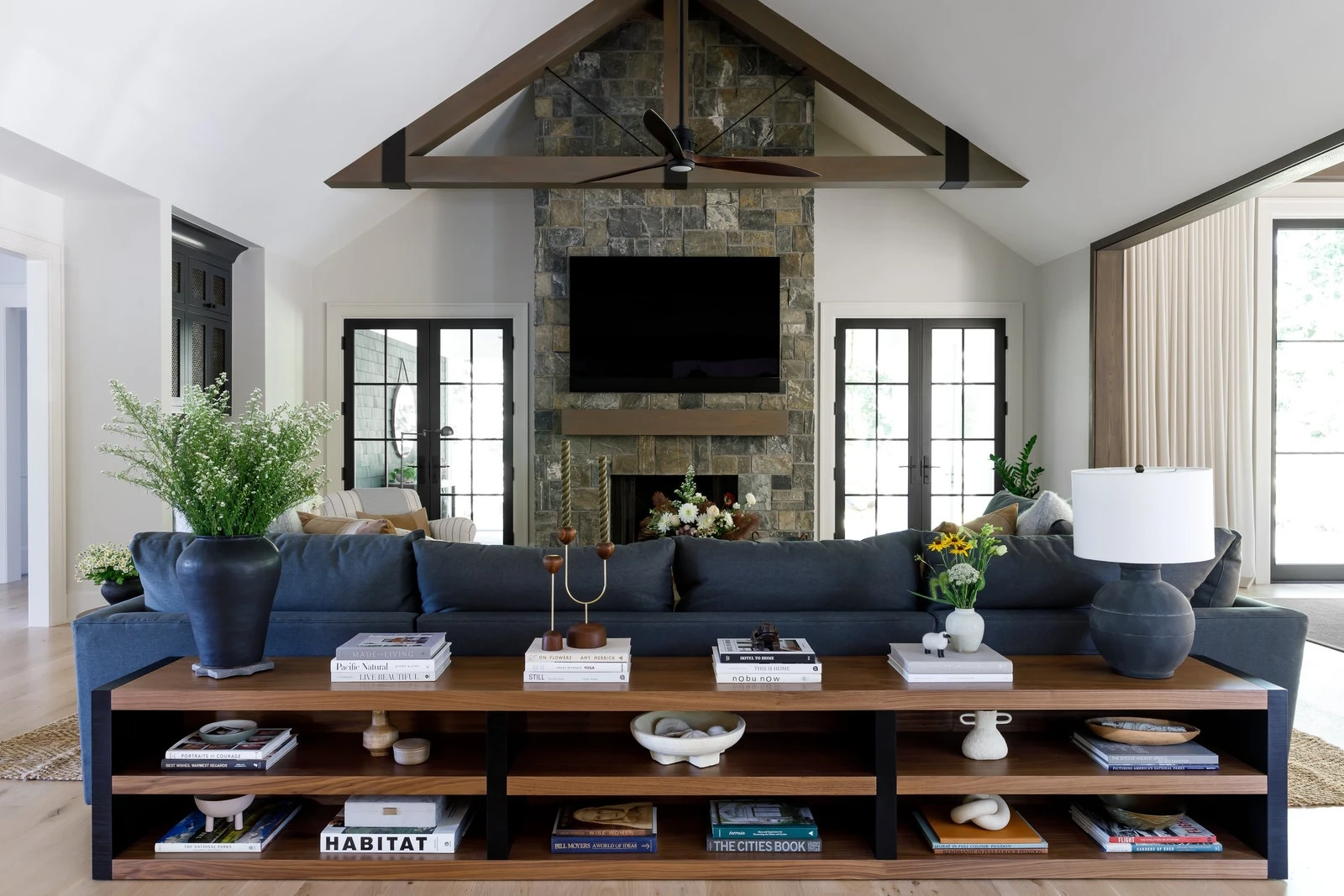
Combining Rustic Roots with Open Concept
The main distinction is in how useful and open they are. To keep the heat in, old-fashioned farmhouses had strong walls and separate, formal rooms. The Modern Farmhouse is all about:
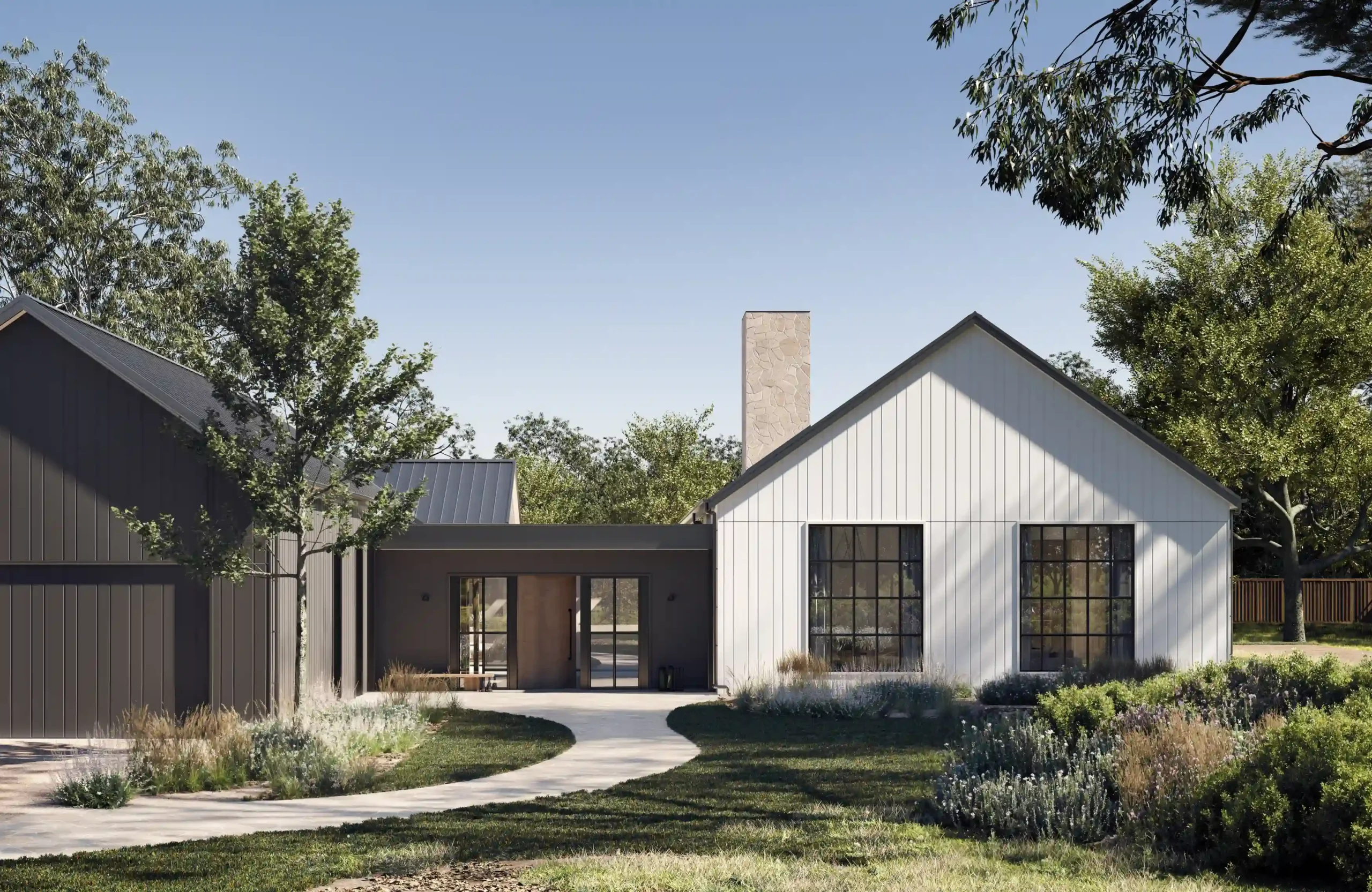
- Open Floor Plans: Big, open living rooms and kitchens where you may dine and live together easily.
- Oversized Windows: They let in a lot of natural light, which creates a strong connection between the inside and outside of the house.
- Clean Lines: Unlike the elaborate trim of Victorian-era styles, the modern version reduces architectural elements and typically uses dark metal accents, like matte black light fixtures or door hardware, to give the white exterior a sharp, modern look.
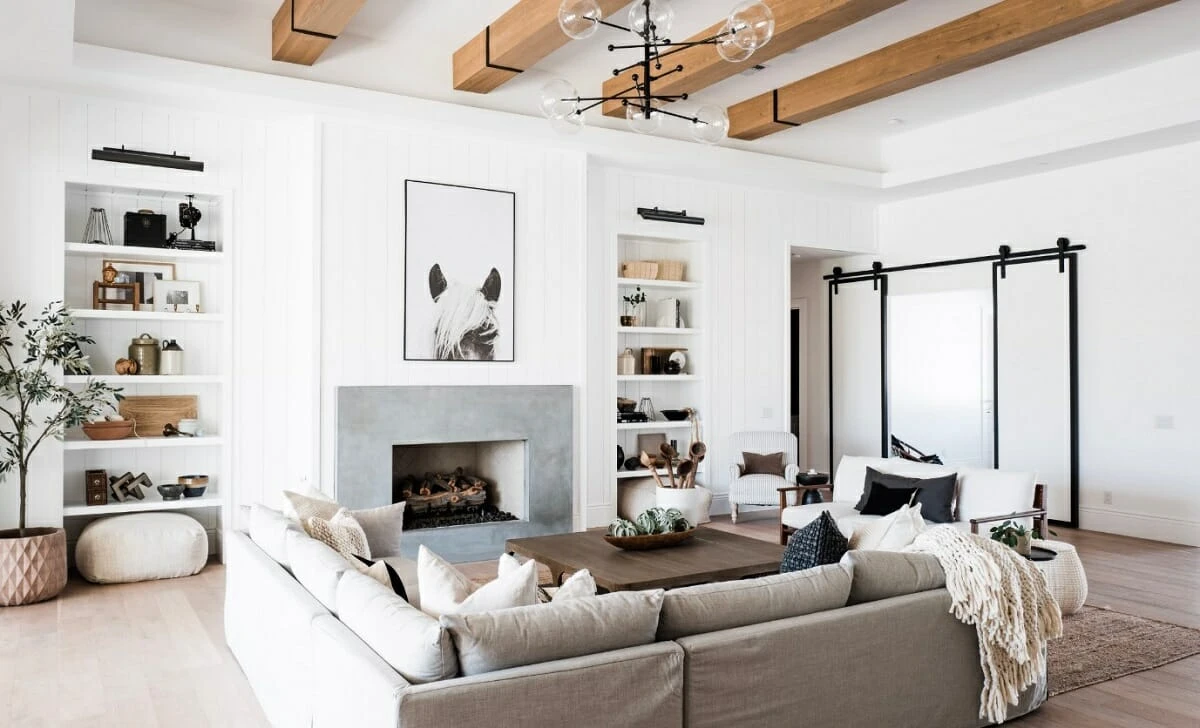
Getting a curated, lived-in look
The key to a classy Modern Farmhouse is balance. It’s about being organized, not messy.
Instead of signage with themes and decor that is too fancy, focus on things that are useful and real. Use practical storage items like woven baskets, galvanized metal containers, and open shelving to show off your dishware or jars of bulk groceries. This mix of useful items and acquired treasures keeps the true spirit of American Farmhouse Architecture alive while making the space feel effortlessly stylish and welcoming.
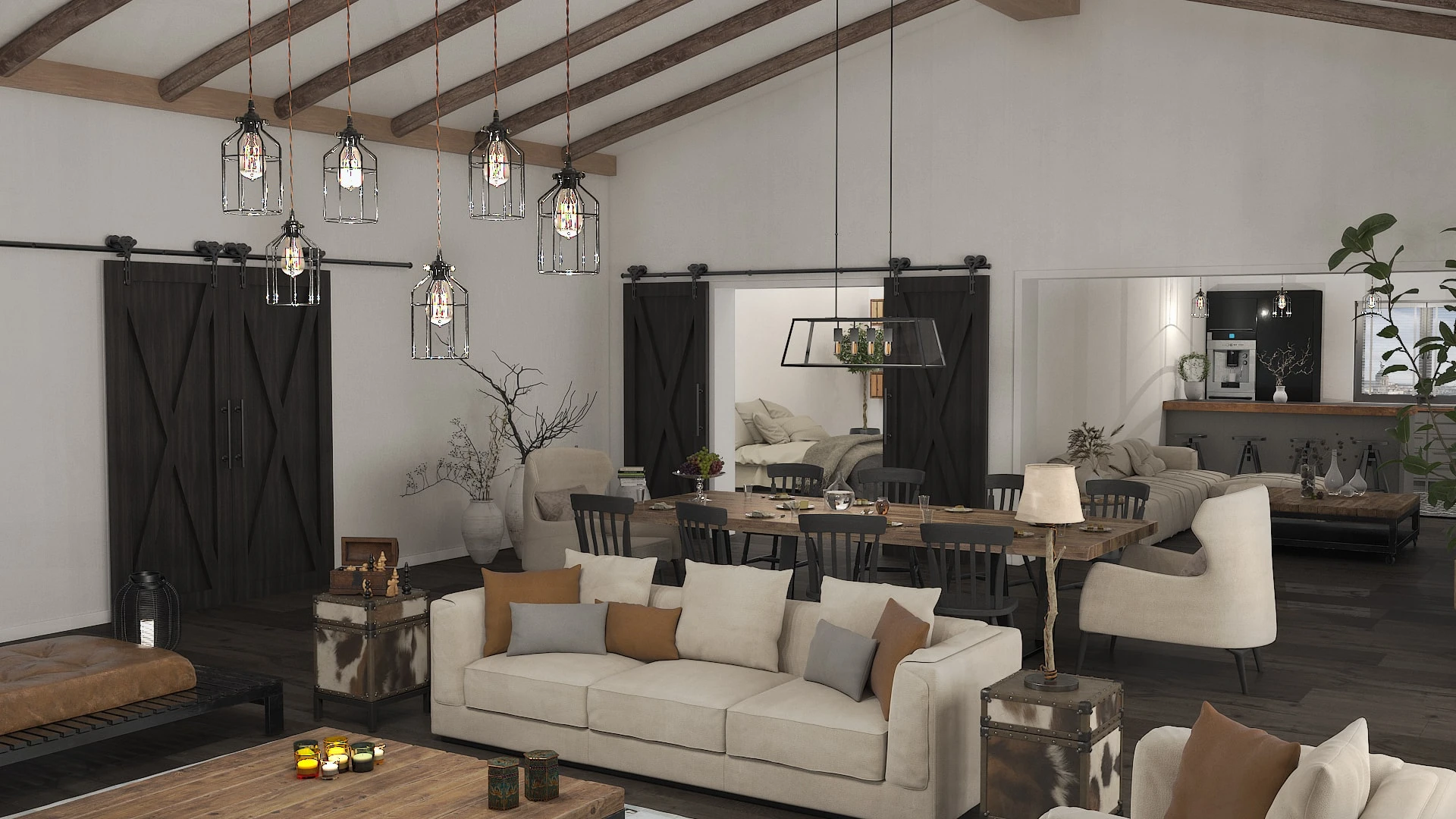
Bringing the Cozy Home: Useful Styling
To really live in the style, use all of your senses:
- Warm Lighting: Don’t use bright overhead lights at night. Put low-Kelvin, warm-toned bulbs in your table lamps and wall sconces. If you want to make a room feel really warm, use dimmers.
- Fresh Plants: Bring the outside in! Simple potted herbs in the kitchen, a group of ferns in the living room, or seasonal flowers in a vintage pitcher are all easy ways to bring vitality and a farmhouse flair to your home.
- Make Vignettes: Use old books, heirlooms, and miniature antique cutting boards to tell stories on shelves and side tables. A collection of memories, not simply decorations, is what makes a house seem like a home.
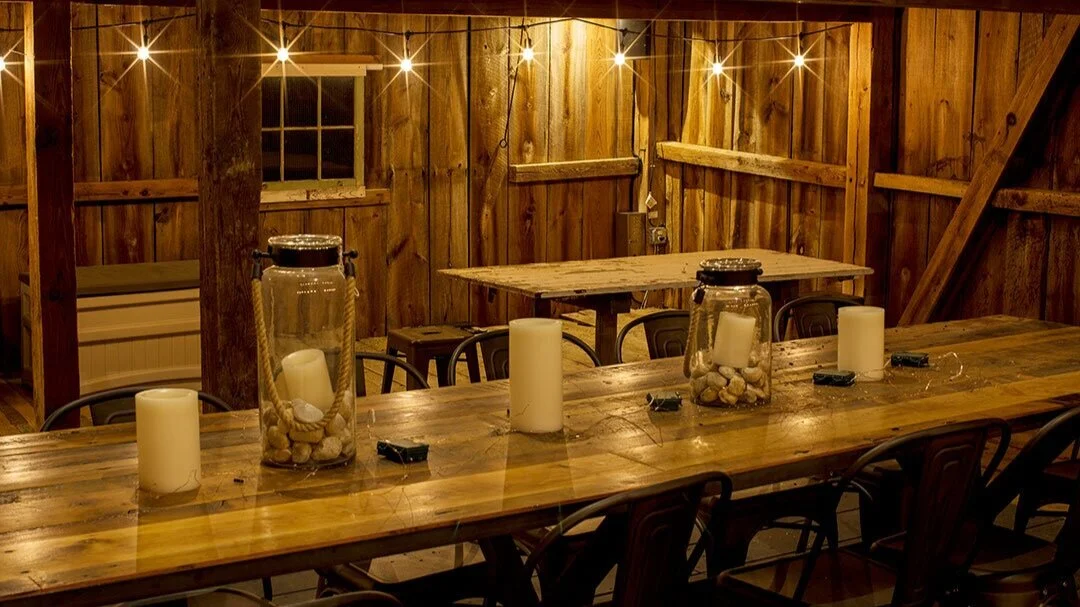
The American Farmhouse is still popular because it meets a deep human need for comfort, simplicity, and stability. You may make your home not only structurally sound, but also incredibly snug and appealing by following its basic rules of function, texture, and warmth.
For more blogs like this CLICK HERE!!
Reference: