The Unforgettable Change in the Cityscape
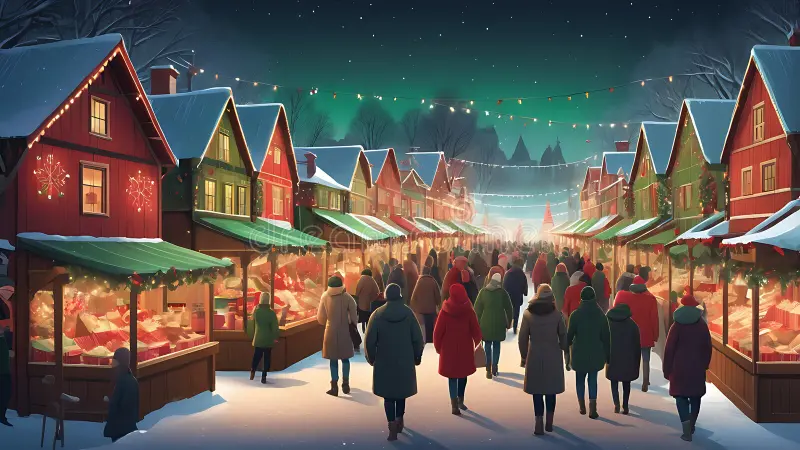
On a frigid December night, right as the sun goes down, the city takes a deep breath and then exhales a gasp of pure, unadulterated amazement. Now is the time to turn on the Christmas lights. It changes the city in a way that has never been done before, turning the urban jungle from concrete and glass into a painting of pure emotion.
The yearly switch-on ceremony is a beloved ritual for many of us, but for architects, designers, and city planners, it is a huge achievement in engineering, creativity, and strategic design. Christmas isn’t only about putting up lights anymore; it’s also about changing the identity of a big city for a short time.
The work is huge, but the reward—a short time of wonderful city wonder—is worth every watt.
Light as the Architect’s Tool: Changing the Look of Buildings
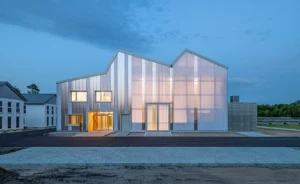
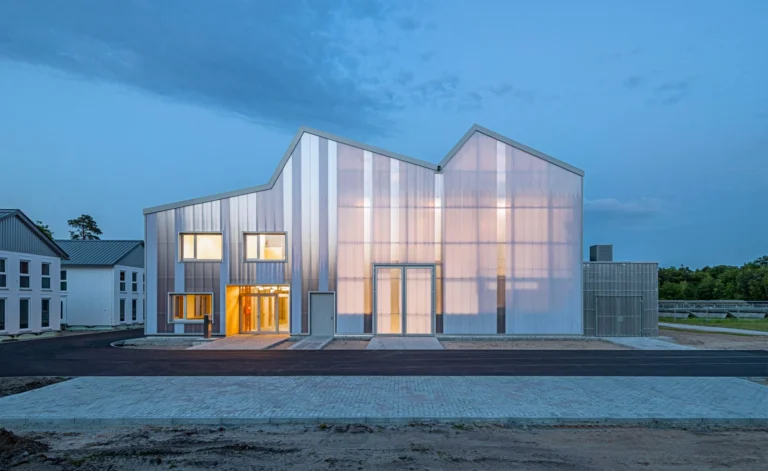
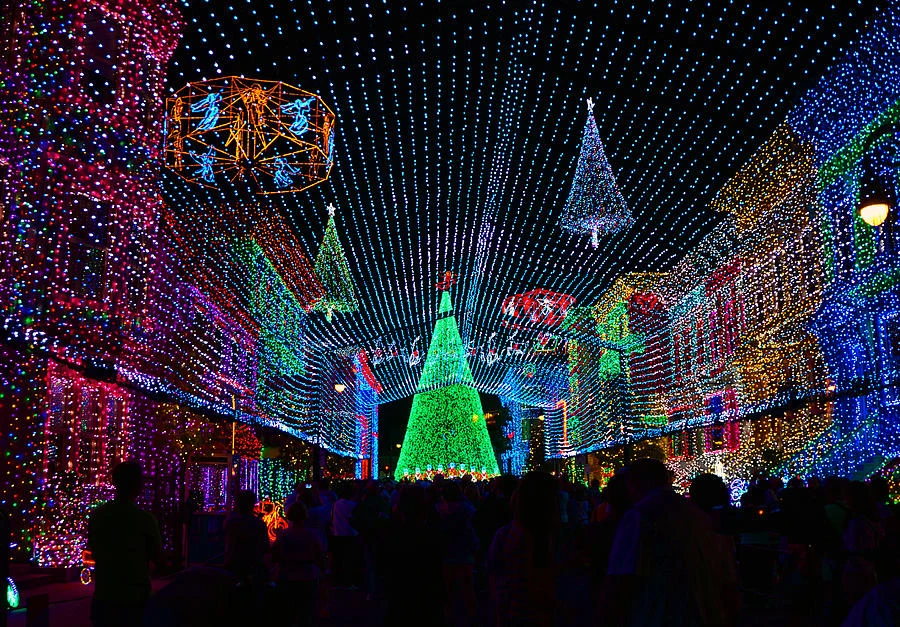
The holidays transform the very nature of a building. A boring office building or a library that has been around for a hundred years suddenly becomes the main character in a story about Christmas. This is what temporary architectural façades can do.
Lighting experts treat light like a material, shaping it to bring out, hide, or entirely change the structural characteristics of a building. Modern lighting is layered instead of just outlining a roofline or window. This method often uses special LED lights to bathe the surface in bright, colorful patterns that draw the eye up and change the scale.
The Growth of Immersive Holiday Installations
The days of Christmas trees that don’t move and simple garland wraps are over. Cities today are putting money into festive works that are really interactive and let people stroll through them. These installations are all about the visitor experience. These aren’t just decorations; they’re carefully chosen, sensory spaces meant to be shared.
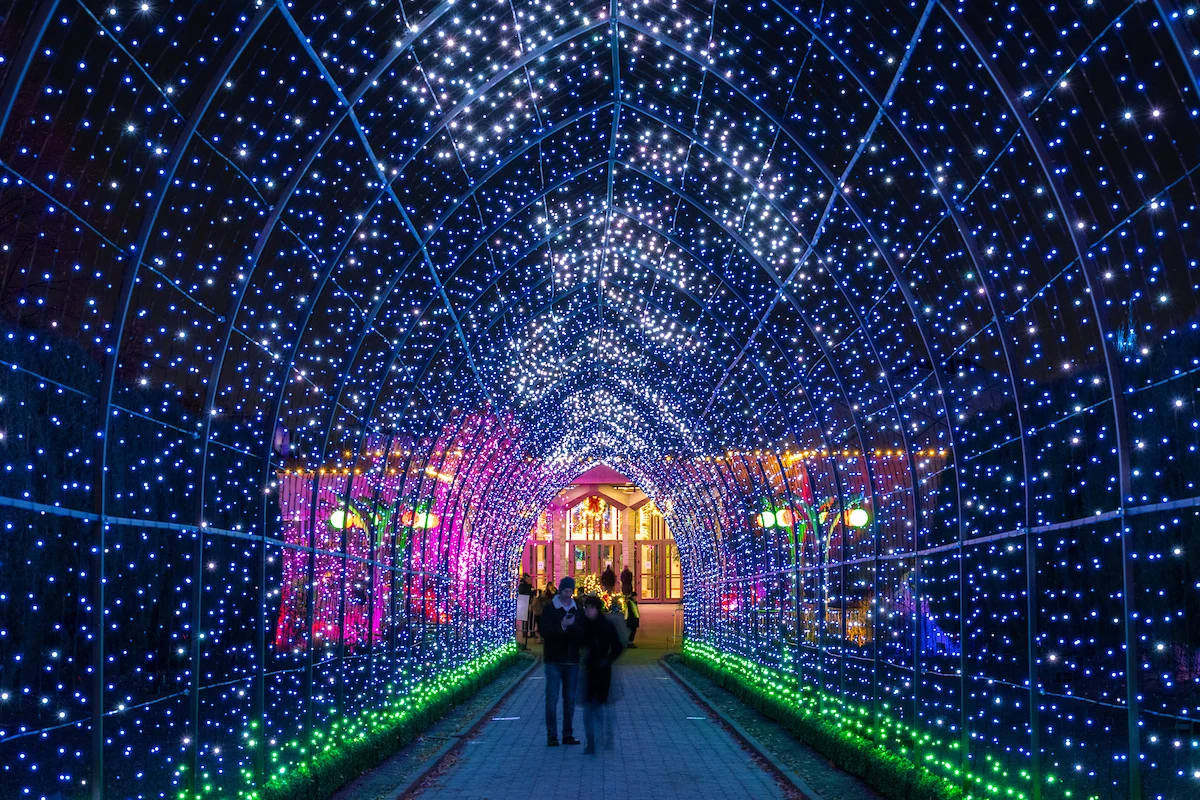
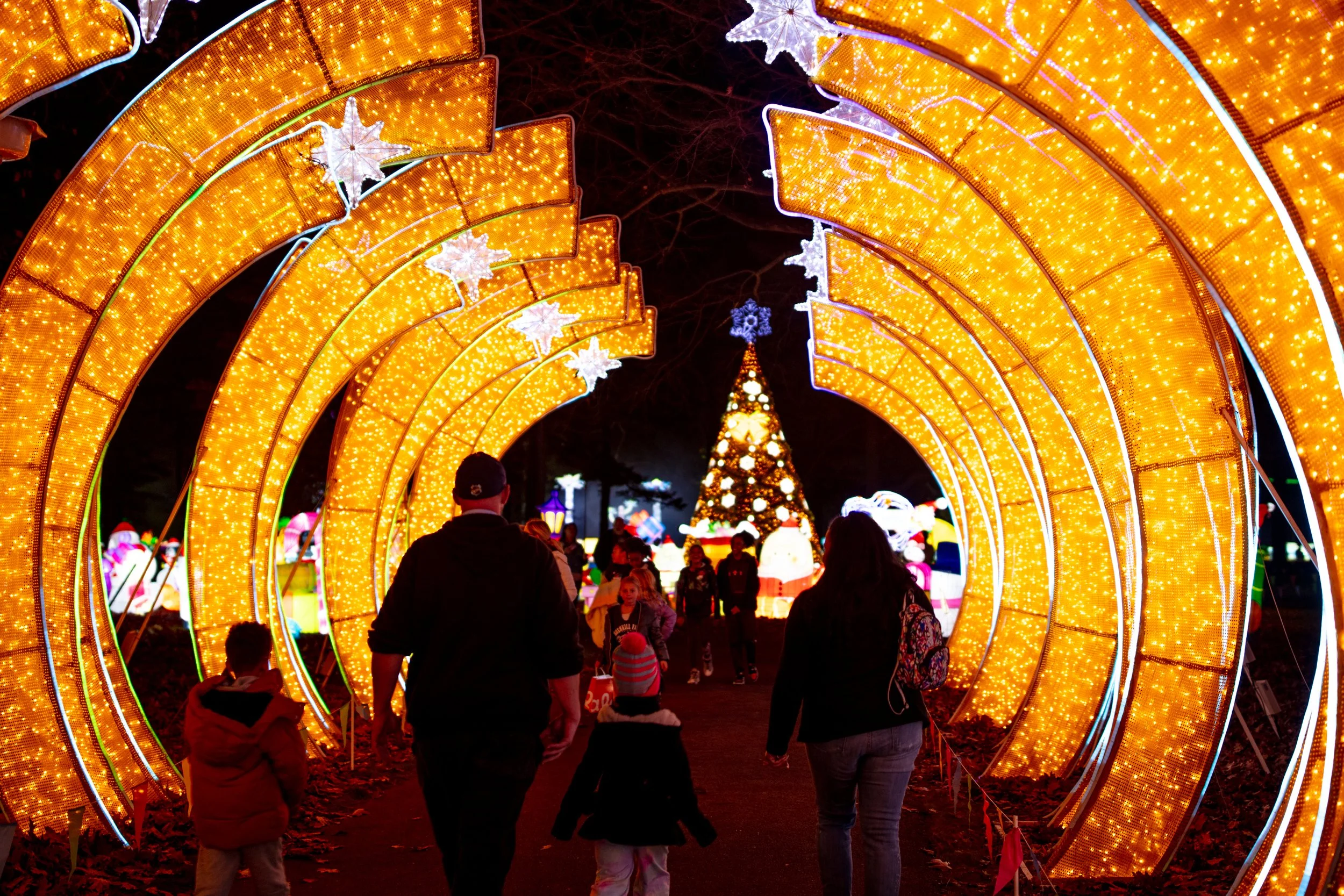
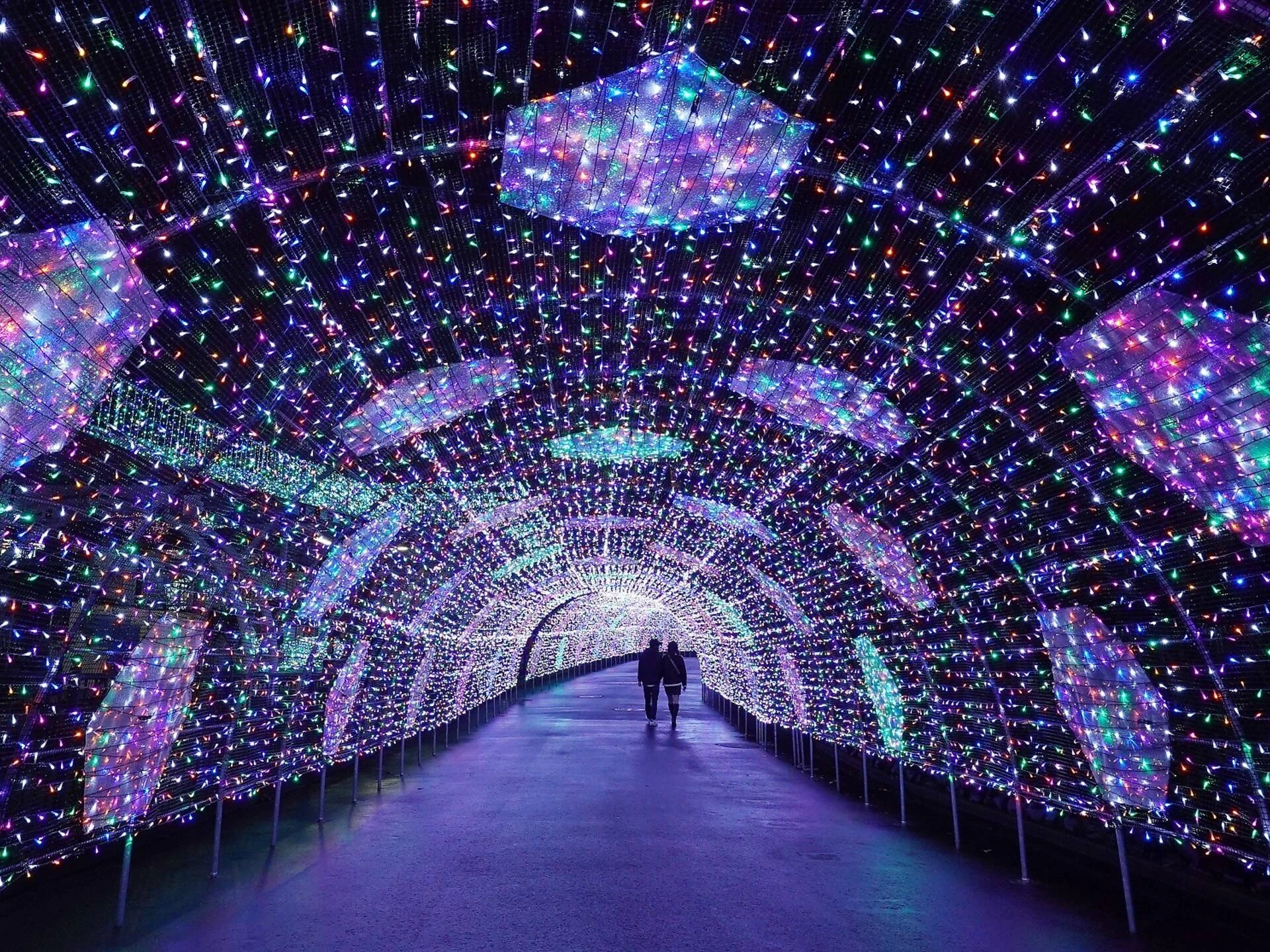
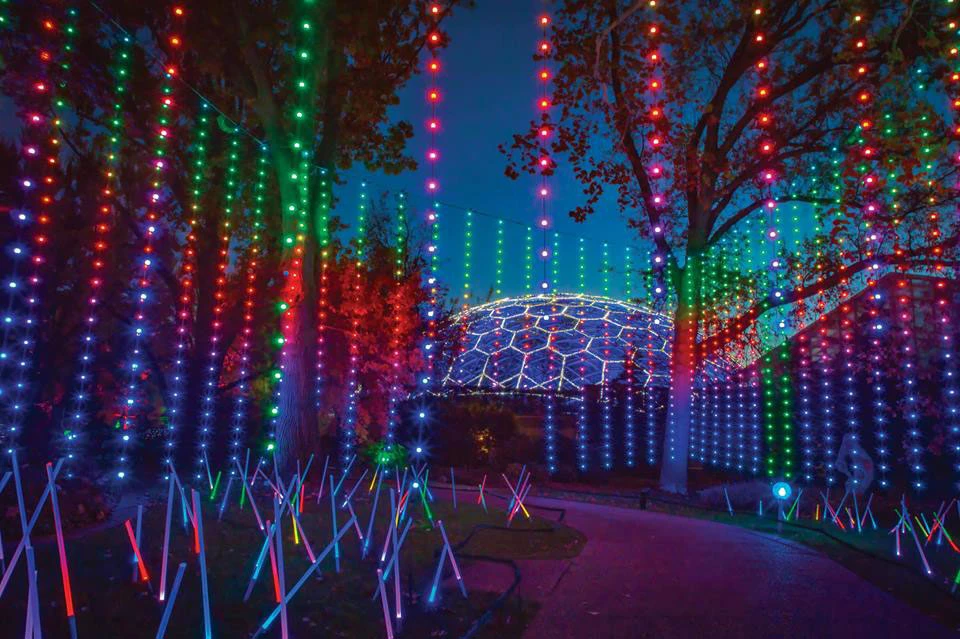
The light tunnel or canopy is one of the most popular trends. Designers make an immersive passageway that feels different from the streetscape by hanging thousands of sequenced LED lights from the ceiling. Visitors are surrounded by a symphony of light and color when they go through one, which creates the kind of awe and wonder that gets people to share on social media.
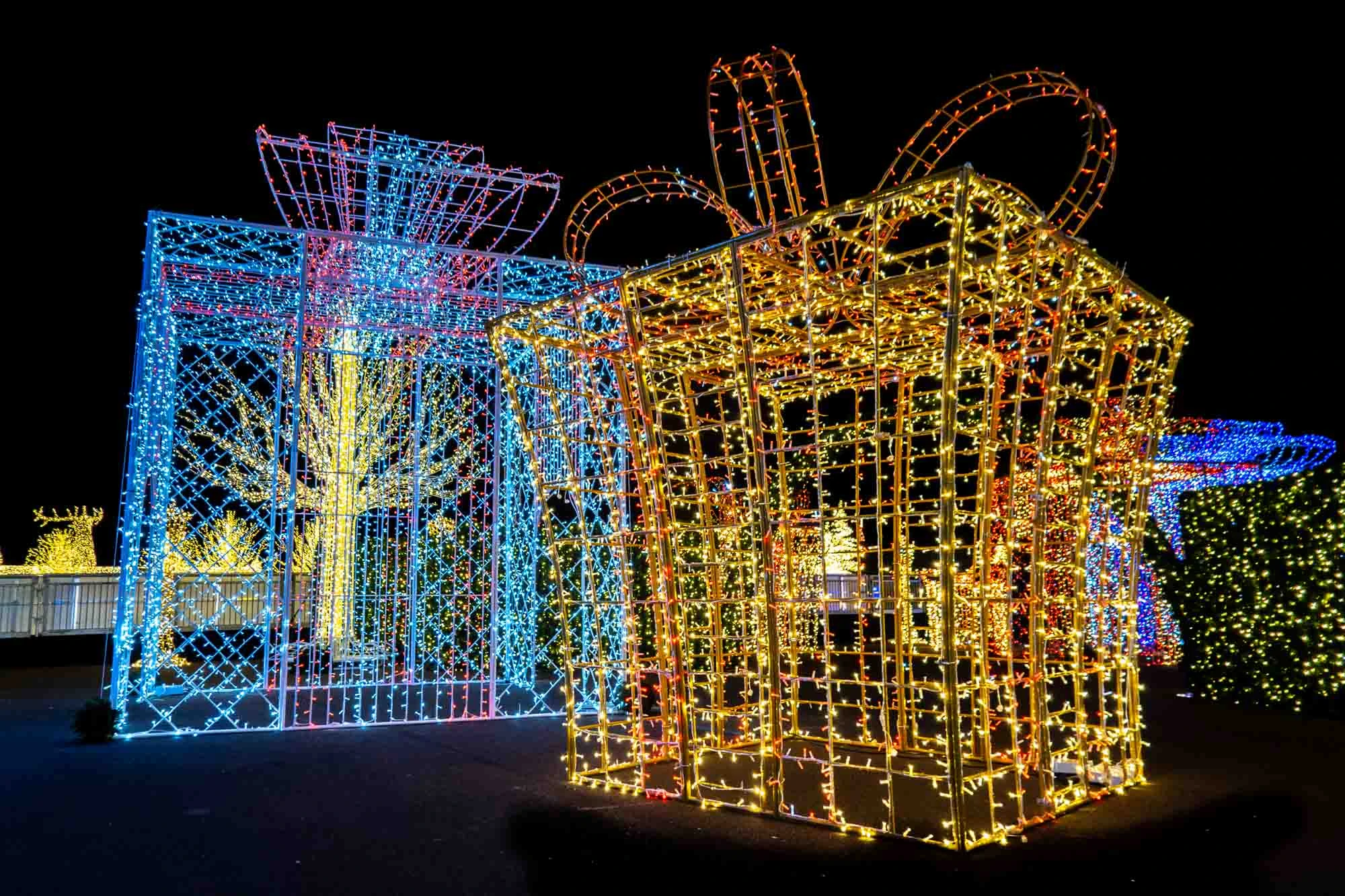
The emergence of 3D installations is another important element. These huge, sculptural light installations, like walk-through enormous ornaments, glowing reindeer, and styled arches, quickly become landmarks. They are great places to take pictures (the highly sought-after “Instagrammable moment”) and make a simple walk through a city plaza feel like a destination, making tourists want to stay and explore.
The Amazing Technology of Projection Mapping
Architectural projection mapping, often known as video mapping, is probably the most high-tech and beautiful part of current Christmas displays.
This method uses powerful projectors and specific software to properly line up moving images, animations, and films with the complex shapes and characteristics of a building’s architectural façades. The impact is amazing. A flat, still wall can suddenly look like it’s peeling away to show a snowy inside, be taken over by moving gingerbread guys, or turn into a waterfall of holiday hues.
This technique is often used by cities like Dublin and other global locations to give their old buildings a transient but unforgettable digital overlay. Projection mapping lets a city turn a landmark into a living, breathing movie for a few spectacular weeks by creating a full story show that is typically synced to music. This is the best example of holiday design, combining old buildings with modern digital art.
The Sparkle’s Economic Engine
This festive change to the city is not just a matter of looks for city governments and Business Improvement Districts (BIDs); it’s also a smart business move. Investing in beautiful Christmas lights pays off in a big way by bringing in more tourists throughout the holidays and boosting local business.
These amazing displays are like powerful magnets that pull in people from the area and from other countries who might not have come otherwise. According to the data, a memorable light show:
- More people come to the city, which helps local shops, restaurants, and cafes make more money.
- Increases Dwell Time: Visitors stay longer and spend more money when there is something to do.
- Generates Free Media: The installations are easy to share and “Instagrammable,” which means they get millions of dollars’ worth of free marketing through social media.
Cities make sure that this economic benefit spreads throughout the whole urban area by deliberately lighting up a “holiday trail” that goes through several districts. This strengthens the city’s reputation as a winter destination.
A Promise to Keep Sparkle Going
In a world that cares about the environment, the huge amount of energy it takes to light up a whole city is a real worry. The good news is that the business has moved toward energy-saving techniques all across the world, mostly through eco-friendly lighting options.
The almost full use of LED technology (Light Emitting Diodes) has changed the industry. LED bulbs today use up to 90% less energy than old-fashioned incandescent lamps and last far longer. Many businesses now utilize their own technologies that cut down on energy use even further without making the display less brilliant or less impressive.
Cities can keep their beautiful holiday traditions while still meeting their goals for green building and energy efficiency because they are committed to sustainability. The glitter is now smarter and better for the environment than before.
In The End, The Magic Lasts
The way a city changes for Christmas, with careful use of building facades, fun holiday decorations, and dynamic projection mapping, shows how creative people can be and how much they want to celebrate together.
This temporary design reminds us how light can change the meaning of a familiar area in an instant, bringing back memories, happiness, and a sense of wonder about the city. This yearly event is more than simply decoration; it’s a successful blend of art, architecture, and business that keeps cities bright, hospitable, and full of life during the holiday tourism season.
For more blogs like this CLICK HERE!!
Reference: