
Renovating a home in the U.S. is one of the most thrilling and scary things a homeowner can do. It can feel like you’re going through a complicated maze of permits, budgets, and contractors if you’re just starting out. But picture walking into a room that completely matches your dream. It’s totally possible.
This is the Ultimate Guide that will help you get started on your project. We have put together the best, most useful, and most humanized U.S. home renovation tips to help you turn your place into a beautiful, valuable asset without all the usual problems.

Make A Plan for Your Vision and Lay the Groundwork
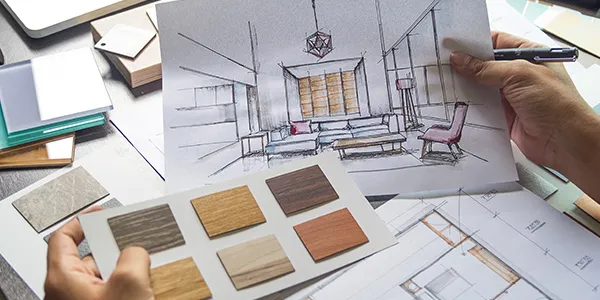
You don’t start a successful home remodeling in the U.S. with a sledgehammer; you start with a pen and paper. You need to figure out the extent of work and, most crucially, your goals before you acquire any fixtures.
Set Your Goals: Dreams Over Glamour
What are you doing to fix up? This is the most important question. Are you aiming to increase the selling value of the house or make it better for your family’s needs?
If you want to sell your home, focus on areas that will have a big effect, such the kitchen and bathroom. Stick to traditional, neutral decor. You can make alterations to your home for your own enjoyment, but make sure that big changes to the structure will meet your needs in the long run. A clear vision stops people from being unsure about what to do during a project, which can cost a lot of money.

The Contingency Fund: The Most Important Rule for Budgeting
This is the most important suggestion for beginners who want to renovate: Be ready for anything. You can find old plumbing, broken wiring, or concealed water damage when you peel back layers of drywall.
To keep your finances from going down the drain because of worry, experts suggest putting aside 10% to 20% of your overall project budget as a backup fund. You should have $5,000 to $10,000 in cash that you can’t touch and that is exclusively for unexpected costs if your renovation is going to cost $50,000. You just saved money on new furniture if you don’t use it!

Getting Through the Important U.S. Paperwork
Beginners often get caught on the bureaucratic side of U.S. home improvement. Not filling out the right documentation can lead to huge fines, having to tear down the house, and problems when you try to sell it later.

When to Call the City for Permits
You usually don’t need permission to paint a room or change a light fixture, but you almost always do need authorization to make changes to the structure, electrical system, or plumbing. Ask your local city or county building department what the rules are, because they might be very different from one community to the next.
These are the kinds of projects that usually need a permit:
- Making adjustments to the structure by adding or taking away walls.
- Big changes to the electrical system, like rewiring or upgrading the panel.
- Adding new plumbing lines, such putting in a new bathroom.
- Turning an attic or garage into a place to live.
Your contractor usually gets these permits, but it’s your job to make sure they are in place before work starts.

Agreements About Party Walls And Getting Along with Neighbors
You could need a formal “Party Wall Agreement” with your neighbor if your project involves building work along a shared boundary, like adding on to a rowhouse or building a new foundation. Not every state or city requires this, but being polite and letting your neighbors know about the timetable and any noise is a must for a smooth, professional remodeling.

Working With The Right Professionals
You will need to pay someone to help you unless you are a skilled tradesperson. The quality of your refurbishment depends on how good your staff is.
Getting a Reliable Contractor
Don’t hire the first contractor you encounter or the one who offers you the lowest price. This is where your professionalism really shows.
- Get a lot of quotes: Get at least three detailed bids from contractors who are licensed and insured.
- Check References: Don’t only ask for projects that were finished recently; ask for one that was finished five or 10 years ago. You may check how long their job will last this way.
- Review the Contract: Check the contract to make sure it clearly states the scope of work, payment timeline, material requirements, and who is responsible for getting permissions. If the contractor gives you a low bid, it probably implies they didn’t include all of the necessary charges, which you will have to pay for later.

Know What You Can Do Yourself
DIY can save you money, but it can also lead to disaster very quickly. Be honest with yourself about what you can do. Beginners can usually do jobs like painting, tearing down walls, and putting in simple flooring. However, leave the “big three”—structural alterations, electrical work, and plumbing—to qualified specialists. The expense of fixing a DIY plumbing installation that went wrong is often higher than the money you saved at first.

Execution, Timeline, and Avoiding Mistakes
After the contract is signed and the permissions are in hand, you enter the active phase. You need to be very organized and open to change for this to work.
The Strength of Detailed Planning
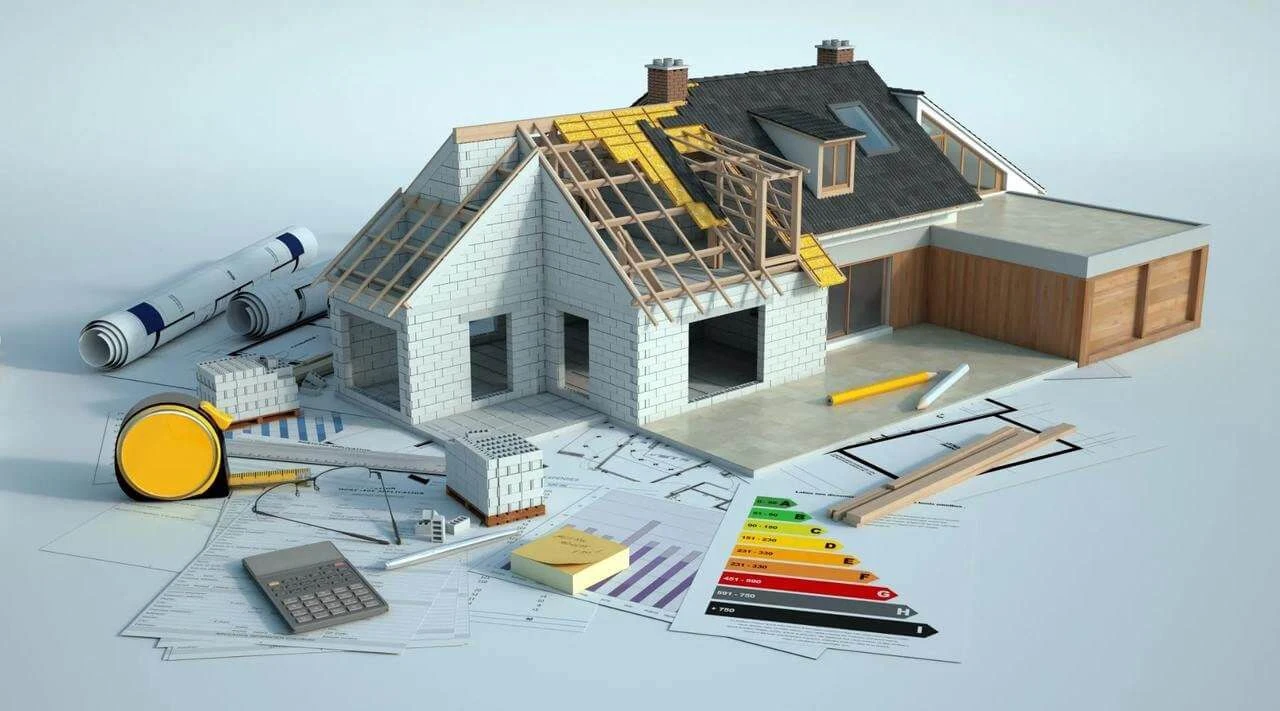
Details are very important to contractors. The more explicit you are in the start, the easier the procedure will be. Pick out all the tiles, colors, fixtures, and hardware before the building starts. If you wait until the last minute to choose a countertop, the whole job could be delayed, which would cost you time and money.
Also, be sure to take comprehensive “before” pictures! You will be glad to have a record of your trip, and they are great for keeping records for insurance or contractor correspondence.

Things That Every Beginner Should Not Do
Even the best-prepared homeowners make mistakes. Stay away from these common mistakes:
| Mistake | Why It Happens | Pro Tip for Beginners |
| Focusing on Trends | You want your home to look current (hello, Pinterest). | Stick to timeless finishes (flooring, cabinetry) and use trendy elements (paint, hardware) that are cheap and easy to replace. |
| Ignoring Structure | You prioritize a luxury kitchen over a faulty foundation. | Always address structural issues, roof repairs, and outdated HVAC/electrical systems first. Cosmetics can wait. |
| Purchasing Too Early | You see a great sale on materials and jump on it. | Wait until your contractor gives you the green light on materials. Early purchases often get damaged in storage or, worse, don’t fit the final, permitted plans. |
| Underestimating Disruption | You forget you need a temporary kitchen or storage. | Rent a storage pod or designate a safe, unused room for your belongings. Create a temporary “life zone” (a makeshift kitchen/bathroom) to maintain sanity during the chaos. |
The Ultimate Payoff: Confidence and Your Dream Home
As a beginning, starting a house remodeling in the U.S. is a huge job, but in the end, it’s a way to show your love for your home and your future. You may go from feeling overwhelmed to becoming an empowered project manager by following these professional U.S. Home Renovation Tips: creating clear goals, making a budget that includes a backup plan, following the permit procedure, and checking out your contractor.
You now have the best guide to help you through the procedure clearly and get the home of your dreams. Get your things in order, believe in your plan, and get ready to feel great as you see your vision come to life!
For more blogs like this CLICK HERE!!
Reference:
The Ultimate Home Renovation Guide | Budget Dumpster