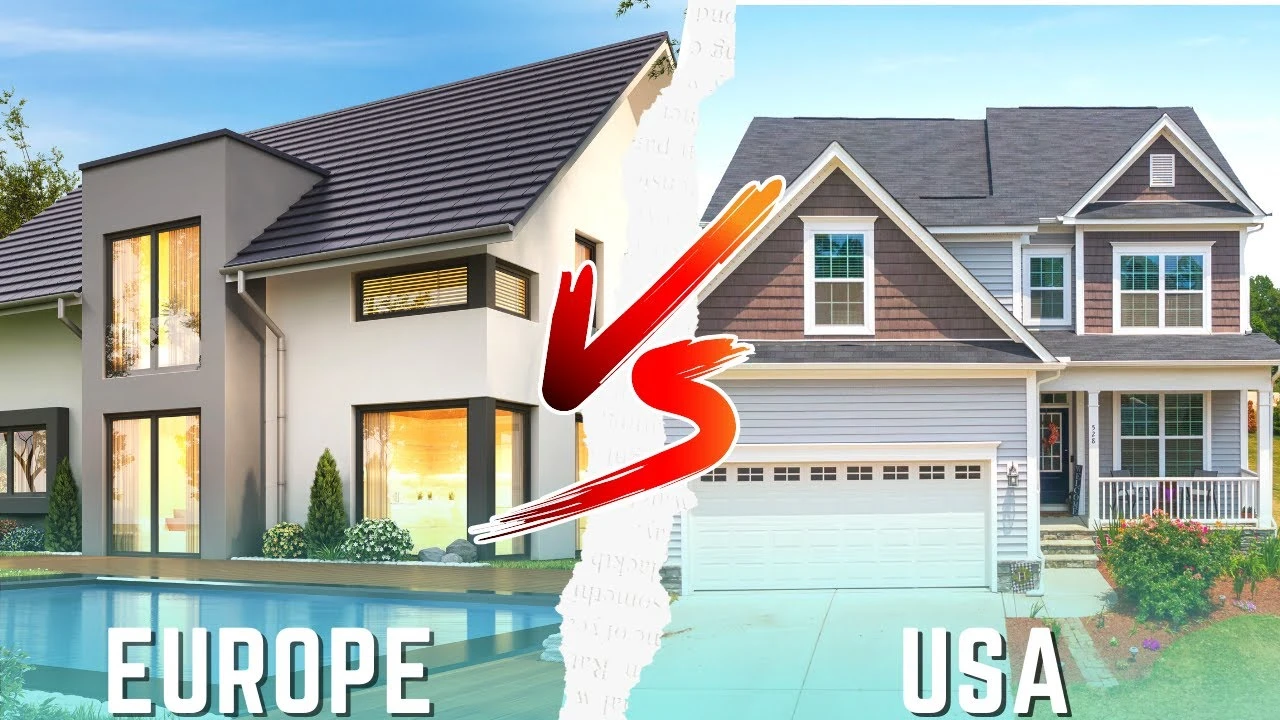
We typically use the word “home” to mean a place where we feel safe and at home. But the architecture that makes a house a home is not the same everywhere. When you cross the Atlantic, the way people live changes a lot. The big lot, the wood frame, and the separate driveway all feel like home in the U.S., yet they are very different from the crowded, brick-and-mortar towns in Europe.
This is the best guide to the differences between U.S. and European homes that will never go out of style. It’s a trip through how history, culture, and plain old common sense have led to two different, soulful ways of looking at the basic framework of where we live. Anyone who cares about how the environment affects life should know about these disparities, not just architects.

History and Philosophy: Preservation vs. Pragmatism
Time itself is the most important thing that sets them apart. Europe’s ageless architecture is based on a long history of different styles, from the magnificent Classical style to the artistic Gothic style. European architecture focuses on preservation, skilled work, and a strong link to the area’s history. The buildings are made to fit in with their old surroundings.
In contrast, U.S. residential architecture is very new and based on what works. Colonists needed shelter rapidly and used the area’s rich resources (wood) to build it. It was constantly driven by growth, immigration, and rapid modernization. Functionality and speed often come before intricate details and historical limits. European style values art more than American style does.
- Key Design Drivers Europe: Designs that are sensitive to the environment, complex, and reflect local culture, with a strong focus on historical depth.
- U.S.: Diverse, balanced, and focused on quick, efficient building to keep up with the rapid growth of suburbs.
Wood vs. Stone: Materials and How Long They Last
If you look closely at the walls, you can see the differences. The choice of building materials is probably the most visible way that the continents are different.
Durability in Europe
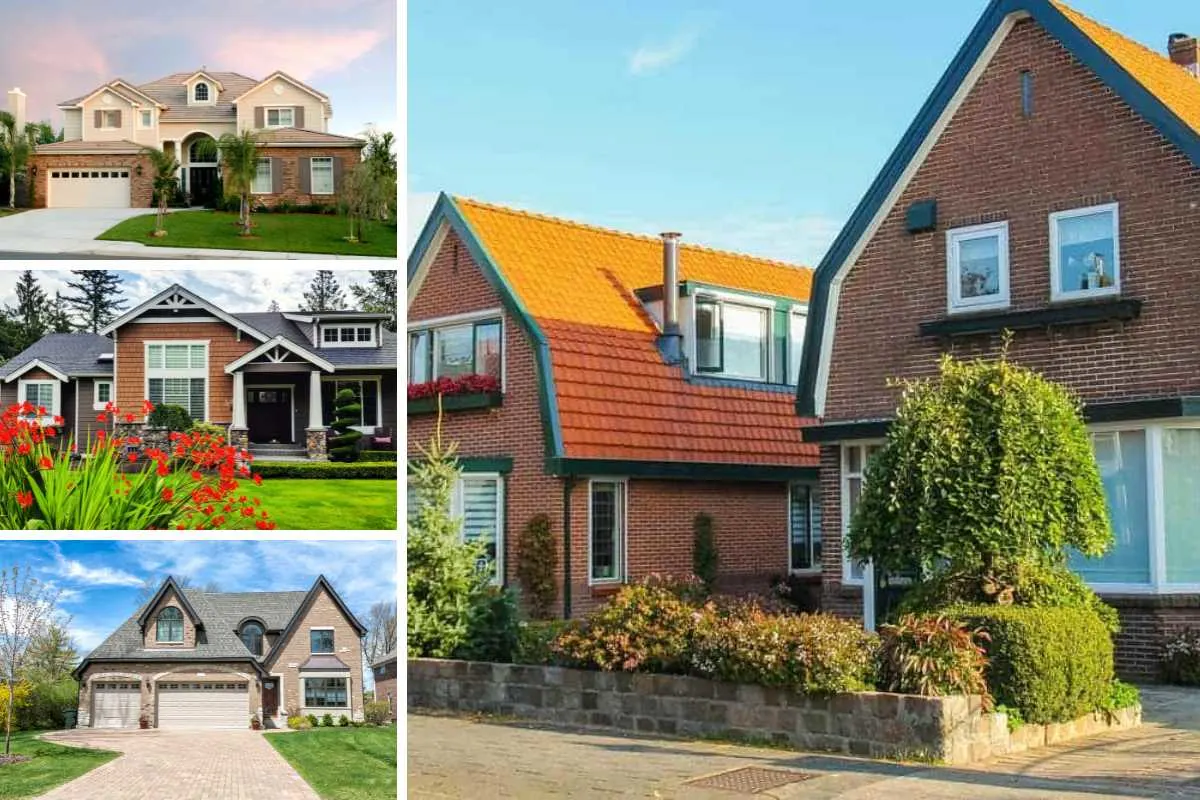
Many European architecture structures look timeless because they are made of strong, heavy materials like stone, thick masonry, and clay brick.
- Walls: Traditionally, walls were made of thick stone or masonry that could hold weight.
- Roofs: Usually made of terracotta or slate tiles that last a long time (more than 50 years) and can handle a wide range of weather conditions.
- Windows: In the past, they were thicker and often had three panes. They used strong metal or solid wood frames and focused on insulation because energy expenditures were higher. The turn-tilt window design is popular because it serves two purposes: it lets in air and keeps people safe.
These materials take longer and cost more to build with, but they make buildings that are meant to last for hundreds of years, which is a true legacy.
Speed and Scale in the U.S
After World War II, the requirement for fast, cheap, mass-produced housing led to changes in U.S. residential architecture.
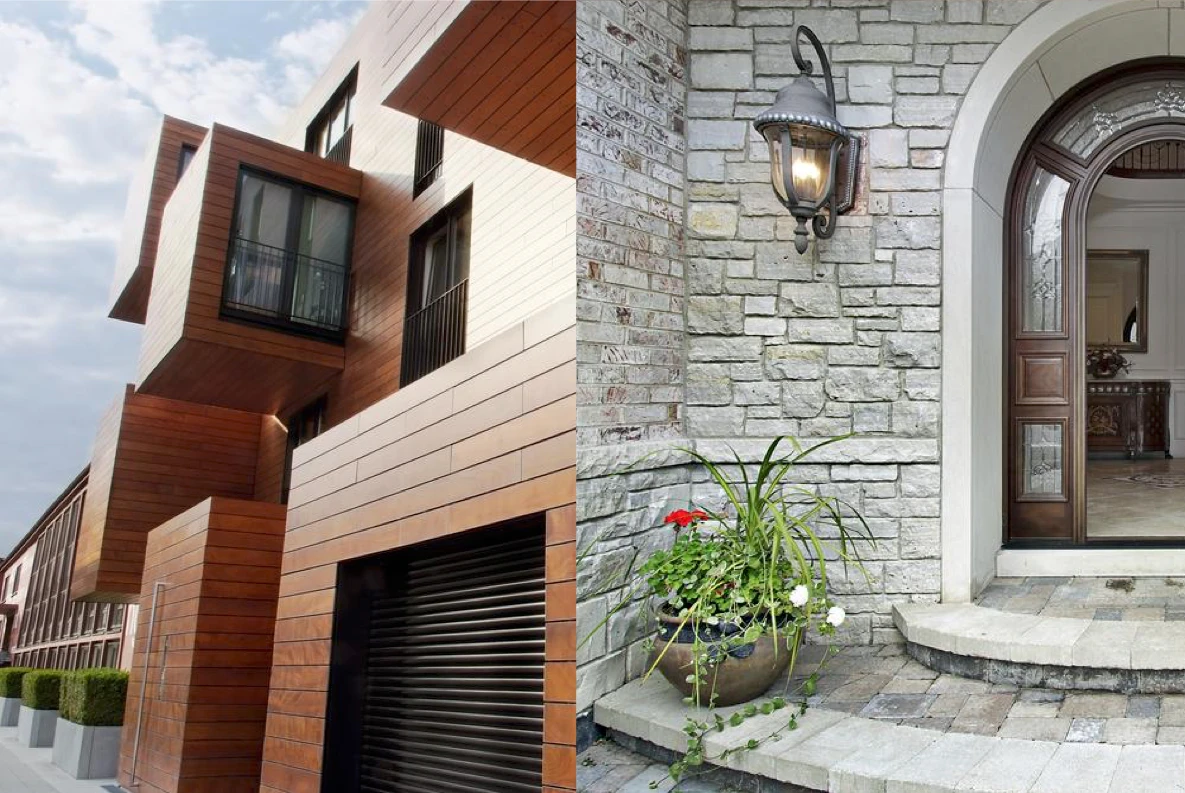
- Walls: Most buildings have wood framing (softwoods like pine and spruce) and an outside covering (vinyl siding or plywood).
- Roofs: Asphalt shingles are the most common and cost-effective type of roof.
- Windows: Usually double-hung, with a focus on being simple and easy to replace rather than having the best thermal performance (though this is evolving).
Lightweight materials make it possible to build bigger homes quickly, which is what Americans like.
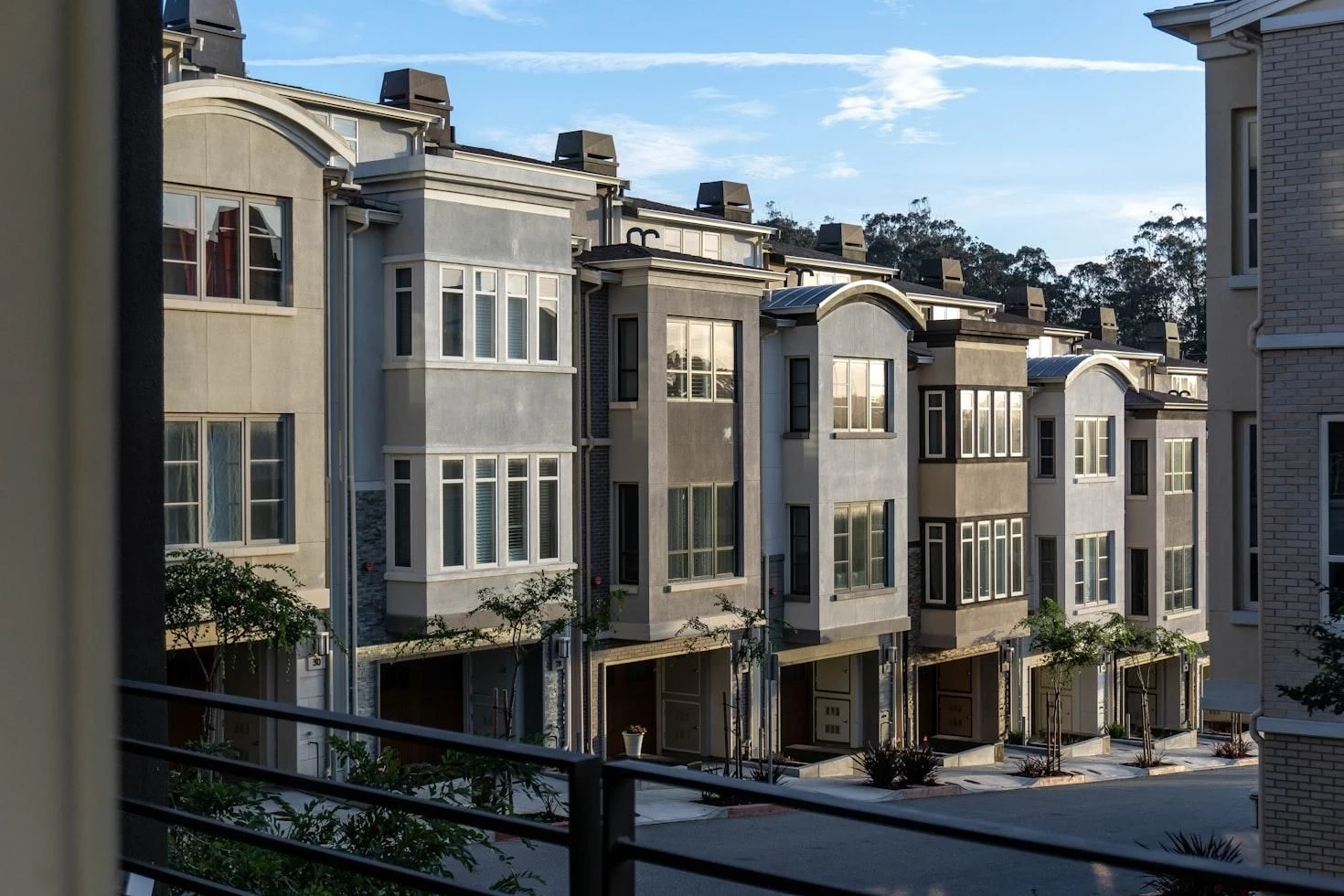
City Planning: Too Many People vs. Too Few People
The architecture shows the planning theory behind it, and urban planning is where this difference is most clear.
Europe’s Walkability in a Small Space
Density is an important part of European architecture. Before cars, cities grew over hundreds of years, which led to small, mixed-use metropolitan centers.
- Walkability: The area has a lot of people living there, narrow streets, and a mix of homes and businesses that make it easy for people to walk and bike around.
- Community: More focus on things that bring people together, such shared plazas, public transportation that works well with the city, and keeping green spaces in the city.
This density has an effect on how big buildings are. The average European home is much smaller than an American home, which puts a lot of emphasis on maximizing space and going up.

America’s Automotive Sprawl
The age of the car has changed how homes are built in the U.S.
- Dependence on automobiles: Suburbs with low population density and different zoning (for homes, businesses, etc.) require a lot of cars.
- Isolation: The architecture frequently puts privacy first, with big front lawns, backyards, and a focus on the detached single-family home (the open concept interior helps Americans feel like they have more space).
American planning puts a high value on privacy and space, even if it means longer commutes and less time spent with other people.

Saving Energy and Living Well Inside
Finally, different rules and historical needs have led to different ways of thinking about efficiency and internal design.
Efficiency That Is Both Passive and Active
European governments have historically set stricter and earlier energy efficiency criteria, frequently using the Passive House standard as a guide. This leads to architectural styles that will never go out of style, such as:
- Insulation: Thicker walls and windows with more than one pane are common, which makes the building better at keeping heat in.
- Heating: Radiant heating, which can be on the floor or the wall, is widespread and works quite well.
The U.S. is quickly catching up, but European architecture often focused on cutting down on energy use early and in a more systematic way.
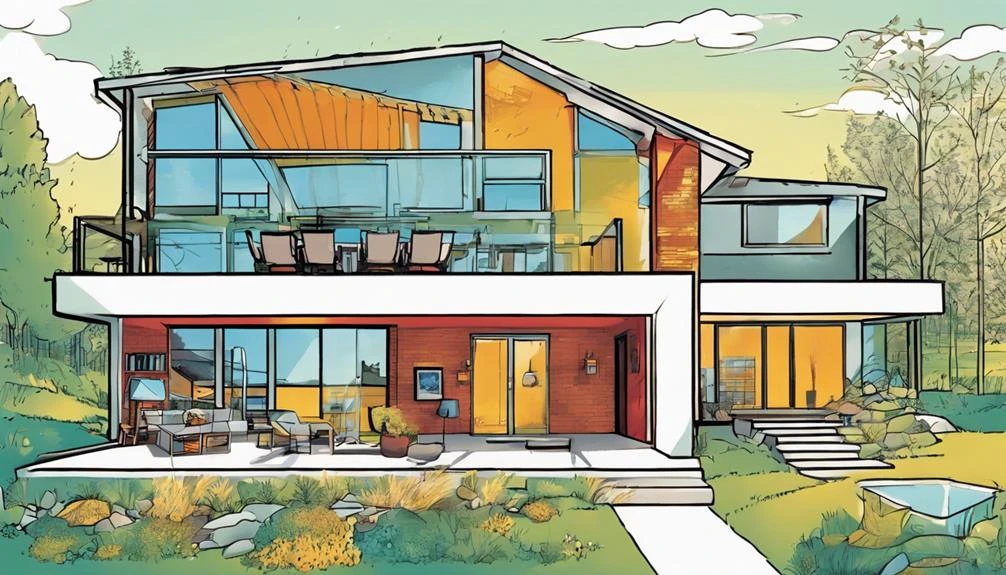
The Difference in the Floor Plan
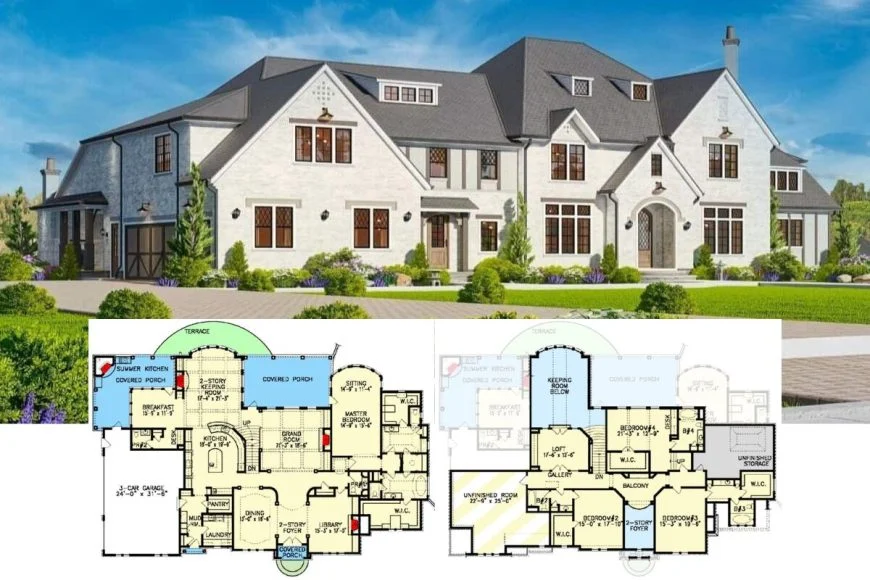
The open concept floor design, which is popular in the U.S., combines the kitchen, dining room, and living room to let in as much light and social interaction as possible. On the other hand, many historic European dwellings had several discrete rooms that were designed to keep the heat in a smaller space. Modern Europe is moving toward open design, but the old way of separating rooms shows how people used to try to keep heat and sound in small spaces.
A Design Legacy
The Ultimate Unchanging Differences The differences between U.S. residential and European architecture come from two different underlying values: Europeans revere their ancestors’ legacy, while Americans value modern functionality. Both genres have something deep to give. Europe provides us the strength of stone and the closeness of society. America gives us the flexibility of wood and the space of seclusion. In the end, the Cherished home is the one that best meets the needs and ideals of the people who live there, no matter where it is in the world.
Are you ready to look more closely at one of these contrasts, such the history of open concept design versus compartmentalized design?
For more blogs like this CLICK HERE!!
Reference:
10 Main Differences Between American And European Homes – DecoFond