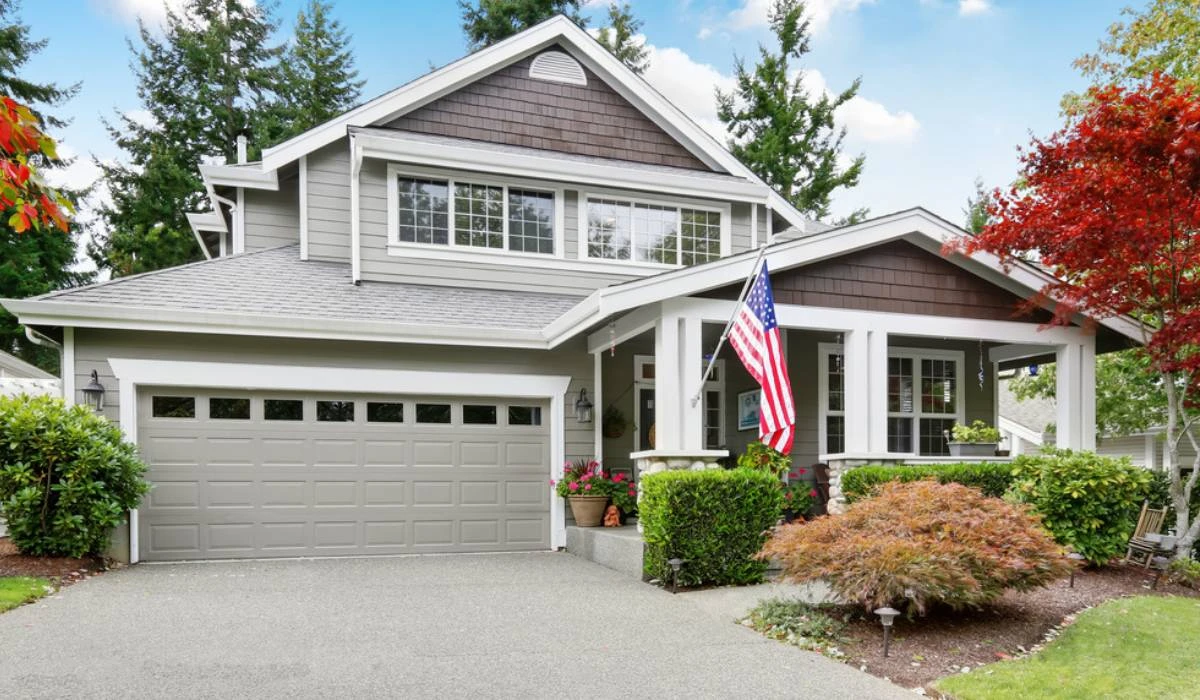
The American suburb is more than just a place; it’s a way of life. It stands for a promise of space, peace, and community, a safe place where life can happen. For decades, the U.S. Suburban Home Design has been the setting for the American dream, yet too often, the designs seem generic or transient.
This is not a guide to trends that come and go. This is your Ultimate Cherished U.S. Suburban Home Design Guide. It will show you how to make rooms that feel like home, connect with history, and work well in the present. We’re talking about designs that are meant to be appreciated, lived in, and, in the end, cherished.
The DNA of Suburban Style: A Nod to Nostalgia
We have to look back before we can create future. The suburban landscape we see now is a rich tapestry made up of history, technology, and hopes for the future. We can better appreciate the architecture that makes a home genuinely Cherished Home if we know where it came from.
A Short History from Grid to Garden City
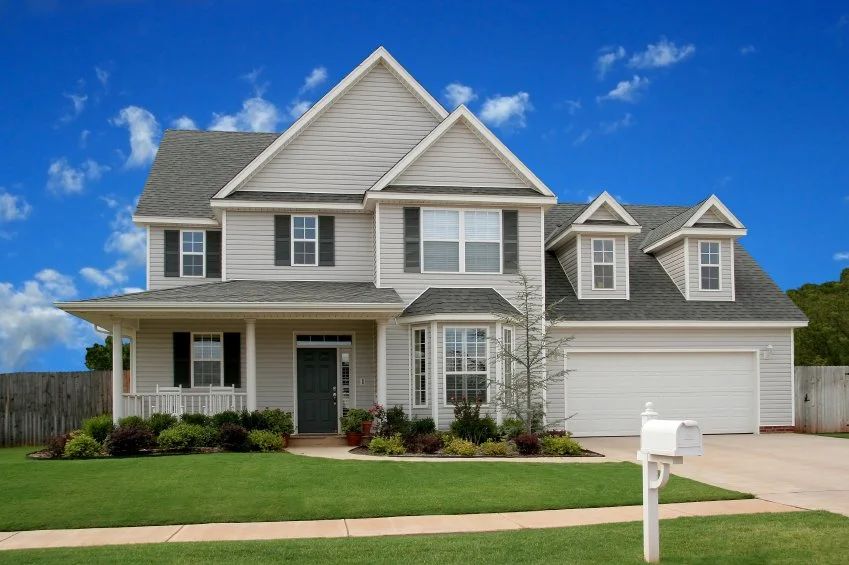
People have wanted to get away from the crowded city for a long time. This desire was spurred by 19th-century ideas that living in the country was better for your health and morals. Llewellyn Park, New Jersey, like other early suburbs had curvy roads and open spaces that were set aside for people to enjoy. This was in line with the “Picturesque Movement” goal.
But the real rise in suburban living came with the car and the growth after World War II. Levittown and other communities standardized production, making it possible for the middle class to buy cheap, quickly made homes. During this time, the single-family house, the private lot, and the dedicated driveway became the most important parts of suburban architecture. These ideas are very important to any talk on how to design homes in the suburbs of the U.S.
The Lasting Styles of Architecture
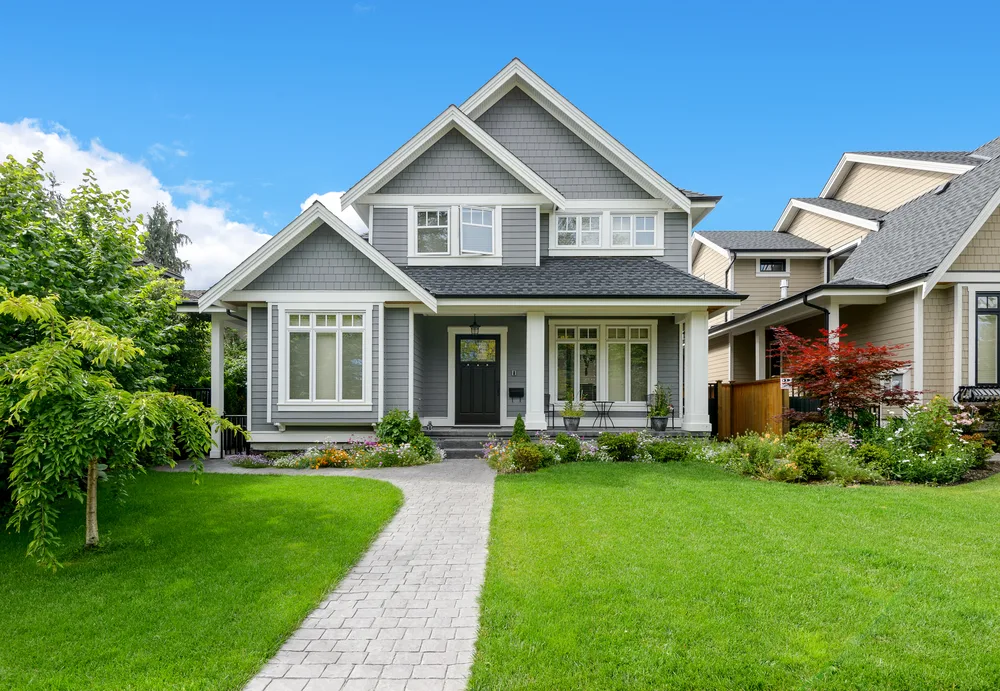
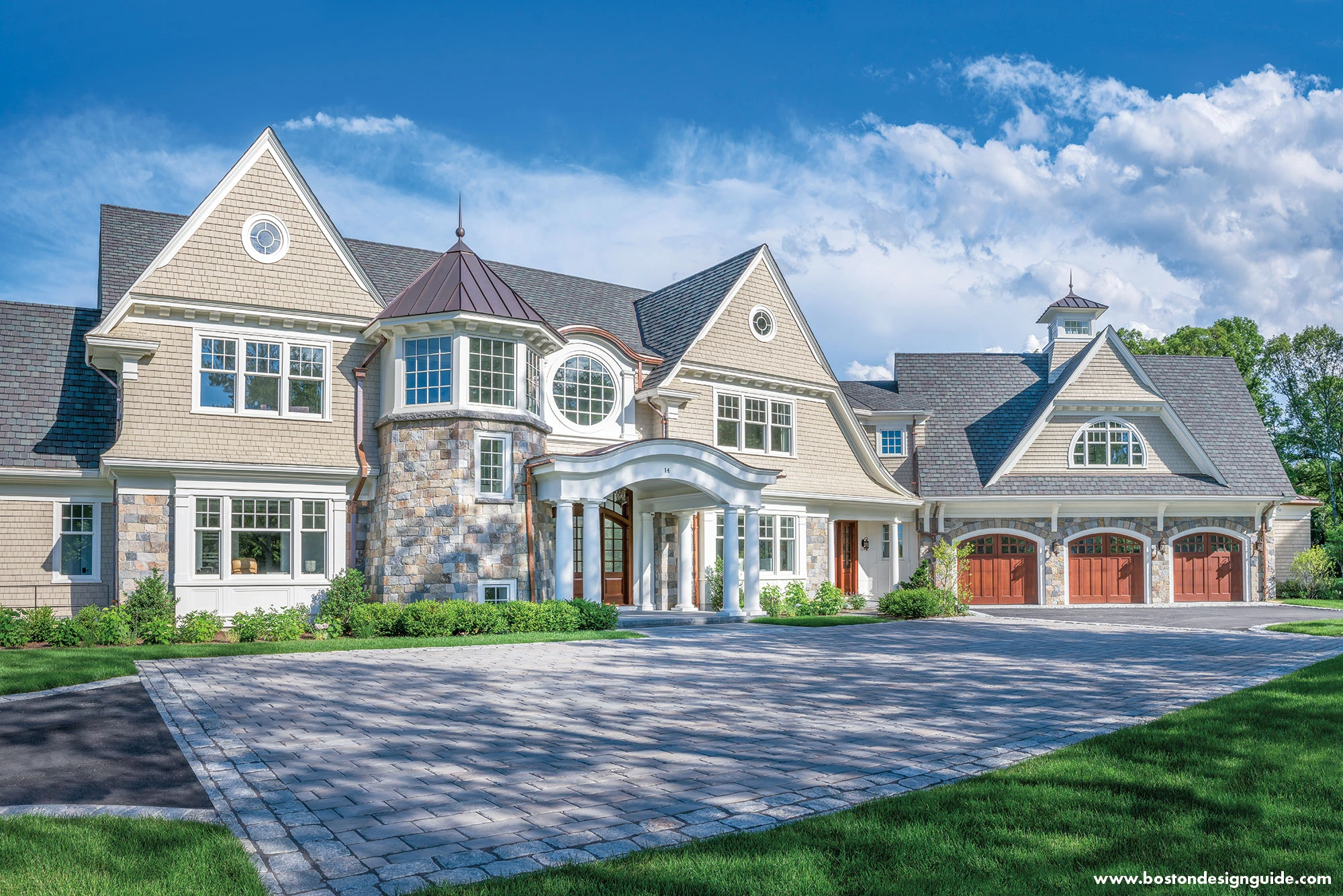
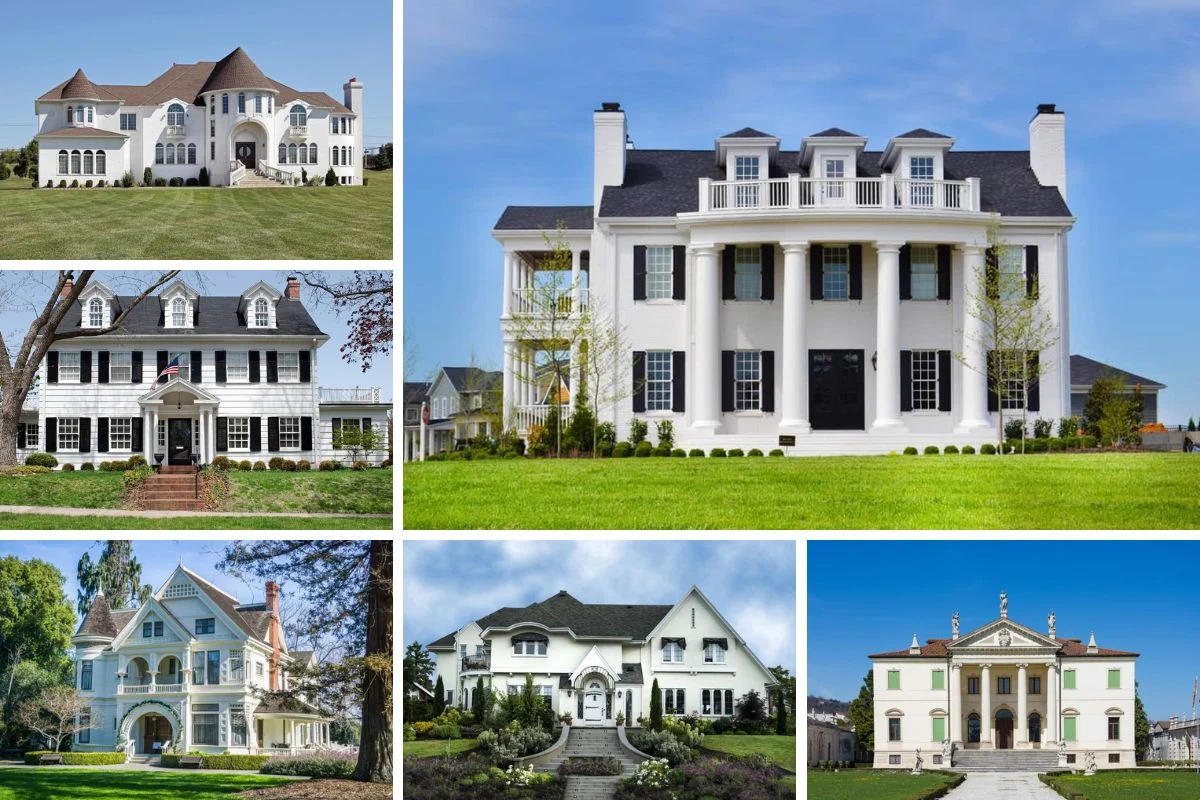
You can see the history of the suburbs in the buildings that line the streets. Mass production sometimes made things the same, yet unique, popular styles gave things personality and usefulness.
The Ranch type of home is still one of the most popular in the country. They had a lot of space, one storey, and roofs that sloped down, which made them inexpensive and relaxed. They were also the first to have open concept interiors.
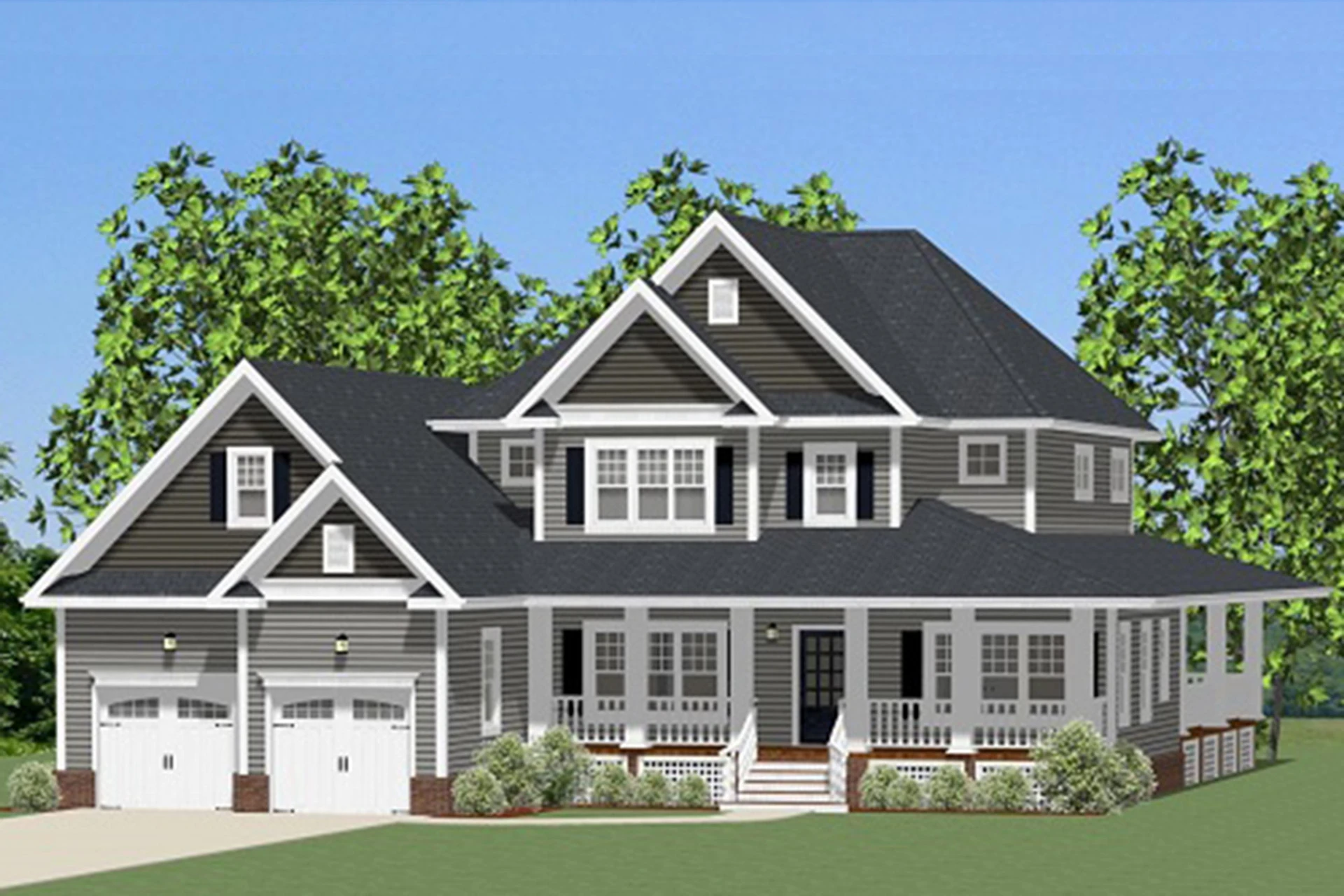
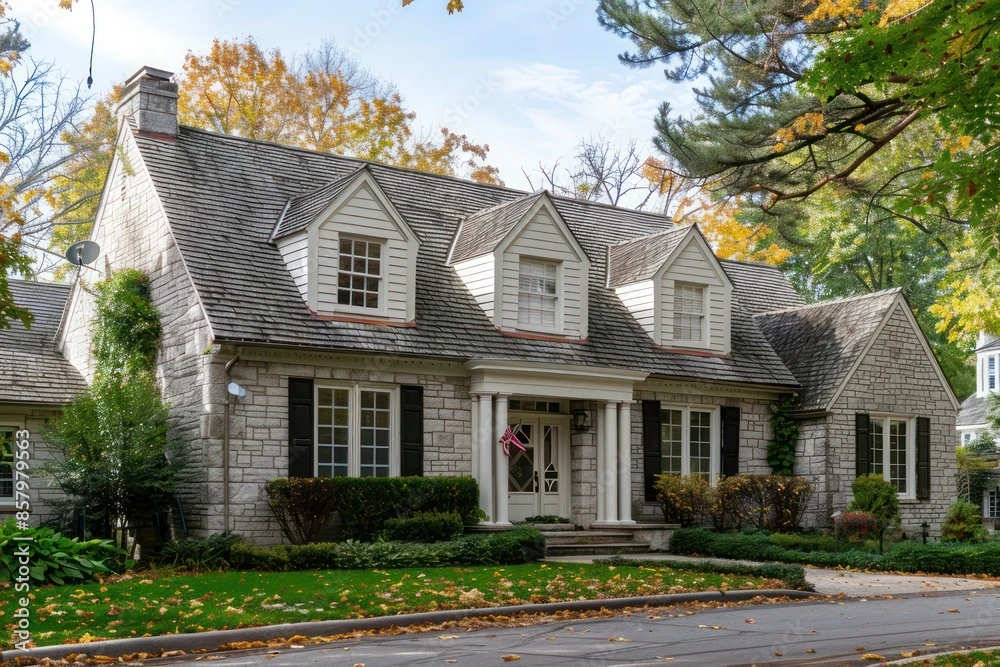
On the other hand, the two-story Colonial style’s symmetry and formal character still give it a classic gravitas, while the Cape Cod house’s pleasant, cozy atmosphere still has a strong, nostalgic appeal.
The Parts That Make Up a Loved Home’s Interior
A beloved home is not only beautiful, but it also works well. Modern suburbia living is all about places that may be used for family, recreation, and work.
The Open Concept’s Magic
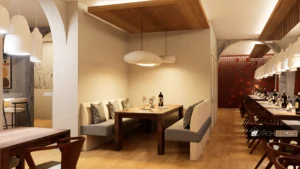
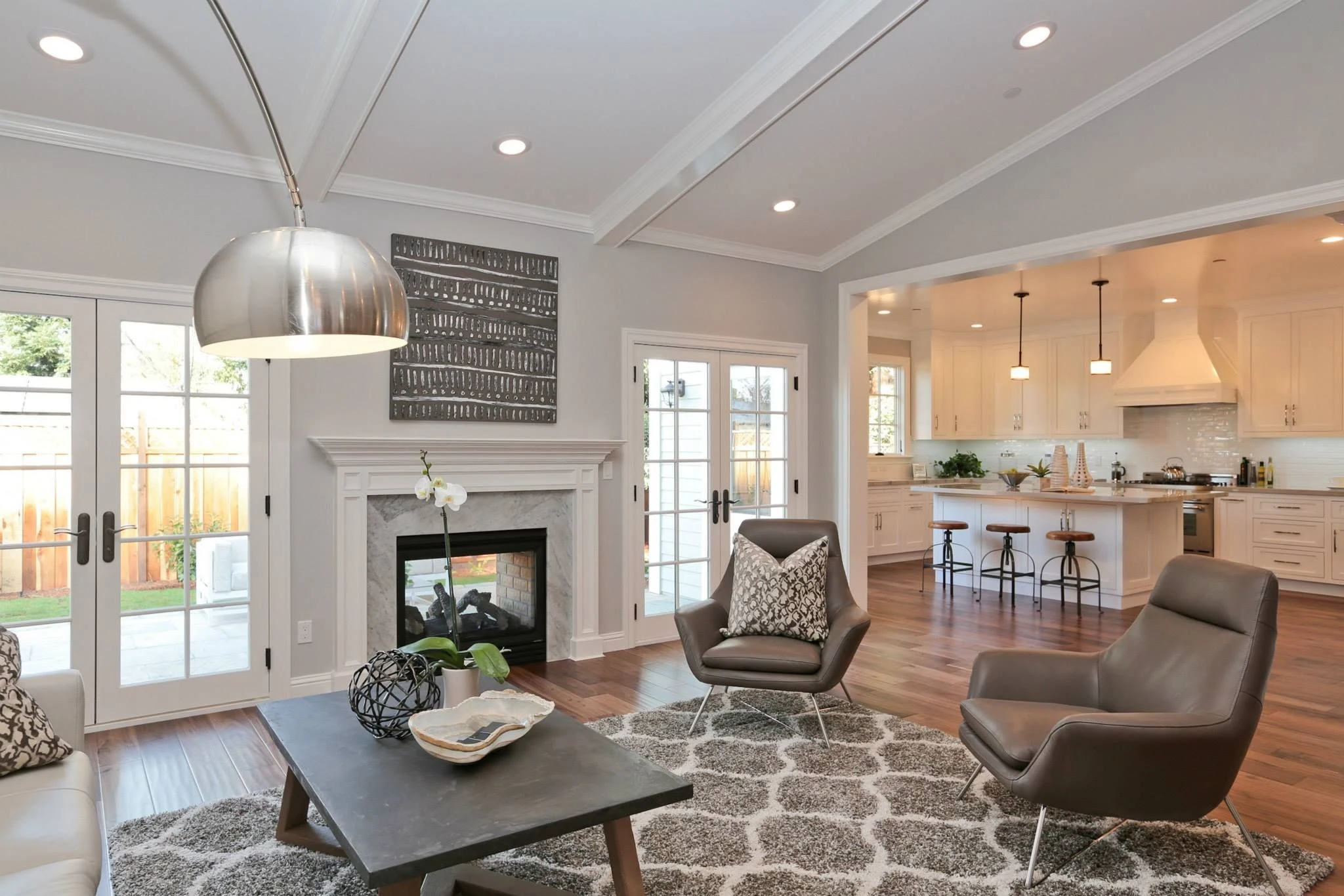
The biggest change in current U.S. suburban home design is that people are moving away from living in separate rooms. The open floor design that connects the kitchen, dining room, and living room is very important for family time and entertaining.
But for an open area to really work, it needs to be zoned carefully. You can separate spaces for cooking, relaxing, and eating without losing the open, breezy atmosphere by using wide area rugs, smart furniture arrangement, and a variety of lighting options. This mix of openness and closeness creates a space where memories are easy to make.
Putting Health and Natural Light First
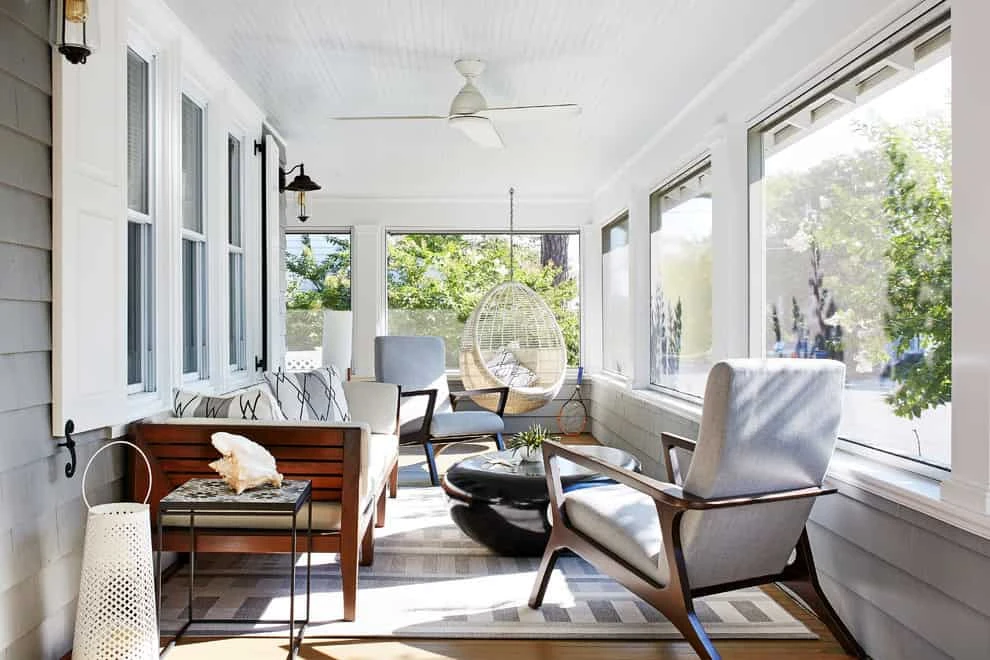
The health and happiness of the people who live in a home is the most important thing. Natural light should be the most important thing to think about when designing professionally. Think about using passive design methods, such as placing important windows for cross-ventilation and making the most of south-facing windows.
A lot of light not only makes a room feel bigger and more inviting, but it also connects the inside to the outside, which is a key suburban goal. Use clean lines and big windows to make bright, useful interiors that are inspired by Mid-Century Modern style.
The Strength of Personalization: More Than Just “Cookie Cutter”
A lot of the criticism of suburbs after the war was about how “cookie-cutter” they were. Adding distinctive, humanizing architectural features is what it means to design a Cherished Home.
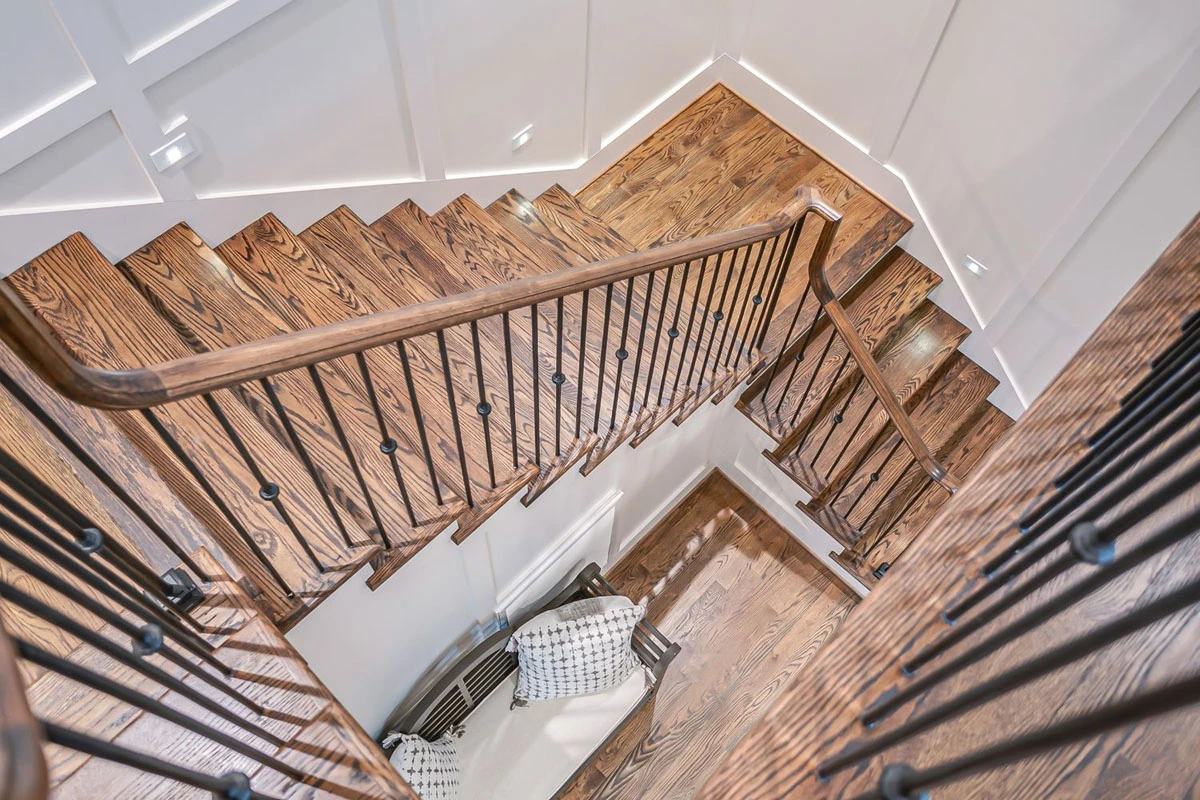
The Craftsman style is noted for its honesty of materials and rich detail. You might want to add some of these characteristics to your home. Built-in shelves, big trim around windows and doors, and exposed wood beams can make a plain building look deeper, more interesting, and more permanent right away. These unique touches turn a property into a legacy instead of just a possession.

The Art of Curb Appeal: Making Your Outside Look Great
The curb appeal, or façade of a suburban home, is the first thing people see and the public face of the property. To make a liked exterior, you need to find a balance between privacy and community involvement.
The Friendly Entrance
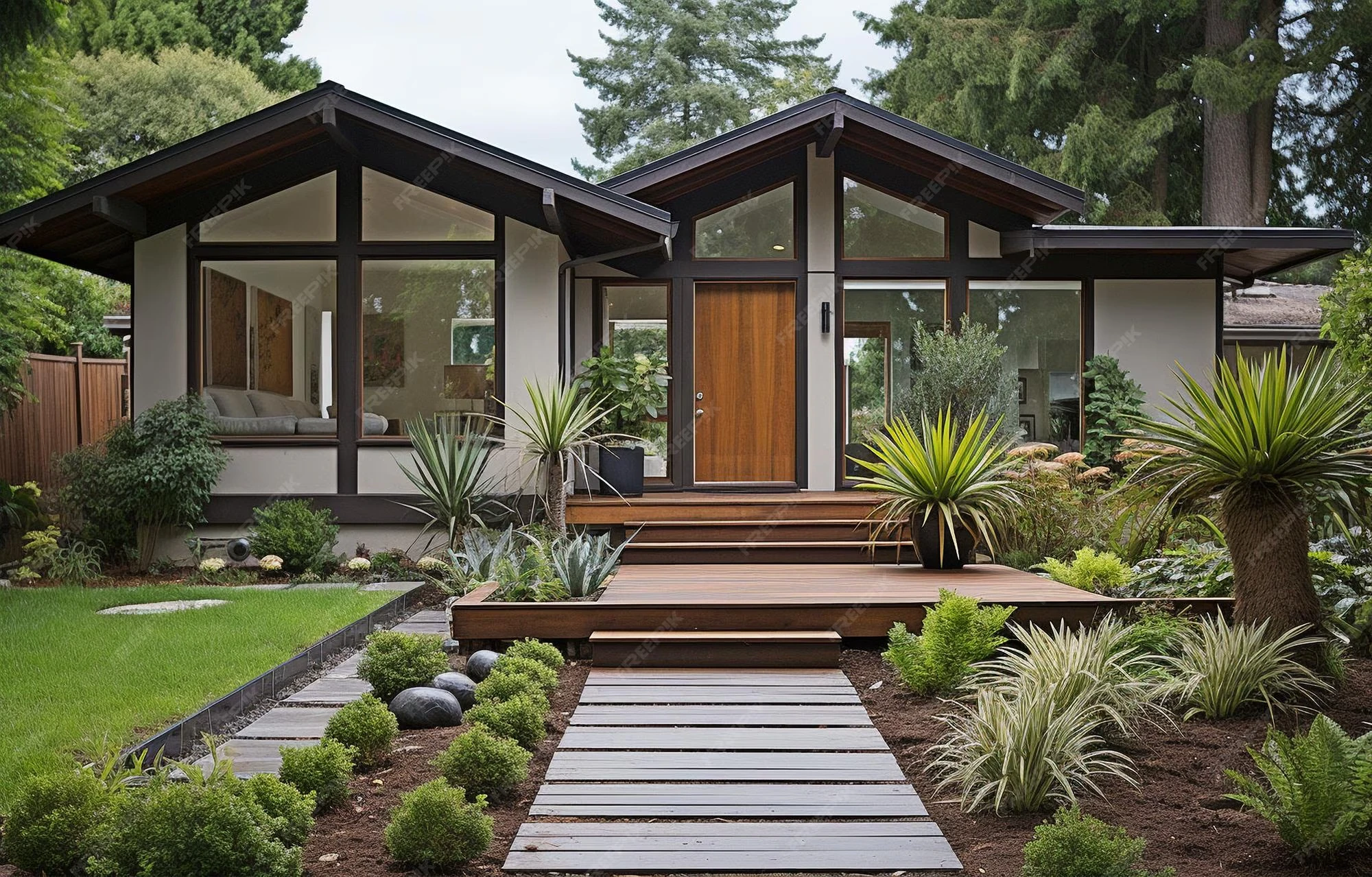
The desire for more welcoming front entry shows that historical elements are coming back. The full-width front porch is making a comeback in many New Urbanism projects. It is an homage to previous architectural forms and a great place for neighbors to get to know each other.
If you can’t have a whole porch, make sure your entrance door is magnificent, your sidelights are attractive, and your exterior lighting is well-placed. Your front entrance should be a professional, friendly way to say hello to the world.
Landscaping as a Gift
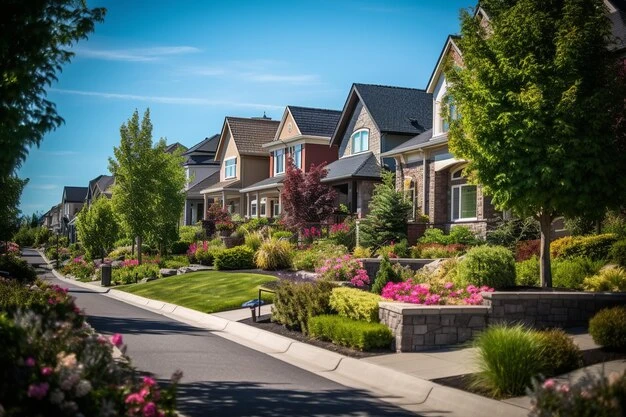
In the suburbs, the lawn and landscaping are two things that can’t be changed in U.S. Suburban Home Design. Don’t only think about well-kept lawn.
Planting mature trees on the south and west sides of the house in a planned way gives shade, which lowers cooling expenses and makes the house seem better. Landscaping should fit the size of the house, not overpower it. It should frame the architecture with well chosen plants.
The Problem with the Garage
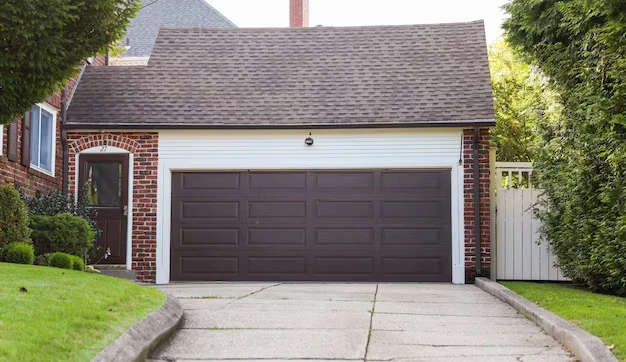
The garage, which is typically too big in modern suburban designs, might take away from the front of the house. The best way to solve the problem is to integrate. Choose garage doors that fit with the overall style of the house. For example, if the house is a Farmhouse, choose carriage doors. If the house is a modern Ranch home, choose sleek, plain doors. The idea is to make the garage fit in with the rest of the house, not stand out.
Putting the Finishing Touches on It
A home that you really love is one that communicates your story. This is where expert design and personal feeling come together.
Accept Texture and Materiality
Choose materials that make you feel cozy and like they will last. You could choose to include natural elements like stone accents, rich hardwood floors, or custom millwork. These textures give the space dimension and a human touch, which is different from how new buildings are generally streamlined.
Make Sentimental Corners
Make a specific window seat, library area, or mudroom with storage space for each family member. These little, planned rooms turn a regular floor plan into a one-of-a-kind space, which is a hallmark of smart U.S. suburban home design that makes living better every day.
The Last Step in Your Home Journey
Designing your suburban home is finding a balance between your wants and classic architectural rules. You go beyond just building when you focus on functionality, let in as much natural light as possible, and add your own touch to traditional styles like the Ranch and Colonial. You make a space that is deeply important and wonderfully designed—your own Ultimate Cherished U.S. Suburban Home Design. Today is the day to start your change.
For mor blogs like this CLICK HERE!!
Reference
100 American Suburban Homes You Need to See – Rhythm of the Home