The construction industry is no longer seen as a slacker when it comes to technology. We are on the verge of an architectural renaissance thanks to a rush of advanced construction technologies that promise not only small improvements, but a total change in how we design, build, and run buildings. This is an exciting period when concrete meets code and blueprints are replaced by real-time, dynamic data models.
The goal is simple but important: to build faster, safer, cheaper, and most importantly, in a way that lasts. This essay goes into detail about the four most important areas of architectural innovation that are currently causing this huge change. If you work in the Architecture, Engineering, and Construction (AEC) field or are just interested in how things are built, these are the newest building technologies you should know about.
1. The Digital Blueprint: Digital Twins, BIM, and AI
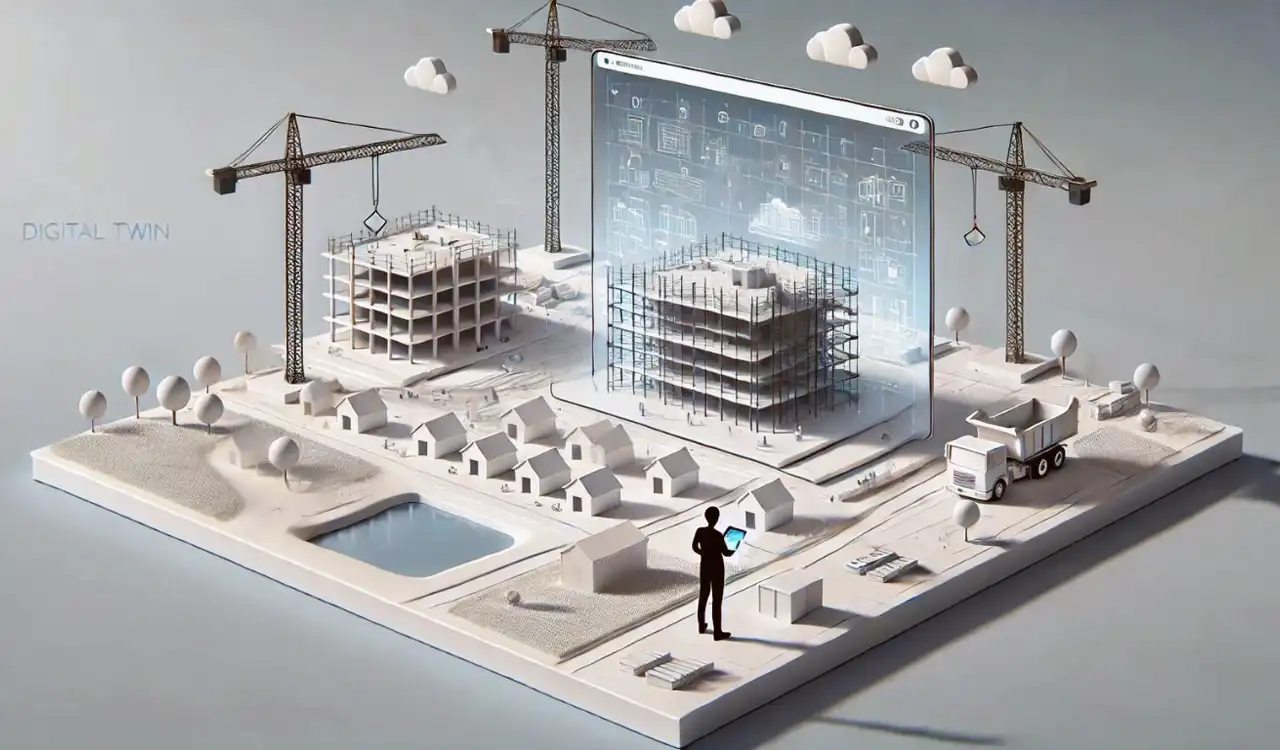
The most important change in the last few years has been the movement toward managing all digital information. This mix of modeling and data is changing how people work together and make decisions on every project.
BIM: More than just 3D modelling
Building Information Modeling (BIM) is no longer just an option; it is the brain of modern construction. BIM makes a precise, three-dimensional digital model of a structure, but its actual value comes from the data it combines. This data is sometimes called 4D (time), 5D (cost), 6D (sustainability), and even 7D (facility management).
This dynamic model lets architects, engineers, and contractors work together easily on an open cloud platform. It catches possible problems and cuts down on mistakes before they turn into expensive rework on-site. The improved visibility and easier communication are what make people think about more environmentally friendly options and save a lot of money on complicated AEC projects.
Digital Twins and AI
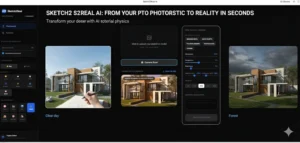
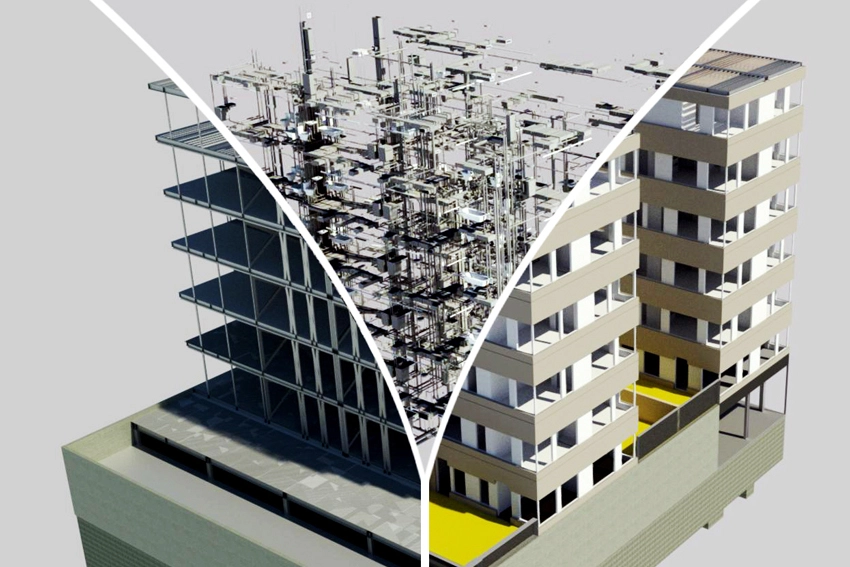
Artificial Intelligence (AI) and Machine Learning (ML) are making BIM even better. AI systems now look at a lot of old project data to make predictions, manage risks, and even improve the original design itself by making layouts that take into account environmental elements and user preferences.
The Digital Twin is a dynamic, real-time virtual copy of a physical structure that is based on this data-driven methodology. A Digital Twin can use a 3D model and live sensor data from the Internet of Things (IoT) to show how bad weather might affect a structure, keep track of its energy use in real time, or guess when it will need repairs. This technology is a game-changer for managing buildings. It makes operations far more efficient and buildings that are truly smart.
2. Building with Precision: Robotics and Additive Manufacturing
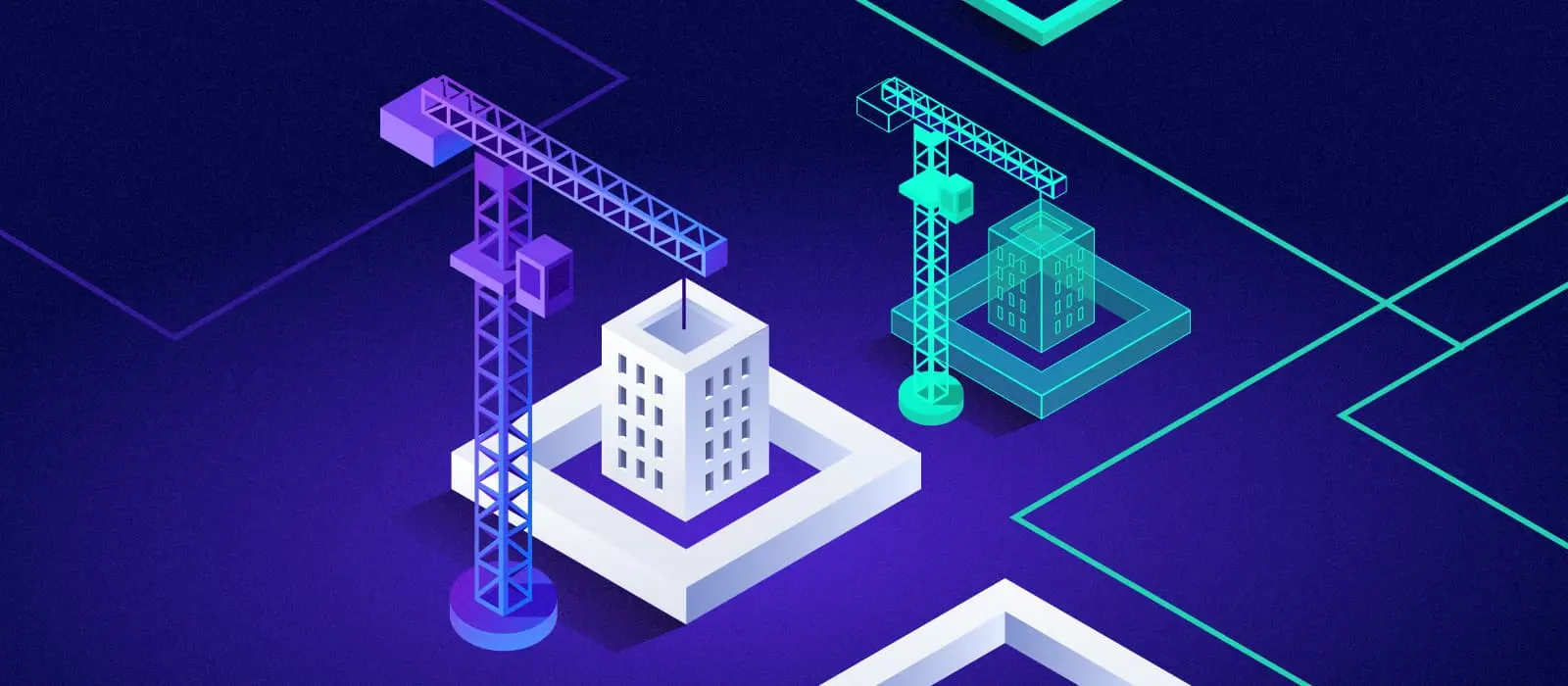
The global effort to fix labor shortages, along with the need for sophisticated, unique structures, has led to the rise of automated construction.
The 3D Printing Building Revolution
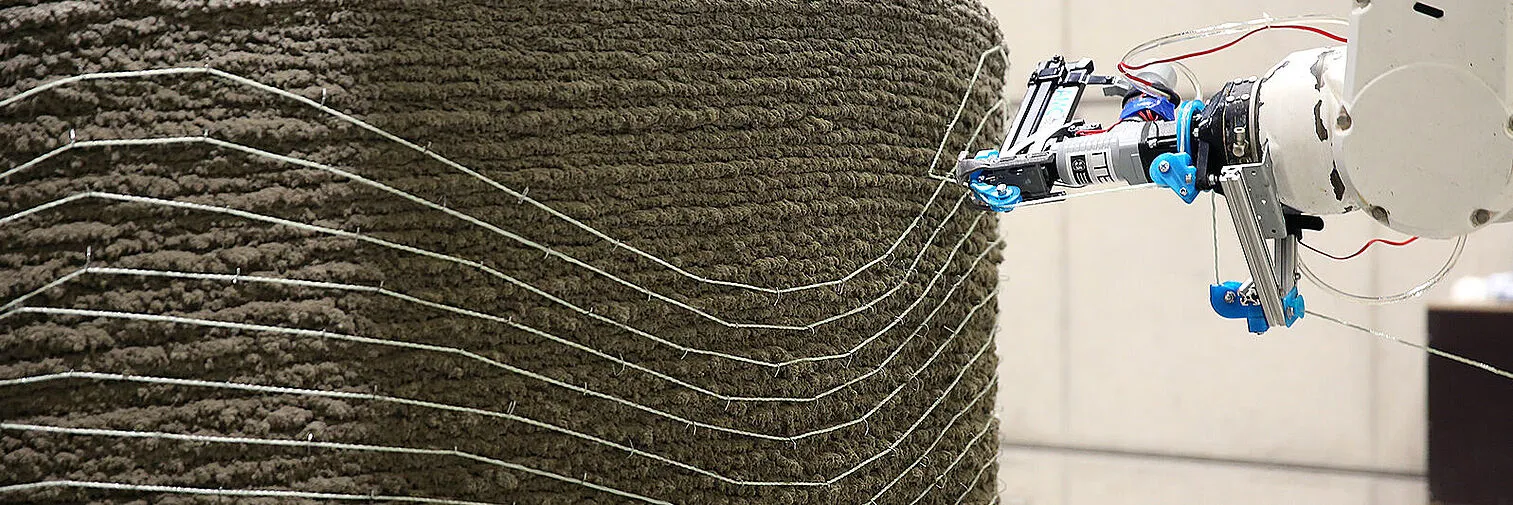
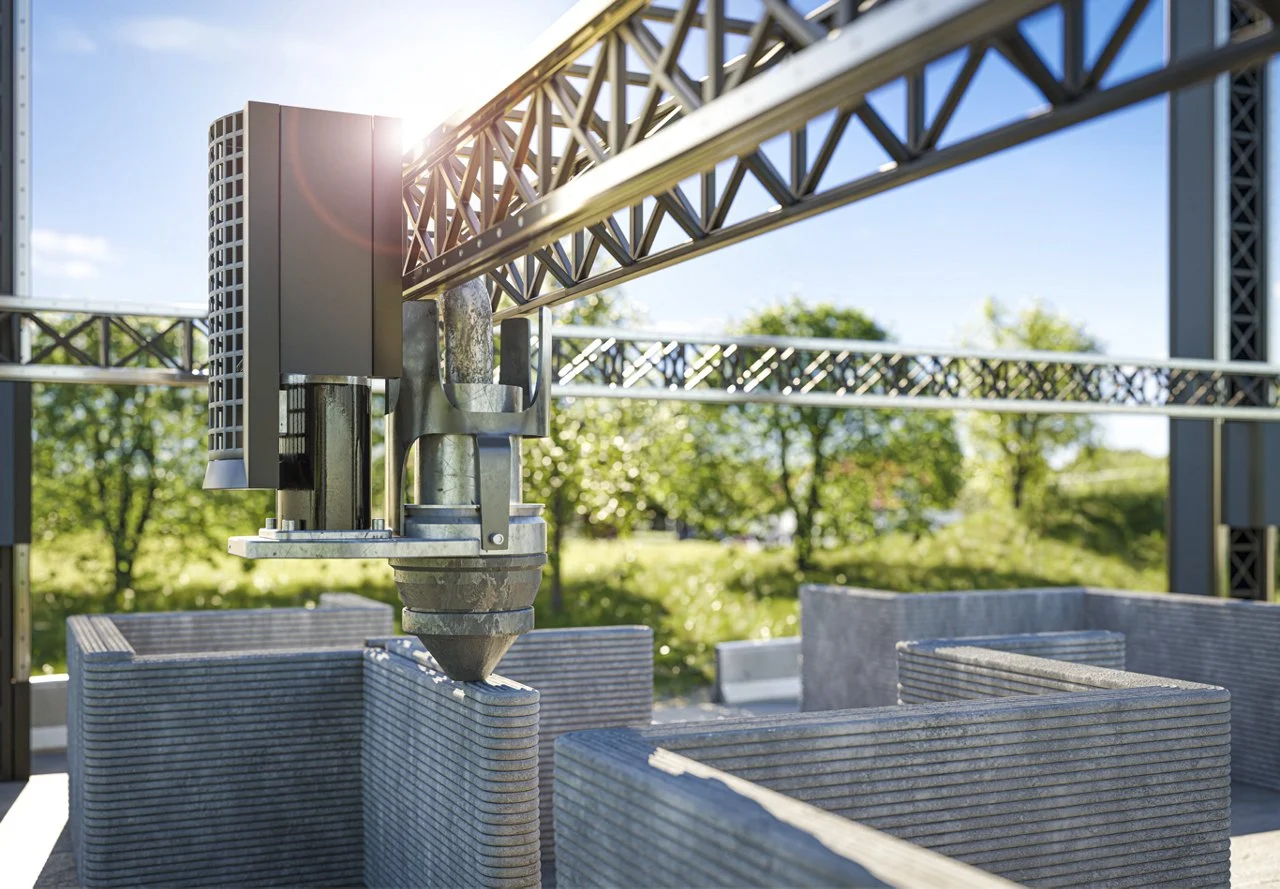
3D printing construction, also known as additive manufacturing, is one of the most visually interesting new technologies. Now, specialized machines can “print” structures one layer at a time using materials like concrete, polymers, or substances found in the ground. This method cuts down on material waste and building time by a huge amount.
3D printing makes it possible to quickly and easily customize and deploy things like inexpensive housing projects and complicated bridges and parts. It lets architects look at shapes that aren’t normal, which would be too expensive or impractical with traditional formwork. This means that there are almost no limits to what they may design.
Robots on the Job
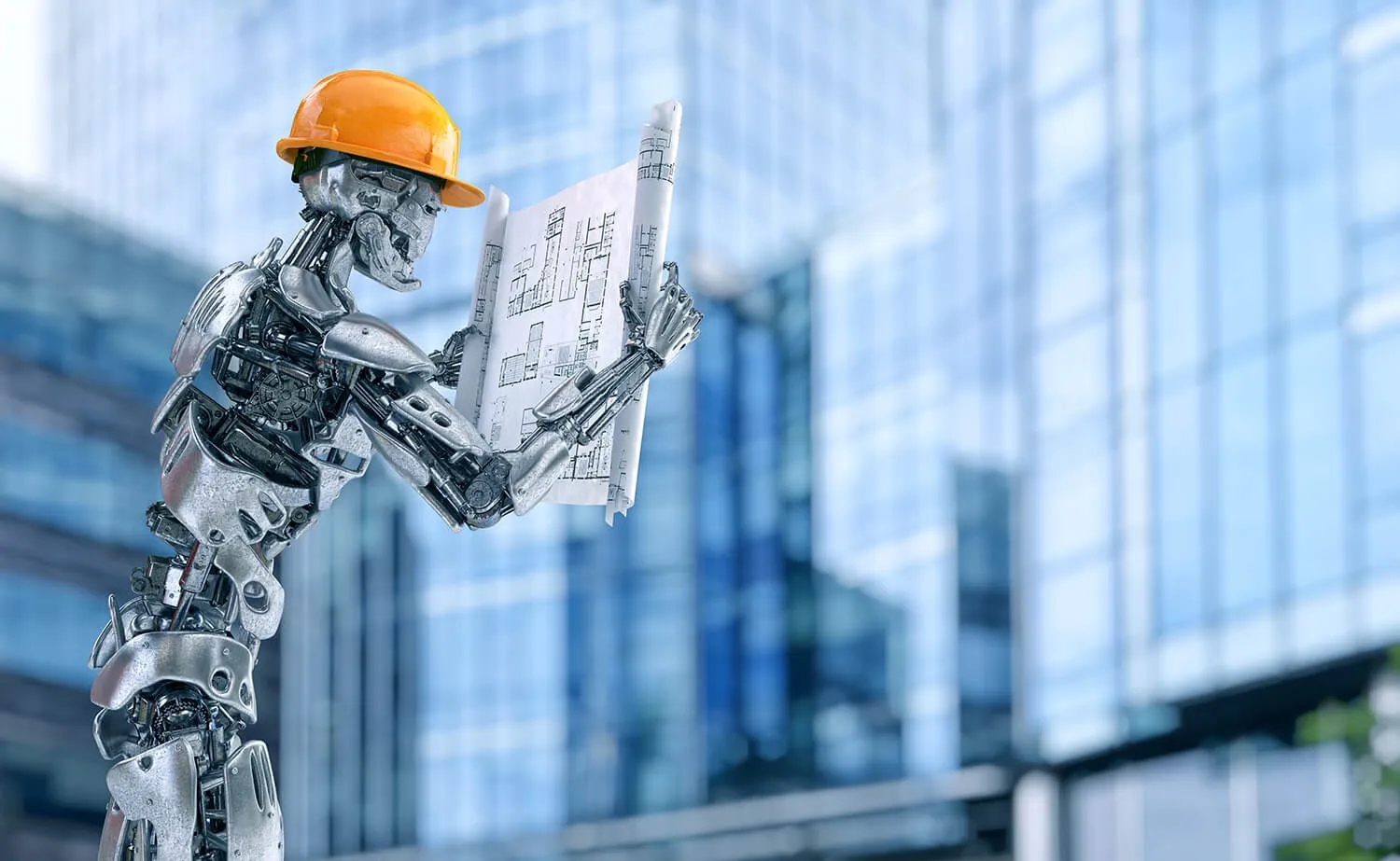
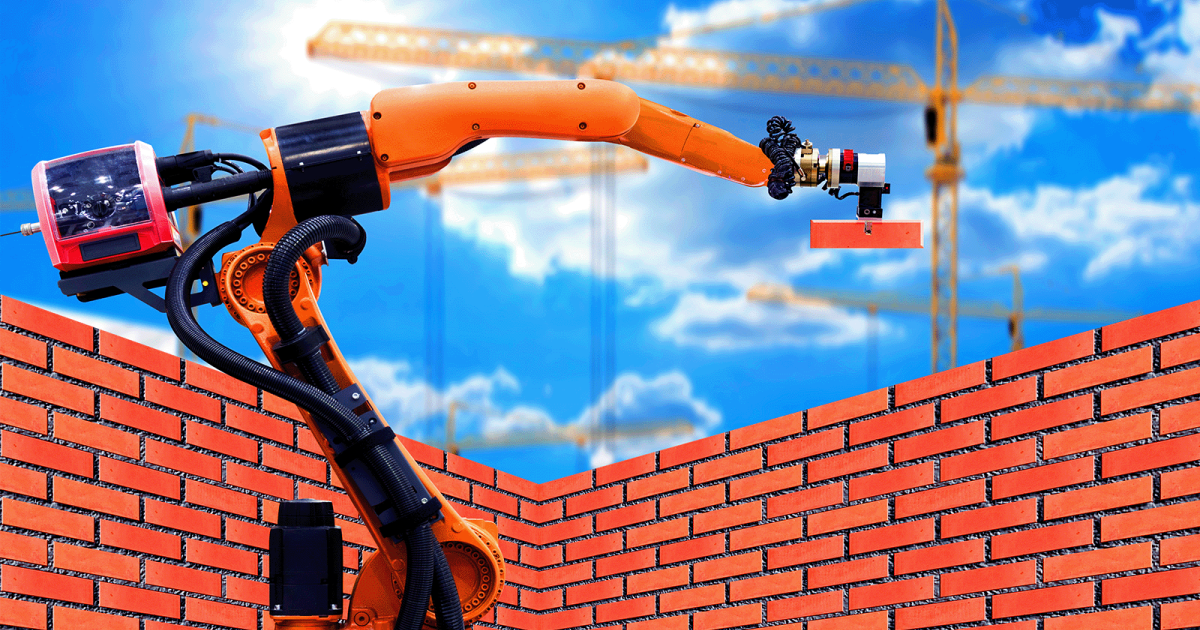
Robotics in Construction is changing risky and boring manual work in addition to printing. Automated solutions are taking over activities that need to be done with a lot of accuracy and regularity.
Robots are utilized to weld and pour concrete with great accuracy.
Construction Robotics‘ SAM and other automated bricklaying robots can lay bricks up to ten times faster than a person, while yet keeping the highest quality.
Exoskeletons are also becoming more common to make workers safer and more productive by helping them lift big things and bridging the gap between human skill and mechanical strength.
Construction robots are increasingly becoming the standard on modern sites because they offer better quality, safety, and ways to save money.
3. The Sustainable Imperative: Materials and Methods
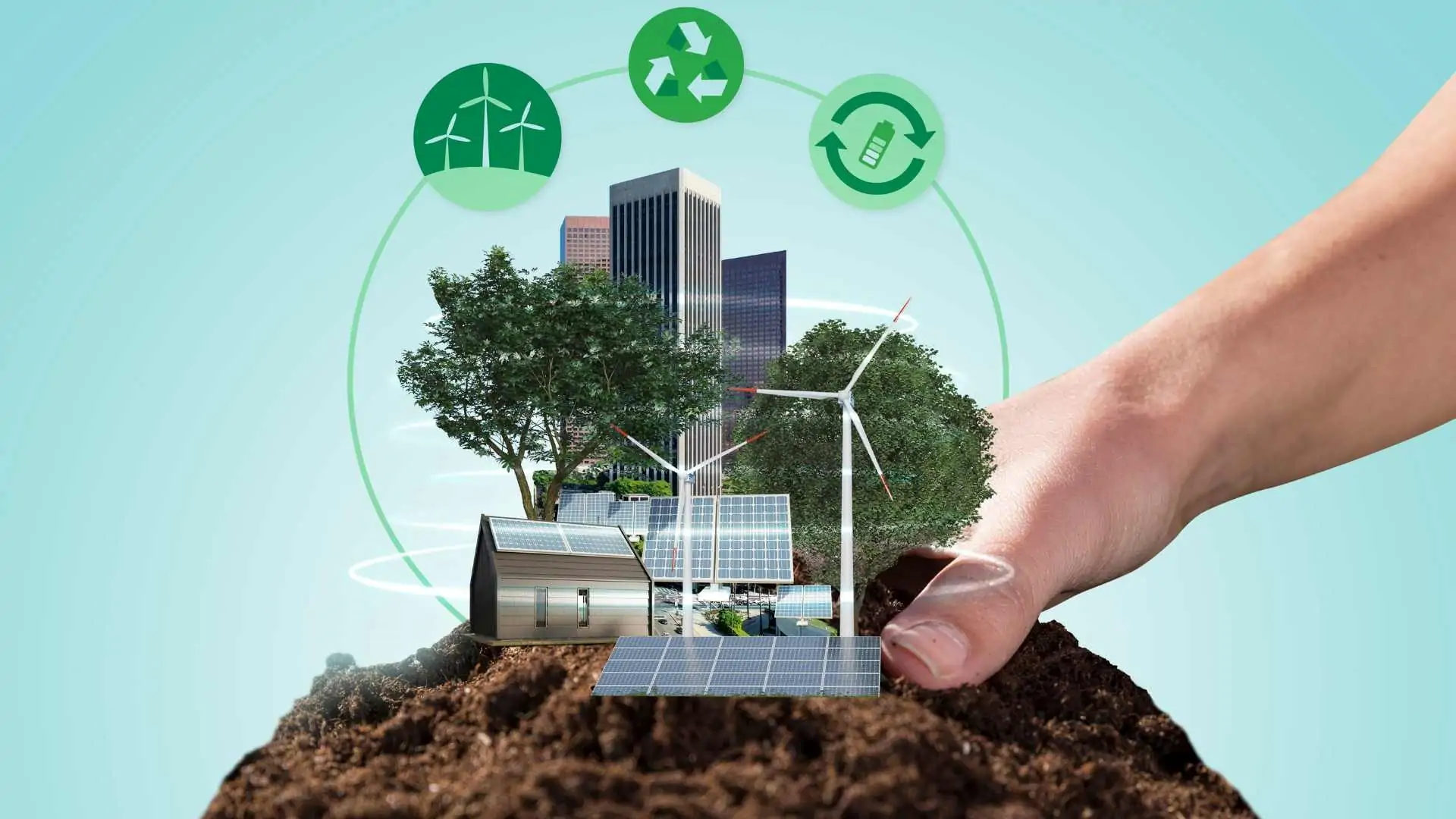
Sustainable Architecture is no longer a niche idea; it is now an ethical and necessary basis for the future of building because climate change is such a big issue in global policy. Technology is giving us the tools we need to face this issue.
The Mass Timber Movement
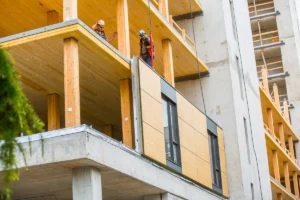
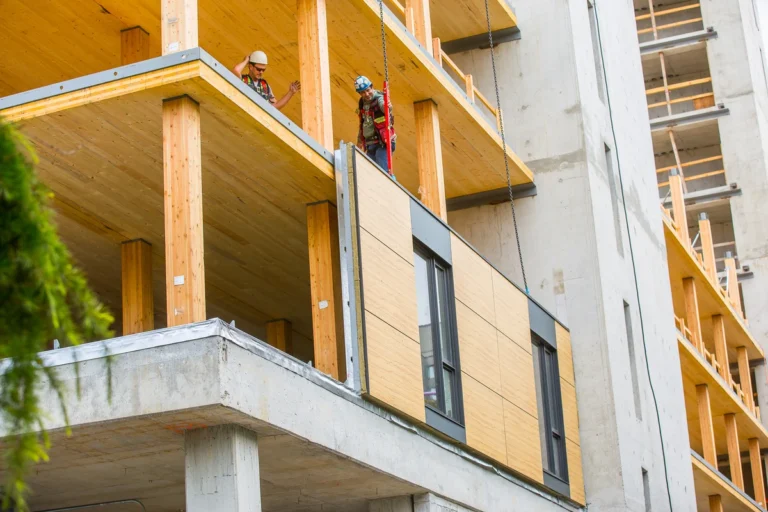
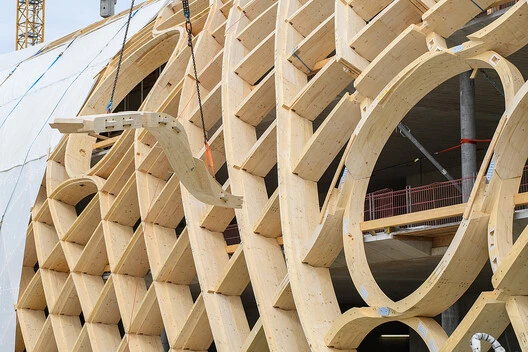
Mass Timber, and especially Cross-Laminated Timber (CLT), is one of the most interesting new ideas in eco-friendly materials. CLT is a good alternative to high-embodied energy materials like concrete and steel since it is made of engineered wood panels glued together. It is strong, fire-resistant, and looks good.
Timber is a renewable resource. When you use it to build tall buildings, the buildings themselves can store carbon, which makes the carbon impact much smaller. This concept encourages cleaner, drier construction sites and more speedier installation, which is in line with the trend toward building in a way that is better for the environment.
Going Toward Net-Zero
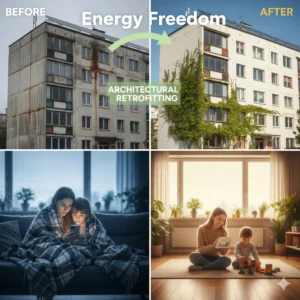
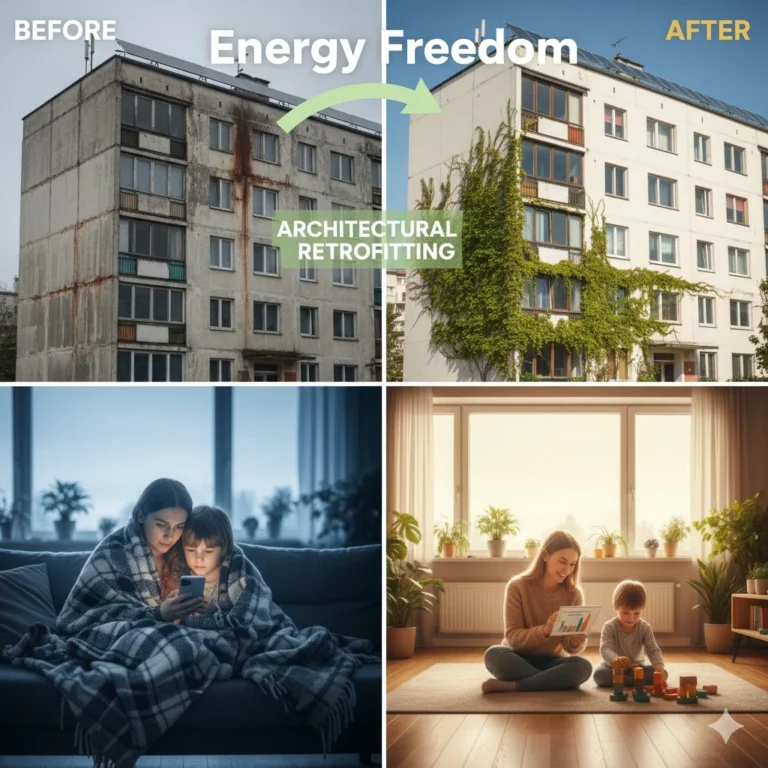
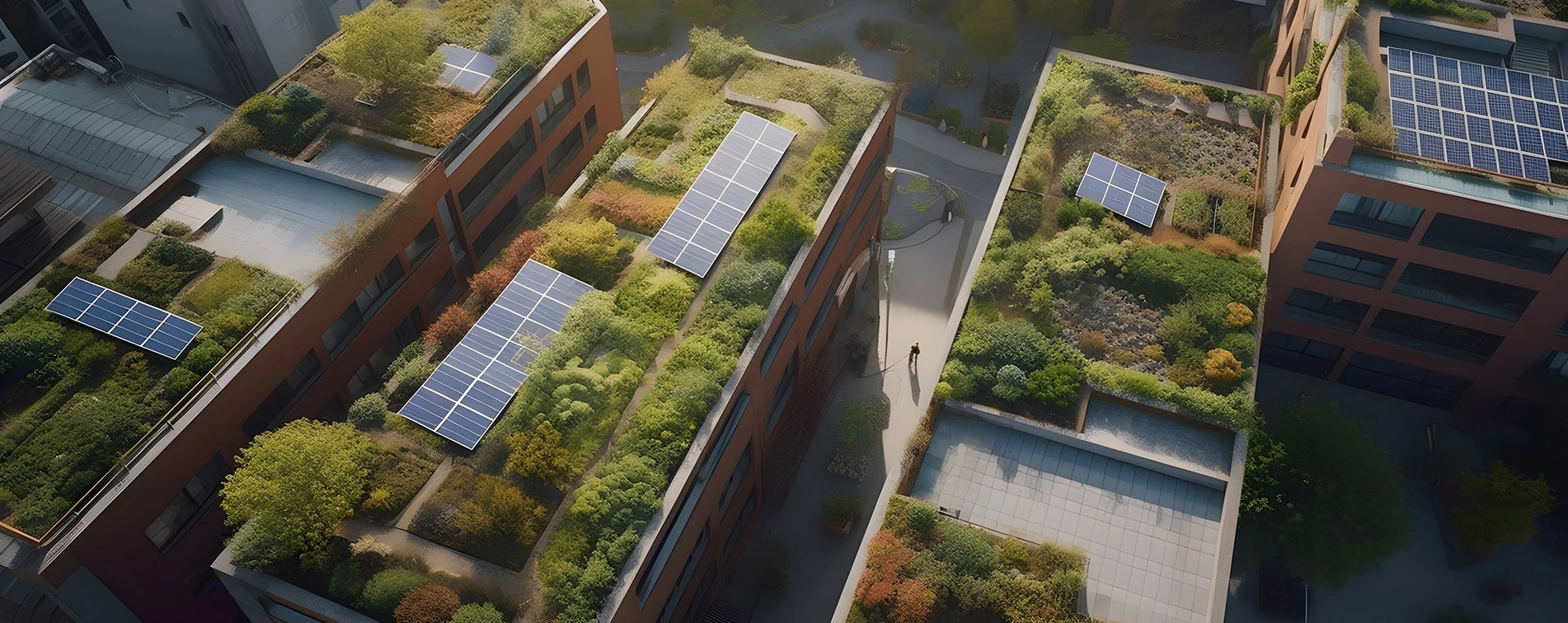
More and more people are building Zero Net Carbon Buildings (NZEBs). These buildings are meant to make as much energy as they need in a year. They often use renewable energy sources like solar and geothermal systems, combined with smart lighting controls and enhanced insulation.
Self-Healing Concrete (which has bacteria or polymers added to it to fix cracks on its own) and the usage of recycled steel and low-carbon concrete are also examples of material innovation. These new ideas, along with Biophilic Design, which uses natural components like living walls and natural light to improve the health of people who live in buildings, are making the built environment more sustainable and healthier.
4. Speed, safety, and site knowledge
In addition to the materials and modeling, new technologies are making it easier to plan the logistics of erecting a structure quickly and efficiently.
Efficiency of Offsite and Modular
Modular construction and prefabrication are two new ways of building that are becoming very popular. By making parts or whole modules off-site in regulated factory settings, builders can ensure better quality control, less material waste, and far faster project schedules. This method cuts down on the number of workers needed on site and causes the least amount of interruption in busy urban locations, which is a big plus for getting the most work done.
Drones and Capturing Reality
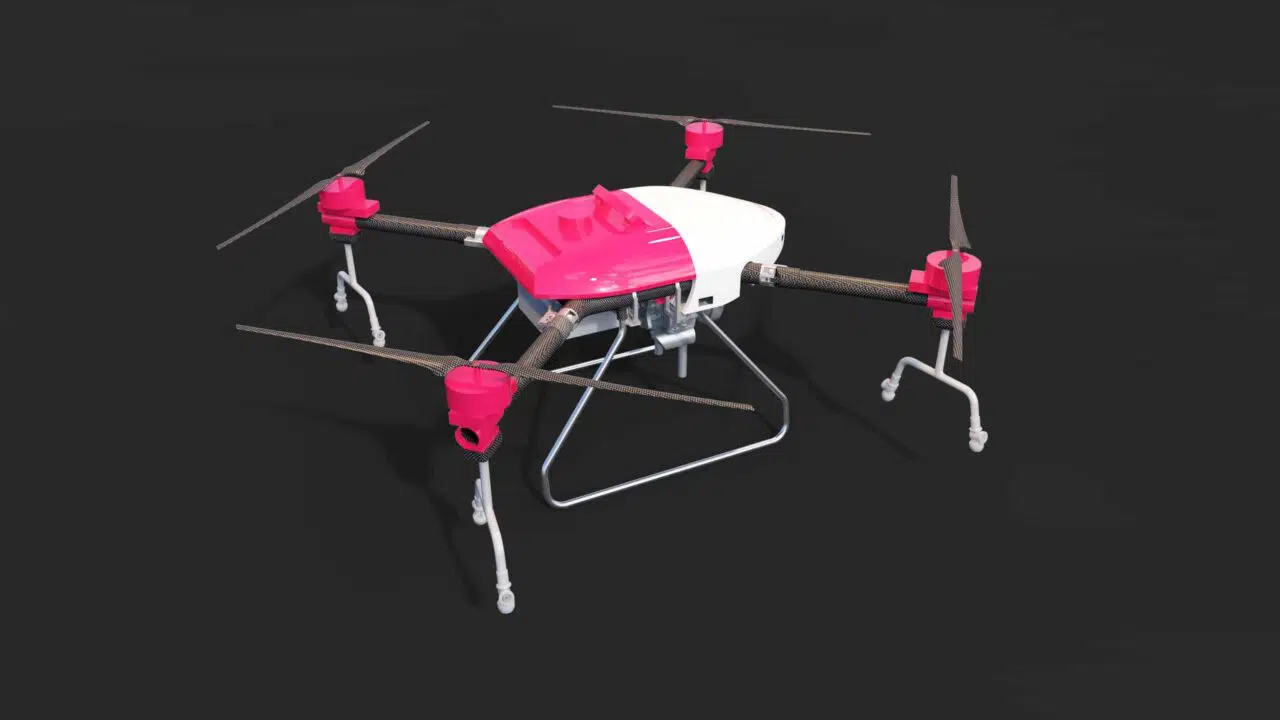
Drones (UAVs) have become essential instruments for managing sites in person. They give you accurate aerial photos and real-time data that you may use to survey a site, make a map, and keep an eye on the progress of development. This aircraft monitoring greatly increases safety by making it less necessary to undertake physical checks in dangerous or hard-to-reach regions.
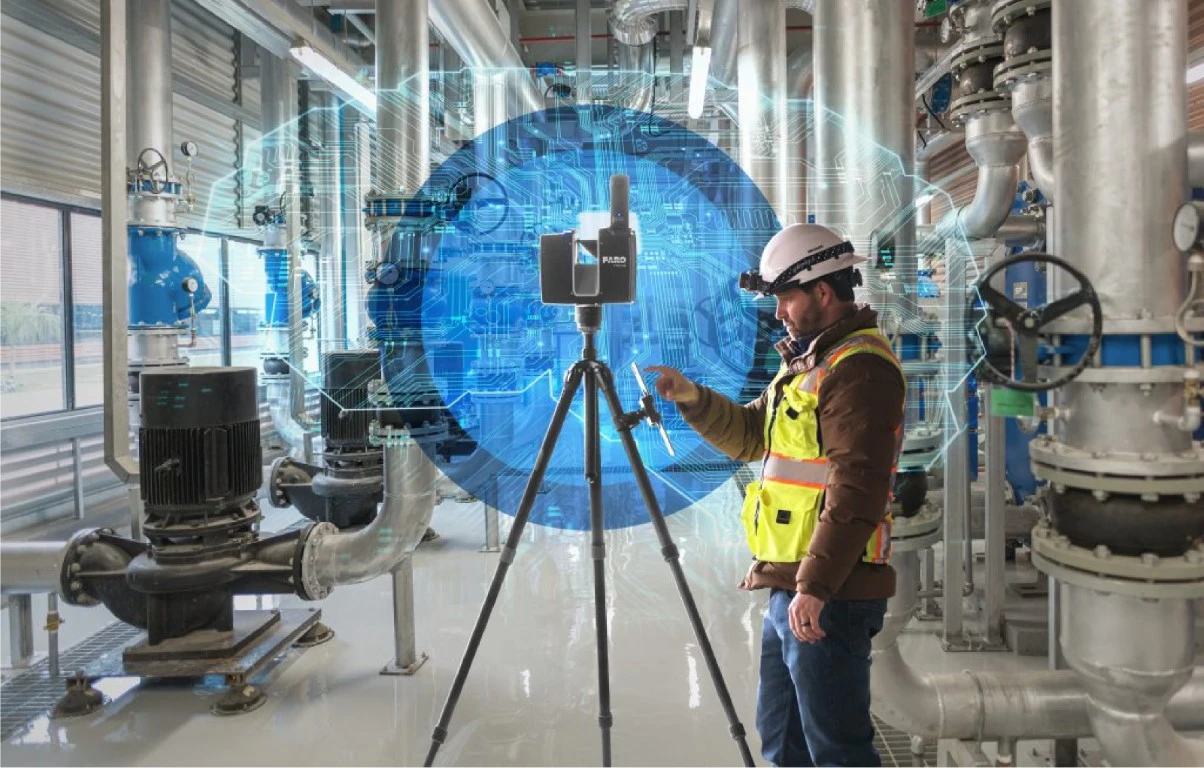
LiDAR 3D Laser Scanners are collecting millions of data points to make very accurate 3D “point clouds” of existing sites, together with drones. This market is predicted to develop a lot. When used with Augmented Reality (AR) and Virtual Reality (VR), project teams can put design models on top of the real world, which makes it easier to work together, train, and be more accurate during installation.
The Future Is Here
The coming together of key building technologies, such as AI-driven design, robotic production, Mass Timber, and net-zero techniques, is a revolutionary change in the AEC industry. Architects and builders are not only erecting structures; they are using these new technologies to make the built environment safer, more efficient, and more sustainable in the long run. This time of Architectural Innovation shows that the only thing that stops us from building is our own imagination.
For more blogs like this CLICK HERE!!
Reference:
7 New Technology In Architecture Every Architect Must Know in (2024)