
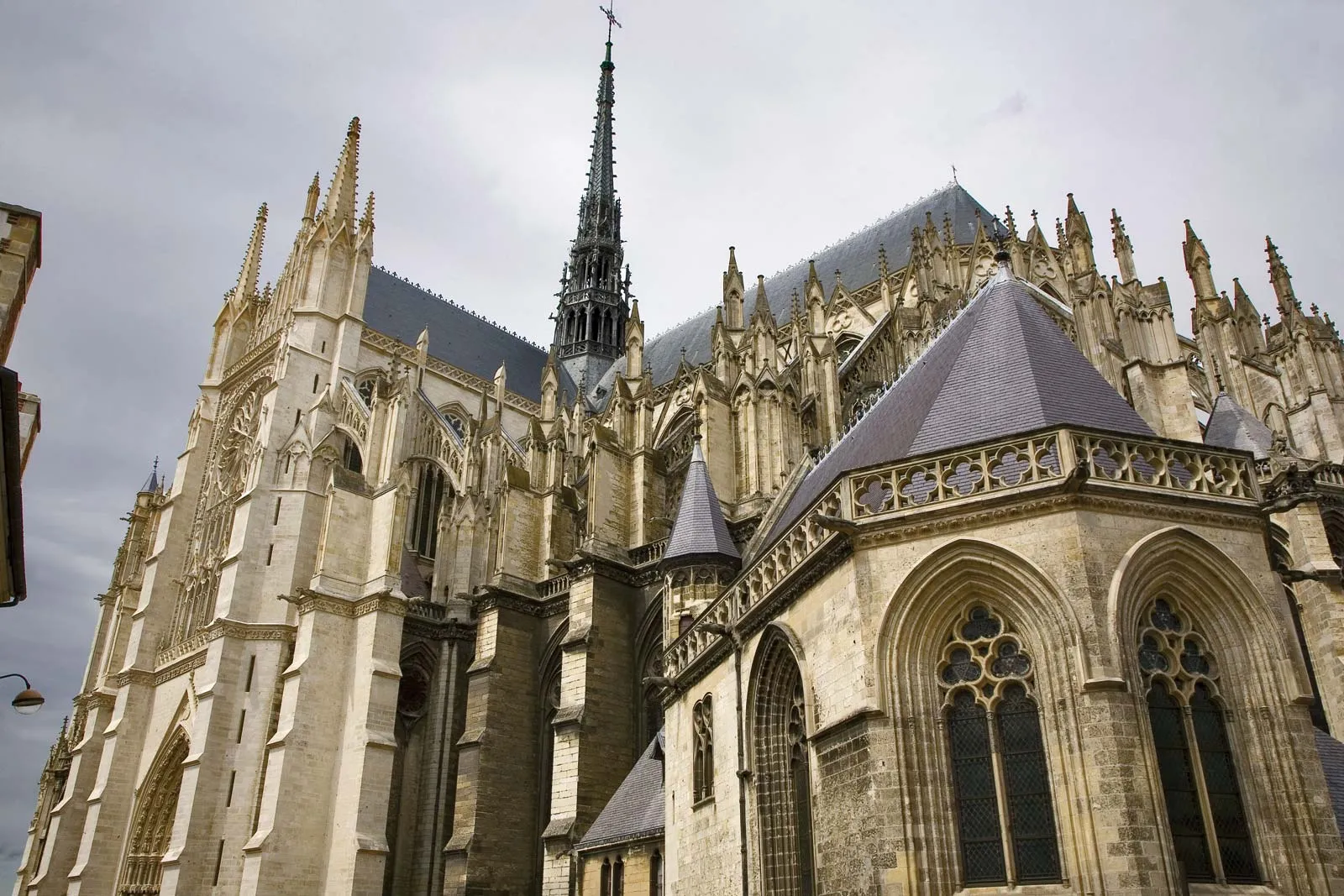
Introduction: A Style That Never Goes Out of Style
People frequently think of Gothic architecture as being from the Middle Ages because of its tall cathedrals, complicated stained glass, and mysterious air. But the main ideas behind this style—verticality, lightness, and structural innovation—are making a strong comeback, not fading away. Architects today are using Gothic features to make buildings that are not only beautiful but also very well built. This essay looks at how a style that used to be employed to reach the heavens is now changing the way our cities look.
The Core Principles of the “New Gothic”
The Basic Ideas Behind the “New Gothic” Modern “Gothic” constructions are not only reproductions of old churches. They give new meaning to the style’s most important changes:
Soaring Verticality: Like Gothic cathedrals employed pointed arches and ribbed vaults to make buildings taller, modern skyscrapers use similar ideas to make them look taller and more dramatic.
The Power of Light: The Gothic style focused on big, bright areas. Today, big glass facades let in a lot of natural light, which is a modern spin on stained-glass windows.
A “Skeletal” Structure: Many modern buildings have visible external supports and skeleton frames that are similar to the exposed framework of flying buttresses and ribbed vaults in Gothic design.
10 Buildings with Mediaeval Origins
Here are eleven modern buildings that show how Gothic style may be used in a modern way.
Renzo Piano designed The Shard in London: Which is often called a modern Gothic masterpiece. Its spire-like design and tapering edges, along with its faceted glass panels, are like the tall, detailed tracery of a Gothic cathedral. Even though it’s huge, the building looks light and airy.

Westminster Palace in London: This 19th-century Gothic Revival structure is still quite important and influential, thus it is a good example. The Palace, which includes the famous Elizabeth Tower (Big Ben), shows how Gothic ideas of grandeur and detailed design may be applied to make a national landmark.
 Palace of Westminster with Elizabeth Tower
The National Cathedral in Washington, D.C.: A great example of Gothic Revival architecture in the United States. It took more than 83 years to build. It has flying buttresses, pointed arches, and gargoyles, which are all typical Gothic features. This shows that the style is still popular for religious and ceremonial settings.

Washington National Cathedral
Milwaukee Art Museum: This building, built by Santiago Calatrava, has a huge sunshade that looks like a bird’s wings and can be opened and closed. This mechanism and the pointed arches of the main structure make you think of the movement and clever engineering that are common in Gothic architecture.
 Milwaukee Art Museum by Santiago Calatrava
The Houses of Parliament in Budapest: Another example of the Gothic Revival style. You have to see this structure. It looks a lot like a mediaeval cathedral, with its many spires and detailed stonework, but it serves a modern municipal role.

The Houses of Parliament in Budapest Hungary
Cologne Cathedral in Germany: Its recent history is interesting because it is one of the most famous Gothic cathedrals in the world. The fact that some of its towers were finished in the 19th century, long after the building work began, shows how the style can be a long-term project. This idea is still used in modern city planning and phased improvements.
/CologneCathedral3-1489e8cf1ce94daaa05cfc585fedbeb1.jpg)
Photo: Christopher Larson / TripSavvy
The University of Glasgow in Scotland: A great example of Gothic Revival architecture in a school setting. It has a scholarly feel because of its tall spires, cloistered quadrangles, and detailed stonework. This comes directly from the monastic roots of Gothic design.
Main Building at the University of Glasgow in Glasgow, Scotland
Grace Cathedral in San Francisco: Grace Cathedral is a 20th-century building, yet it uses modern materials to get the same effects as its mediaeval predecessors. The huge stained-glass windows, some of which have modern, abstract designs, pay tribute to the Gothic tradition of using light as a holy thing.

Grace Cathedral San Francisco
The Tribune Tower in Chicago: This early 20th-century skyscraper won a design contest with a top that has Gothic-style buttresses and a spire. It indicates that even in the early days of contemporary skyscraper architecture, people liked Gothic details.
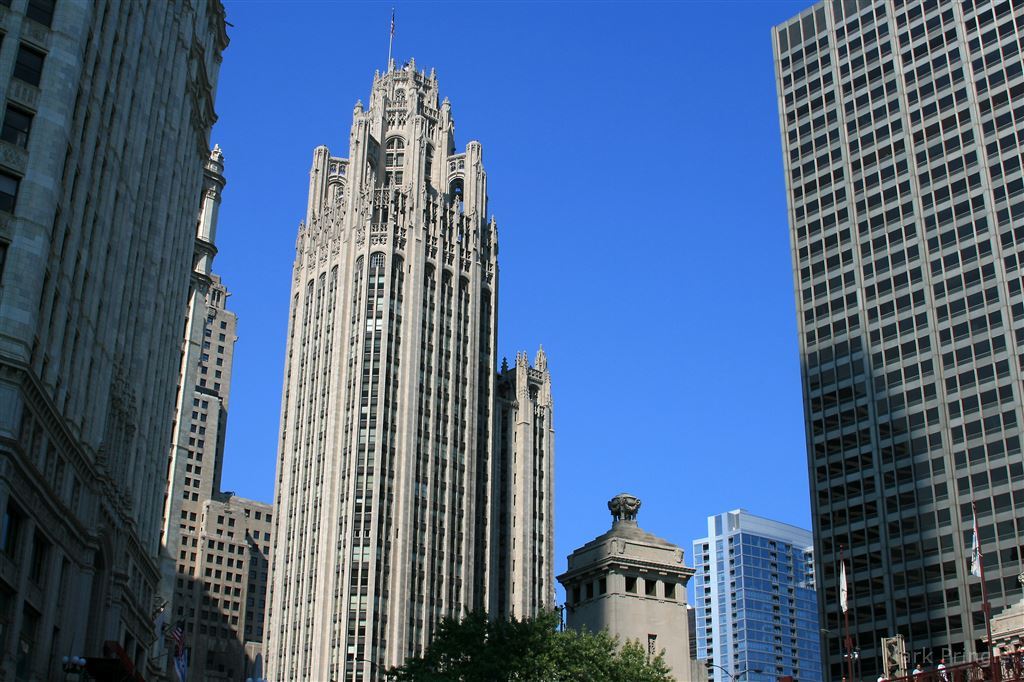
Tribune Tower in Chicago
Basilica of the Sagrada Familia in Barcelona : Antoni Gaudí’s masterpiece, the Basilica of the Sagrada Familia in Barcelona, is still being built. It is a beautiful and distinctive expression of Gothic principles. The building’s columns and vaults, which look like trees and go up quite high, take the Gothic style of height and construction to a whole new level. It shows how the style may be changed over and over again.

Basilica of sagrada familia barcelona
Conclusion: The Future is Gothic
The fact that people are still interested in Gothic architecture shows that it is still powerful. In today’s world of dense urban planning and advanced engineering, the style’s focus on height, light, and new construction is more important than ever. The “New Gothic” style illustrates that the spirit of mediaeval design is still alive and well. It inspires us to build bigger, bolder, and more beautiful things, from the clean glass of a modern skyscraper to the cosy feel of a dark academia-inspired living room.
For more blogs like this CLICK HERE!
Reference
From Medieval to Modern: Gothic Architecture Today – WPL Interior Design