Architecture is a field that combines art, science, and business in a dynamic way. It requires creativity, technical skill, and a deep awareness of how the industry is always changing. Architects today face a lot of problems that can affect anything from the quality of their designs to the profitability of their projects. To be successful, you need to comprehend and deal with concerns like climate change and budget overruns on a daily basis. This blog post talks about the ten biggest problems that architects today face and gives them practical ways to solve them.
Transitioning to a More Sustainable and Eco-Friendly Way of Life
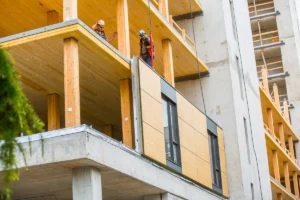
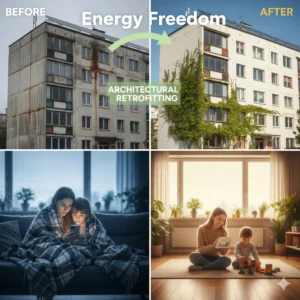
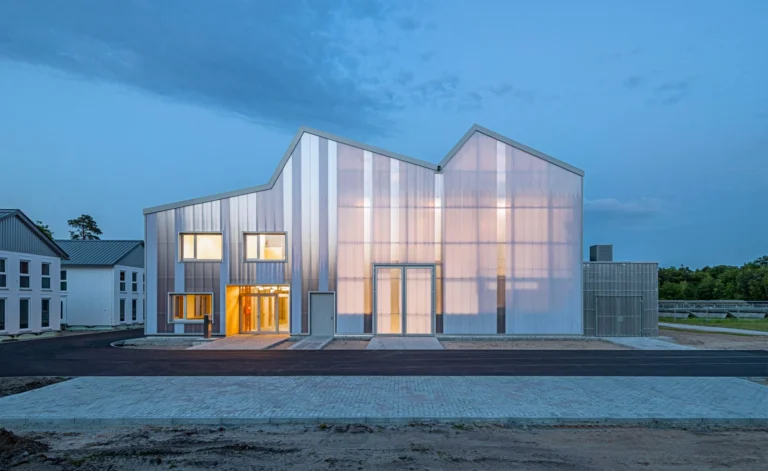
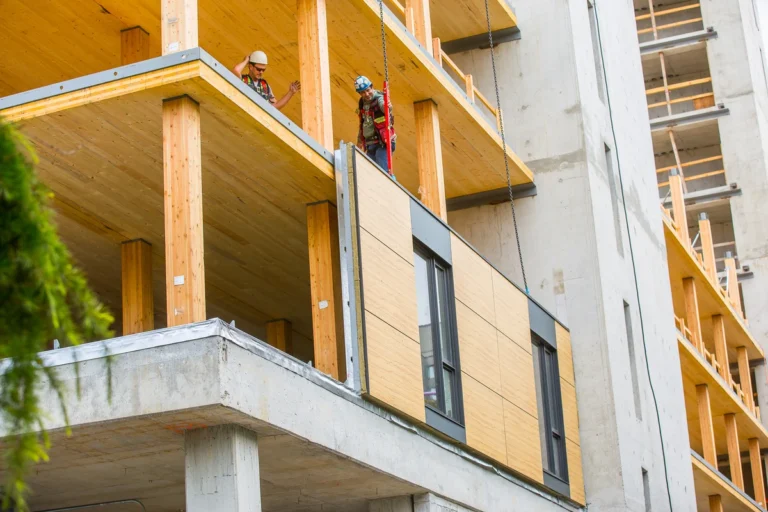
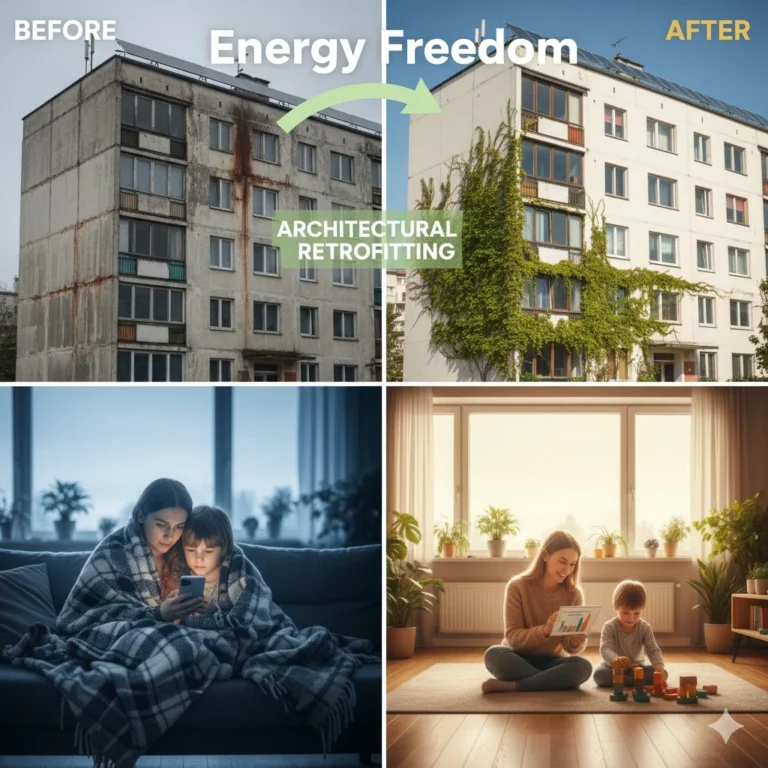
The most important problem in modern architecture is the urgent necessity to deal with the climate issue. Architects are being asked more and more to make buildings that look good, are good for the environment, and use less energy. This means learning the rules of bioclimatic design, finding materials that are good for the environment, and adding renewable energy systems.
Solutions:
- Use bioclimatic design: Make structures that naturally fit in with their surroundings to use less energy. This involves making the most of natural light and air flow.
- Source Sustainable Materials: Use materials that are recycled, bio-sourced, or come from your area whenever possible. Keep up with new green building materials and technologies.
- Integrate Technology: Use software like Energy Plus and IES VE to model a building’s energy performance early in the design process. This will help you make choices about materials and systems based on facts.

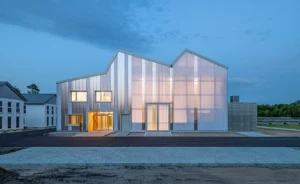
Image source: awl.ie/latest-news
Digital Transformation and the Use of Technology
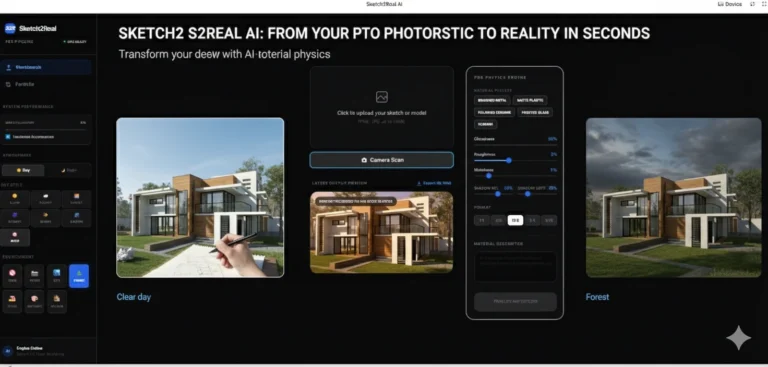
Architects are both helped and hurt by how quickly technology changes. Tools like Building Information Modelling (BIM), virtual reality (VR), and augmented reality (AR) can make things much more efficient and help people work together, but they can also be hard to use, expensive, and require special skills. A lot of businesses, especially smaller ones, have a hard time keeping up with these changes.
Solutions:
- Use BIM: Use BIM to make your process more connected and collaborative. By giving everyone a single platform, it helps cut down on mistakes, make better decisions, and speed up project timeframes.
- Invest in Training: Make sure your team gets regular training, so they know how to use new software and gear. Think about working with specialists to fill in the gaps in your expertise.
- Leverage Cloud-Based Platforms: Use cloud-based platforms to centralise data, make sure it is consistent, and let team members talk to each other in real time, which gets rid of information silos.

In a recent study, researchers have identified the main obstacles preventing efficient digital transformation in the engineering and construction industry. credit: XJTLU
How to Handle Deadlines and Budgets That Aren’t Realistic
Architects find project management to be a major cause of stress. Unplanned site circumstances, problems with the supply chain, not enough workers, and poor initial planning can all cause big delays and cost overruns. Clients typically want quick work and inexpensive costs, which puts a lot of stress on the project’s budget and schedule.
Solutions:
- Careful Planning: Make thorough work plans before you start designing. Make sure that all important people, such as clients, engineers, and contractors, are included in this process so that everyone is on the same page.
- Proactive Risk Management: Do risk assessments on a frequent basis throughout the project’s life cycle. Make backup plans for possible problems, such as not having enough materials or bad weather.
- Use Project Management Software: Use tools like Gantt charts and scheduling software to keep an eye on budgets, track progress, and make communication easier. This helps keep the project on schedule and lets you make decisions based on data.

Image source: archovavisuals.com
Client Communication and Managing Expectations
A lot of fights and stress come from misunderstandings between architects and clients. Clients could have excessive expectations, have trouble picturing a design, or ask for changes too often, which can cause scope creep, when the project’s limits slowly grow.
Solutions:
- Make communication clear: From the start, encourage clients to talk to you openly and often. Explain design choices and project limits in simple, everyday terms.
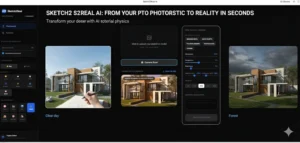
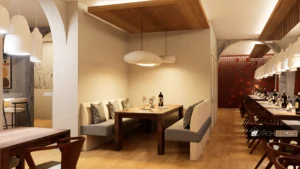
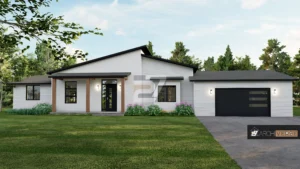
- Use visual aids: Use 3D renderings, virtual reality walkthroughs, and real-life models to help clients picture what the finished project will look like. These technologies help make a design clearer than just drawings.
- Set up a Change Control Process: Make a formal way to handle requests for changes. From the start, make sure you have a clear scope of work and that any adjustments are written down and approved, along with how they will affect the budget and the timeframe.

Image source: architecttoday.com
Urban Sprawl and Not Enough Affordable Housing
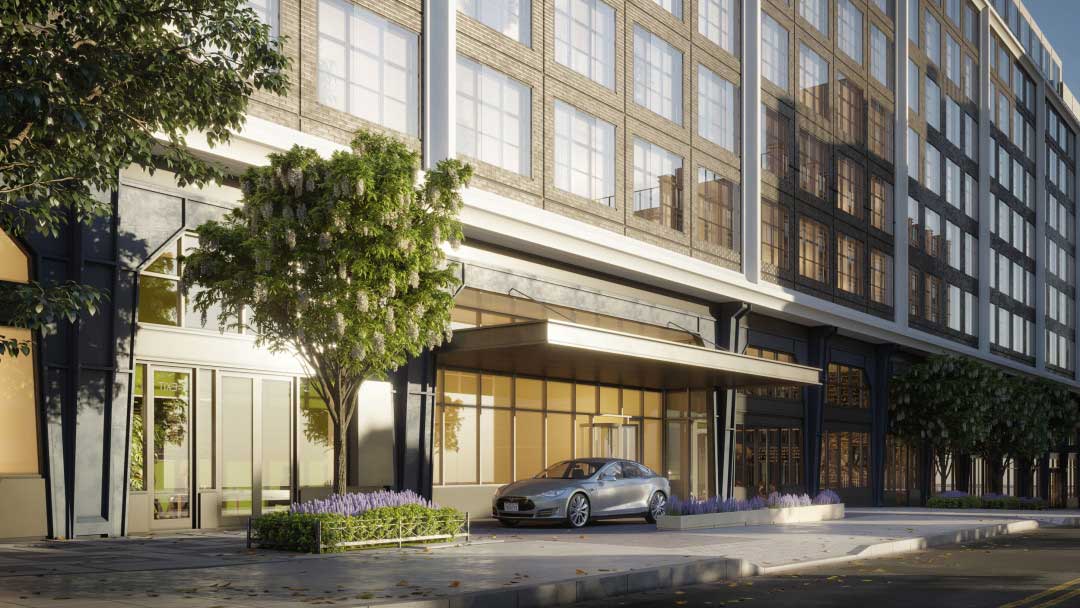
Architects have a big impact on how buildings are made, and they have to deal with problems like uncontrolled urban growth and a lack of affordable, good housing. Urban sprawl makes commuting longer, pollution worse, and the sense of community weaker. The need for affordable housing often conflicts with rising property prices and the costs of building new homes.
Solutions:
- Advocate for Smart Urban Planning: Support smart urban planning by promoting and taking part in projects that encourage dense, mixed-use developments and the revitalisation of existing city centres.
- Design for Adaptability: Make places that are adaptable and can be used for more than one thing, so that they may change as needs change and make the most of limited space.
- Engage in Socially Conscious Design: Participate in socially responsible design by working on community-driven projects and coming up with housing options that meet the requirements of underprivileged groups, including modular or prefabricated homes.

Urban Heights in Tokyo_©Taro Ohtani
Finding a balance Functionality and Creativity
Architects are always trying to find the right balance between making a design that is new and looks great and making sure it works, is safe, and satisfies the client’s expectations. A building may seem nice, but if it doesn’t work for the people who live there because of bad lighting, strange layouts, or a lack of accessibility, it is not a good design.
Solutions:
- User-Centric Approach: Use a design methodology that puts the demands of the end users first. Do a lot of study and talk to the people who will be living there in the future to find out what they need and how they live their lives.
- Iterative Feedback: Include a feedback loop in the design process so that it may be constantly improved and refined depending on input from all stakeholders, such as engineers and potential users.
- Accept Limitations: Don’t see money and site-specific limits as problems; see them as chances to be innovative. Staying within these limits frequently leads to better and more creative solutions.

Informal Arrangements_©httpscity transitions. globaleventsurban-october-24
How to Understand Building Codes and Rules
Building norms and rules are always changing and can be very complicated, making them a maze for architects. Compliance is important for a project’s success, but it demands constant study and adaptation because codes can vary greatly from one area to another and are often changed to meet new safety, energy, and environmental regulations.
Solutions:
- Continual Education: Make continual professional growth a top priority. To stay up to date on the newest rules and best practices, go to workshops, seminars, and webinars.
- Build Relationships with Local Authorities: Get to know the people in charge of building codes and planning in your area. Getting involved early can help you understand what you need to do and avoid expensive delays.
- Use code analysis software: Which uses technology to check code automatically and give you up-to-date information on rules. This can cut down on the time and work needed to make sure compliance by a lot.

Image source: architecturecourses.org
Managing Employees and Talents
In a market where there is a lot of competition, it is hard to find and keep the best employees. Companies need to not only hire talented architects but also manage a varied workforce that may include a gap in experience between older workers and younger workers who are good with technology. This means that you need to manage your people well and care about their health and happiness at work.
Solutions:
- Invest in ongoing training: Give your team training in new technology and design methods to keep them ahead of the curve in the industry.
- Foster a Culture of Collaboration: Encourage a culture of teamwork by making it easy for people to share what they know and ask for help. Set up a clear, open communication policy to help people of different ages get along.
- Put Well-Being First: To deal with the stressful work culture, encourage a balance between work and life, offer flexible work hours, and help with mental health. A team that is healthy and happy is also loyal and productive.

Image source: archpaper.com
Finding New Work and Sustaining Income
A lot of the time, people worry about whether an architectural practice can make money. Companies, especially smaller ones, often have a hard time getting new clients and keeping a constant stream of income. This is typically because people see architecture as an expense instead of a benefit, and the market is quite competitive.
Solutions:
- Diversify your services: Offer more than just traditional design services. Think about offering consulting services in areas like project management, interior design, or sustainable development.
- Effective Marketing: To market yourself well, you need to have a decent website, portfolio, and social media presence. Show off what makes you special and talk about projects that went well.
- Build a Strong Network: Make a strong network by going to industry events, joining professional groups, and getting to know developers, contractors, and other professionals. Referrals are typically the best way to get new business.

Image source: architecturecourses.org
The Generational Gap
One of the most difficult things about design is that older, more experienced architects and younger, tech-savvy professionals have quite different ways of working and thinking. Older generations have a lot of experience and expertise, while newer generations are specialists in modern technologies and design trends. This can cause problems and make it hard to talk to each other.
Solutions:
- Create Intergenerational Teams: Make teams with people from diverse generations. Support mentorship programs and make project teams with people from different generations. This makes it easier to share knowledge and combine old ways of doing things with new ones.
- Use Both Digital And Traditional Skills: Digital tools are important, but so are hand-drawing and other traditional design processes. This not only keeps abilities sharp, but it also gives you a new way to solve problems.
- Encourage open communication: By holding regular meetings and seminars where team members may share their points of view and learn from one other. This will help create a culture of respect and understanding.

Image source: architizer.com
Conclusion
Being an architect is a rewarding yet hard job. Architects can make sure their projects are successful and help create a built environment that is more sustainable, fair, and inventive by taking the initiative to deal with these top problems. The key to getting past these problems is to keep learning, plan ahead, and work together and come up with new ideas.
For more blogs like this CLICK HERE!
Reference:
10 Pressing Architectural Problems in Modern Architecture – How to Fix Them
10 Most Common Problems That Architects Face When Handling Projects