The “lighting” has long been a magical part of the holidays. For generations, the warm, flickering lights of a decorated home have meant safety, joy, and a warm welcome. But as we approach into 2025, the way we light up our sacred spaces is changing in a big manner.
Today’s American homeowners and the architects who create their homes are no longer prepared to give up being environmentally responsible for having fun. We are now in the “Sustainable Christmas” period, where modern technology like AI-powered power management meets the nostalgic style of the 1950s.
This is the best guide to the eco-friendly lighting trends of 2025 if you want to make a holiday home that doesn’t break the bank and reminds you of your childhood.
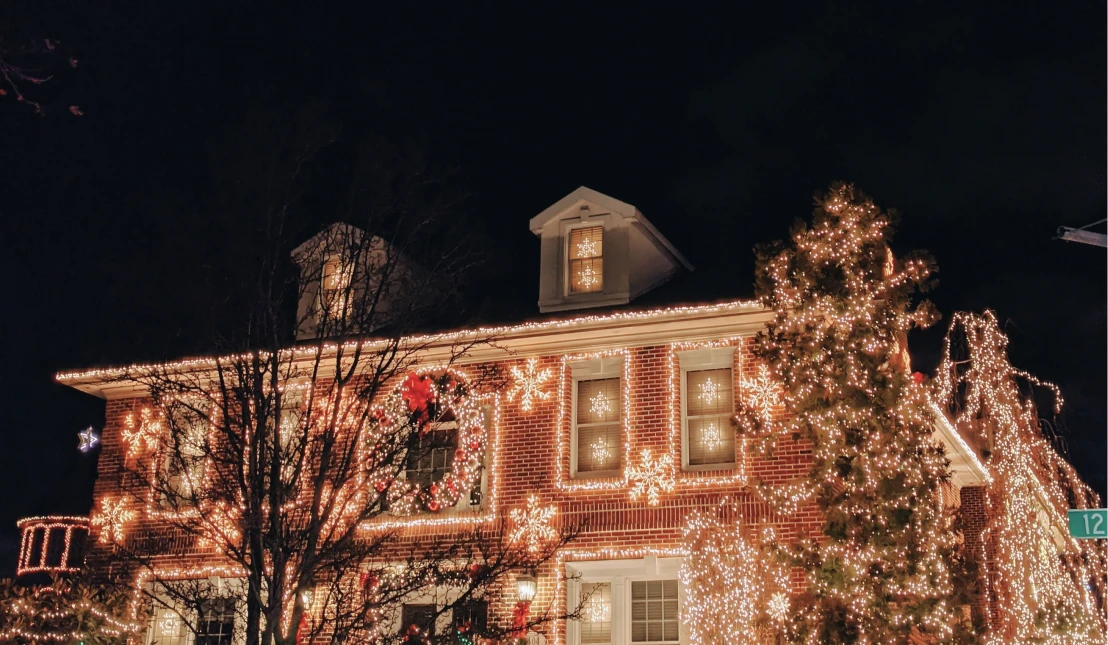
The “Eco-Glow” Revival: Old-School Style, New-School Soul
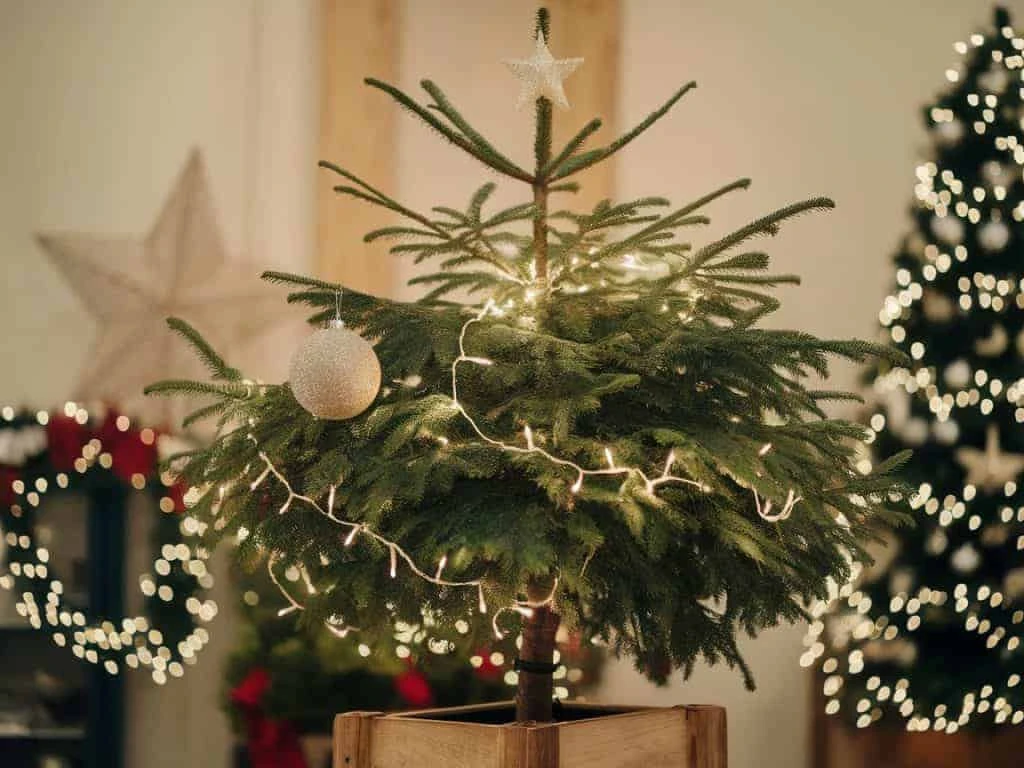
“Nostalgic Innovation” is the largest theme that will shape 2025. People want the warmth of the past after ten years of cool-toned, “clinical” LEDs. The Vintage Ceramic LED is the industry’s answer.
The Technical Marvel: By 2025, high-end companies will have developed the C9 and C7 LED bulbs. These big “old school” bulbs now have unique diffusers that make them look like classic ceramic lights. They consume 92% less energy than incandescent bulbs, though. They won’t break, they won’t get hot, and they are meant to survive for 25 holiday seasons, which makes them a true legacy investment.
Architects could advise “warm-white” LEDs in the 2700K to 3000K range when they design rooflines. This exact temperature gives off the same golden light as old-fashioned light bulbs while keeping the efficiency of new diodes.
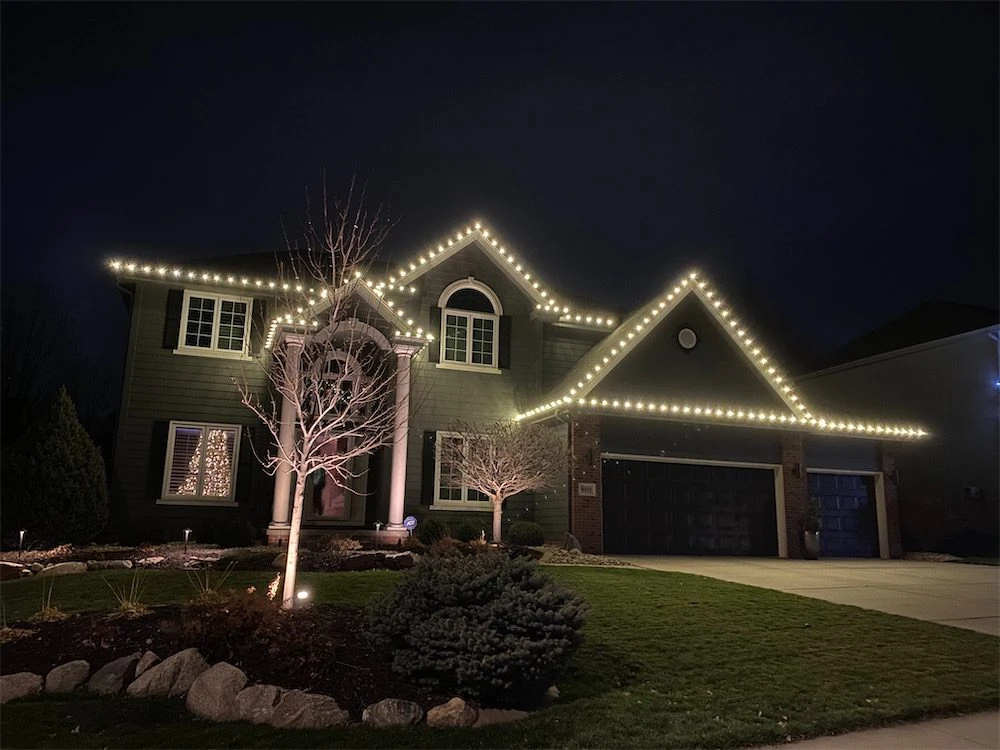
Permanent Architectural Lighting: The “One and Done” Sustainable Solution
For a lot of people, the best choice is the one that only needs to be put in once. Permanent LED track lighting is now a must-have for high-end US residences in 2025.
What makes it a long-lasting power source:
- Zero Waste: No more plastic clips and twisted strands going to landfills every three years.
- Invisible Design: These systems are hidden away beneath the eaves, so they mix in with the home’s architecture during the day.
- Versatility: Homeowners may use a smartphone app to change the color of their lights from “Christmas Warm White” to “Architectural Soft Glow” for the rest of the year. This means they don’t require separate landscape lighting.
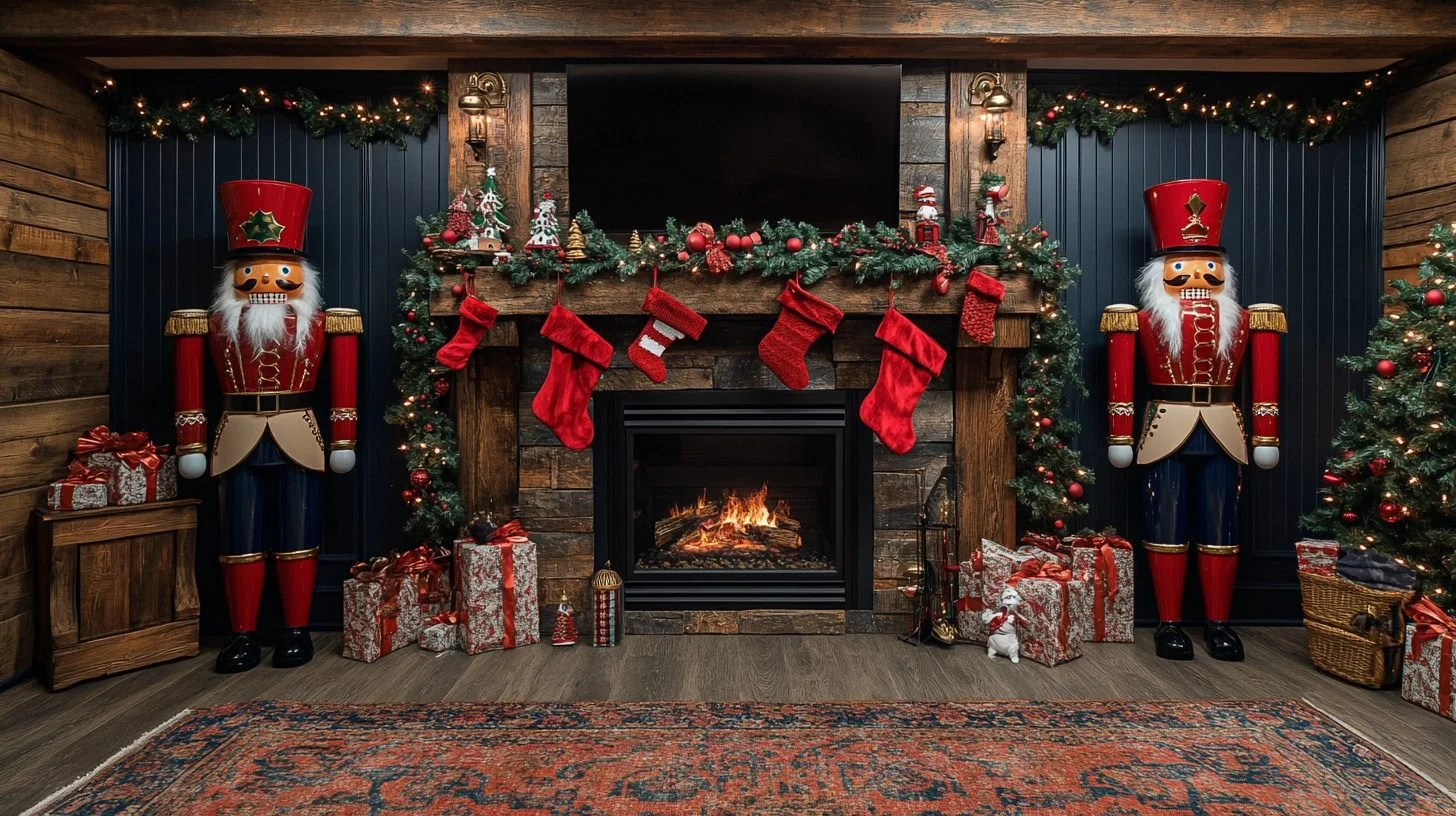
Smart Hubs Powered by AI: No More Wasted Energy
In 2025, if you leave your lights on at 3:00 AM, it’s not simply a waste of money; it’s a design problem. The newest Smart Holiday Hubs now use AI to control the “light footprint” of your home.
Smart Features for a Stress-Free Season:
- Circadian Dimming: These systems can automatically dim your outside lights by 50% after midnight, just like indoor smart bulbs. This is in line with “Dark Sky” attempts to cut down on light pollution while yet keeping the home safely lit.
- Energy Dashboards: Apps now give you real-time information on how many pennies your display is costing you every hour. This lets you change the brightness levels to meet your sustainability goals.
- Matter Compatibility: In 2025, Matter (the universal smart home language) became common. This means that your holiday lights will work properly with your current security and HVAC systems.
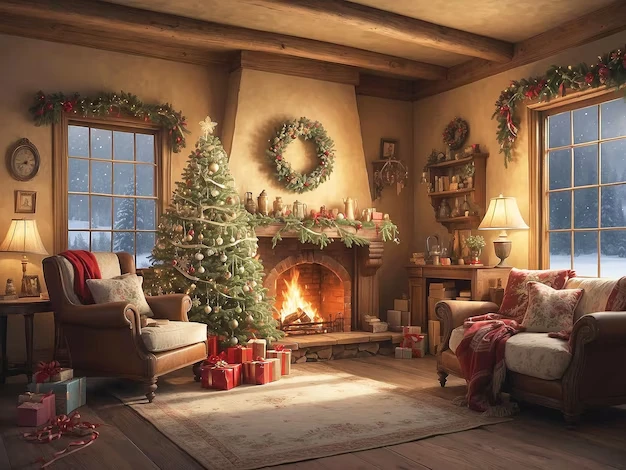
Solar Innovation: Beyond the Stake Light
Solar technology has finally “grown up.” 2025 has solar options that ultimately match the brightness of wired systems for parts of the property that are far away from an outlet.
The 2025 Solar Breakthrough: New High-Efficiency The foundation of wreaths and garlands now has monocrystalline panels built right in. On a cloudy winter day, these units can store enough power to provide you 8 to 10 hours of steady, flicker-free light. For homeowners, this means a quiet setup with no extension wires running over the driveway.

Lightscaping: Highlighting the Natural Sanctuary
Architects are moving away from “wrapping” every inch of a house and toward “Lightscaping,” which uses fewer bulbs for a bigger emotional impact.
The Minimalist Way:
- Focal Point Lighting: Use three high-quality LED uplights instead of 5,000 mini-lights to draw attention to a mature evergreen.
- Reflective Placement: Putting lights close to windows or mirrors to “double” the glow without using twice as much electricity.
- Monochrome Magic: Using a single, refined color palette, like “Champagne and Bronze,” gives off a sense of quiet luxury that seems planned and high-end.
Safety and Peace of Mind: The Human Factor
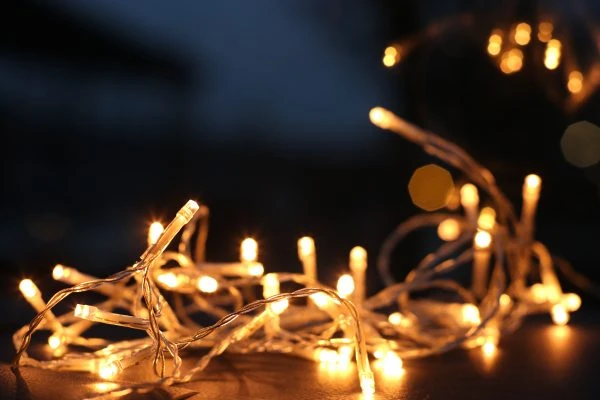
Sustainability isn’t just about the Earth; it’s also about how long your tranquility will last. “Cool-Touch” technology makes sure that 2025’s lighting solutions are safe.
Modern LEDs don’t give off much heat at all, thus they are much safer to use on dry plants or near wooden architectural aspects. This takes away the “fire anxiety” that used to hang over the holidays for families, making the home a true refuge again.
Conclusion: A Bright Legacy
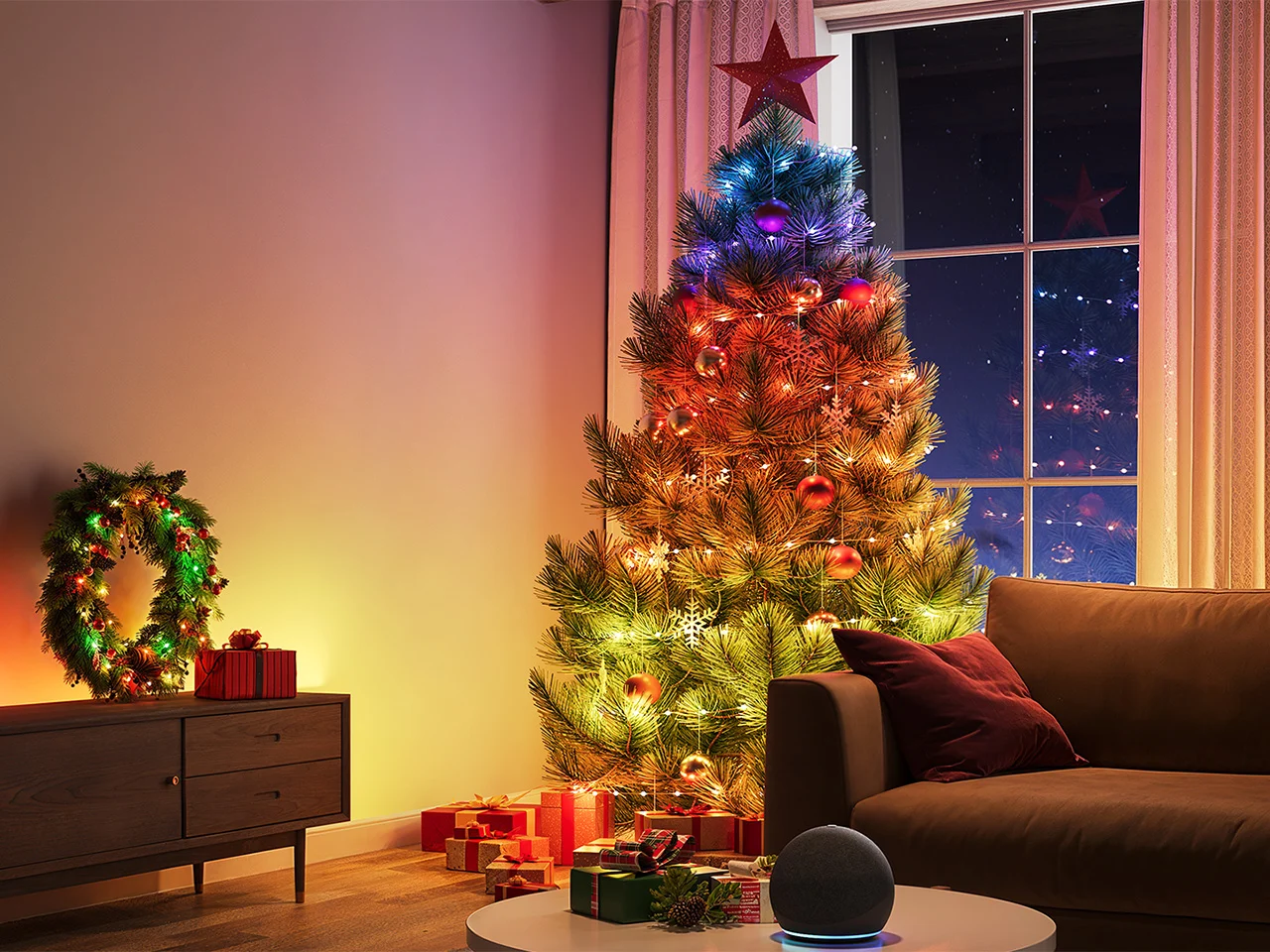
In 2025, the “perfect” holiday display won’t be the one with the most lights; it’ll be the one with the best ideas. By using permanent systems, AI-controlled hubs, and the nostalgic warmth of high-efficiency vintage bulbs, you are creating a tradition that will last forever and celebrate the past while keeping the future safe.

When you design a nostalgic holiday house, it’s not just about the electricity; it’s also about the experience of coming home. This year, let your lights show how much you care about a beautiful, sustainable world as well as how much you love the holidays.
For more blogs like this CLICK HERE!!!
Reference: