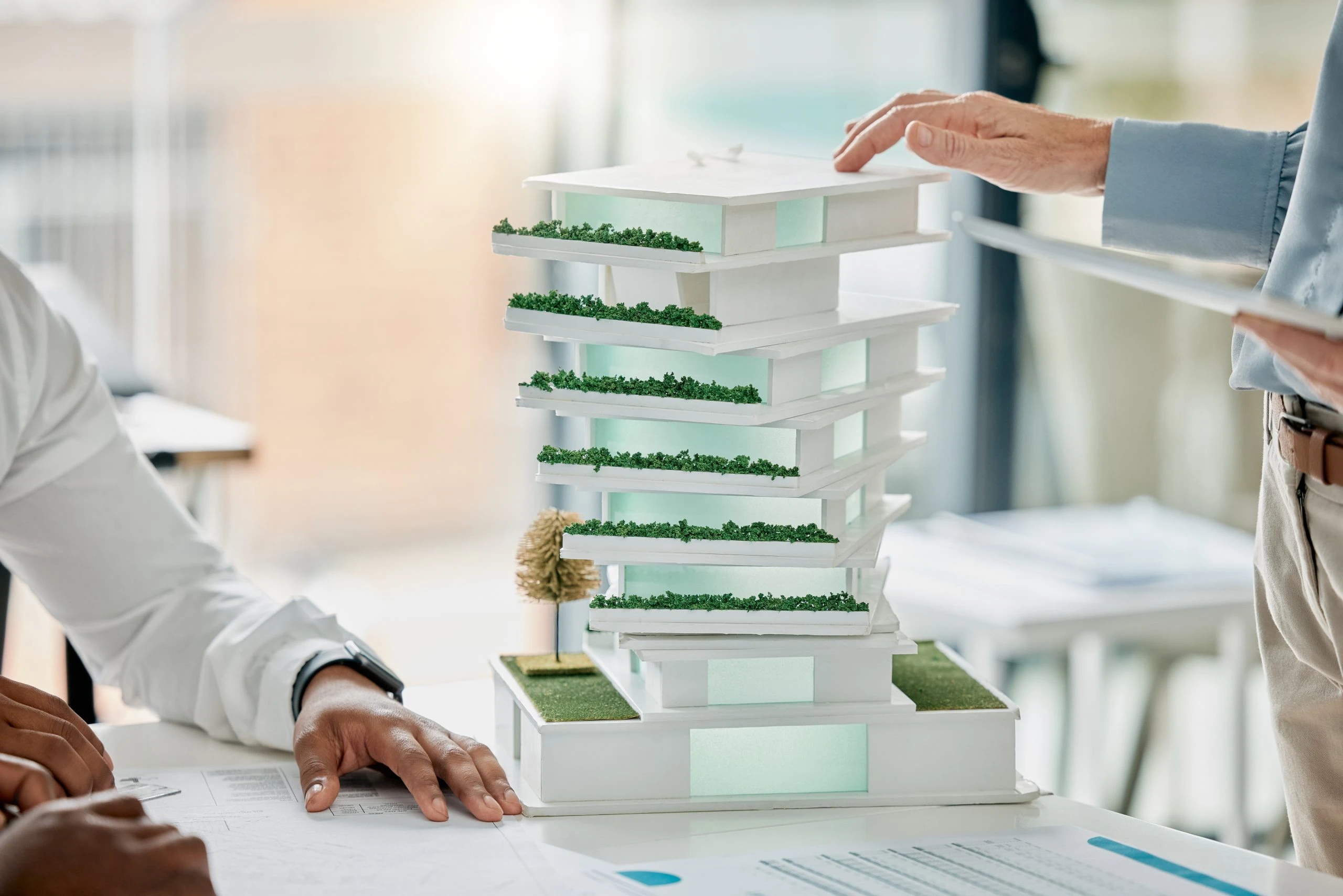
The Great Awakening: More than Just Sustainability
For a long time, “sustainability” meant doing less damage. That won’t be enough in 2026. The architectural community has become aware of Regenerative Design. We don’t just want to get to “net-zero”; we want to get to “net-positive,” which means buildings that actually heal the land they are built on.
A mix of deep appreciation for nature and cutting-edge technology is what is driving this awakening. In 2026, architecture got its soul back. For example, a facade can trap carbon and a layout can lower a resident’s cortisol levels.
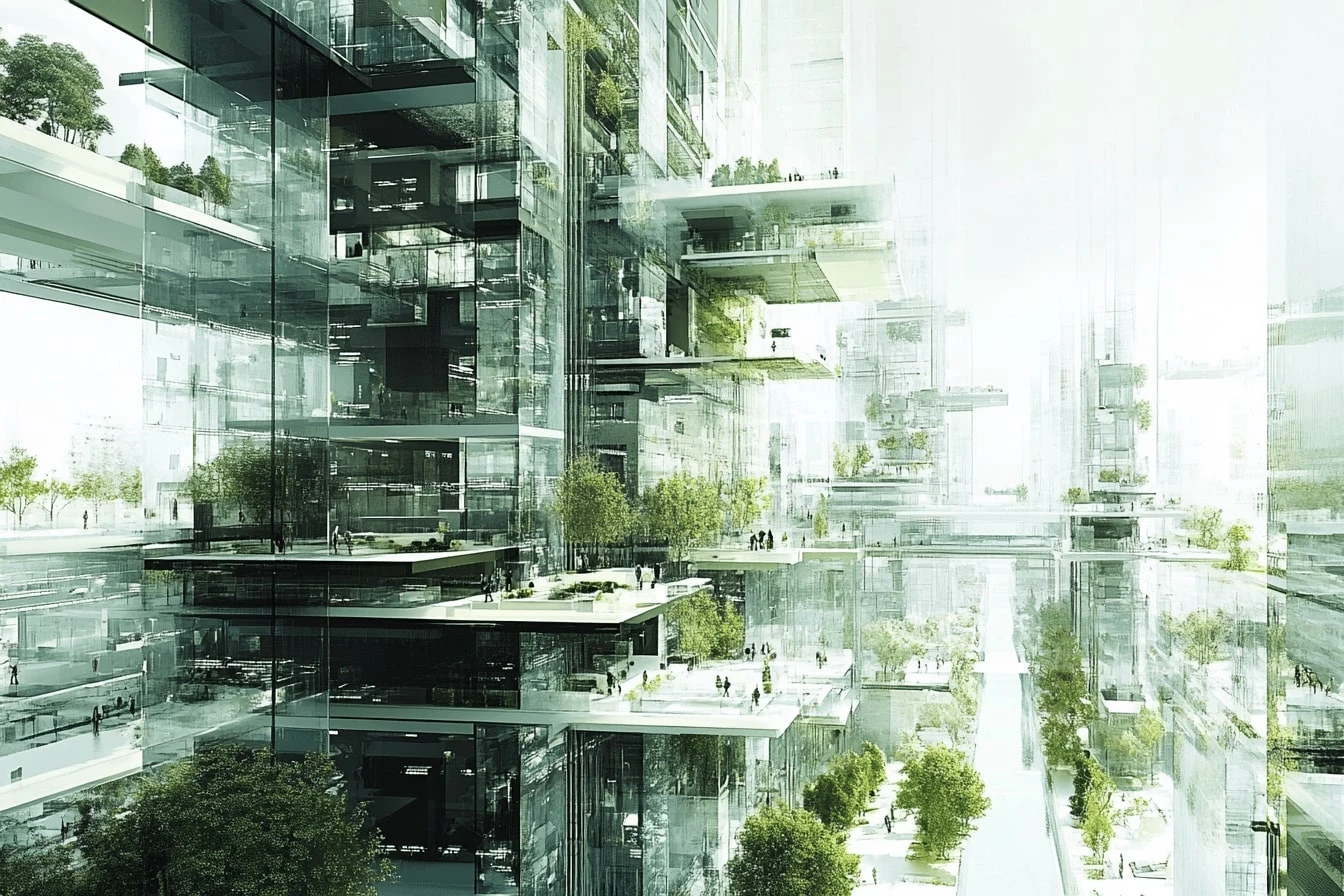
The Net-Positive Revolution in Regenerative Design
“Sustainable” is the starting point in 2026, but “regenerative” is the aim. This concept sees buildings as part of a wider, living environment instead of just boxes.
The goal is for a structure to give back more than it receives.
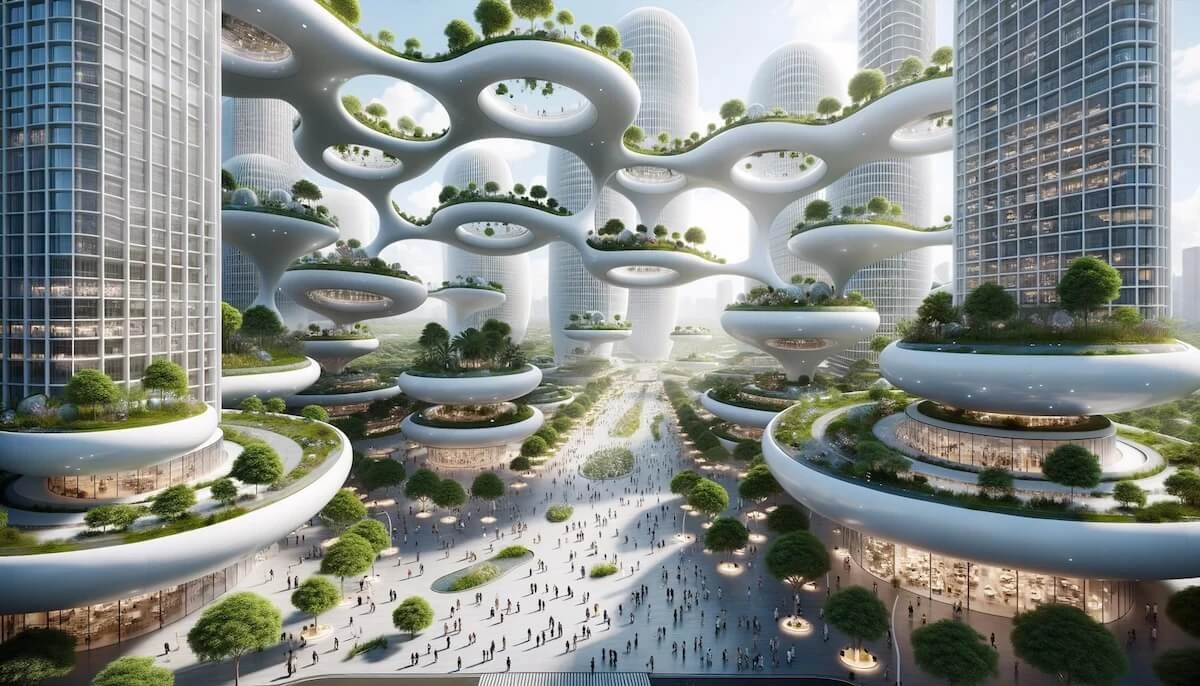
The truth is that architects are adding “pocket forests” that are full with all kinds of plants and animals to their building plans. These buildings clean the air in the city, give homes to local pollinators, and send clean water back to the city’s water supply.
About 2026 campuses in Australia are now “carbon-positive,” which means they store more carbon than they released during construction and operation.
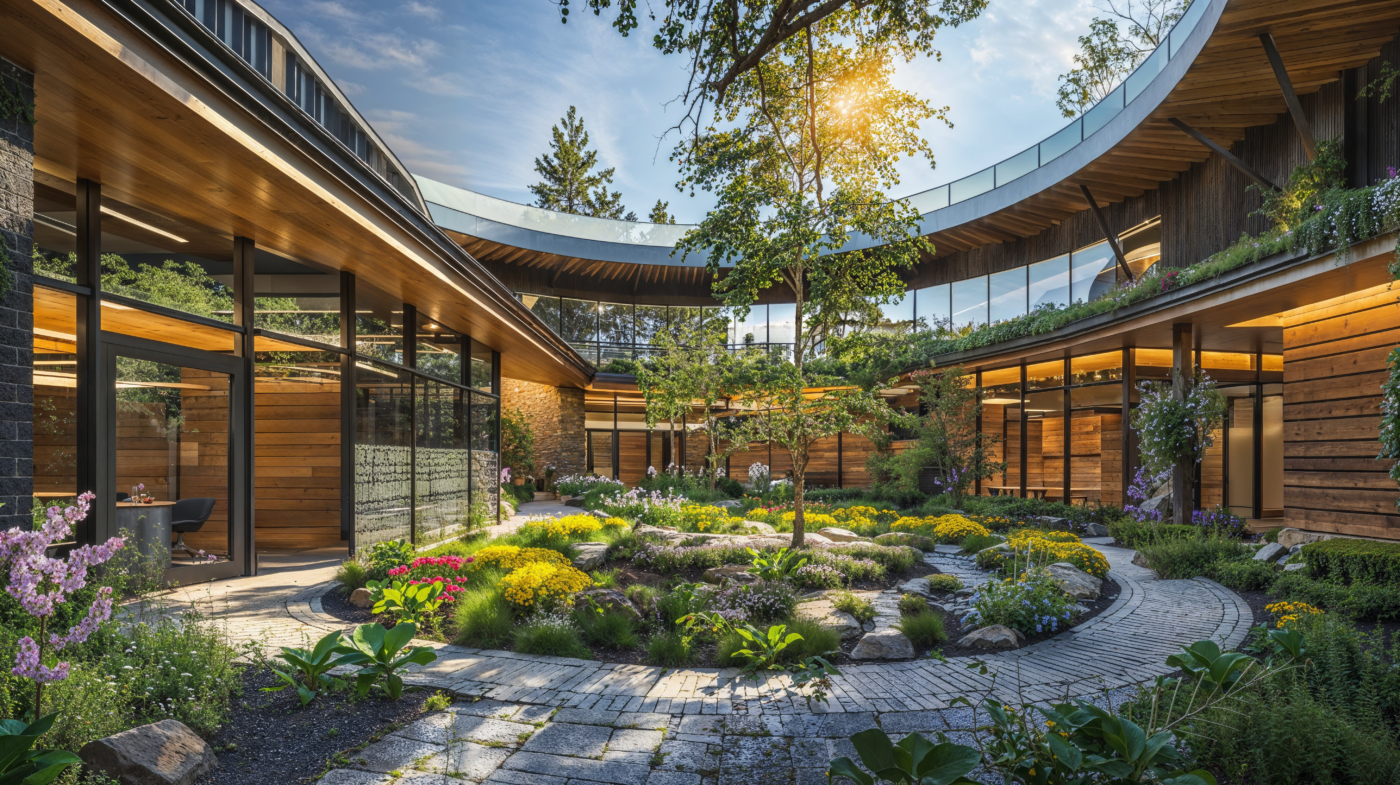
Neuro-Architecture: Making Things Work for the Brain
We finally have the proof we’ve always known: the design of a room influences the chemicals in your brain. Neuro-architecture employs neuroscience to help with design by treating interiors as biological infrastructure.
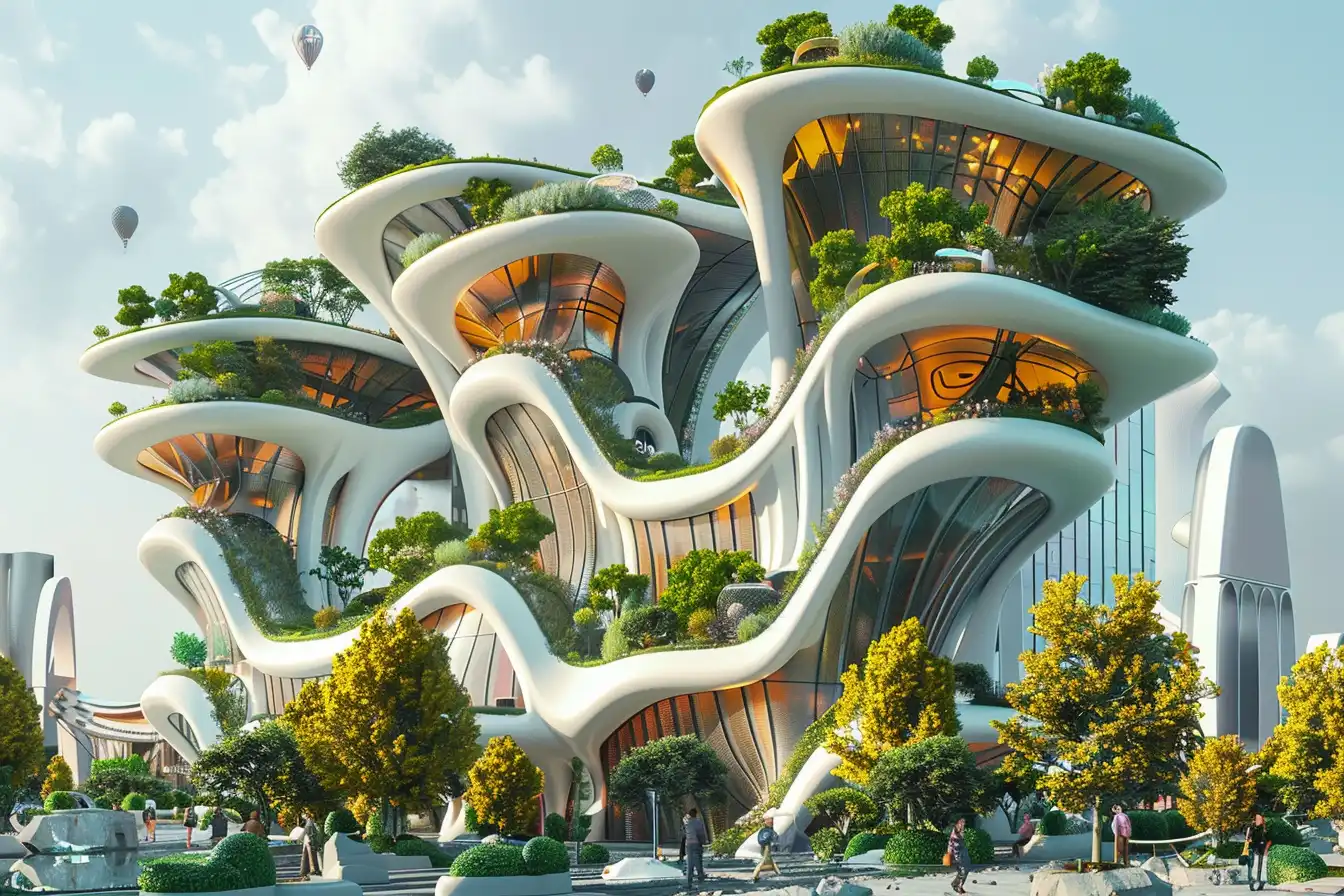
- Curved Geometry: Studies indicate that the human brain interprets acute 90-degree angles as minor threats, inducing low-level stress. Curved shapes tell the neurological system that it’s safe, which lets it switch into “creative focus” mode.
- Circadian Lighting: Smart interiors now work with your body’s natural clock to give you blue-rich light in the morning to wake you up and warm, infrared tones in the evening to help you sleep.
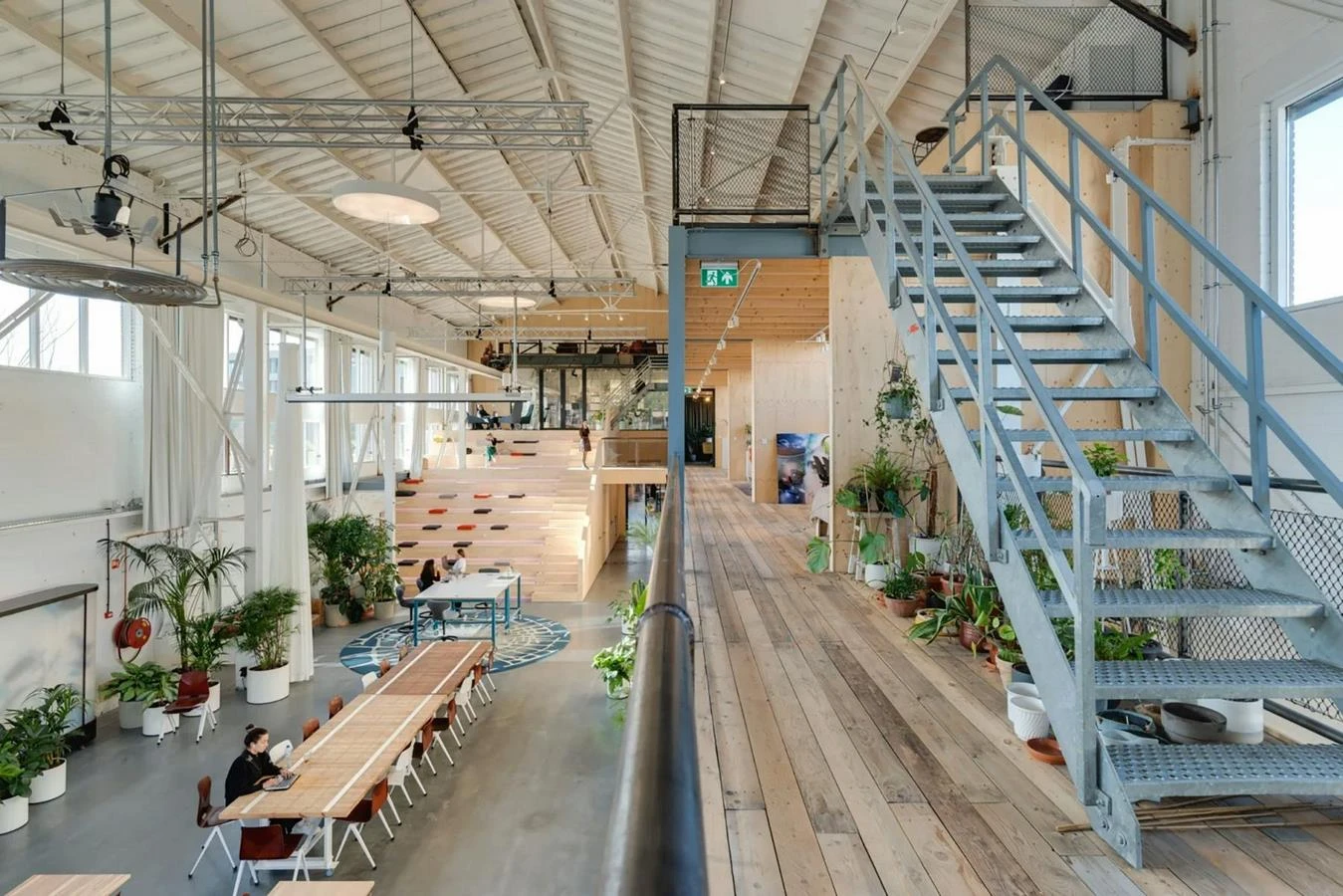
“Design for Disassembly” and the Circular Economy
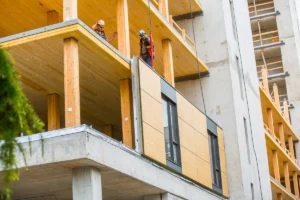
The “wrecking ball” is on its way out. Material Passports are used to plan structures with their own “end of life” in mind in 2026.
- Urban Mining: Every beam and panel has a blockchain tag. When a building’s purpose is over, it is “un-built.” These buildings are like “warehouses” for the buildings of 2076.
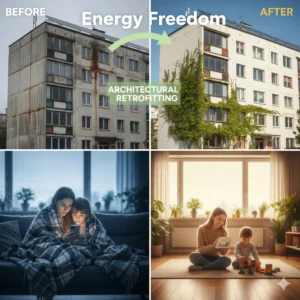
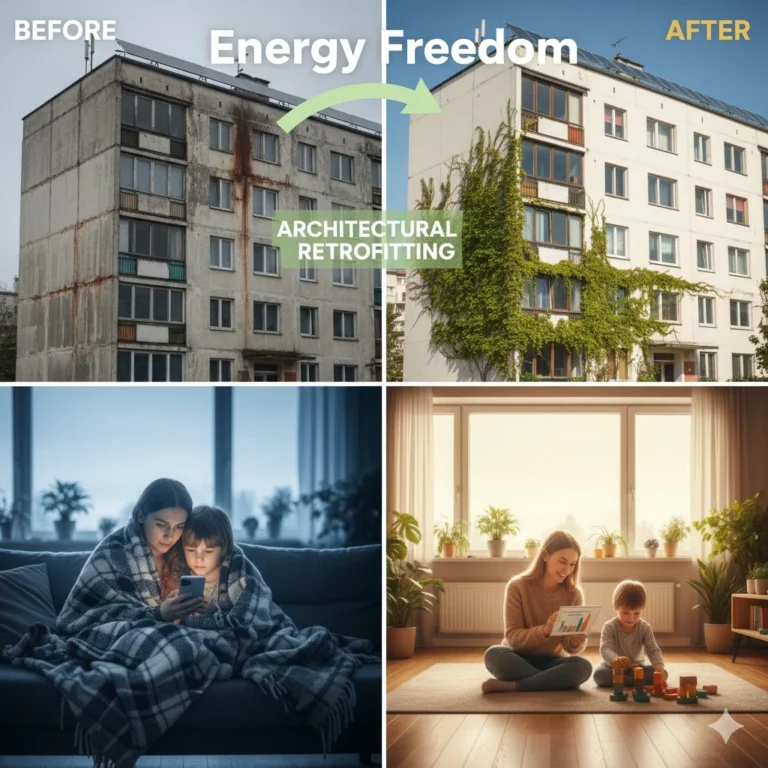
- “Deep Retrofits” will be a big trend in 2026 because turning an old factory into apartments can save up to 80% of the energy used to create it.
AI as the “Creative Co-Designer”
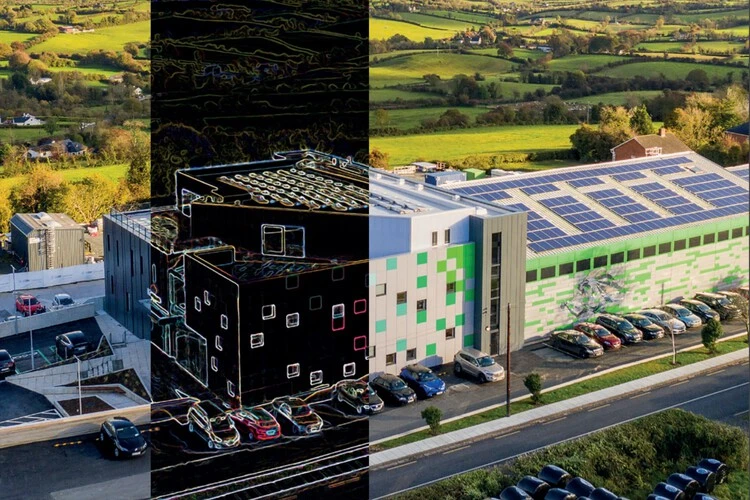
AI has gone from being a cool thing to something we need. AI doesn’t take the role of the architect; it makes the building’s environment better.
- Generative Design: AI runs millions of tests to identify the one that uses the least amount of material and lets in the most natural light.
- Predictive Maintenance: “Digital Twins” powered by AI keep an eye on energy use and wear and tear on materials in real time, so facilities managers can fix a building before it breaks.
Living Materials: Bio-Concrete and Mycelium
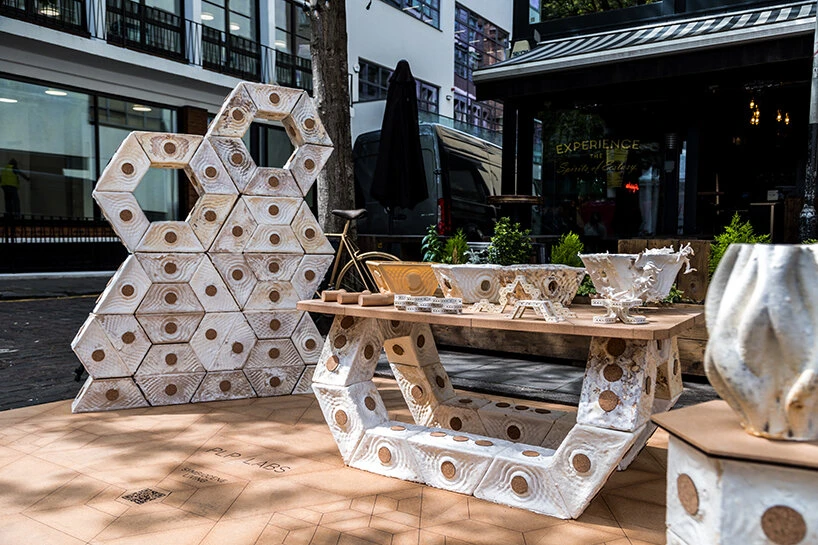
The “bones” of our skyscrapers are coming to life. Biocomposites that develop and heal have become more popular in 2026.
- Self-Healing Concrete: Buildings can now “heal” their own cracks with microorganisms that make limestone. This might double the life of the buildings.
- Mycelium (fungi-root) bricks are made from mushrooms and are 100% biodegradable, fire-resistant, and can be grown in just a few days using organic waste.
Mycelium insulation is not only better at absorbing sound than synthetic polymers, but it also doesn’t add to the carbon footprint.
Adaptive Reuse: Bringing History Back to Life
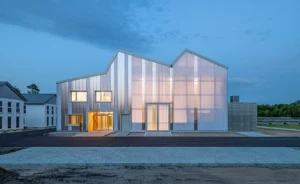
The greenest building in 2026 is the one that is already there. Architects are getting better at “Contextual Modernism,” which means combining old bricks with new glass.
- The Change: Old commercial malls from the 20th century are being turned into “vertical forests” and community-led innovation centers.
- Heritage Meets Future: This practice keeps local stories alive while cutting down on the carbon imprint of city growth.
Biophilic 2.0: Living Infrastructure That Works Together
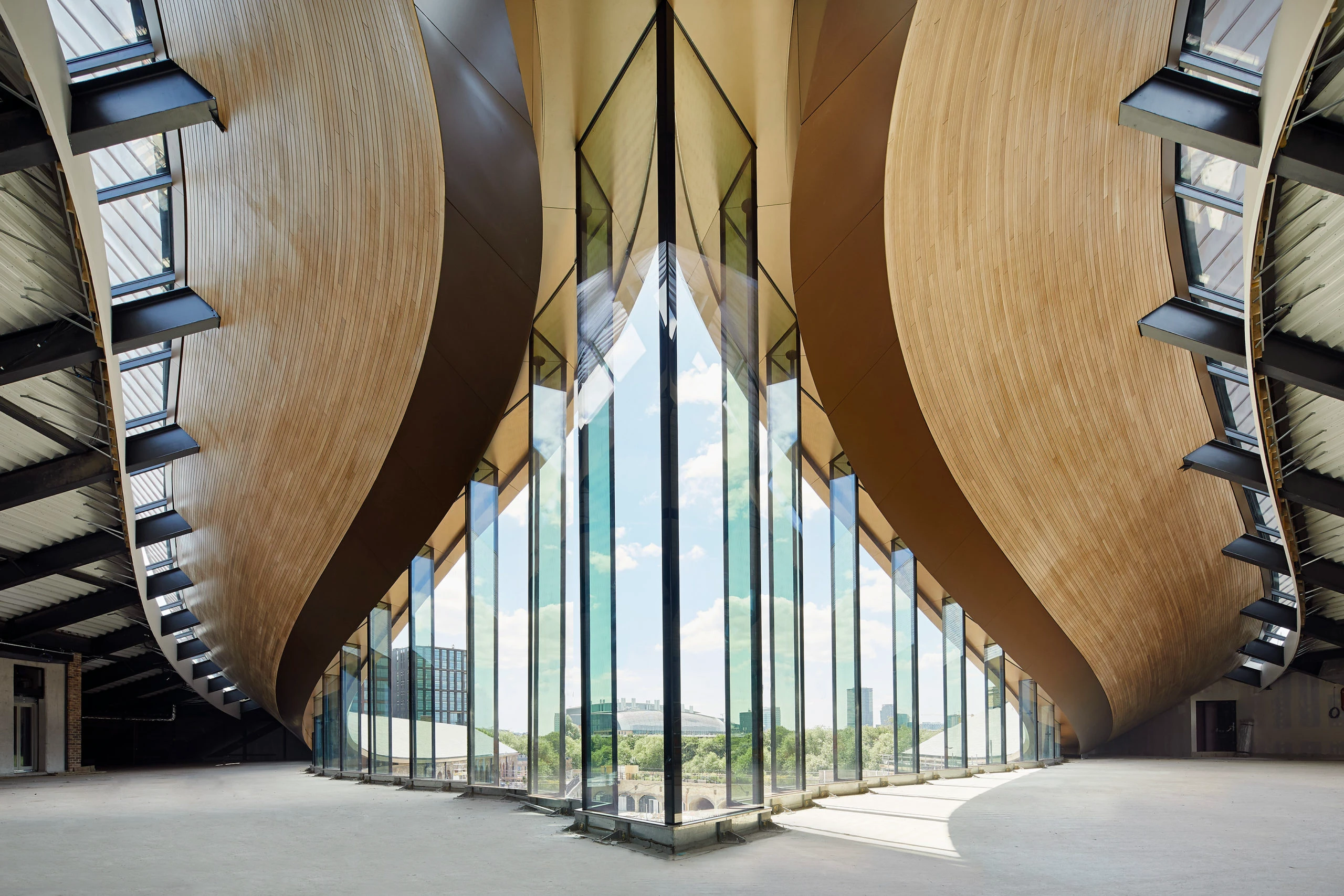
We are now at Biophilic 2.0, which is more than “potted plants.” The engineering of the home now includes nature.
- Hydroponic Facades: Buildings have built-in hydroponic systems that clean the air and keep the humidity stable.
- Sensory Integration: HVAC systems are being made to let out little amounts of plant scents, such wet earth or pine, to make the parasympathetic nervous system react, like when you stroll in the woods.
3D-Printed “Zero-Waste” Neighborhoods
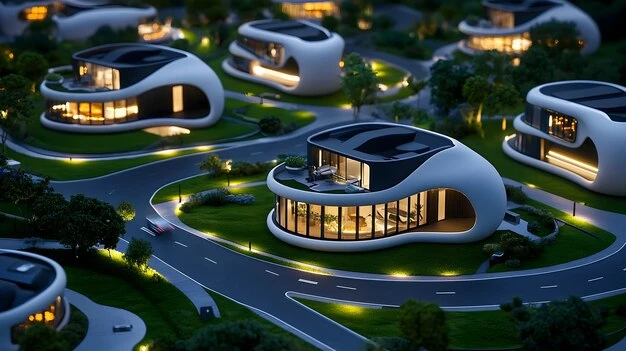
In 2026, 3D printing has become a common way to build cheap, environmentally friendly homes.
- Precision Engineering: Robotic arms precisely extrude local soil or recycled polymers where they are needed, cutting down on material waste by as much as 90%.
- Speed and Scale: Whole “printed” neighborhoods can be built in weeks, which is a quick way to help with the world housing need at a much lower carbon cost than usual.
“Silent Architecture” and Health Through Sound
Silence is the most luxurious thing in the world in 2026, when everything is connected. Sound is increasingly a major building block for architects.
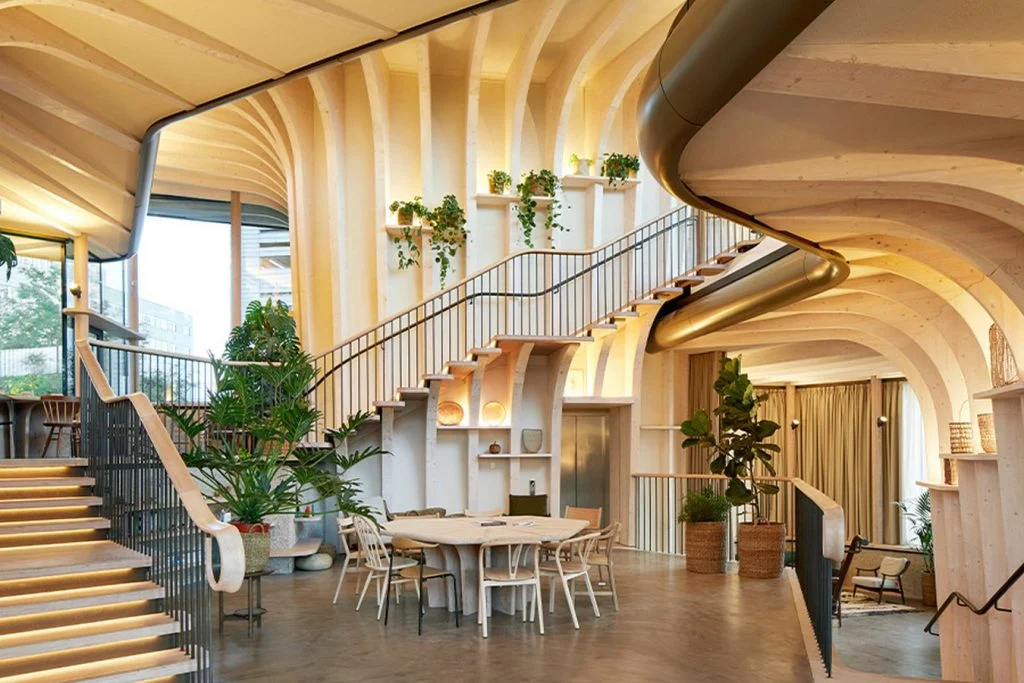
- The Silent Sanctuary: Homes are becoming sensory filters against city noise by using “sound-absorbing” wall veneers made from sunflower seeds and wood and seaweed acoustic panels.
Research shows that “acoustic wellness” in schools can help students stay focused and teachers stay healthy, which can boost productivity by 16%.
Glocal Design: Telling Stories Like an Artist
The last trend of the Great Awakening is a return to the local. Architecture is going back to being “contextual,” which means it doesn’t follow a “one-size-fits-all” design.
- Traceable Materials: In 2026, customers want to know where their stone came from. People are turning away from mass-produced, “soulless” materials in favor of local handmade traditions.
- Identity: Buildings are once again conveying the tale of their own piece of land. For example, they might use Mediterranean characteristics in a green building or First Nations seasonal calendars to plan the layout of the site.
Conclusion: A Future Based on Facts
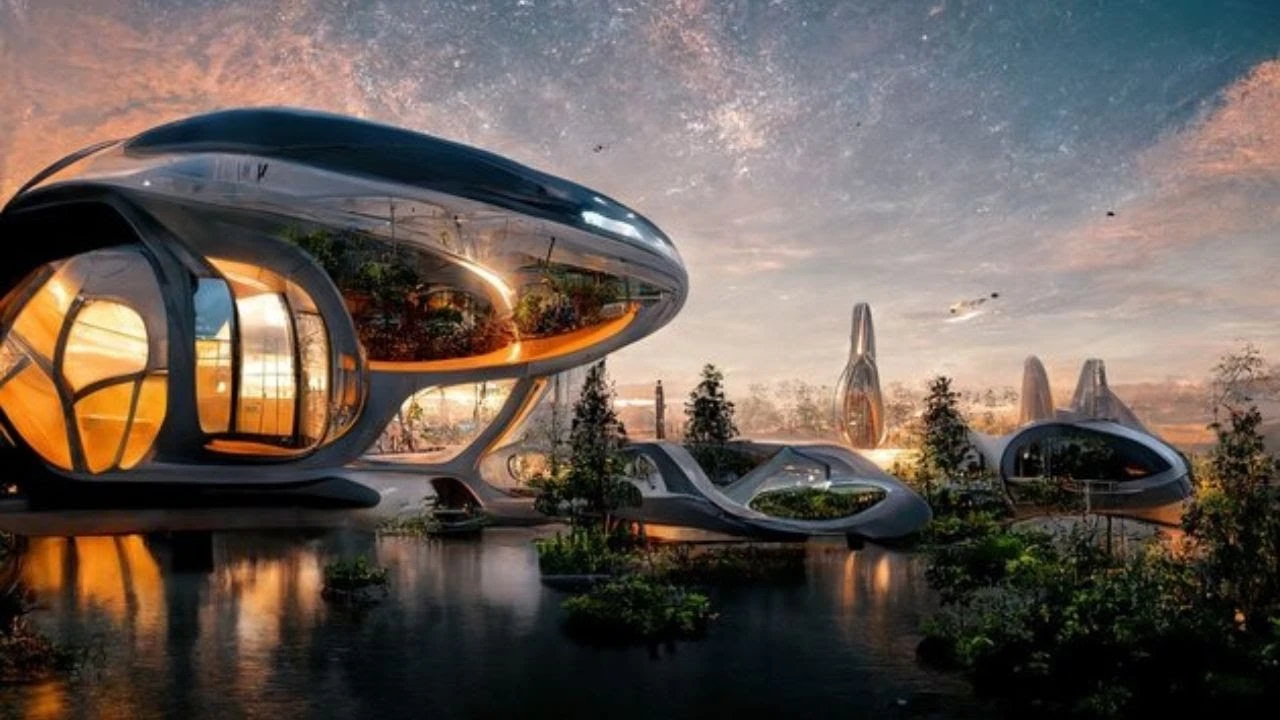
The “Great Awakening” of 2026 shows that technology and nature can work together. By accepting these 10 revolutionary trends, we are not only protecting the earth, but also learning what it is to be human again. We are making a world that is both high-tech and profoundly rooted, both new and eerily familiar.
For more blogs like this CLICK HERE!!
Reference: